Shulmanism


The world needs another book on the late photographer Julius Shulman (1910-2009) like it needs another Katherine Heigl movie, but there I was, last night, driving to Woodbury University, to attend a book signing for the new Rizzoli photography book, “Julius Shulman and the Birth of a Modern Metropolis” by Sam Lubell, Douglas Woods, Judy McKee (Shulman’s daughter) and illustrated, of course, with Mr. Shulman’s voluminous and gorgeous architectural images.

In an auditorium, a large screen was set up in front of the audience. At a long table sat Craig Krull, whose gallery sells Shulman’s infinitely reproducible photographs for thousands a piece; a woman from the Getty Research Institute/ Julius Shulman Archive; Judy McKee, Julius Shulman’s only child and the executor of his estate; authors Sam Lubell and Douglas Woods; and architecture critic and author Alan Hess.

Shulman’s photography was the clearest and finest representation of the California dream after WWII. Through his lens, the world saw a state of endless innovation and mass-market modernism where mobility and technology might remake the lives of millions under the glowing sunshine.

Architects Neutra, Eames, Koenig, Lautner and Beckett hired Shulman to promulgate, promote and propagandize modern building and modern design. Through the 1950s and 60s, every freeway, every parking lot, every shopping center replacing every bulldozed orange grove was an opening to a grand and glorious future. The lone skyscraper in a sea of parked cars was held up as a model of how life should look. And Shulman was the master who made the desert of Los Angeles bloom.

The skyscraping of Bunker Hill, the lifeless streets of Century City, triple-decker freeways– they all were shot at the end of the day: shadows, textures and gleaming surface.

Mr. Krull called Mr. Shulman “the most optimistic man I’ve ever met.” Like Ronald Reagan or Arnold Schwarzenegger, Shulman loved the Golden State and kept his company with the most successful and accomplished men of his time.

The speakers last night, acolytes and worshippers, reinforced each other. The academic praised the archivist who saluted the authors who thanked the gallery who paid homage to the photographer.

Like Scientology, that other great religion of this region, Shulmanism demands fealty and loyalty to its founder and his work. To ask why Los Angeles has never lived up to its photographic glory is to risk blasphemy. To ask why Shulman, who lived for almost a century, did not turn his very observant eye, onto the less attractive parts of LA, is to insult the very vision and mythology he produced.

Mr. Krull also said that Mr. Shulman never thought his photographs were worth so much until the checks came in. Photography is reproducible… but oil painting, sculpture and the Hope Diamond are not. No doubt, Mr. Shulman knew that each of his negatives could turn out 3 million photographic prints. But art collectors and art sellers must be smarter than the rest of us. And Shulman’s work is the gift that keeps on giving. Publishers, filmmakers, galleries are going to go on licensing Shulman for as long as they do Warhol, Presley and Monroe.

Projected onto Shulman is the very ideal that modernism was moral. Once upon a time, myth-makers imagine, architecture was about making the world a better place. By omitting broken down and shabby Los Angeles, and posing happy children, well-dressed wives and various home furnishing accents, Shulman decorated and embellished his structural subjects. With biblical fervor and pixelated proof, these photos demonstrate to believers that paradise did indeed exist in post-war Los Angeles County.

At the end of the presentation, one of the authors spoke about his favorite photograph in the book: a 1930s image of a thriving and ornate corner of downtown Los Angeles with streetcars and pedestrians.

The Young Bostonian.


For a few days, last week, I reprised a role I had once played, three decades ago, in the city of Boston.

Some friends of mine, residents of Los Angeles, will soon relocate near Boston University and one of them will enter graduate school and study physical therapy.

Thanks to a very generous cousin in Cambridge, who opened up her home and heart, we three had a place to stay, in an old neighborhood north of Harvard University, where old frame houses, brick colonials and crooked streets are intersected by Irish taverns, old firehouses, new bakeries and shabby gas stations.

I love Boston as much as I despise Los Angeles, so I eagerly jumped on the chance to bring them around to the places I had last lived in when Ron and Nancy were in the White House.

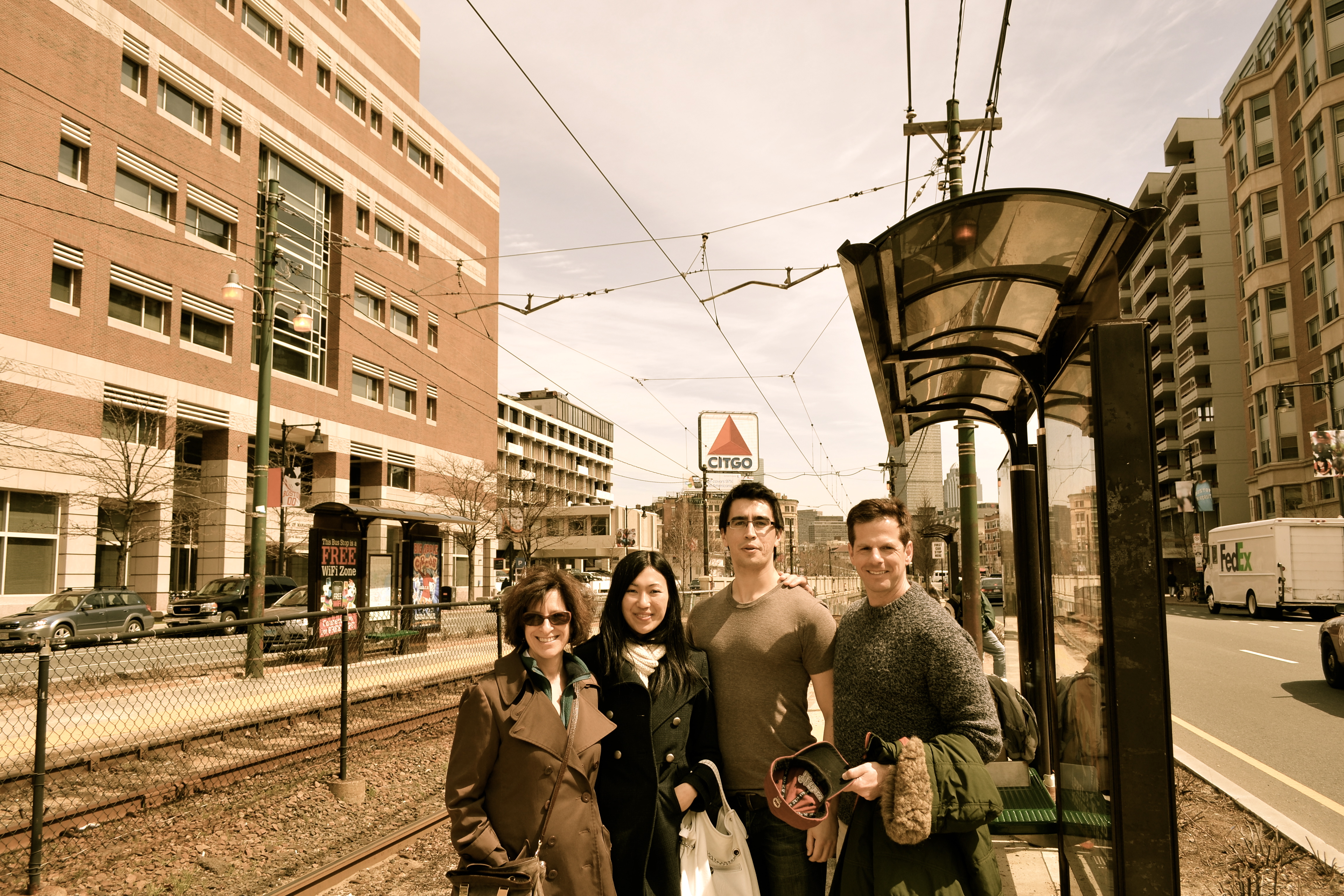
Fulfilling President Reagan’s fondest dreams, the wealthy and powerful are even more so today, and well-endowed, luxury-priced Boston University (tuition:$39,000), once a homely, forlorn and gray place along the streetcar tracks, is now full of edifying and prestigious piles of brick colleges, ornate lampposts, decorative sculptures, landscaped meridians, cobblestone sidewalks and a frenetic energy of the young, stressed and indebted.

The sun shone every day of our visit, in a weird evocation of the city we were in exile from. Spring was evident in the flowering dogwoods, crocuses and tulips and on the tinted green lawn of the Public Garden. A season earned by those who had worked through a cruel and harsh winter. A spring deserved and appreciated, as spring should be. The scarcity of something wonderful is wonderful to behold.

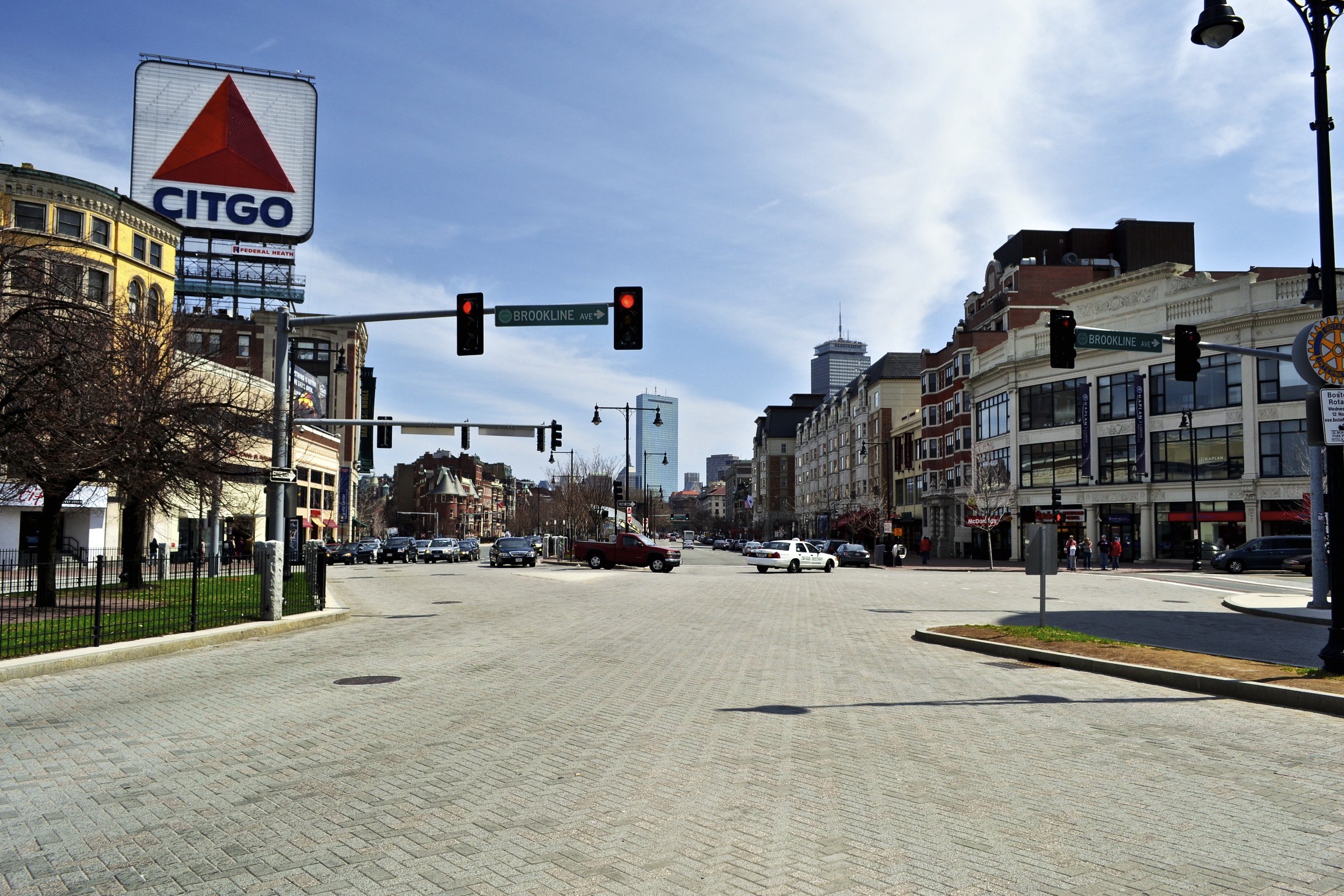
And there was the new, gleaming Kenmore Square, which I remembered as the ass end of the Back Bay, where broken beer bottles, Sunday morning pee-in-the-alley, and angry musicians once held court. It was now a sanitized and Disneyfied collection of luxury hotels, smart restaurants; and a ridiculously oversized twin-peaked, mansard-roofed building suited for a studio back lot.

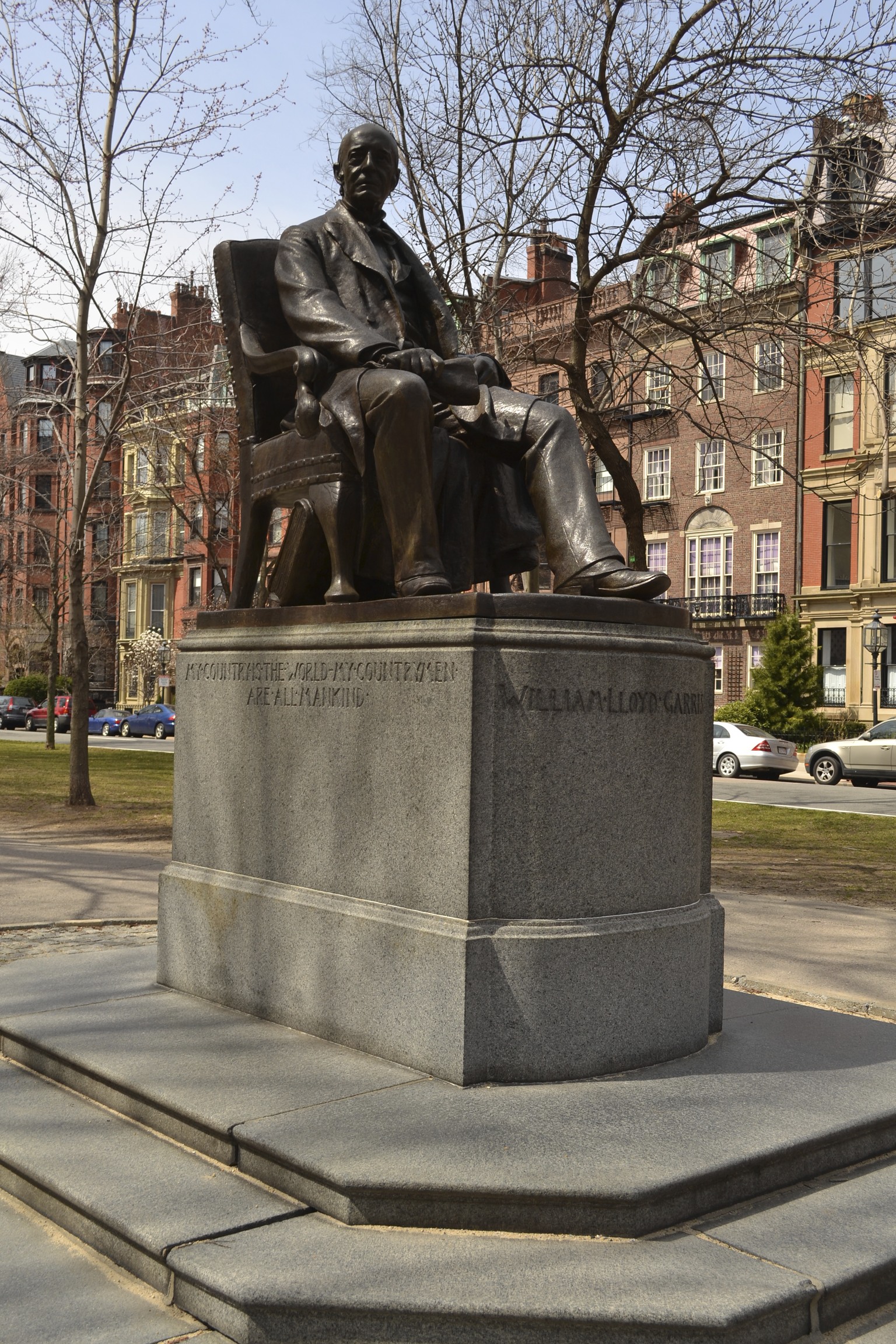
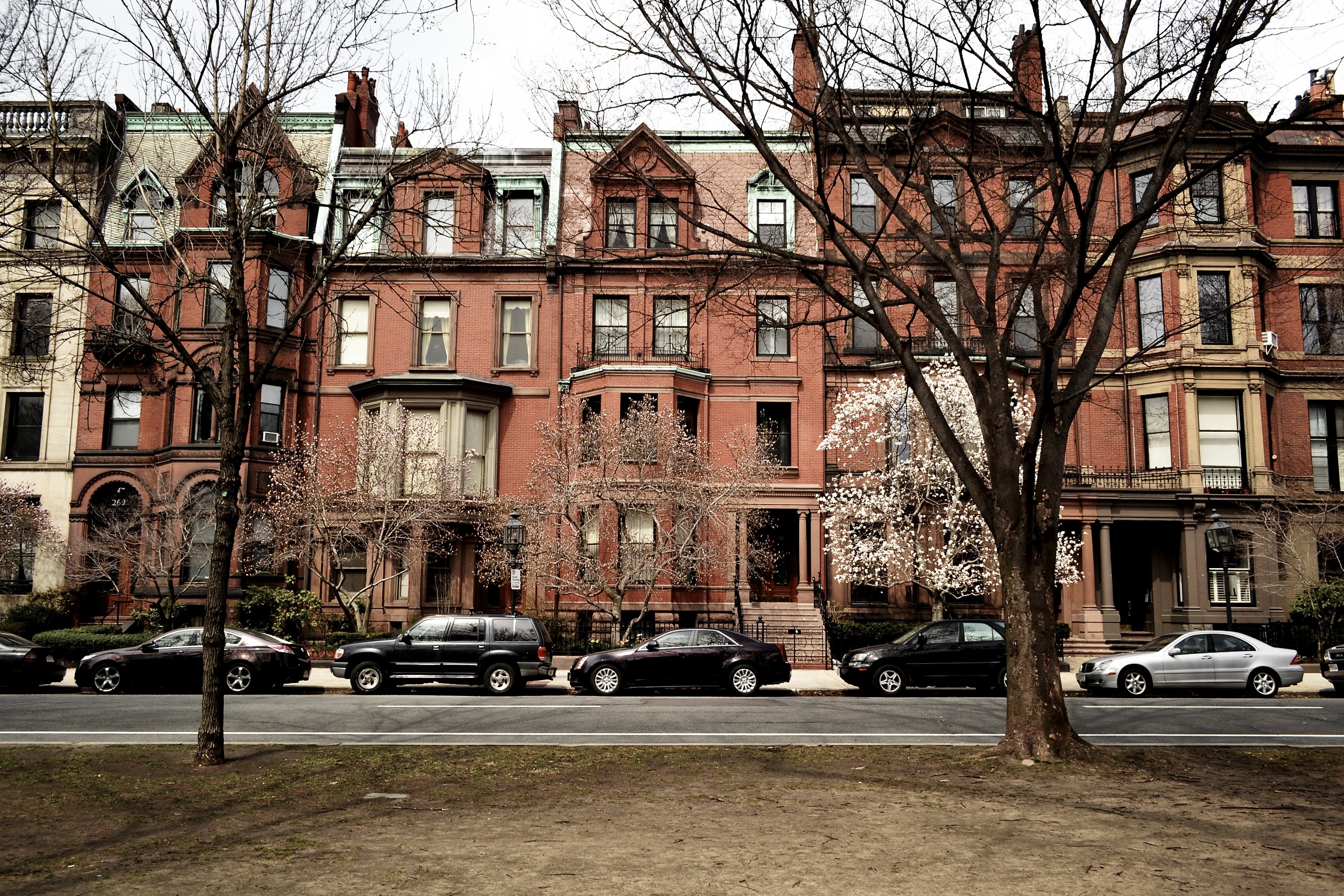
In my old Boston days, I had always walked and dreamed and wandered along Commonwealth Avenue, under the trees and past the statues of great dead men. And my favorite was William Lloyd Garrison, the abolitionist, whose quote I memorized to fire up my own integrity:

“I am in earnest — I will not equivocate — I will not excuse — I will not retreat a single inch — AND I WILL BE HEARD.”

He was fighting against the national evil of slavery, and this writer was only speaking up, pathetically, in defense of his own sexuality. Perhaps that is not entirely true, but when I walked there 30 years ago, I did so in the shadows, without self-knowledge, trapped in a dream and a nightmare of unfulfilled carnality.

Transcendentalism. Unitarianism. John F. Kennedy.
Paul Revere. Honey Fitz. Marky Mark. The Late George Apley.
Henry Cabot Lodge. Ted Kennedy.

Faneuil Hall. Samuel Adams. The North End. The Public Garden. The T.
Copley Square. Brookline. Charles River. Myles Standish Hall.
Concord and Lexington. Martha’s Vineyard and Nantucket.

Isabella Stewart Gardner. Emily Dickinson. John Silber. Nick DeWolf.

Thirty years ago, and three days ago, my mind’s awhirl with what I saw and what I learned and who I might become. Thirty years have passed. But they have not diminished my passion for the people, places and philosophy of the Bay State.

Boston was the first moment, at 18, when my conscious mind came into existence.

And I felt it again, last week, that I belonged to Boston, in its fervor and trembling intellect, in its profundity and promise, and I know that I have barely scratched the surface of my own potential when I return to the place where youth crashed into adulthood and I picked up the pieces…. sculpting life anew.

Vietnam War Photographs.


This slideshow requires JavaScript.

Steven Curtis is a Hollywood based photographer and Vietnam War veteran. I met him a few years ago and spent an afternoon touring his house, inspecting his vintage camera collection, and learning about his experience as a soldier and shooter (pun intended) in that long ago, but never forgotten conflict.

His photographs can be found here.

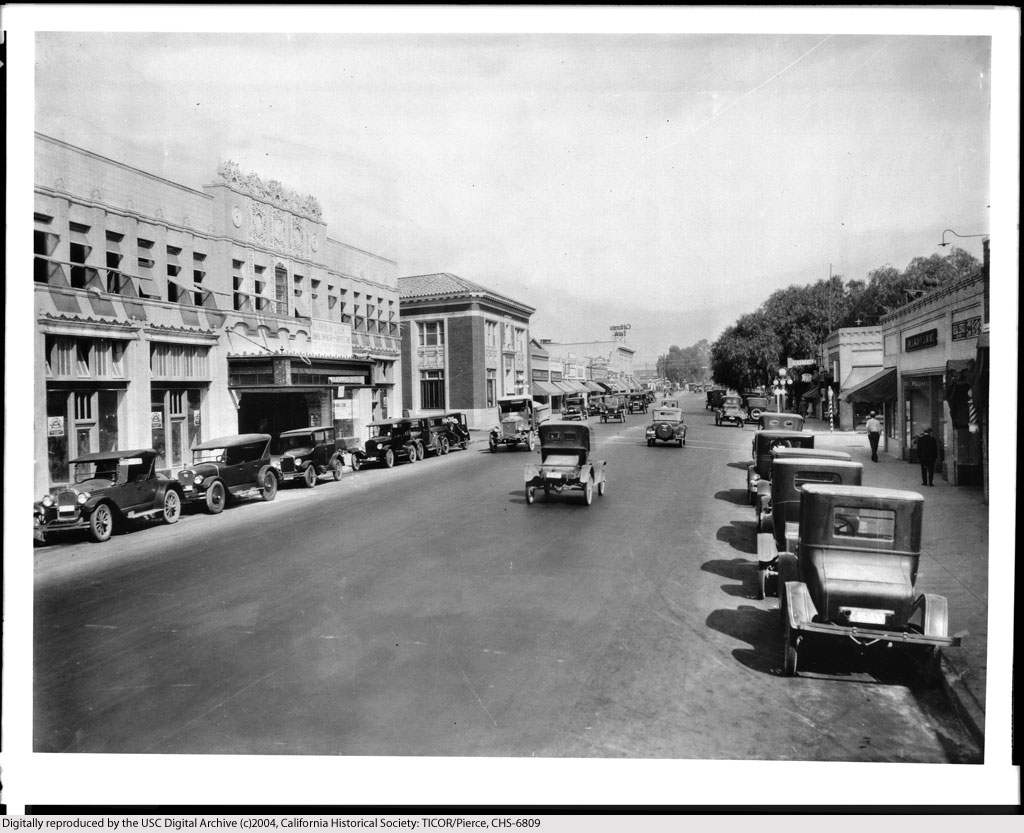
Lankershim Blvd. North Hollywood, 1926


Lankershim Blvd. North Hollywood, 1926

From the USC Digital Archives Collection.

1952 Floods: Centinela/Slauson and Centinela/Sepulveda


From the USC Digital Archives.

1952 Floods in Los Angeles.


IMAGERY – The Celery Merchants of Venice – Hidden Los Angeles


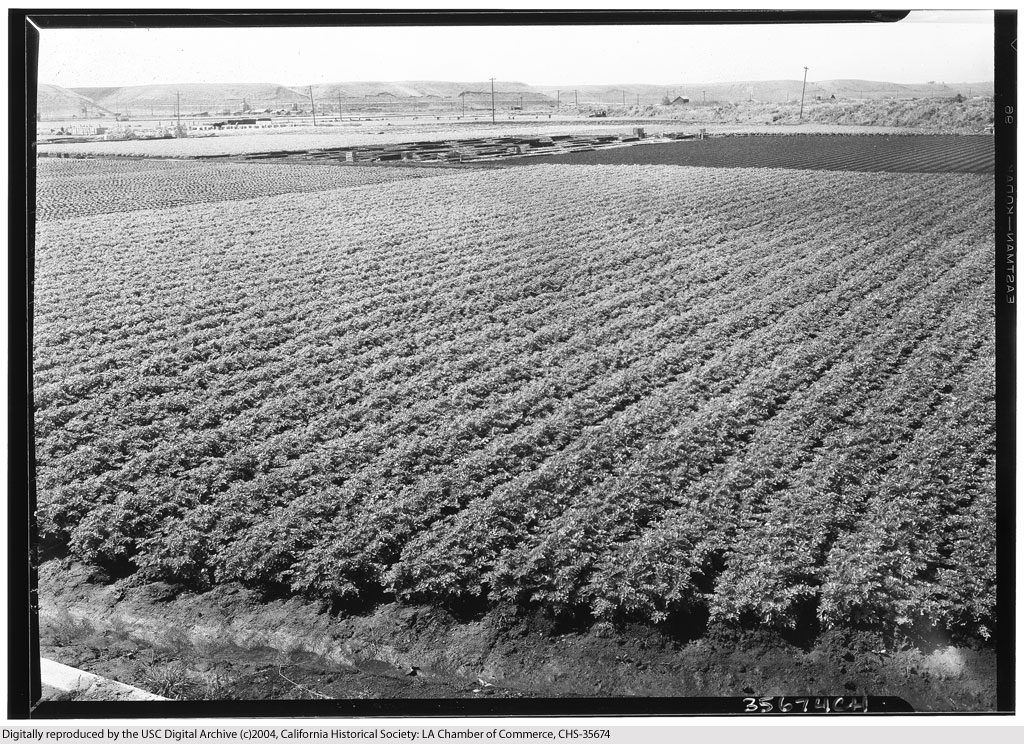
Celery fields in Venice, CA, 1927, which was once known as “The Celery Capital of America”.

IMAGERY – The Celery Merchants of Venice – Hidden Los Angeles.