It has been some two and a half years since the pandemic began, and somehow it is sort of (not) over. In that time, since March 2020, America has been in a slow-motion meltdown, proceeding quickly, an epoch unlike any other with riots, lockdowns, and a lunatic who would not and will not accept that he is no longer President.
There was always Santa Monica for me.
Since I came here in 1994, that always cooler place near the ocean was a destination for dining, drinking, shopping, biking, and hiking. It was where you took out-of-town guests, where you went to show them, half truthfully, that LA was just as walkable, vibrant, urbane and enjoyable as New York.
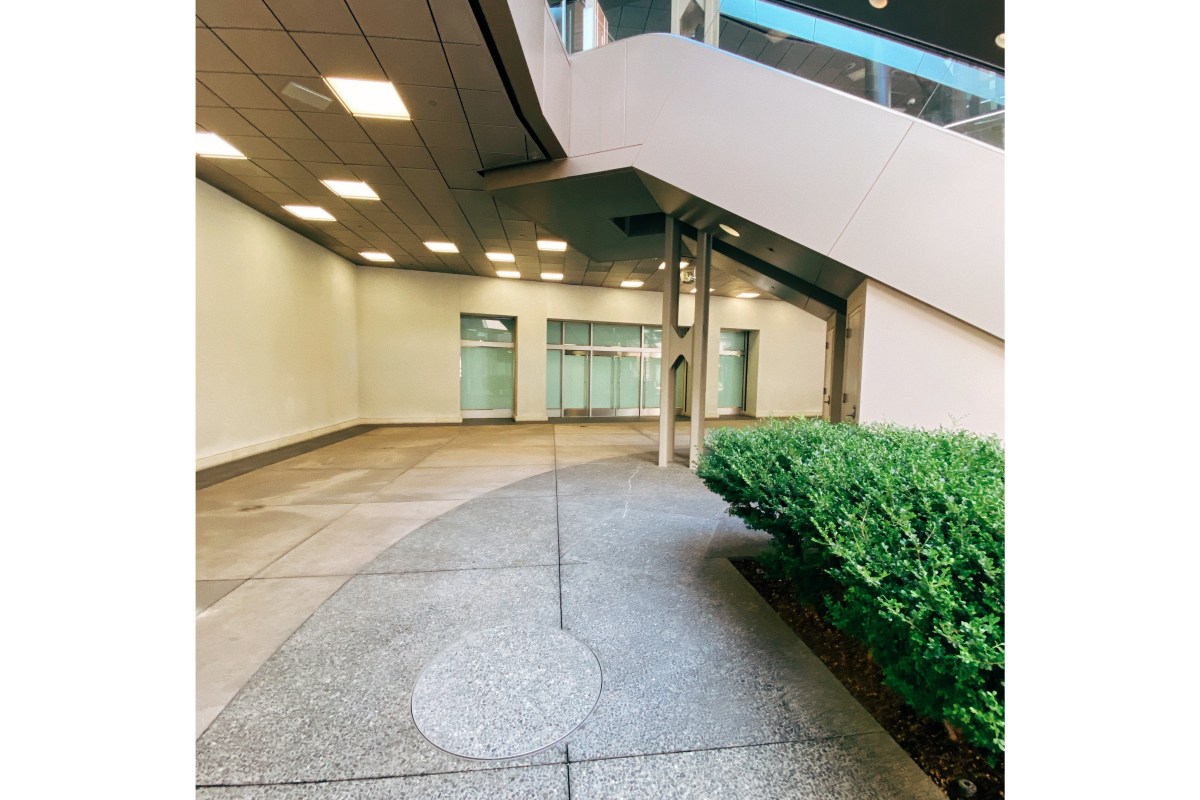
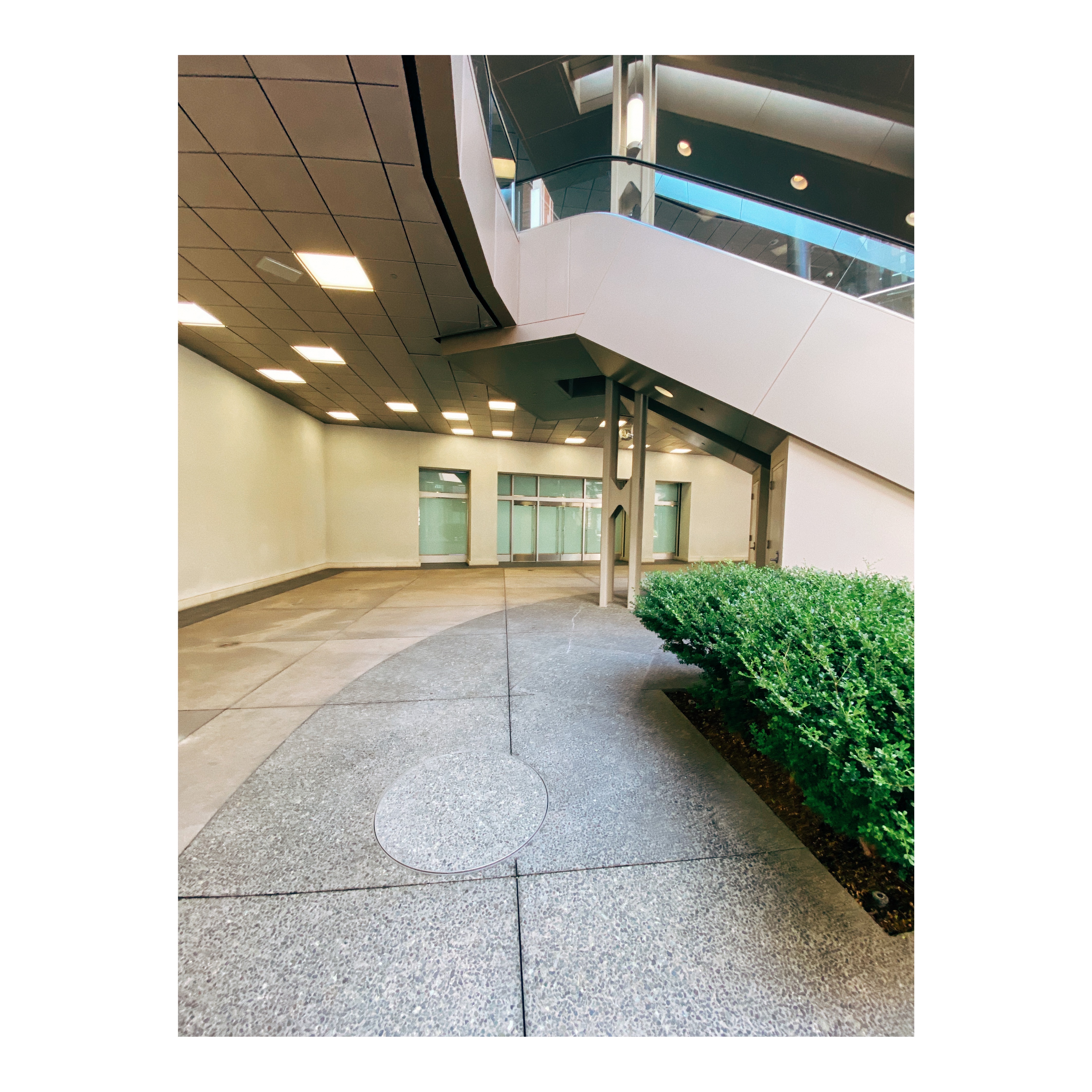
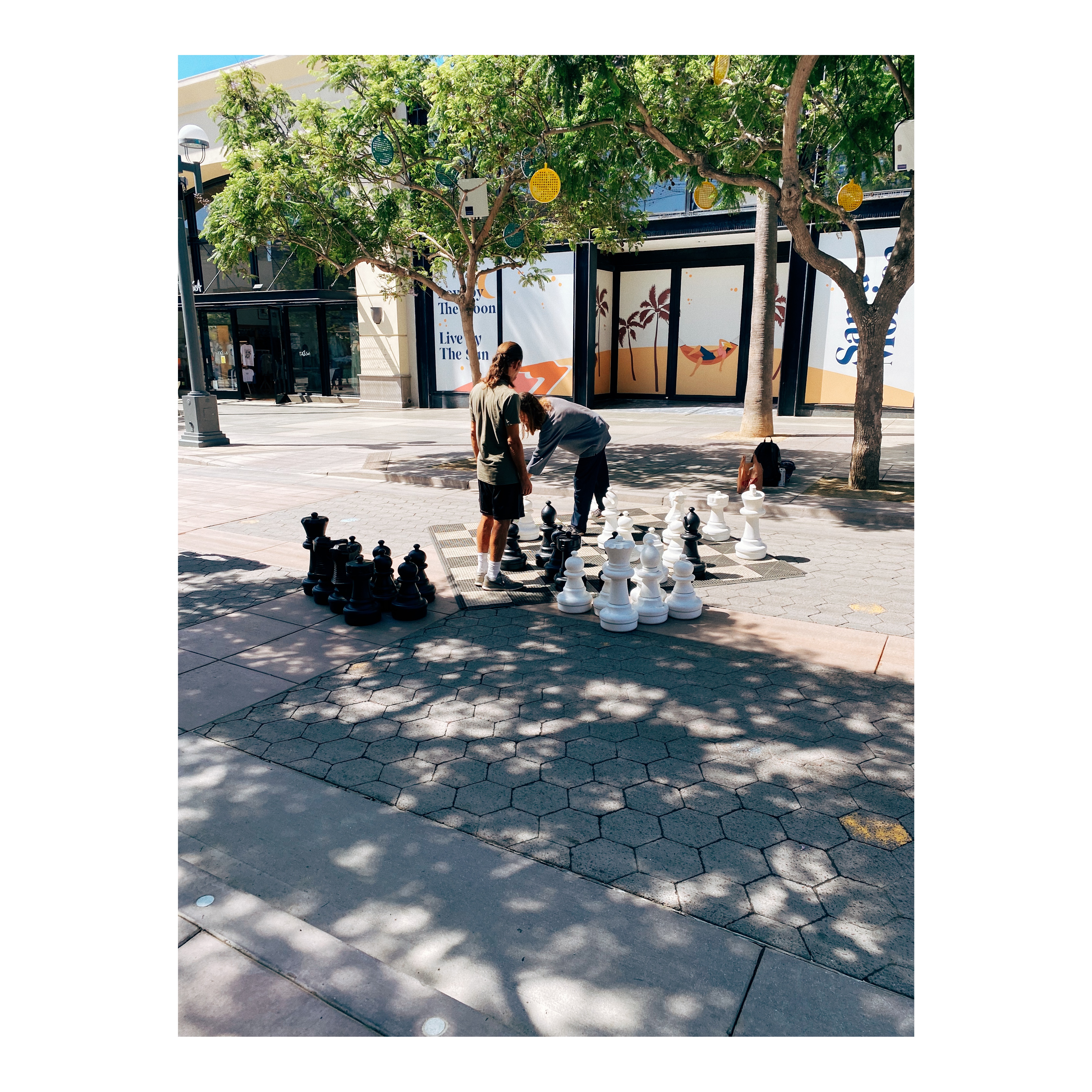
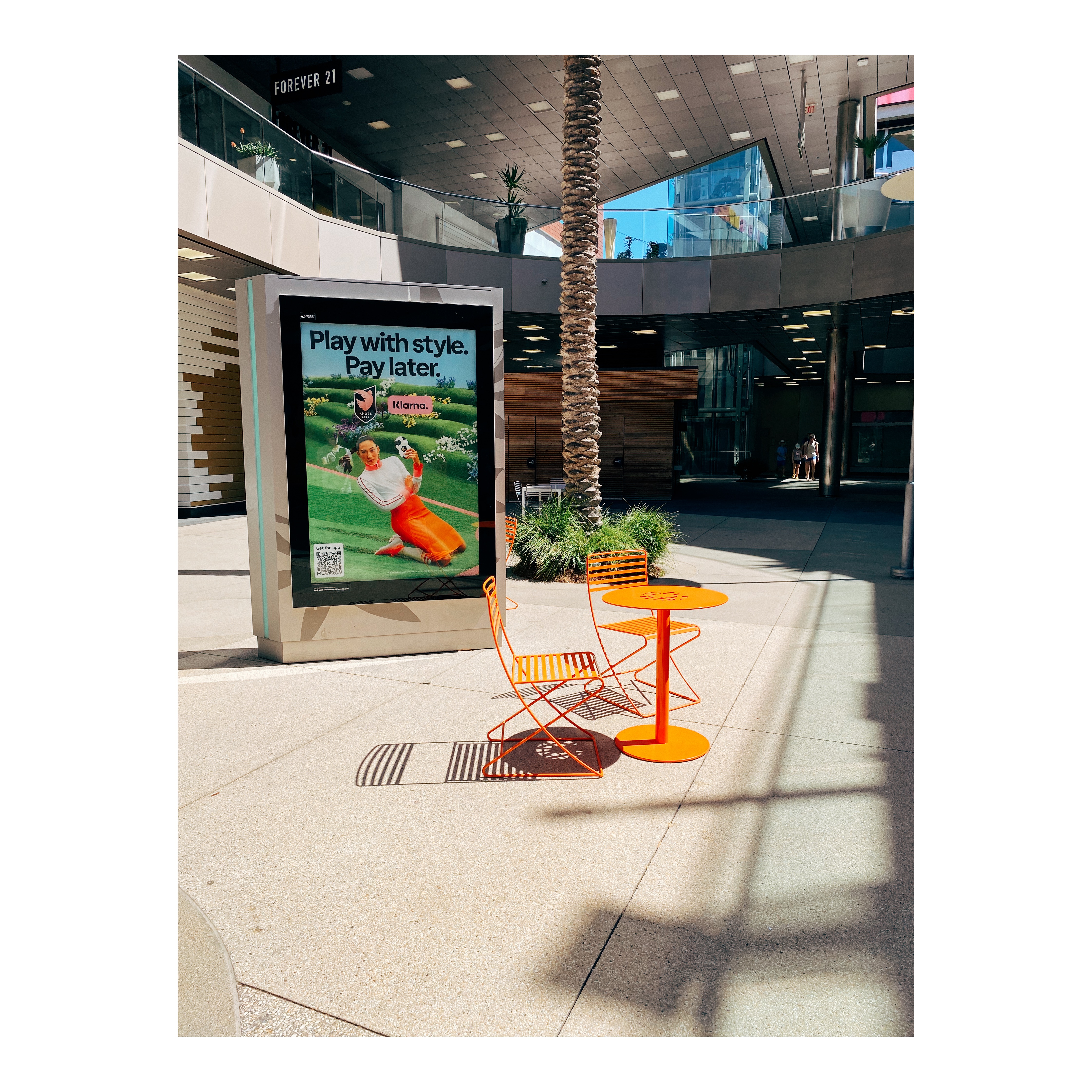
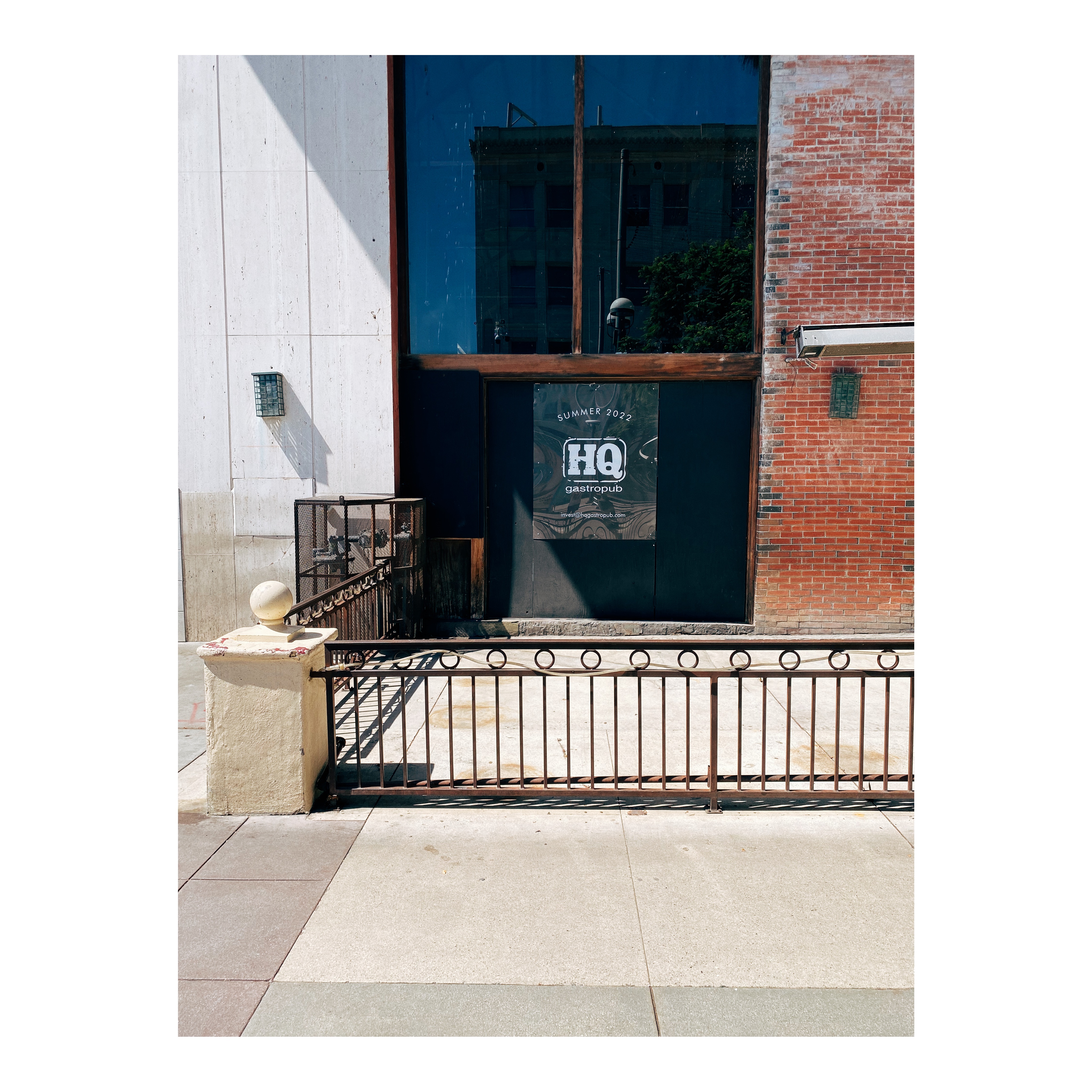
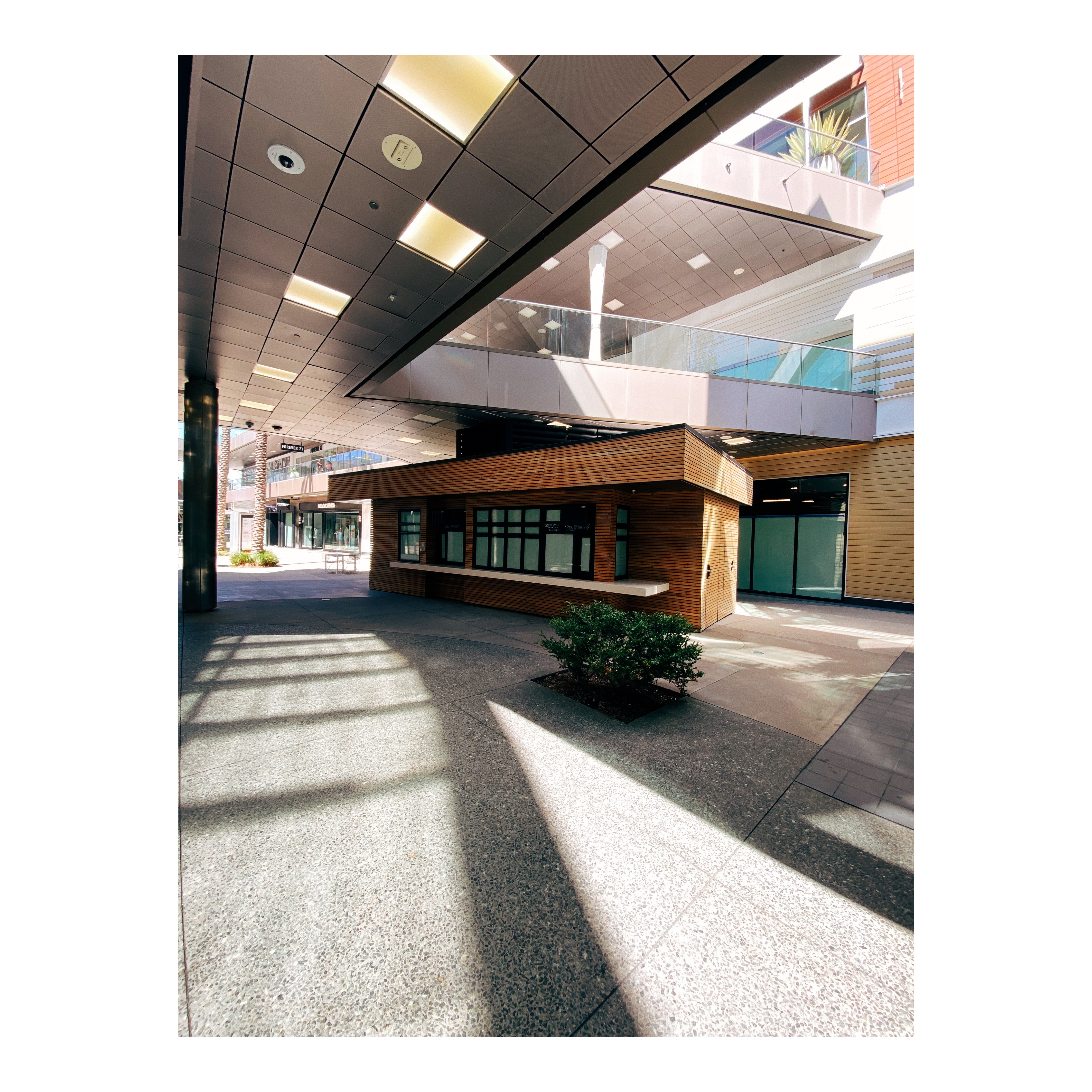
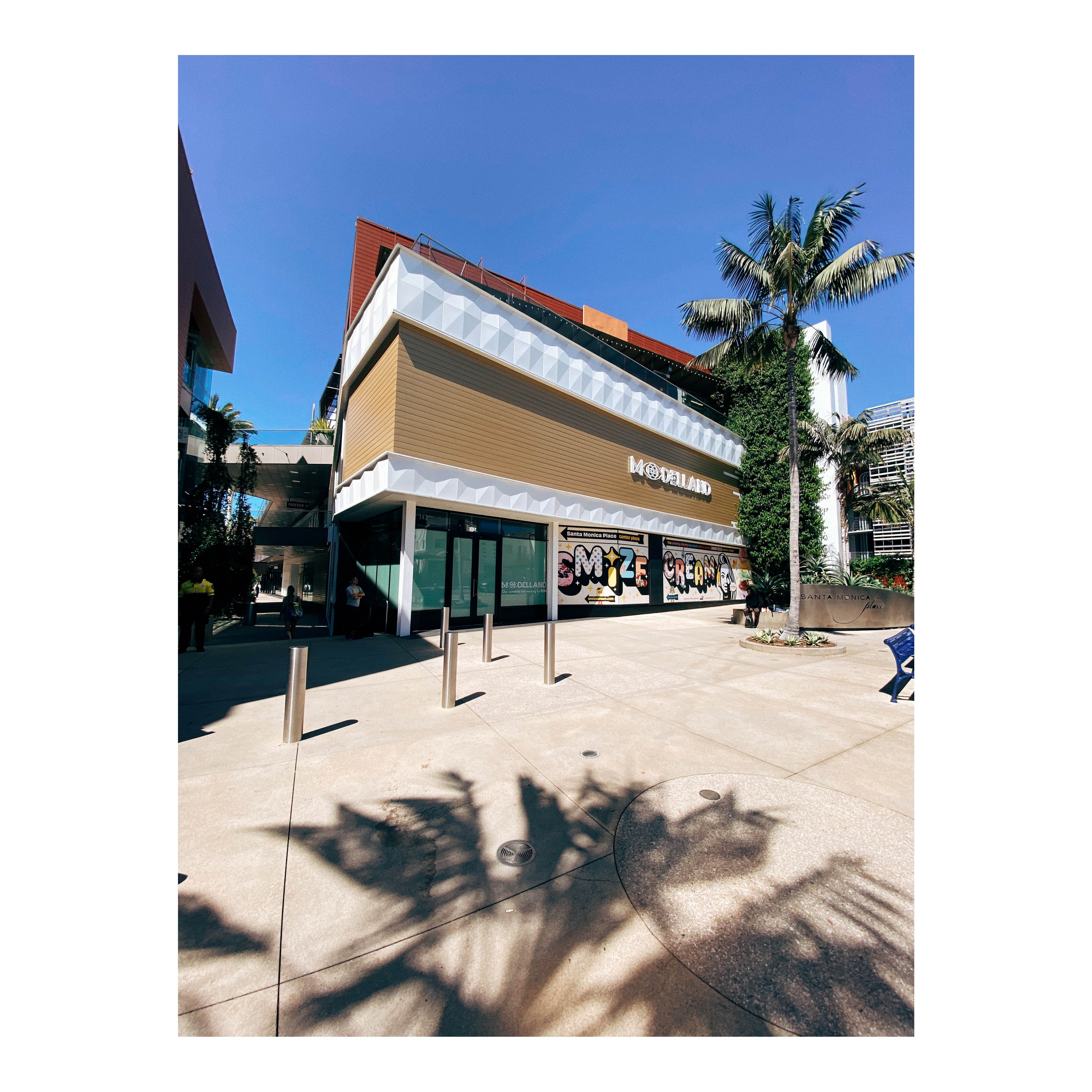
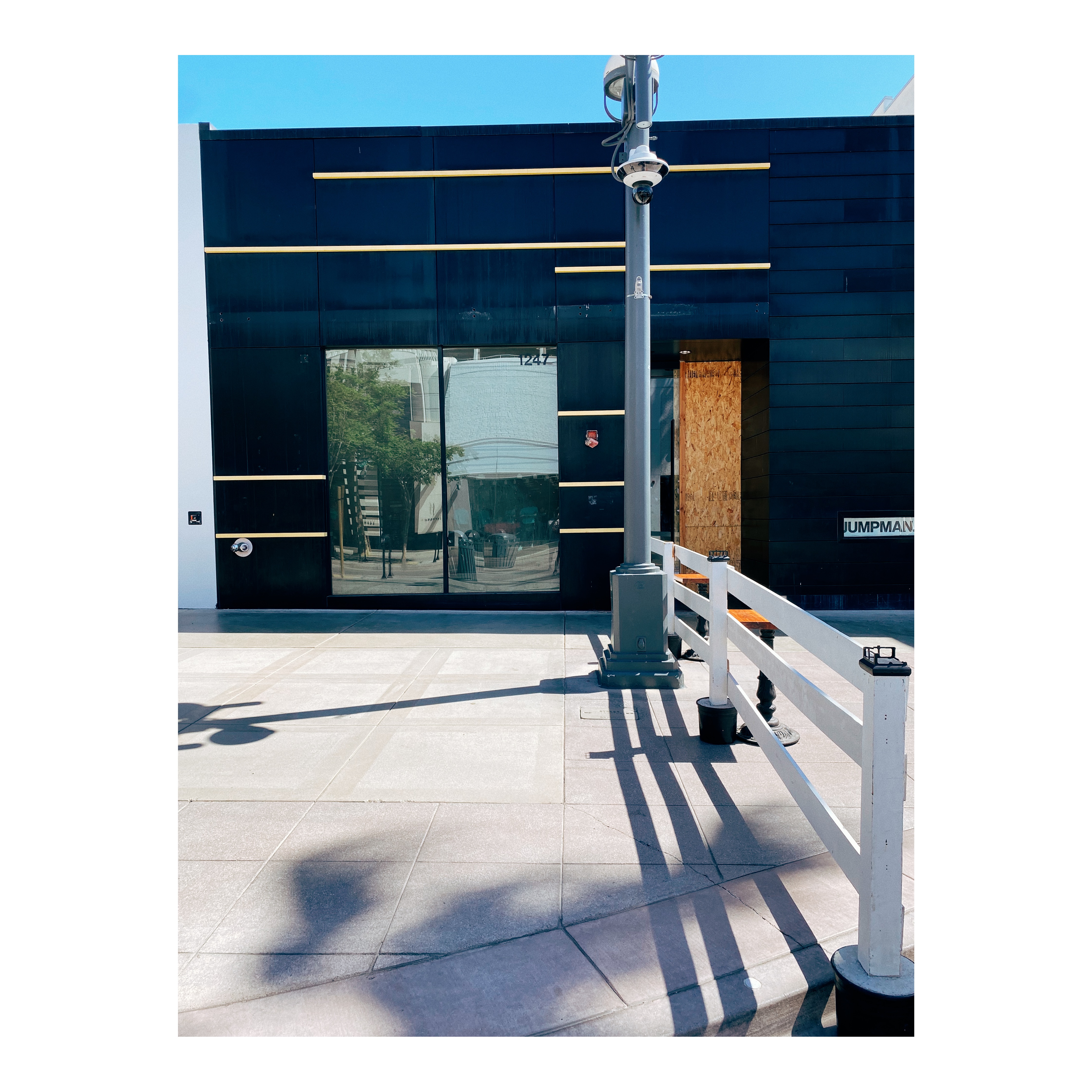
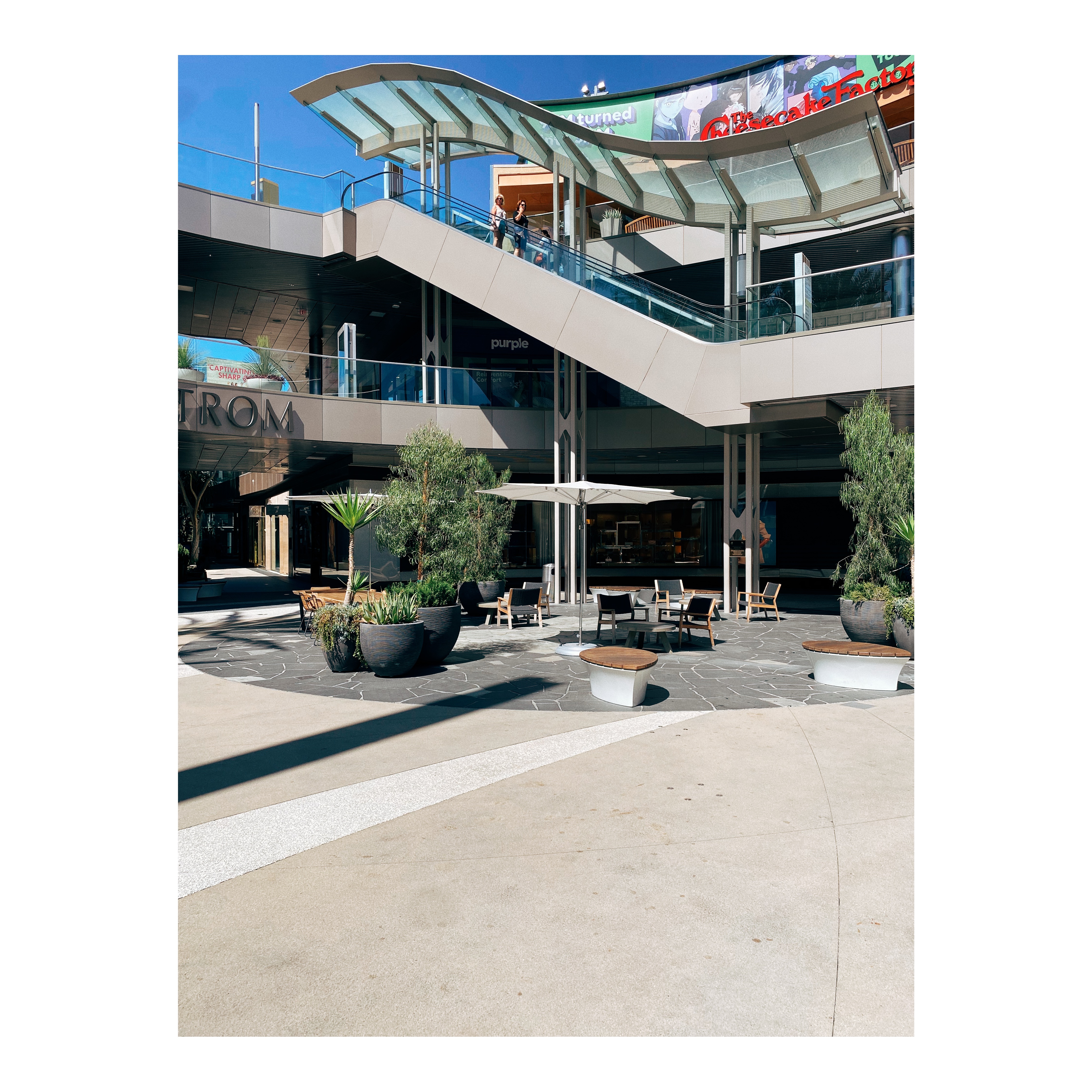
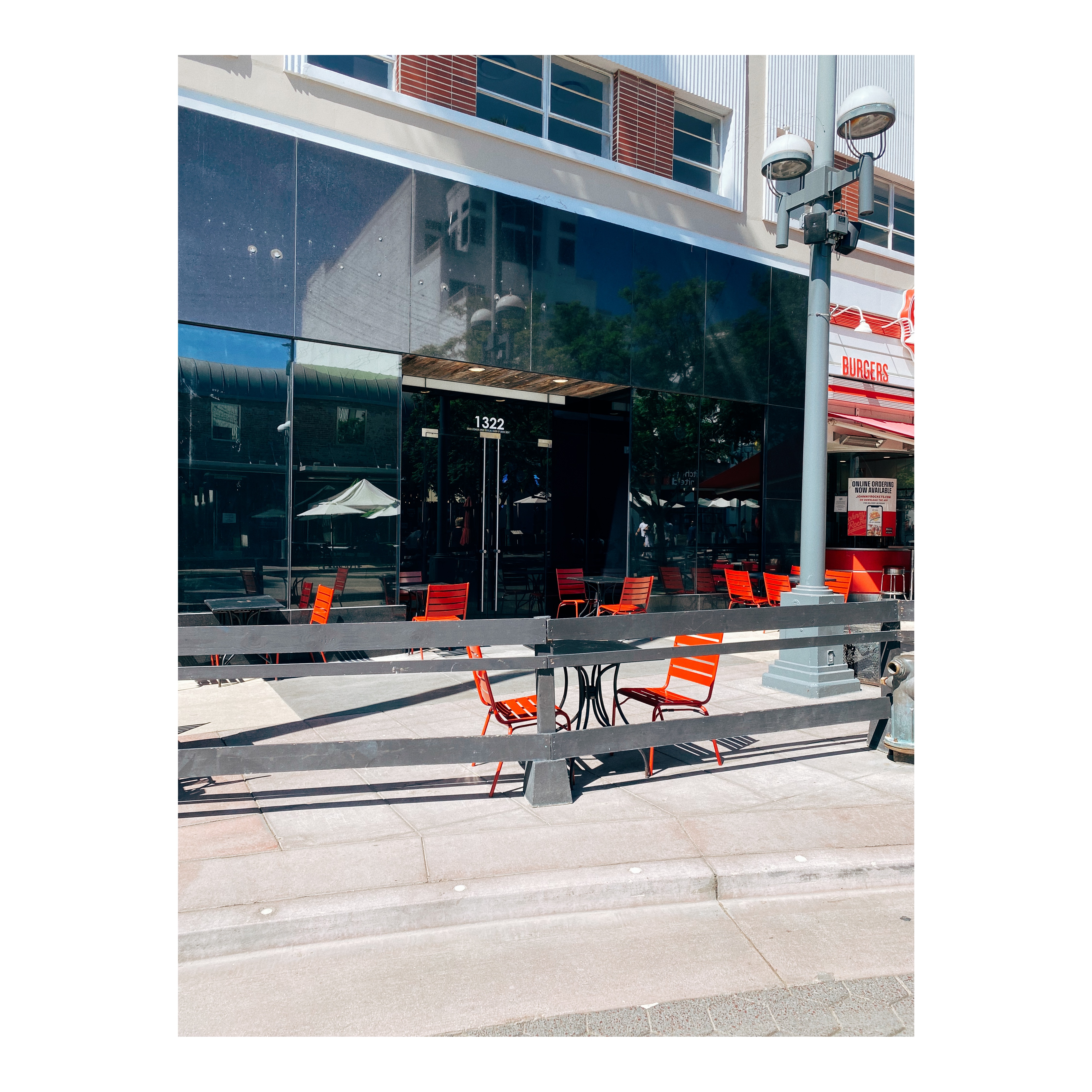
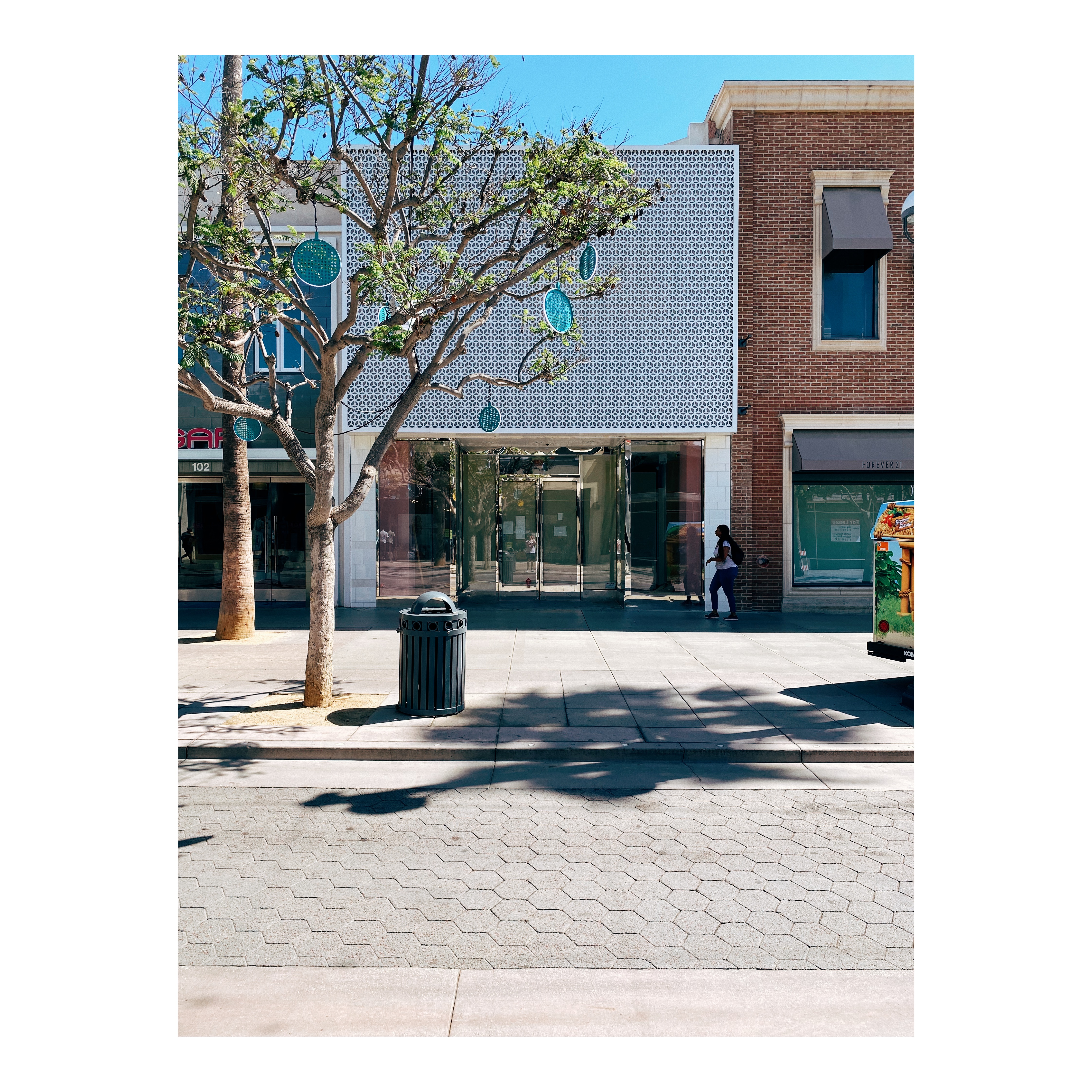
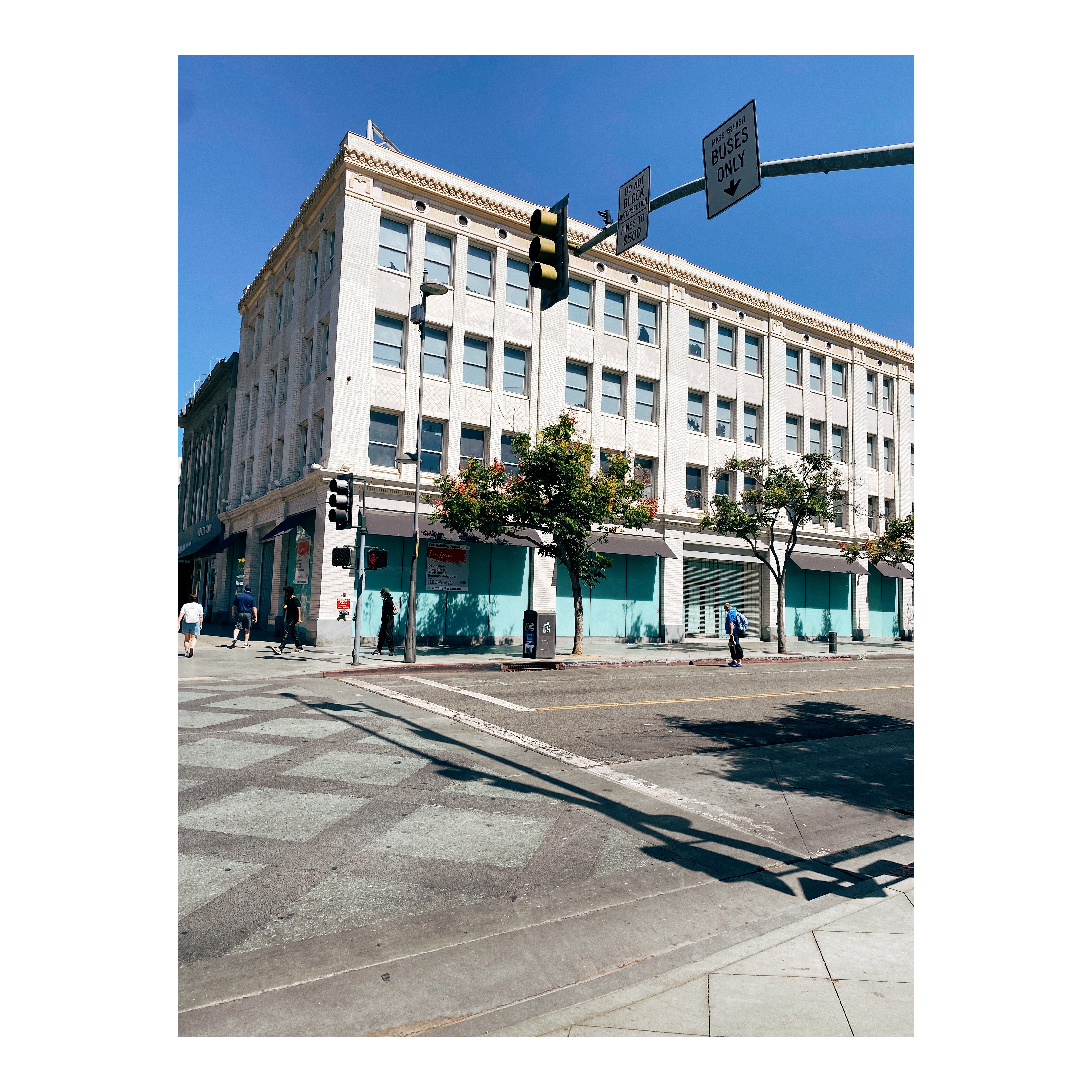
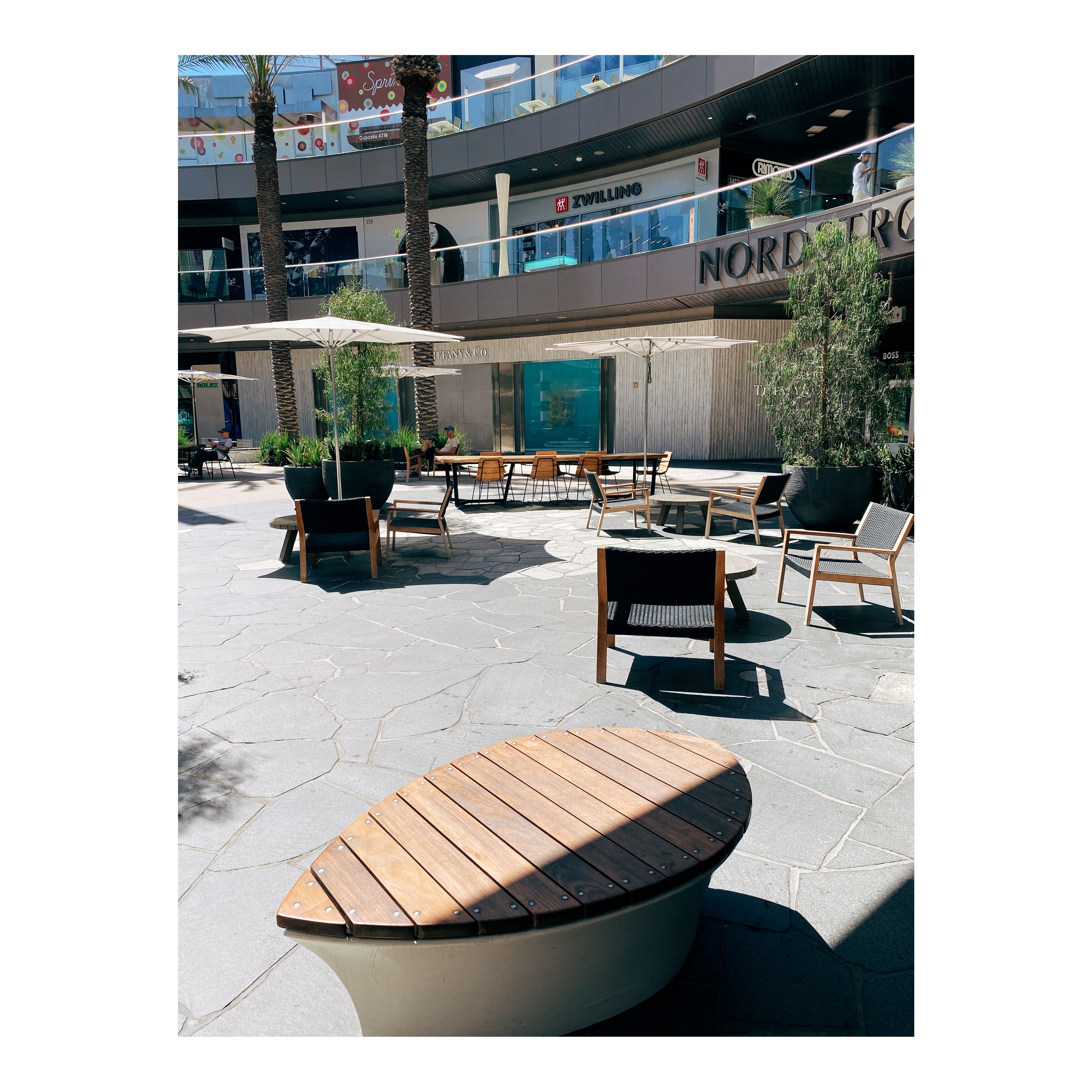
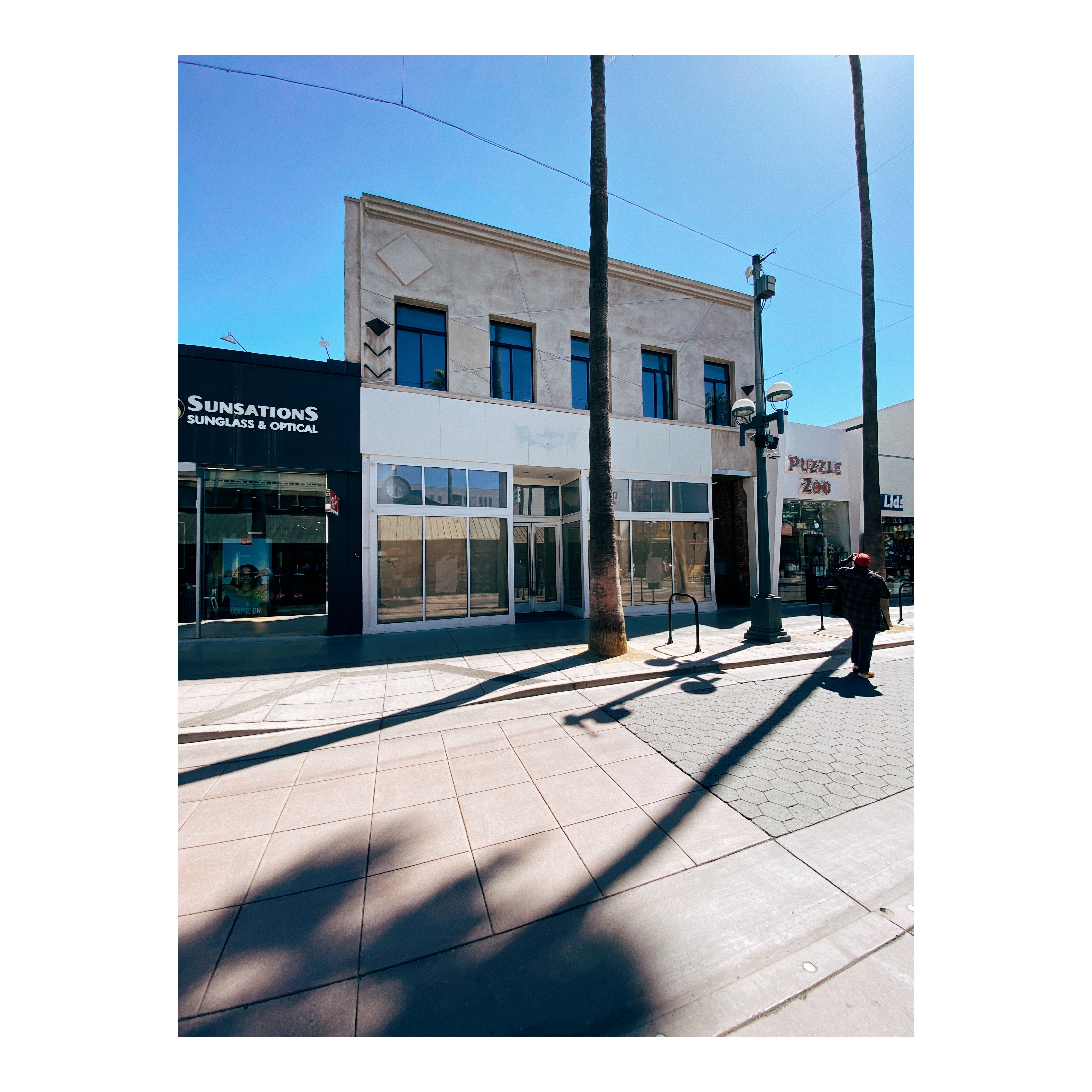
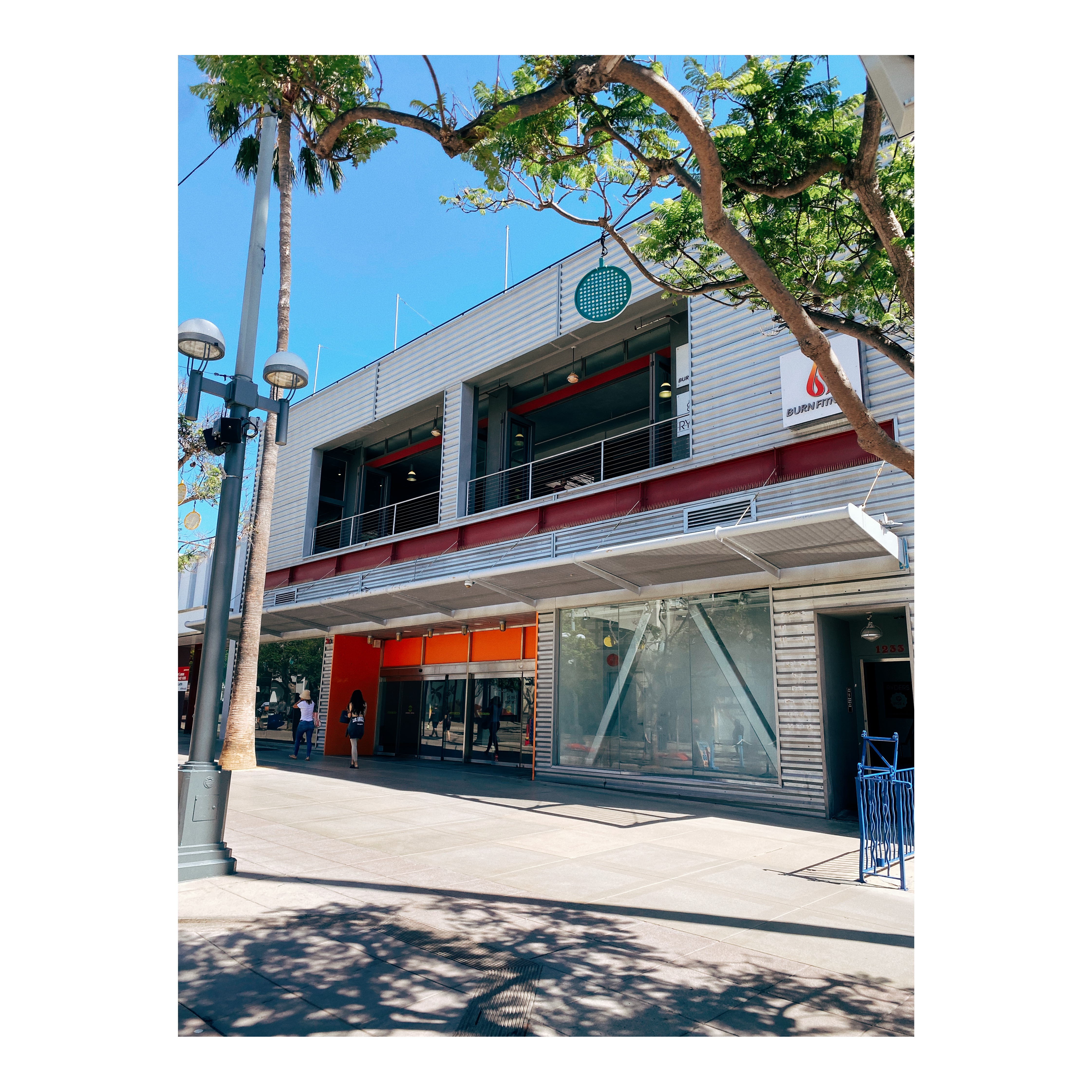
I went down there yesterday to cool off and what remains on Third Street is deserted. Gone are the crowds, and gone are the stores: J Crew, Banana Republic, Bloomingdales, Barneys, Barnes and Noble, Old Navy, and Levi’s.
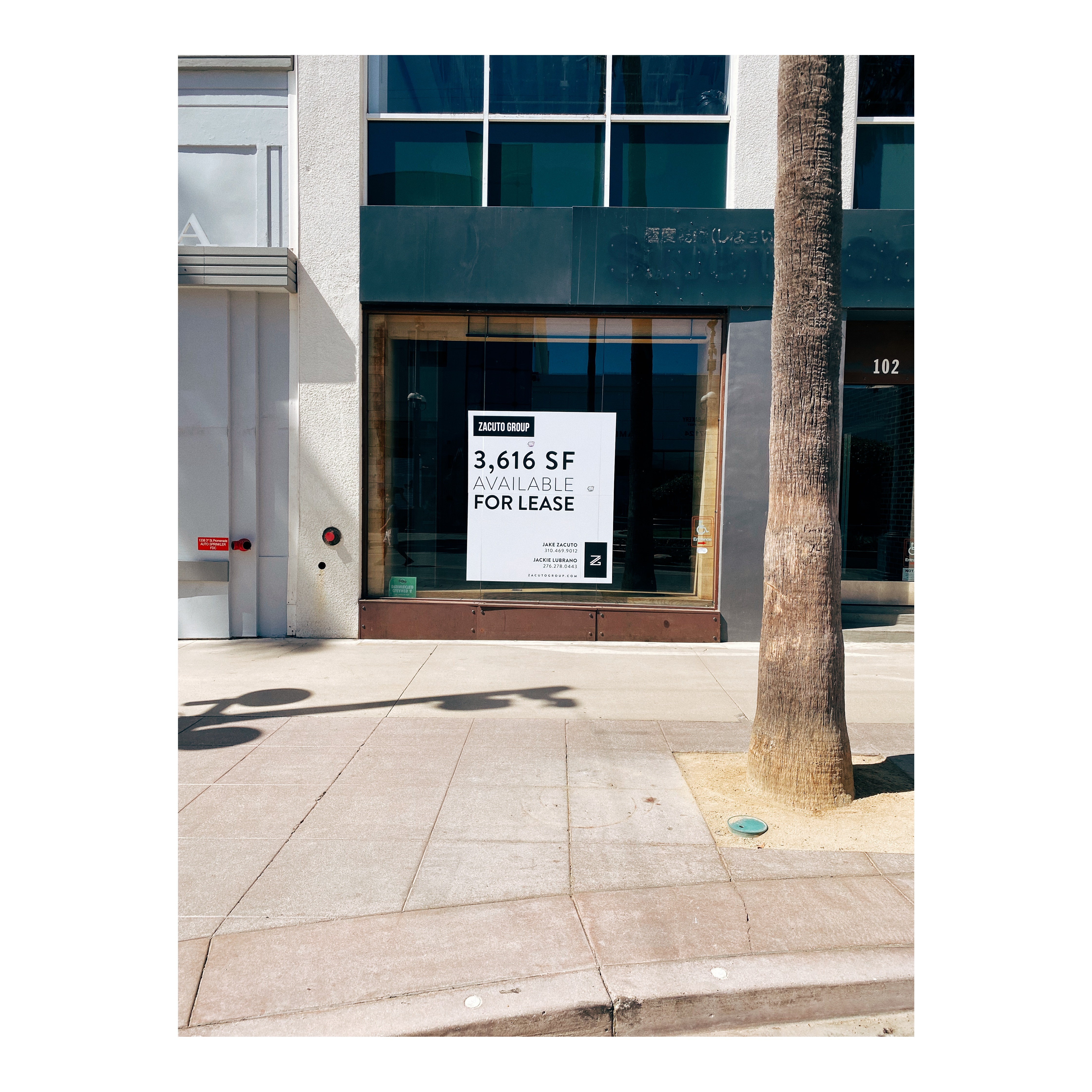
The sun still shines brilliantly. The buildings, for the most part, are well-kept. But the life and the crowds are absent. Benches, outdoor dining, storefronts, are lifeless. There are “for lease” signs everywhere.
In some ways it feels as if the clock has spun backwards before gentrification, when Third Street was awaiting revitalization, when JC Penney was the big store.
We walked, expecting to come to that fancy outdoor mall with the wine bar on the floor and Bloomingdale’s, the blowout salon, Jonathan Adler, Starbucks and CB2, but all of it was gone, shuttered, closed down, papered over windows and nothing. All the jobs, all the merchandise, all the interactions between people and goods, work and profit, and millions in tax revenues for the City of Santa Monica, wiped out.
This is August! This the height of tourist season! This is when thousands of families come to Santa Monica to partake and enjoy everything this city has to offer! And hardly anybody was there on a Saturday morning! Except for the Farmer’s Market.
The low point for me was May 31, 2020 when mayhem and looting destroyed many businesses, the murder of George Floyd acting as irrational justification for mass robbery, fires and stealing. I remember the BMWs and Audi’s pulling up to Vans, the broken glass, the fat, young, tattooed trash in black leggings, with boxes of sneakers getting into their cars and driving off. I saw the mobs work their way up the street and hit everything they could get their hands on.
And now Santa Monica is a quieter and dying version of its pre-pandemic, pre-George Floyd self. Will it come back? Detroit, Newark, The South Side of Chicago, Watts, 1965, 1967, 1968…are they somehow the ancestors of Santa Monica’s fate? Or does Santa Monica belong with Beverly Hills, often assaulted, but easily available to afford plastic surgery, police protection, and investment capital?
Will Santa Monica slowly fade off the way so much of Los Angeles has, all the places that once held joy and nice stores and nice memories: Miracle Mile, Westwood, Bullocks, 7th Street, Van Nuys Boulevard, the May Company?
Los Angeles is fickle, people dispose of anything inconvenient or unpleasant if it does not offer amusement or distraction. A destination without anything to offer is DOA.
Since the pandemic began every single one of my relationships were tested. Some failed, some succeeded, some ended.
Sitting at home, mostly in the room with my computer, I scrolled catastrophic headlines.
Outside the world got quieter as people stopped working.
There was one month, April 2020, where it seemed that there was no longer any traffic noise from the freeway, and no planes flew in the sky, and nobody went past my house, except for the few, the lone, the masked.
In the backyard garden, hummingbirds, bees, and butterflies flew around purple flowered plants, oblivious to Covid-19. The wind blew, the air was clean, the sky sparkled, it was the glorious, refreshing epoch of days without cars.
My partner started working from home. We ordered groceries from Instacart. Then, a few months into the pandemic, he went out in N95 mask to buy groceries. And spent three hours washing them down.
An old friend from Chicago, who I stopped speaking to a few years earlier, contacted me on Facebook. “I miss you. And with this pandemic going on, I want to reconnect,” she said.
We talked on the phone. She told me about her catastrophic illness, a brain infection that almost killed her, her hospitalization, her loss of balance, partial eyesight, and the emotional pain of applying to the State of Illinois for disability funds.
Back and forth we texted. Until the texts were too numerous, hurling into the middle of my day, as I was sitting in my house, writing or reading. Did I have to answer them? Did I need to say I liked her choice of basement décor? Did I have to text back when she sent a photo of a pie her daughter made? Did I have to thumbs up for that Benjamin Moore paint chip?
Somehow, I no longer wanted to be involved with her. Was it the pandemic? Was it the emotions she provoked? I don’t know. I just wanted to be left alone.
And she tried to keep it going, bringing nostalgia into it, reminiscing about old friends, telling me she loved to watch re-runs of Bewitched. The more she reached out the less I wanted to engage. Was it the pandemic? Me?
Aunt Millie was not allowed to leave her room at Lincolnwood (IL) Place. The 96-year-old had to stay inside her assisted living apartment for a year. We would talk every few weeks. The conversation and facts repeated.
“Are you writing Andy?” she asked.
“Yes. I’m finishing my novel, Exiles Under the Bridge, about two families in 1980s Pasadena,” I answered.
“You’re writing a novel? I didn’t know that. You’re a very talented writer. You should keep writing,” she said.
We would talk again in two weeks. I would tell her I was writing a novel. She would tell me how talented I was. And she would tell me she could not leave her room.
“Millie! Stay in your room! That’s what they yell at me,” she said.
The months dragged on. The months flew past.
George Floyd was killed, the rioters sacked the cities, the protestors protested masks, business closures, or police violence; others ran red lights, shot guns, launched fireworks, got into fights in grocery stores, yelled about the most corrupt election ever, invaded the Capital as the electoral college was being certified.
The American Flag was weaponized, partitioned, and privatized, held like a spear to fight for liberty in battles against imaginary enemies .
Our world of beautiful wickedness is melting, melting, melting.
I did chin-ups, got to five. I got my bike fixed and pedaled west into the sun. I wrote short stories, finished my novel, sent out my novel, got 130 rejections.
The parks went up in flames, the homeless set fires along the freeways, the windows of the shops were boarded up, the hospitals were full of sick and dying people, and nobody was allowed to swim in the ocean.
The former president pleaded for rage and misunderstanding.
At five o’clock, every single day, Mayor Eric Garcetti spoke; clean shaven, untouched by fervency, updating us on his city’s response to the pandemic.
Some weeks businesses were essential and they were open. Other weeks businesses were non-essential and they were closed. Some wore masks and some did not, some stayed apart and some got together, certainly all were uncertain, guided by magic and intuition.
And I bought a mixer to make smoothies with bananas, ice, blueberries, milk and protein powder.
My best friend invited me to a Christmas party when nobody was vaccinated. I declined. He didn’t believe Covid was that big. In the beginning of the pandemic, he urged people to cough on each other to get us up to herd immunity.
I used to drink beer at the local brewery a few times a month. Now I don’t go. Have I stopped liking beer? Have I stopped liking people? I don’t know. I stay at home and mix up a Negroni or pour a glass of whisky over ice, in the kitchen, alone.
We got our vaccines in January, courtesy of the connected relative who works with a health clinic in South Los Angeles.
We went down there, lining up, in another very poor neighborhood, next to the homeless in their RVs. We stood in line, awaiting vaccinations, as other Hollywood friends and acquaintances of the relative arrived in their Teslas and Mercedes: the thin women with blond hair and $300 sweat pants, the ass hole boomer executives with their 25-year-old girlfriends.
We were the first to get our shots. Hollywood was vaccinated. “The Bachelor” could go back into production.
On February 1st I was fully vaccinated. Only one percent were at that time. I felt guilty. Had I stepped in line before the truly needy?
Now vaccines are available for everyone, but some choose not to avail themselves.
Like my friend Bajoda in New York.
A schoolteacher, a scoliotic, a smoker; 56-years-old, a vaccine skeptic. With a chain-smoking boyfriend who believes that Covid is no worse than a head cold. She was scared. She heard the vaccine could damage your liver.
I yelled at her. Stupid, ignorant, self-destructive, risking your life! She texted the next day and said her daughter made an appointment for her to get vaccinated.
We made up. I told her I only yelled because I care. She texted me a red valentine. If my cruelty and ugly words induced her to get the vaccine maybe it was worth it.
I texted her to find out how the second shot went. I texted again. But she didn’t answer. And I left a message but no answer. And I texted again but no response.
Since the pandemic began every single one of my relationships were tested. Some failed, some succeeded, some ended.
Sometime in early September, Uncle Paul, veteran of Leyte Island and Iwo Jima; widow, father, grandfather, great-grandfather; will celebrate his 100th Birthday. And his son Barry is already planning a backyard blowout in Woodland Hills. Many of the guests will be over 65, 75, 85, or 95.
They are expecting at least 100 or 150 guests. Who wouldn’t want to honor him? Who wouldn’t go to celebrate his birthday? Who would fear the Delta variant in a packed house of old people?
Since the pandemic began, two babies were born in our family: Edwina’s Zoe in Diamond Bar, Jacinda’s Julia in Singapore. Penny is grandmother to both. She lives in Malaysia and cannot enter next-door Singapore. Penny has never met her two new granddaughters.
But later this month, vaccinated Penny and Jacinda, and baby Julia will fly from Singapore to Los Angeles to meet the Americans.
And the joy of seeing them reunited is tempered by the fear of the unknown. How do we overcome it? How will we move on when we suspect and fear closeness to the ones we love the most?
Since the pandemic began, in earnest, last March, one of our routines is the morning walk around our neighborhood.
The fact that most of us live and work at home, self-incarcerated by choice or duty, has produced a strange life. Beside the societal disasters that befell our nation in 2020, the ordinary existence of the citizen is to wander out and wander back in.
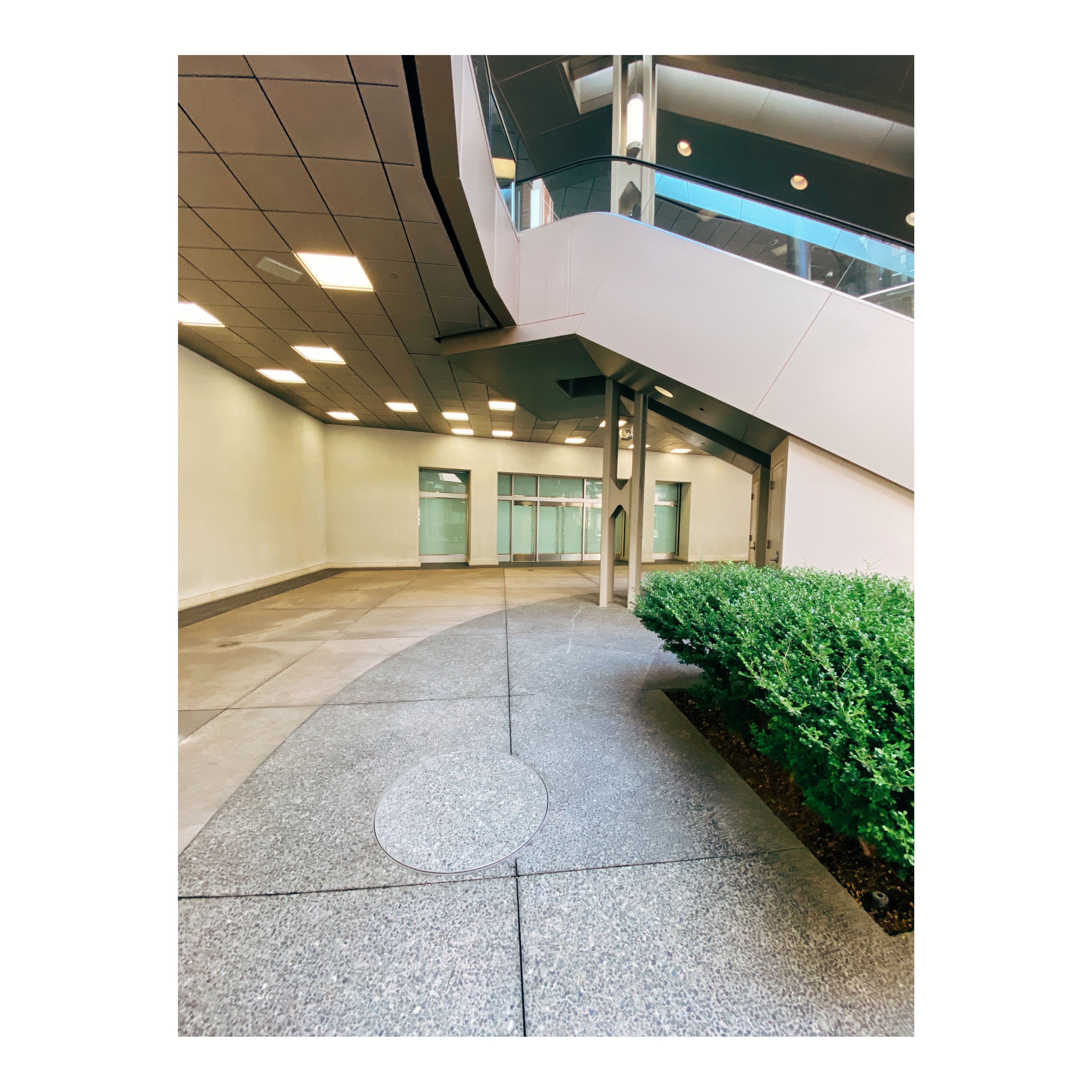
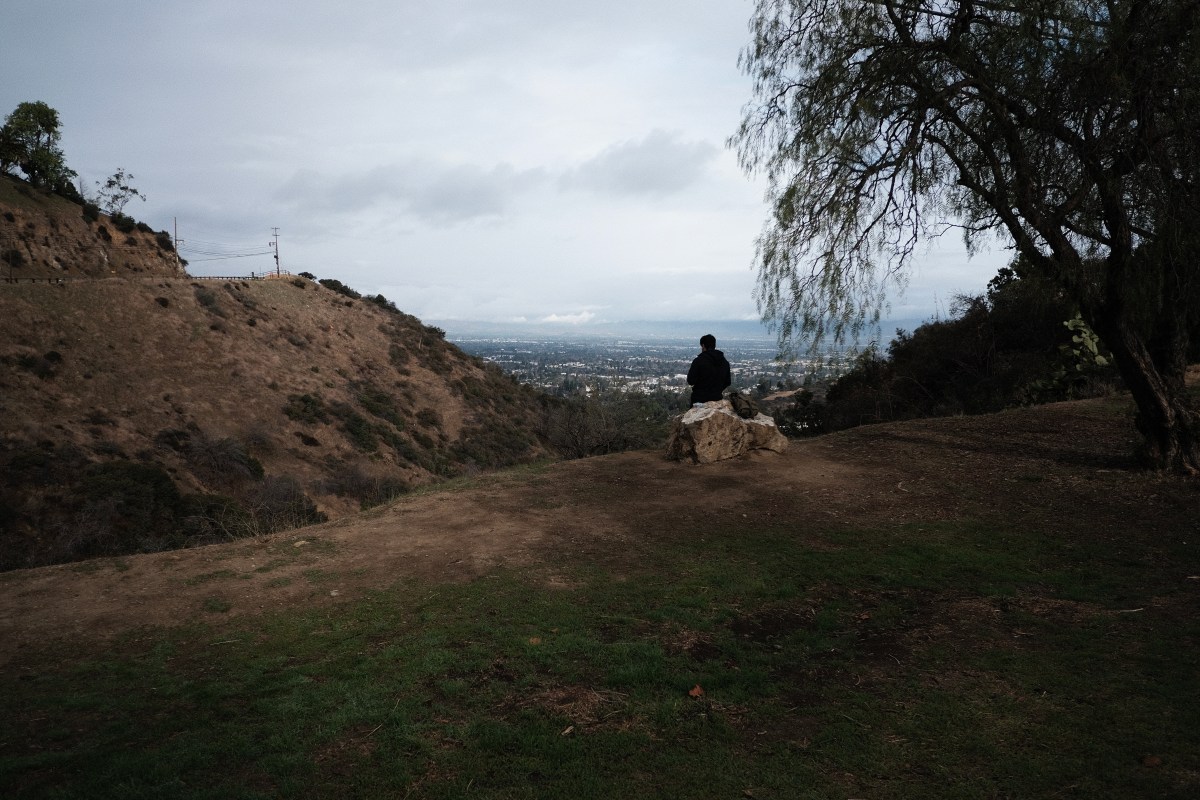
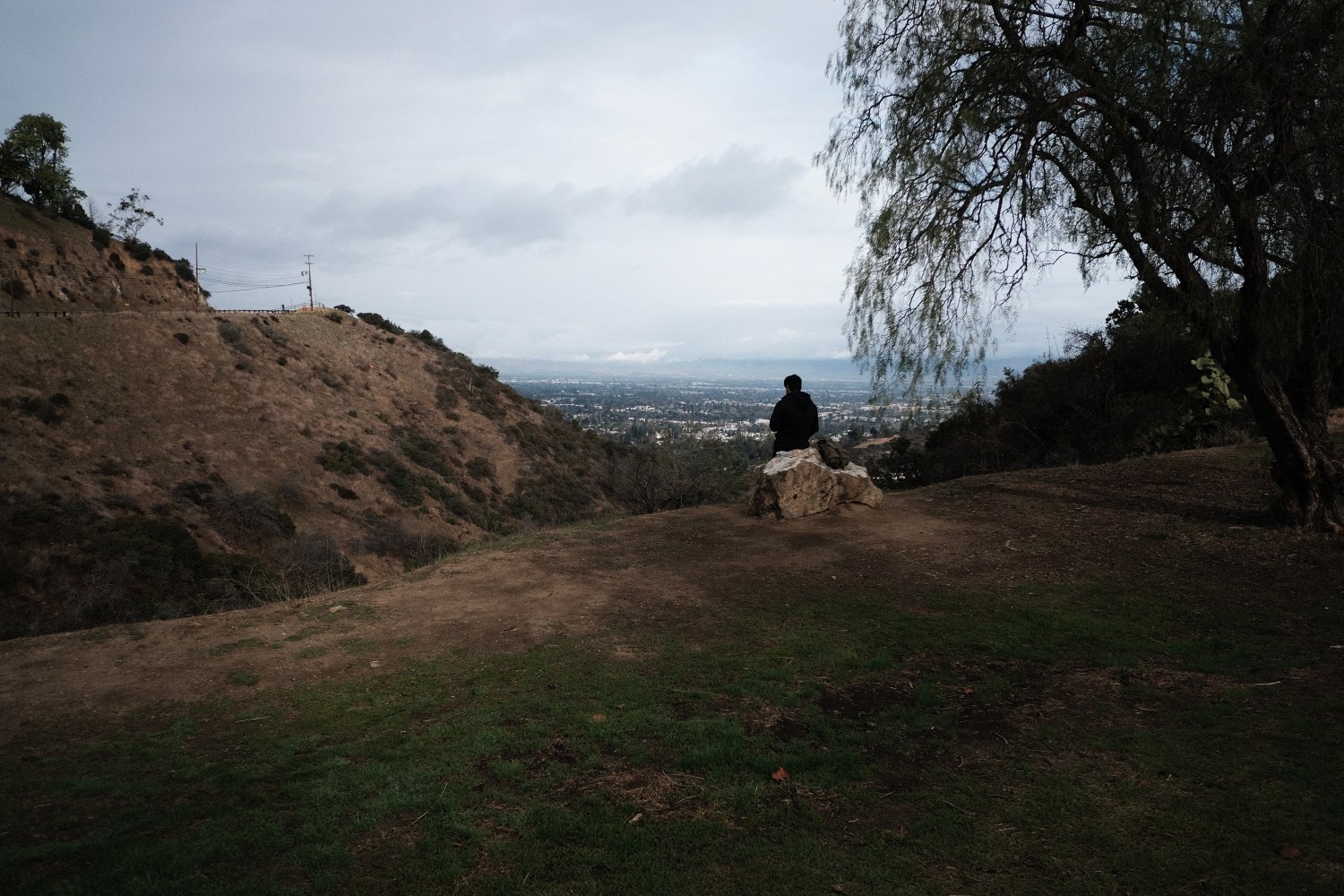
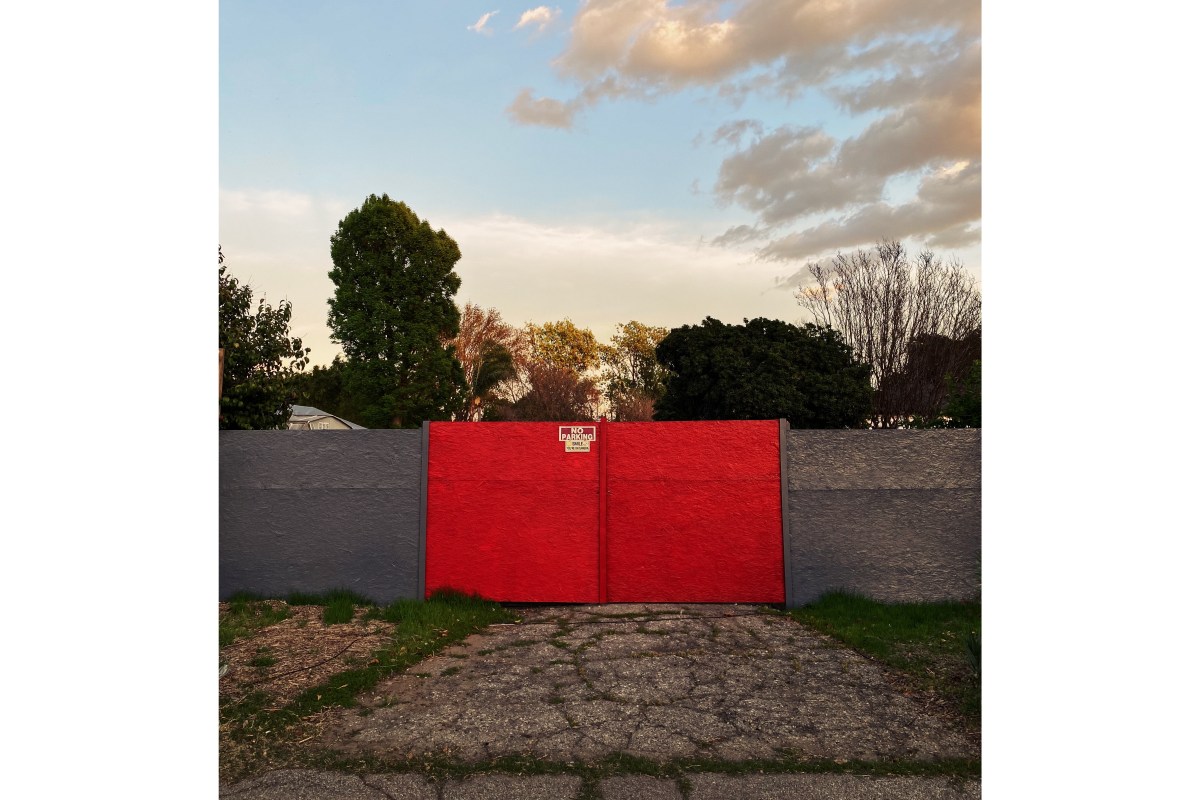
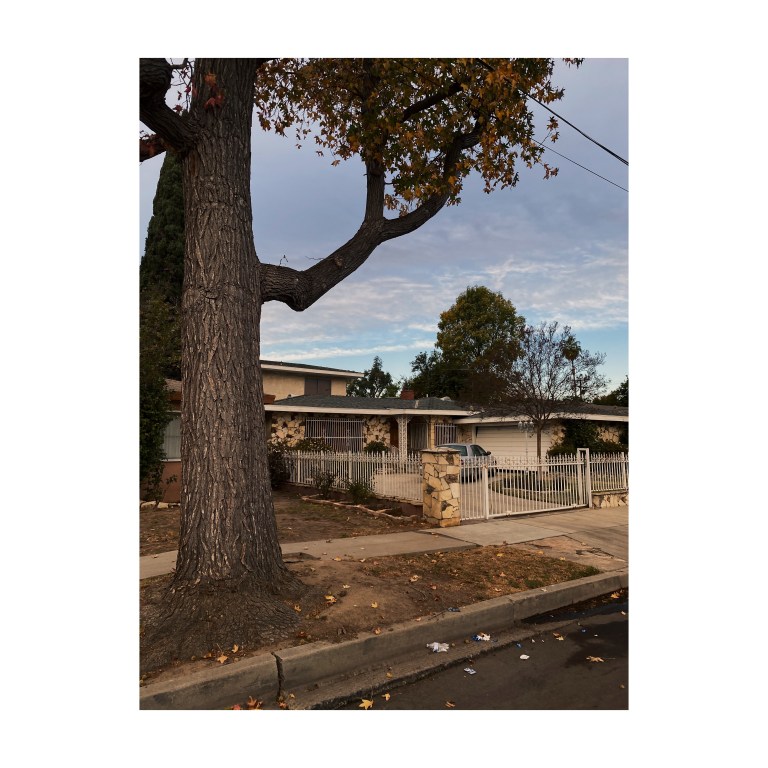
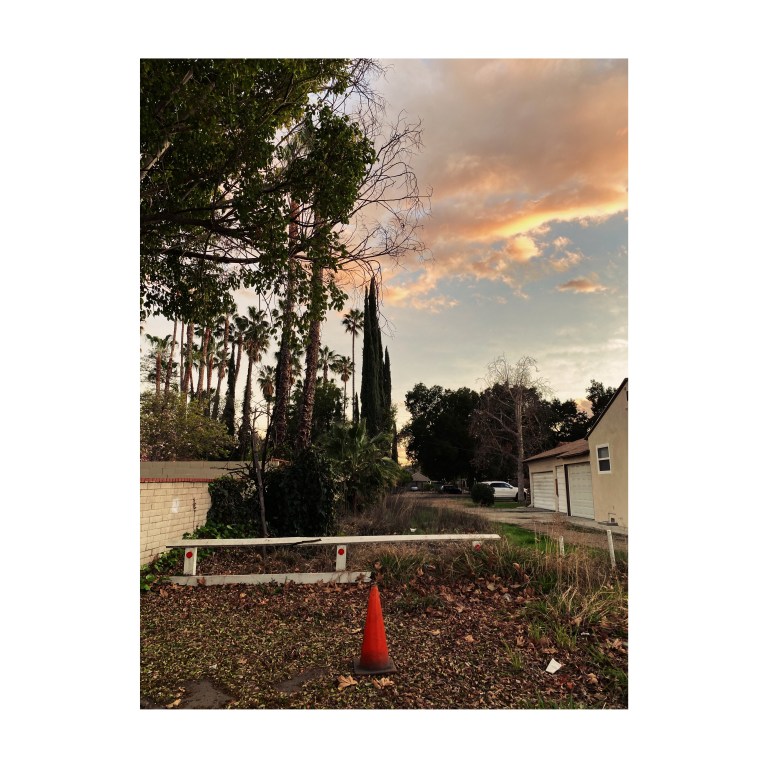
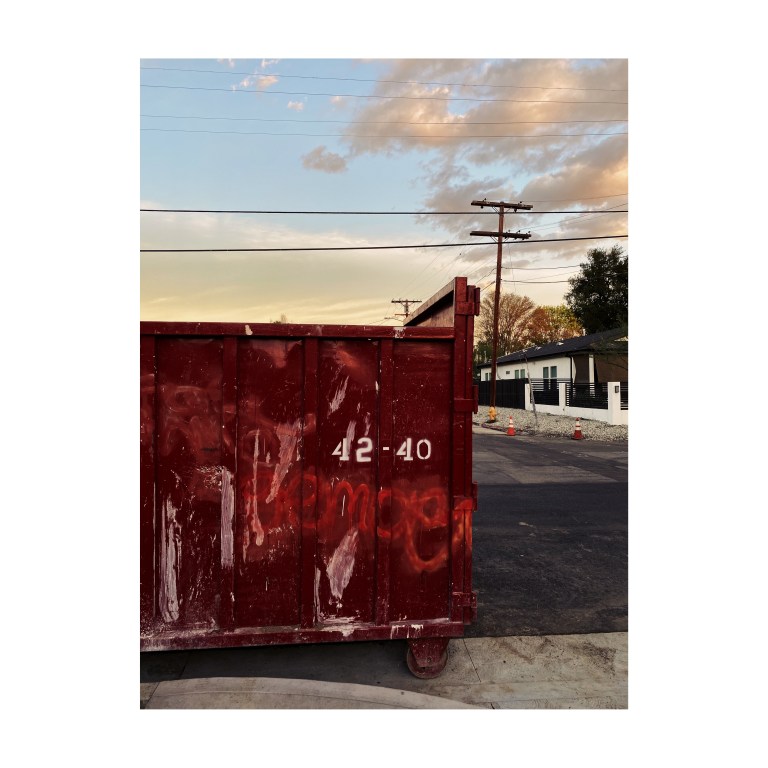
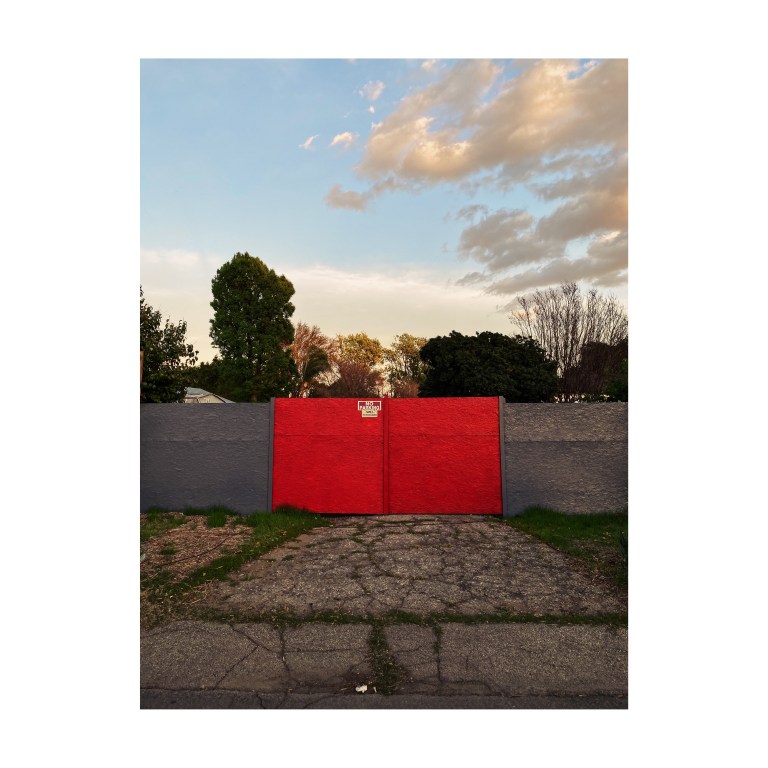
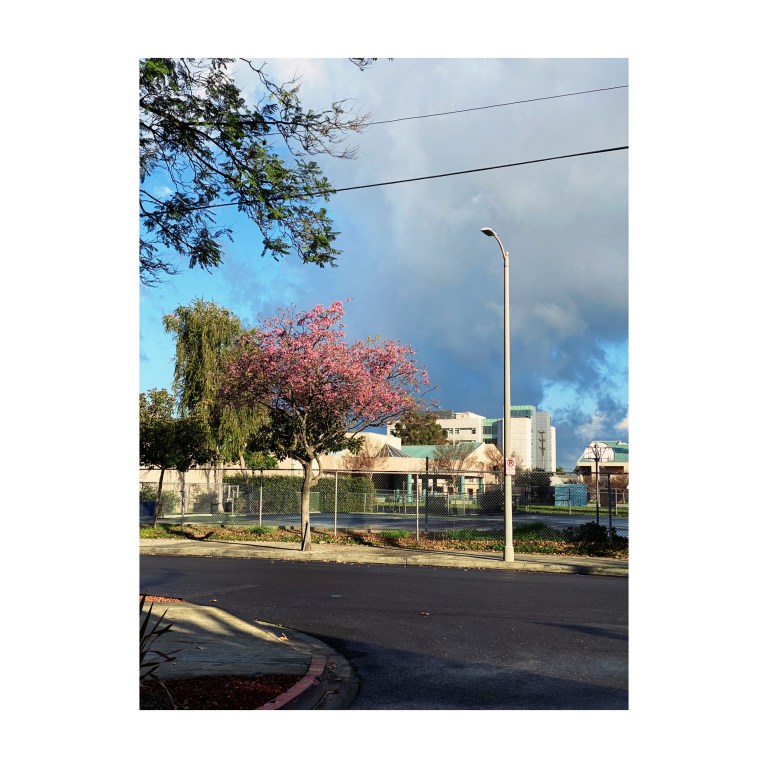
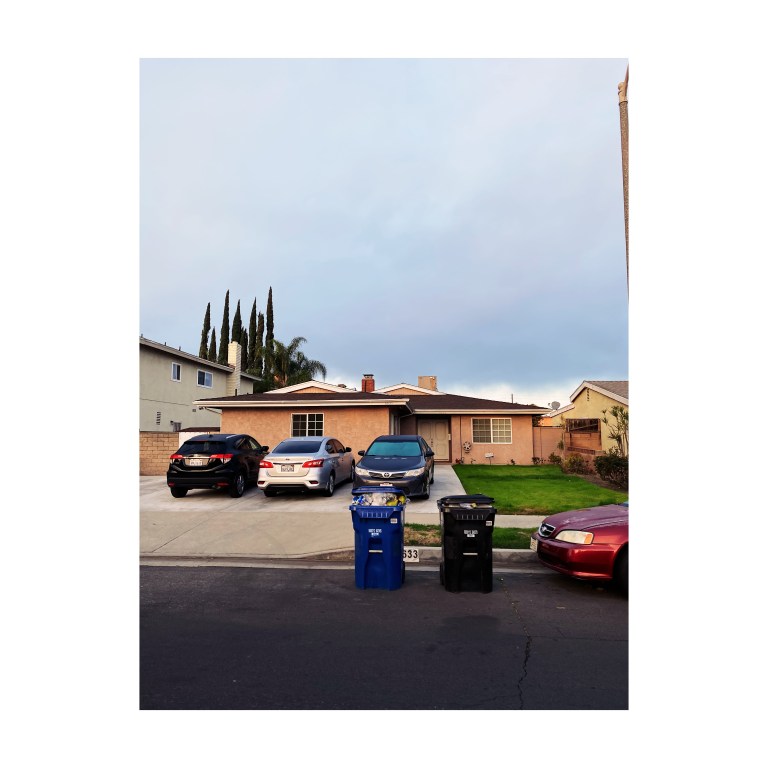
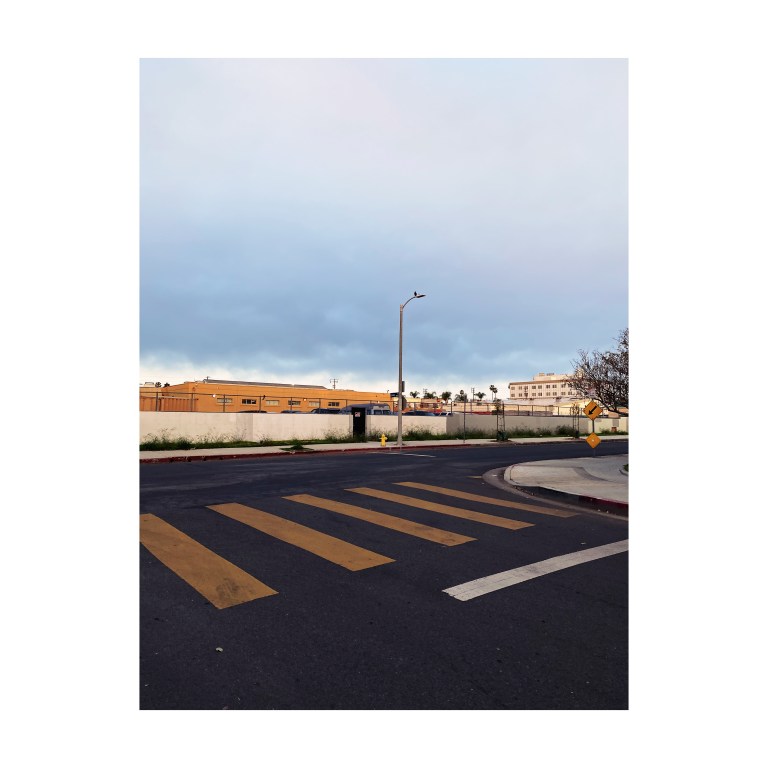
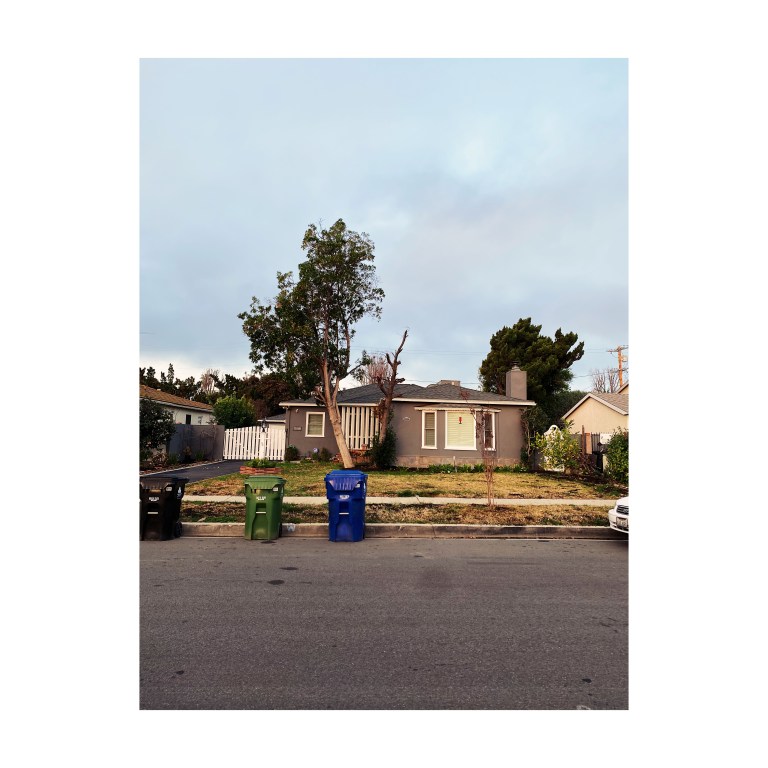
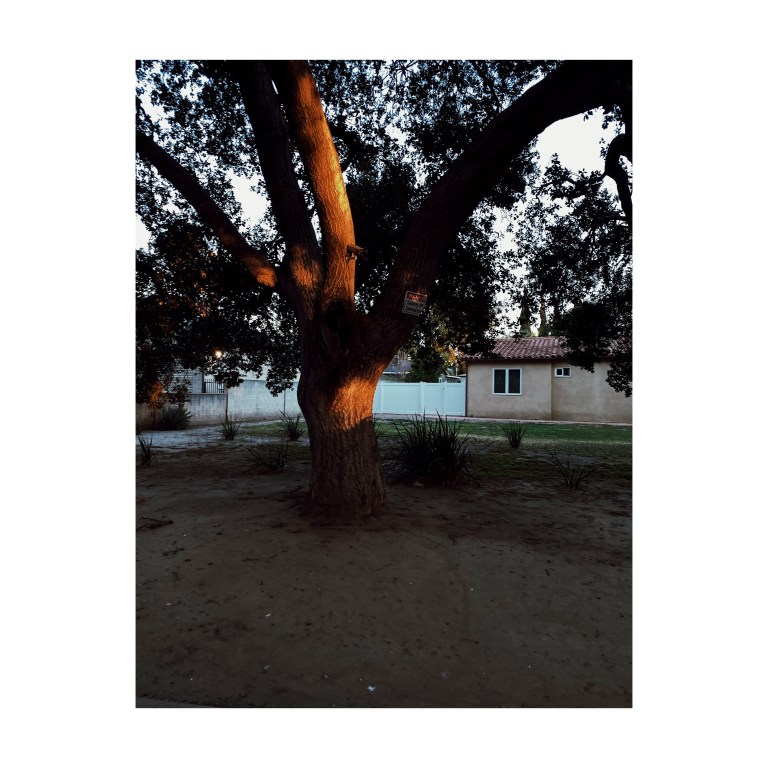
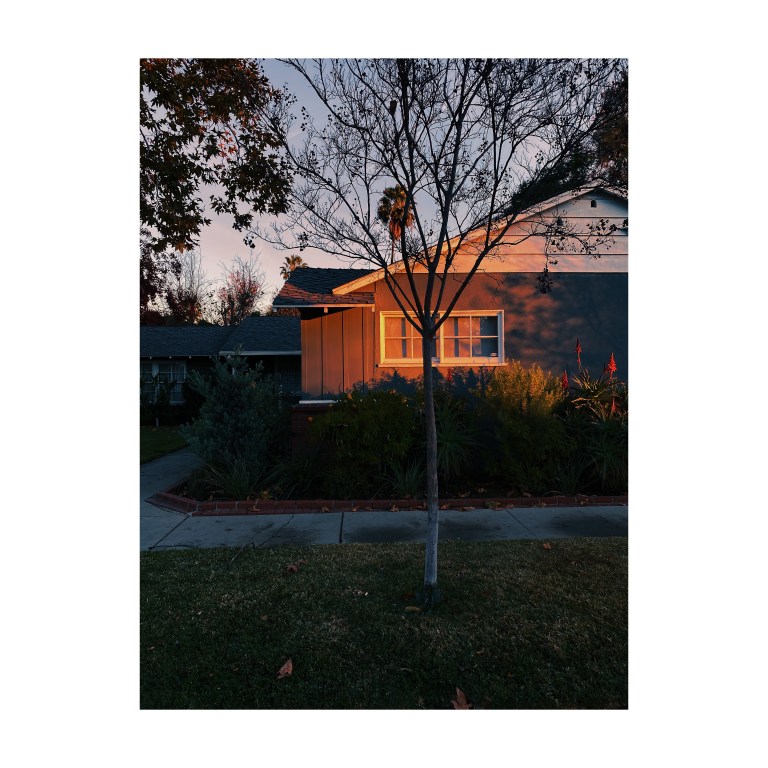
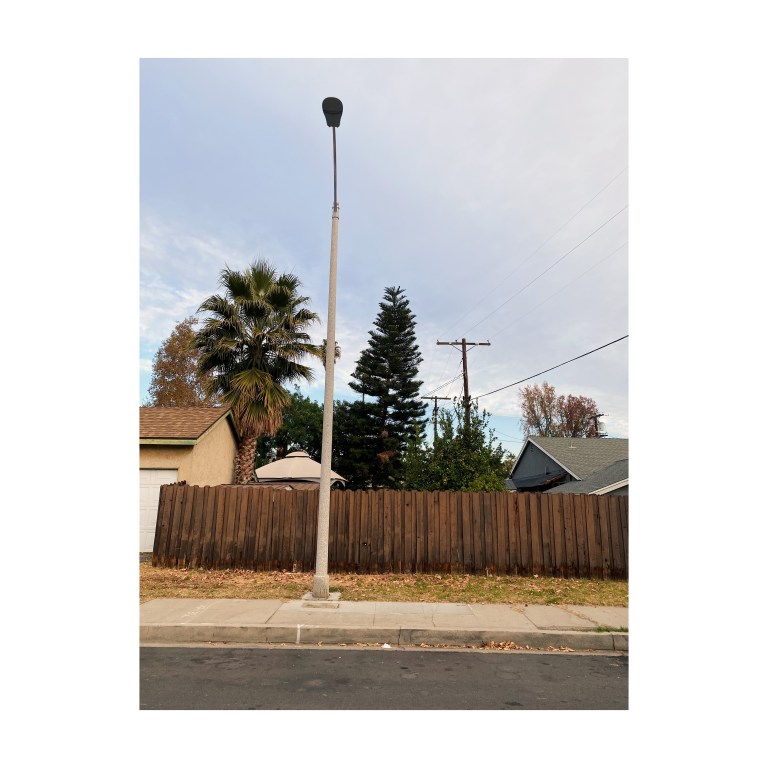
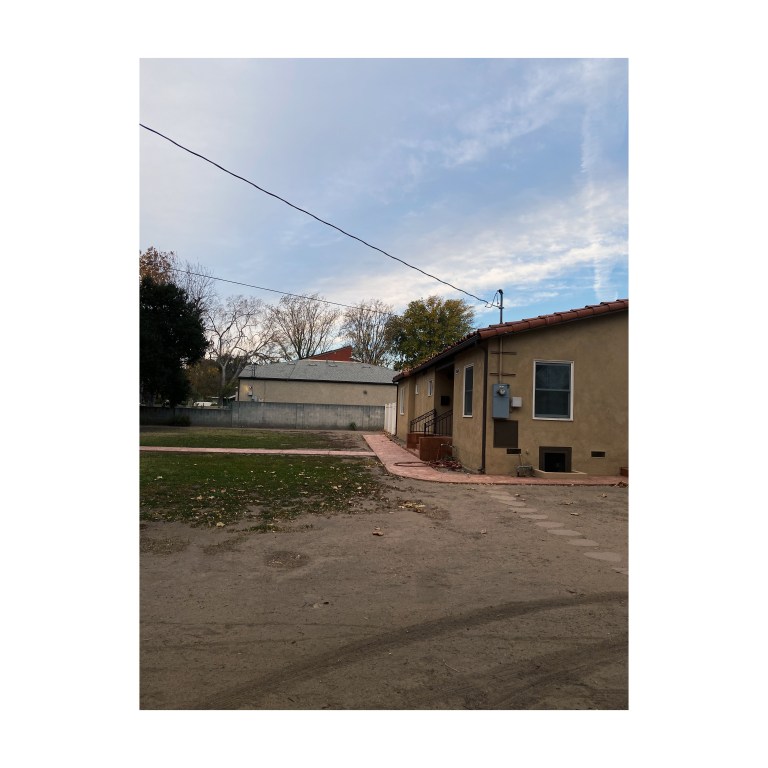
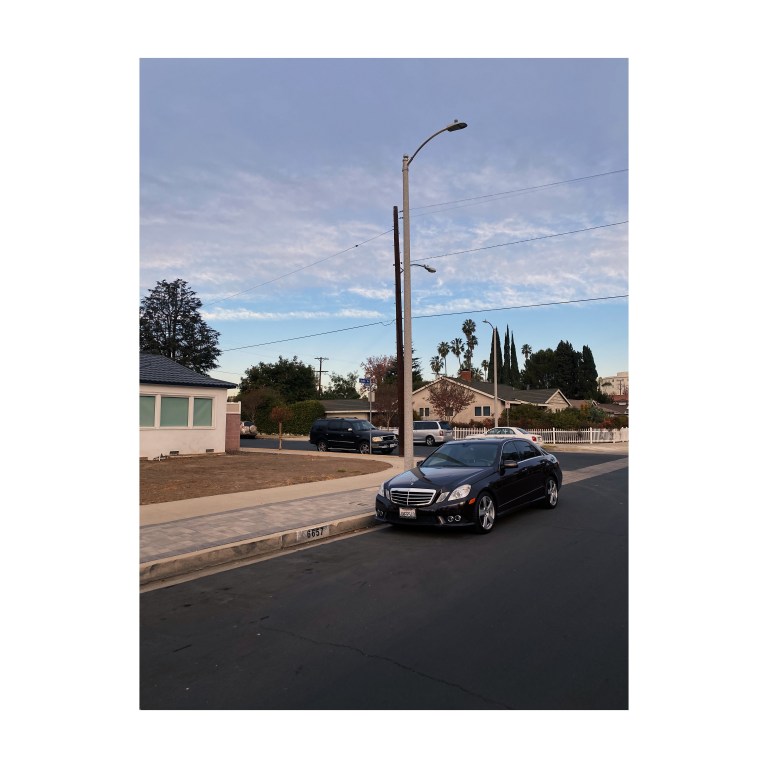
Wandering out, in the morning, or when the light is beautiful in the late afternoon, I captured some images of our area with my mobile and edited these on VSCO.
Kester Ridge is basically a 1950s creation of good, solid ranch houses between Victory and Vanowen, Sepulveda and Kester. On Saloma, Lemona, Norwich, Noble, Burnett, Lemay and Archwood the houses have endured, and only a few have been completely demolished or aggrandized.
But the persistent trend is the ADU, the conversion of garages and backyards to multi-family dwellings. Many of these houses are rentals, and the ones that are owned also rent to others who may live beside the owners.
A few years ago this seemed problematic, and the idea that our backyard behind would sprout a second house four feet from our property line was unimaginable. But now we also have a gray box 4 feet behind us, 30 feet long and 15 feet high and we are OK with it, as long as the dogs, the noise, and the marijuana don’t also move in.
Meanwhile, the ranch houses, the sidewalks, and the garages without cars stand silently and passively, unaware of their portraits.
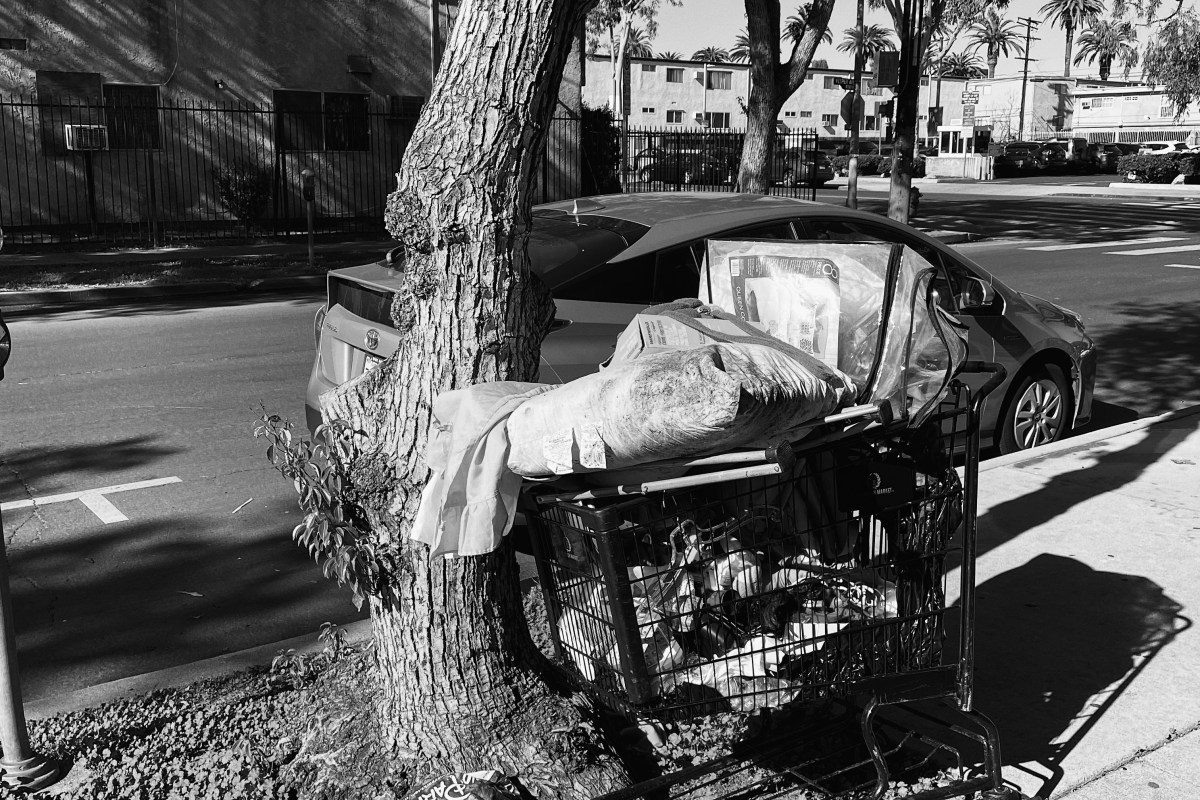
Hollywood Freeway Offramp, Western Av., Homeless, 2020
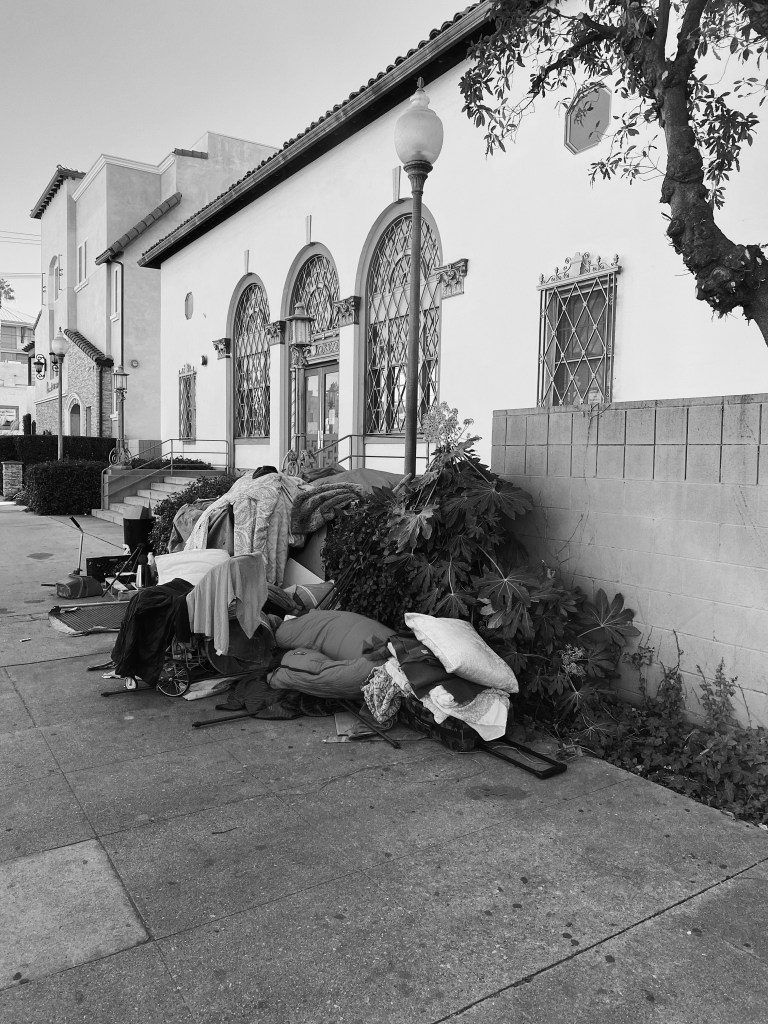
Old Post Office
Homeless, Bus Bench
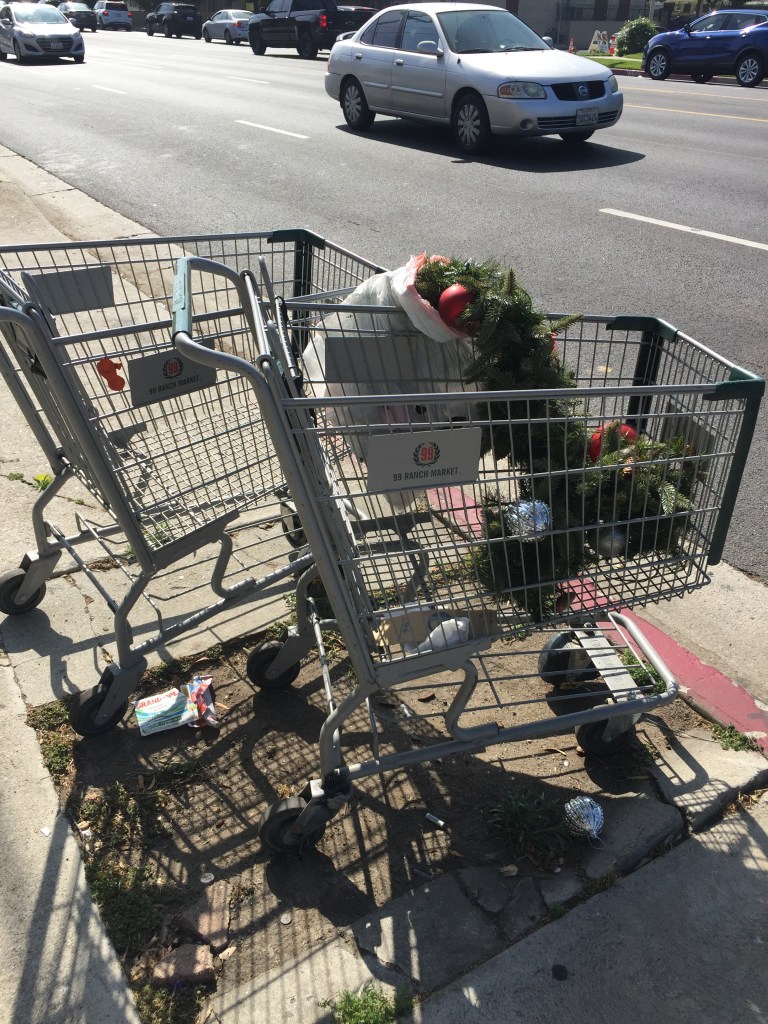
Homeless Trash
Homeless on Aetna St. Feb. 2016
Van Nuys Boulevard, 2018, at the height of prosperity, before the pandemic.
The possible, rumored appointment of Mayor Eric Garcetti to a post in the Biden Administration has provoked protests at the mayor’s house in Hancock Park, daily, for the last week.
Black Lives Matter and other leftwing groups are angry at him for everything that ails this city. He hasn’t disbanded the police, he hasn’t legalized illegal trash camping on streets, he seems to sympathize with those powers who wear uniforms and carry guns and enforce laws against lawbreakers. Appalling.
And those who are not protesting, but living here in this city, under the Garcetti years, are also angry.
We are disgusted with encampments that burn up the parks, that litter the freeways with tents, shopping carts and garbage, that destroy the environment as if it is their right, befouling beaches, streets, sidewalks, bus benches and the urban region.
We are aghast that a state, whose economy is the seventh largest in the world, cannot manufacture housing to house the unhoused. We are appalled by the sight of squalor everywhere and the abandonment of the most ill, helpless and lost people who are permitted to turn the entire city into a mental institution.
We are bitterly laughing that a new lamppost contest was initiated by Mayor Garcetti in the midst of an unprecedented housing crisis. Who would devote city resources to the redesign of streetlights when there are people living on mattresses under all styles of outdoor illumination?
We know 2020 has been a year unlike any other. But we also know that all the other years that lead up to 2020, when Los Angeles was allegedly prosperous, humming along happily, these were the years when this city fell apart, way before a virus arrived.
So we cheer the protesters at his house, and hope the new administration does not promote him to a position undeserved.
Somehow Eric Garcetti has brought the people of this city together, all the people who disagree, for they all agree that he has destroyed the quality of life in Los Angeles and should not be called to Washington for any high title or undeserved honor.





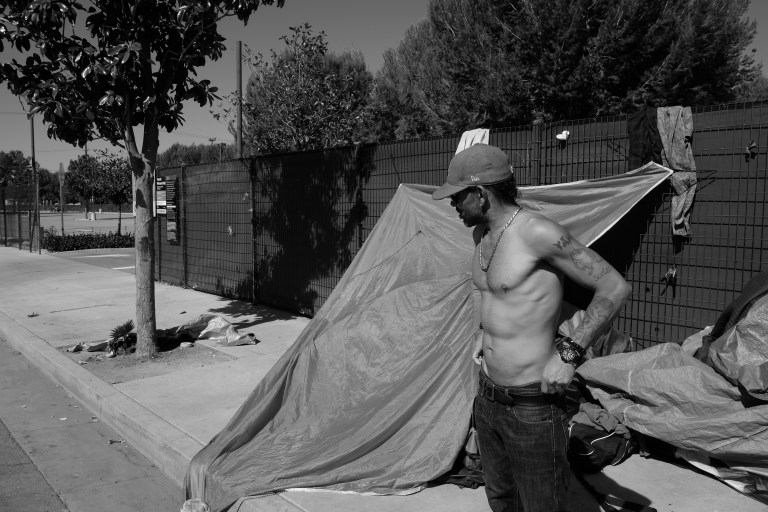
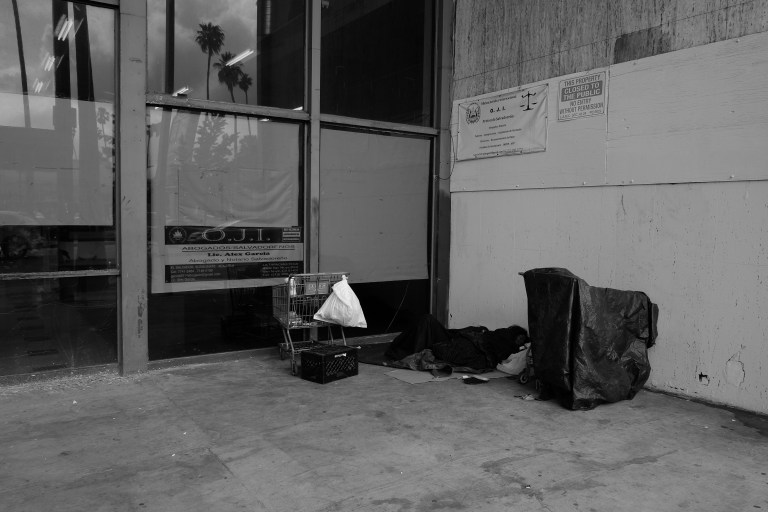
 Here in Van Nuys
You must be logged in to post a comment.