Since the pandemic began every single one of my relationships were tested. Some failed, some succeeded, some ended.
Sitting at home, mostly in the room with my computer, I scrolled catastrophic headlines.
Outside the world got quieter as people stopped working.
There was one month, April 2020, where it seemed that there was no longer any traffic noise from the freeway, and no planes flew in the sky, and nobody went past my house, except for the few, the lone, the masked.
In the backyard garden, hummingbirds, bees, and butterflies flew around purple flowered plants, oblivious to Covid-19. The wind blew, the air was clean, the sky sparkled, it was the glorious, refreshing epoch of days without cars.
My partner started working from home. We ordered groceries from Instacart. Then, a few months into the pandemic, he went out in N95 mask to buy groceries. And spent three hours washing them down.
An old friend from Chicago, who I stopped speaking to a few years earlier, contacted me on Facebook. “I miss you. And with this pandemic going on, I want to reconnect,” she said.
We talked on the phone. She told me about her catastrophic illness, a brain infection that almost killed her, her hospitalization, her loss of balance, partial eyesight, and the emotional pain of applying to the State of Illinois for disability funds.
Back and forth we texted. Until the texts were too numerous, hurling into the middle of my day, as I was sitting in my house, writing or reading. Did I have to answer them? Did I need to say I liked her choice of basement décor? Did I have to text back when she sent a photo of a pie her daughter made? Did I have to thumbs up for that Benjamin Moore paint chip?
Somehow, I no longer wanted to be involved with her. Was it the pandemic? Was it the emotions she provoked? I don’t know. I just wanted to be left alone.
And she tried to keep it going, bringing nostalgia into it, reminiscing about old friends, telling me she loved to watch re-runs of Bewitched. The more she reached out the less I wanted to engage. Was it the pandemic? Me?
Aunt Millie was not allowed to leave her room at Lincolnwood (IL) Place. The 96-year-old had to stay inside her assisted living apartment for a year. We would talk every few weeks. The conversation and facts repeated.
“Are you writing Andy?” she asked.
“Yes. I’m finishing my novel, Exiles Under the Bridge, about two families in 1980s Pasadena,” I answered.
“You’re writing a novel? I didn’t know that. You’re a very talented writer. You should keep writing,” she said.
We would talk again in two weeks. I would tell her I was writing a novel. She would tell me how talented I was. And she would tell me she could not leave her room.
“Millie! Stay in your room! That’s what they yell at me,” she said.
The months dragged on. The months flew past.
George Floyd was killed, the rioters sacked the cities, the protestors protested masks, business closures, or police violence; others ran red lights, shot guns, launched fireworks, got into fights in grocery stores, yelled about the most corrupt election ever, invaded the Capital as the electoral college was being certified.
The American Flag was weaponized, partitioned, and privatized, held like a spear to fight for liberty in battles against imaginary enemies .
Our world of beautiful wickedness is melting, melting, melting.
I did chin-ups, got to five. I got my bike fixed and pedaled west into the sun. I wrote short stories, finished my novel, sent out my novel, got 130 rejections.
The parks went up in flames, the homeless set fires along the freeways, the windows of the shops were boarded up, the hospitals were full of sick and dying people, and nobody was allowed to swim in the ocean.
The former president pleaded for rage and misunderstanding.
At five o’clock, every single day, Mayor Eric Garcetti spoke; clean shaven, untouched by fervency, updating us on his city’s response to the pandemic.
Some weeks businesses were essential and they were open. Other weeks businesses were non-essential and they were closed. Some wore masks and some did not, some stayed apart and some got together, certainly all were uncertain, guided by magic and intuition.
And I bought a mixer to make smoothies with bananas, ice, blueberries, milk and protein powder.
My best friend invited me to a Christmas party when nobody was vaccinated. I declined. He didn’t believe Covid was that big. In the beginning of the pandemic, he urged people to cough on each other to get us up to herd immunity.
I used to drink beer at the local brewery a few times a month. Now I don’t go. Have I stopped liking beer? Have I stopped liking people? I don’t know. I stay at home and mix up a Negroni or pour a glass of whisky over ice, in the kitchen, alone.
We got our vaccines in January, courtesy of the connected relative who works with a health clinic in South Los Angeles.
We went down there, lining up, in another very poor neighborhood, next to the homeless in their RVs. We stood in line, awaiting vaccinations, as other Hollywood friends and acquaintances of the relative arrived in their Teslas and Mercedes: the thin women with blond hair and $300 sweat pants, the ass hole boomer executives with their 25-year-old girlfriends.
We were the first to get our shots. Hollywood was vaccinated. “The Bachelor” could go back into production.
On February 1st I was fully vaccinated. Only one percent were at that time. I felt guilty. Had I stepped in line before the truly needy?
Now vaccines are available for everyone, but some choose not to avail themselves.
Like my friend Bajoda in New York.
A schoolteacher, a scoliotic, a smoker; 56-years-old, a vaccine skeptic. With a chain-smoking boyfriend who believes that Covid is no worse than a head cold. She was scared. She heard the vaccine could damage your liver.
I yelled at her. Stupid, ignorant, self-destructive, risking your life! She texted the next day and said her daughter made an appointment for her to get vaccinated.
We made up. I told her I only yelled because I care. She texted me a red valentine. If my cruelty and ugly words induced her to get the vaccine maybe it was worth it.
I texted her to find out how the second shot went. I texted again. But she didn’t answer. And I left a message but no answer. And I texted again but no response.
Since the pandemic began every single one of my relationships were tested. Some failed, some succeeded, some ended.
Sometime in early September, Uncle Paul, veteran of Leyte Island and Iwo Jima; widow, father, grandfather, great-grandfather; will celebrate his 100th Birthday. And his son Barry is already planning a backyard blowout in Woodland Hills. Many of the guests will be over 65, 75, 85, or 95.
They are expecting at least 100 or 150 guests. Who wouldn’t want to honor him? Who wouldn’t go to celebrate his birthday? Who would fear the Delta variant in a packed house of old people?
Since the pandemic began, two babies were born in our family: Edwina’s Zoe in Diamond Bar, Jacinda’s Julia in Singapore. Penny is grandmother to both. She lives in Malaysia and cannot enter next-door Singapore. Penny has never met her two new granddaughters.
But later this month, vaccinated Penny and Jacinda, and baby Julia will fly from Singapore to Los Angeles to meet the Americans.
And the joy of seeing them reunited is tempered by the fear of the unknown. How do we overcome it? How will we move on when we suspect and fear closeness to the ones we love the most?
The Pandemic Changed Everything.
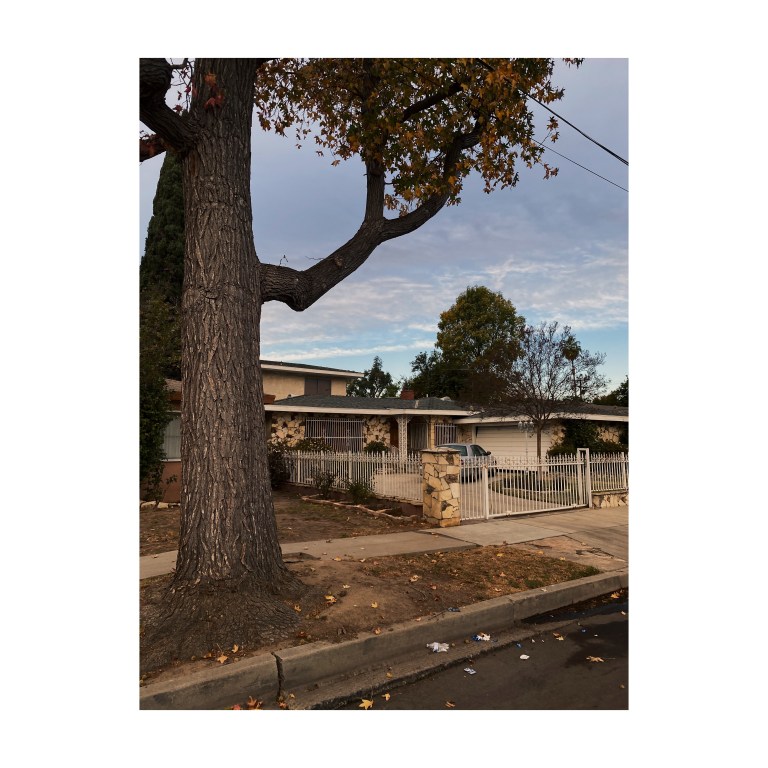
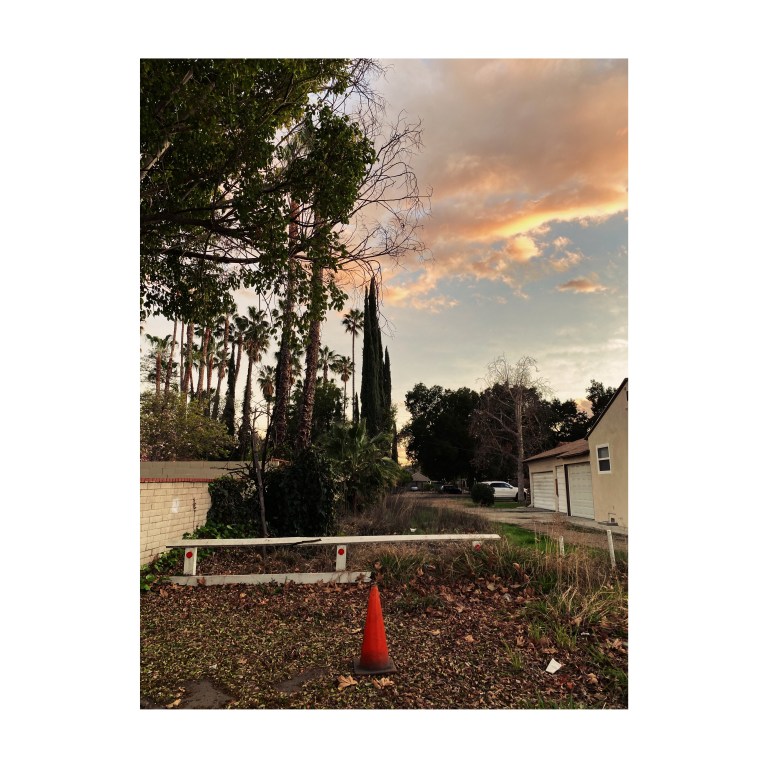
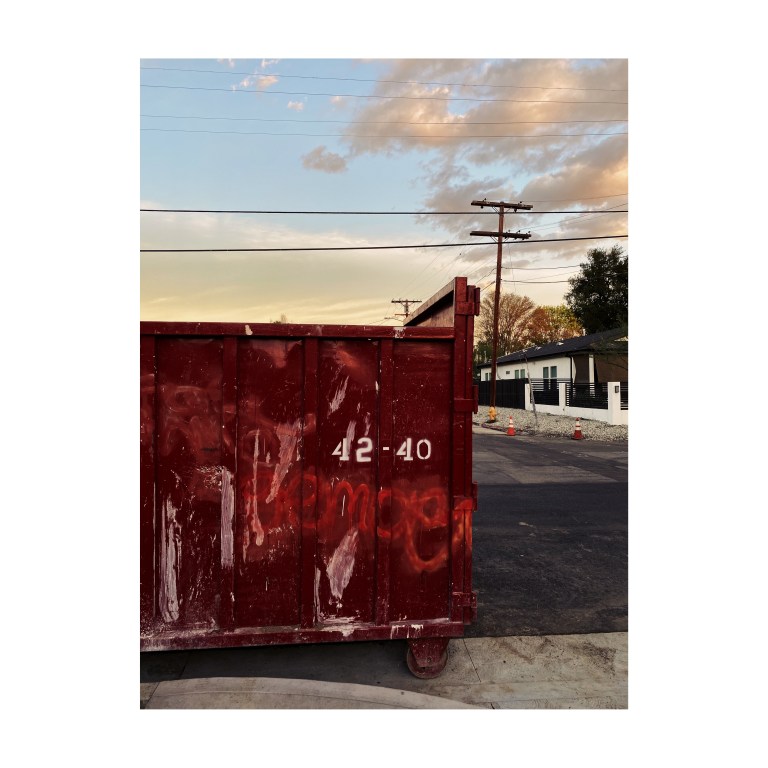
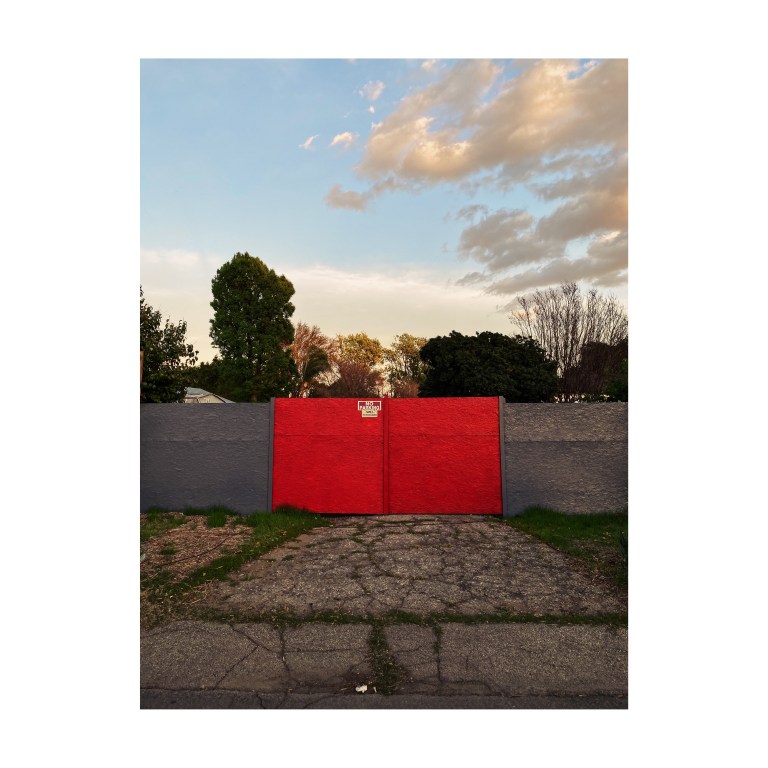
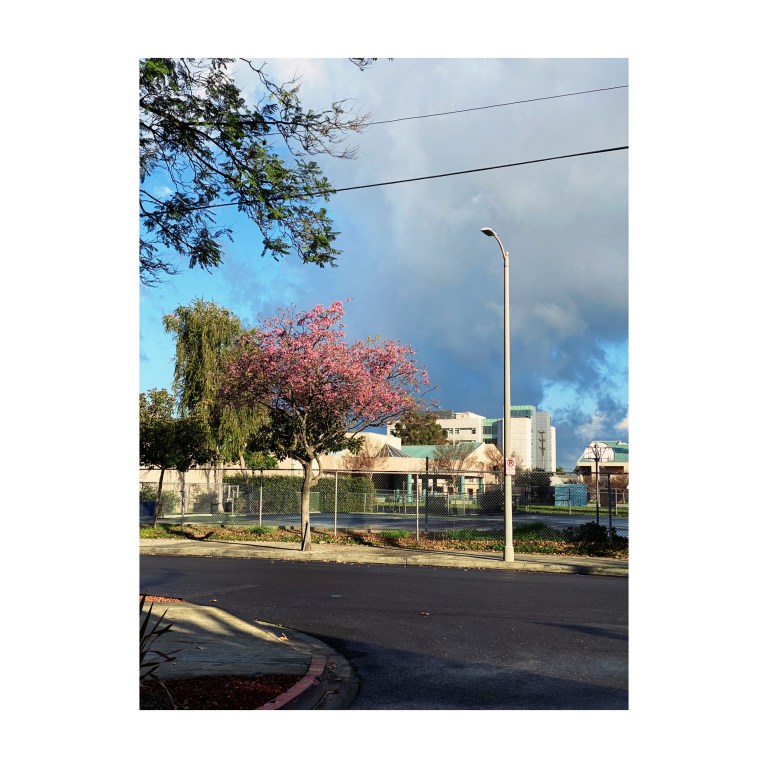
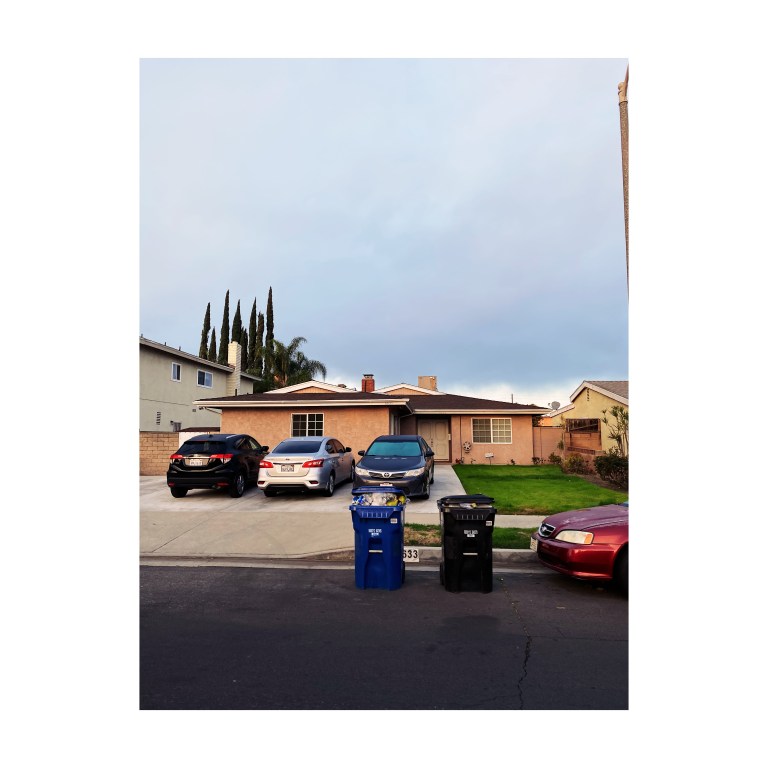
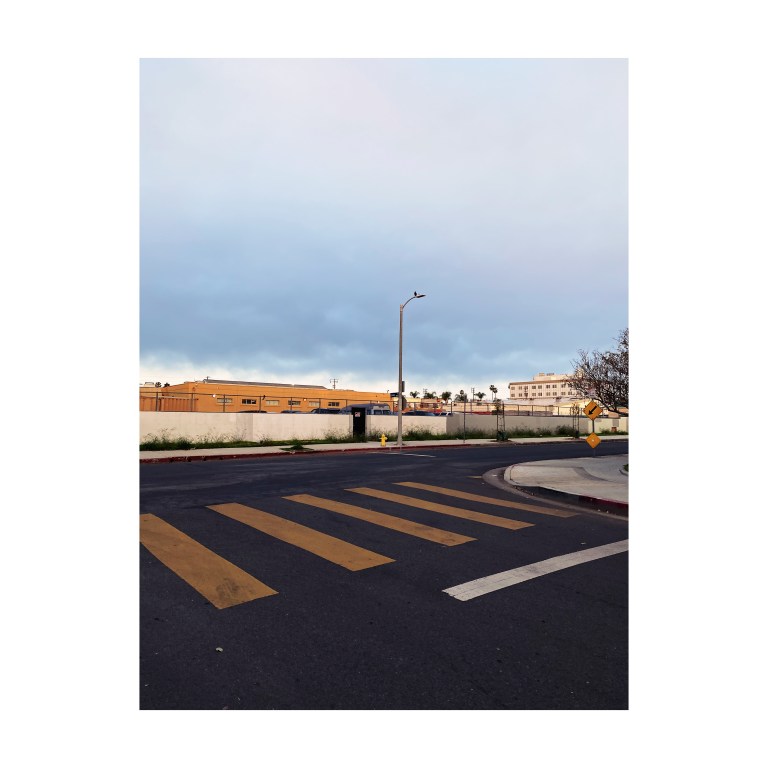

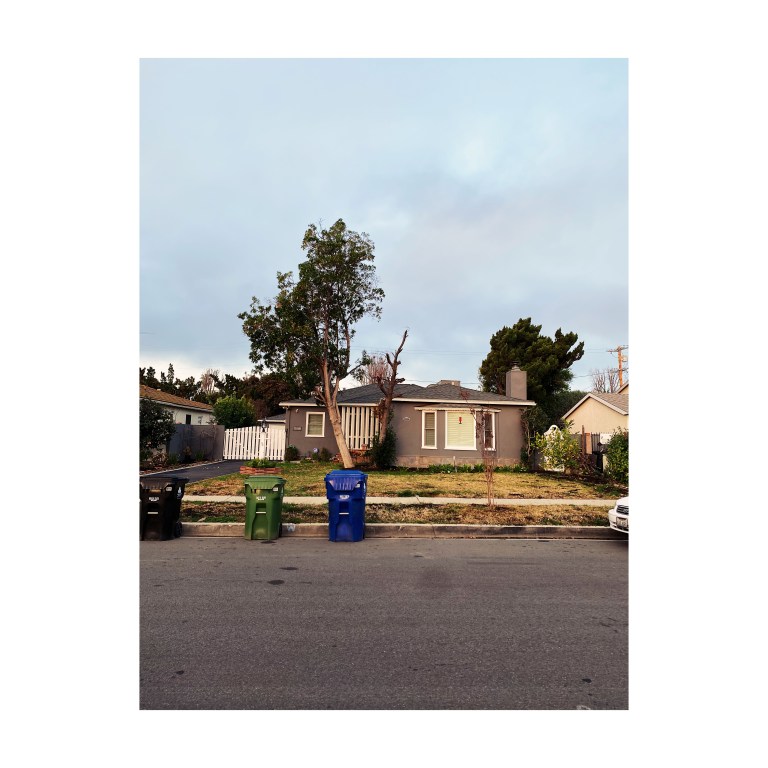
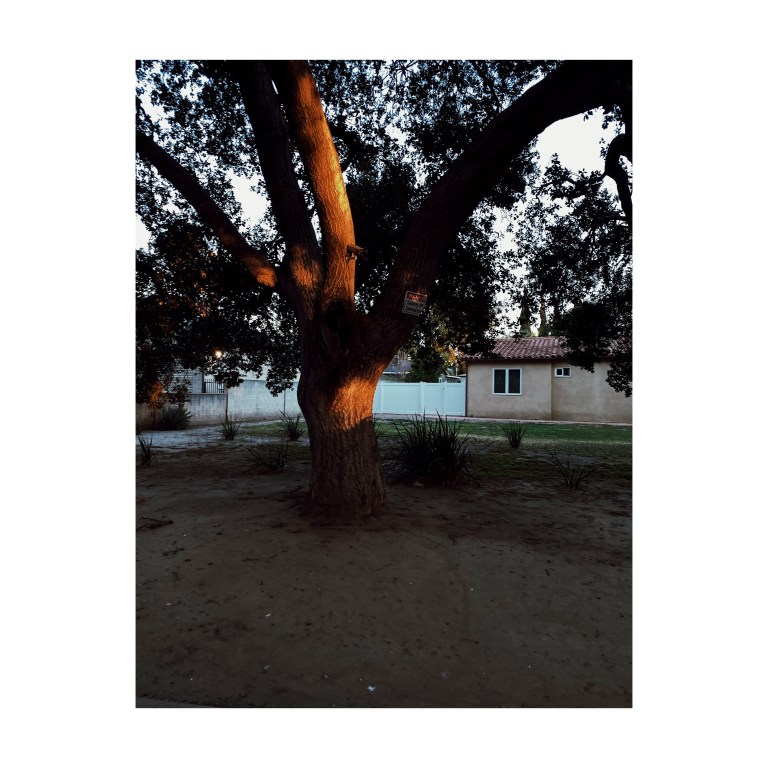
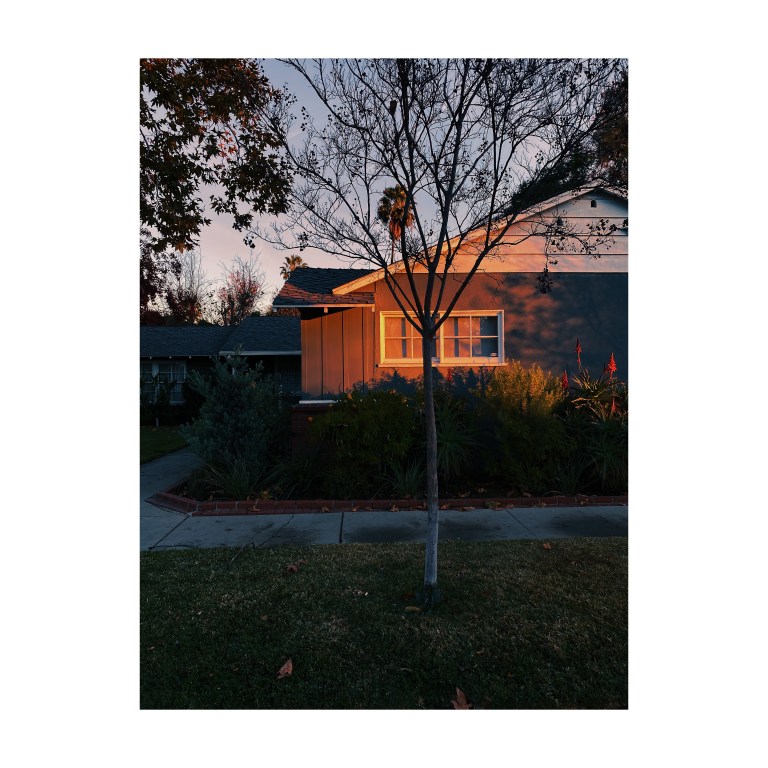

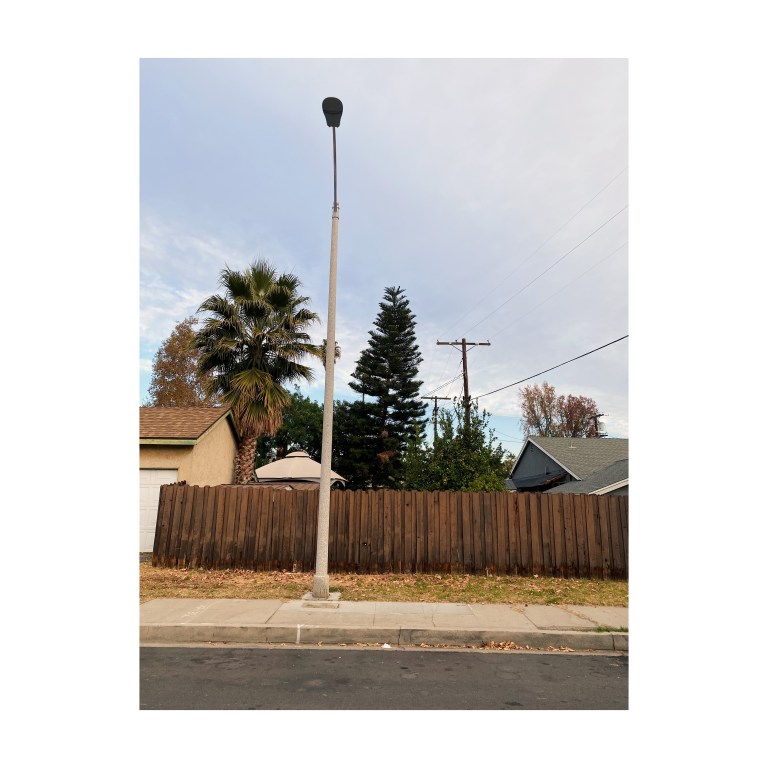
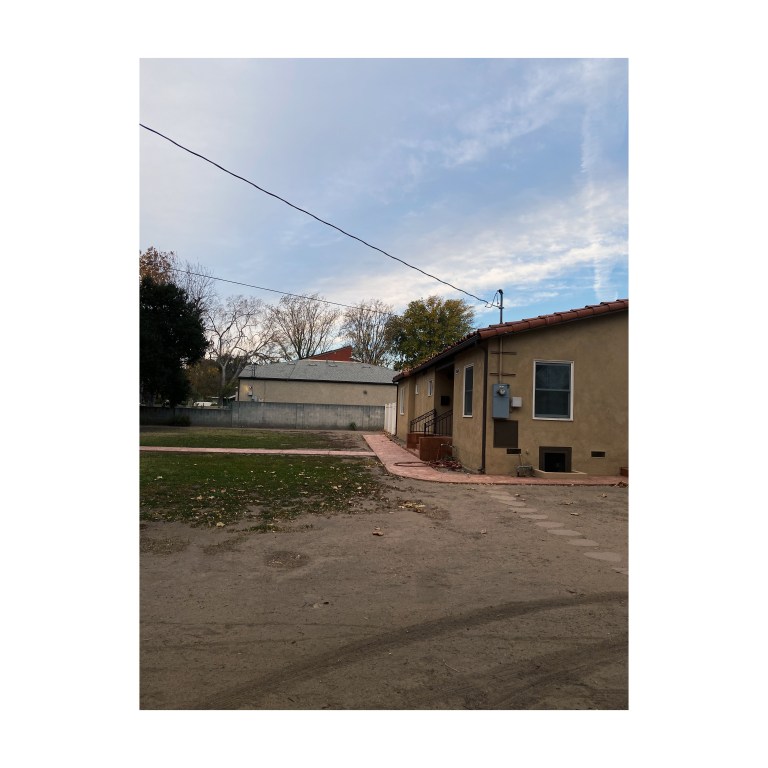
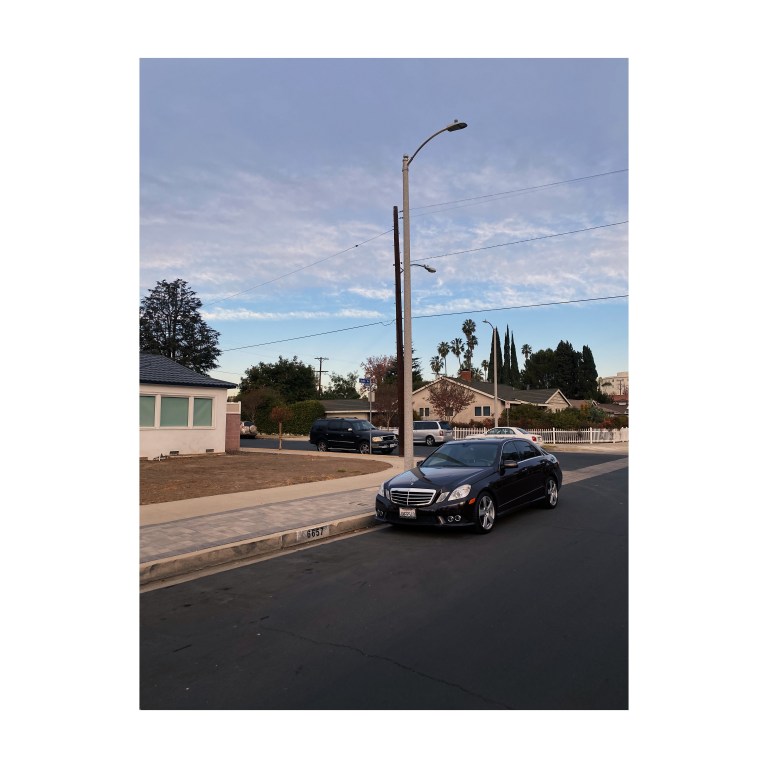







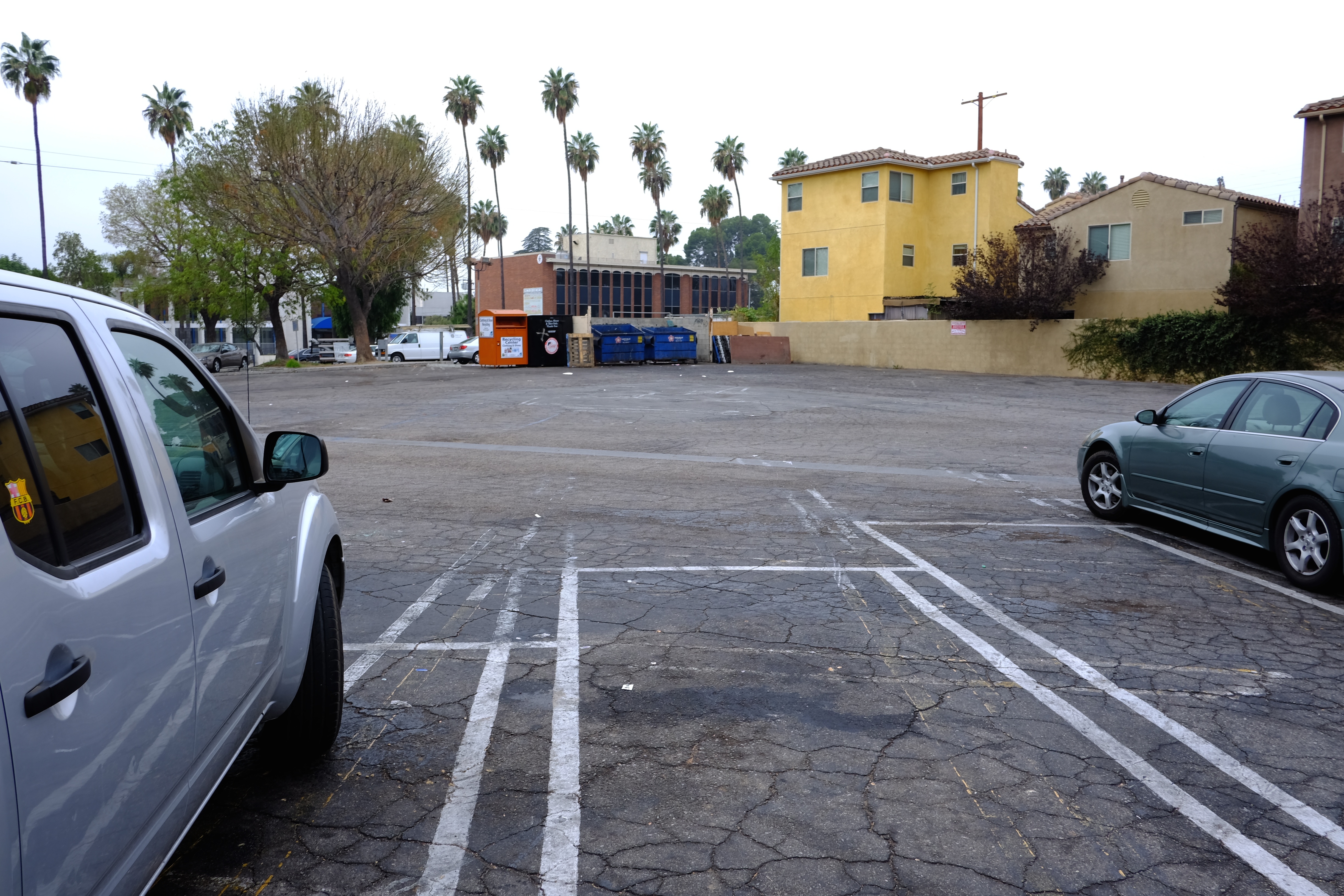
 Here in Van Nuys
You must be logged in to post a comment.