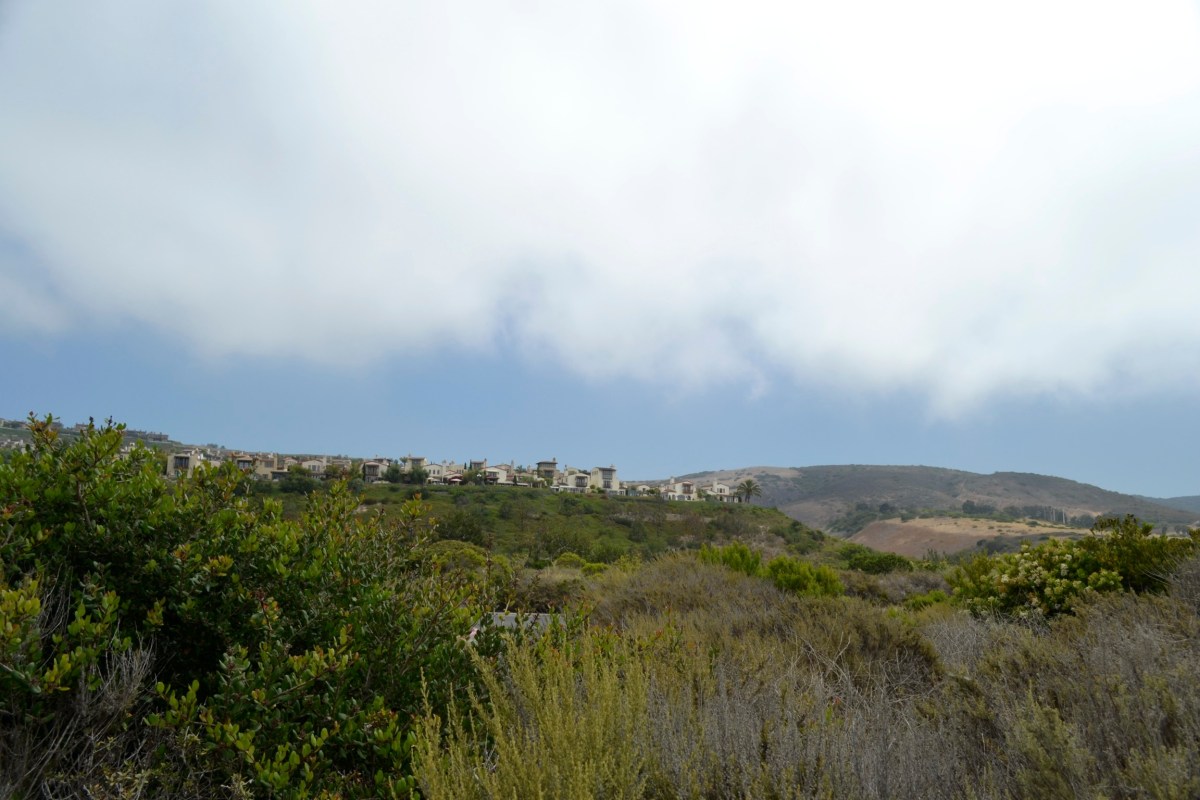
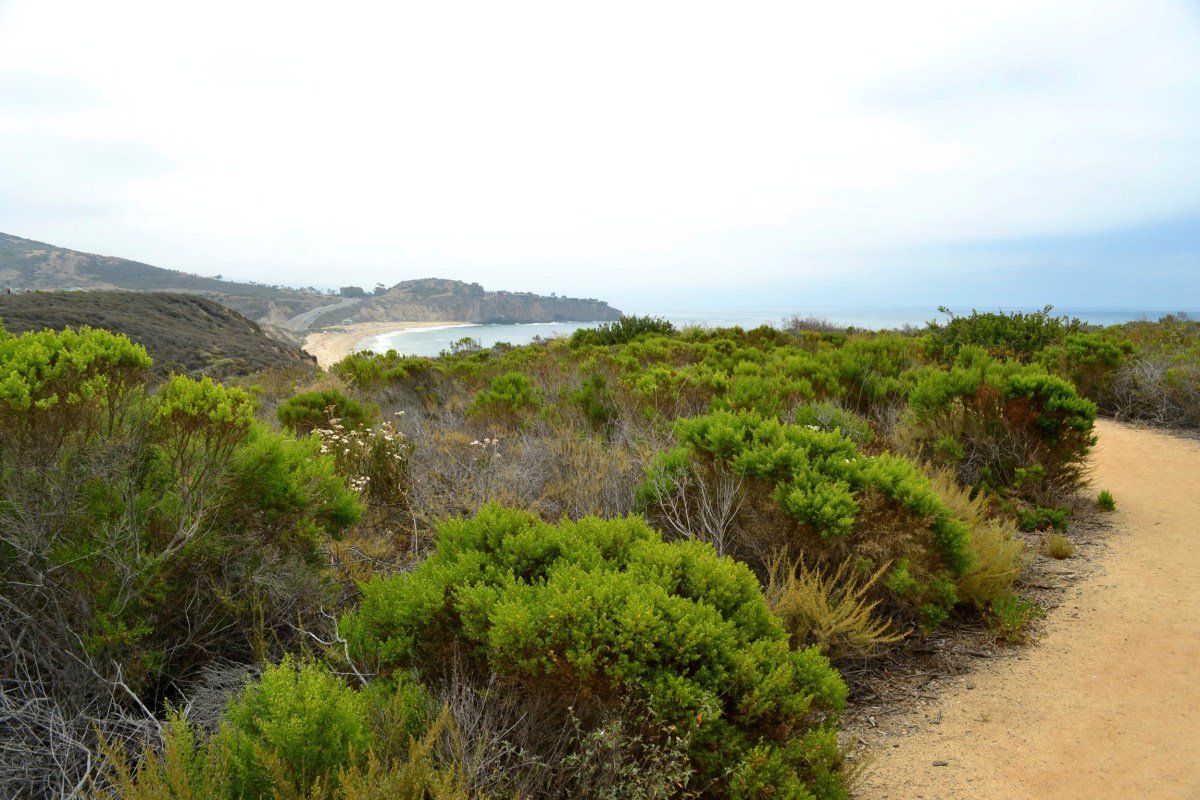
It’s a strange place, down there, along the Pacific, in Laguna, Newport Beach and Irvine.
On Saturday I went there, escaping Van Nuys, escaping anomie and suffocating heat, breezing down the 405, past LAX and Long Beach. And then into the clean, protected, and planned campus development at UC Irvine where my friend lives on a new spaghetti tangled street, a stucco housing project locatable only on GPS.
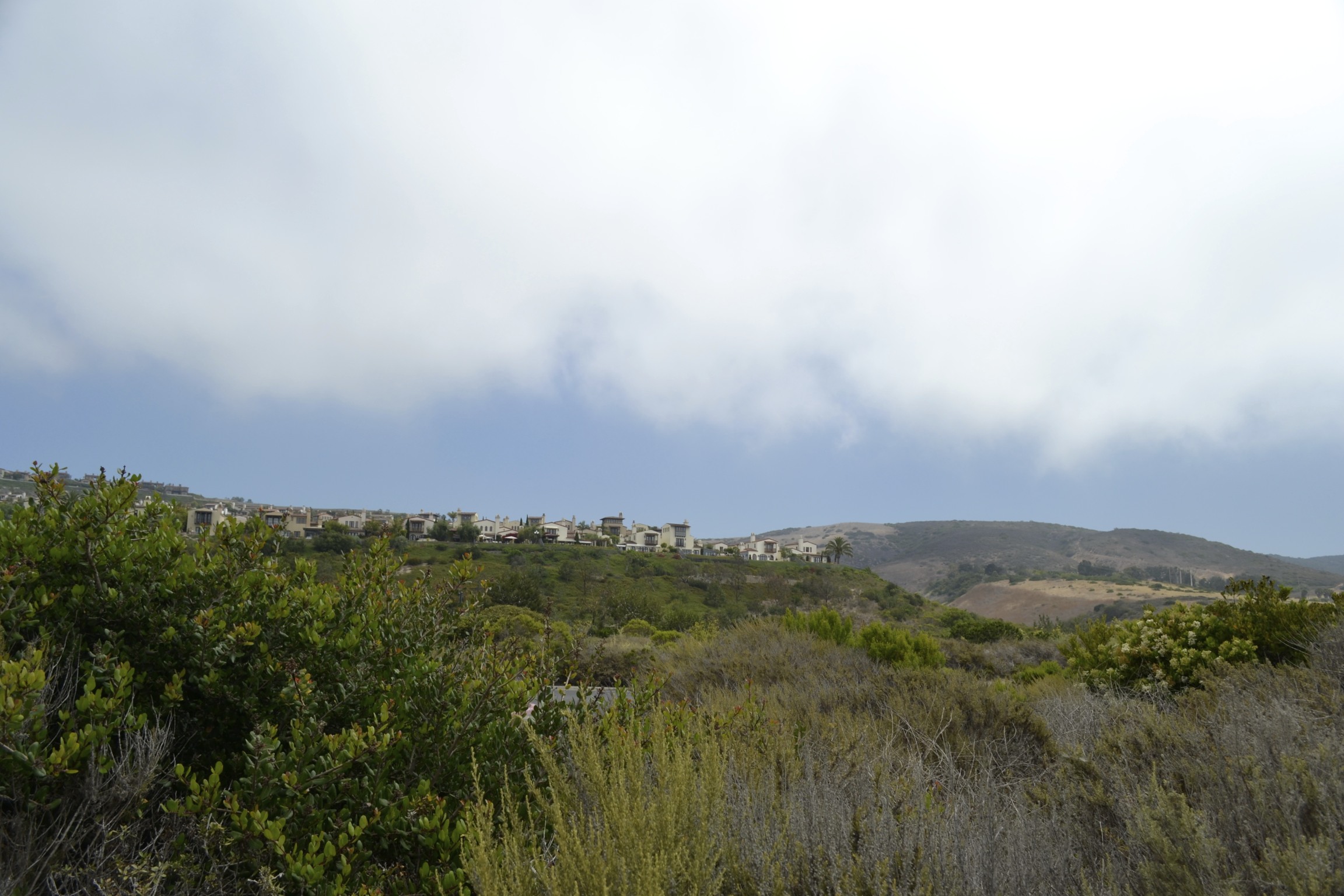
He is a professor and his tan house sits on a breezy Eucalyptus hill, alongside hundreds of other tan and brown houses and glass walled gardens that overlook a windy panorama of mega-churches, green parkways, community centers and gated communities.
Trees, windows, lampposts, paint colors, plants, every element of exterior has been plotted and chosen and codified into law so no house differs too much from any other.
My friend, gay and Vietnamese born, assured me that there was great diversity on the street, behind the vinyl windows and just blown driveways, a diversity of color, religion and gender.
We went out to lunch and drove down lushly planted Newport Coast Drive, a dizzying speedway descending to the Pacific, surrounded by gated mansionette communities of red-tiled Mediterranean styles, Reaganesque in conception, reeking of aspiration and asphyxiation, synthetic and grandiose; so many high-altitude houses packed on terraced hillsides perfumed by sprays of fog.
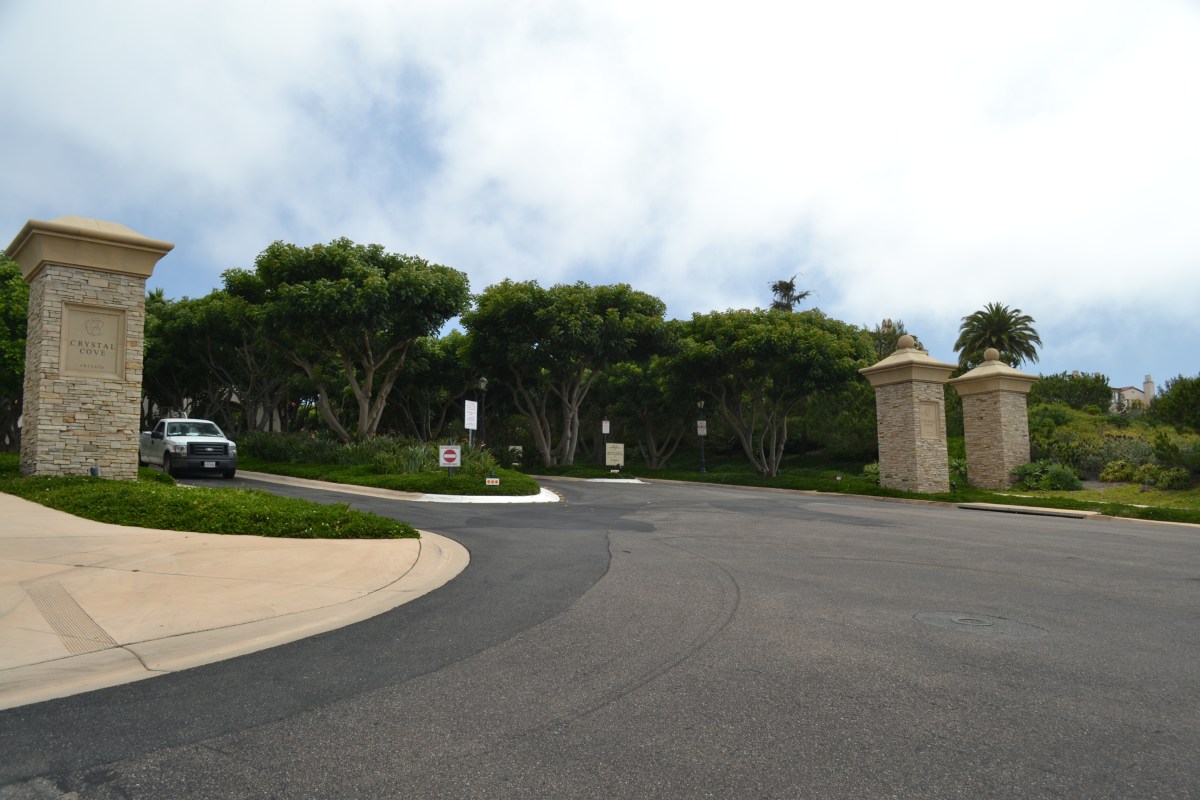
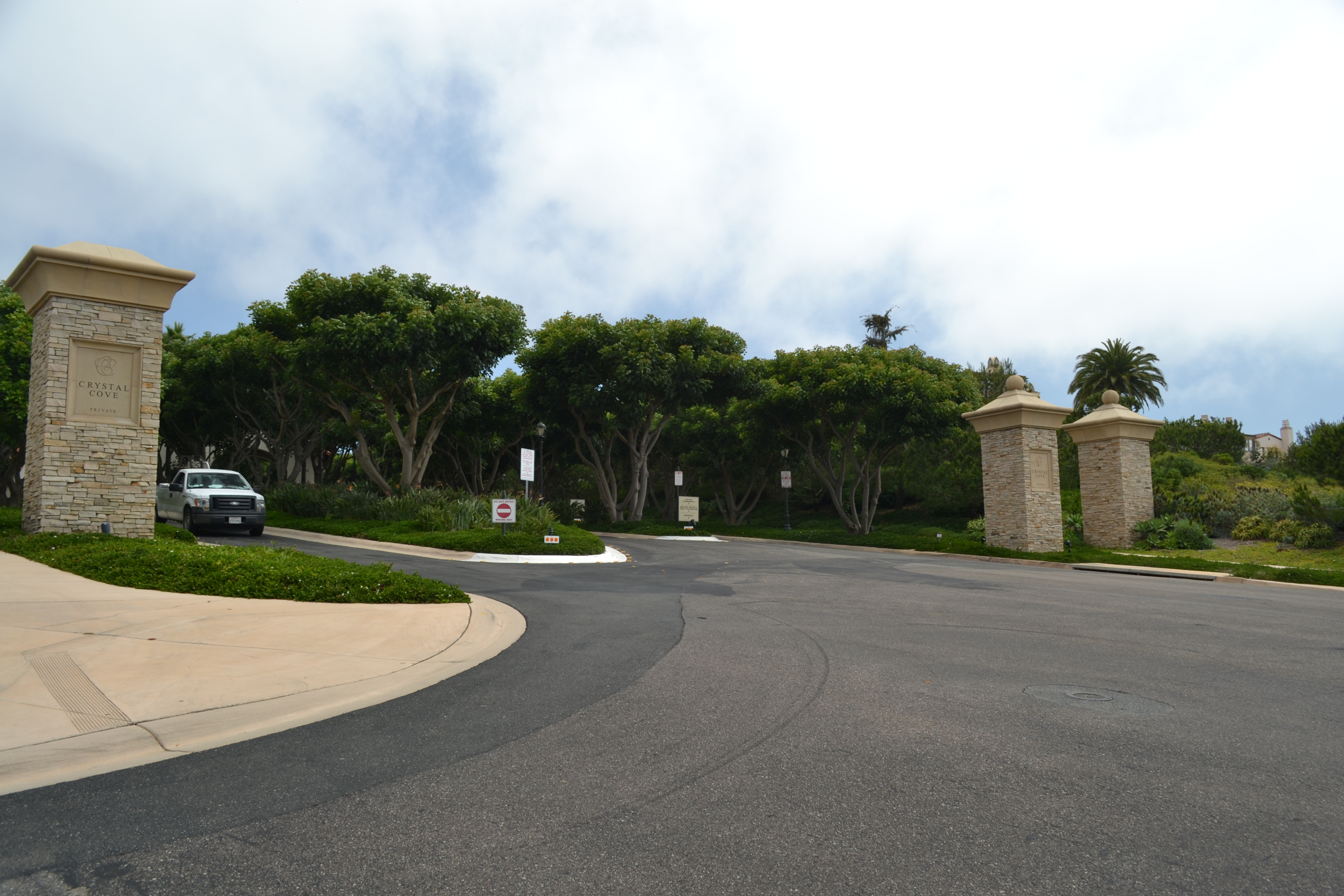
Two neo-classical archways stood on each side of Newport Coast Drive at Pacific Coast Highway, pretentious and plastic Arc de Triomphe models. The grandeur of the Pacific was enough for the old Newport Beach, which built modest cottages and let nature rule man. But new Newport must announce itself, as it did along this resort roadway. It must assert and announce, loudly, copious liquidity and cosmetic identity, even when it’s as false and phony as an Octogenarian’s botoxed forehead.
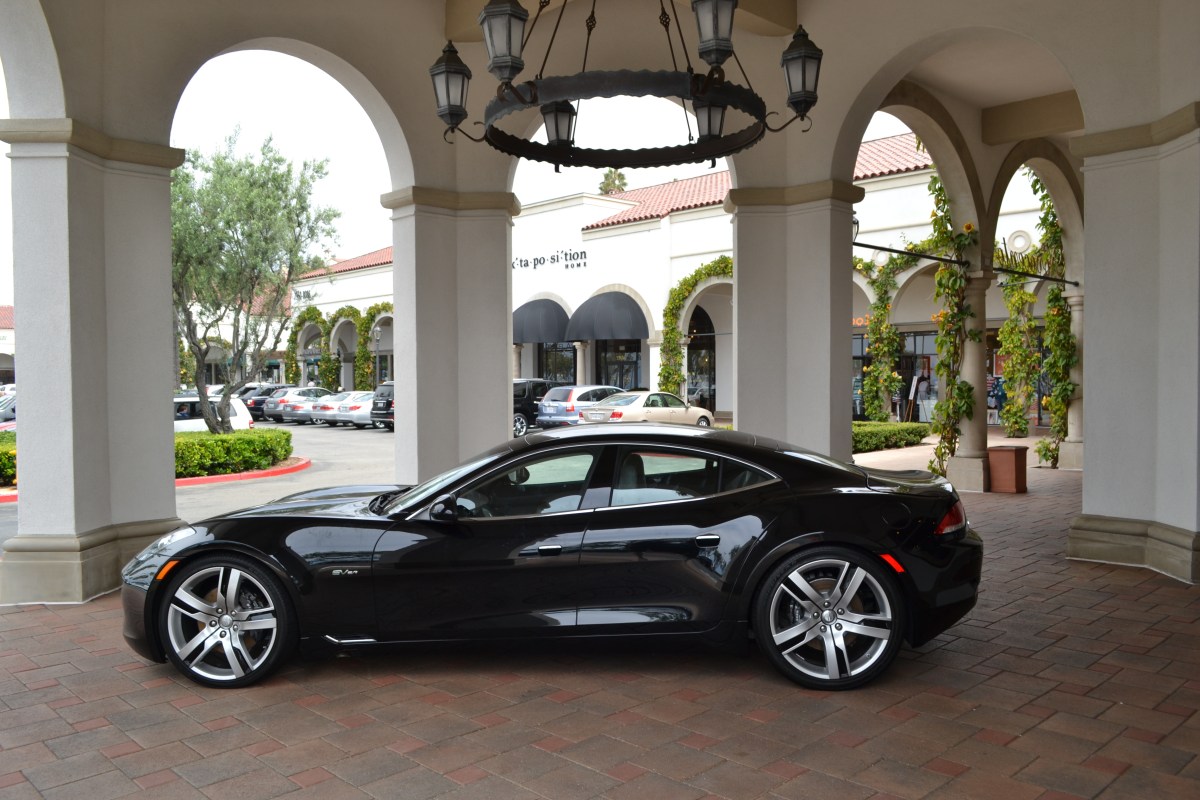
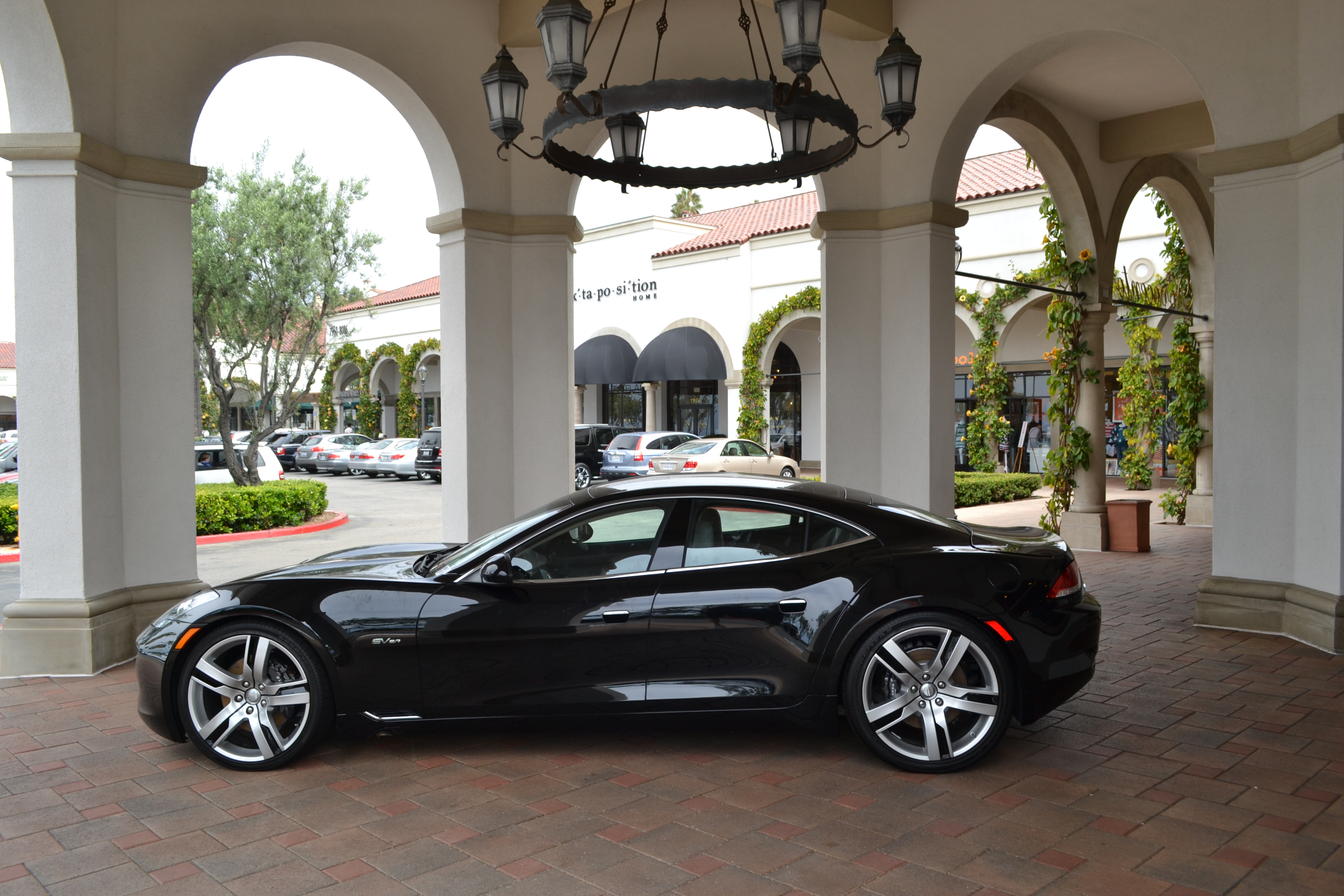
We parked in an outdoor mall, also landscaped with many trees and flowers, a shopping center under the arches and scented vines, where $109,000 hybrid automobiles were parked under the chandeliers, and whose lavishness was incongruously displayed next to Trader Joes and the Gap.
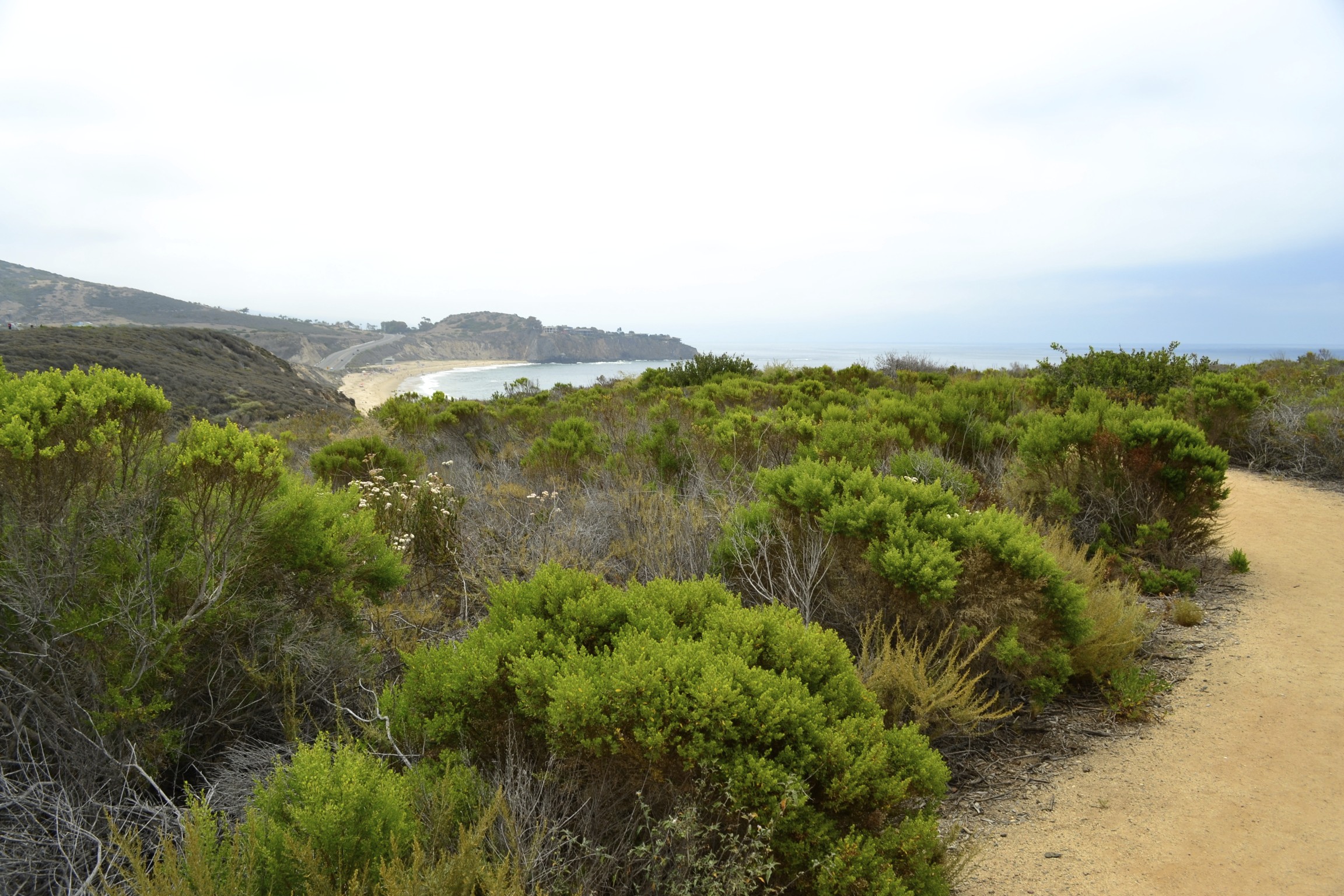
We came here, not to shop, but to park, illegally, and sneak down to Crystal Cove where the beach is still free and anyone in the water is equal under the eyes of God.

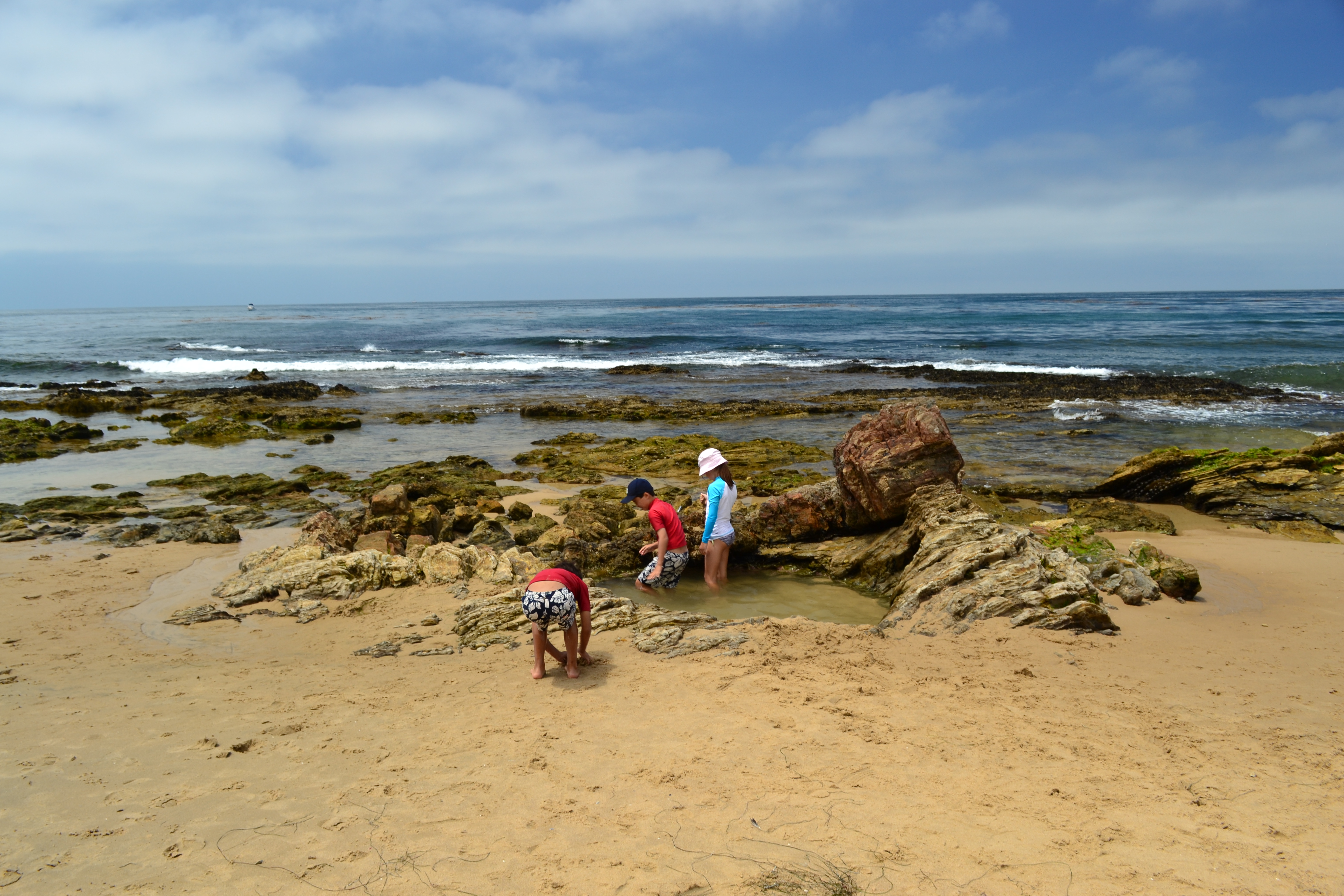
On the beach it was beautiful, as it always is on a day off work, with rocks and sand and gentle cliffs, waves and little tidal formations of lichen, mussels, and barnacles. It was a child’s paradise too, a natural world of salt water and aqua hues, a visual respite from video.
I was at peace on Saturday, in the present, out of my normal frame of mind darkly churning in the past or frozen in fear of the future.
I was in a good mood that day, and I was content.
I have to remember to come to the beach more often. It’s really the best part of the Golden State.
Everything bad and disturbing in California, as well as all well-meaning plans and proposals of this state, all of it is swallowed up in the tide. Nothing compares to the eternal waves and endless crash of what comes in and what goes out, around the clock. And what remains of sand, water and rock.
34.186672
-118.448971





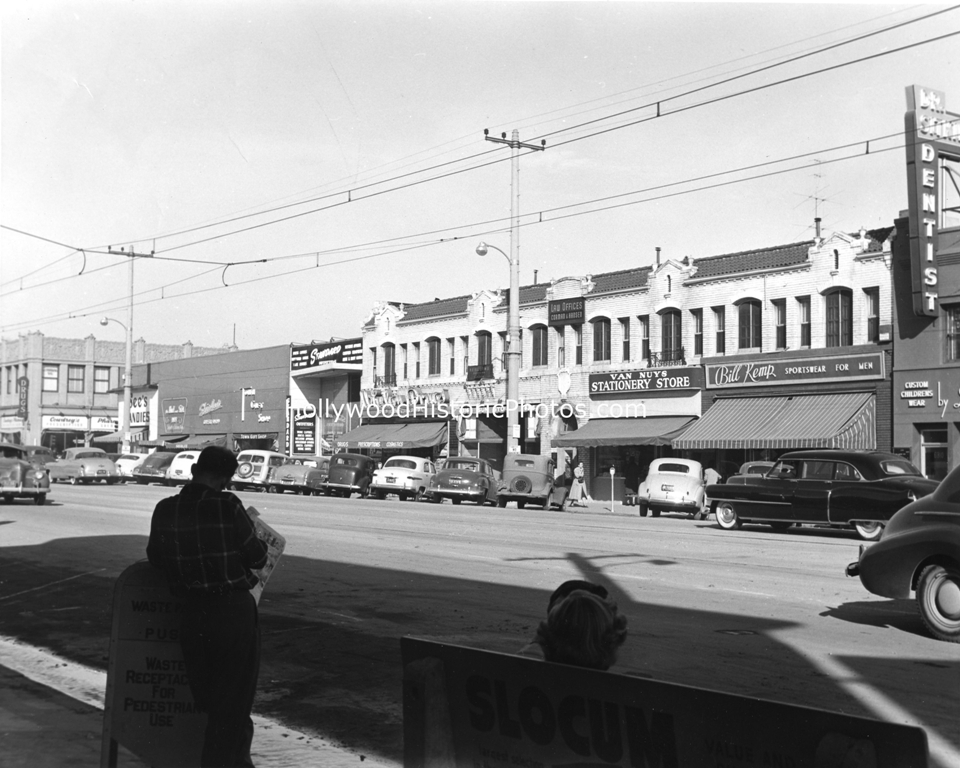
 Here in Van Nuys
You must be logged in to post a comment.