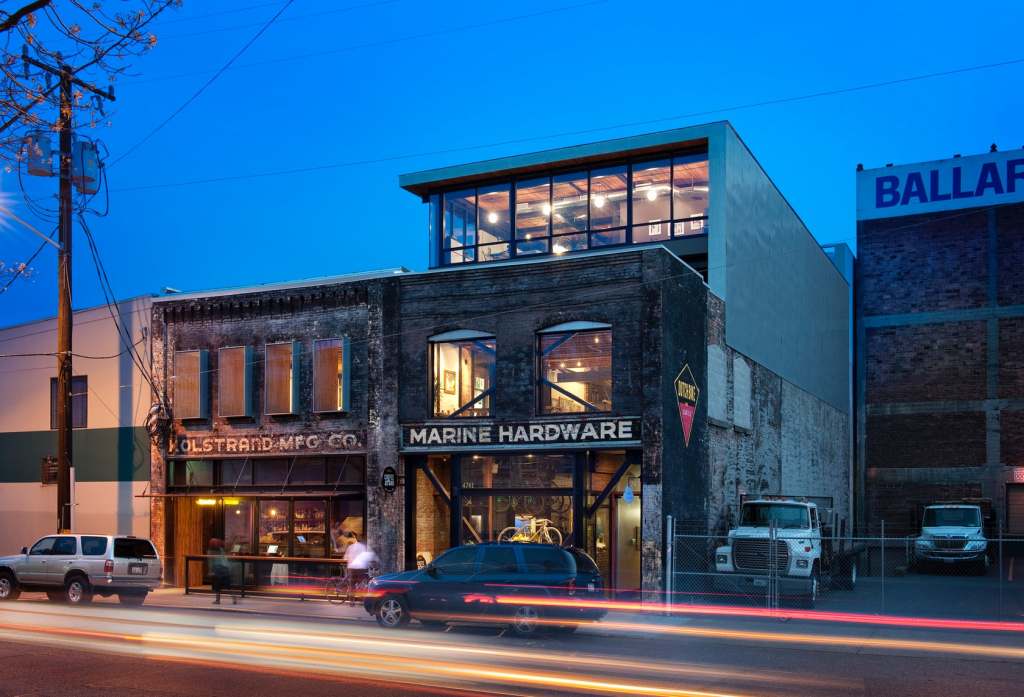
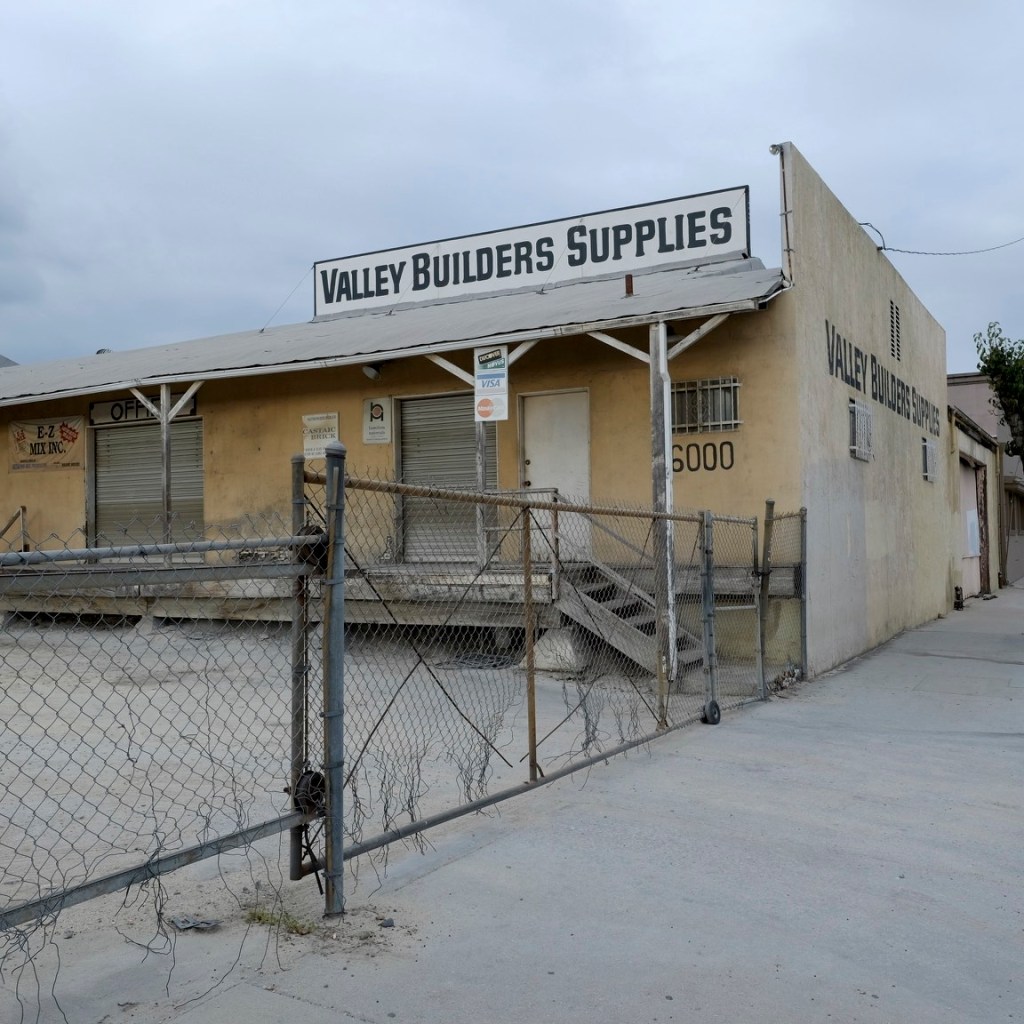
West Side of Sepulveda Between Haynes and Lemay, Van Nuys, CA.


The Nervous Hour


Later in the year, if we are feeling better, or if we are alive, we may look back on March 11, 2020 as one of a number of dark days in a time of never-ending calamities.

Today, as the Coronavirus was declared a pandemic, and the stock market crashed yet again, and the slow-motion, fast spreading virus appeared aimed for me and my nation, I walked past this gruesome, burned-out building at 7101 Sepulveda Blvd. It caught fire on November 24, 2019.

A 5-story office building that caught fire months ago, and is structurally unsound and unsafe, is the setting for a community of homeless owners. Where is LADBS? Where is Nury? Where is God?

I didn’t photograph the community of perhaps 40 or 50 men and women who make their homes just north of 7101. They are, of course, there illegally, but why the hell not?  I dared not disturb their encampment, a satellite skid row in a community, Van Nuys, that until this century, was tacky, but spotless. 

In 1967, at 7101 Sepulveda Bl., the building, the parking lot and a motel court, was photographed by Ed Ruscha, our famed artist, for a book he compiled called “Thirty-Four Parking Lots in Los Angeles.”

The photograph is in the collection of the Tate and National Galleries of Scotland. And the LACMA.

Like his other works, “Twenty-Six Gas Stations” and “Every Building on the Sunset Strip,” Mr. Ruscha used documentary photography unbeautifully to state unequivocally what we honestly are in our built forms. 

Ah, the Sixties, when we laughed at the bad designs of roadside architecture, parking lot covered suburbia, and those husbands and wives who only wanted to live in a $30,000 ranch house and barbecue steaks.   We thought anyone over 30 ridiculous, an old prejudice recently renewed.

The children of the 1960s and 70s are among the ones living in the tents with the rats and the needles and the trash. 

We have fallen further than anyone could have imagined in 1967. We have only to look baldly at the evidence in front of our own eyes. We don’t need Twitter to tell us things are rotten in the states of reality and mind.

Progress Report.


On a brief walk, after dropping off a package at the UPS on Van Nuys Bl. I walked west on Sylvan, south on Vesper, ending this set of photos at the new fire station on Oxnard.

There is a small but significant amount of new apartments going up. They are pleasant additions to the neighborhood and are all in the currently popular white style, blindingly white, with dark windows.  They add some upgraded cleanliness to an area which has long been the sad kingdom of slumlords. 

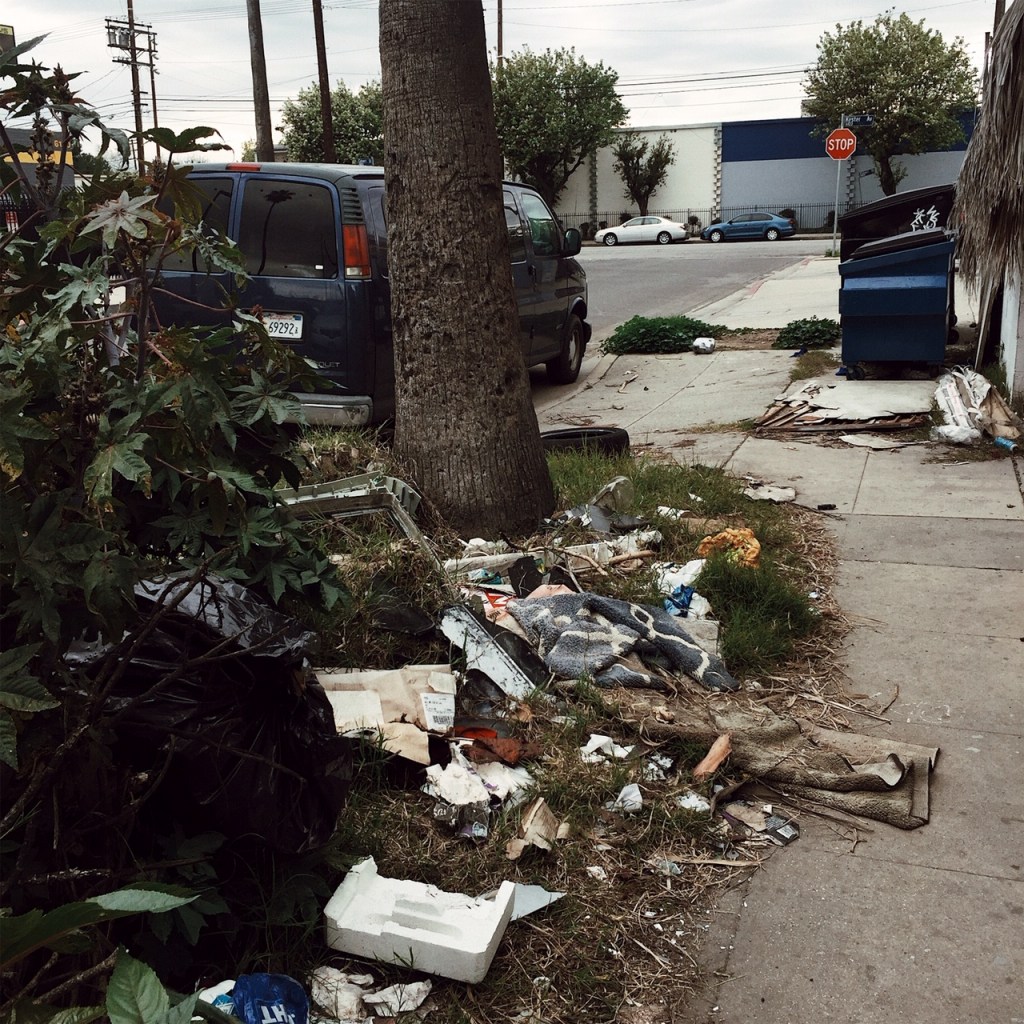
On Sylvan, the former post office, built during the 1930s by the WPA, in a classical style, was later a home for Children of the Night, a non-profit created to fight childhood sexual exploitation. They have since moved out, so the sidewalk outside the gracious building is now a trash camp.

The new fire station (2019) is a great asset for the neighborhood and has significant architectural beauty that recalls the 1930s Streamline Era, and is also conversant with the first fire station on Sylvan (1939) as well as the former DWP building on Aetna and Vesper (1938) just behind the new edifice.

Just to the east of the fire station, Aetna is closed, with a high fence, between Vesper and Van Nuys Boulevard, most likely due to the trash campers who took over the area. They are banished to fly somewhere else, probably to the bird sanctuary in Woodley Park.

Councilwoman Nury Martinez has jurisdiction over this area, and her office is nearby in the Valley Municipal Building. She is now the head of the city council, and the first Latina to hold that position in city history.

We can applaud the justice of diversity, the idea that anyone from any background can ascend the ladder of politics and achieve leadership.

We cannot applaud the failures of Ms. Martinez, and her predecessor Tony Cardenas (who is now a congressman in Washington, DC) for they have had over 20 combined years of allowing Van Nuys to fall into utter disintegration, filth, homelessness and blight. 

Their ethnicity has pushed them up into the spotlight even as their academic records in elected office should be graded D- or F.

The idea that one’s identity deserves praise rather than one’s achievements is a new chapter in our American conversation. If Van Nuys should fall further into the gutter, which seems unimaginable, we will think of the paucity of Ms. Martinez’s and Mr. Cardenas’ accomplishments and recall this verse from Matthew 7:16 “Ye shall know them by their fruits.”

Rotten.

One Story Town, Again


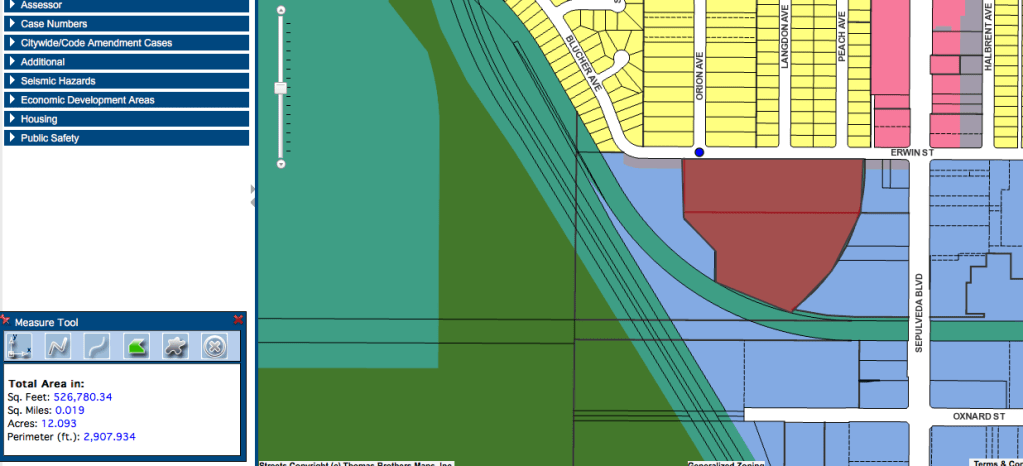
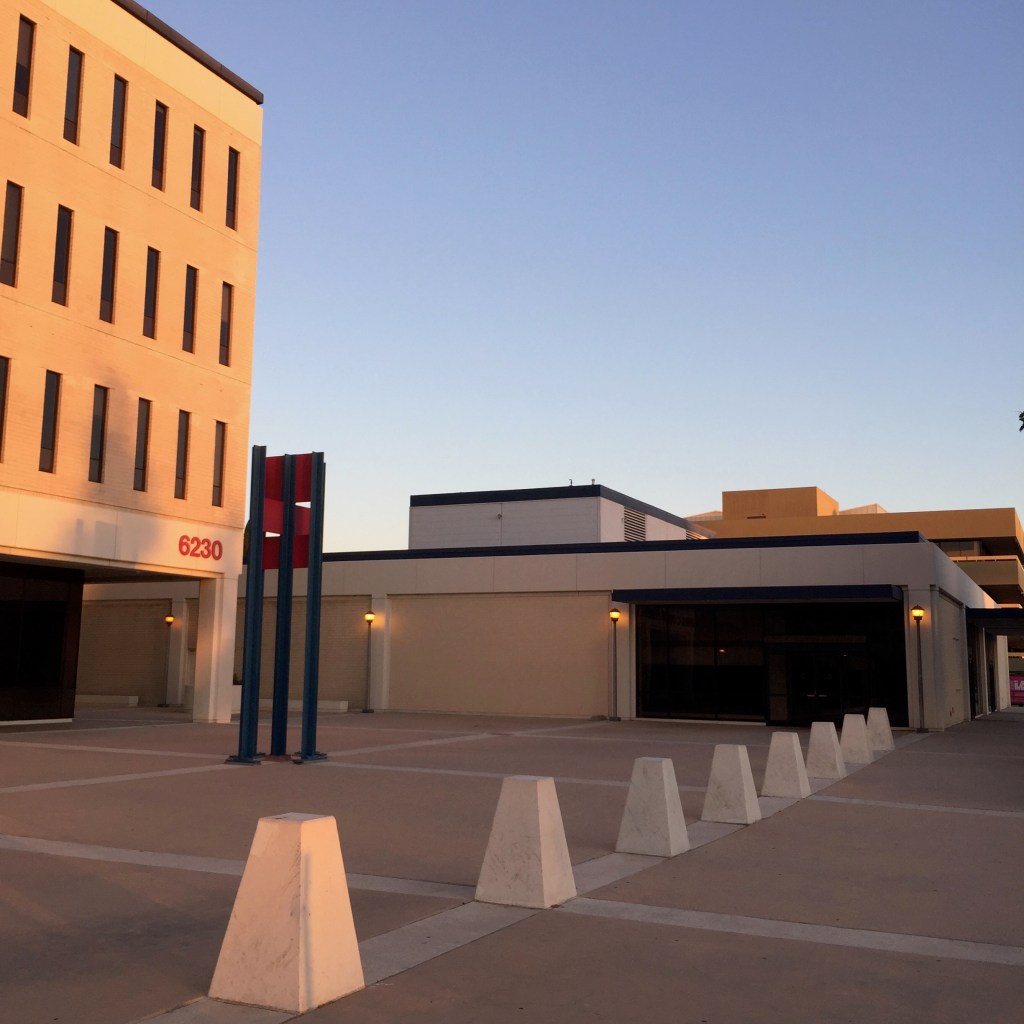
Earlier in the year, the Salvation Army store at 6300 Sepulveda went out of business. The lot it occupied, building and parking lot, is some 45,000 square feet.

It sits along a row of Sepulveda that is seemingly zoned for only commercial use, even though it runs along a heavily traveled bus route and is but minutes from the Orange Line.

Salvation Army
Salvation Army, former location, now closed.

Here is an example of a critical issue that somehow escapes the gaze of Councilwoman Nury Martinez, Chief Design Officer Christopher Hawthorne, and Mayor Eric Garcetti.

Why are there unused or underused vast parcels of land in a place which is starved for housing, where homeless people roam without help, and people cannot find affordable housing?

The Mayor recently wrote an open letter to President Trump asking for more help on a variety of issues, including veterans who are without shelter:

“If you and your Administration would like to help Los Angeles and other American cities confront our homelessness crisis, I urge you to take the following actions immediately and work with America’s communities to bring all Americans home:

  • Support the bipartisan Fighting Homelessness Through Services & Housing Act, S. 923 and the End Homelessness Act, H.R. 1856 which further expand the housing safety net with new grants and mental health programs to help cities combat homelessness over the next five years;
  • Uphold the Veteran Administration’s vision to build at least 1,200 units of housing for homeless veterans on the West LA VA Campus by providing capital funding for new housing development and addressing the severe infrastructure needs of this federal land;
  • In your FY2021 Budget Request, build up the nation’s housing safety net and support higher appropriations for the programs that have been proven to solve homelessness and create economic opportunities for hard-working Americans. Some of those critical programs are: U.S. Department of Housing and Urban Development’s (HUD’s) Homeless Assistance Grants, HUD’s block grant programs (HOME, CDBG, HOPWA, and ESG), HUD’s project-based and tenant-based rental assistance programs (including HUD-VASH), capital and operating funds for the nation’s dwindling supply of public housing, the Affordable Housing Trust Fund, and the VA’s Supportive Services for Veteran Families (SSVF) program;
  • Rescind HUD’s proposed rules to evict mixed-status immigrant families from assisted housing and prevent transgender homeless people from accessing federally funded shelters; and
  • Protect critical fair housing laws by upholding the previous administration’s “Affirmatively Furthering Fair Housing” and “Disparate Impact” rules.”

Yet nobody in this city or nation imagines that anything will come from President Trump to “end homelessness.” Asking President Trump to accept funding “mixed-status immigrant” families with Federal money? Is it possible Mayor Garcetti actually believes that undocumented immigrants will also find federal housing money from the Trump administration? And transgender persons?

The second largest city in the United States has an extreme shortage of housing and the the Mayor puts the needs of “undocumented” residents and transgenders at the top of his list of federal funding requests?

The tragedy of Los Angeles is that it has no leadership and no courage, and it only pays lip service to trendy, lefty, wacky pleas rather than mounting the Herculean task of building massive amounts of housing through free market methods. We don’t need to house every person from other countries who end up in Los Angeles by using federal money. Is that wrong to say? Does it make sense that American taxpayers are asked to fund the disastrous policies and ideologies of this city and state?

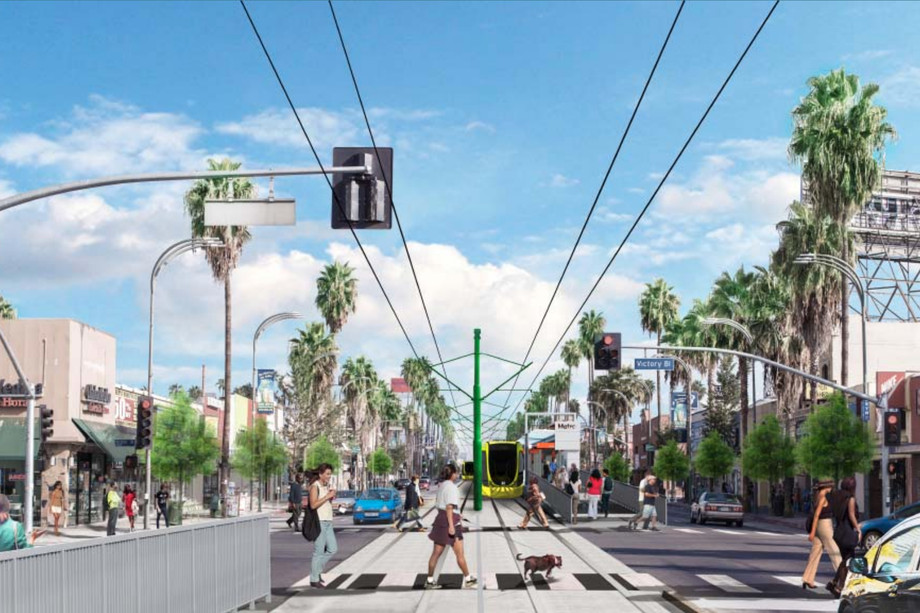
We need, as a city and a state, to get moving to build on land which is badly underused, which sits along public transit lines, which could be remade as many thousand units of housing. It’s called re-zoning, and we need to open up and liberate land so that more development can come in and we can build denser, taller, higher apartments to flood the market in California with cheaper housing.

Our Lost Vitality


Sepulveda and Erwin, Van Nuys, CA.

Housing, it seems, is everything these days, the foremost topic on the minds of Angelenos. 

Those who can afford it fear those who cannot.

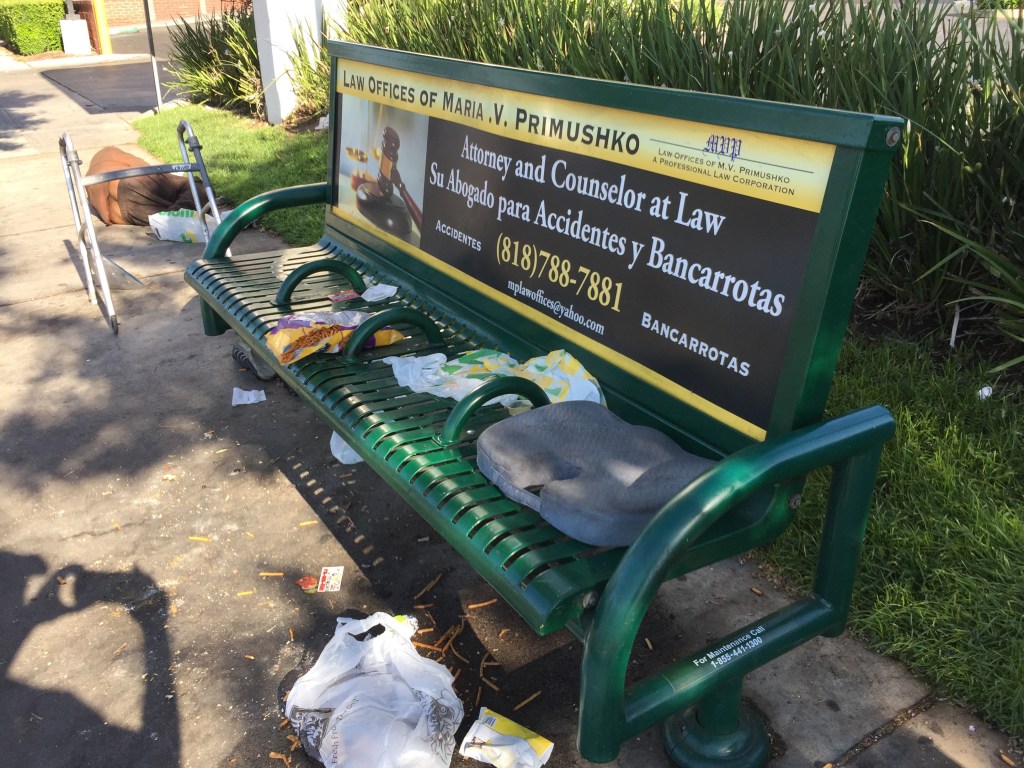
Fearsome, it seems, is our ragtag army of many thousands of un-housed vagrants who have established anti-communities out of shopping carts and tents, and made bedrooms, bathrooms and living rooms out of bus benches, trains, bridge underpasses and alongside our freeways. Covered in dirt and tortured by circumstance, pulling three bikes with two legs, they remind our fortunate ones that life often goes bad even for the good.

3/5/18 Bessemer at Cedros.

SB50, the state proposed override of single family zoning, struck terror into the hearts of many in Los Angeles who feared that the single family home, housing twelve unrelated people, might soon be replaced by twelve unrelated people in four houses on one lot.   

“Leave it to Beaver” (circa 1959) the imaginary ideal of Los Angeles.

“Leave it to Beaver”, “Dennis the Menace”, “Hazel” and the rest of the 1950s and 60s back lots of Columbia and Warner Brothers are how many, now aging, but still ruling this city, think of Los Angeles, and how it should look. 

When Dennis the Menance came home he didn’t enter into a lobby with an elevator. When Dr. Bellows drove up Major Nelson’s street, it was clean, tidy and sunny. 

Home of Major Anthony Nelson, “I Dream of Jeannie” (1965-70)
The cast and crew of the remodeled “Brady Bunch” home in Studio City, CA. (HGTV)

HGTV is now remodeling the real life home in Studio City that was used as the location for Mike and Carol Brady and their bunch, recreating in reality a 1970s home, inside and out, following an architectural blueprint from the set pieces of an inane, 50-year-old television show that seemed saccharine the night it premiered in 1969.

It is heartwarmingly creepy to see the now white-haired kids throw a football in an astroturf backyard, retirees feigning juvenile excitement as a synthetic reality show impersonates their old sit-com and pumps new advertising blood out of Geritolized veins.

____________________________________________________________________________

Woodley Park, 2018.

But life is not a syndicated sitcom. What’s on TV is not what’s beyond our windshield.

We live in Los Angeles, and die a bit here, day by day. The city is getting worse in every imaginable way: housing, health, transportation, taxes and education.

Homeless on Aetna St. Feb. 2016

On the roads, in real life, in 2019, cars are now parked and packed alongside every obscure street because it takes four working, driving adults to afford one $3,200 a month apartment.

Building more apartments doesn’t mean more cars, it simply means less apartments. And less apartments means more rent, so Los Angeles keeps eating itself up in contradictions of cowardice and myopia.

__________________________________

Japan

As I travel around Los Angeles and see all the enormous parking lots and one-story buildings alongside eight lane wide roads, I wonder why we are so unable to build enough houses to house everyone.

California is not nearly as crowded as Japan, yet that country ingeniously designs small dwellings that artistically and creatively provide homes for every type of person.

On the website Architizer, I found the work of a firm called Atelier TEKUTO.

Homes shown on Architizer by Atelier Tekuto are really tiny, but they are built solid, with each dwelling quite individual in style and form, an irony in a country where every black haired man coming from work is dressed in a white shirt and dark suit.

But Japan somehow pulls together the artistic and the structural to provide enviable and well-designed homes in well-protected, spotless communities. Violence is rare, except yesterday, but nobody goes out at night fearing random mass shootings, it is safe to say.

We can’t, or should not, want to remake the depravity of our dirty, violent LA into clean, peaceful, obedient Japan, with its fast trains and scrubbed sidewalks, but we might borrow some of their ideas. After all, we conquered them in 1945, can’t we take home some intellectual souvenirs?

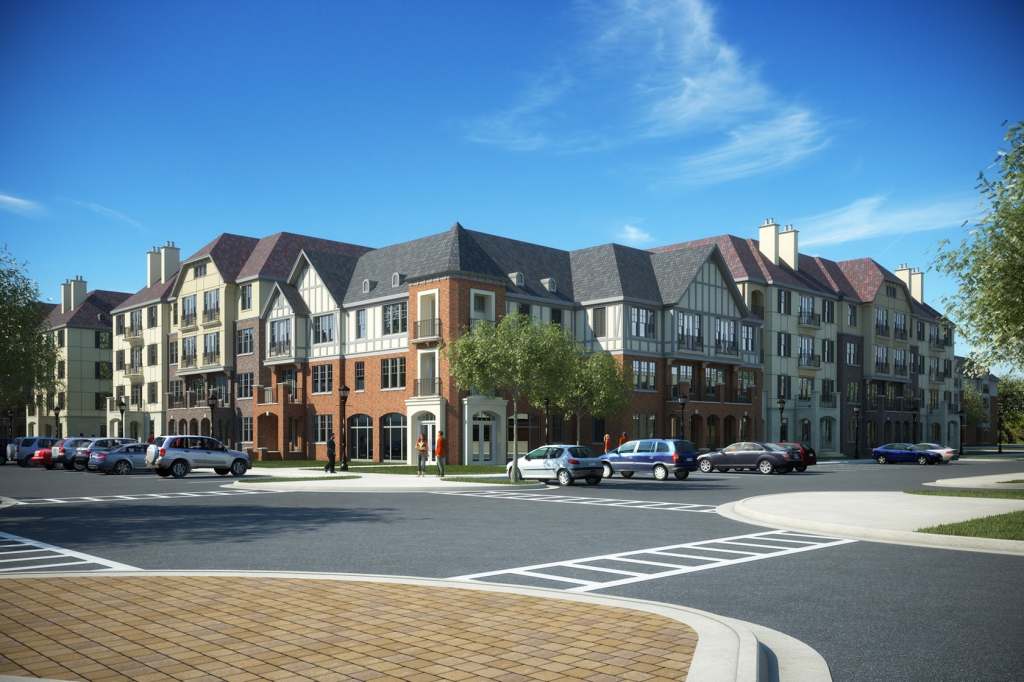
Imagine if Van Nuys took the courageous and innovative step to redo the large, unused parking lots behind all the abandoned shops on Van Nuys Boulevard with a mix of little houses like these and perhaps some larger structures several stories high?

What we have now is this:

Don’t we have a Christopher Hawthorne now, Chief Design Officer, working under Mayor Gar[BAGE]cetti? Former architecture critic at the LA Times, he may know one or two architects from his old job. Perhaps Mr. Hawthorne can take action?

What have we got to lose? 

We are so far down in quality of life that we must engage our energies to pursue a remade Los Angeles.

A city that does not harm us but lifts us up.

As Japan shows, you can have enlightened ideas without living alongside mounds of trash and outdoor vagrancy.

There is no logical connection between toleration of outdoor garbage dumps and political tolerance in general. In fact the worse our surroundings get, the more people will turn right and maybe even hard right.

I Don’t Care About Your Identity….


Woodley Park.

May 13, 2019

Someone recently was very excited because there is a new slate of young, female, diverse people who are running for the Van Nuys Neighborhood Council. She is one of the contestants and wanted some input on what I thought about the VNNC.

I rolled my eyes. Nothing good has ever, ever come out of the Van Nuys Neighborhood Council, and if you don’t believe me, take a walk up Van Nuys Boulevard today and see the boarded up shops, the homeless, the filth and the neglect.

Maybe I should expand that to the office of Nury Martinez, a city councilwoman who has been in that job for some five years and has presided over the further decline and frightening expansion of homelessness that plagues our city and our district in particular.

Often young aspirants seeking election will roll out first, those labels which they think matter. You are queer, you are a woman, you came from Honduras. And you are under 30. That last designation is the most important because you have “fresh ideas”, ideas which only those people born after 1989 have thought of.  And you care, you really care about this community because you are queer, you are woman and you came from Honduras.

And you are also against: exploitation, triggering, cruelty, bigotry, and policies that discriminate against homelessness, against the undocumented, and against those who have been convicted of crimes and are unjustly punished.

Fine. All fine. All open for debate, though you may not ever agree to debate these issues because you are right and I should know you are right.

But I have one thing to say to you, candidate for political office: I don’t care about your identity.

I know you are angry because growing up you wanted role models and when you looked on TV or in the movies you were given maids and gang-bangers instead of entrepreneurs and philosophers. Pity. You didn’t model yourself after Marsha Brady or Samantha Stephens so you went into a tailspin.

Your identity is your fortress, your crowing achievement, because, after all, you’ve worked hard to acquire that DNA.

But running on a platform of DNA, gender, or preference labels doesn’t stop crime, bad schools, illegal dumping, trash camping, random violence.

The Cuban-American dad who lives with his daughter near Burbank and Kester takes his Sunday morning off to ride bikes with his daughter through a trash-filled bike path along the Orange Line. Does he care if the representative who neglects this park is Latina? No, he cares if the park is clean and safe.

The Guatemalan born, American history professor who takes the bus from Van Nuys to teach at CSUN stands at a bus shelter where a homeless person has placed six shopping carts and has made a home there for three months.

The lesbian mom from Mexico who lives on Vanowen with three school age children still has to drive them from her bad school district to a better one five miles away and she helps, unwittingly, to contribute to traffic and school segregation. Would it matter if she were Irish-American, born in Indianapolis and married to a man?  

The broadcasting of identities is like a theater of the absurd because it presents a chimera, an illusion of a person who comes into the public realm advertising her external labels instead of presenting her internal ideas.

I’m reminded me of Jussie Smollet’s words after creating his hoax, he used his “gay, black” identities to hide the true nature of his fabrications. By trotting out the ingredients on his label he sought the mantle of believability and righteousness. But the content of his true character remains.

I don’t care about your identity. I care about facts, about telling the truth, about pursuing equal justice under the law. And that applies to aspirants for political office as well.

The two little boys, Diego, 5, and Eddie, 7, who live on Delano, whose grandparents emigrated from El Salvador, cannot ride their bikes down to Bessemer, two blocks away, because 20 homeless people, some drug addicts, some mentally ill, live on the street there. 

If Diego and Eddie were named Diego and Eddie Moskowitz and they couldn’t ride their bikes in their own neighborhood would their ethnic identities matter more?

I don’t care about your identity.  Nury Martinez has a great duo of identities: female and Latina and really, truly, what does that matter for the well-being of Van Nuys?

Being a Latina, doesn’t make you a more effective thinker, leader, community organizer any more than being a Canadian from Haiti does.

Your identity won’t bring in new investment, it won’t appeal to developers, it won’t clean up the streets, it won’t lessen traffic, it won’t purify the air, it won’t make food healthier. 

Van Nuys needs a dose of old fashioned law and order and political and police muscle to let the law-abiding citizens of this district know that we will not fall apart and disintegrate into factions of identities who then will be unable to come together to work as a community to fight our common problems.