The Nervous Hour


Later in the year, if we are feeling better, or if we are alive, we may look back on March 11, 2020 as one of a number of dark days in a time of never-ending calamities.

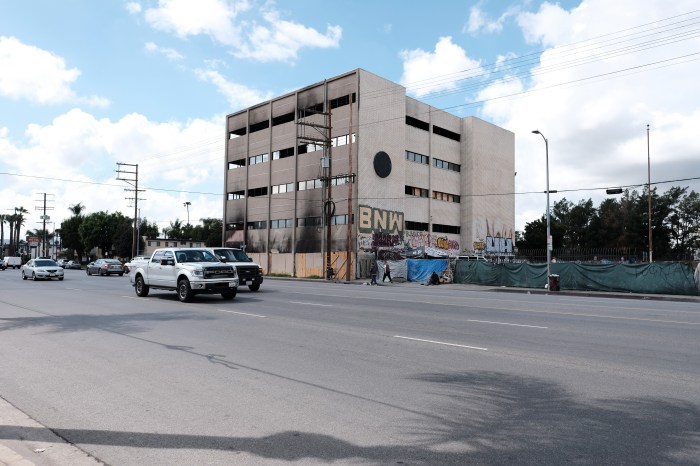
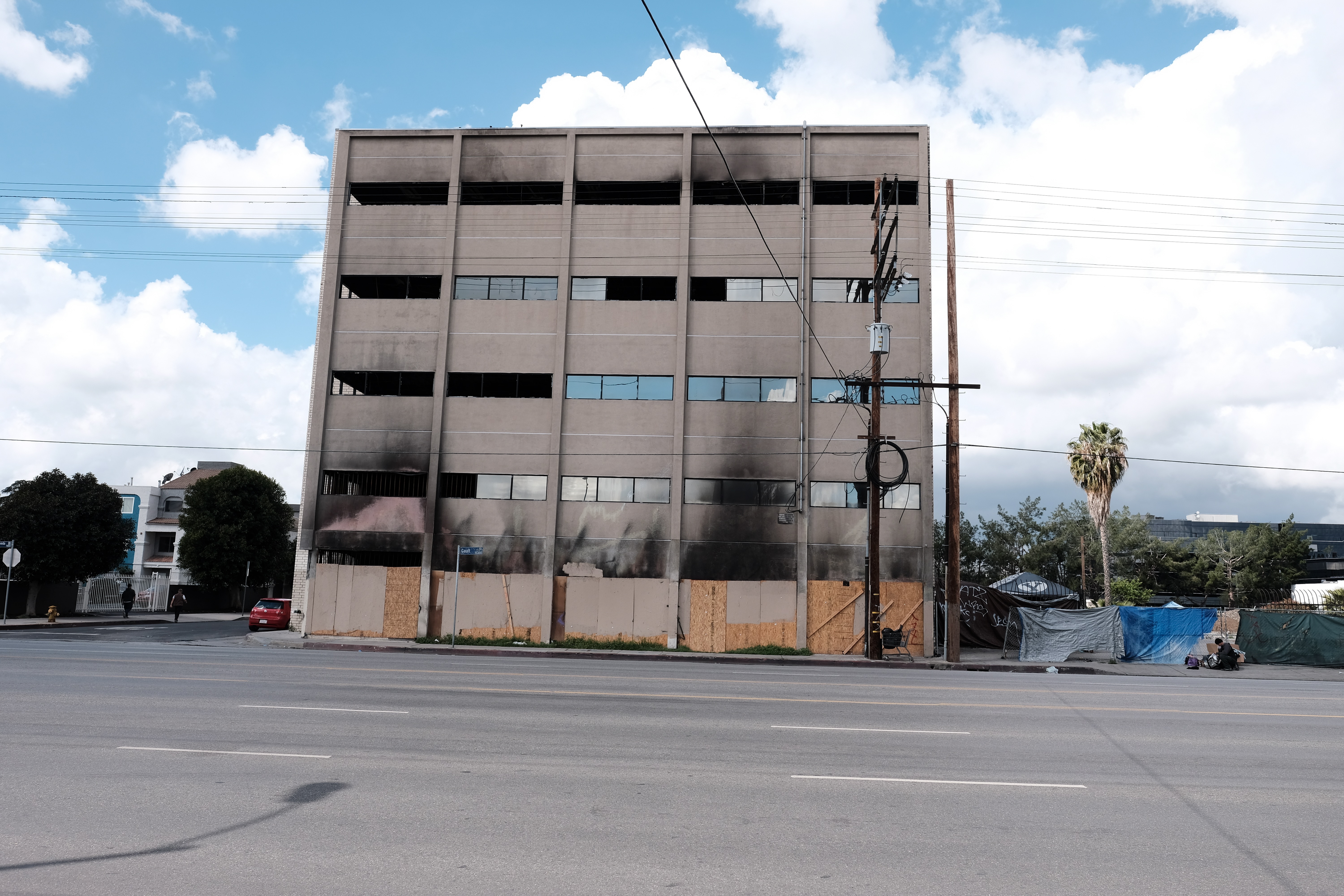
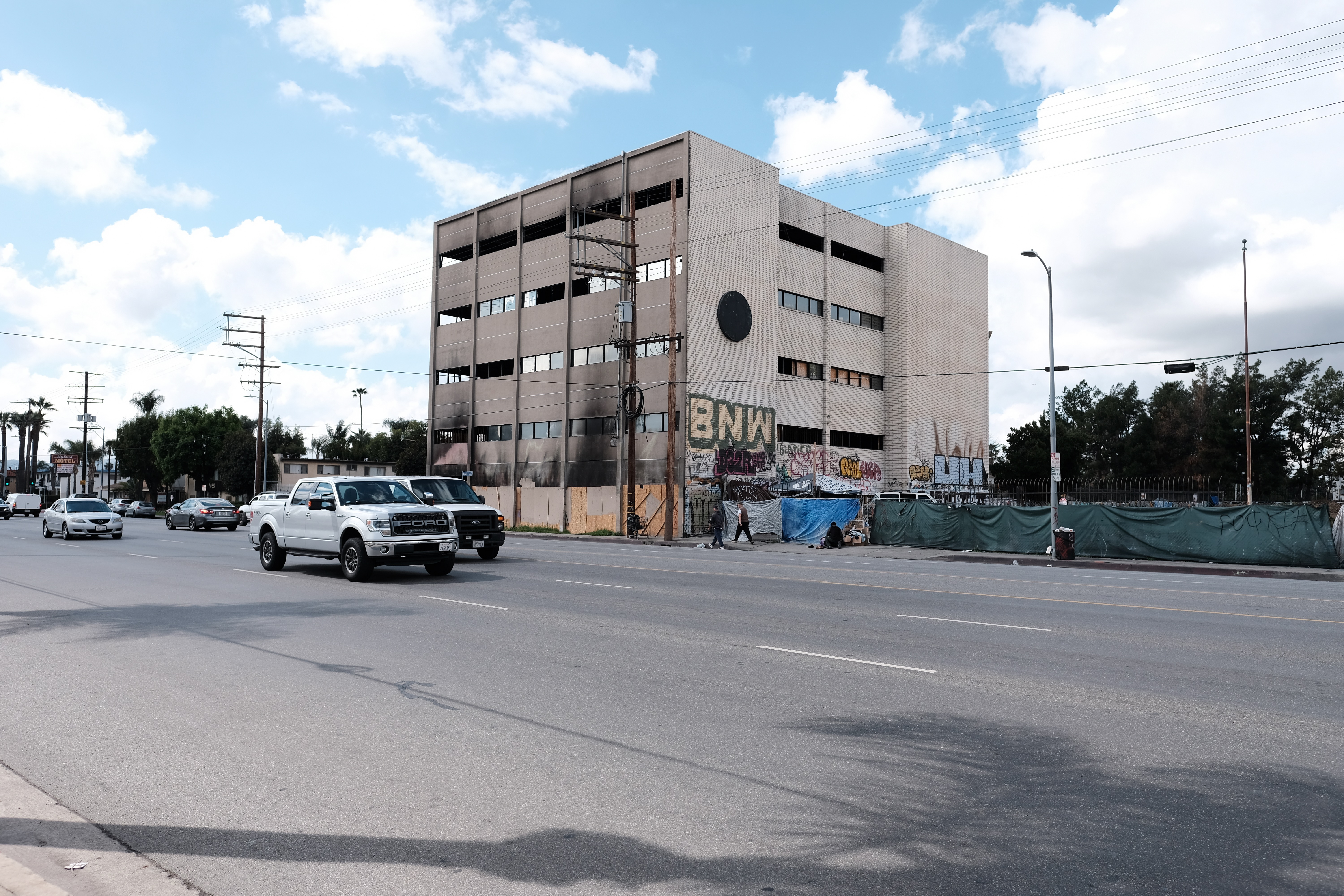
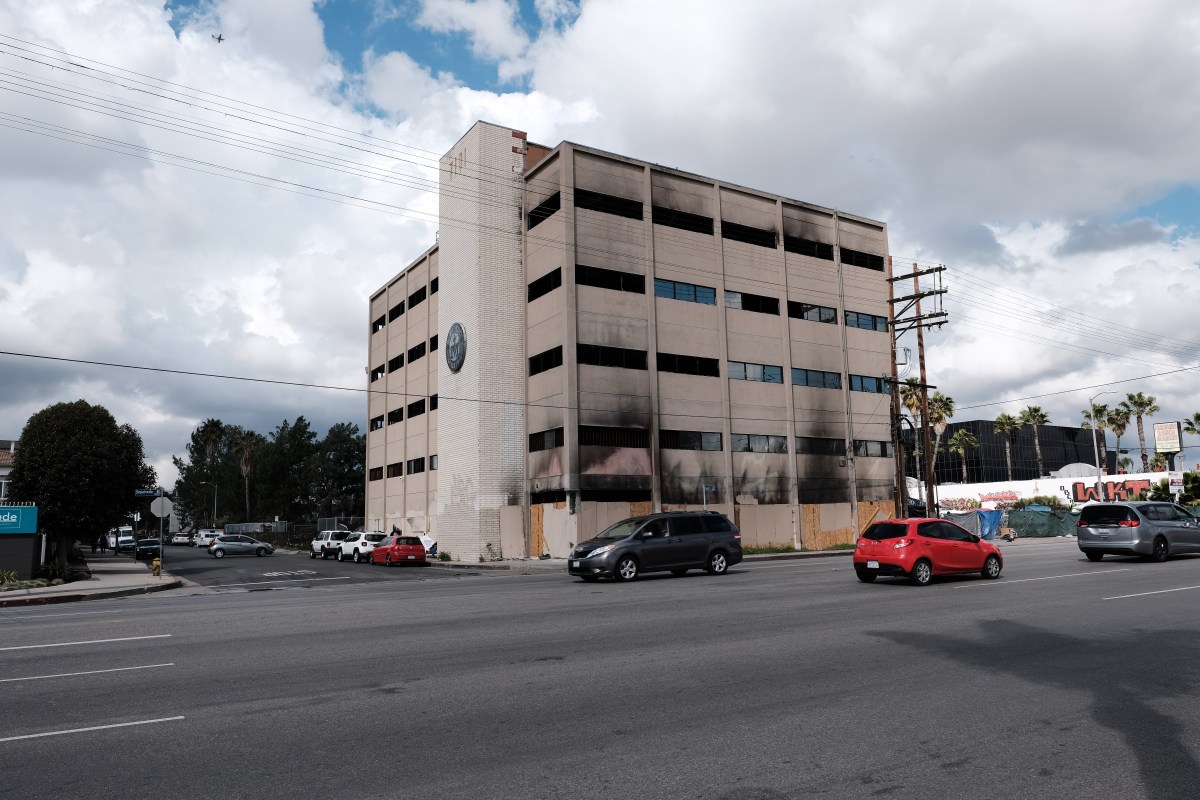
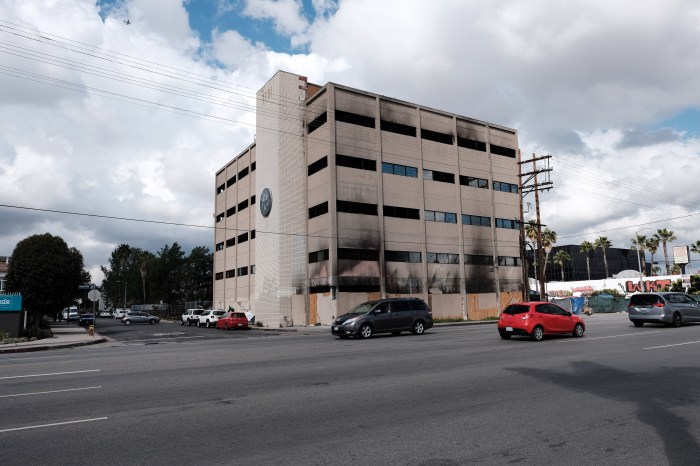
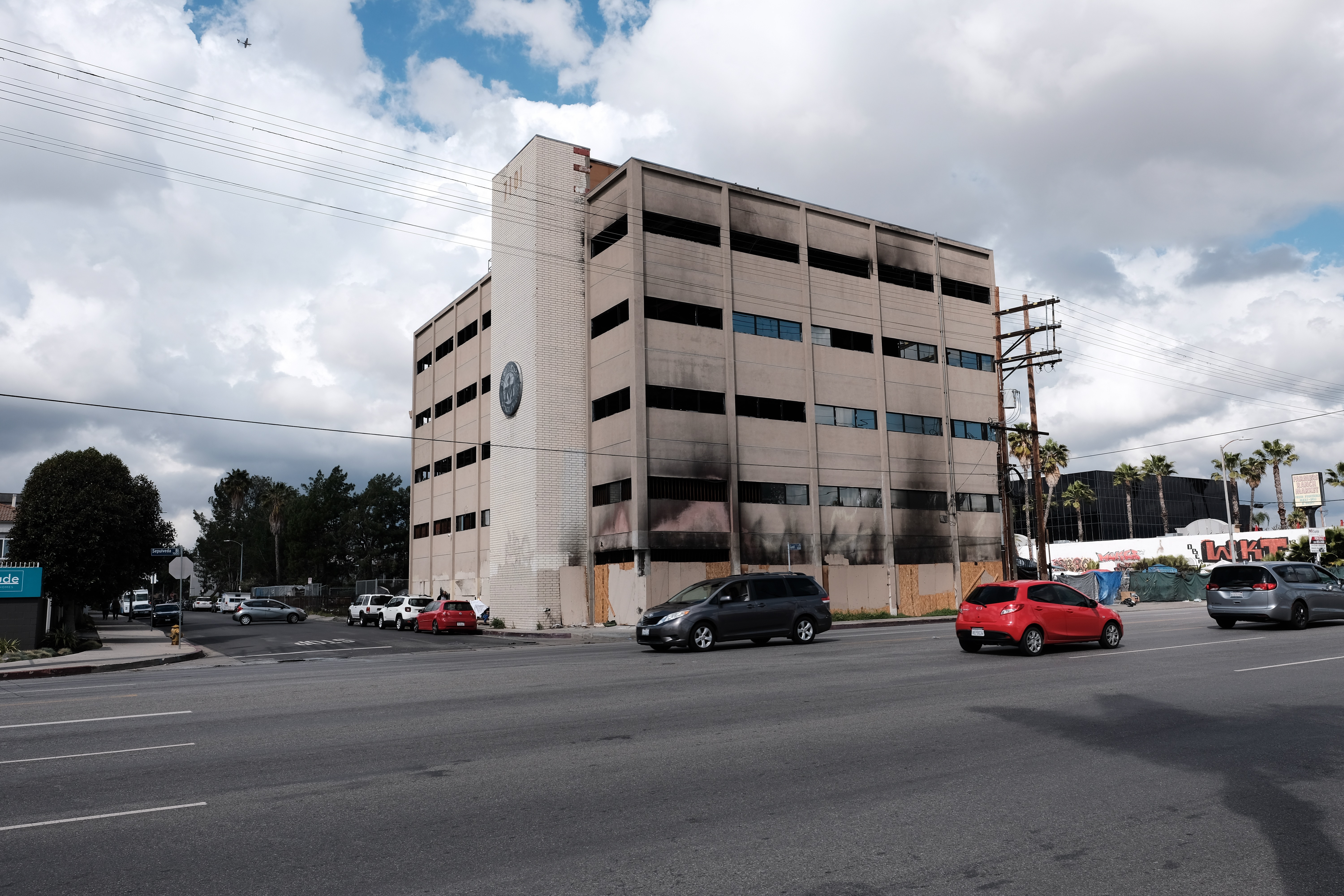
Today, as the Coronavirus was declared a pandemic, and the stock market crashed yet again, and the slow-motion, fast spreading virus appeared aimed for me and my nation, I walked past this gruesome, burned-out building at 7101 Sepulveda Blvd. It caught fire on November 24, 2019.

A 5-story office building that caught fire months ago, and is structurally unsound and unsafe, is the setting for a community of homeless owners. Where is LADBS? Where is Nury? Where is God?

I didn’t photograph the community of perhaps 40 or 50 men and women who make their homes just north of 7101. They are, of course, there illegally, but why the hell not?  I dared not disturb their encampment, a satellite skid row in a community, Van Nuys, that until this century, was tacky, but spotless. 

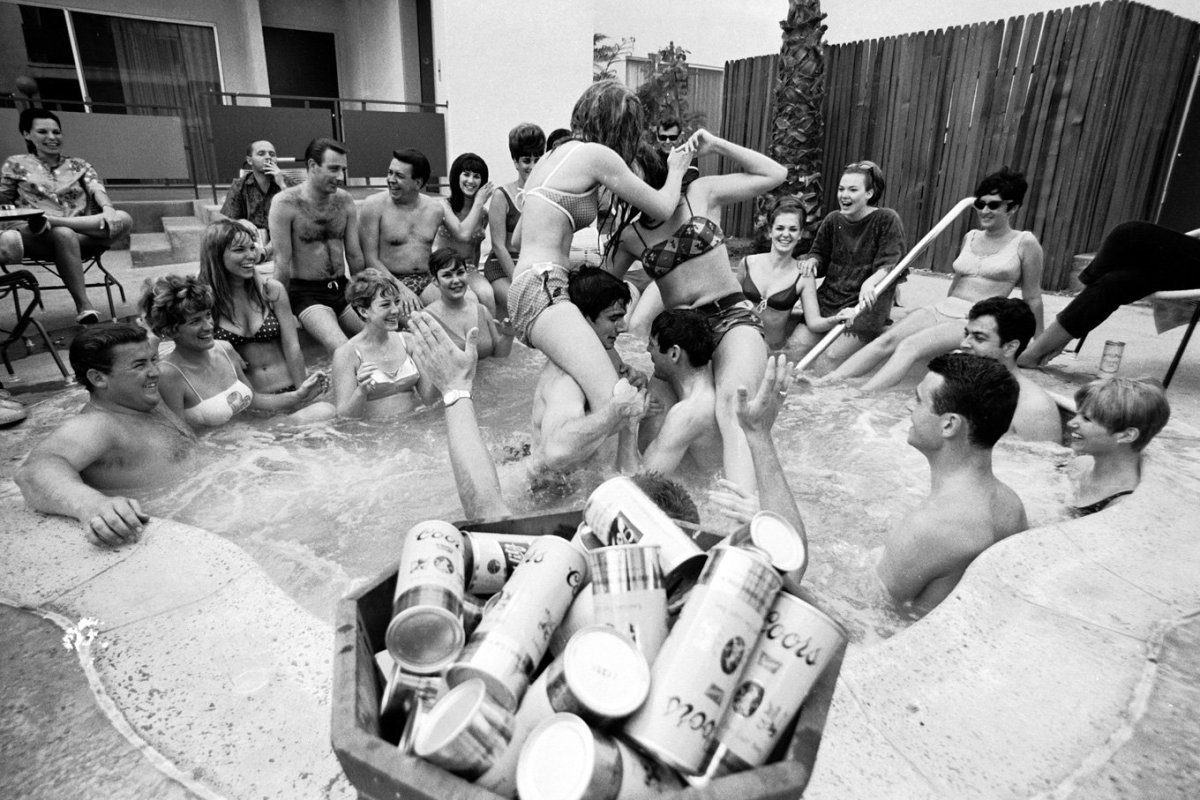
In 1967, at 7101 Sepulveda Bl., the building, the parking lot and a motel court, was photographed by Ed Ruscha, our famed artist, for a book he compiled called “Thirty-Four Parking Lots in Los Angeles.”
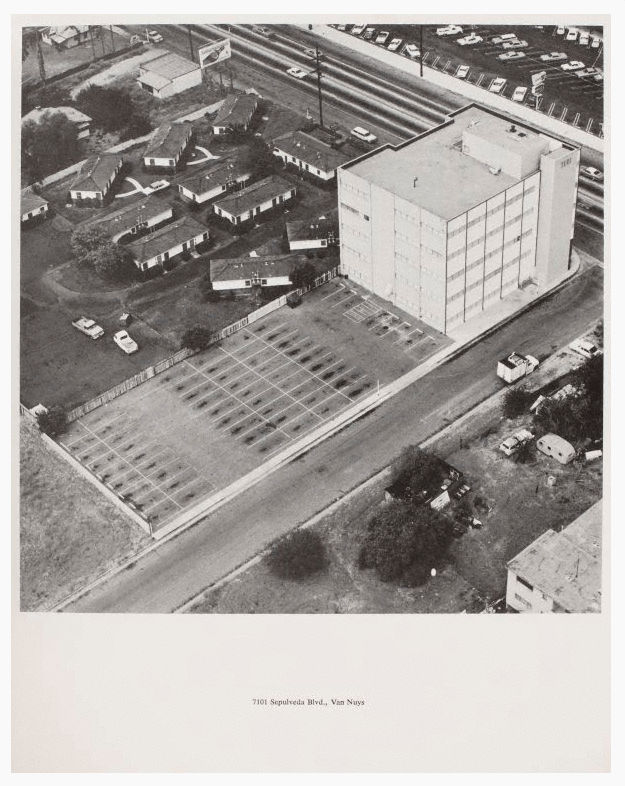
The photograph is in the collection of the Tate and National Galleries of Scotland. And the LACMA.

Like his other works, “Twenty-Six Gas Stations” and “Every Building on the Sunset Strip,” Mr. Ruscha used documentary photography unbeautifully to state unequivocally what we honestly are in our built forms. 

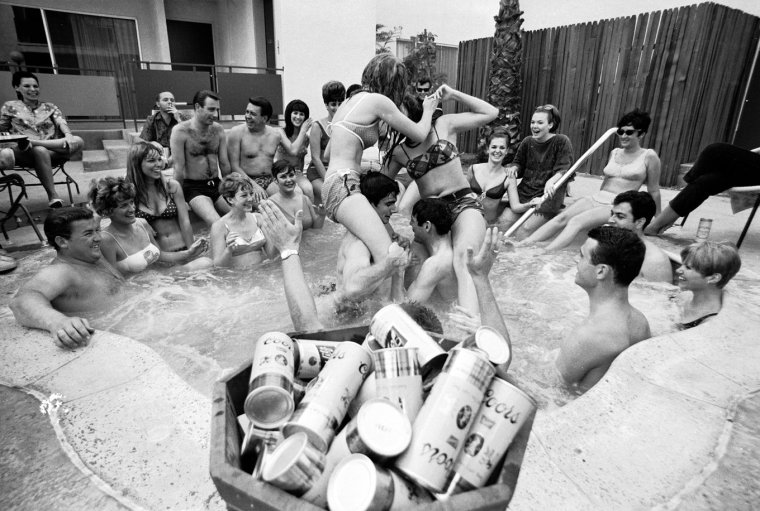
Ah, the Sixties, when we laughed at the bad designs of roadside architecture, parking lot covered suburbia, and those husbands and wives who only wanted to live in a $30,000 ranch house and barbecue steaks.   We thought anyone over 30 ridiculous, an old prejudice recently renewed.

The children of the 1960s and 70s are among the ones living in the tents with the rats and the needles and the trash. 

We have fallen further than anyone could have imagined in 1967. We have only to look baldly at the evidence in front of our own eyes. We don’t need Twitter to tell us things are rotten in the states of reality and mind.

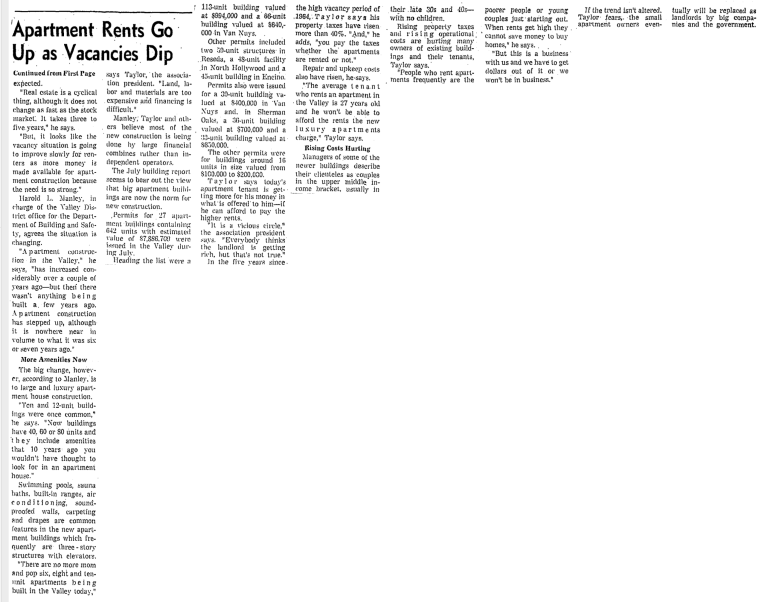
Valley Rents Near All-Time High as Vacancies Drop.


“Vacant apartments in the Valley are scarce, rents are heading toward all-time highs, and observers expect little change for the next three years.”-LA Times 8/24/1969

Most of the new apartments will be large, luxury, high-rent operations because land is so expensive.

Landlords are choosey and many refuse to rent to tenants who have pets or children. Only 25% will allow pets or kids.

In North Hollywood, only 3.8% are vacant, in Van Nuys, 2.5% and in Northridge, 2.7%.

Ten and 12-unit buildings were once common, but now land costs and materials are pushing builders to put up 40, 60 or even 80-unit structures.

The average tenant in the San Fernando Valley, incidentally, is 27-years-old and cannot afford the high rents.

And some of the rents that are being asked are quite shocking.

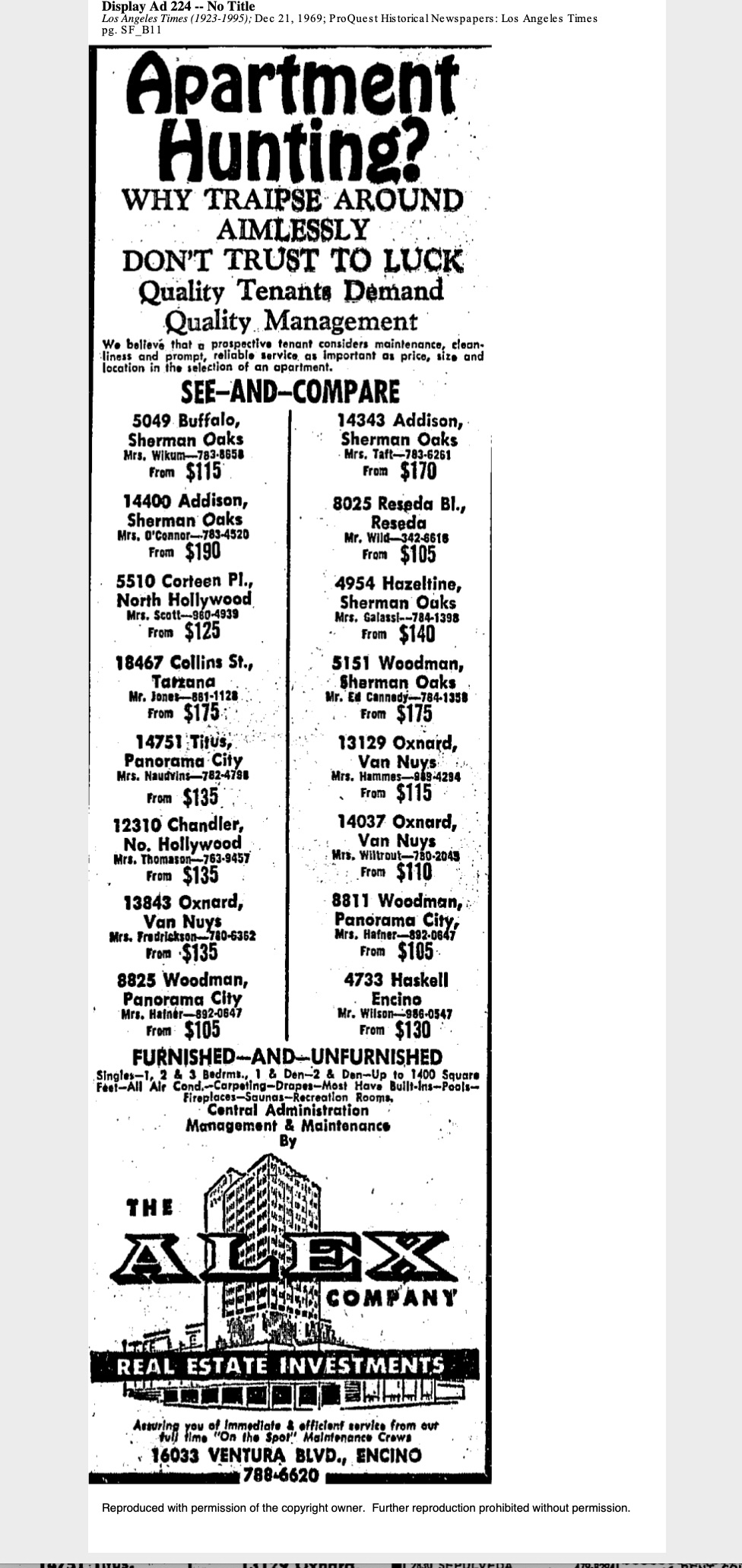
Furnished and unfurnished bachelor apartments are going for $85-$95 a month ($90=$657 in 2018); one bedrooms are averaging around $115 ($115=$796.42 in 2018); and two bedrooms for $175 ($175=$1,211 in 2018).

Walt Taylor of Van Nuys, who is the new president of Valley Apartment House Owners’ Association, fears that if the trend continues only large corporations will become landlords, or even worse, the government.

Progress Report.


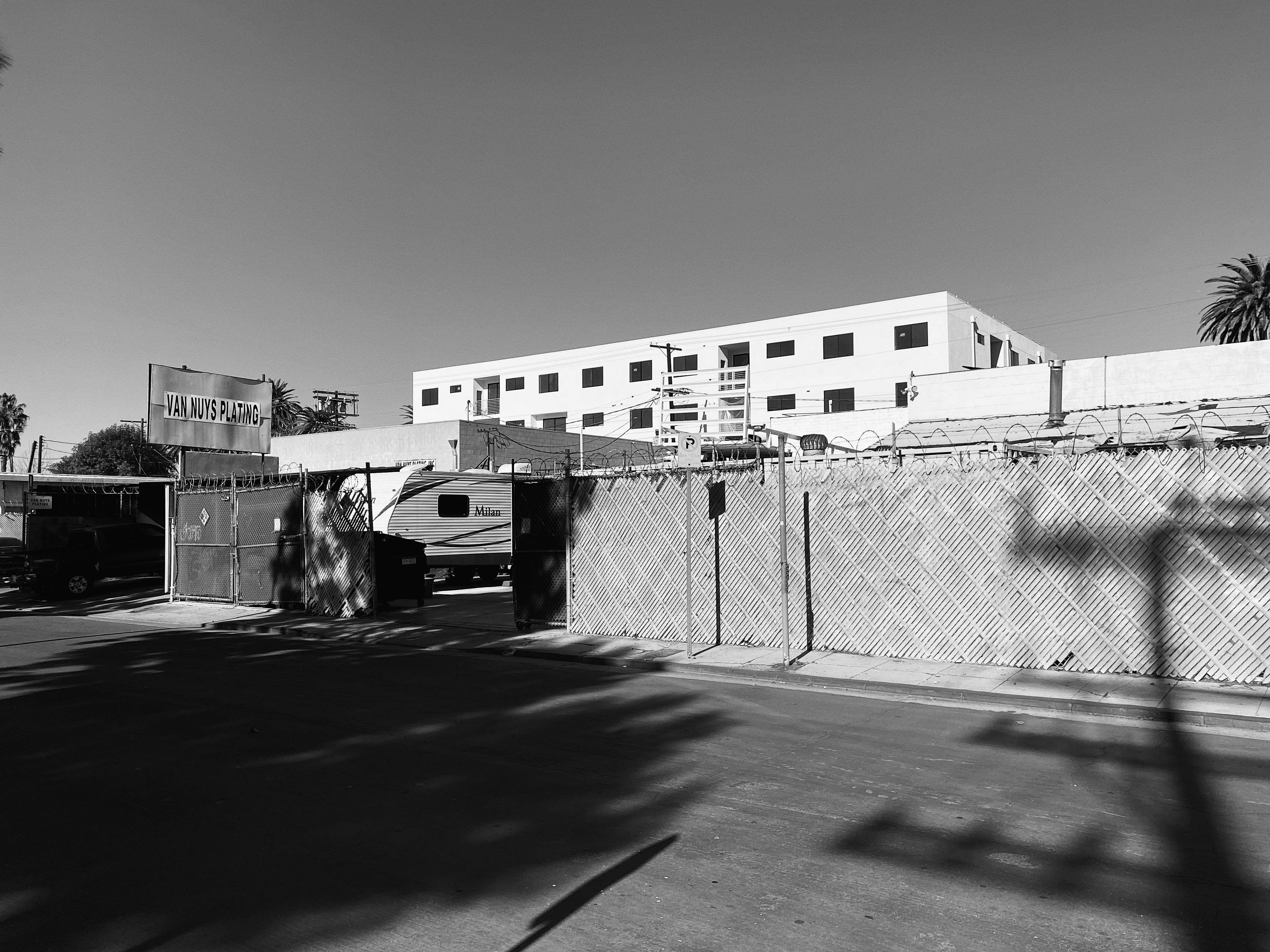
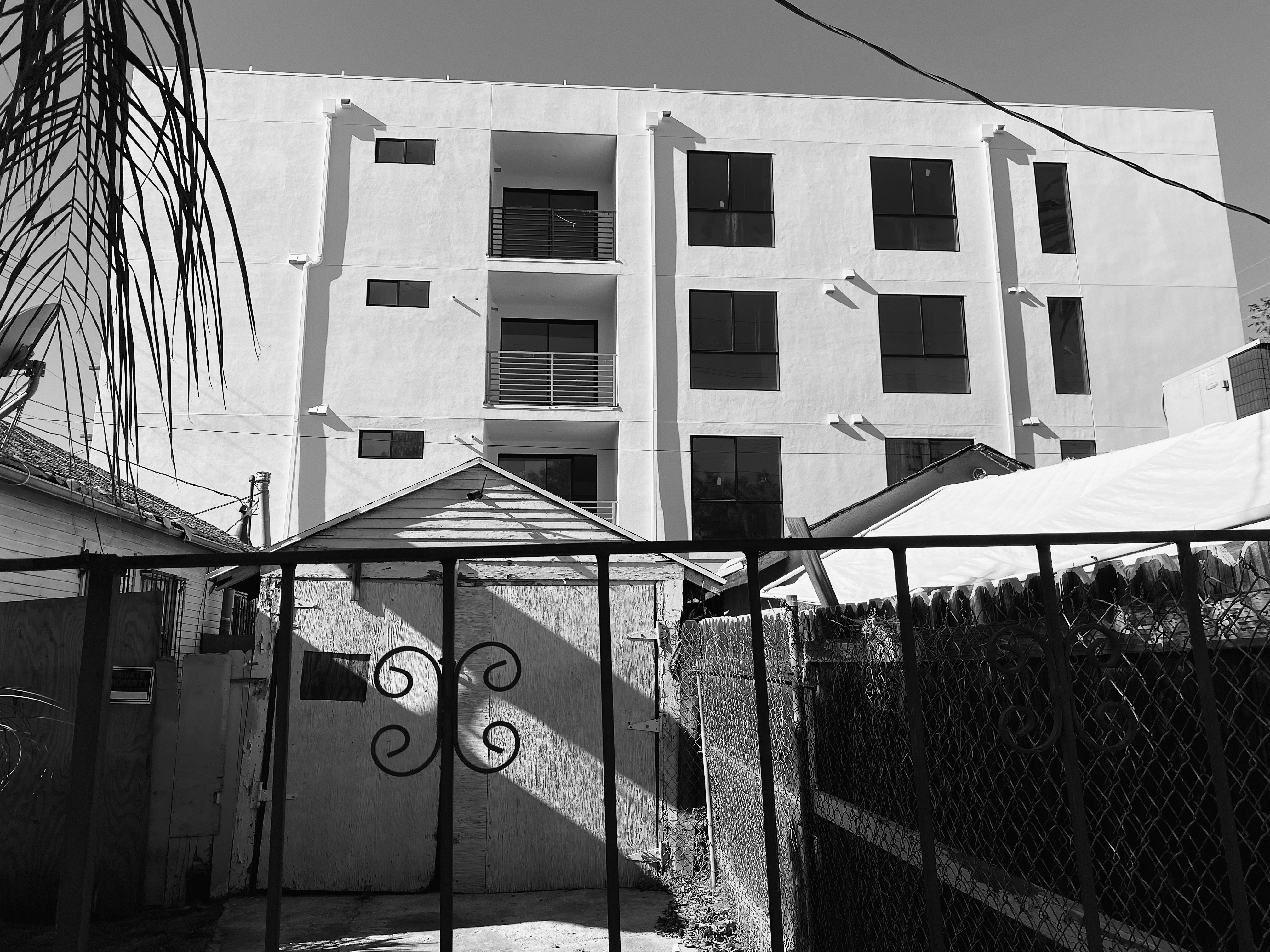
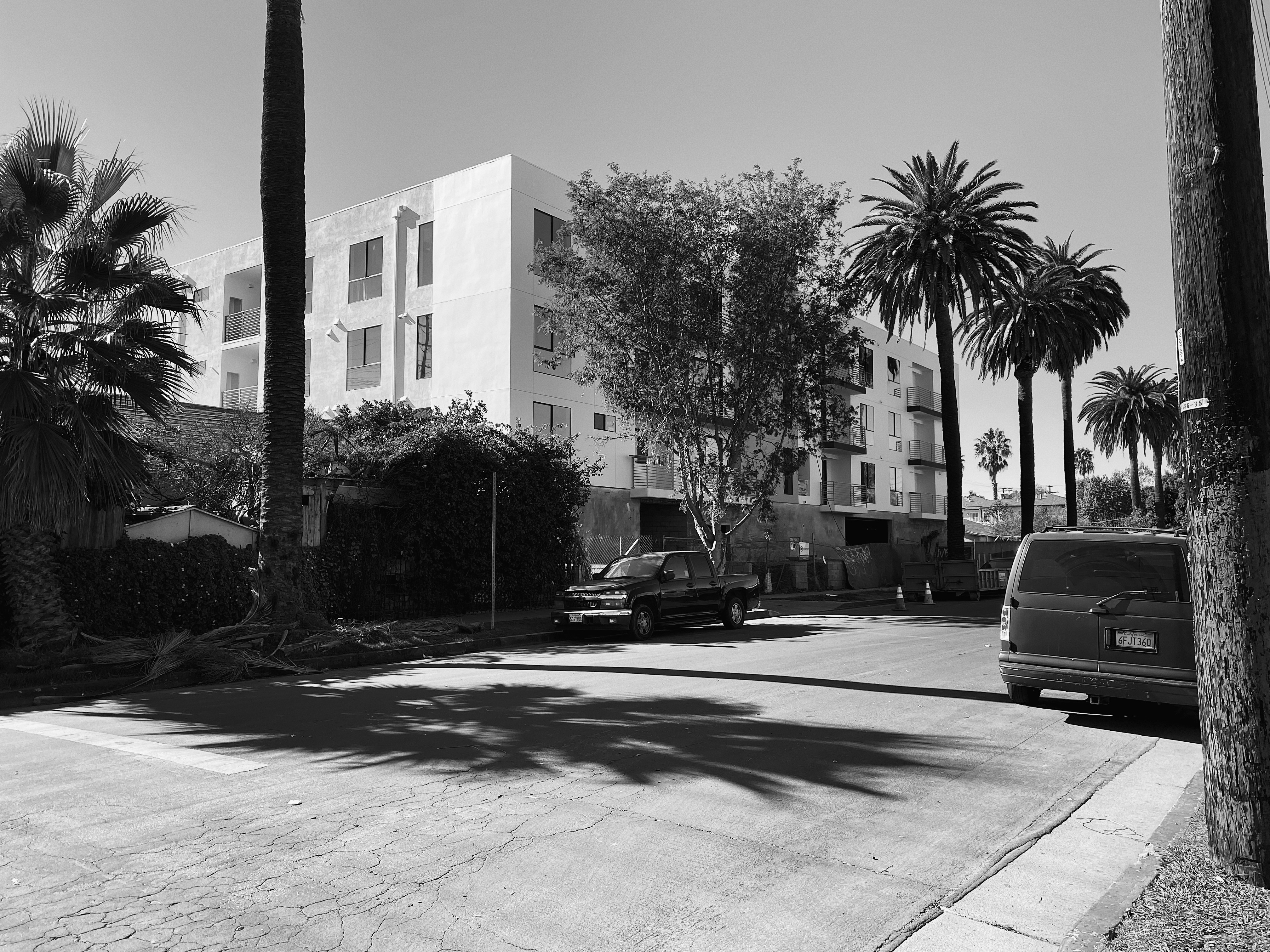
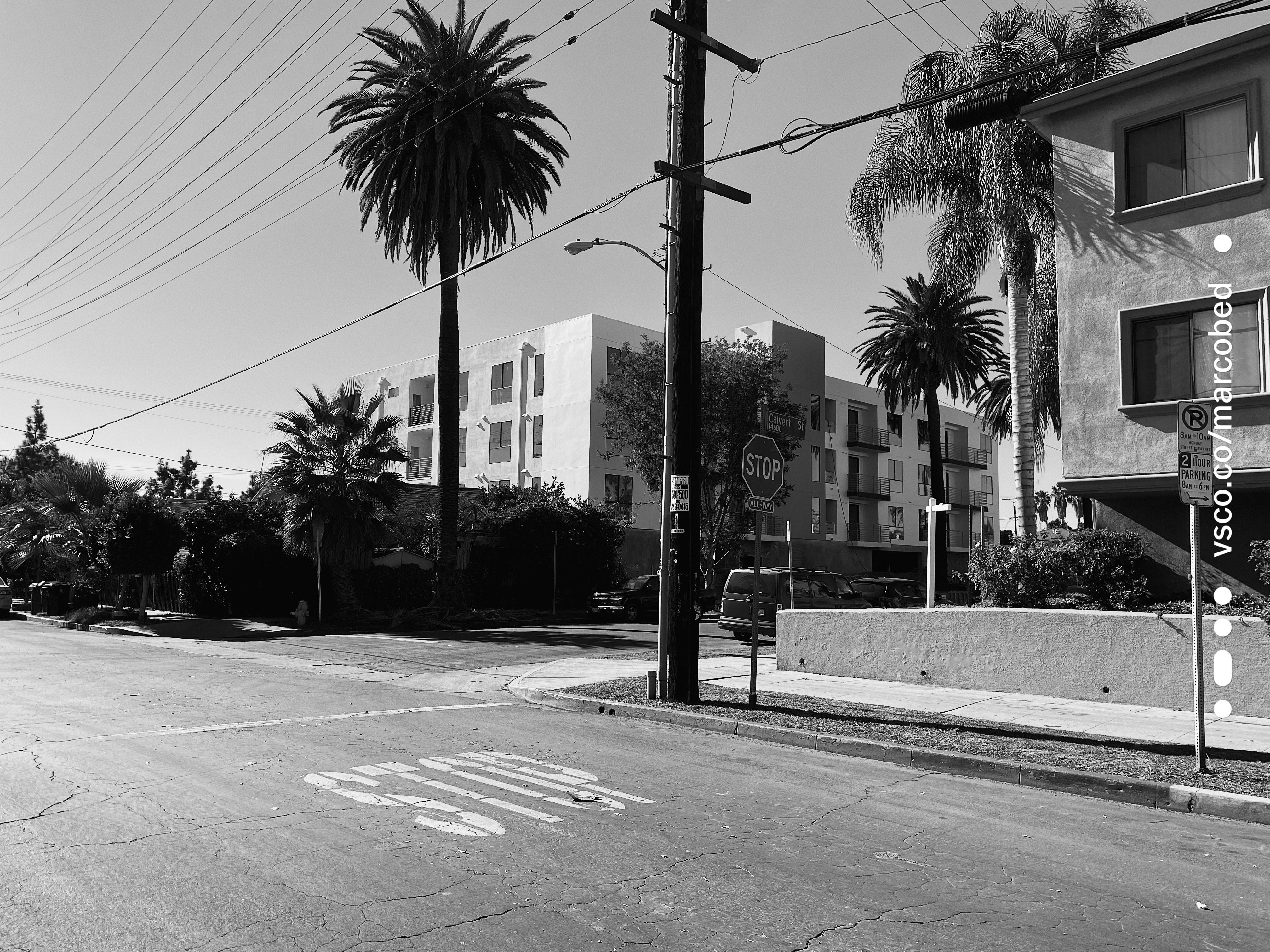
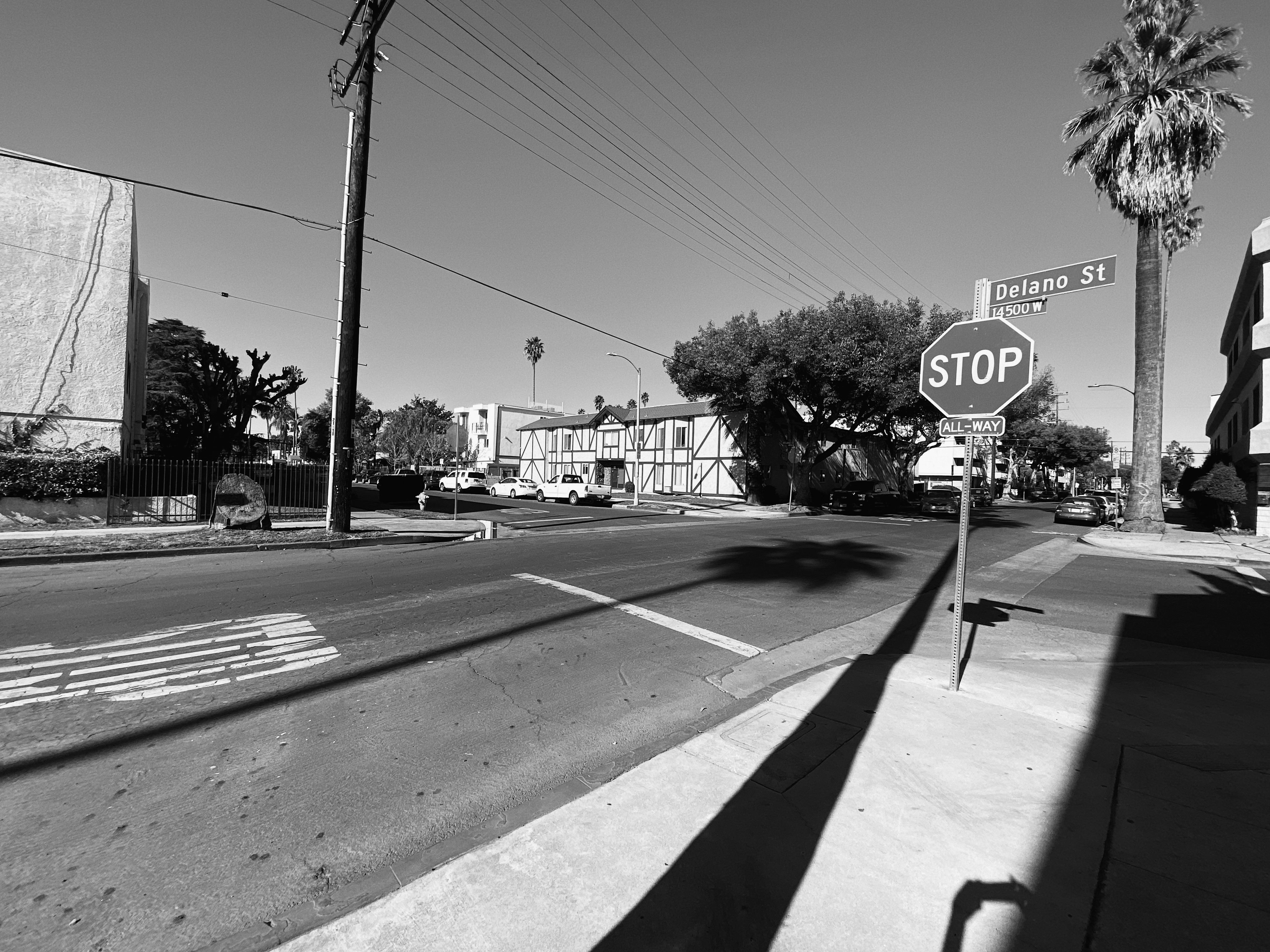
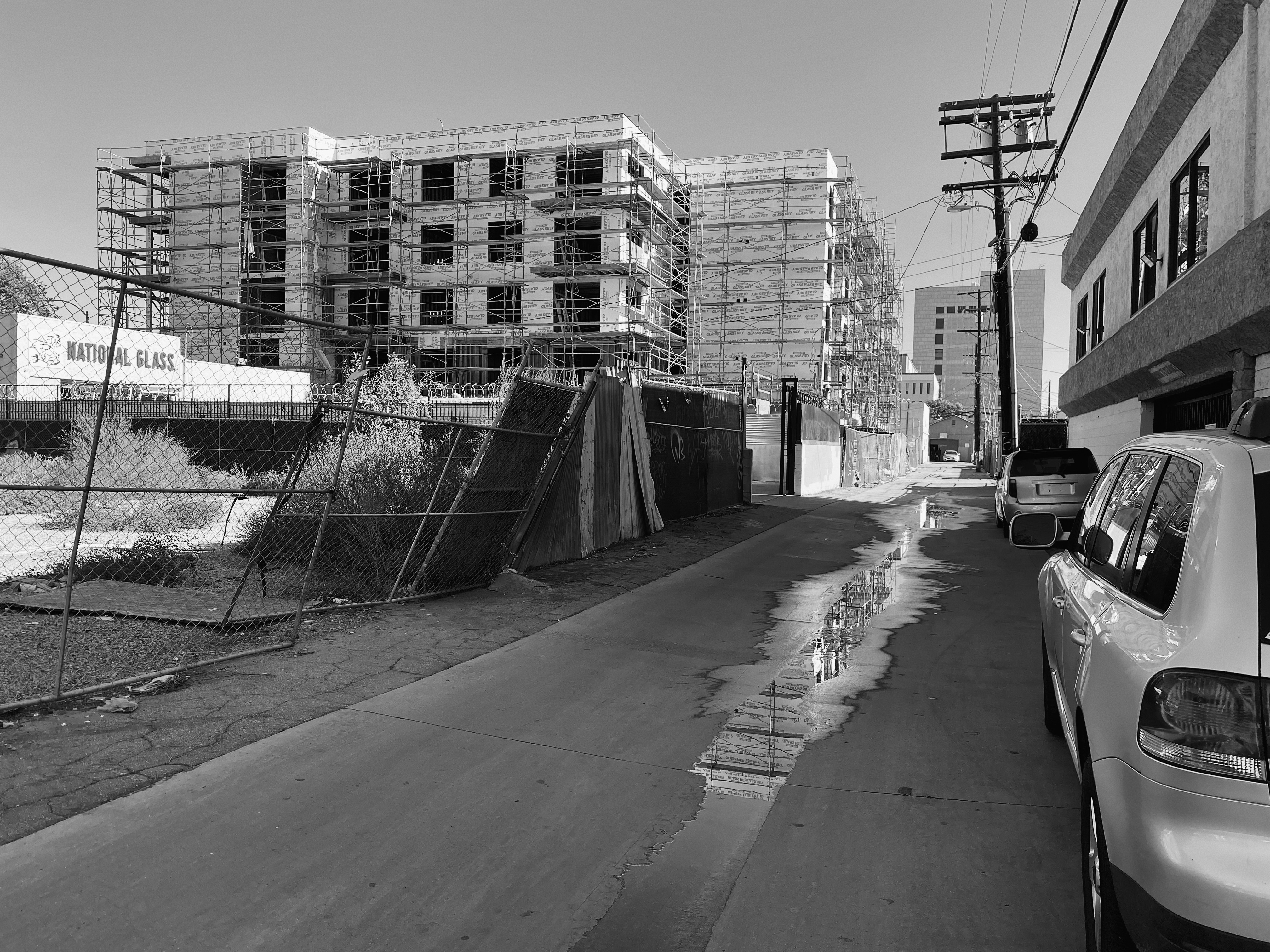
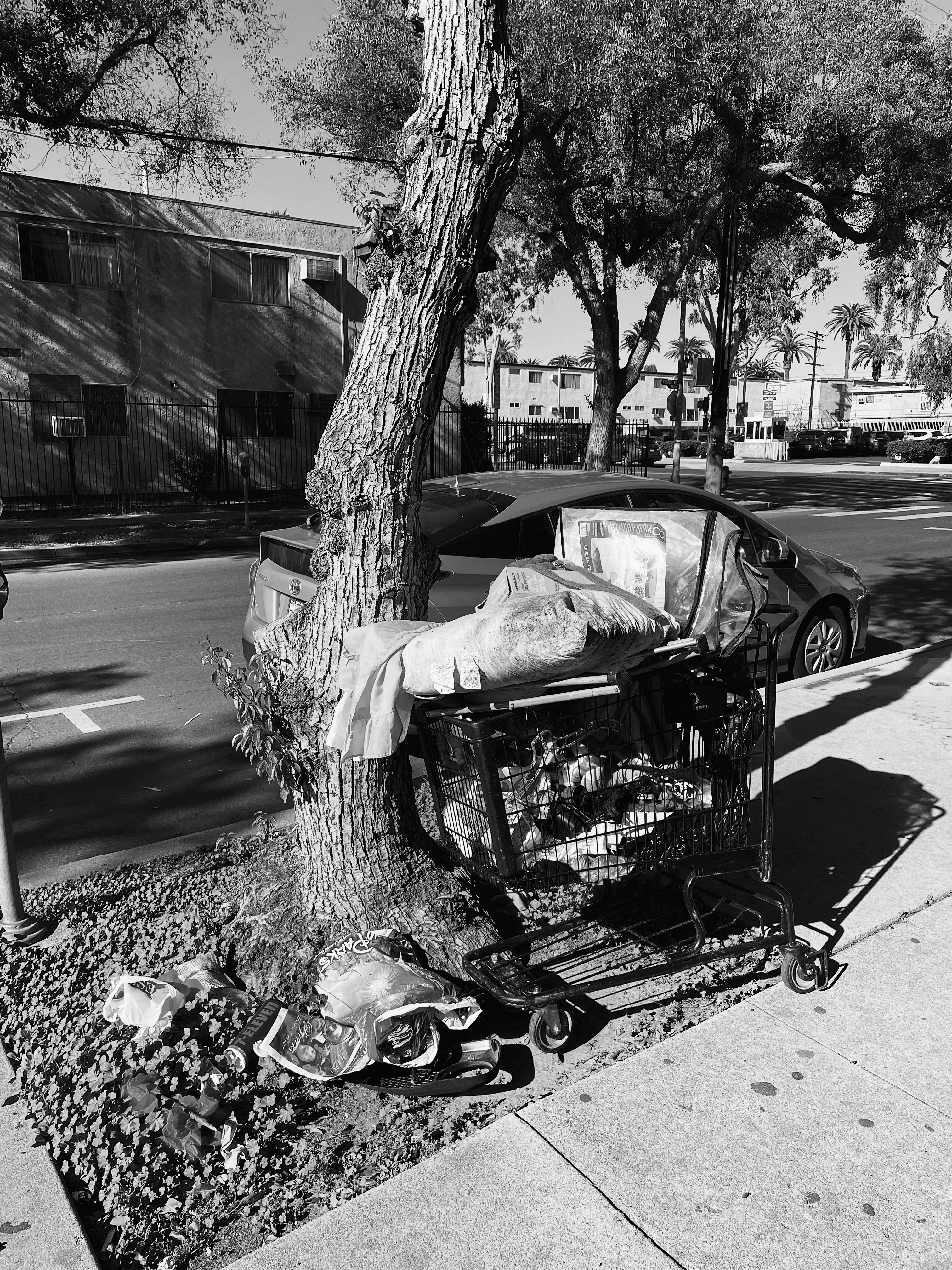
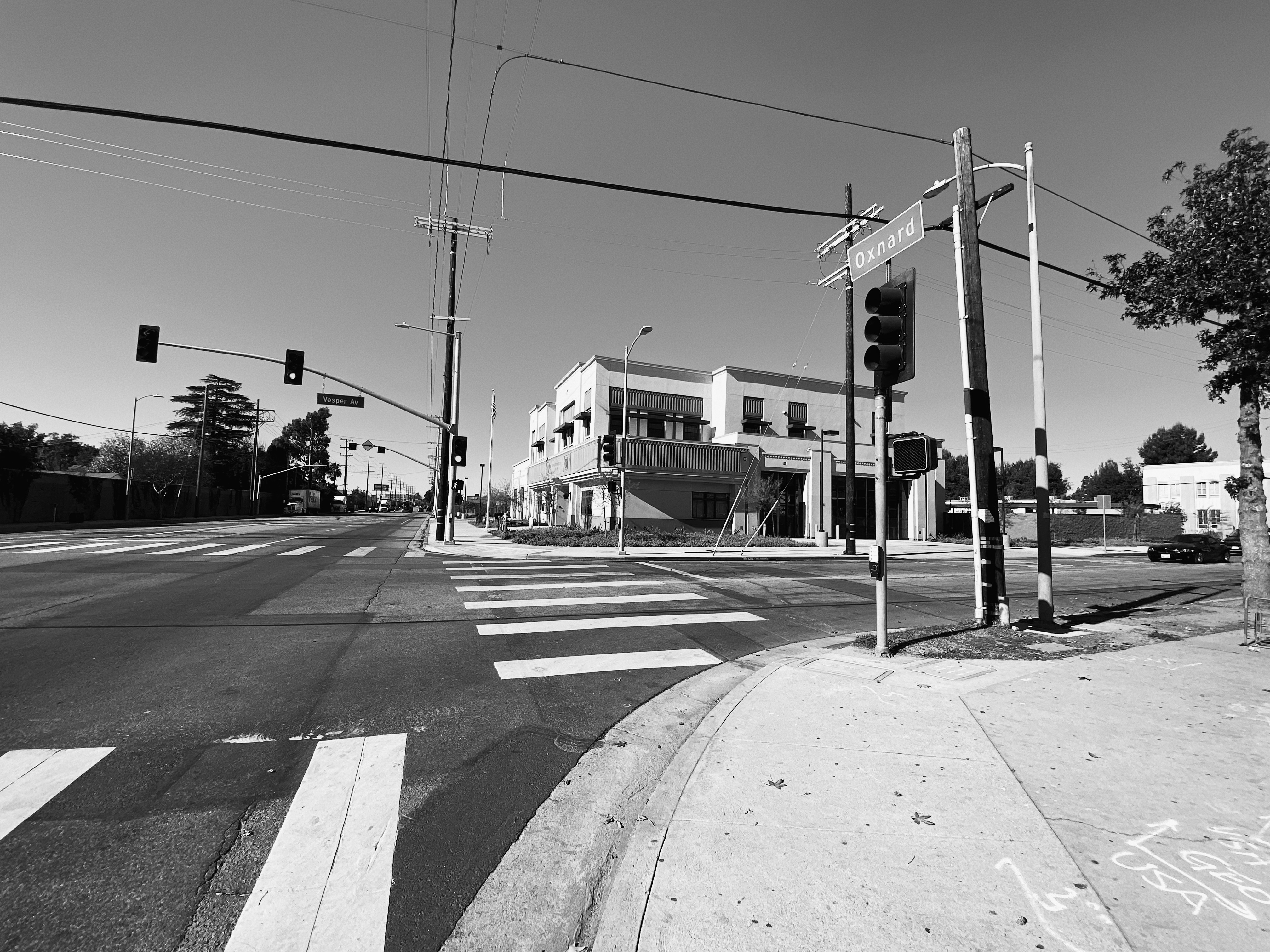
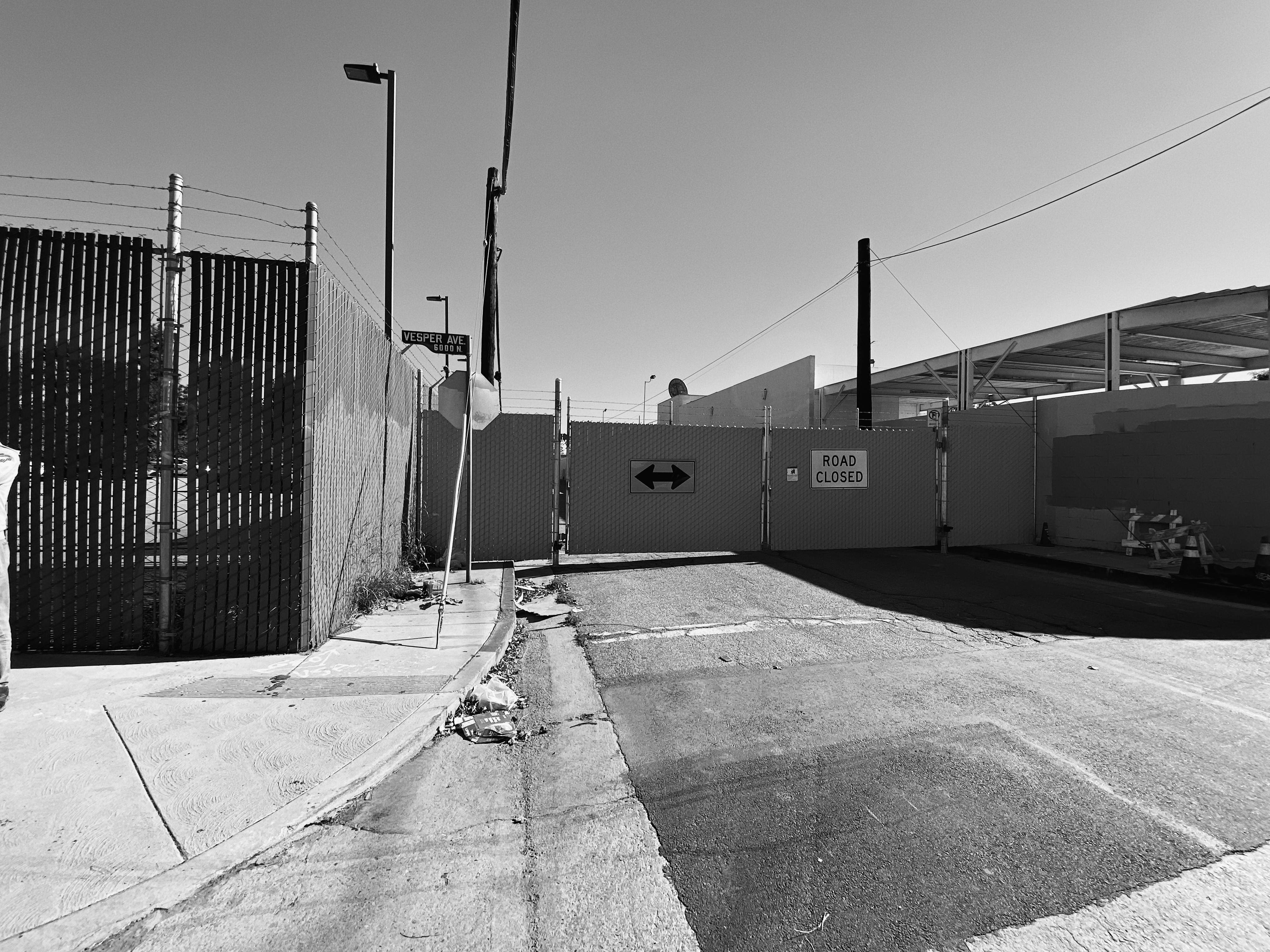
On a brief walk, after dropping off a package at the UPS on Van Nuys Bl. I walked west on Sylvan, south on Vesper, ending this set of photos at the new fire station on Oxnard.

There is a small but significant amount of new apartments going up. They are pleasant additions to the neighborhood and are all in the currently popular white style, blindingly white, with dark windows.  They add some upgraded cleanliness to an area which has long been the sad kingdom of slumlords. 

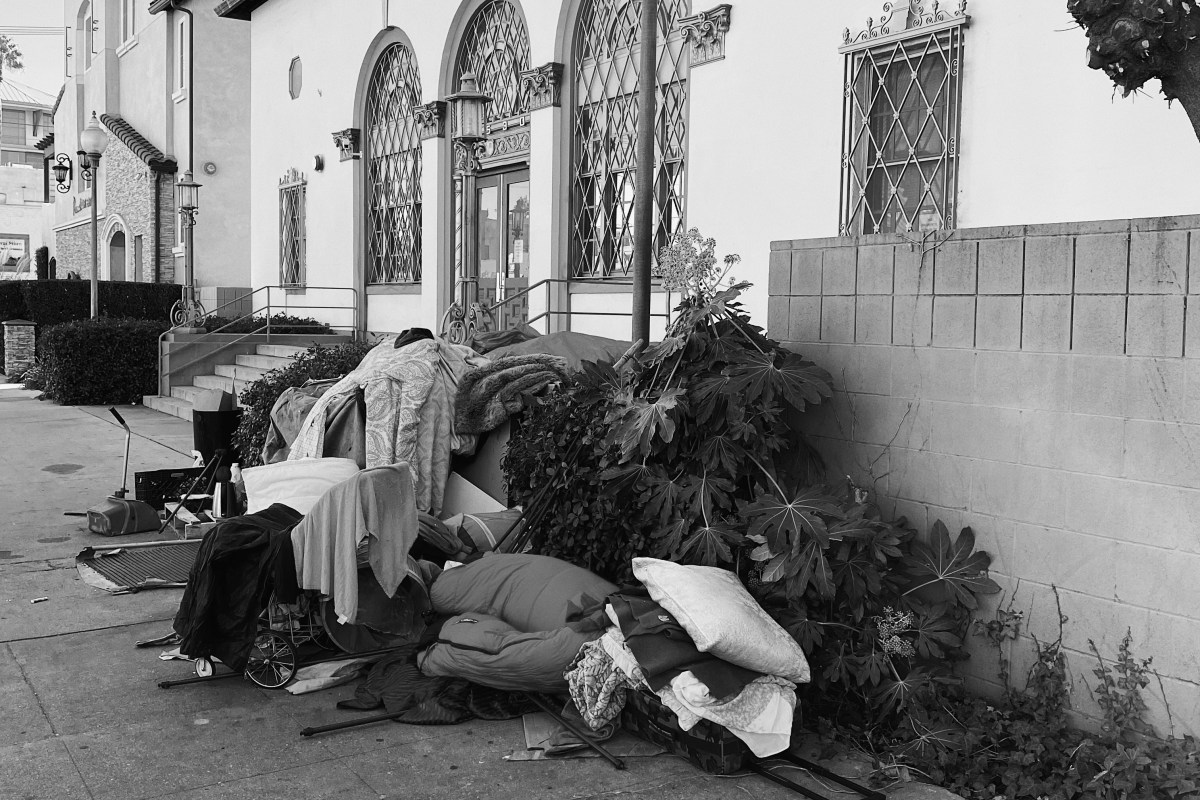
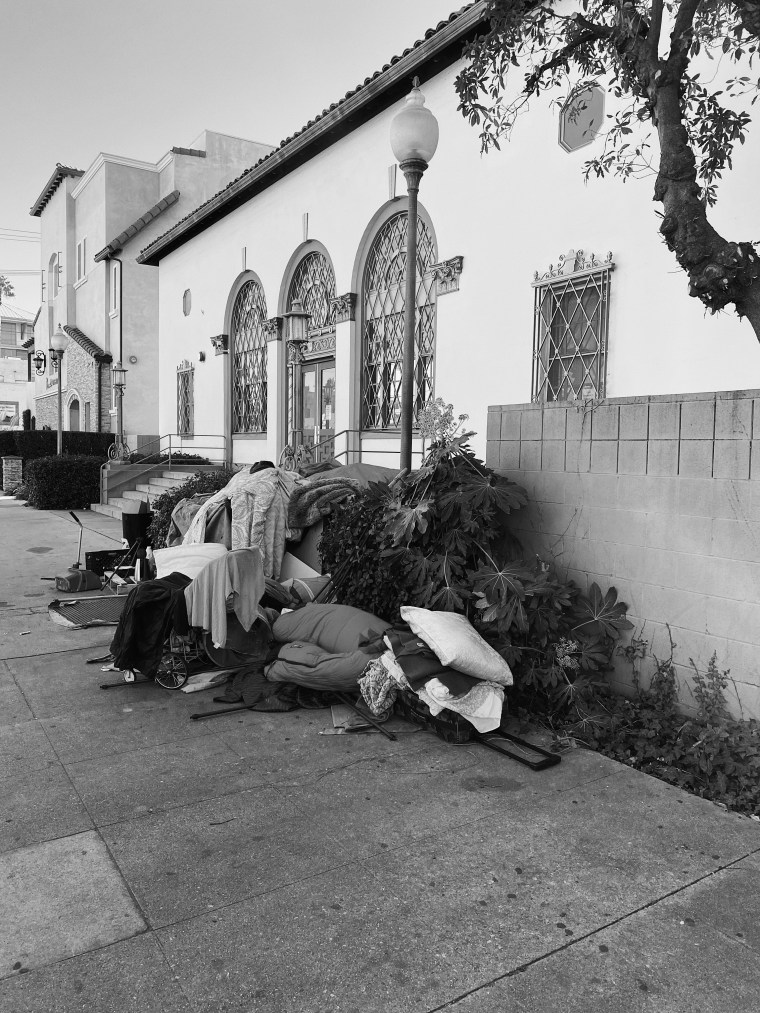
On Sylvan, the former post office, built during the 1930s by the WPA, in a classical style, was later a home for Children of the Night, a non-profit created to fight childhood sexual exploitation. They have since moved out, so the sidewalk outside the gracious building is now a trash camp.

The new fire station (2019) is a great asset for the neighborhood and has significant architectural beauty that recalls the 1930s Streamline Era, and is also conversant with the first fire station on Sylvan (1939) as well as the former DWP building on Aetna and Vesper (1938) just behind the new edifice.

Just to the east of the fire station, Aetna is closed, with a high fence, between Vesper and Van Nuys Boulevard, most likely due to the trash campers who took over the area. They are banished to fly somewhere else, probably to the bird sanctuary in Woodley Park.

Councilwoman Nury Martinez has jurisdiction over this area, and her office is nearby in the Valley Municipal Building. She is now the head of the city council, and the first Latina to hold that position in city history.

We can applaud the justice of diversity, the idea that anyone from any background can ascend the ladder of politics and achieve leadership.

We cannot applaud the failures of Ms. Martinez, and her predecessor Tony Cardenas (who is now a congressman in Washington, DC) for they have had over 20 combined years of allowing Van Nuys to fall into utter disintegration, filth, homelessness and blight. 

Their ethnicity has pushed them up into the spotlight even as their academic records in elected office should be graded D- or F.

The idea that one’s identity deserves praise rather than one’s achievements is a new chapter in our American conversation. If Van Nuys should fall further into the gutter, which seems unimaginable, we will think of the paucity of Ms. Martinez’s and Mr. Cardenas’ accomplishments and recall this verse from Matthew 7:16 “Ye shall know them by their fruits.”

Rotten.

The $30,000 Trash Can


A friend of mine who lives in Lincoln Heights is, was, and will always be a progressive minded guy who grew up in Santa Monica, the son of a Muslim from India and an Irish-American mom.

He used to be the proprietor of a bike shop, and he also ran for public office until he was hounded out by the mobs on Twitter for a ten-year-old remark found on a virtual message board. He is married with a young daughter and supports himself in construction. His hobbies are his passions: the environment, biking, clean air, living healthy and simply by thinking of ways to get around this city by non-car means.

These days he is as appalled at Los Angeles, as I am .

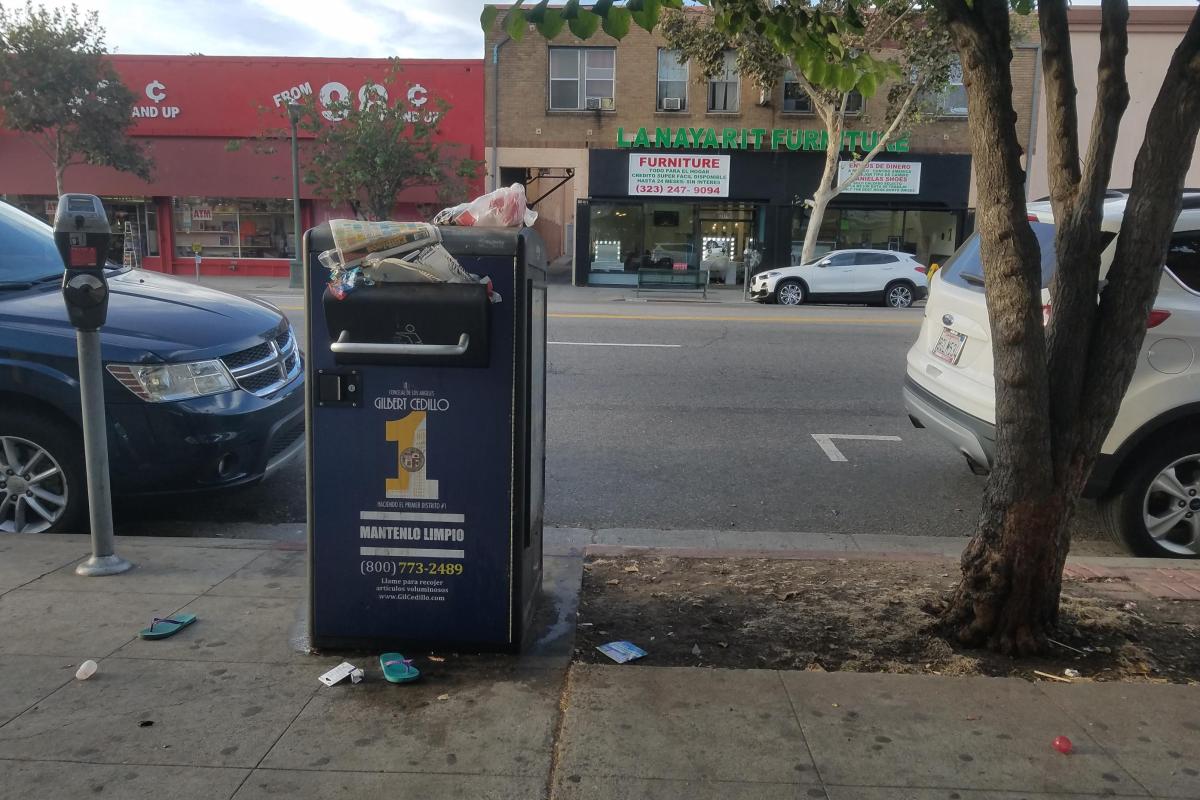
He sent me this photo of a “solar powered” trash can which is emblazoned with the name of its donor, a politician. Apparently the receptacle is wifi connected and cost (my friend claims) $30,000.

He wrote that it is maintained via one-time special funds and some money from a Lincoln Heights Business Improvement District district maintenance money. The BID is a special property tax authority that extracts money from property owners for security, sanitation, district marketing, events, etc. 

The can cannot be dumped by the arm of a trash truck. It requires a special technician to come out and empty it because it is really an electronic device. It is so special that the top of it is covered in solar panels which some thoughtful dumpers covered with their own discarded electric waste products.

And yesterday, speaking of waste, my friend saw a man urinate all over the can in broad daylight.

There was a time, long ago, when Los Angeles fined property owners who didn’t sweep their curbs or sidewalks. They did not allow trash camping on the street, or every bus bench to become a halfway house. They enforced the law, not by chip and app, but by a cop on the beat. It seemed to have worked, because you cannot see anything but clean Angeleno streets on any old episode of Dragnet or Mannix.

But we live in advanced times, so advanced that people live in garbage on the sidewalk, but we have a robotic trash can emitting signals when it overflows.