Turin Style Architecture in Van Nuys.


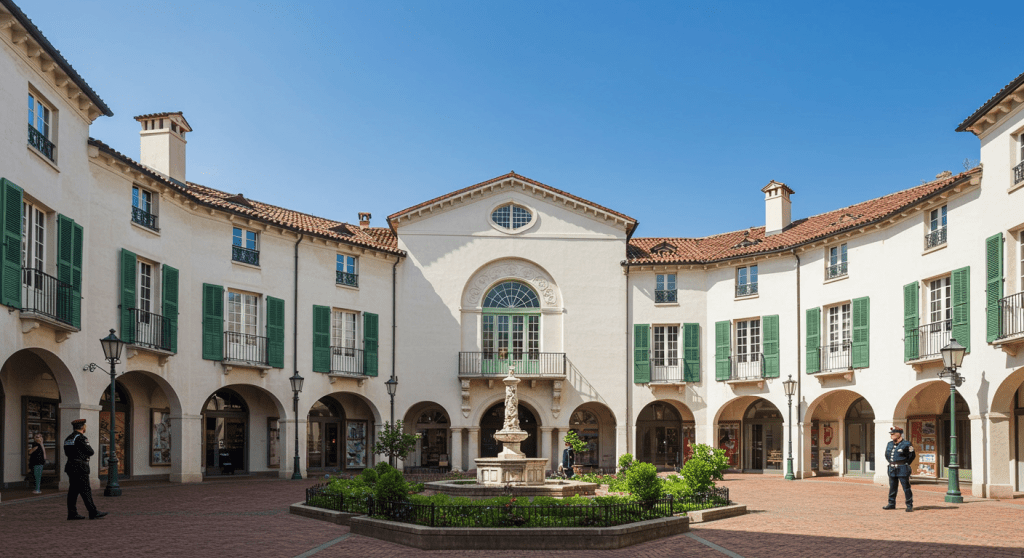
Above illustrations by Gemini AI


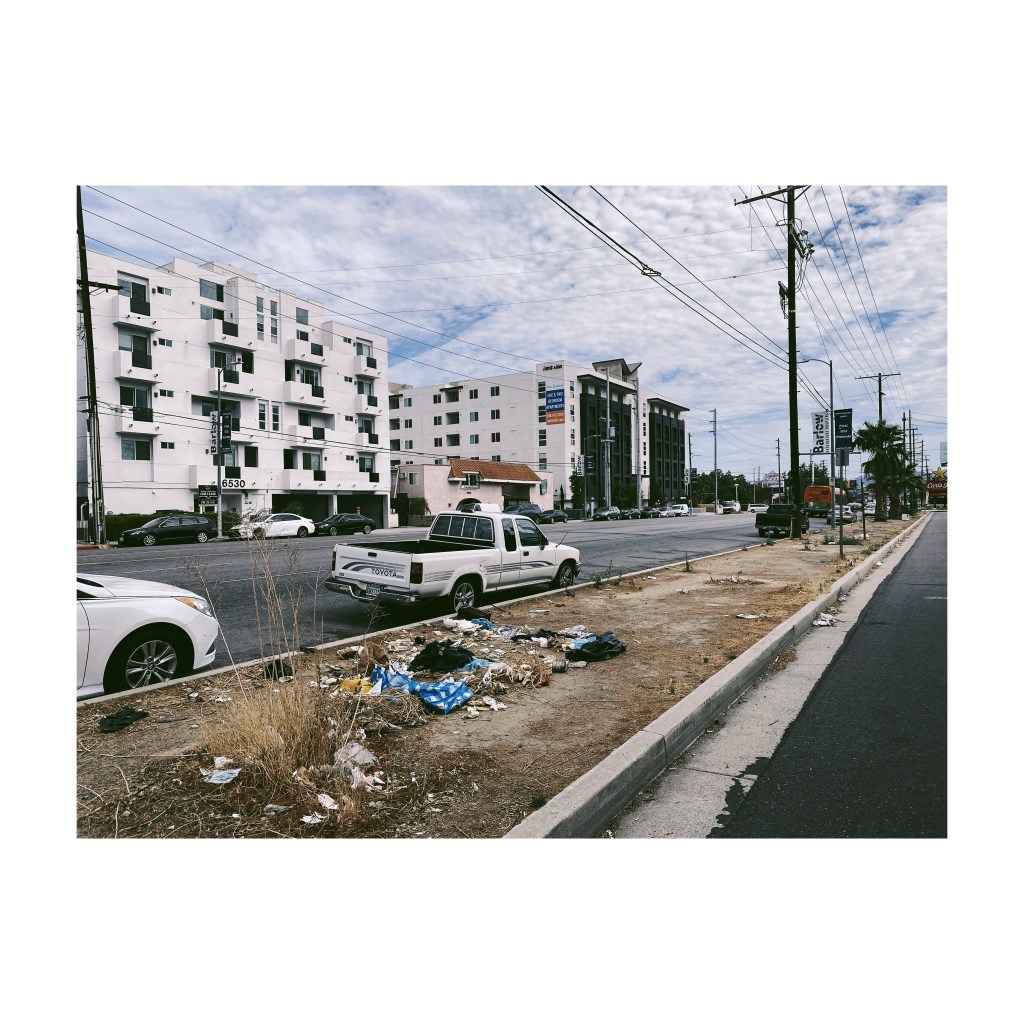
Much of commercial Van Nuys is in the worst condition of its 115-year-old history. There are empty stores, enormous parking lots with no cars, and trash camping everywhere.

What could replace all this and what kind of architecture would protect us from hot sun and occasional rain? The answer might come from Southern Europe.

Last year I spent five days in Turin, Italy, a metropolitan city of 841,600 in the NW of the country.

It has remarkable architecture, which was mostly built in the 18th and 19th Century by the Savoy Family in a unified, Neo-classical style.

The city has a series of arcades and long, shaded passageways, that protect from rain and sun. The arches along the ground floor provide a unifying effect that harmonizes all the buildings and anoints the urban environment with a regal and practical building style.

There are numerous courtyards, public and semi-private, which are encased by three and four story buildings.

Here are some photos I took in October 2024:

Classical Houses.


It’s been perhaps 90 years since Americans built well proportioned classical houses.

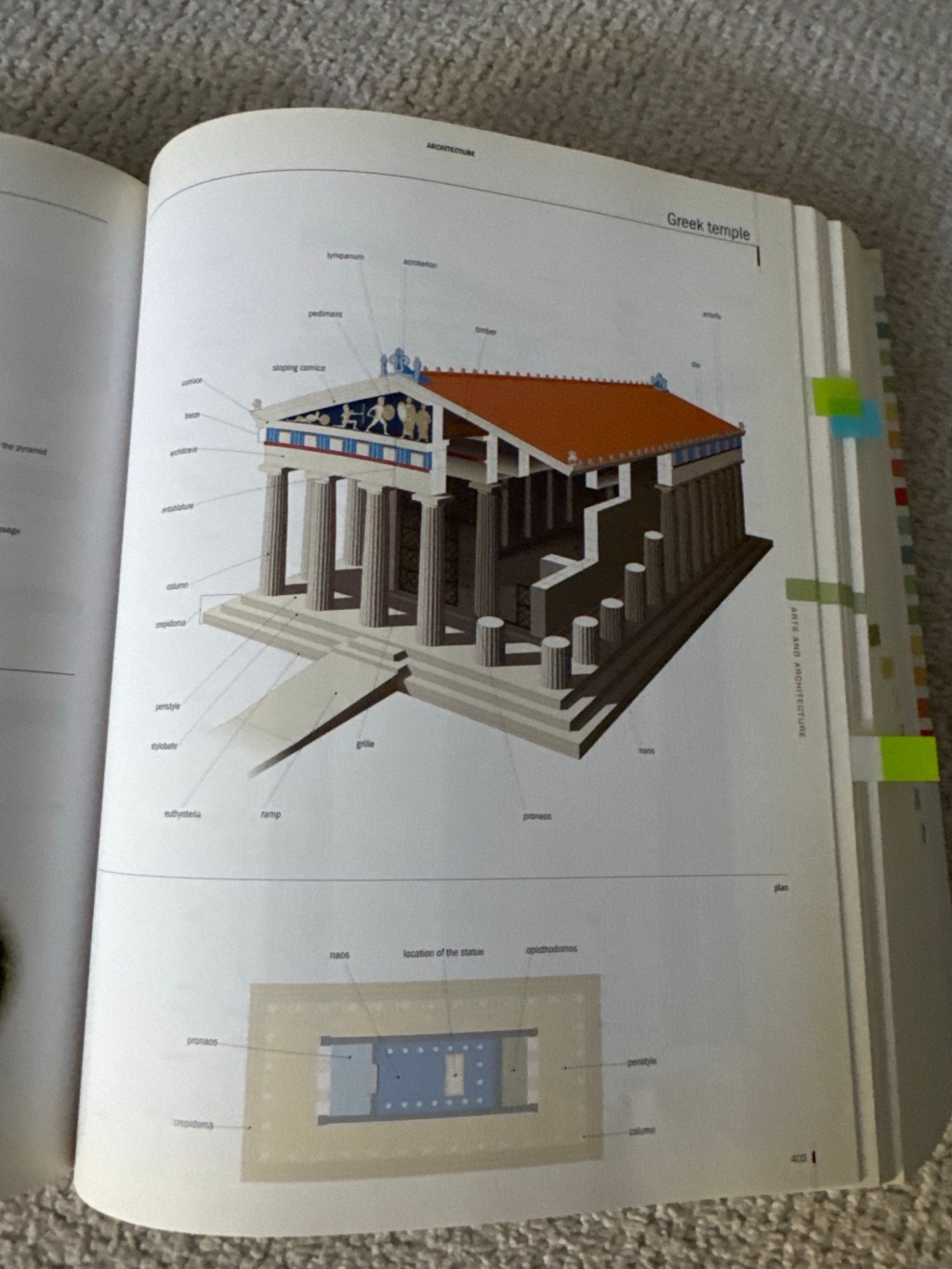
These are houses where the elements are pre-ordained: the windows are aligned with each other, and are placed within the facade to achieve balance and symmetry. The doorway is defined, frequently in the center, and around it are placed ornamental designs originating in Greece and Rome.

Columns in the Doric, Ionic or Corinthian orders have specific instructions as to their placement. They aren’t just slapped onto a facade as we see in modern day Encino.

In California, when builders put up spec houses they are never able to afford classic design because the intrusion of garages destroys the facades. Ironically most garages never store vehicles but are a repository for storage.

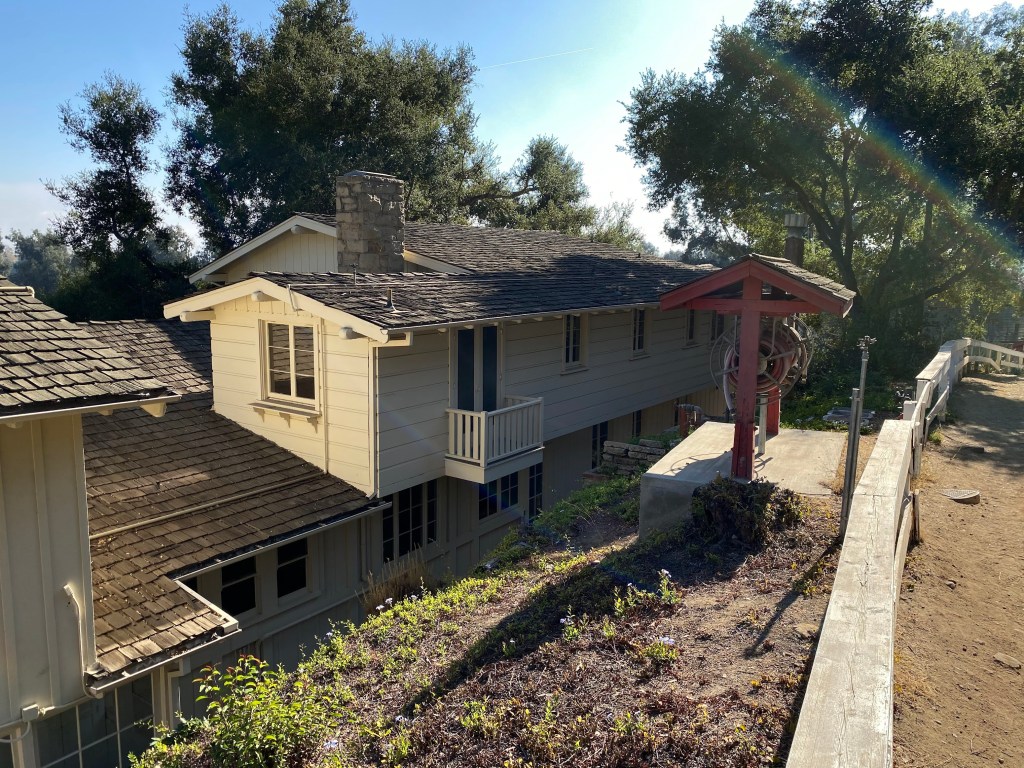
The plain white stucco house with vinyl windows is the lowest and most ubiquitous type of spec house. About a dozen of these have sprouted up in my neighborhood in the last ten years.

There is obviously no attempt in these cases to make the houses attractive in a classical sense. They are rafters and insulation and stucco made for desperate times. Nobody can really afford to build them, and nobody can afford to buy them, so we have a sad story of expensive prices for crap.

The one on top is three bedrooms with astroturf patio and rents for $7,000 a month next to a graffiti splotched alley.

The exploitation of land to build exploitative housing that hardly houses anyone is one of the ills of Los Angeles. For there are enormous plots of parking lots and open land, especially near the Orange Line, where walkable, civilized and attractive housing can be built.

After spending time in Switzerland last year, I came back thinking of how well things are built there. Not only are they solid, but the housing is meant to enhance the community. Sometimes it’s starkly modern, other times it’s traditional, but it always makes the environment better.

Bremgarten, CH.
Merenschwand
Zurich
Lucerne

Why in this city, which invented Hollywood, are the visual arts of architecture and design so lacking in public view? Why do we live amongst so much ugliness?

LA Fitness, Sepulveda Bl.

Is there perhaps something in the past we can look to as we rebuild Los Angeles for the future? Perhaps we need Elon Musk to siphon off $5 billion dollars from somewhere and employ an AI architect to make LA lovely again.

Here are some designs from AI Google, architects:

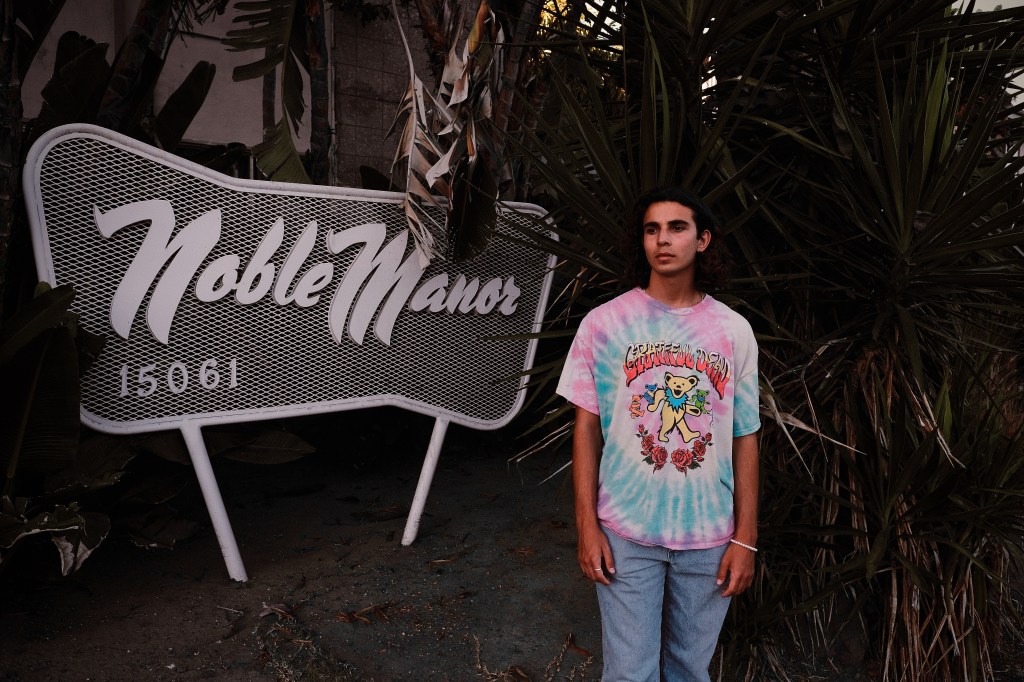
Photography: Gun Lee, Northridge, CA.


April 5, 2024

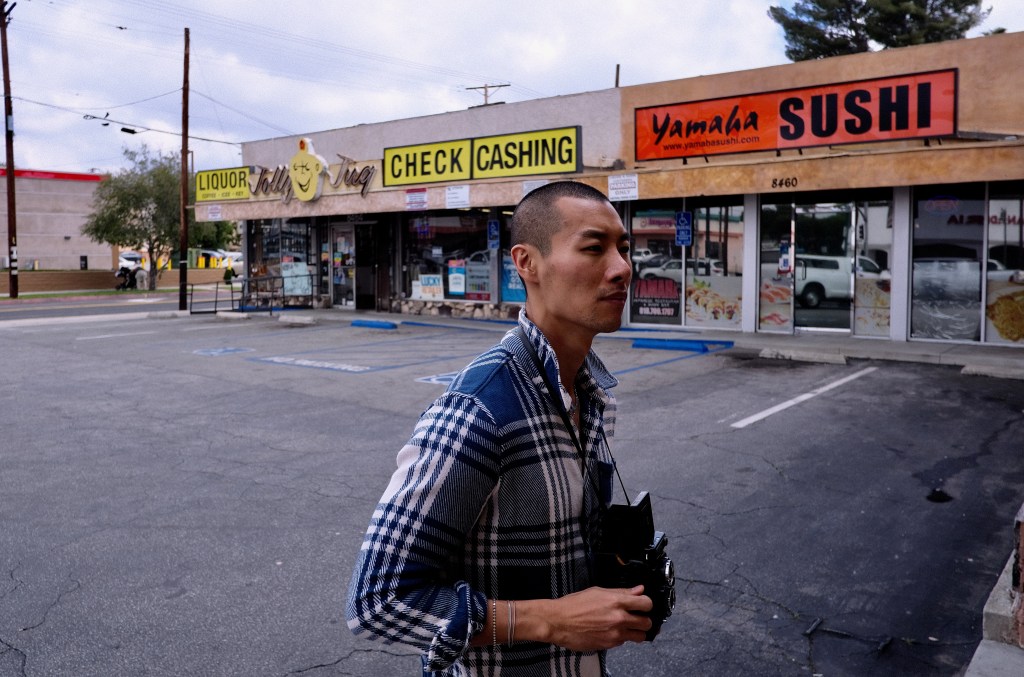
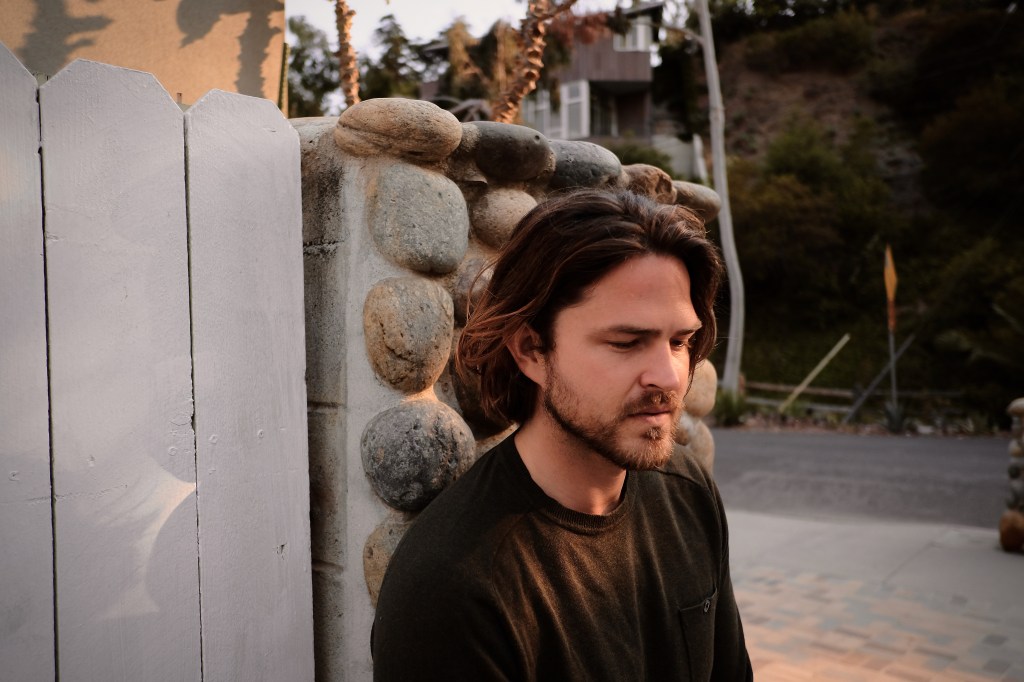
These are some photographs I took of actor/model Gun Lee along Reseda Bl. in Northridge, CA.

He is an introspective and thoughtful person with a passion for art, photography and design.

Gun is also a photographer and videographer and has some excellent work up on YouTube.

Between S. Barrington Ave. and Bundy Drive, north of Olympic.


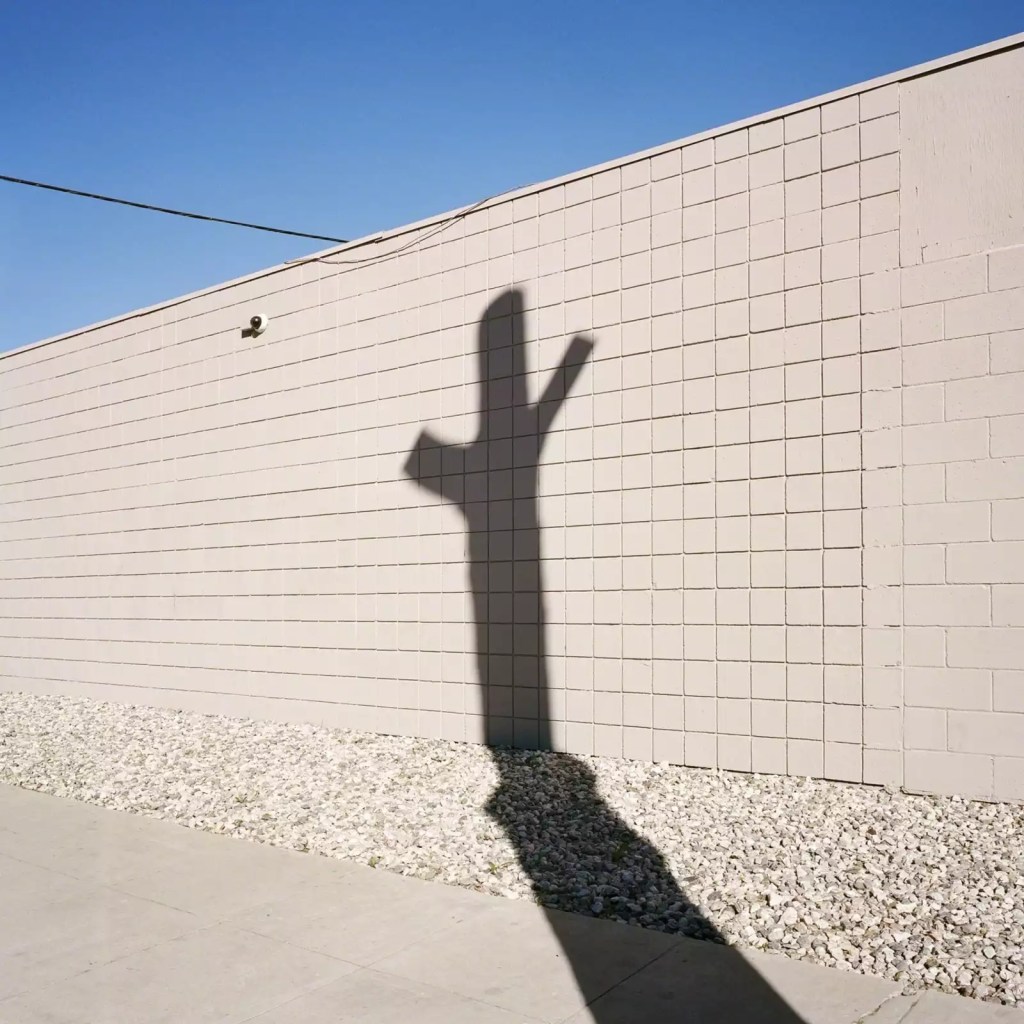
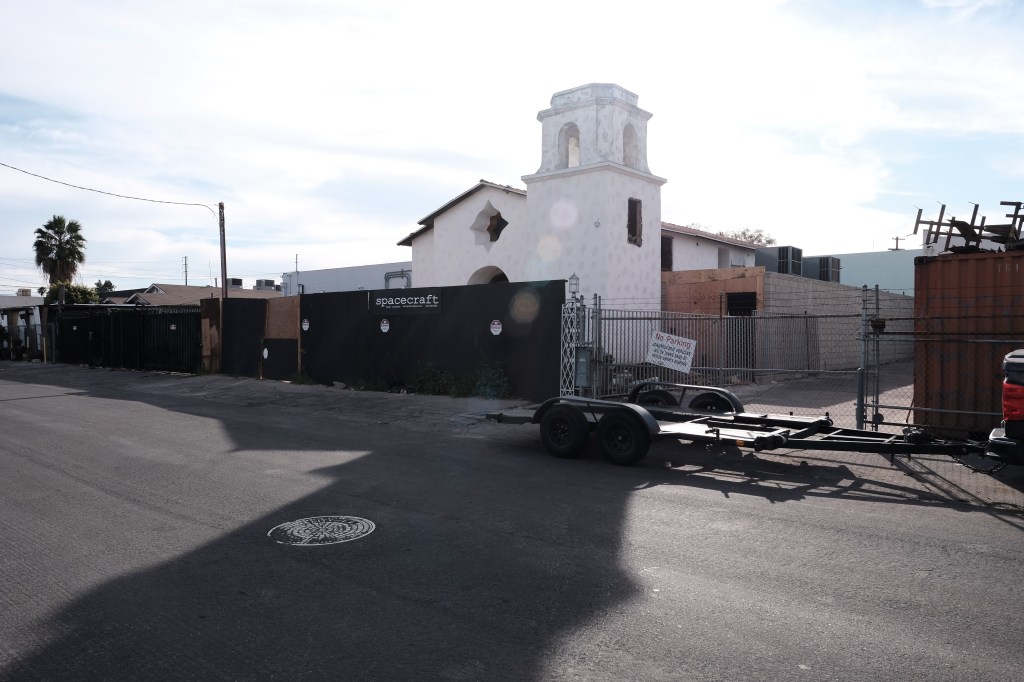
On a few blocks between S. Barrington Avenue and Bundy Drive, north of Olympic Blvd. the streets are dotted with “light industrial” buildings that most likely manufacture digital media.

It’s a flat place, with the oldest buildings dating back to WWII, many parking structures, and a generous amount of architecture, in the Eccentric Faddish style which encompasses everything from steel to wood to concrete and whose only commonality is expensiveness in land, material, rents and value to landowners and tax assessors.

Despite the liberal feeling of the district, everything is guarded, policed, and patrolled. We walked past a building, on the public sidewalk, and a robotic voice ominously announced: “You are being video recorded!”

There are still a few RVs housing unhoused people.

And everywhere there are asphalt parking lots.

You will look in vain for any park, organic garden, or affordable housing. Is this the best we can do? As long as the streets are clean it seems so.

So Long Flickr


I’ve been a member of the photo site Flickr since about 2005.

During those early years, well before the postage stamp sized galleries of Instagram, I was posting high quality photography.

I made friends on there, I found contacts, I met fellow photographers. Way more people, in fact, who shared my interests.

People would leave “endorsements” on my page, and comment, and you could download high quality photographs from other photographers. Some of these, in fact, I framed and hung in my living room.

It cost about $24.95 to join, and every year, for 13 years, it would renew and I would happily continue the service.

I used it in 2008 to upload many slide images, scanned from my father’s Kodak carousels.

There was a way to organize all of one’s photos in albums and later collections (a number of albums could become a “collection.”)

The interface was somewhat clumsy, with a page called “Organize” where your entire photo collection was stored. You could come here and change the dates on a photo, or place a picture on a map at the exact place you took that photo.

For all these years, the map function has never worked properly.

Last week, for example, I was down in Hermosa Beach, and later I uploaded photos to Flickr, and typed in “Hermosa Beach, CA” and the map came up with “No Results Found.”

The map below shows the last location I used in Zug, Switzerland. When I typed “Hermosa Beach, CA” the map didn’t recognize that location.

Every year since 2018, they’ve increased the price. Even as Flickr has declined in popularity, even as the use of Flickr belongs to the era of Yahoo, MySpace and AOL.

For renewal in September 2023, Flickr sent me an email:

$71.99, a 20% increase from $59.99. And a 188% increase from $24.99 which was the yearly renewal fee as recently as 2018. I know there is a war going on in Ukraine, there are grain shortages, and the pandemic exacerbated oil, housing and raw materials prices. But what raw materials does Flickr use to make its product?

So I have made the decision to end my Flickr subscription next month.

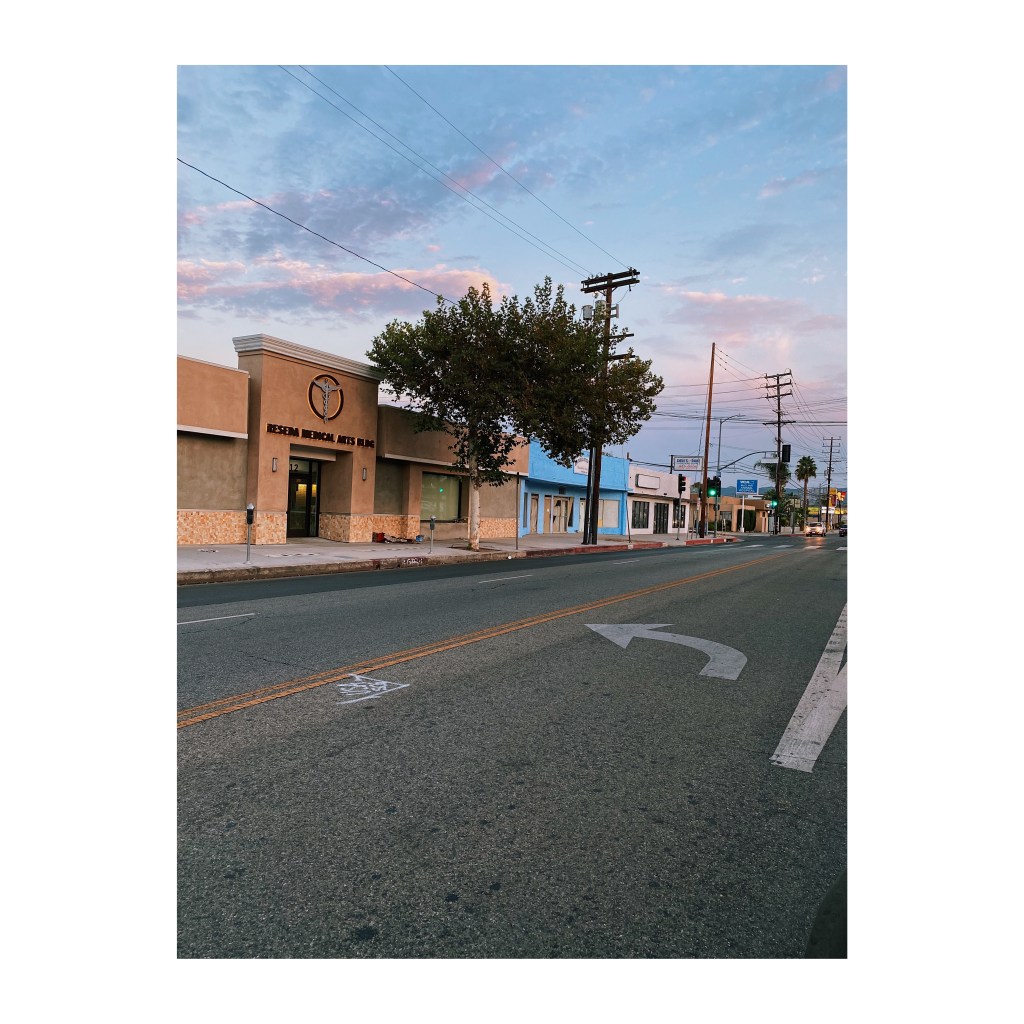
A Love Affair with Reseda Boulevard.


For a while I’ve had a photographer’s love affair with Reseda Boulevard.

It’s bright, toxic, saturated, crowded. 

There are signs in every language on Earth:

Thai, Farsi, Spanish, Mandarin, Korean, Hebrew, Arabic.

There’s shit food every five feet: Domino’s, donuts, Arby’s, KFC.

You can buy anything a car or human might consume. 

Everything looks unlicensed, illegal or poisonous, like it just slipped past the eyes and hands of the law. 

Smoke shops, ramen, foot massage, dentists, orthodontists, auto body shops, tire repair, Chinese seafood, Pep Boys Auto, liquor, paint, car wash, 7Eleven, pizza, Korean soup, check cashing, smoke shops, eyebrow threading, and eyeglasses. 

Every sign combined is guaranteed to induce vomiting.

Oil changes and scrambled eggs and kim chi, chocolate milk shakes and boiled dumplings and hookah. Bagels and tampons, cigars and french fries.

All of it is stretched out and burns in the sun for miles.

Yet I have a love affair with Reseda Boulevard.


It rekindled again last week.

I started a class at CSUN that meets Thursday afternoons from 4-6:45pm. 

When I left the school after the first class we were in the second night of our 108 degree heat wave.

I walked up the stairs in the B5 concrete parking garage, N95 still affixed to my face, water bottle hooked to my belt, gasping for air and thirsting for iced drink.

I drove south, down Reseda Boulevard, as the sun was setting, past the stores with burning oranges and vibrant greens and deep reds written in the languages of many different nations.

The air was brown with fire smoke, and it was like a filter over my eyes, intensifying everything, driving and stopping, braking and accelerating in a rush hour jam of cars, trucks, pedestrians, bikes, motorbikes and the soundtrack of Franz Waxman playing “Agony” in “Beloved Infidel.”

I was watching a movie at every stop light. “Paris, Texas” in the smog. Billboards and signs and on and on and on.

It was so vile but I could not take my eyes off it.

The only hope for me, for our city, is to look at it like a film, a story we are starring in, set in an urban hellscape, temporary and eternal.