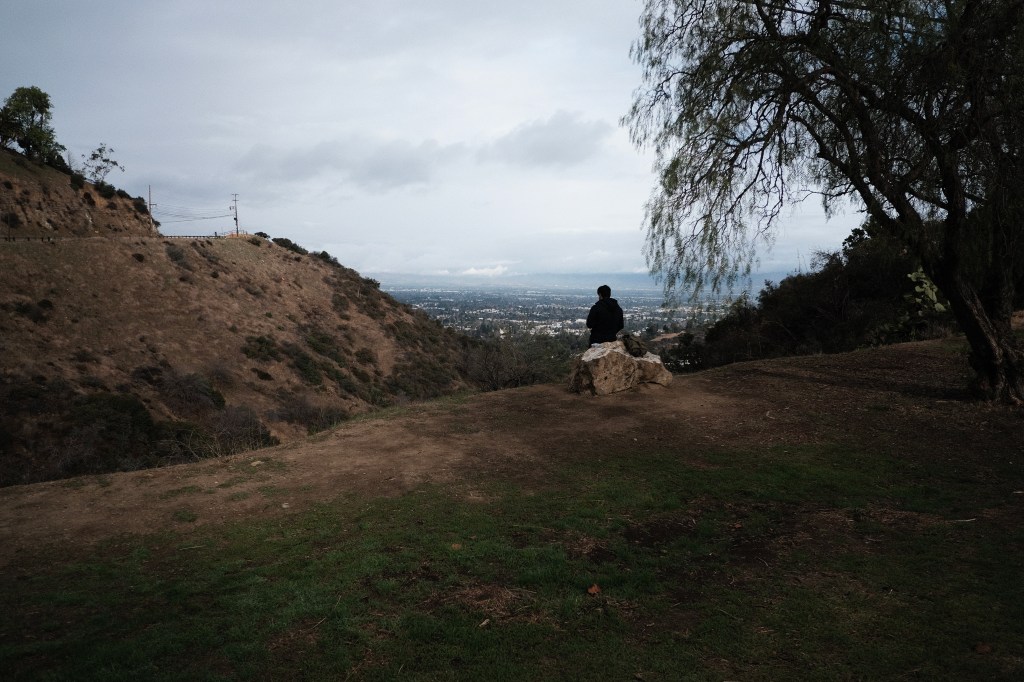
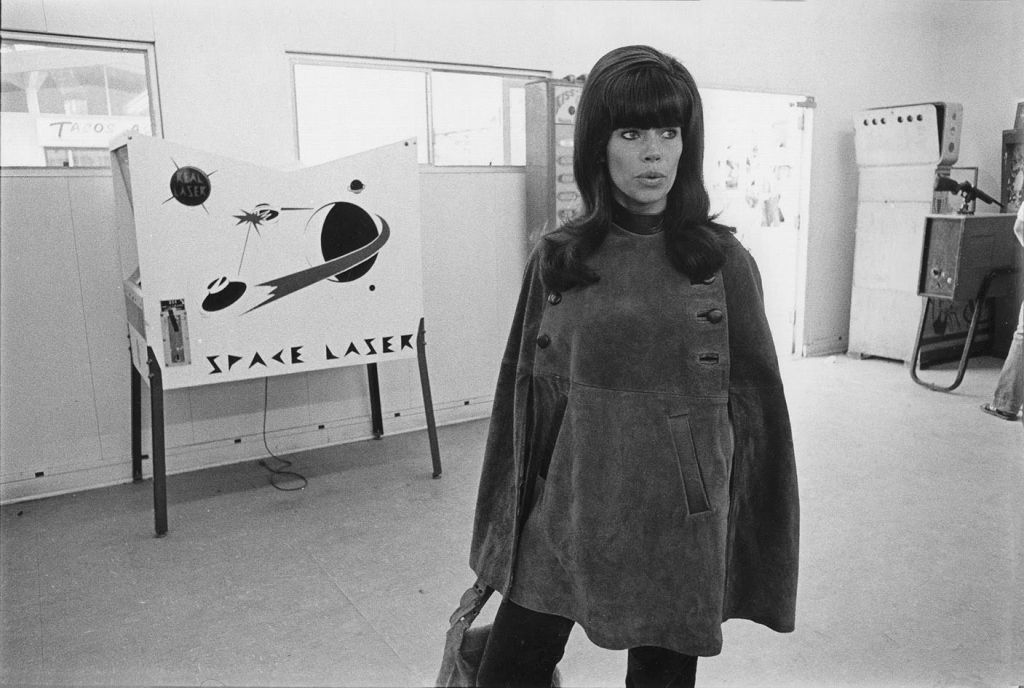
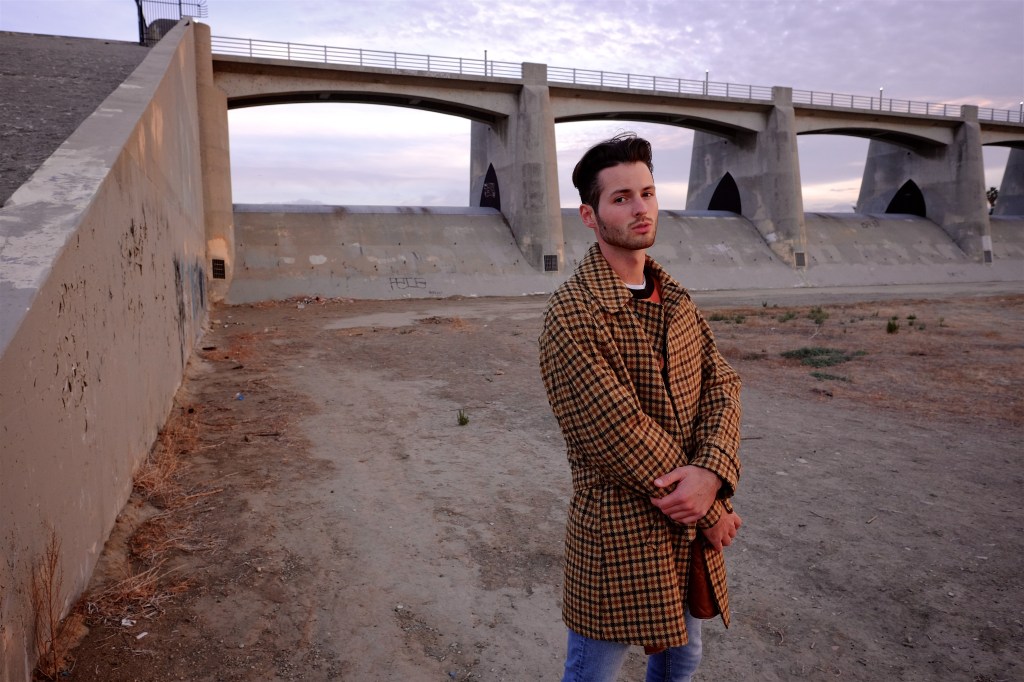
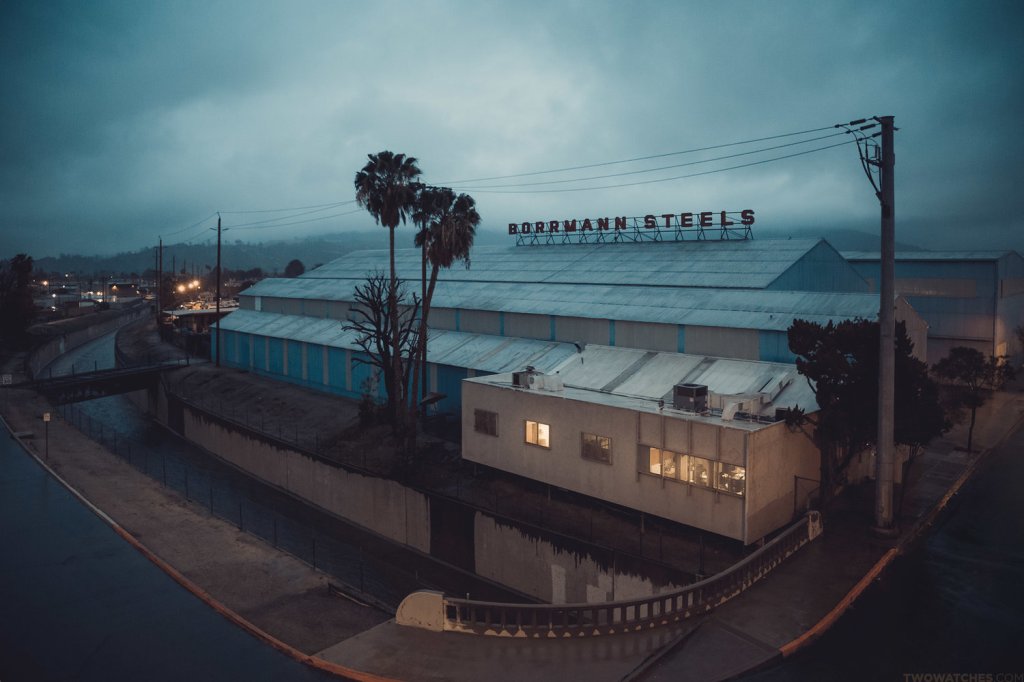
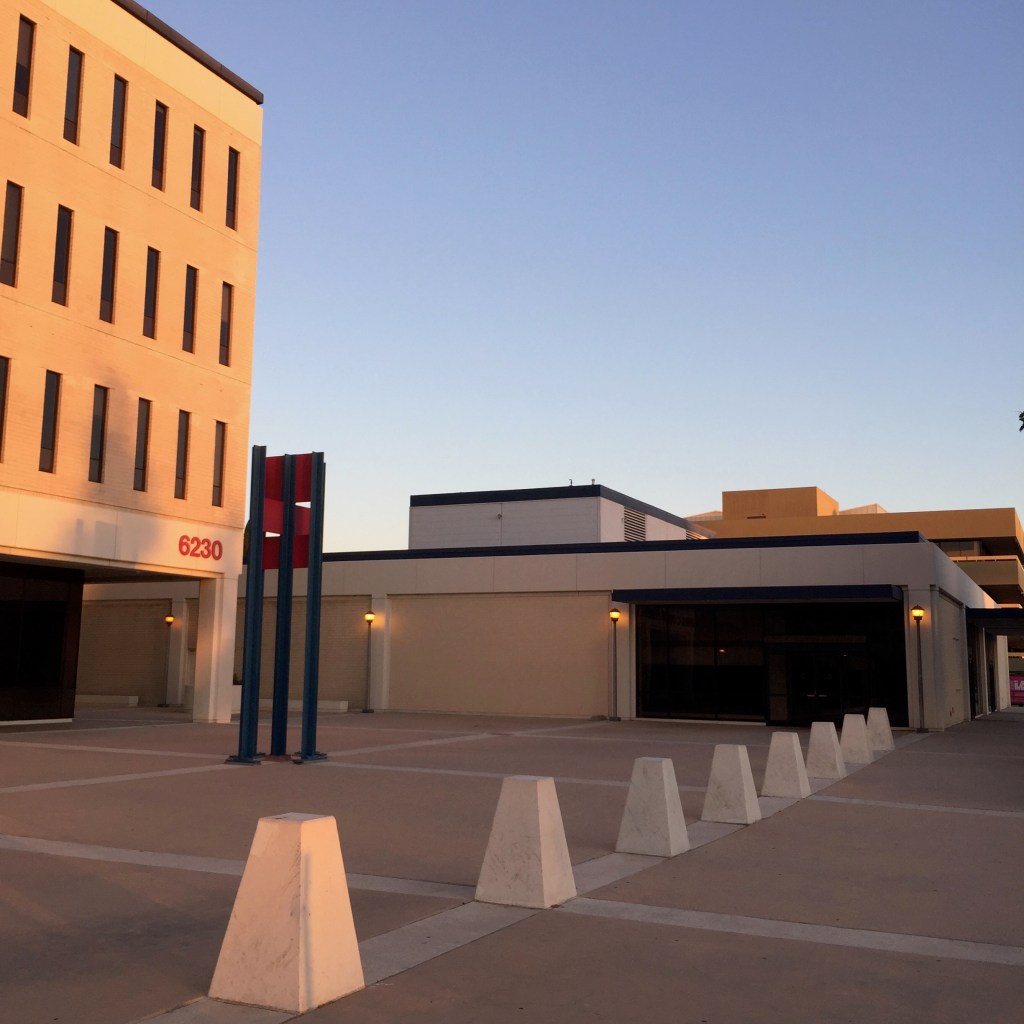
Portraits of Dovid K. and “Kester Ridge.”


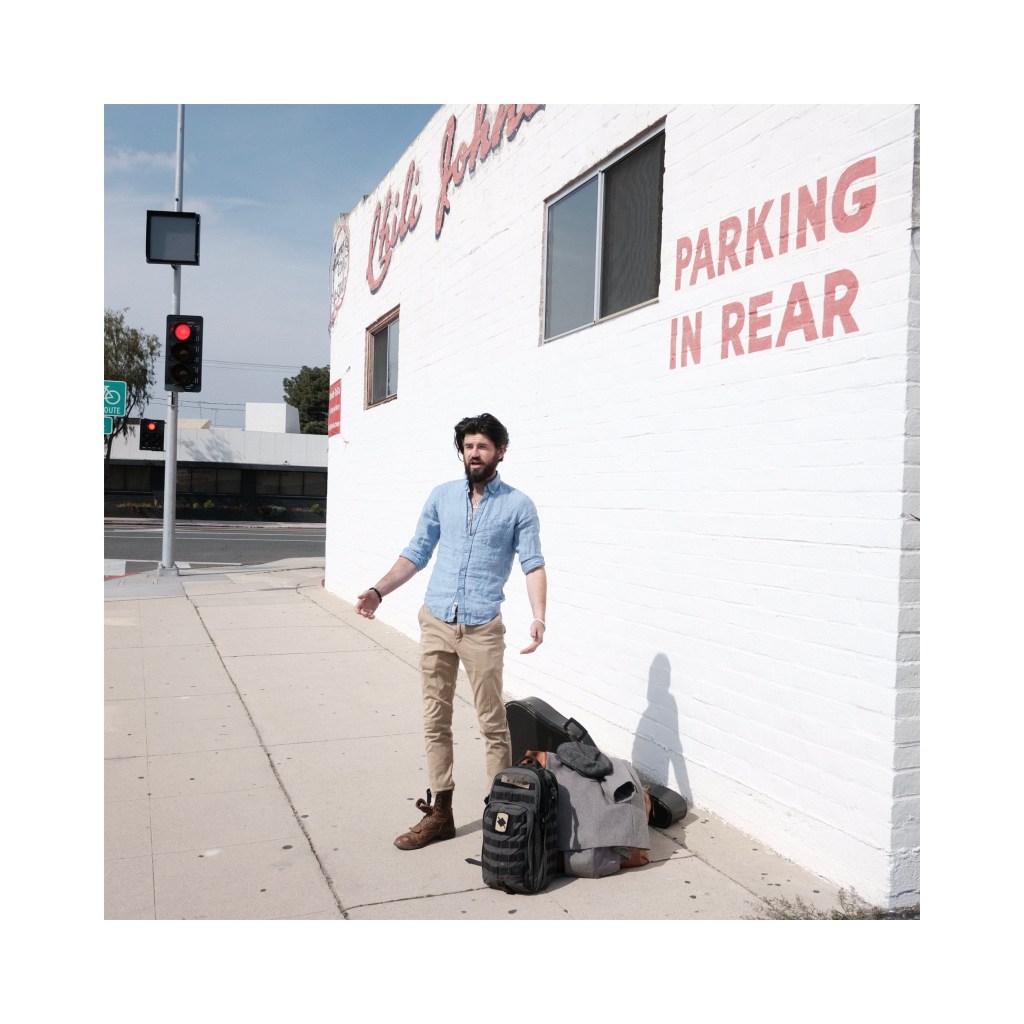
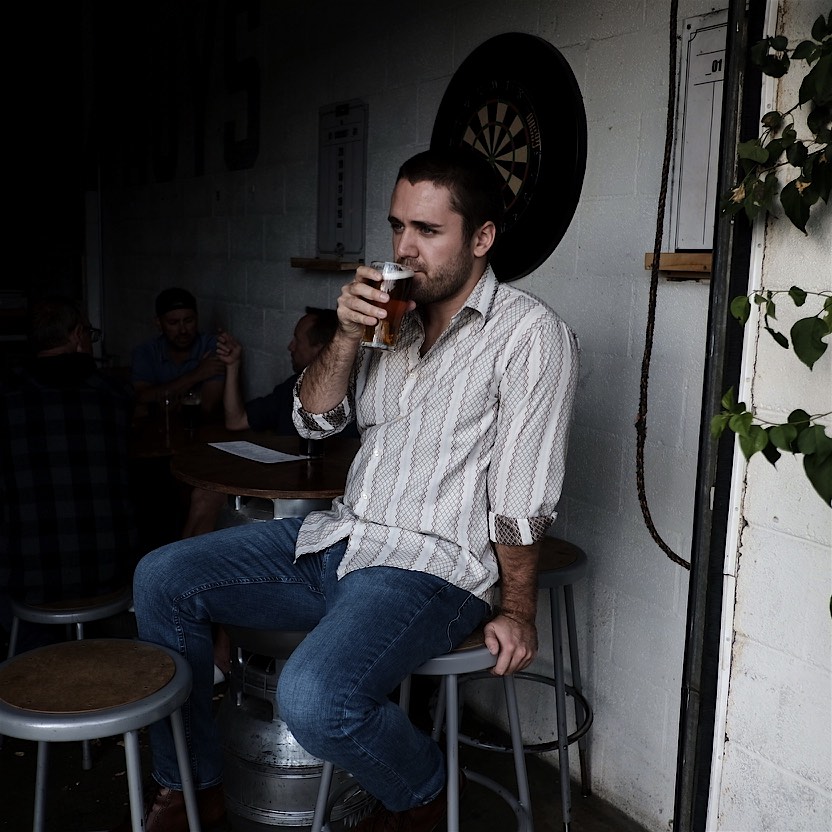
Actor Dovid K. was raised in Los Angeles, and he came over to our neighborhood last week for some agency photos.

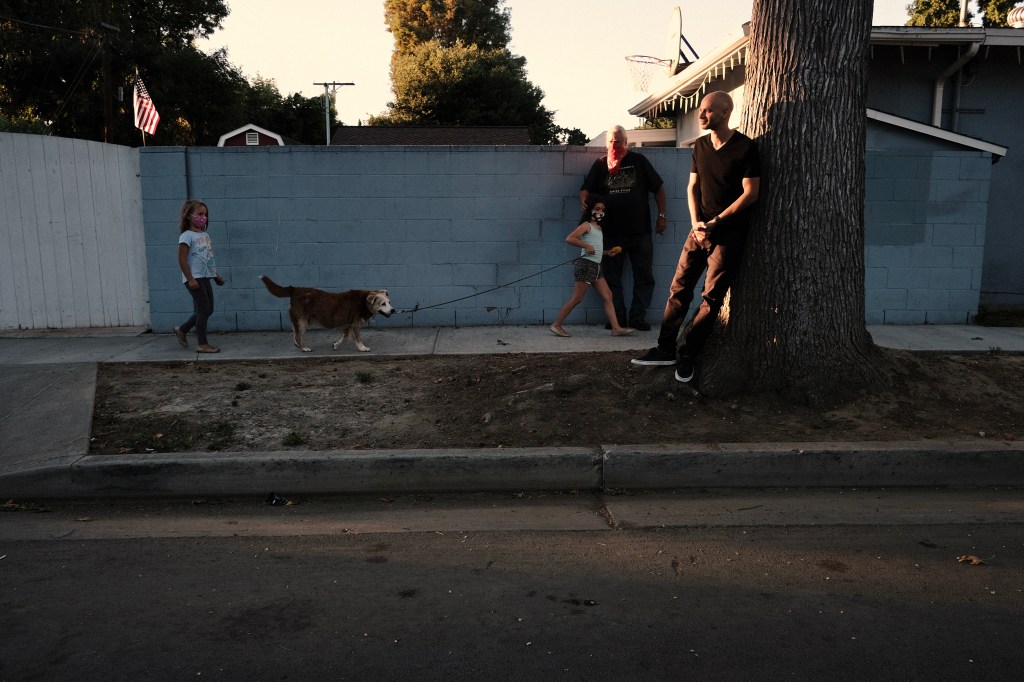
The houses in our area (Victory/Kester/Columbus/Vanowen) were built in the 1950s, and due to the modesty of the neighborhood, many look roughly the same. There are the criss-crossed windows, the board and batten siding, the pastiche of architectural decorations that mid-century developers affixed to facades to make them warmer and more appealing.

The vintage styles have weathered six or seven decades and endured as archetypes of the San Fernando Valley. This section of Van Nuys was ideal because it was walkable, just across the road from the high school, near the shopping centers along Sepulveda. Those were the days when children rode bikes and walked to school and there was always someone home to greet them at 3pm.

Times change. Children don’t walk, they are driven.

Behind the house on the right someone is building an ADU out of an old garage. They installed solar panels like many of their neighbors.

This sign belongs in the archival collections of Valley Relics.

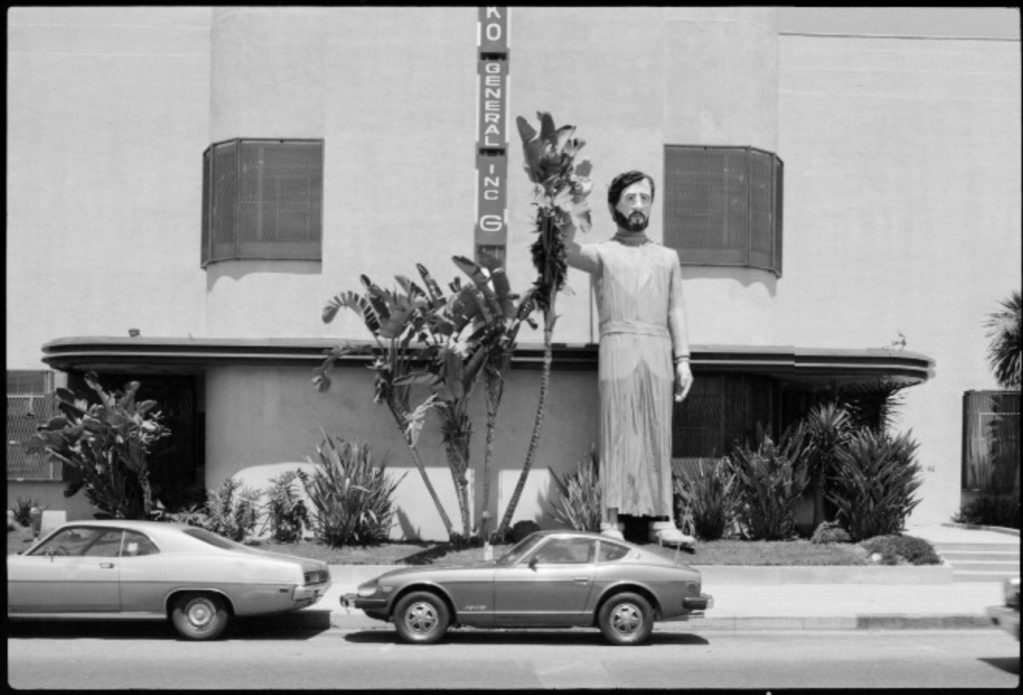
This totem statue was erected by a previous owner and still stands.

This house will have a new ADU in front, an adaptive revitalization of a classic Valley ranch house from the early 1950s.

There is something about the middle 1950s that endures in many of the houses, a cozy casualness of not so big houses with big lawns, semi-circular driveways, trees, hedges, and decorative lampposts. A lot of it is not so up-to-date. If this were Studio City or Brentwood these houses would have been long gone, demolished and replaced with white faced behemoths and tall gates and enormous SUVs on every property.

Sadly, many of these houses sell for over a million and are not quite starter homes. But they are home for many who inherited them from parents, with low property taxes and little or no mortgage payments. For the lucky ones who got lucky, this is kind of a paradise, guarded by NextDoor and patrolled by helicopter, seemingly an American paradise on the ground.

And it makes a good backdrop for a young man who channels the 1960s.

Van Nuys as Subject


Artsy has a number of artworks for sale, some quite expensive (over $2,000), with Van Nuys as the subject.

The variety of mediums and styles is fascinating.

North Hollywood: High and Low.


East of Vineland Avenue, along or near Burbank Blvd, North Hollywood has a collection of small businesses, creatives, prop houses, and studio related companies that turn out goods and services, real and virtual.

On a windy, clear, cool Saturday we came to walk around. We explored Satsuma, Chandler, Cumpston and Riverton Avenues.

At 5453 Satsuma, a small, white, mission style stucco church was transitioning to secular renovation for a company called Spacecraft. The site was an otherworldly juxtaposition of architectural divinity and outer space travel.

In the 1946 North Hollywood Street guide, it seems that Santa Susana Catholic Church was the center of a Spanish speaking community along Satsuma that was strictly encased (segregated) between Chandler and Burbank, but not one house north of Burbank, or one house south of Chandler. All the old houses were knocked down and replaced by industrial concerns in the 1950s. Only the church survived but not as a church.

At 5416 Satsuma, a black and pink cinderblock building stood behind a chain link fence laced with reeds. A decapitated palm tree and wooden power pole completed the scene.

We walked along the Chandler bike path, next to a Robert Spiewak mural painted on a building in 2000, during the reign of Mayor Richard Riordan (1993-2001).This Angeleno themed artwork is a dystopian, militaristic vision of power poles, mountains, sky, missiles, and skyscrapers entangled in traffic or the internet. 

My masked, hand sanitized friend Danny stood in front of the mural, marking our own pandemic time as we are poised on the brink of a potential world war and nuclear holocaust. 

On the north side of Chandler, a half-completed structure (for USPS?) is going up with lots of steel and diagonals, in an aggressive, edgy, industrial style that looks like what they were building in West Los Angeles twenty-five years ago. 

At 10747 Chandler, one story buildings from the 1950s, for lease, are neighbors with a homeless tent. And adjoining the block is a clay-colored stucco, streamline modern building, with mean little windows guarded by frilly iron bars, also for lease.

Praxis Custom Frame & Upholstery is housed, anonymously, in a deep teal and decoratively topped structure with brown awnings at 10717 Chandler.

This was once the location of Triple C Polishing and Plating Company according to a 1946 North Hollywood Phone Directory.

A matte finish, gray, Toyota Tacoma 4 x 4, pumped up and preening, was parked in front.

Steel Lighting is a new design on an old building, crisp and clean, black and white, with a cornice of black barn lights extending across the facade. 

Martin Iron Design (est. 1990) is hidden away at 10750 Cumpston. An American flag droops over a wall like a sad, lonely dog. HOLLYWOOD is crafted in metal over a steel walled security gate. 

Curving Riverton Avenue is half industrial, half little houses from the 1940s, a street like a small town, with tiny (million-dollar) residences that face west, into the sun and the new sidewalk, the parking lots and the shadow emitting steel plates that protect VFX Video Services at 5543.

Arxis Design Studio is at 10800 Burbank Blvd. corner of Riverton.

WE ARE ARCHITECTS!

They shout.

Their firm is housed in a torturously proportioned building punctured with a whacko assemblage of exaggerated, protruding windows with monstrous, robotic, tinted glass eyes that scan a parking lot. 

All who look up at the misshapen, off-kilter windows know they are entering a hallowed kingdom of architecture.

That concludes a sampling of North Hollywood, High and Low.

El Crappo


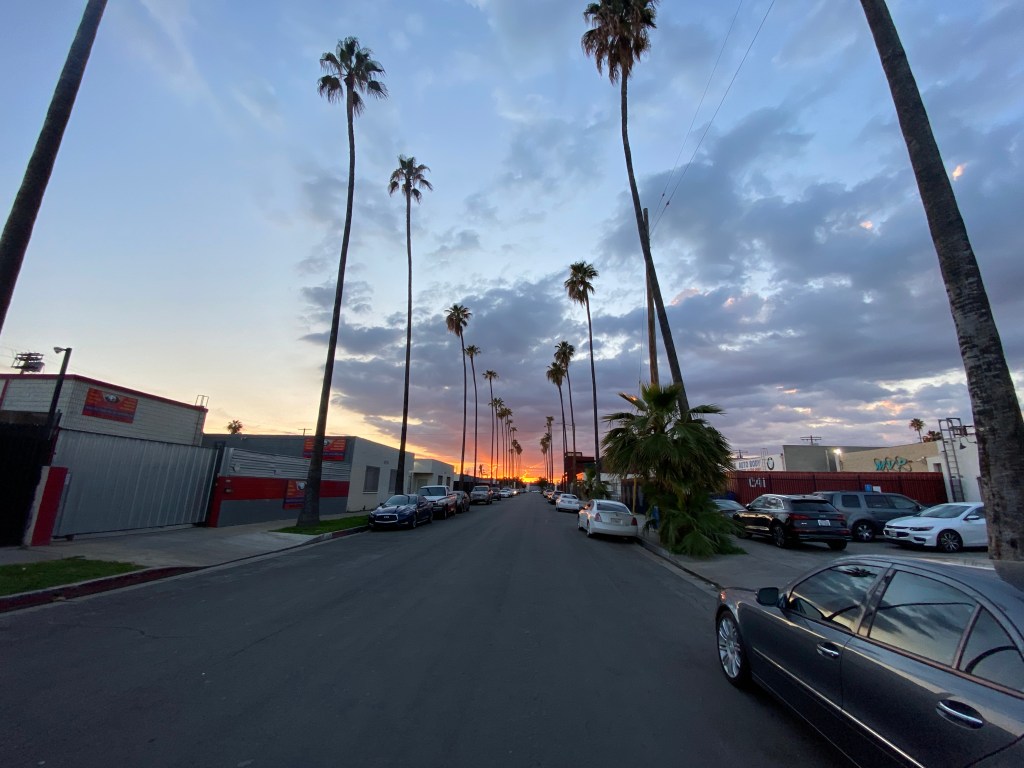
Running along the west side of Sepulveda Boulevard, from Haynes to Lemay Streets, is a traffic median, allegedly planted with trees, but mostly serving as a local dump for household refuse, a refuge for old couches, toys, luggage, mattresses, beer bottles, etc.

Nearby are new, gleaming, white paneled developments, including the rental apartments at IMT 6500, “with easy access to golf courses, tennis courts, jogging, bike paths and boating on the Balboa Lake.” With lush photographs and bucolic descriptions, one might mistake this online fantasy as Zurich, Switzerland.

Ugly before the pandemic, hideous now, it seems that the many unfortunate events of the last year will provide a generation of politician’s excuses for the deplorable environment Angelenos endure. Add in the presence of thousands of homeless, the daily fires in Balboa Park, the rancid smell of sewage, global warming, ever present violence, property crime, speeding cars and crashes, fireworks and pipe bombs,  and you have a drama that surpasses the worst conjurations of Hell.

But do not judge this district from the worst examples. There are lovely places nearby.

Just one block from here, at 15351 Haynes St. a home recently sold for almost two million dollars. 

On nearby Orion Avenue, a studio set neighborhood of picket fences, rose bushes and white houses earns many residents tens of thousands of dollars each month for commercial filming. And some of these glorious residences, worth millions, many inherited, pay less than $2,500 a year in property tax.

But few who live in the privileged homes venture out at night to stroll past Jiffy Lube, Dunn Edwards or Jack in the Box. And nobody has a picnic on the median. The pleasant events all happen behind tinted windows, in air-conditioned homes and vehicles, there is no pretty nature other than the yards dressed up for commercials.

And there is never any connection between the public, civic realities of life in Van Nuys and the private dreamscape of those fortunate enough to own a piece of paradise.

You end up in a mansion or dumped along the road.  Roll the dice.

Return to East Rustic Road.


One sweltering day, sometime in July 2012, I left Van Nuys with my camera to escape the 105 degree heat.

I got off the 405 and drove west, towards the ocean, along San Vicente, until I came into a picturesque canyon, shrouded in fog. I parked my car and ventured on foot to photograph the trees and the architecture in cool, refreshing tranquility.

I walked up East Rustic Road where there was, indeed, rusticity in nature and architecture. I stopped on the sidewalk along the street and beheld the glory of clouds coming down from the hills. All around were birds and flowers, fragrance and song.

And then, suddenly, a shrill voice yelled at me, “Why are you photographing mailboxes on this street!” 

Dazed, stunned, I was speechless. 

Who the hell was screaming at me? I looked around and an old woman came out of a garage of a house.

“I was driving up the street and saw you taking pictures of all the mailboxes! What are you doing here!” she demanded.

Now pissed off that I was being interrogated, and my right to walk and photograph on a public street was being infringed upon; appalled at her lying and false charges; I talked back. I said something like who are you to ask me? Did I need a permit to take a photo? Did I need to ask your permission to photograph a cloud?

“I have a right to know!” she screamed again.

Then an old man (her husband?) came out the front door and yelled, “If you don’t get off our street we are calling the Santa Monica Police!”

Not eager to incite, I walked away.

My beautiful, serene, moment of enjoyment was spoiled by these two irrational people.

I vowed that one day I would come back here and shoot photos again, perhaps some portraits of an actor.

This past weekend, nine years later, I did just that. Without incident.

Model: Cheyne Hannegan

The Streets Were Spotless


On Sunday I went to Burbank to take photos of a 25-year-old actor. 

We met at Chili John’s, a “World Famous” landmark, now out-of-business, a spot of streamline slickness with a neon sign, all of its recent Covid signs still intact. Somewhere I had read that preservationists were fighting developers on this site but could not pull up any stories to verify.

It was Burbank so there were no people around, just an empty parking lot, spotless, without litter, tagging or anything vandalized. The rains had washed the skies. In the distance, past Glendale, sharp and clear, stood the eternal San Gabriel Mountains. 

I got there before he did, and I walked along Burbank Boulevard where the cherry trees bloomed, and one specialty liquor store was open for contactless delivery. Through the window, I saw a $24 bottle of Riesling and moved on.

On Sundays, in Burbank, there are always old, spotless cars driving around. I saw a VW Beetle turn right. 

After that notable vehicle sighting, the actor from Springfield, MO appeared. 

He had just taken a Zoom acting class. He had long pandemic locks and beard and was quite chippy and happy with himself as he ran his hand through his hair and made goofy expressions with his face. He took out a guitar, which he doesn’t play, and he soulfully strummed it for our shoot. 

He had a backpack, a wool driving cap, zip up boots, tight pants, overcoat, trim denim shirt. We shot some photos of him along the long white wall where its red painted parking in rear. He talked about his end days Christian friends from Missouri and trimming his chest hair and how he comes from the same town as Brad Pitt.

He said he was happy in Hollywood, happy to meet cool people, happy for people who were signing him up and taking him to Peru for work. I think.

He told me he had access to a super high resolution Blackmagic Production 4k Camera, and if I wanted to use it on some other day I could. 

He left his stuff in the back, behind the store, and we walked up front to the sidewalk. I had no fear any of it would be stolen. But he went back to retrieve it and then rejoined me on the sidewalk where I directed him to slump down into the doorway and look down the street as if he were a tired, exhausted traveler.

We had free reign, with nobody nearby.

There was also no trash, no litter, no fast-food wrappers, no condoms, no homeless, no shopping carts; just an empty place all around, with store windows and shuttered businesses. After two hours, one masked pedestrian walked by.

That Sunday, Burbank was the Los Angeles that once existed, the hygienic wonderland of donuts and burgers and whimsical cars, chlorinated swimming pools, empty sidewalks and freshly washed streets.  It was dead but it was a delight, and somewhere nearby I imagined a crew-cut kid with blonde hair and plaid shirt riding his Schwinn.

When I was done, I drove through North Hollywood and crossed back into chaos, filth and disorder, past an invisible wall between dreams and reality, past and present, Los Angeles and Burbank.