Sunday Errands


Yesterday, Sunday, there were no evident calamities around us. Tragedy took a day off. The air was clear from fire smoke, some blue showed in the sky, and we went for an air-cooled drive around our San Fernando Valley behind tinted windows and masked faces.

We passed Woodley Park, once a bird sanctuary, now just a burned-out bunch of fields with blackened pieces of wood and broken fences, shopping carts of trash and an air of war, desolation and defeat. 

There was the farm stand at Tapia Brothers and we stopped to buy tomatoes, Anaheim peppers, carrots and peaches, standing six feet away from other masked shoppers. Pulling out of the dusty lot there were two choices: drive somewhere else or go home. We chose the former.

We went for a drive west along Ventura Boulevard through Encino and Tarzana, past those billboarded and plastic signed points of shlock and tackiness beloved by many, demoralizing in a good year, demoralizing in a bad one.
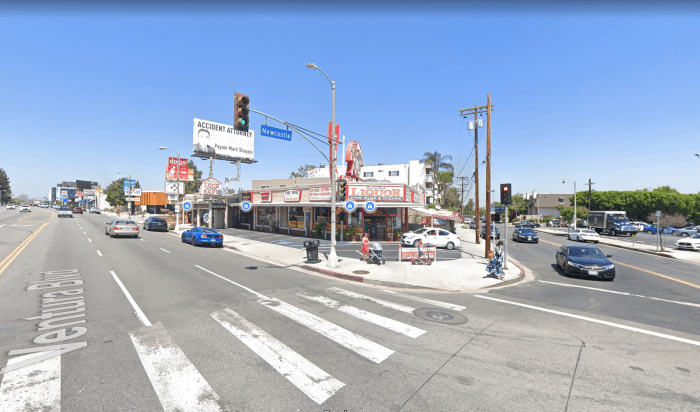
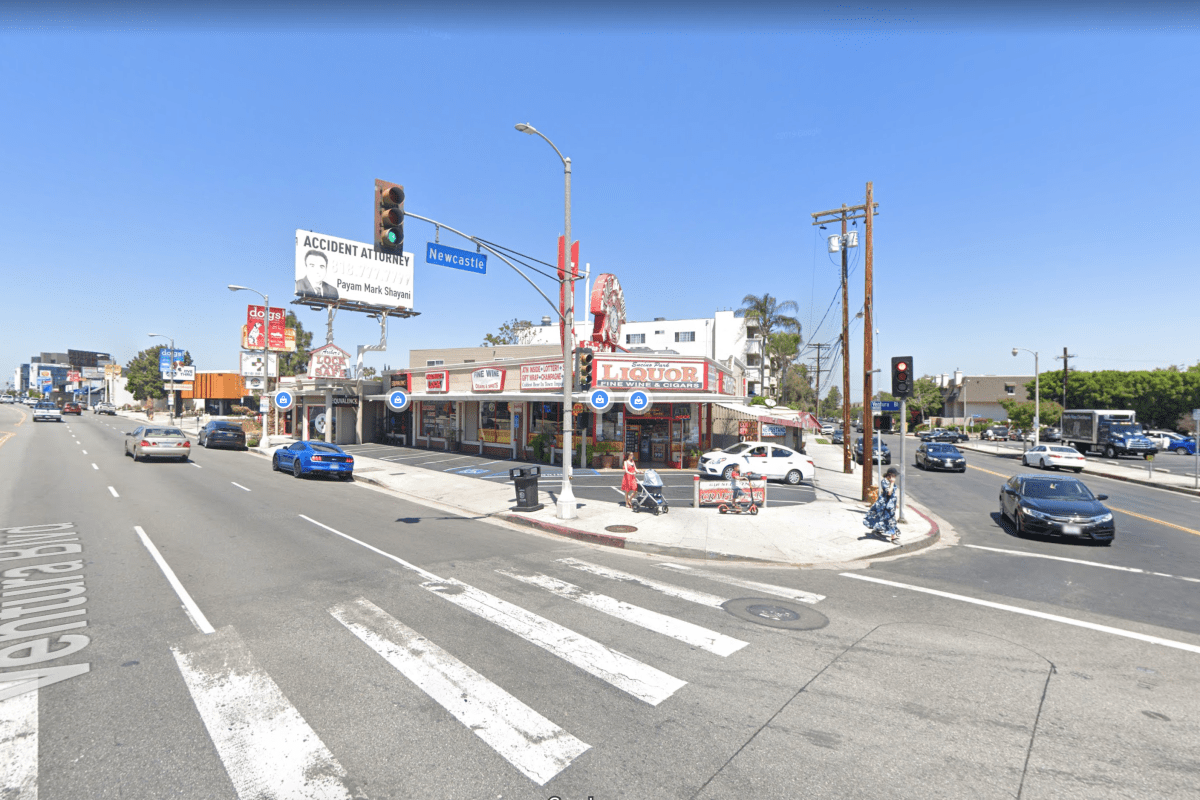
At Newcastle, groups of Jews in masks, yarmulkes, and tallit, walked with prayer books, dressed in their Rosh Hashana suits and dresses. A mentally ill Black man, without a shirt, danced obliviously in front of the liquor store as the faithful passed by him pushing baby carriages, on their walk home.

Further west, a homeless woman emerged from a tent parked along a concrete channel behind the prow shaped Encino/Tarzana library, temporarily closed. A blue sign hung along the fence on Ventura, “NO DUMPING: This Drains to Ocean.”
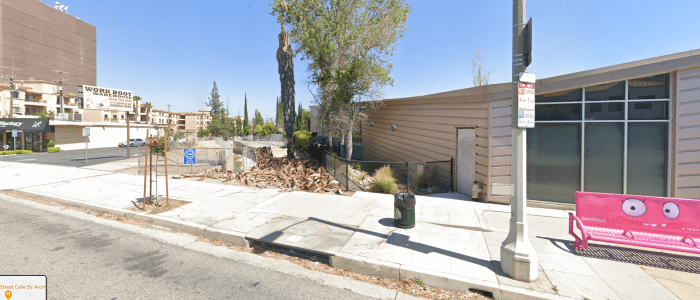
We drove all the way to Shoup Avenue in Woodland Hills, a district of Los Angeles where people once moved to get away from everything bad in the city. Under the 101, dozens of men and women were set up in a trash camp, living under tarps, in tents, the public sidewalk their front lawn.

At Woodland Hills Park, where Uncle Paul, Aunt Frances, Cousins Barry, Helene, Julie, Jason, Delaney and Courtney, spent many days of the past half century in the world of juvenile baseball and softball, homeless RVs parked. I wonder what flowered apron and blue rubber gloved Aunt Frances, who died in 2012, would say. She kept a spotless house, even telling me she would not eat dark raisins because they reminded her of little bugs. 

“Oh, Andy you’re so funny,” she would often say.
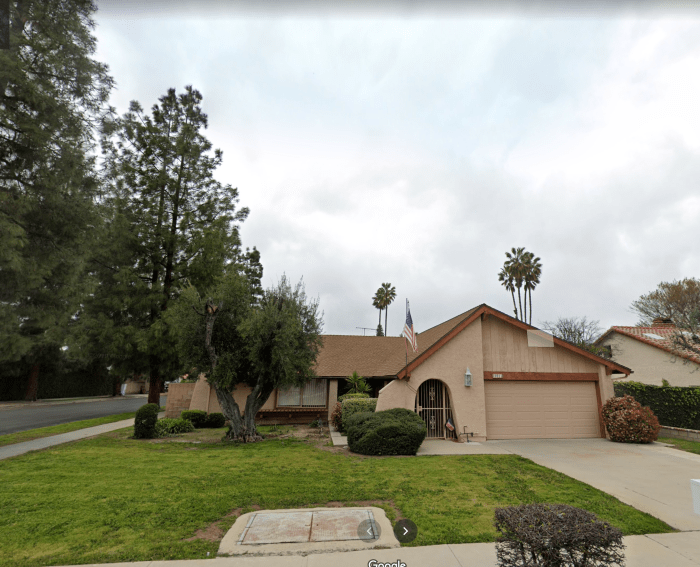
We turned down Erwin Street just to look at the corner ranch Aunt Frances and Uncle Paul bought for $63,000 in 1973. Uncle Paul is 99, a widower, still living there. The stucco is faded pink, there are bars on the windows, and Zillow estimates the house could fetch close to a million. Property taxes are about $800 a year, eternally fixed at the purchase price, a good deal for the retired soldier who fought at Iwo Jima and Leyte Island.

We didn’t go in but I thought of the inside I first saw in July 1974.

The Barcalounger, the brown carpet, the brown paneling, the yellow wallpaper, the cottage cheese ceilings, the dining room with the glass shelved cabinets full of Lladros and ceramic poodles and carved children with fishing poles, a room nobody ate in; the other dark rooms with the Roman shades or pleated drapes always pulled down against the sun, the bathrooms with wall-to-wall carpeting and mylar wallpaper, the rooms full of family photographs, the 1,762 square feet of living space without one book; the air-conditioning that ran year round, and the garage housing the Buick LeSabre, full of power tools and Leslie Pool Equipment, the refrigerator packed with Costco frozen foods, bottles of cold water and diet sodas, the TV always on for baseball and Fox News, these are the moments one cannot easily forget.

Then we turned around and drove east along Victory Blvd. passing the empty weed infested parking lot at temporarily closed Pierce College. We drove down Winnetka to get to the 101 and again passed another encampment under the freeway, more men and women living outdoors without housing in Los Angeles. 

When I go out these days, leave my house for a drive, I am in another nation, not my own, a scarred and withered place of broken people, angry and exhausted, in a city unclean and unjust. And ominously, seemingly, frightfully just about ready for a violent revolution. 
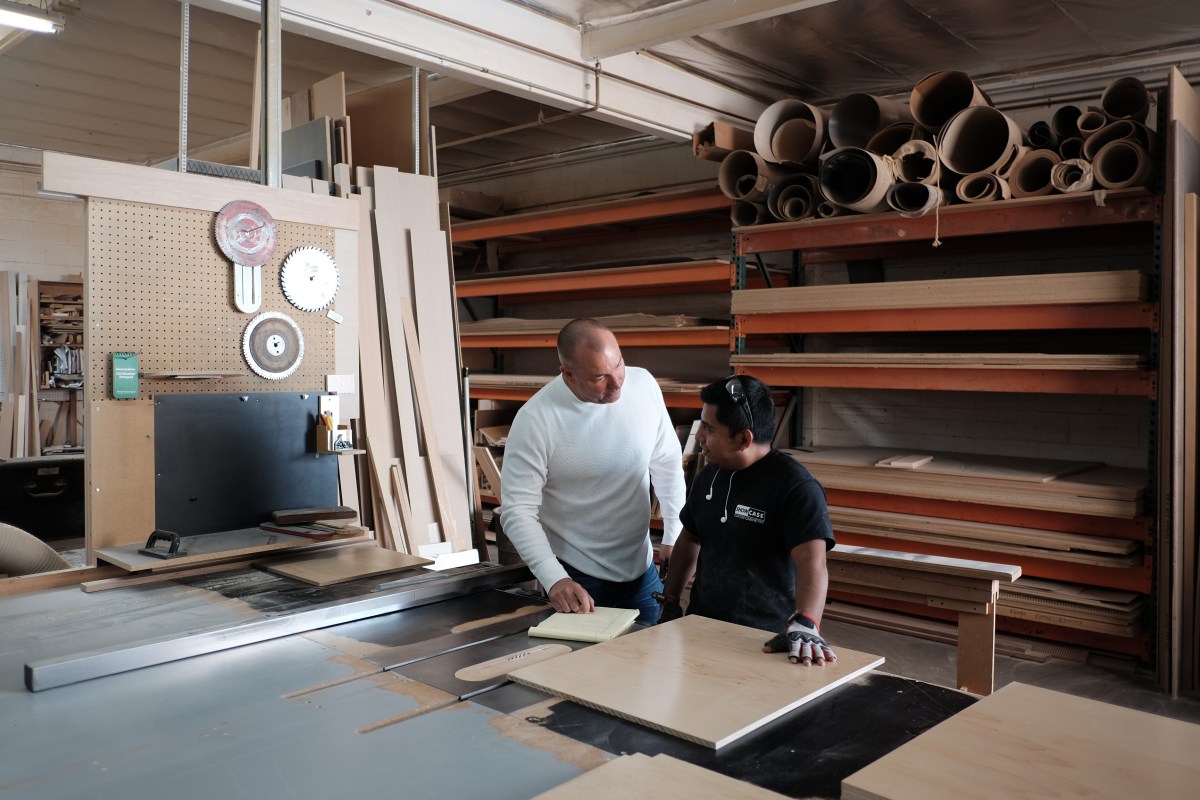
Option A: High Level Cabinet Meeting


Peter Scholz

Los Angeles is the second largest city in the United States, but aspects of it can seem almost small town. A sprawl built of people who came from somewhere else, infamous for its superficiality and temporality, it sometimes, surprisingly, produces individuals, deeply rooted in its soil, who live and work here their whole lives, sometimes in an area a few blocks wide.

Such is the case with Peter Scholz.

He was born in Van Nuys, 53 years ago. He lived at 5812 Lemona Ave in Van Nuys, CA. in a German-American family along with Michaela, his younger sister.

His parents, Heinz and Herlinda, had met in Vaduz, Liechtenstein in 1954. They married, and in 1959, emigrated to Los Angeles, where they found work, as driver and maid, in the Sidman Family estate in Beverly Hills. They stayed there only briefly.

Liechtenstein

Motivated by ambition and hard work, Heinz left his chauffeur job to work as a baker. Meanwhile, they had two kids, Peter and later Michaela.

In 1968, Dad opened Scholz Cabinets on Aetna St. in Van Nuys, a location where he did business for the next 20 or so years.

Peter worked part-time with his father, graduated from Notre Dame High School and then enrolled in Pierce College “because that’s where the best looking girls were.” He attended two years and graduated in 1984.

He continued to work part-time with his dad, closely learning the craft of custom cabinet wood making. He was, in effect, going to school overseas, by learning the German way of doing things here in Van Nuys: precisely, exactly, and diligently with strict attention to quality and integrity.

Yet Peter had other ideas and passions in his head. He was excited by art, by creative people, by wealth and Hollywood, and by that whole rich world, over the hill, where sculptures, luxurious homes, paintings and grandiosity were on display.

Remarkably, he didn’t try and become an actor. He didn’t intern at William Morris. He didn’t affect affectation. He still built cabinets. He used his skills in making them to enter a rarified world.

It was the late 1980s, an era of big shoulders, fat cigars, overpowering perfumes (Giorgio, Poison, Opium), Joan Collins, The Brat Pack, Wall Street, Greed is Good, and the explosion of personalities in the art world.

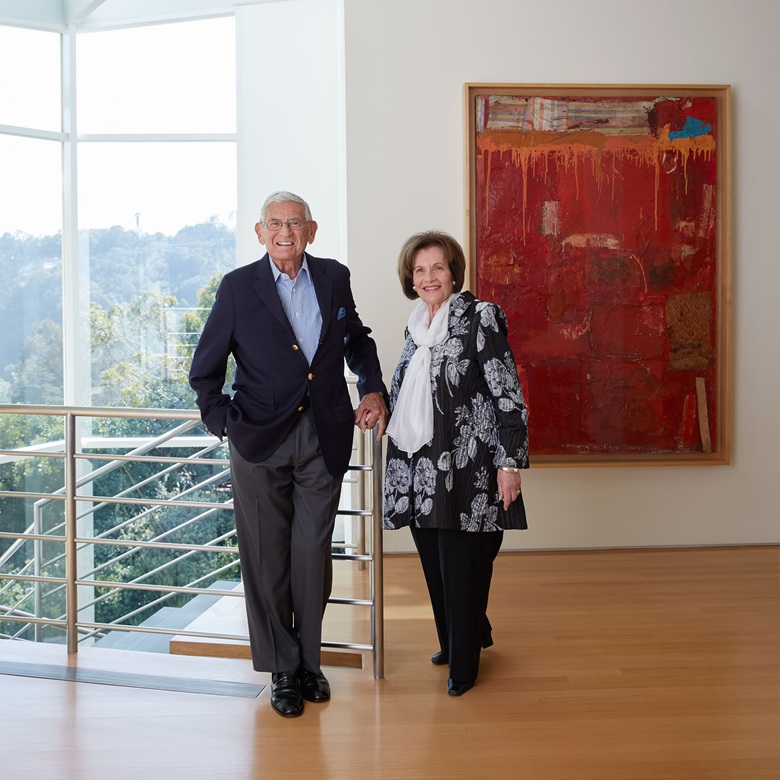
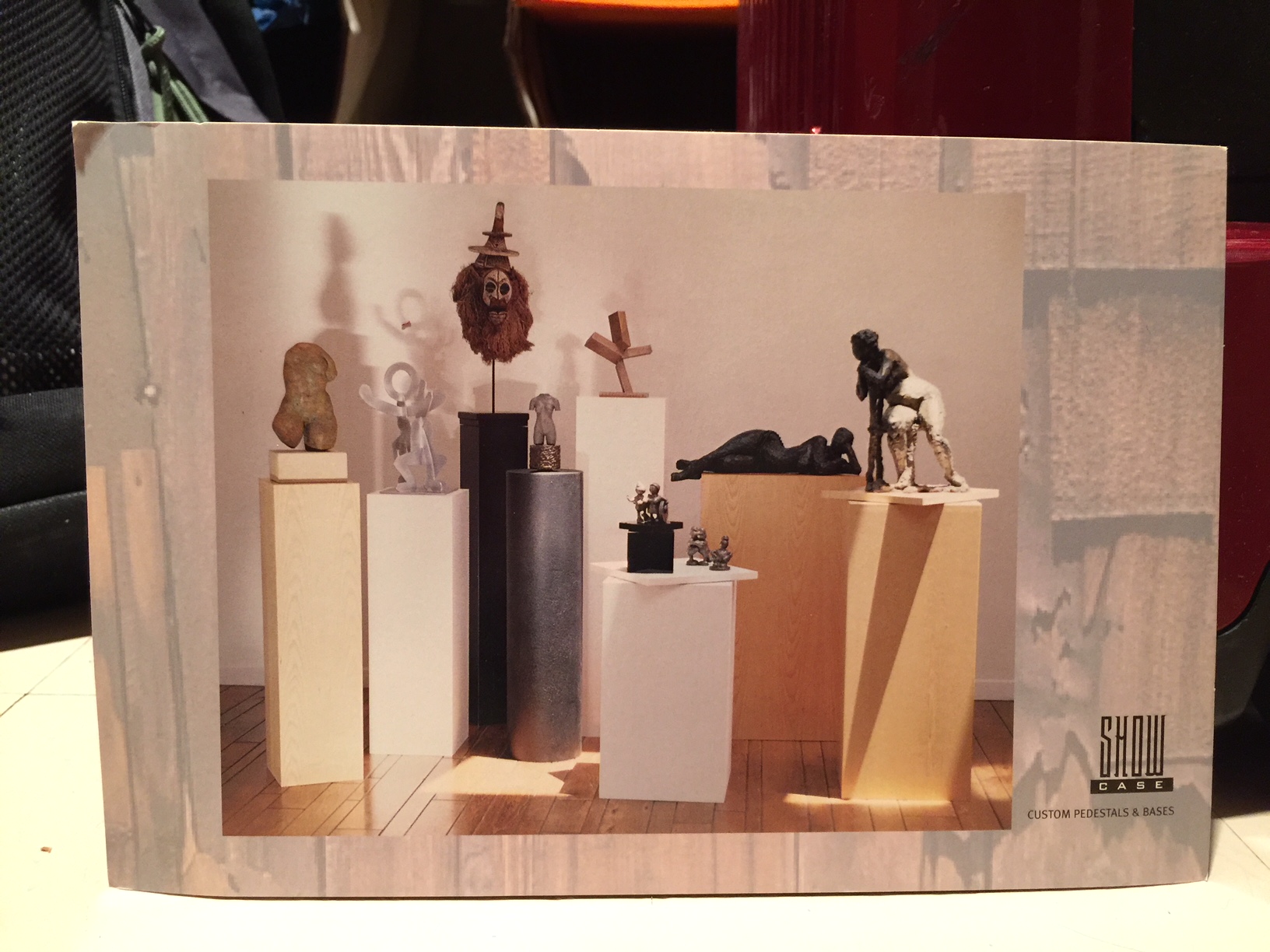
He wanted, somehow, to take the modest and self-effacing excellence he embodied and make custom cabinets and custom showcase podiums for architects, designers and clients in Beverly Hills, Hancock Park, Brentwood, Pasadena, Malibu and Westwood. He was introduced to notables who became clients, such as Eli Broad, real estate mogul, art collector and philanthropist; and Robert Graham (1938-2008), sculptor, born in Mexico, married to actress Angelica Huston.

Jean Michel Basquiat (1960-88)

Eli and Edyth Broad at home with Robert Rauschenberg

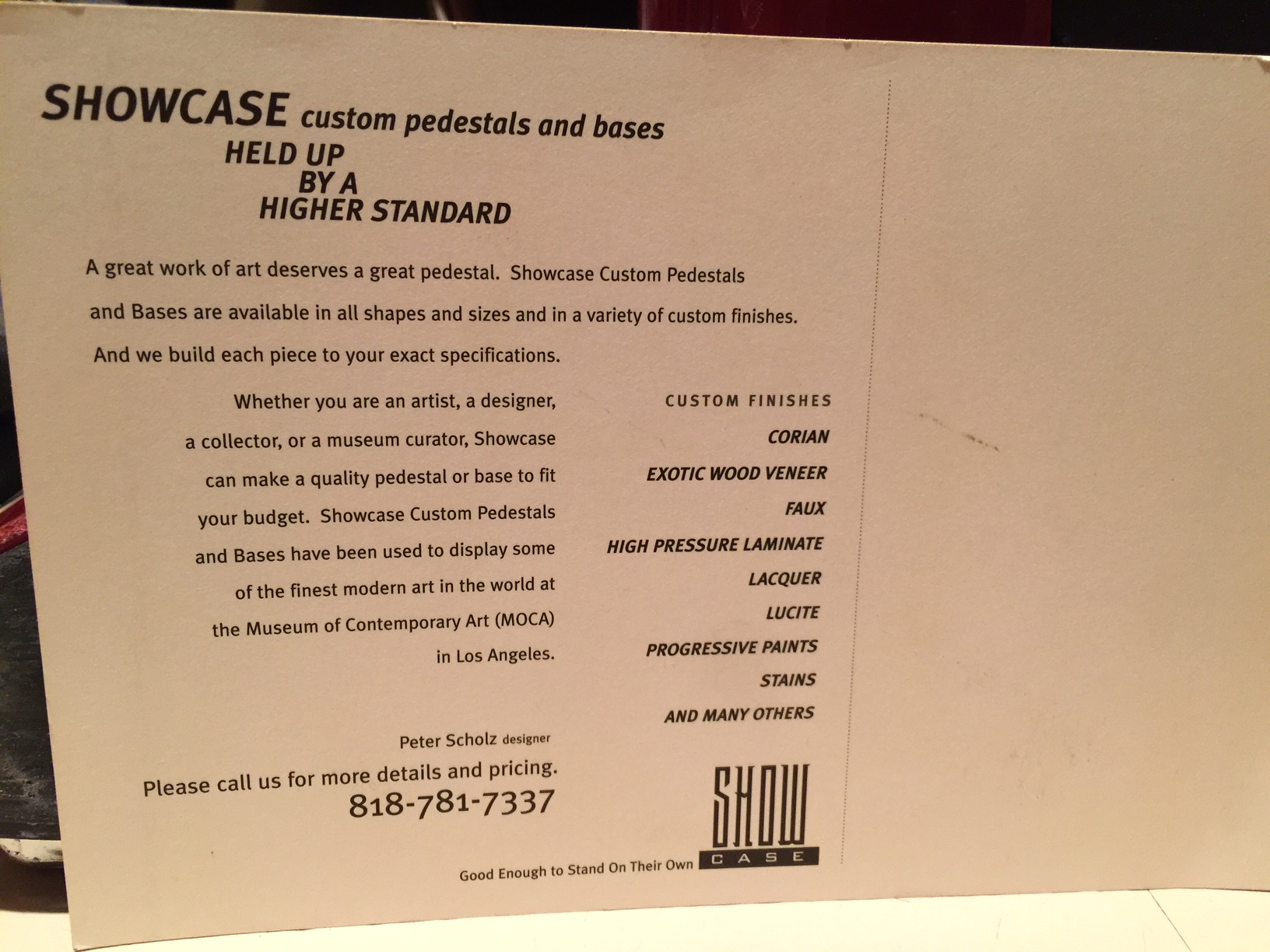
Still only in his early 20s, he started Showcase Cabinets, a name reflecting that his creations, his products, were showcases (custom pedestals and bases) to display art, objects, sculptures.

In 1984, at age 20, he married ( eventually divorcing after 20 years), had two kids, Niko and Jessica, and he has two granddaughters as well.

Annie, his girlfriend of eight years, also works in the shop. They live with their son Erik, 14, in a 1950s modern house near Valley College which they gutted and remodeled. It has white walls, a backyard pool, orange front door, and solar shades. The house is filled with a cacophony of eccentric and colorful artwork, sculpture, bright colored chairs and, most imaginatively, a graffiti painted bathroom that seems inspired by the interior of a NYC subway car, circa 1985.

He seems to have started everything, work, marriage, fatherhood, at an early age. In 2009, he also bought the building where he now headquarters Showcase Cabinets, Inc. He and Annie travel, often to her home country, Bulgaria, where they use her family house as a base point to explore Europe, including Greece, Italy and Germany and everything two hours or less from that point.

Annie and Peter

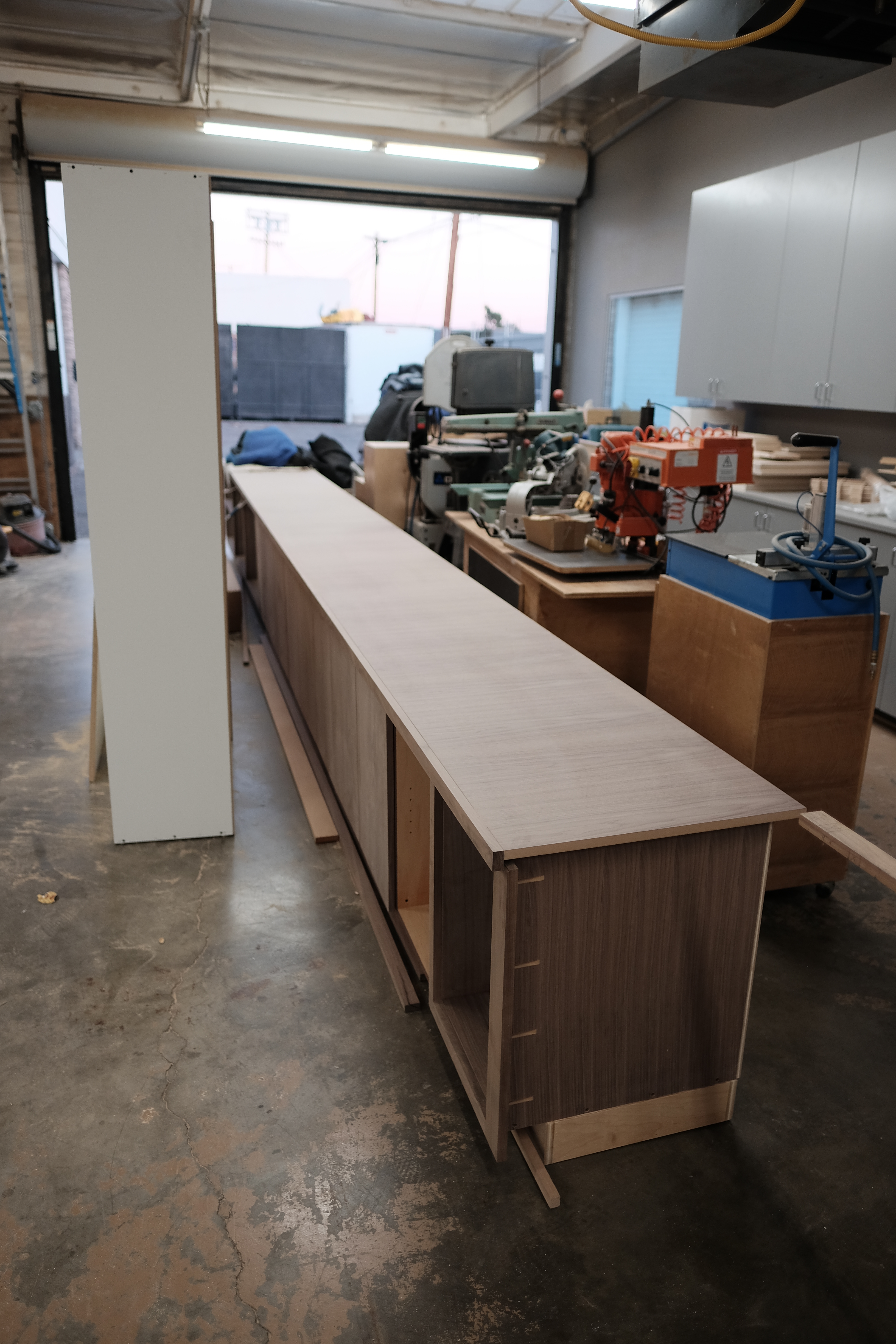
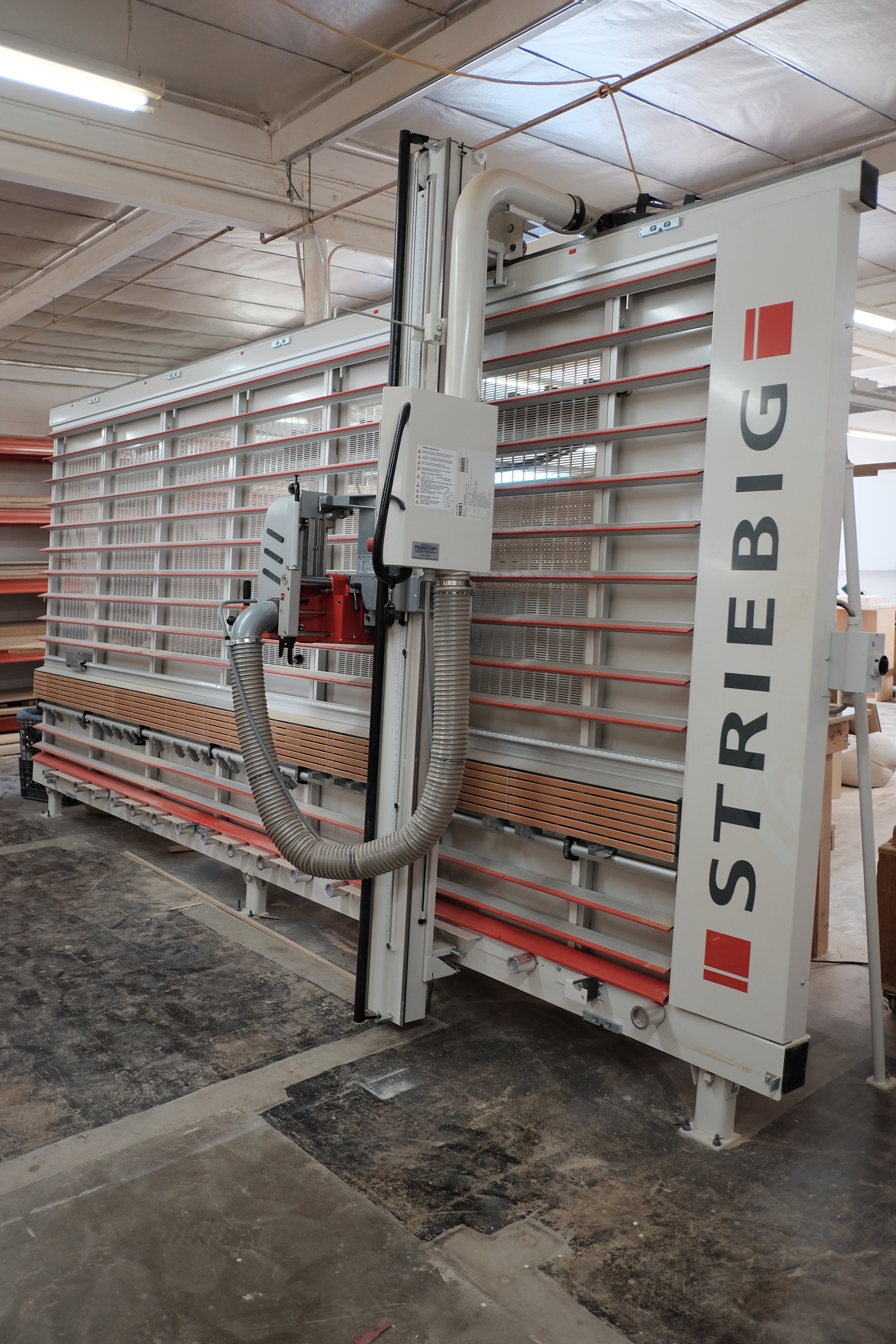
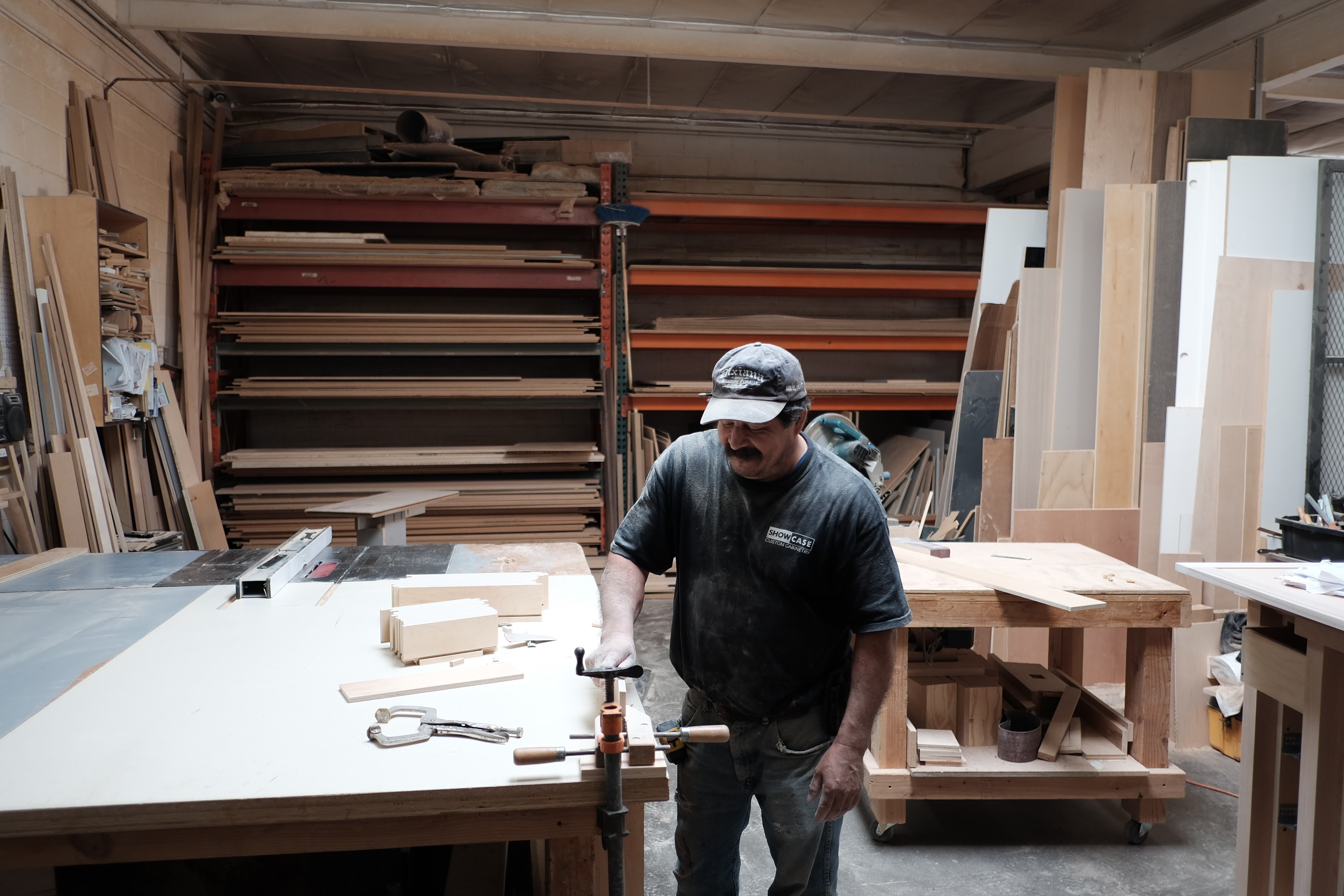
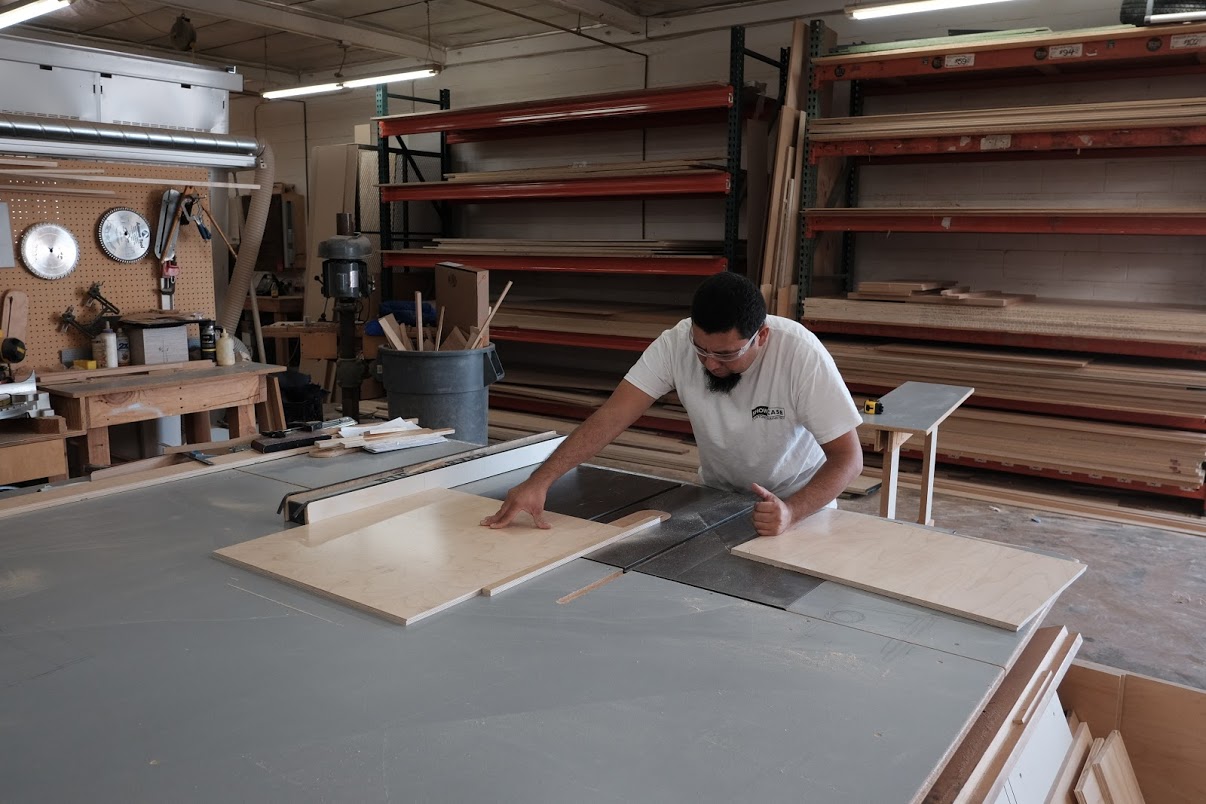
He employees some 10 people in his bright, 4,200 SF, well-run shop. Last year, they invested in a $30,000 Striebig Compact Vertical Panel Saw, made in Switzerland, which is accurate to 1/100 of a millimeter or 0.0003937008 of an inch.

His business, which is very healthy, is all word-of-mouth. In an era of social media, of pretending to be successful by posting doctored images and endorsing products, Peter earns his money in the real world of tangible, material substances made out of trees. There is no need for Photoshop when you rub your hands over a smoothly buffed, 30 foot long, walnut bookcase.

His location, 20 minutes from Beverly Hills, and within easy distance of the 405 and the 101, is ideal for clients, designers and architects who often want to drop by the shop to choose finishes, to see the craftsmen at work, to witness what they are paying top dollar for. And Peter welcomes them. He has everything to show and nothing to hide.

His raw materials come predominately from Valencia Lumber in Lake Balboa and Phillips Plywood in Pacoima. He also sends work to GL Veneer, Inc. in Huntington Park. Showcase gets the orders and this is passed up and down the economic food chain.

He deals with stress through kickboxing, the gym, and yoga.

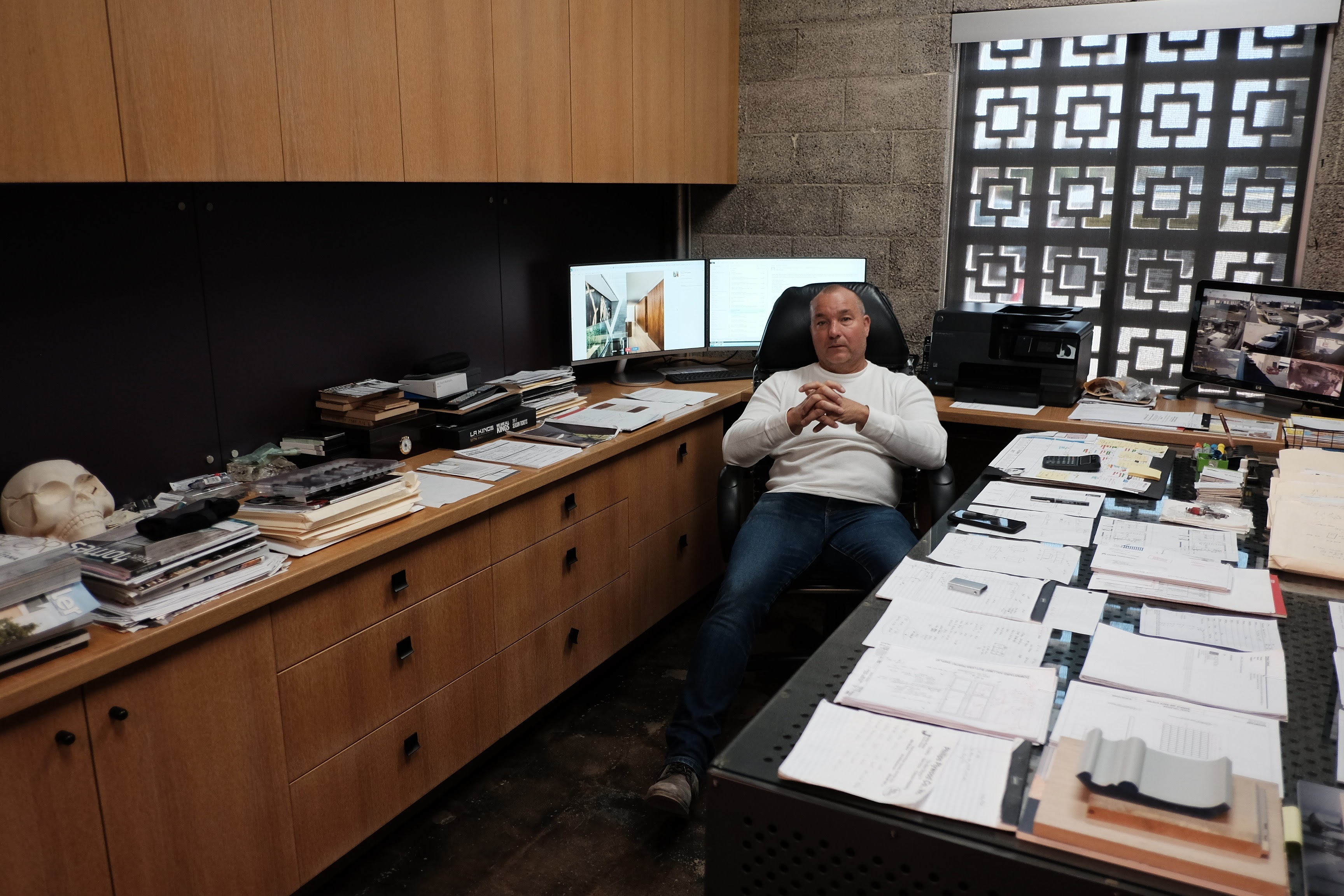
He has some very nice bottles of Japanese whiskies lining an office shelf, in a room built of concrete block, anodized steel walls, and a one-way detective style mirror to keep an eye on the shop floor.

The wall facing his long desk is decorated with large format photographs of drug busts, tattooed gangsters, guns and illicit substances which his son-in-law, a cop, shot from an Iphone.

There is an air of bad boy badness in Peter Scholz but it seems to be more artistic expression than real life activity. But one would not care to incite him. He acts formidable…. and it doesn’t look like an act. If he were an actor, he could play a felon or a cop convincingly. He exudes menace and kindness equally.

Because he is happy in his life and work he projects his good fortune onto Los Angeles. “There is no better place to live,” he said, without irony.


Option A: Metro Plans to Demolish 33 Acres of Industry for One Big Rail Yard.


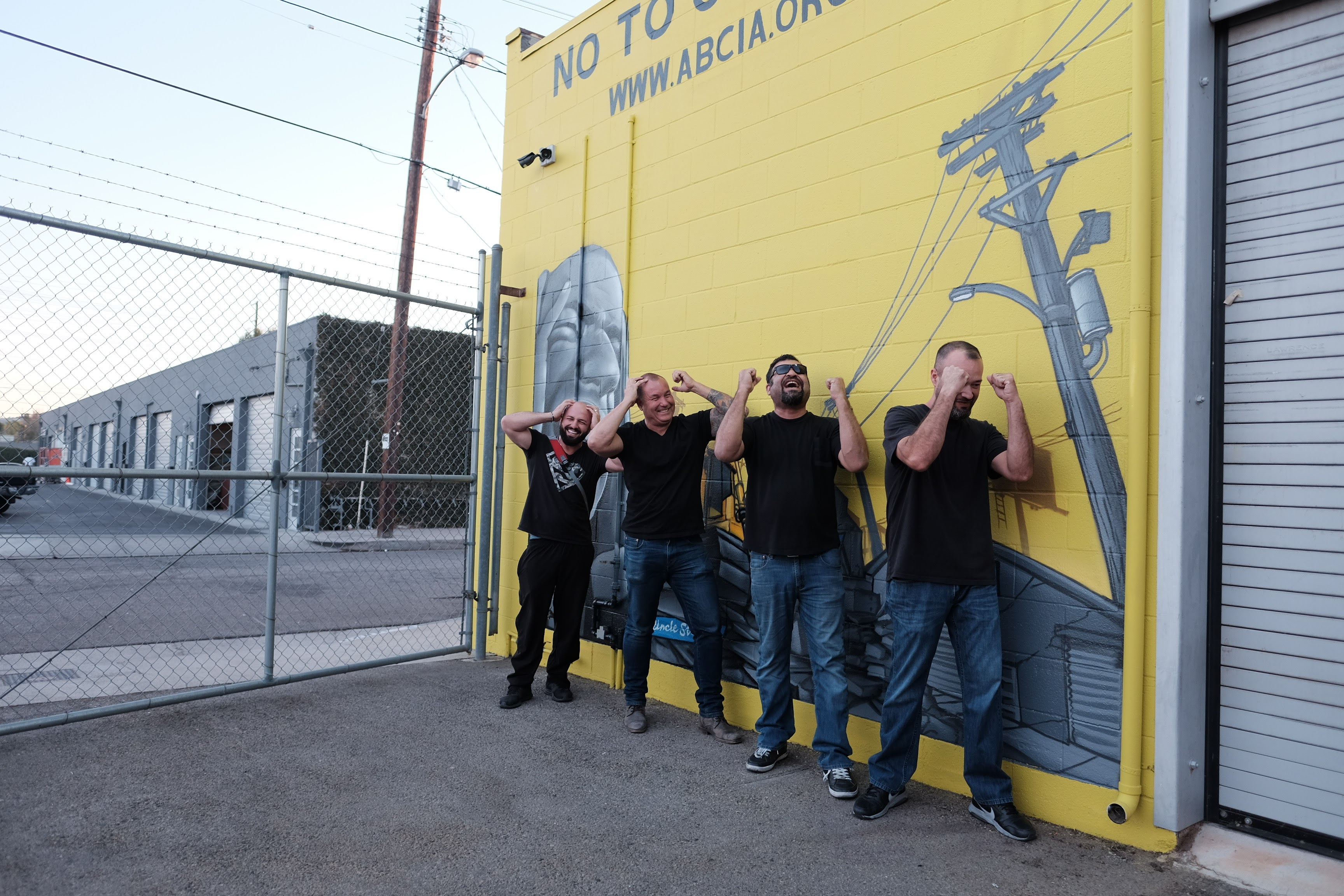
Ed Kirakosian, Peter Scholz, Ivan Gomez, Daniel Gomez.

Hanging over all this is the “Option A” scheme by Metro Los Angeles which might condemn Peter’s shop and 185 other small businesses, covering 33 acres, in an area north of Oxnard to Calvert, from Kester east to Cedros. This is ostensibly for a future light rail maintenance yard.

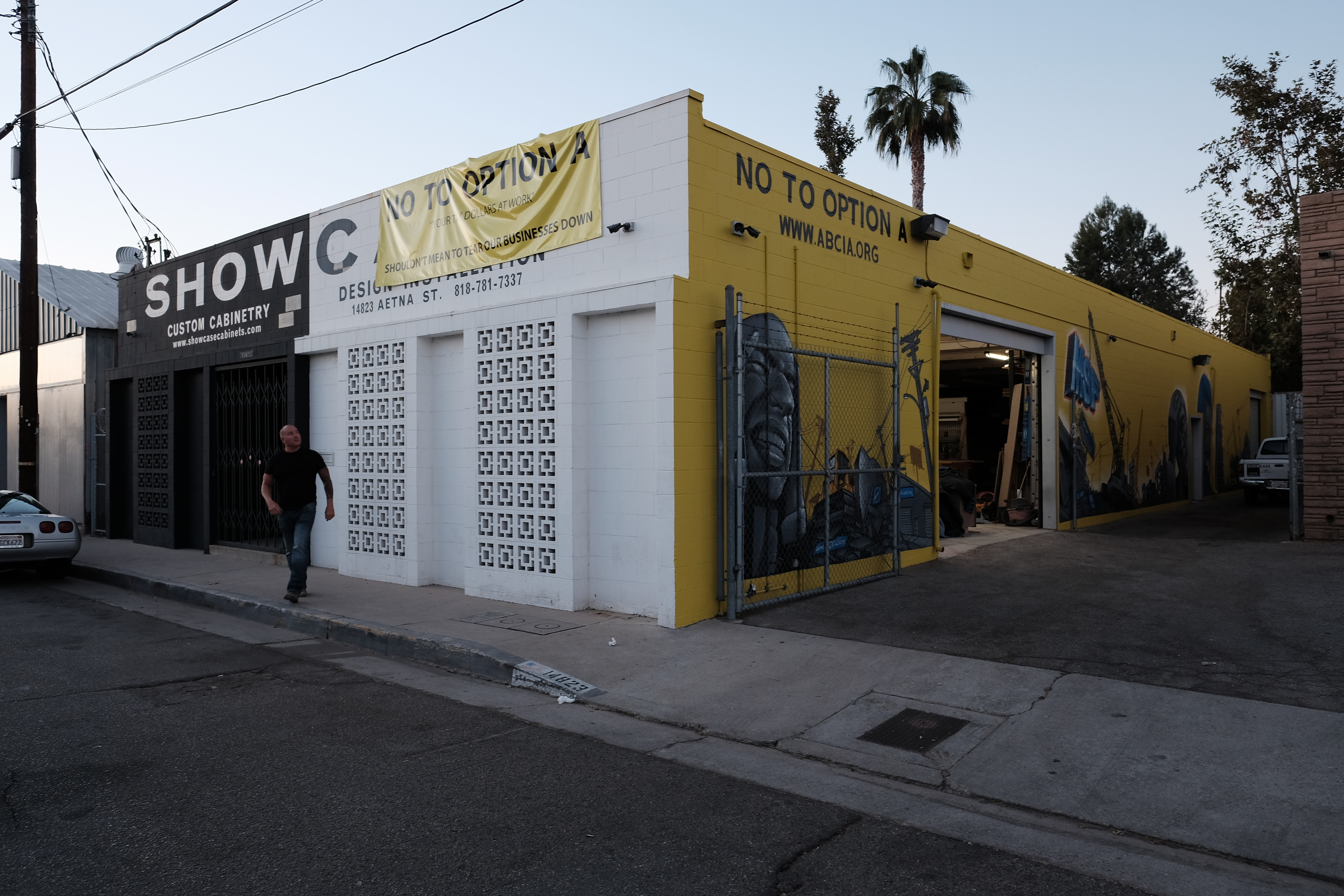
Opposition to the scheme immediately sprung up and Peter produced big yellow banners against Option A now hung all over the area.

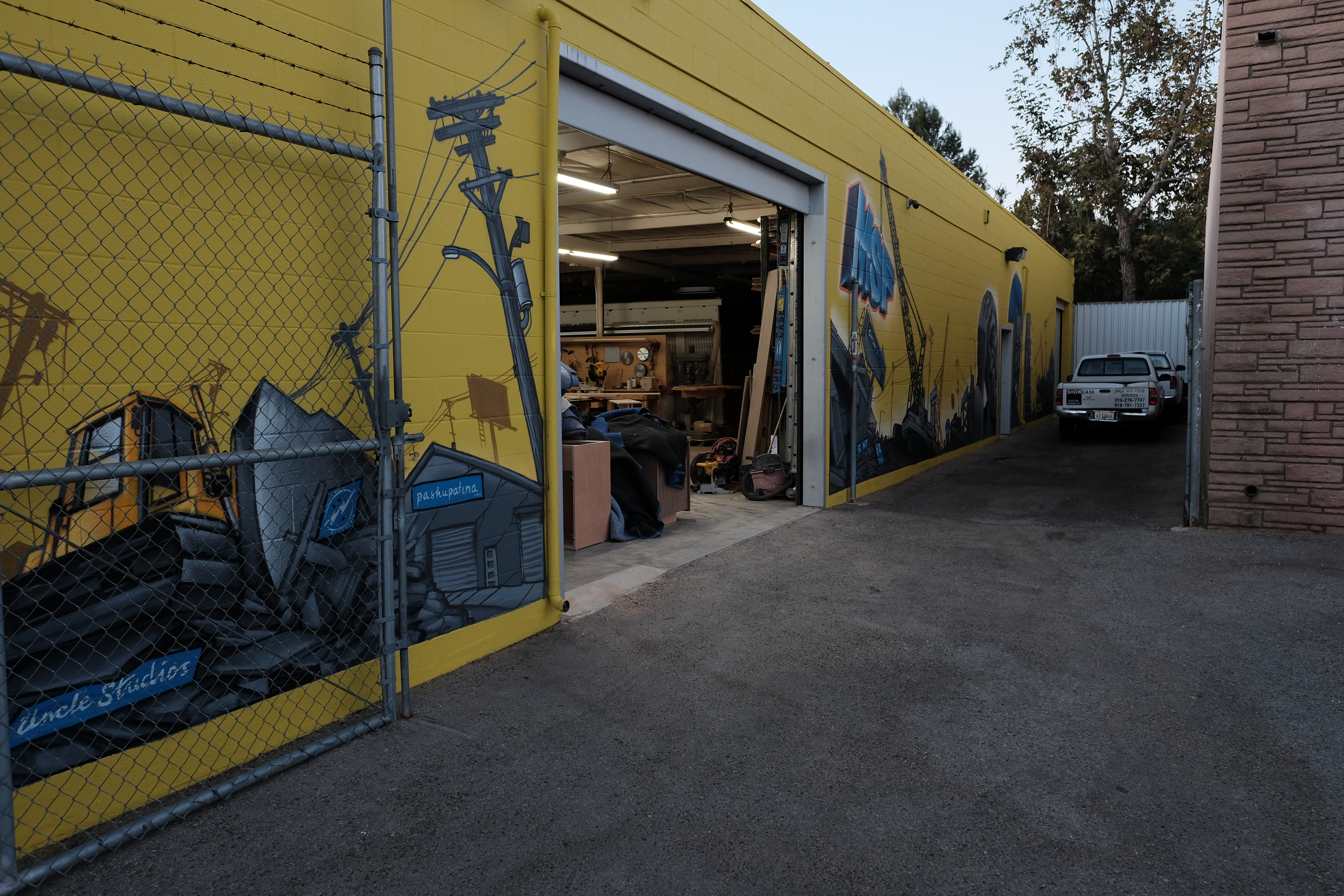
Boldly, by instinct, in his customary manner, Peter marshaled his creative connections to hire artist Guy Ellis (#dcypher_dtrcbs) who painted a long mural on the exterior wall of Showcase. It is in the style of 1930s social realist protest. It is powerful and jarring, screaming, in deathly ashen gray, and living bright yellow, a cry against the potential destruction of the area.

If Option A is withdrawn, and the area is permitted to continue existing, Peter has plans to keep the mural up on his building, and even more plans to revitalize the district with the help of his neighbors, friends, investors, architects and innovative developers.

Showcase Cabinets, Inc. and the life and work of Peter Scholz, is yet another reason to drop the idea that wiping out a section of Van Nuys, and scattering her most creative and productive class, is progress at its finest.

#   #   #   #


SaveSave