
Of all the areas of the San Fernando Valley, perhaps North Hollywood has undergone the most drastic changes, for better and worse.
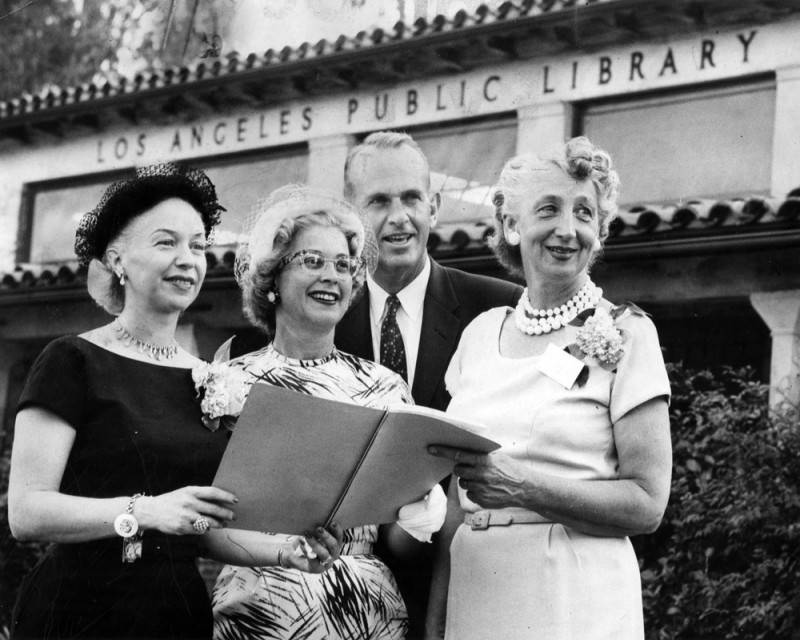
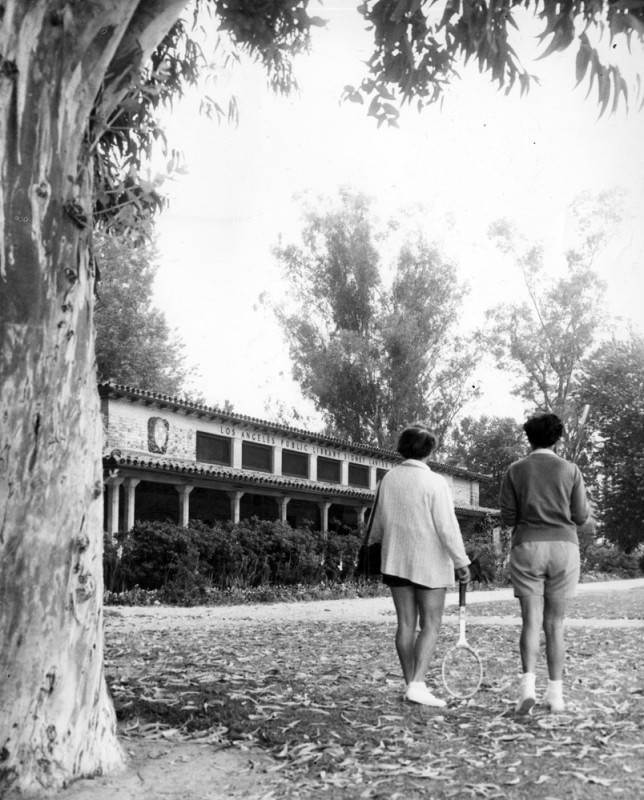
The Los Angeles Public Library has thousands of images online of North Hollywood.
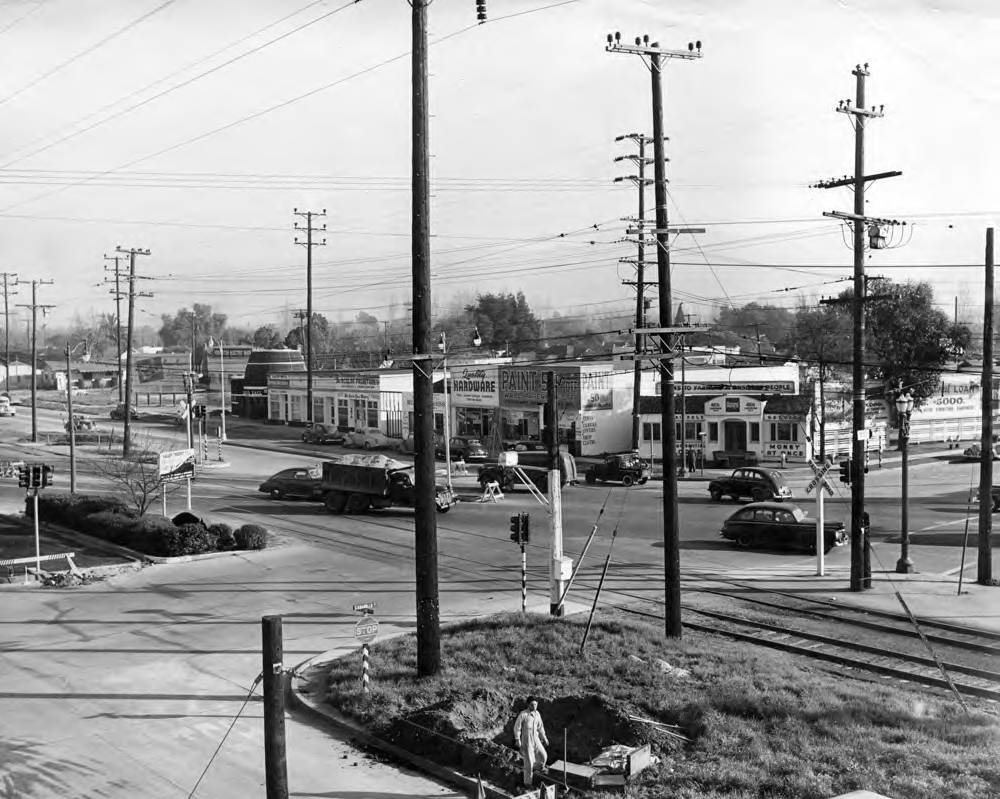
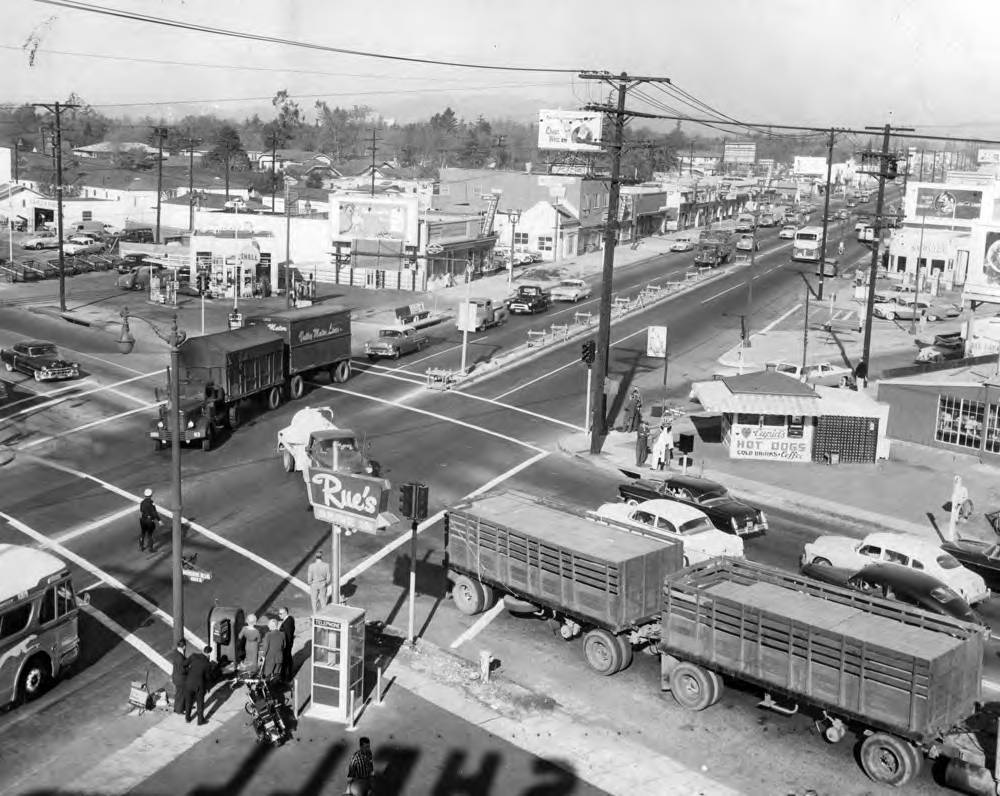
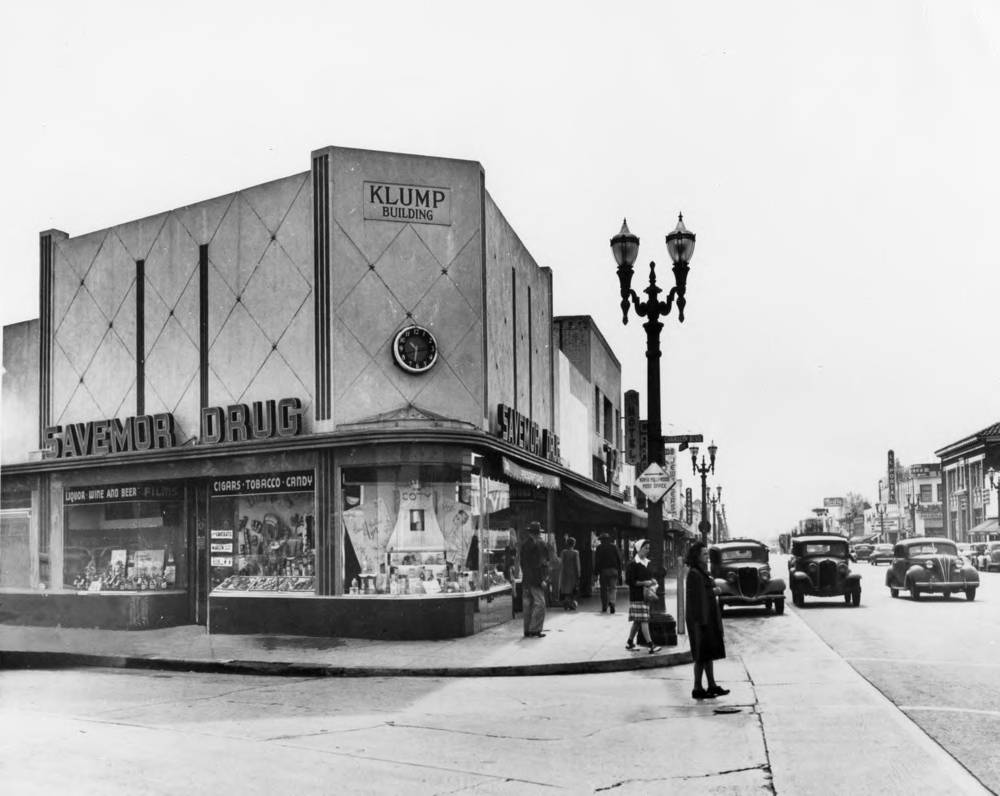
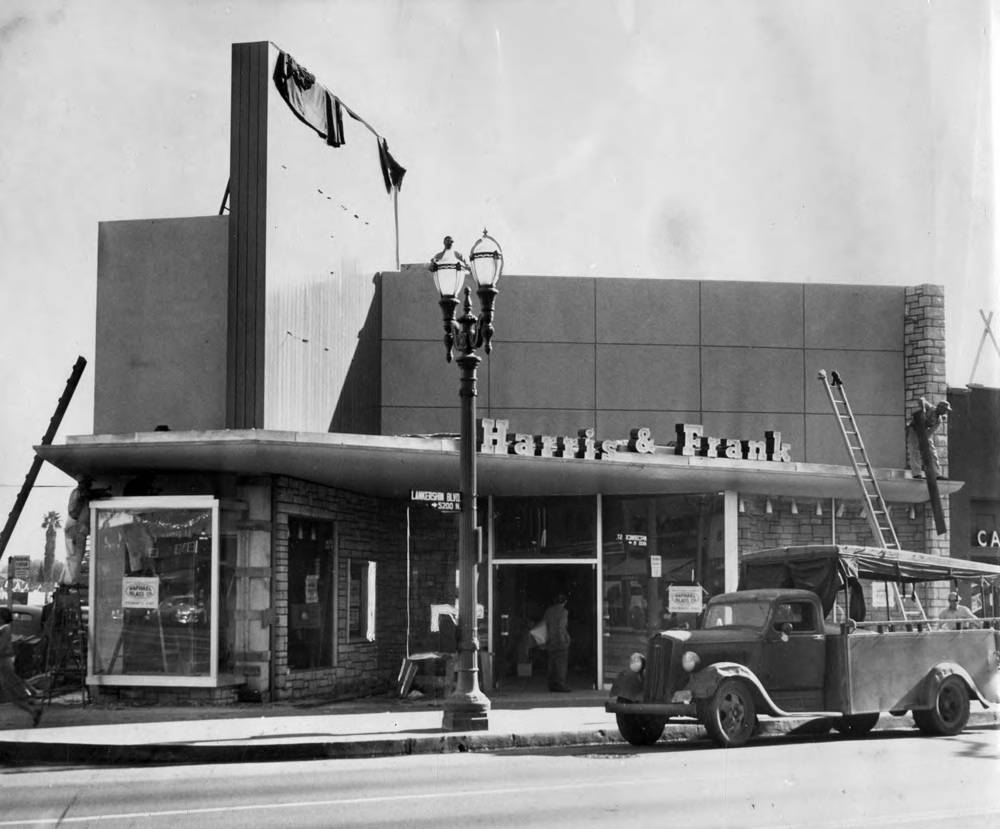
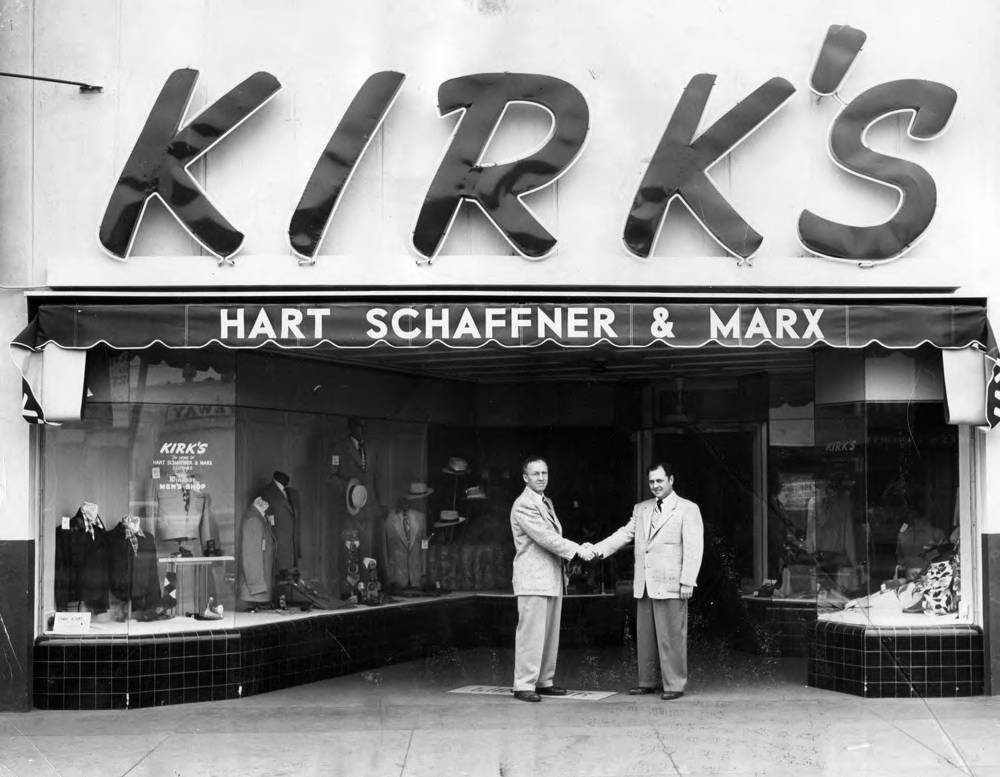
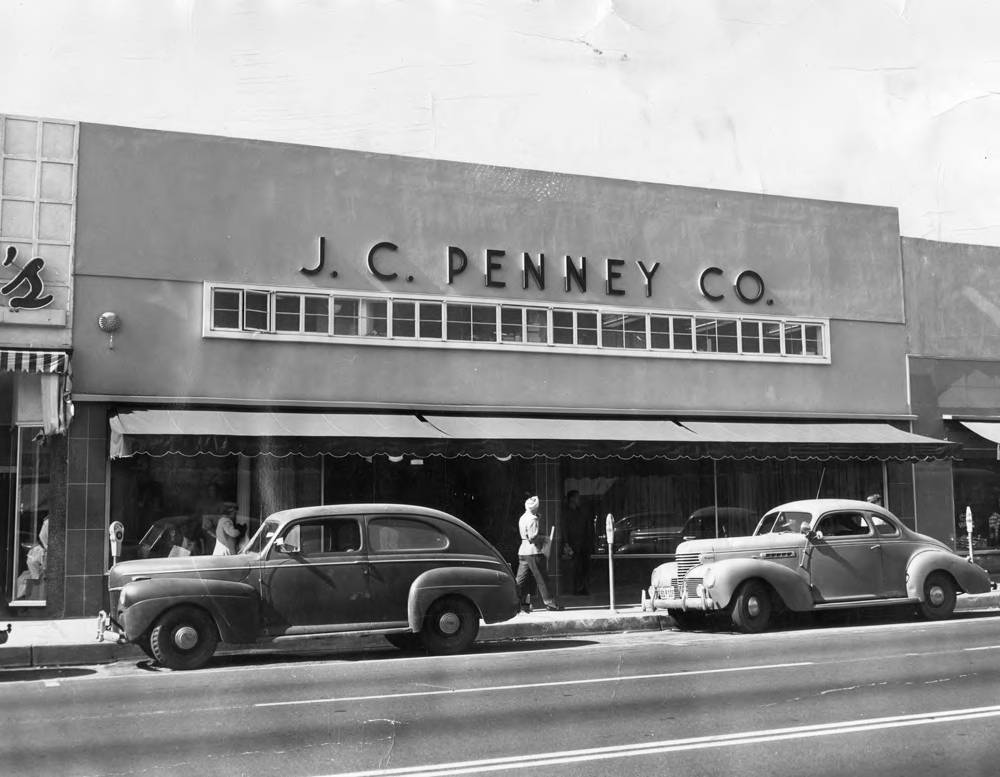
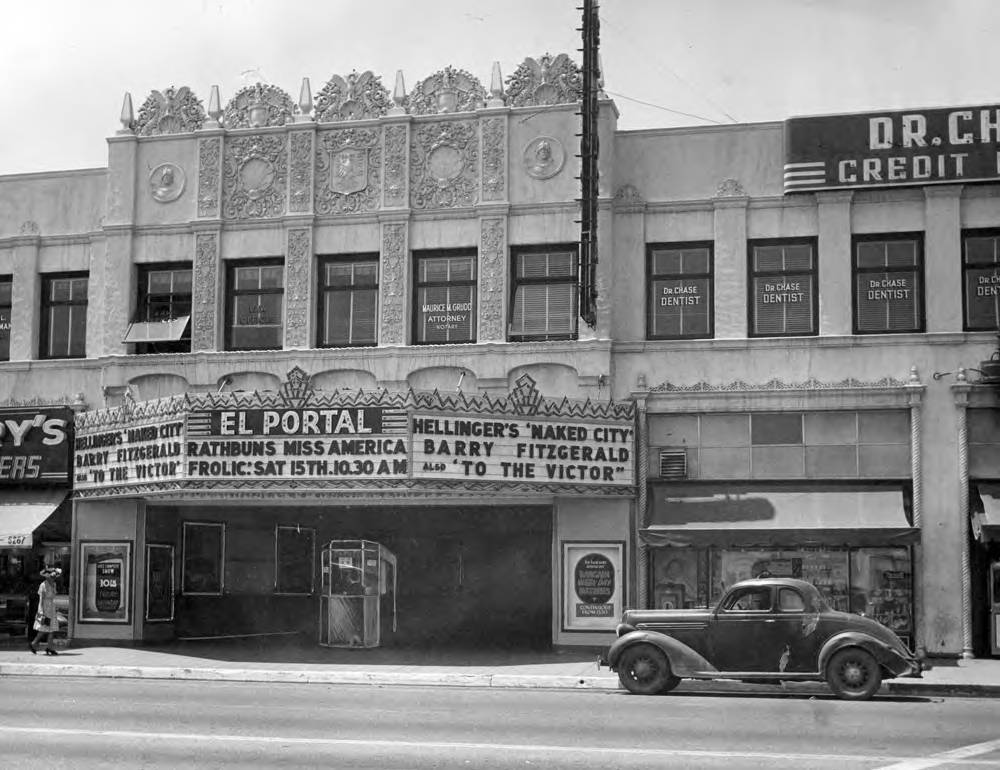
I pulled a few from the period 1948-1962.
California was undergoing convulsive expansion as the state population skyrocketed, and millions moved here for a better life. Freeways, schools, housing, shopping centers, all of it exploded in only one decade.
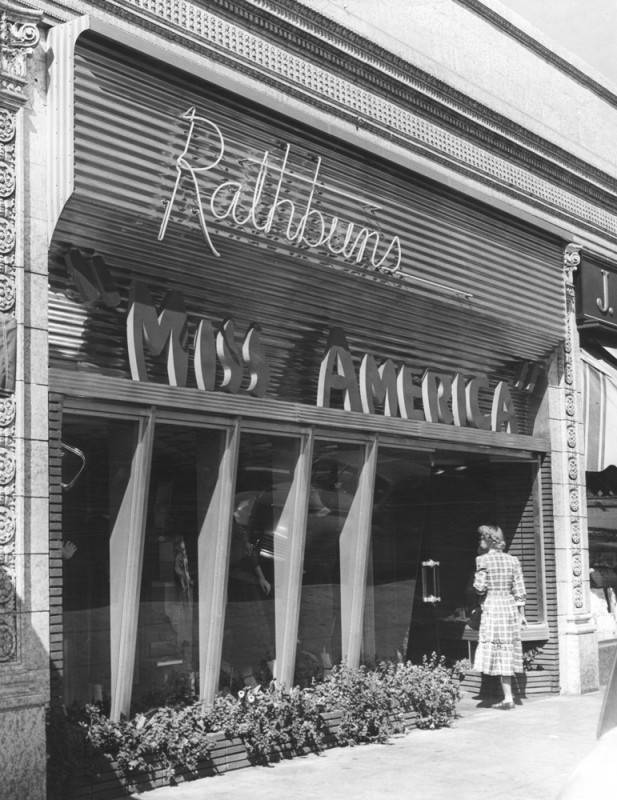
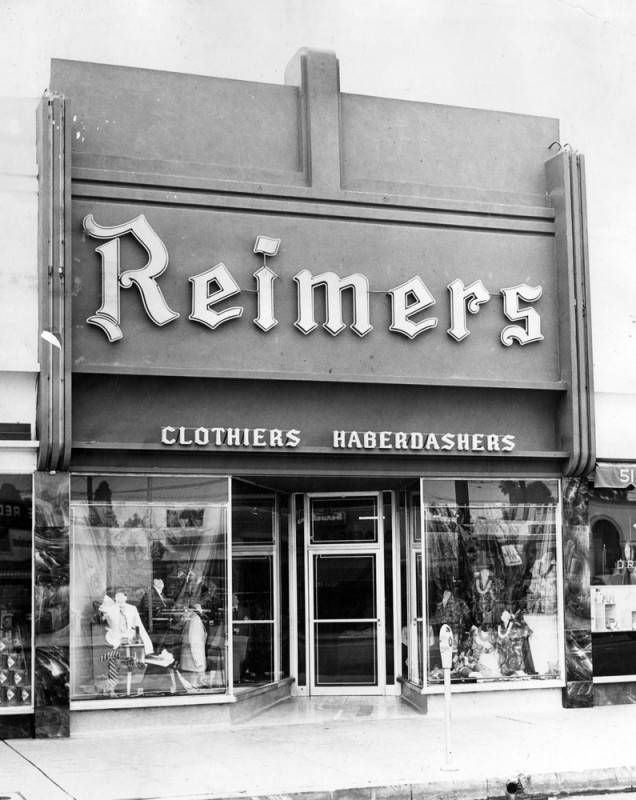
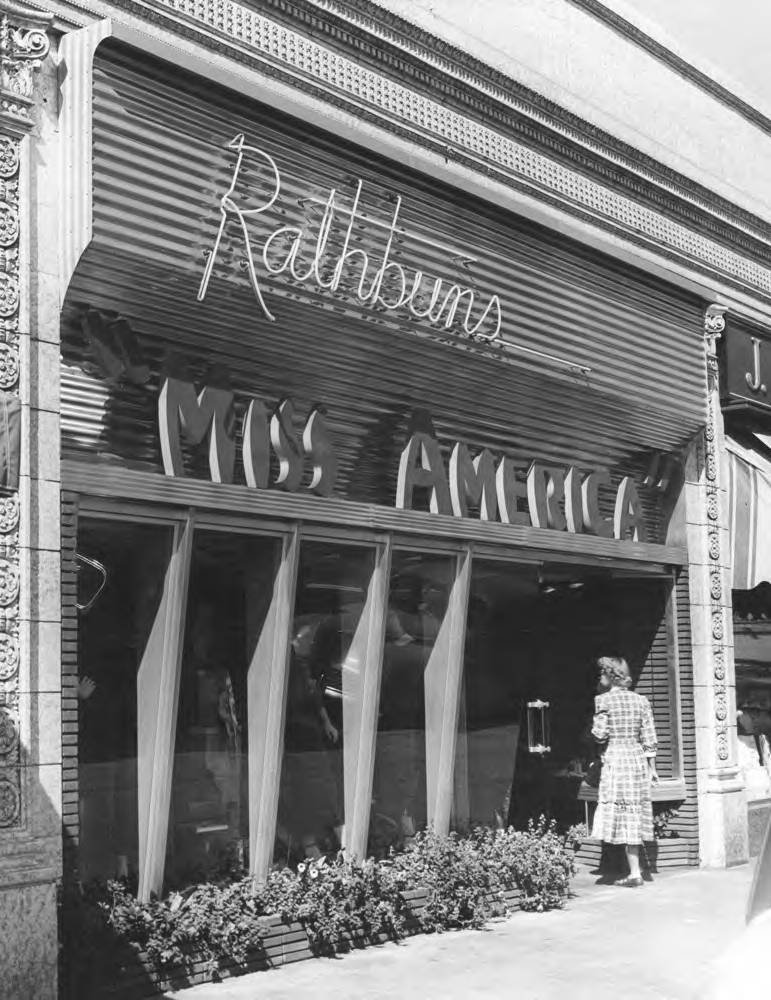
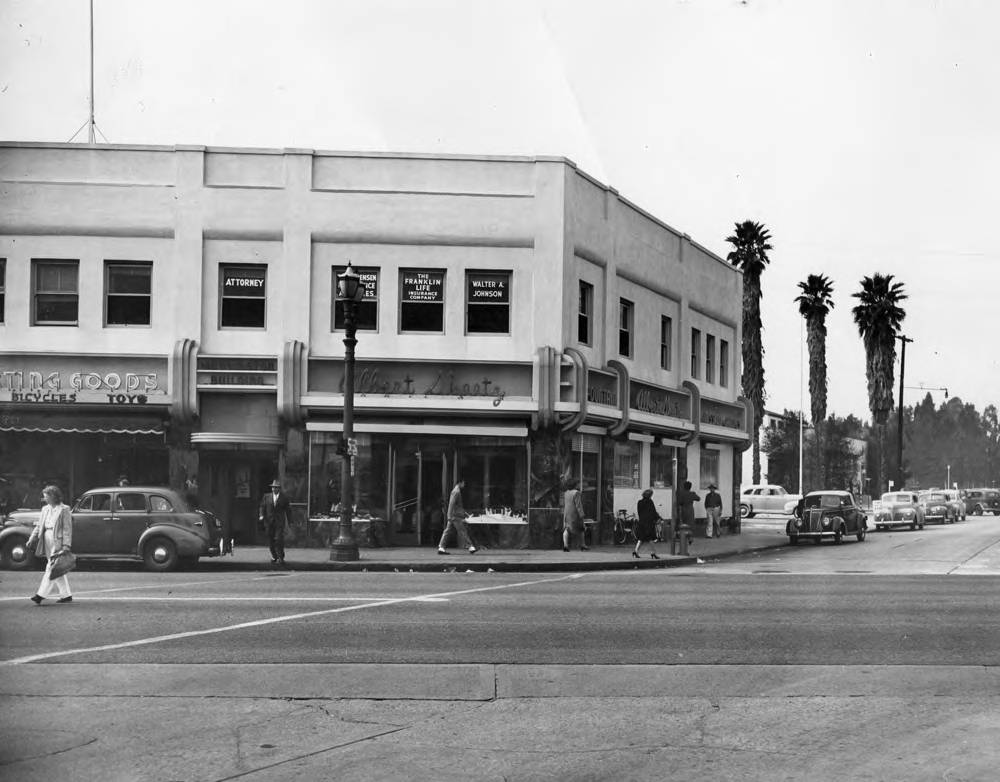
After WWII North Hollywood’s commercial area was centered along Lankershim Blvd. There were many locally owned shops, and they took pride in their windows and customer service.
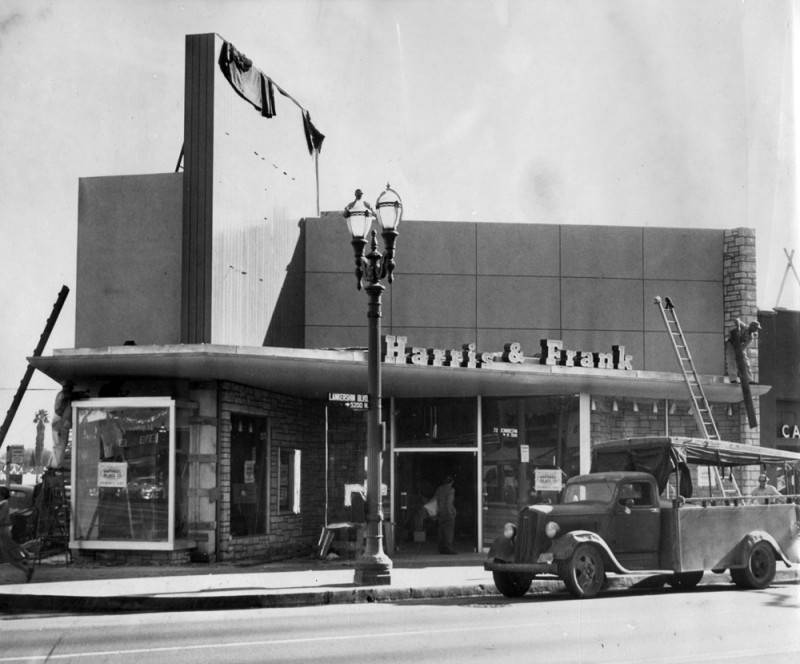
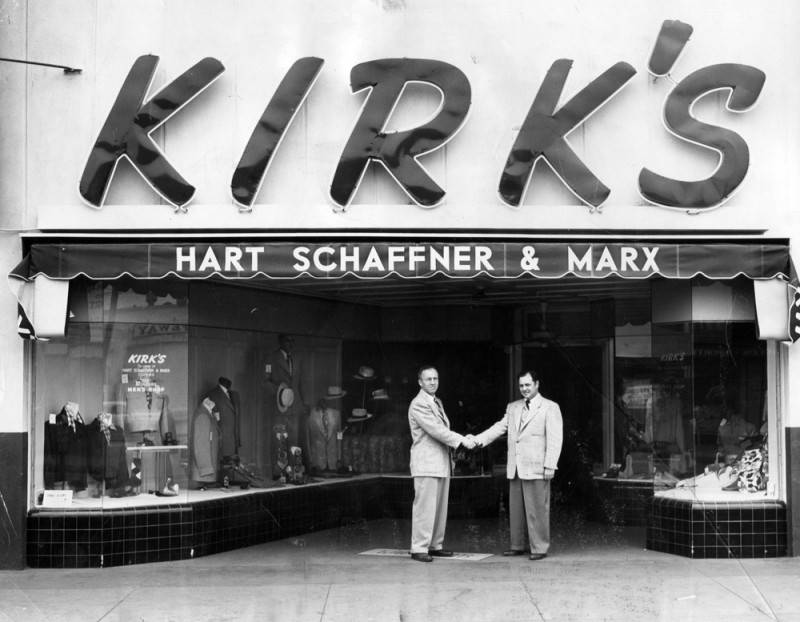

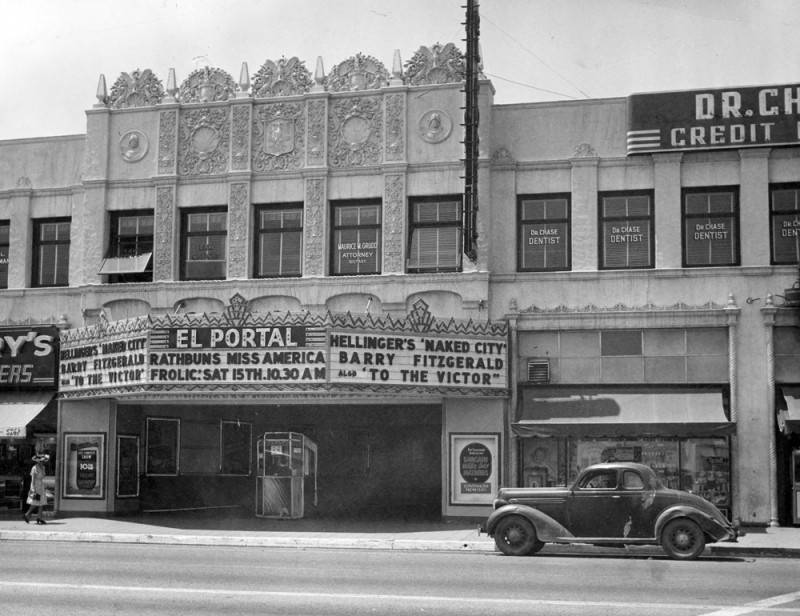
The 1950s was also a time when public presentation of improvements was staged and photographed.
The widening of a street, a freeway that blasted through a park, an orange grove obliterated with thousands of new houses, the demolition of old houses for shopping centers, these were all accompanied by ceremonies with well-dressed men in suits, and the ladies in their hats, veils, dresses, pearls, earrings, lipstick, high heels.
In that time, 75 years ago, nobody imagined that one day parks would become homeless encampments, that vagrants would live in libraries and sleep on sidewalks, that marijuana would be as common as soda.
There was still an innocence about this country, a belief that people in power had the best interests of everyone in mind.

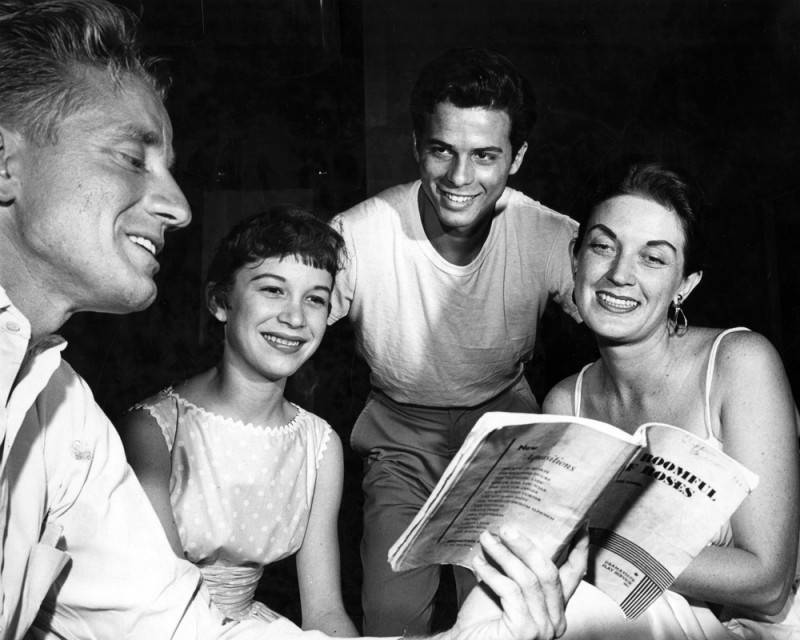



 Here in Van Nuys
You must be logged in to post a comment.