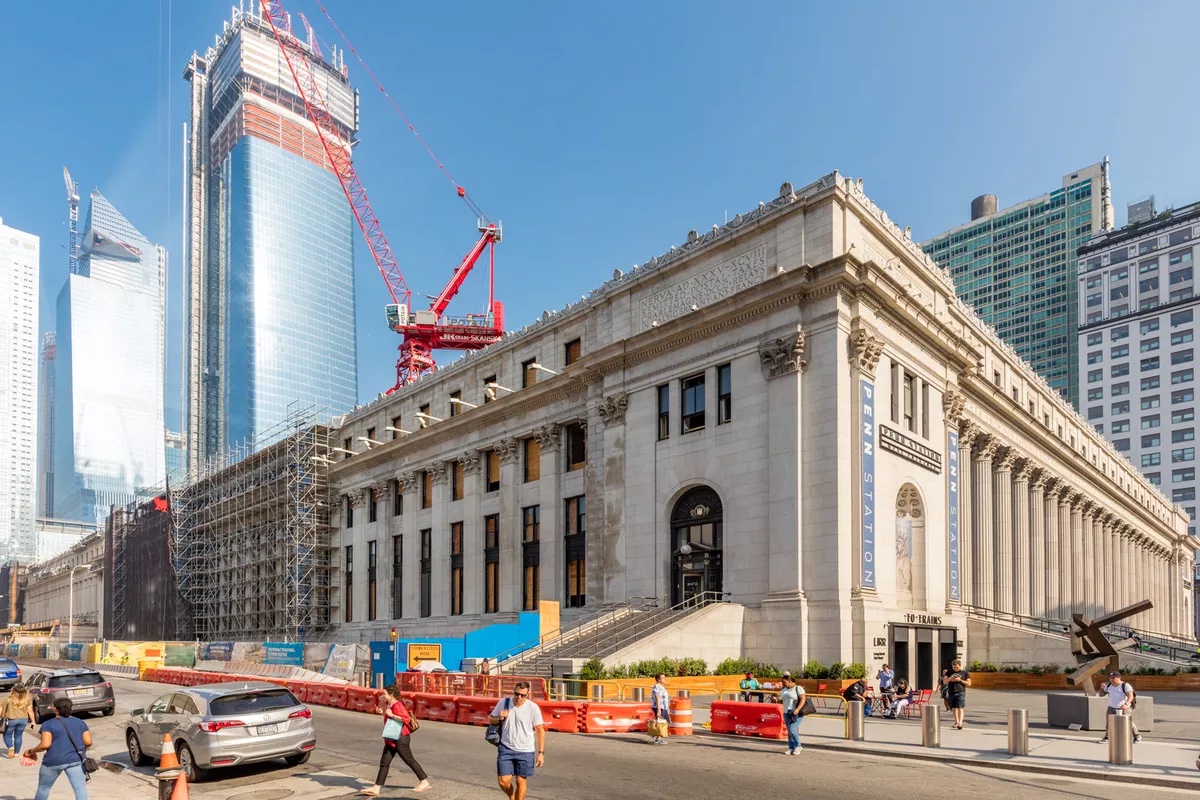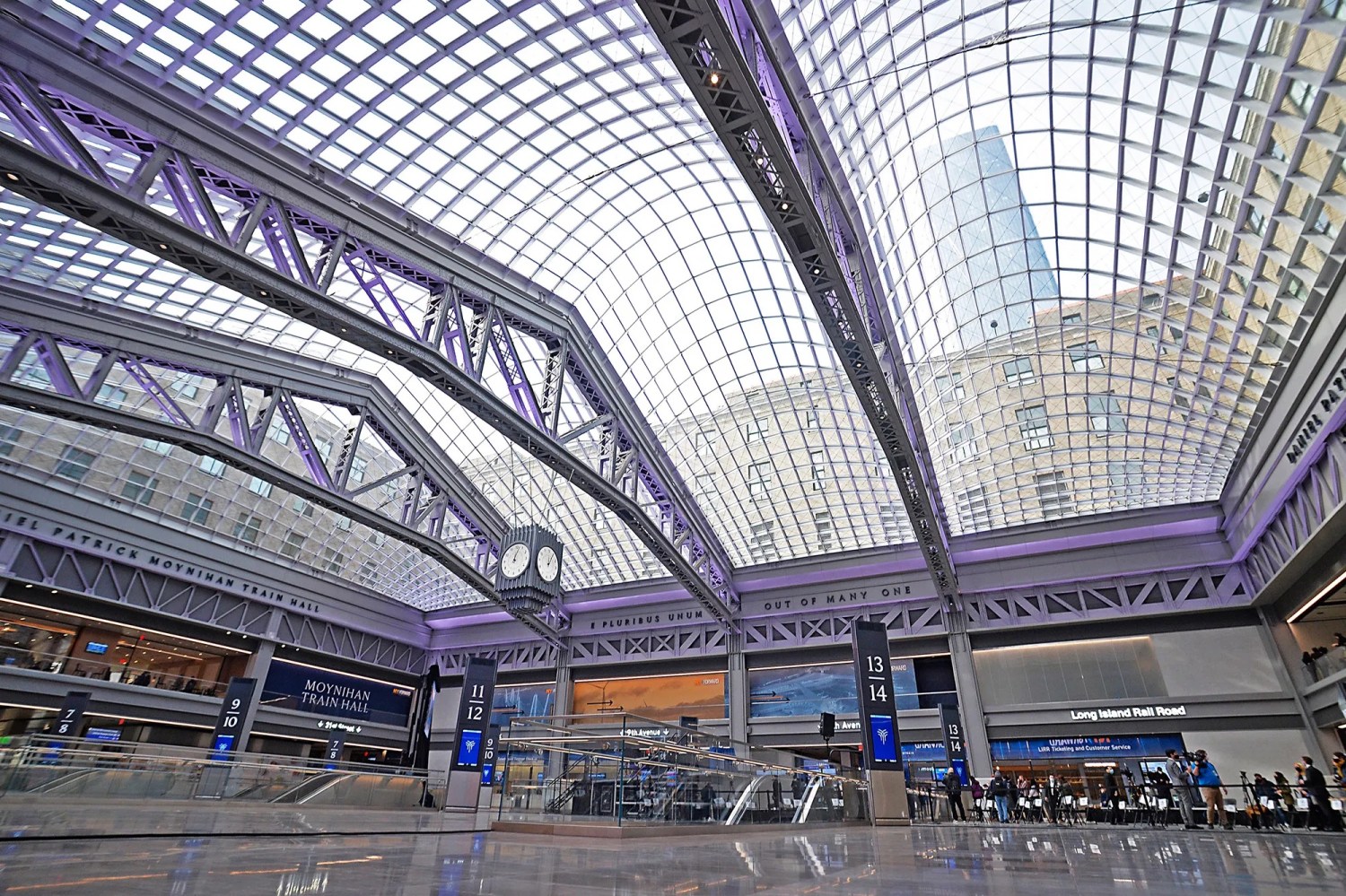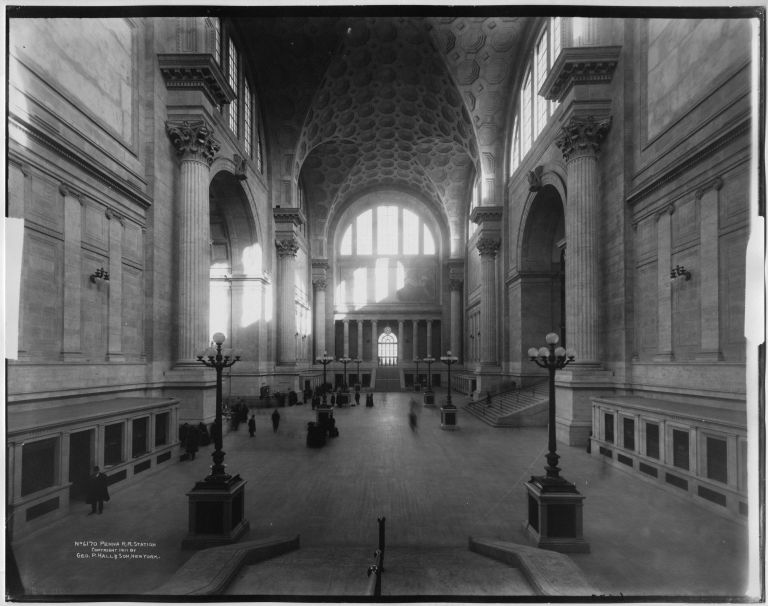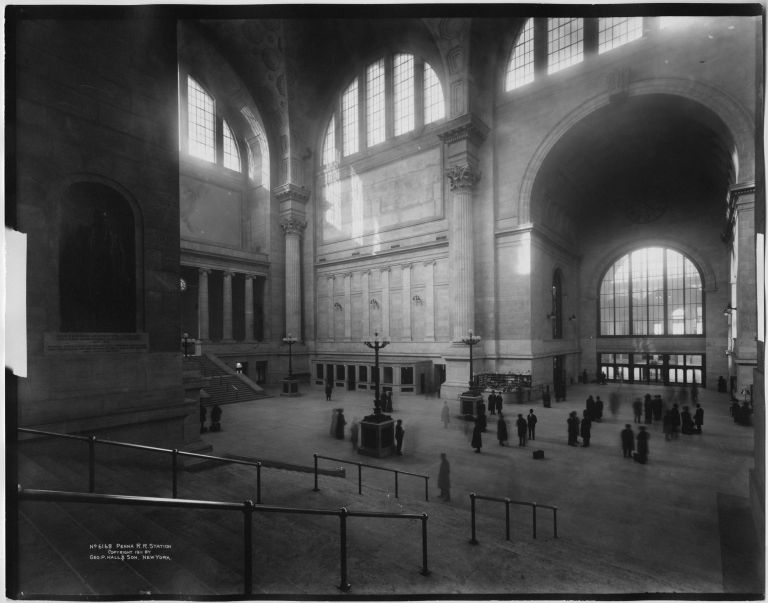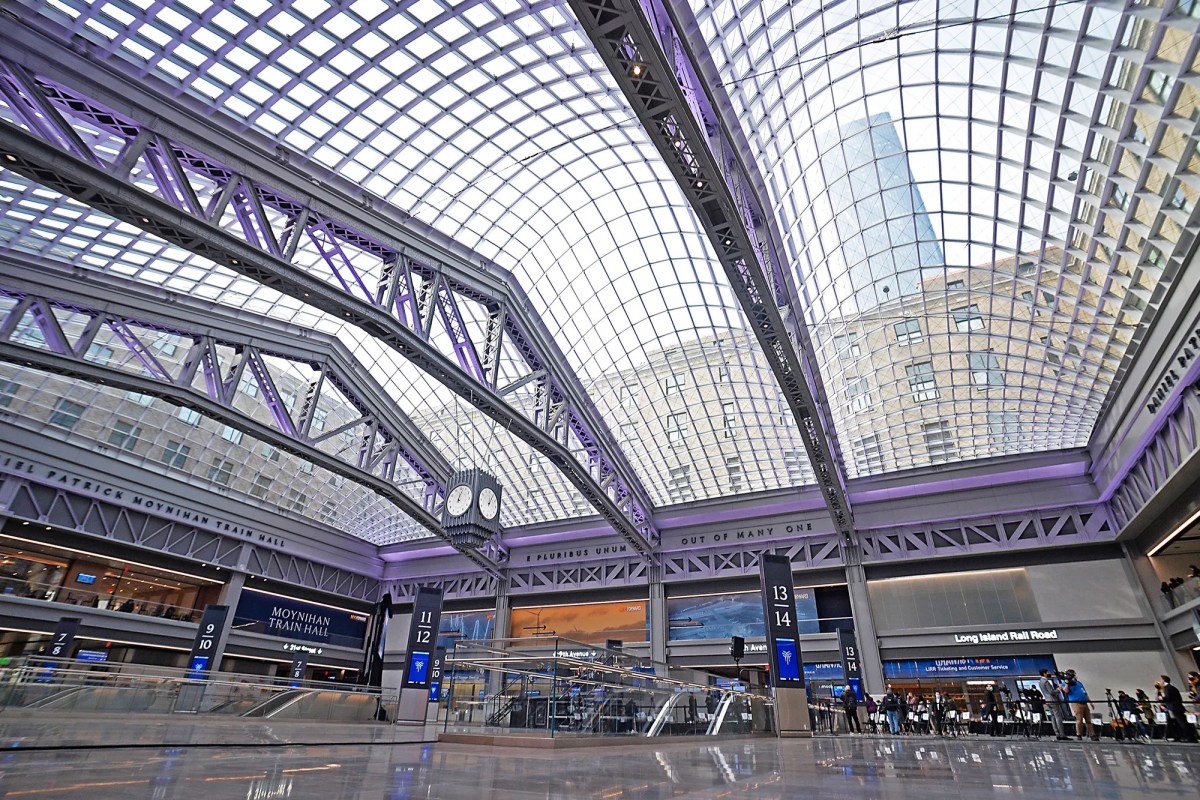
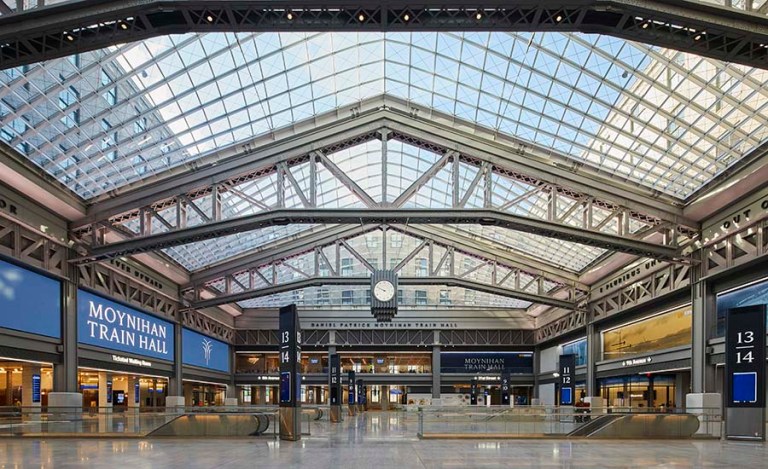
Penn Station and Moynihan Train Hall.


In the midst of a very bleak and confounding time of depression, pandemic and attempted coup, the Moynihan Train Hall has opened in New York, inside the James Farley Post Office on 8th Avenue, carving out a glass vaulted space for Amtrak, to atone for the destruction, one block east, of the entire old Pennsylvania Station which only lived from 1911-1966.

The ugly toilet of Madison Square Garden, and the underground rats maze of Penn Station are still there, sucking up and spitting out hundreds of thousands of commuters who still must scuttle in and out of Manhattan via the subway and the Long Island Rail Road.
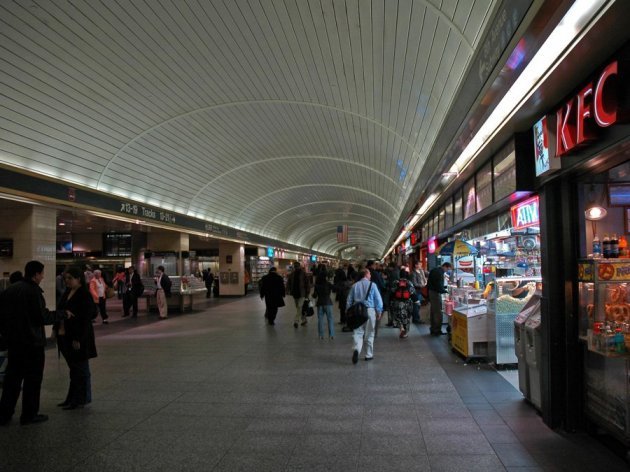
By fantastic coincidence, at the same time McKim, Mead and White were building Penn Station, they also designed and constructed the Central Postal Office Building of New York City. It was a logical time in America. If mail went by train, put the post office next to the train station. It made sense.

When the train station was torn down in the early 1960s, this post office, which did not impinge on private revenue, survived. Now it is the very columned home of the new Moynihan Train Hall, and at over a billion dollars, it has gathered praise for introducing late 19thCentury improvements into the horridly barbaric early 21st Century Amtrak system.
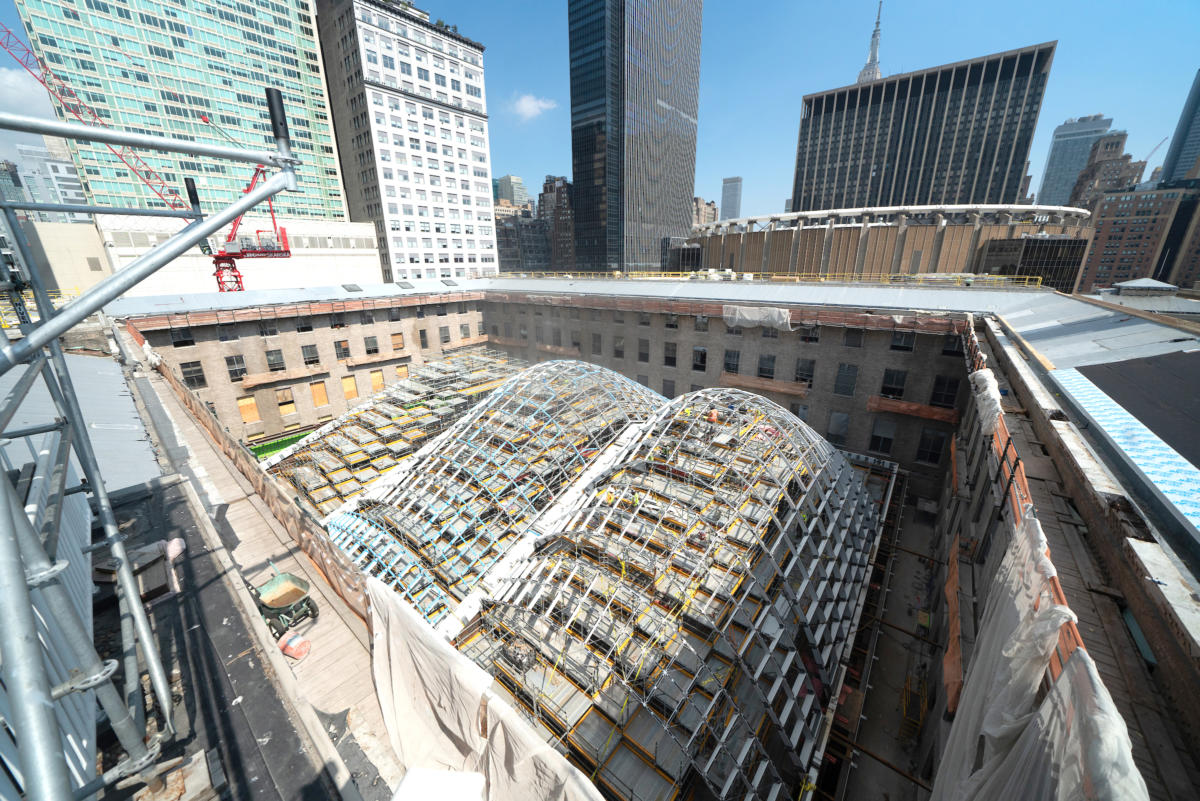
What is the architecture like? 

Well….. it is big, bright and full of art and signs, including an oversized, identifying name plate: “Moynihan Train Hall.” Buildings of lesser distinction often use signs to shout their individual grace which is otherwise hardly distinguishable. 

Its not very artful trusses, travertine and glass could be the train hall for any medium sized city in China or Japan. If it had no sign who would know where it was? It seems to have been designed in a boardroom, with a panel of consultants, designers, architects, and engineers who worked over the design until it finally had the assembly line craftsmanship of a Banana Republic men’s suit.

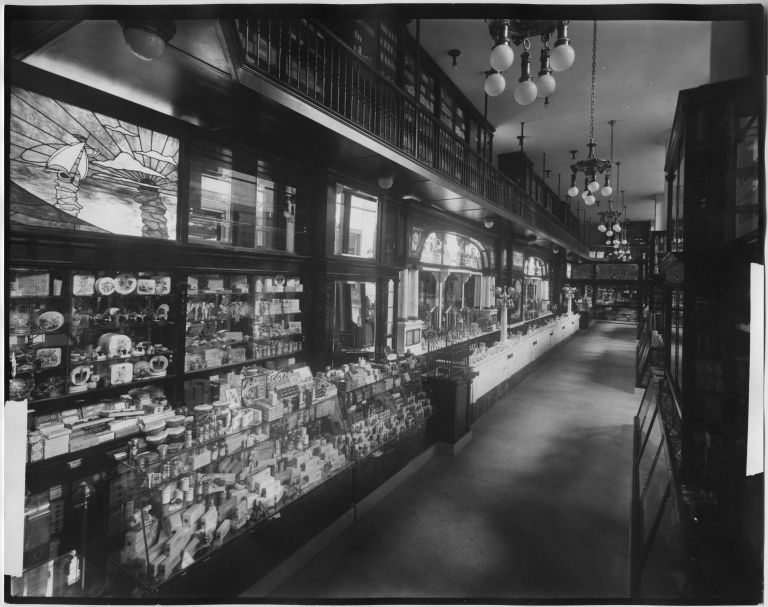
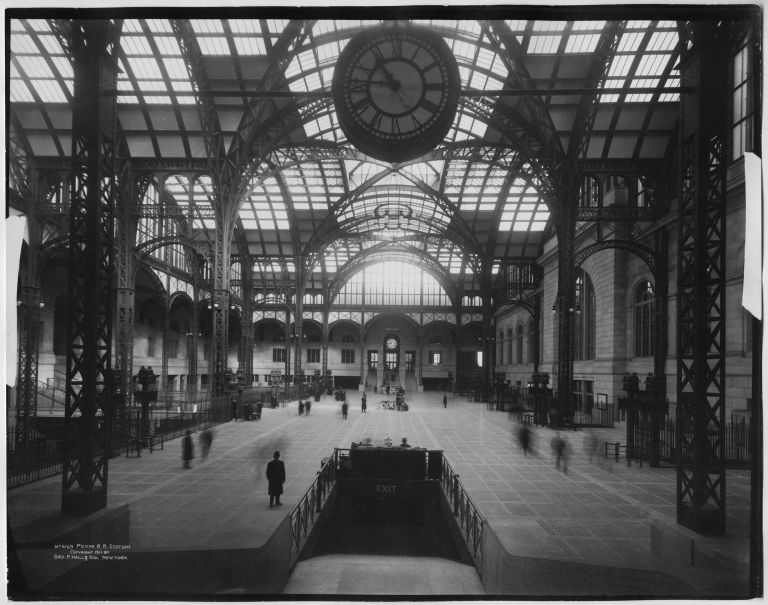
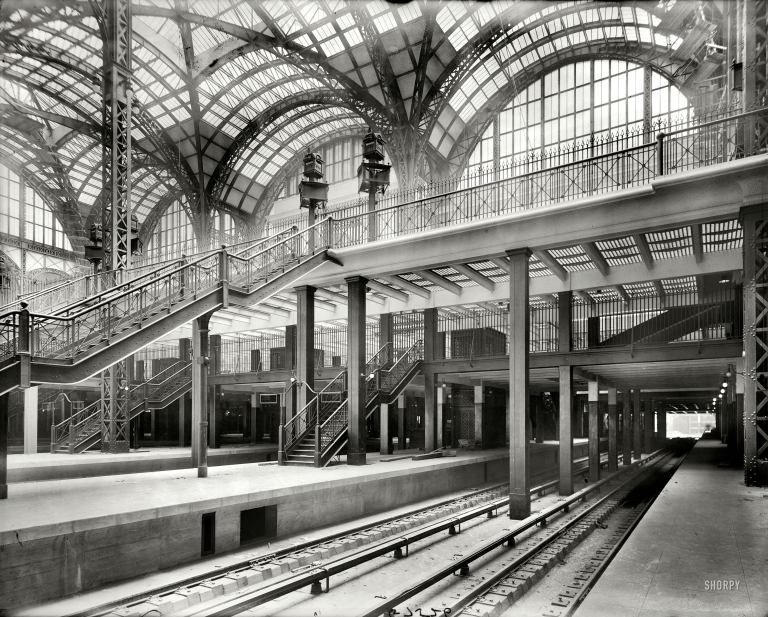
For solace and bewitchment, I found some glorious old photographs of the original Penn Station when it was alive, and the stone and the glass and the steel aligned in exquisite, thrilling harmony; here was the penultimate, the grace of classical architecture, the tested and proven proportions of ancient Rome resurrected in Manhattan. It looked as if it would last 1,000 years. But its time was up in 1963.
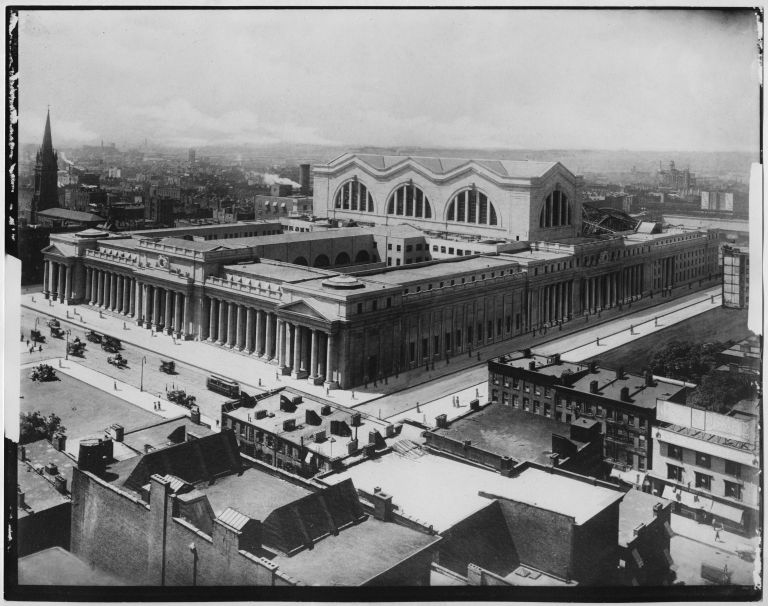
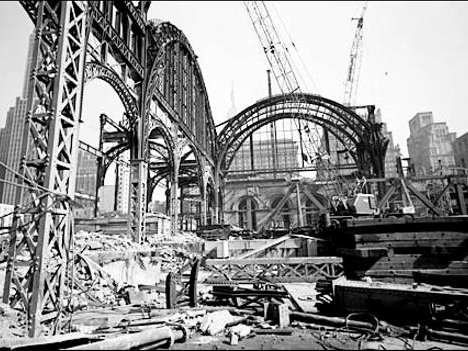
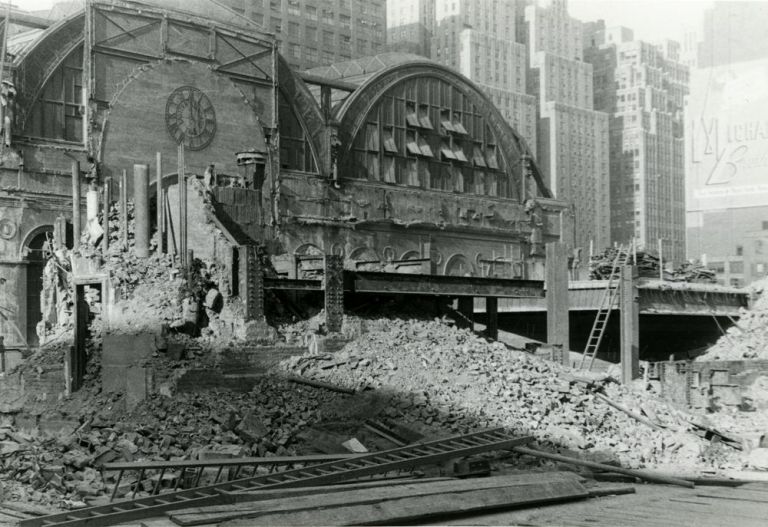
Then I pulled some old photographs of the destruction of the station, a cheap and shitty time in New York when every mouth carried a cigarette, you drank your lunch, and your girl answered your phone.
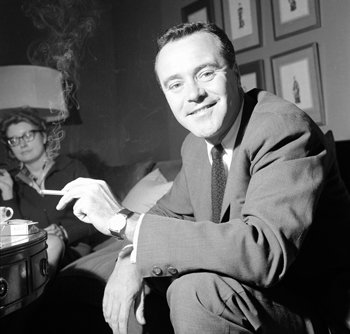
The capacity of Americans to believe the best of our nation when facts point opposite is one of our most salient characteristics. Lie, cheat, tear apart, riot, threaten, then pray and watch CNN and hope the sun rises tomorrow. The bulldozer trumps the sculptor, the highway rams through the park, the baby in the womb becomes the addict on the street. And we think it all inevitable. But it isn’t. It is our own doing. Collectively. Like the tear down of a great and noble edifice.

When you see the magnificence of the old station, you again see this nation at its best. But is the old Penn Station who were really were?

Or are we, at our heart, a self-destructive project which seeks to destroy those systems, values, traditions, projects and edifices which bring us joy, contentment, fulfillment and freedom?

Dormant Beauty


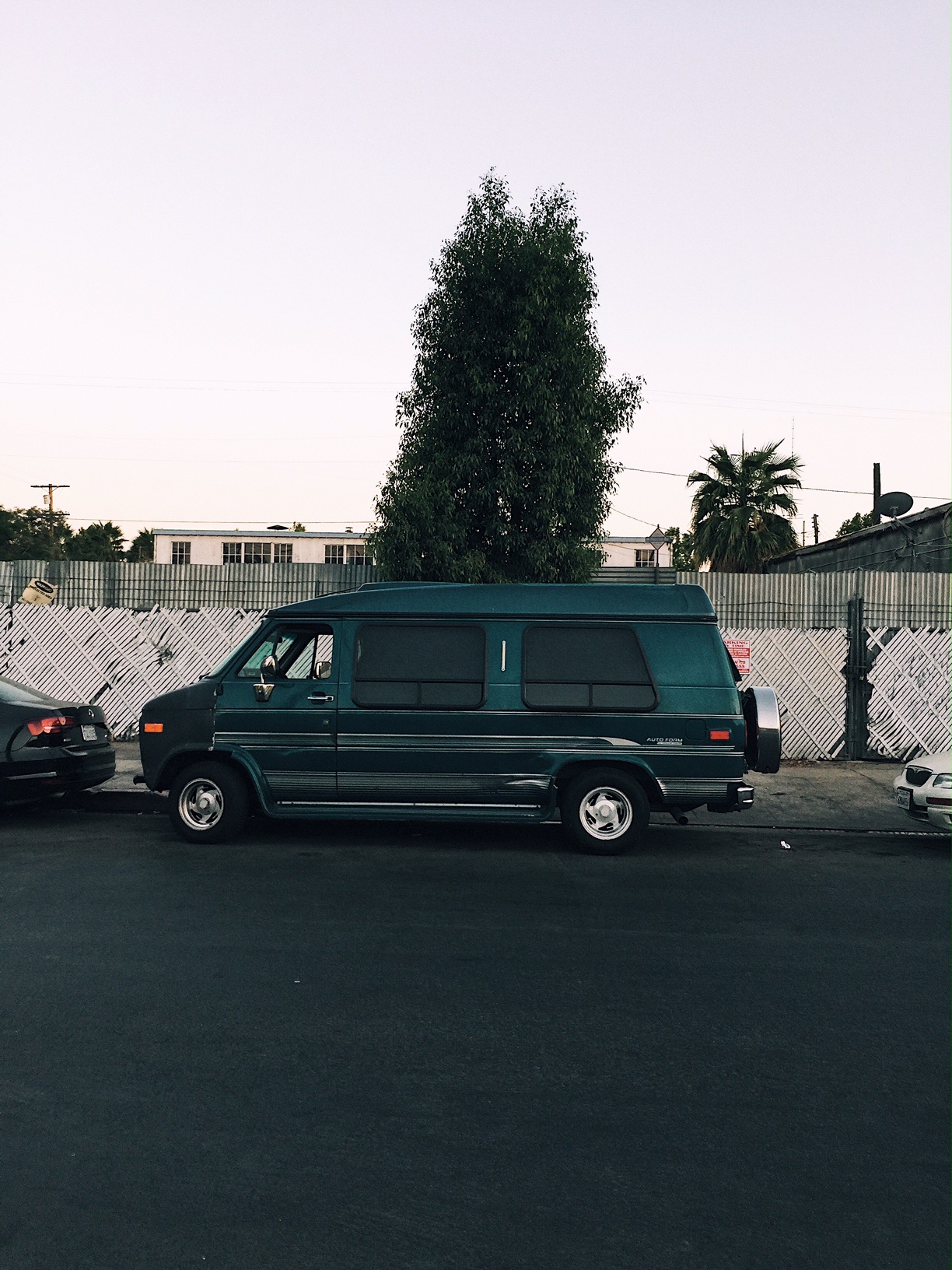
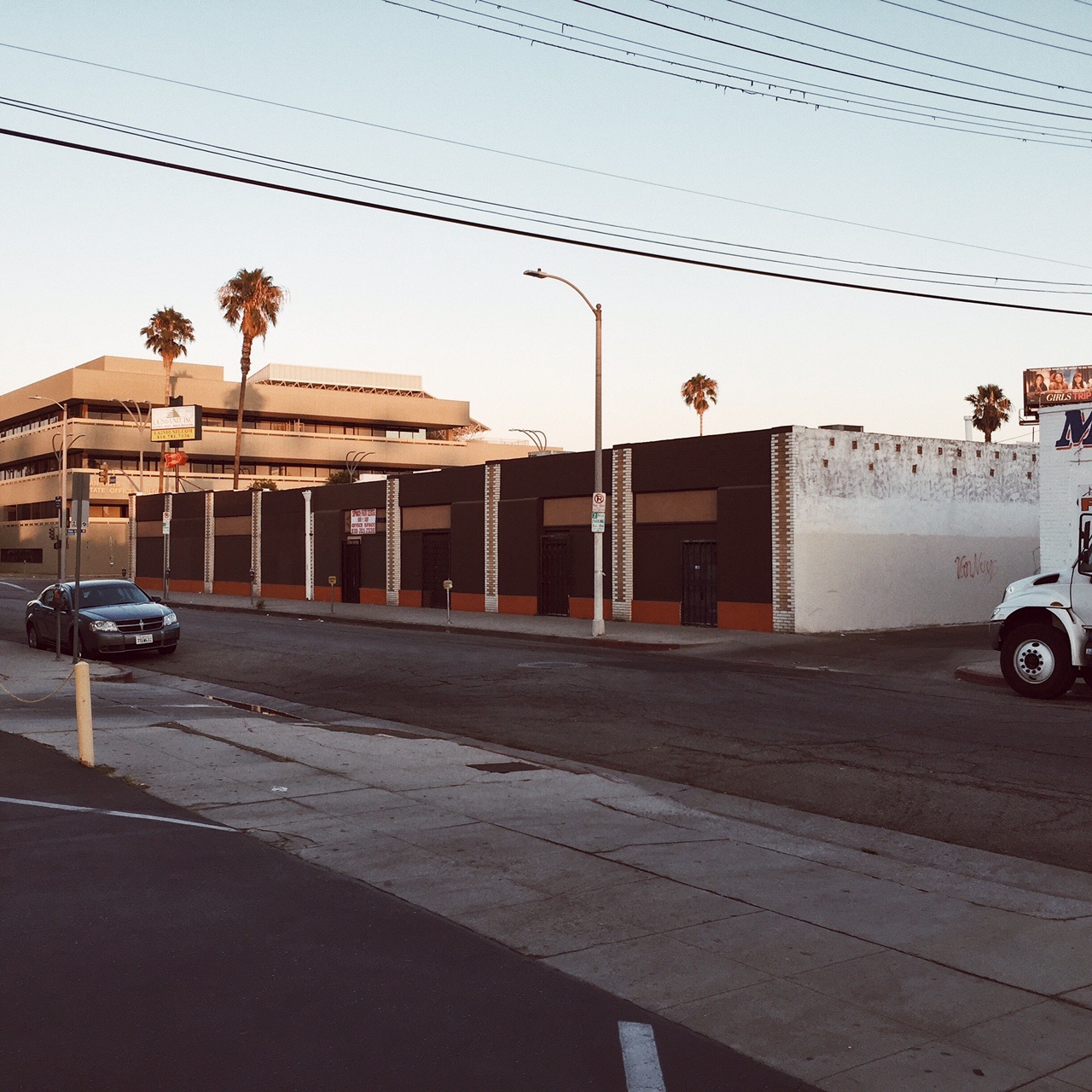
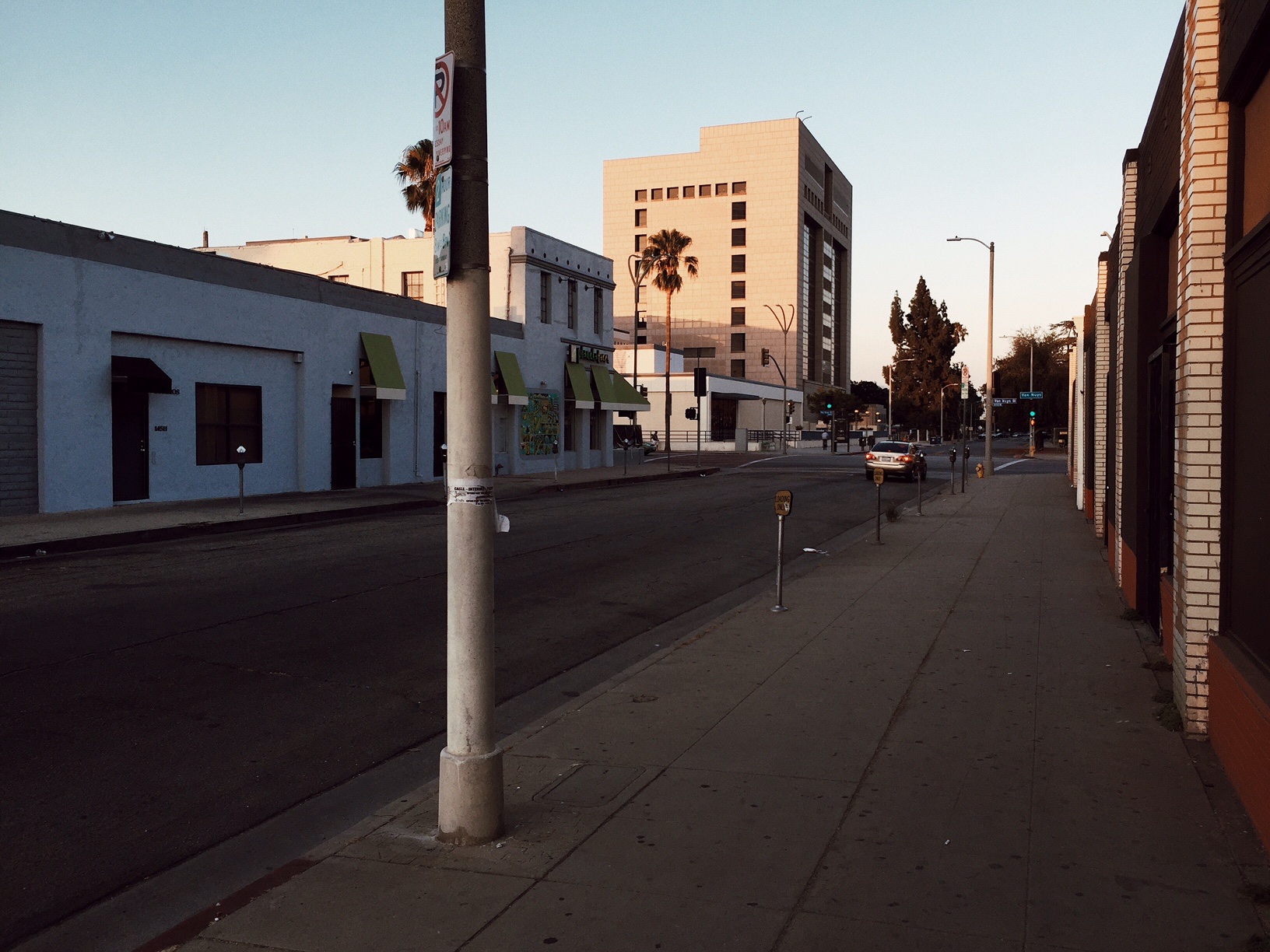
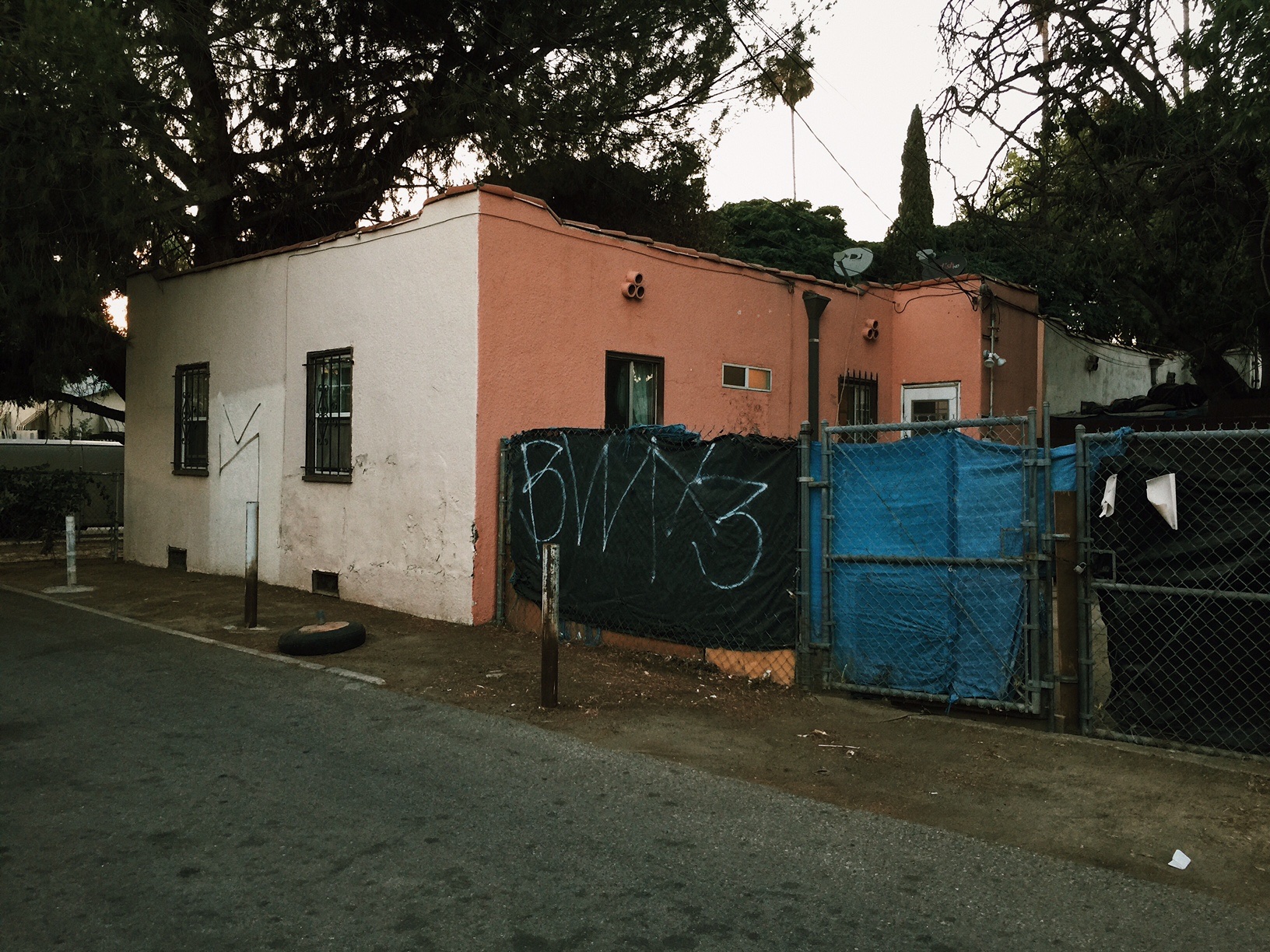
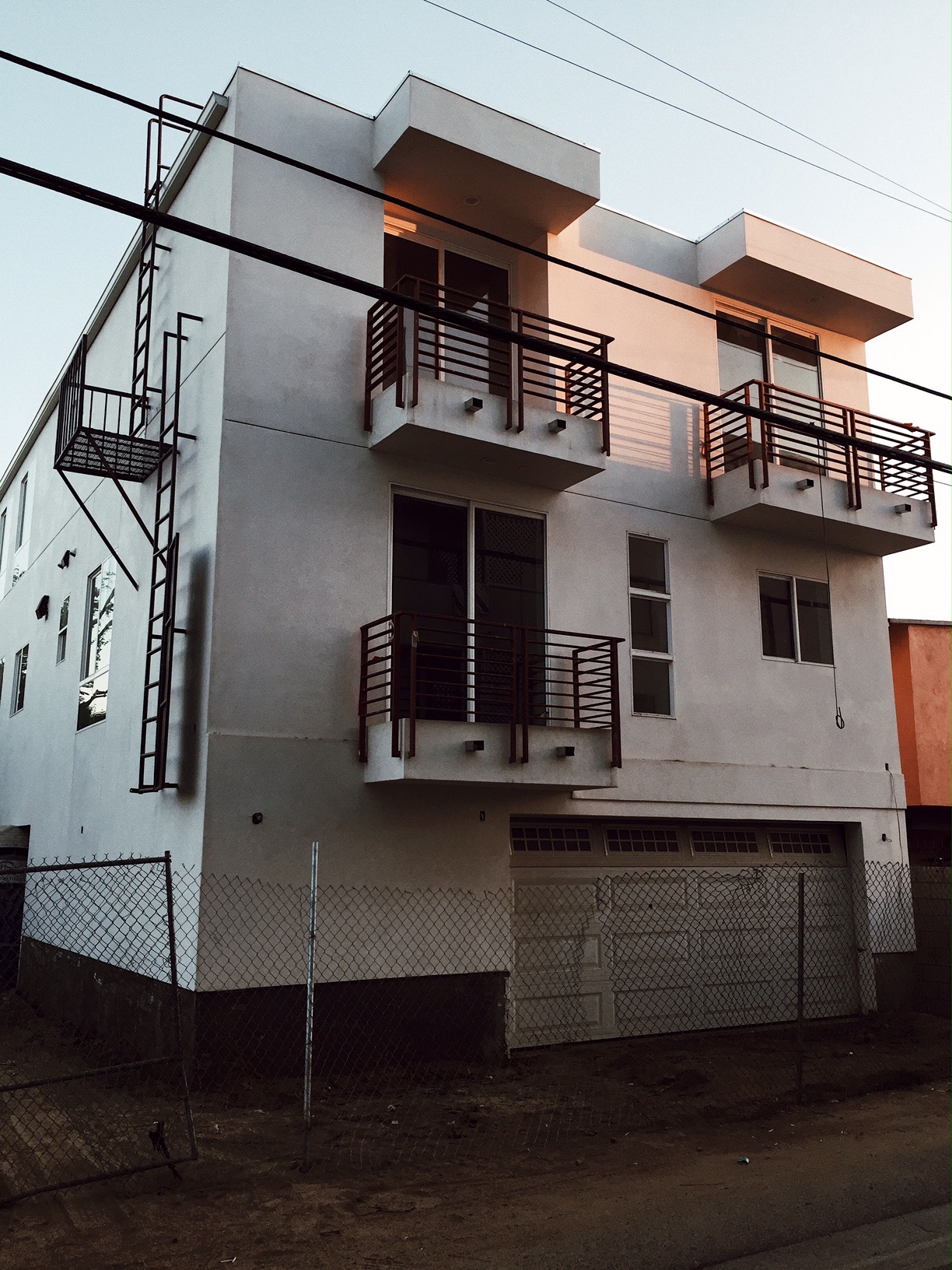
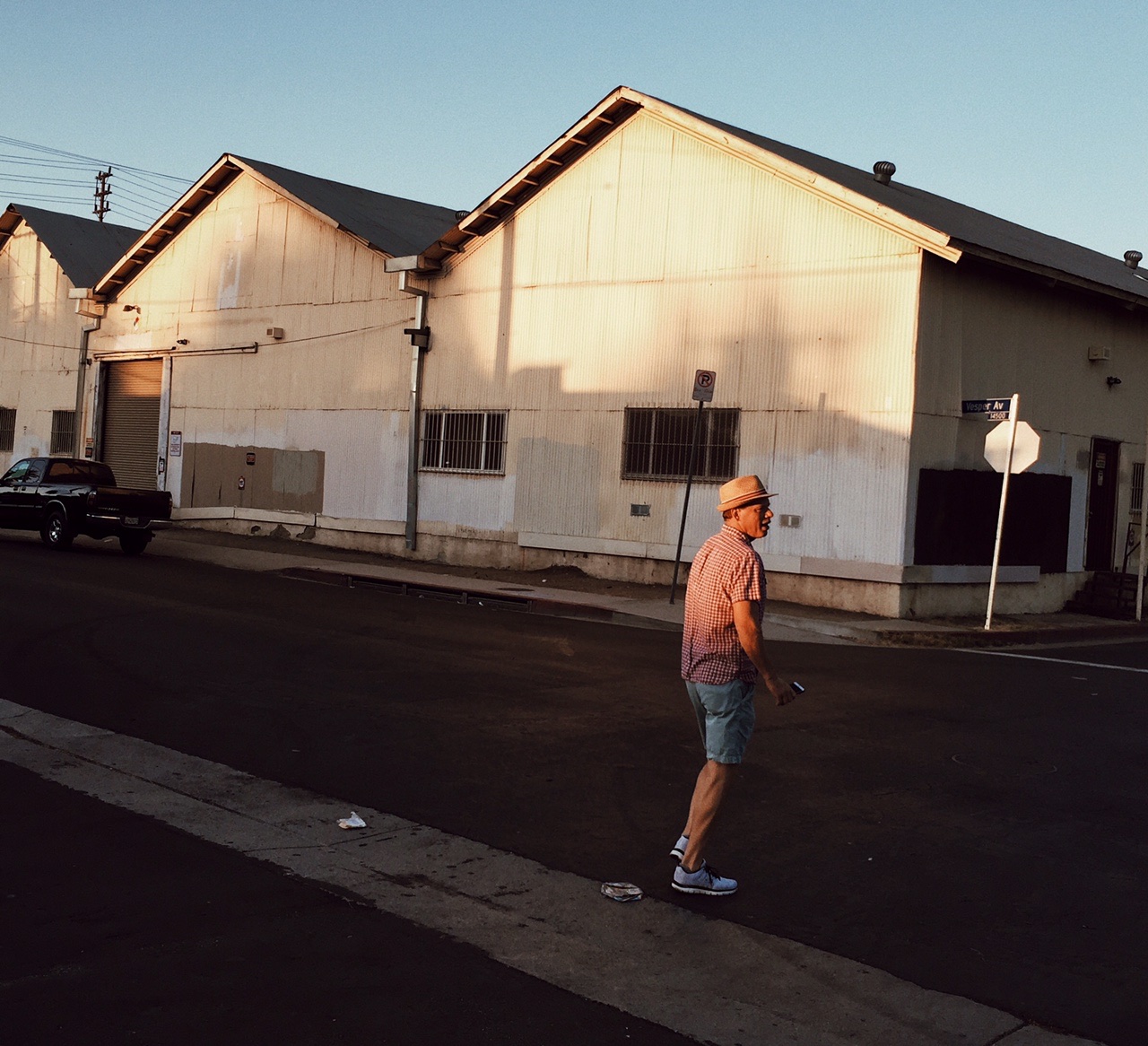
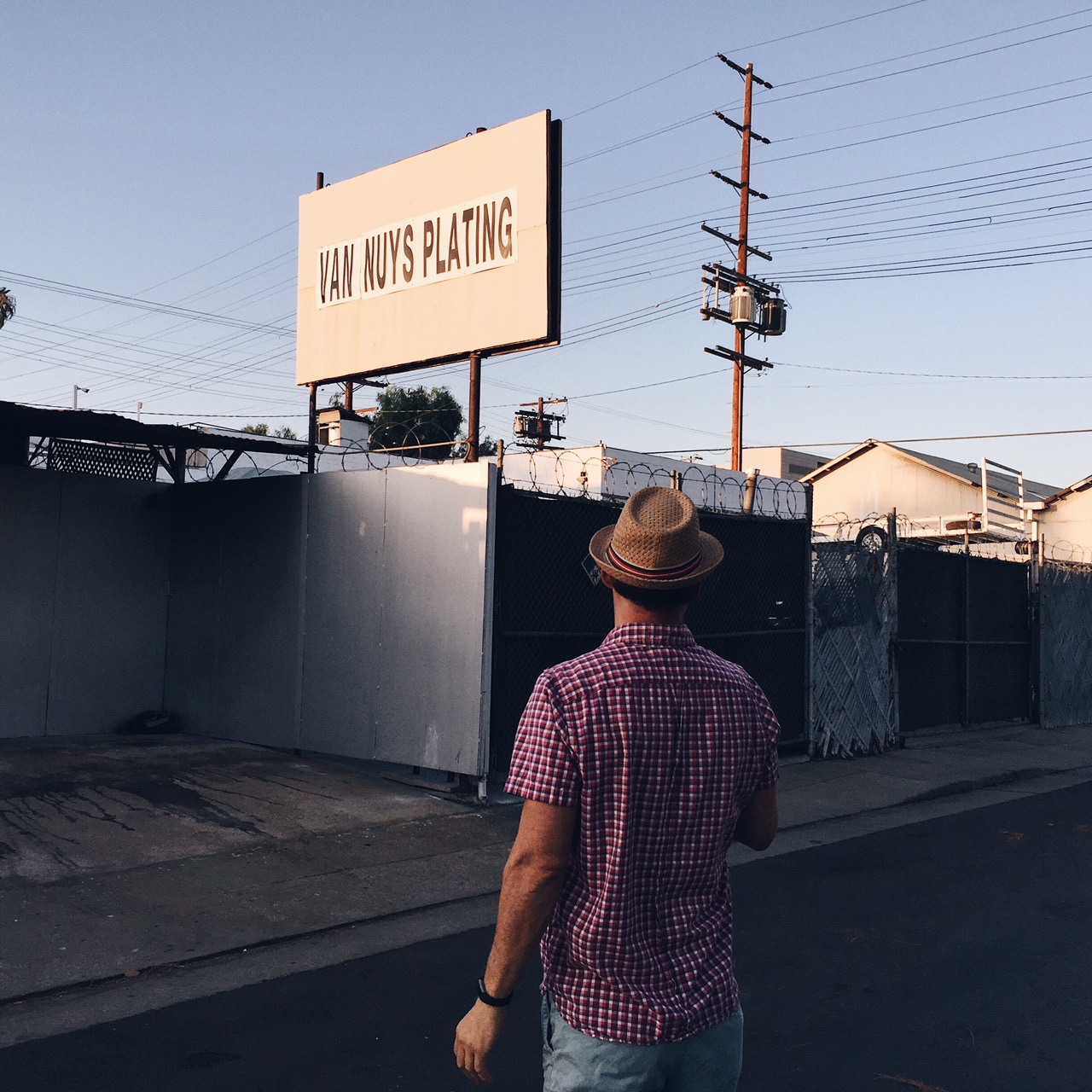
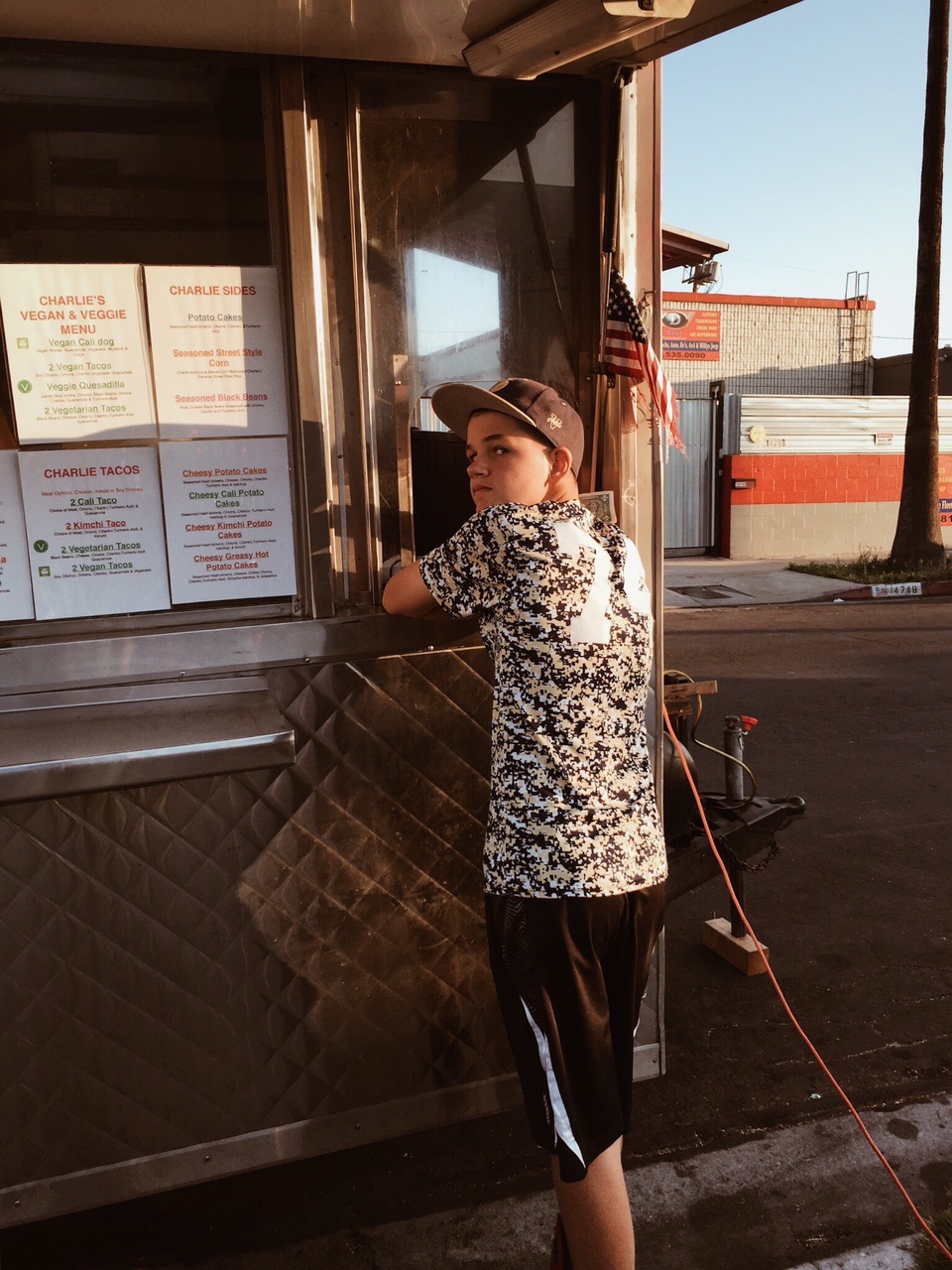
On a Sunday evening in July, on foot, after a few beers, the old town of Van Nuys, carried a note of Tribeca 1985, in its summoning of potential, laid out, for dreamers and developers.

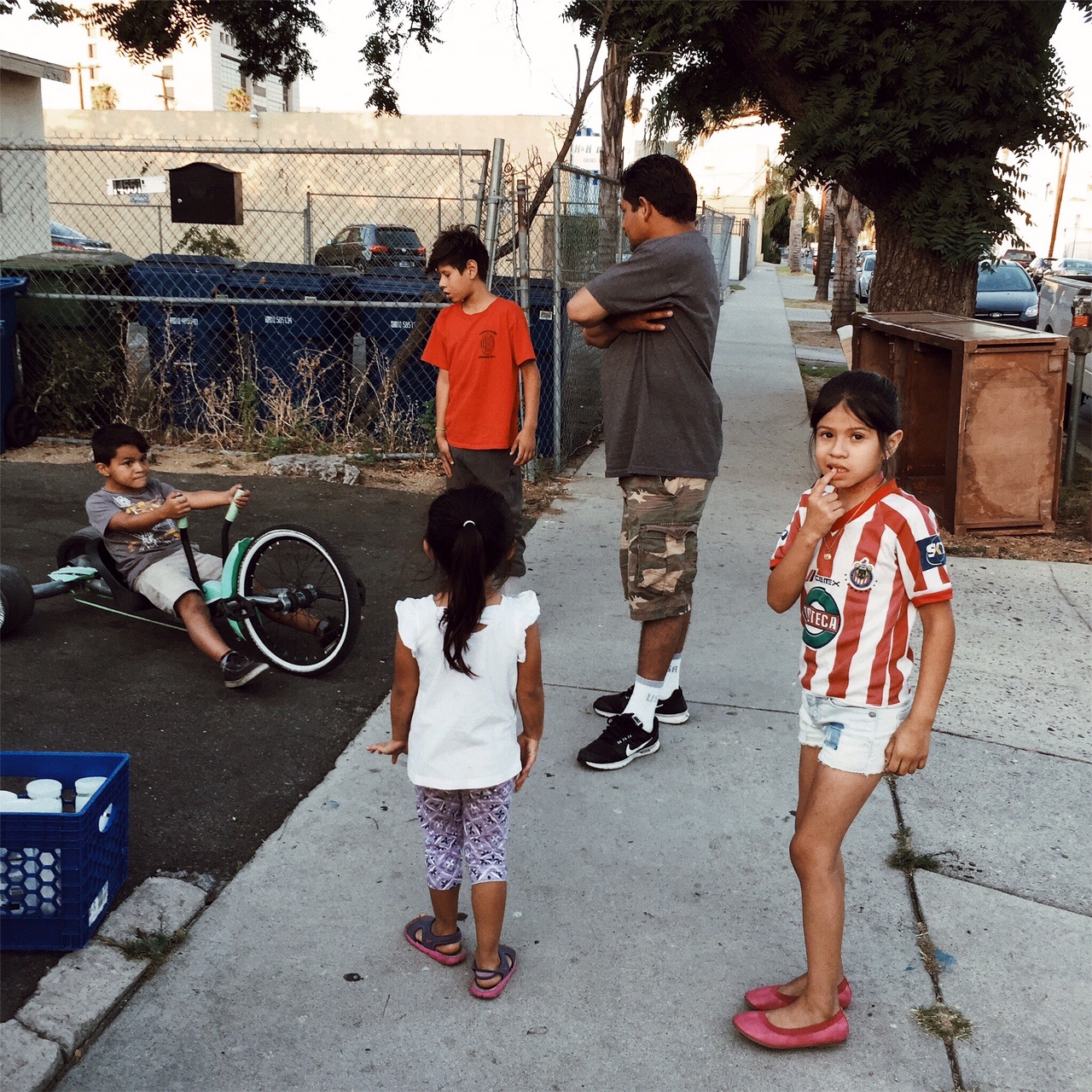
There were empty storefronts and shabby alleys, but there were also women in chairs, attending children on bicycles, who played near clothes for sale, hung on a fence. Here Andreas bought a shirt for $3.

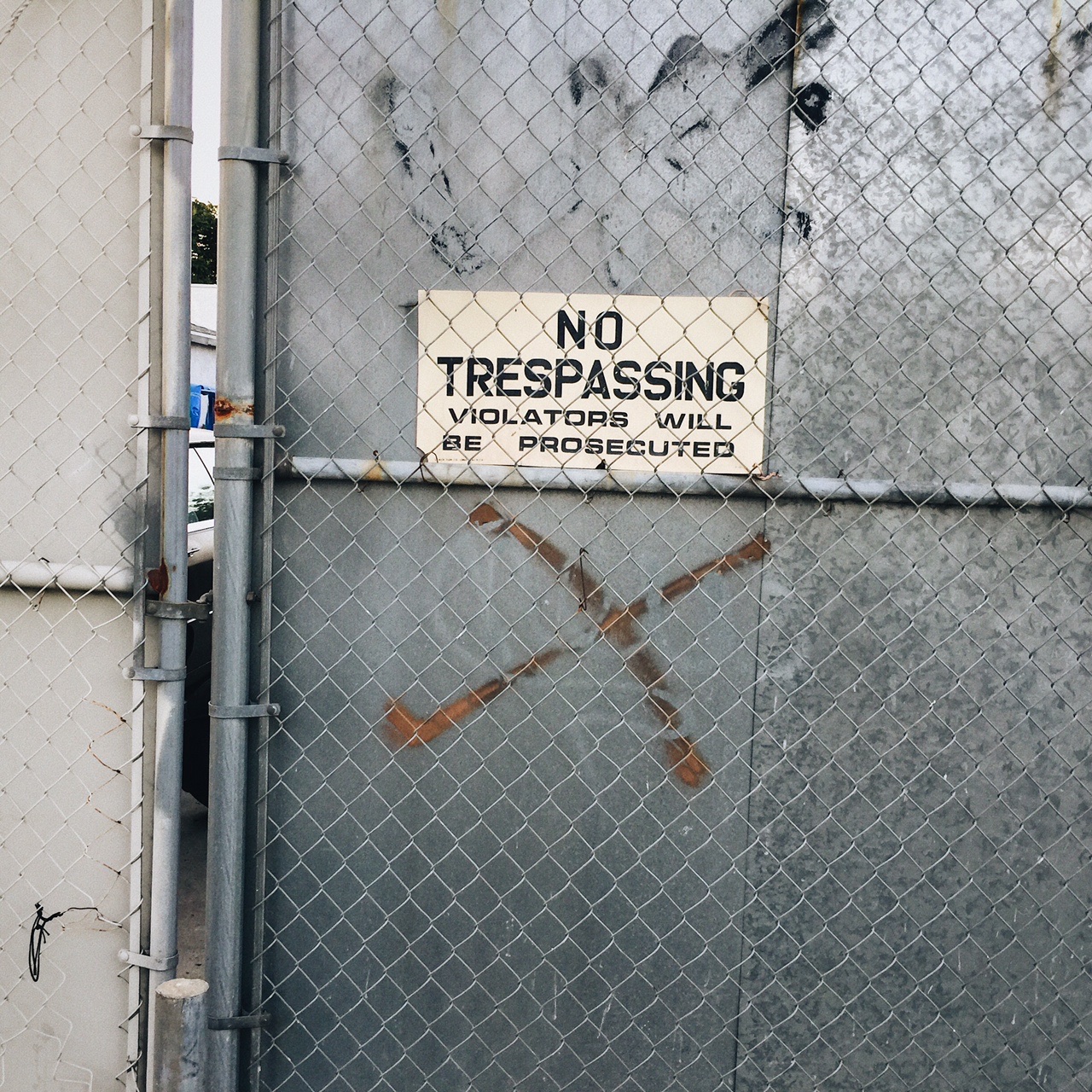
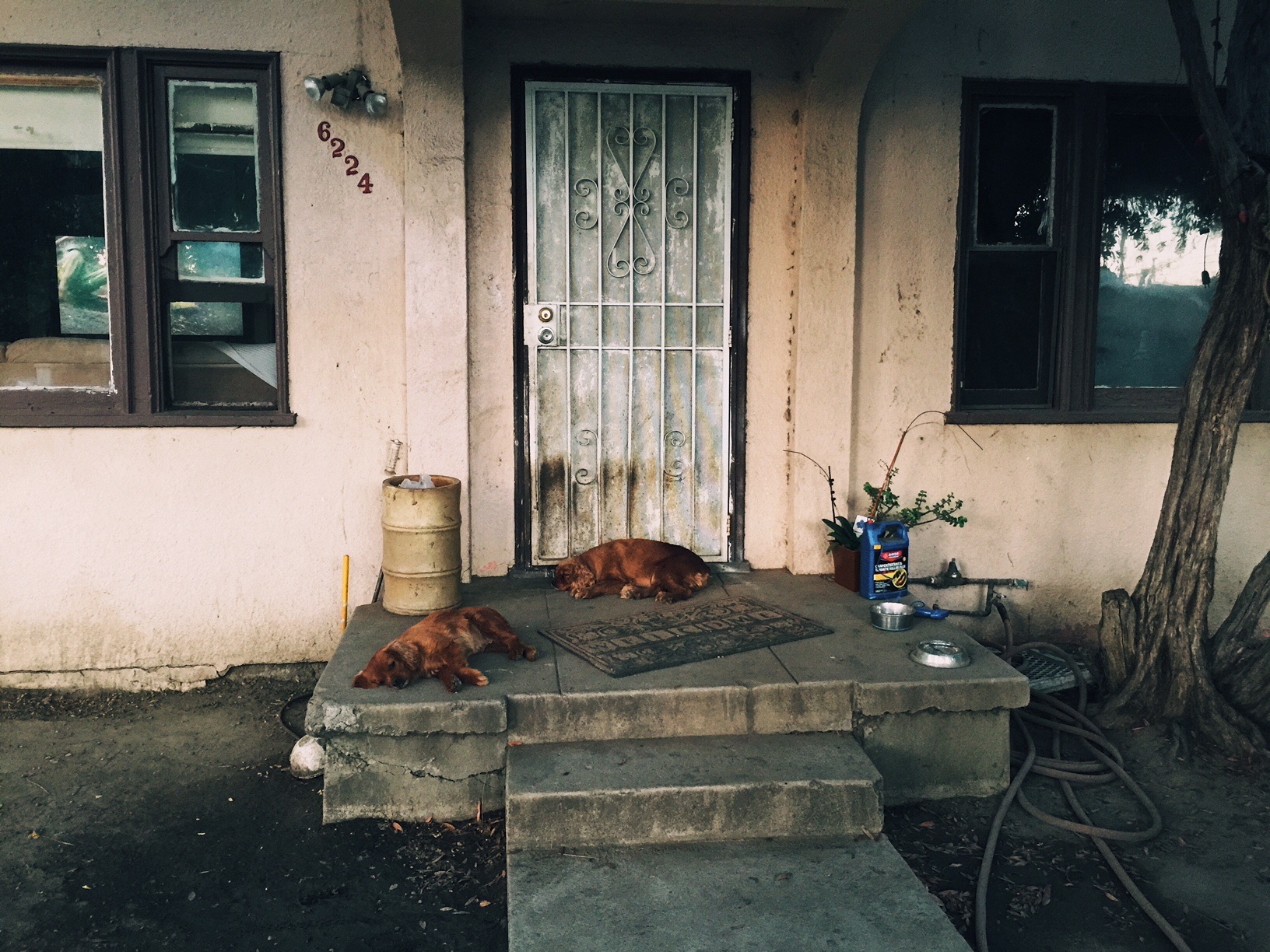
There were menacing BVN insignias on garbage bins and apartment walls, but there was also the eternal light of California soaking the decay in cinematic color. If I were sober, if I were alone, I probably wouldn’t have walked here.

Intoxication, used wisely, is a gift. When nerves are soothed, adventures commence.

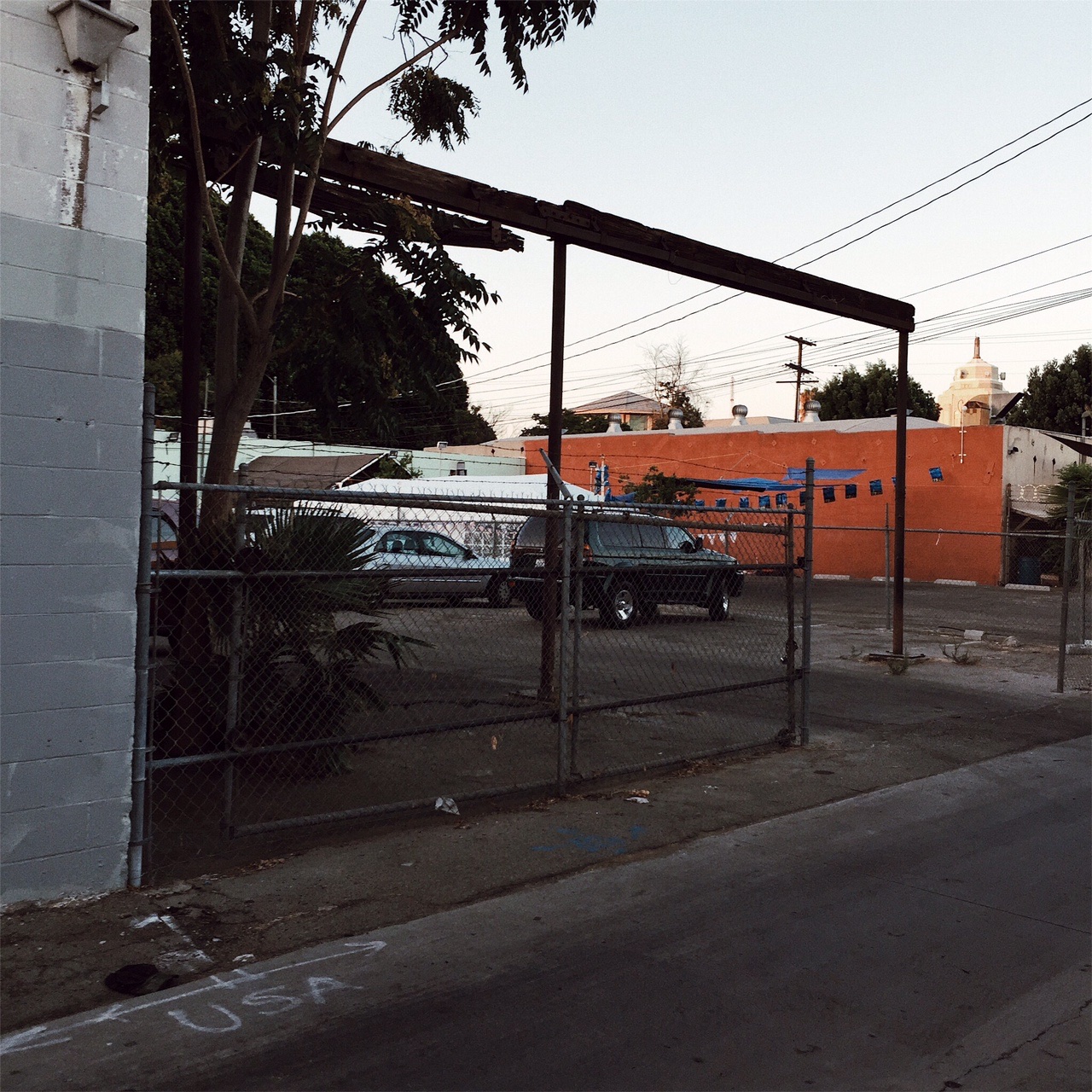
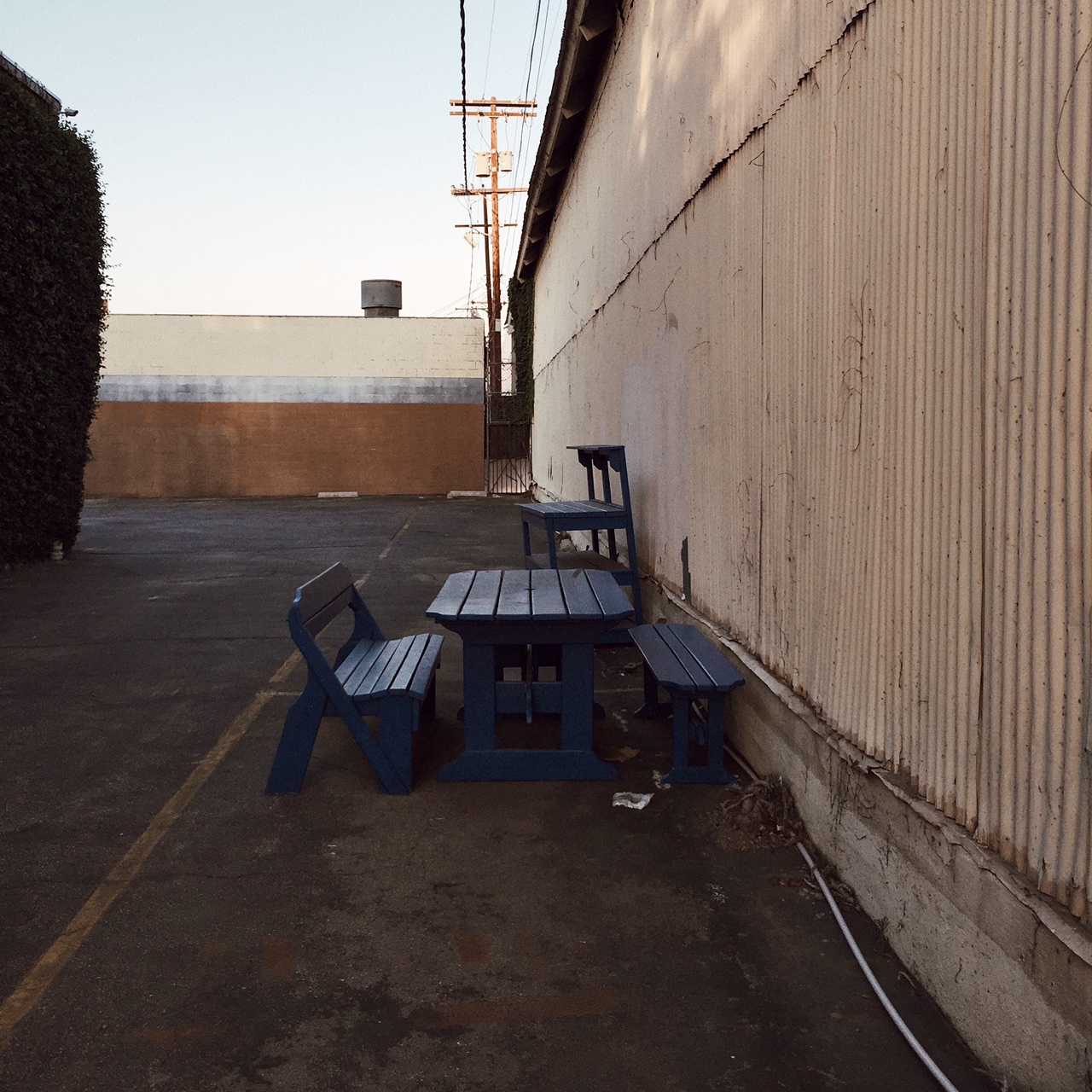
What glories the cessation of fear brings to the eye. Every corner revealed something: teal and brown homeless tarps seemingly sculpted, the wood pallets in the alley placed with artful intention, a wood gate in the back of a parking lot like the entrance to an old western town.

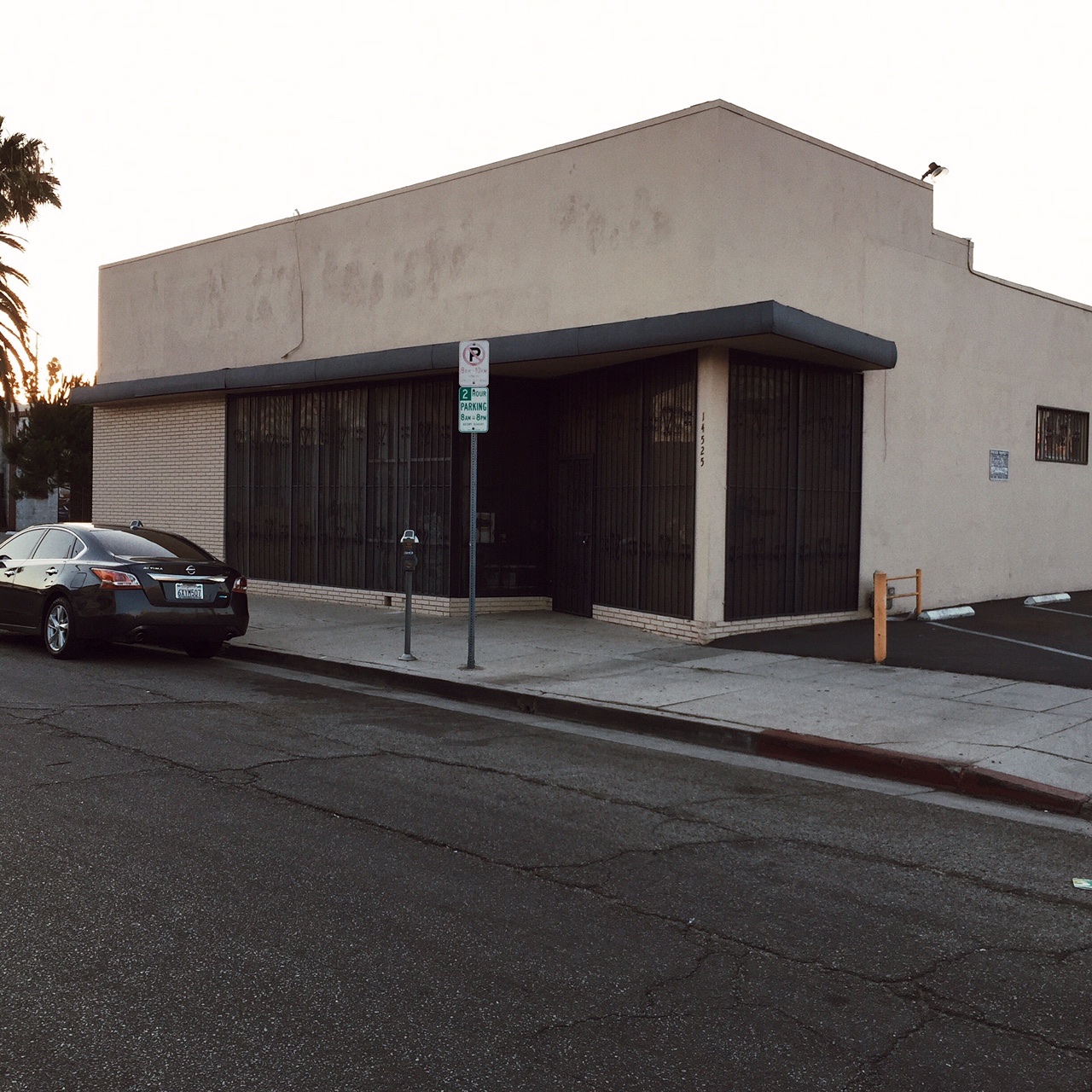
The best buildings were the forgotten ones: The steel walled packing house on Vesper St., the pink stucco cottages on Cedros, and 14225 Delano St. a mid-century structure with a dark green cornice and an inverted glass wall, respectable, laconic and businesslike.

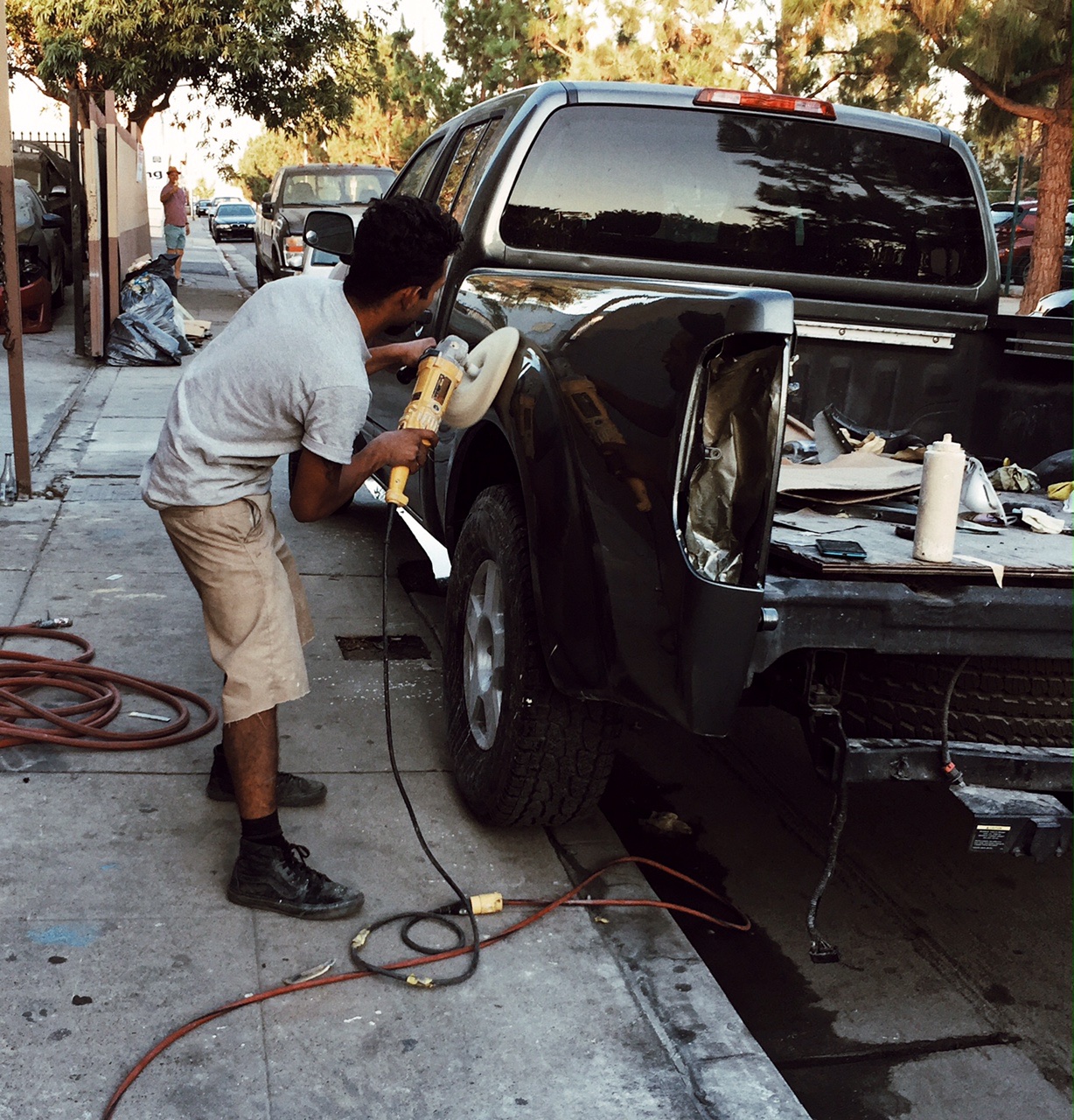
It was Sunday night but some people worked.

On Bessemer St. a worker at Technology Auto Body buffed a gleaming pick-up truck, squeezing the last minutes of light to finish his job.

Last night, these fearsome streets, Calvert, Bessemer, Vesper, Delano and Cedros, were peaceful and passive. Sometime soon, this walkable, neighborly and nostalgic area will revive, and these ramshackle adventures through denigration will take their place in the history book of Los Angeles.


SaveSave

Infrastructure Photos from Around the World.


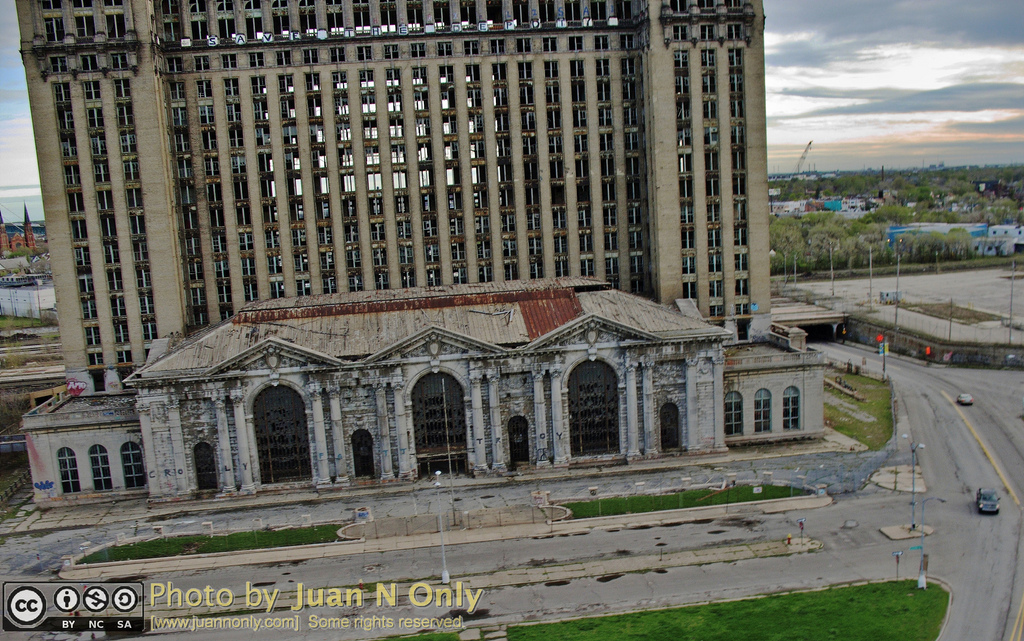
Michigan Central Station, Detroit, Michigan

Photo: by Juan n’Only

President Obama spoke today about infrastructure underinvestment in America and the critical need to finance and rebuild public construction projects in the US.

Our decaying roads, substandard transportation, shabby airports, underfunded parks, collapsing bridges; all of these are evidence of how America is falling apart. We need to invest in our own nation.

Around the world, other countries are spending huge sums of money to build better systems and facilities required in a modern world. China, Europe and even South America and Asia look much better than many parts of America these days.

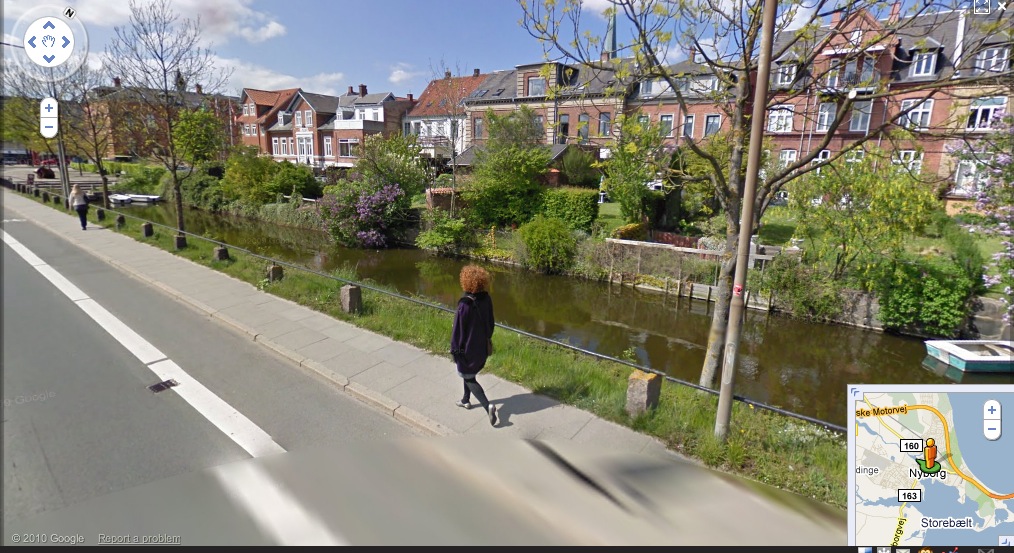
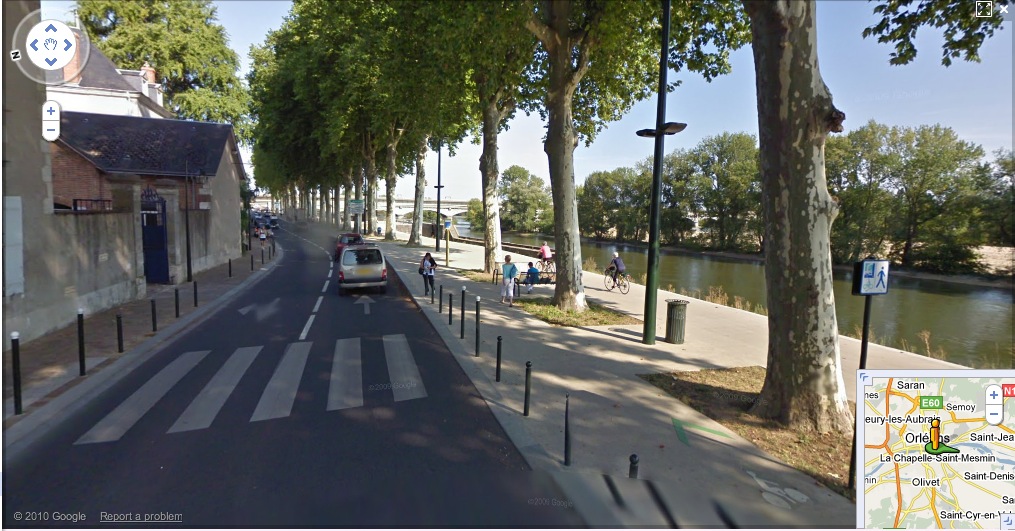
If you don’t believe me, try using Google Maps Street view and just drop the yellow man on any part of Denmark, Sweden, Norway, the Netherlands and France. You will see evidence of parks, bicycle lanes, smooth roads, and environmentally sensitive design. People will be walking, biking, or strolling along canal paths and well-paved streets. Cities and towns boast many trees, ornamental lampposts, modern and graphically up-to-date signs and well paved streets. This is what infrastructure investment means: better living through domestic investment in the public realm.

Los Angeles and places like Detroit look barbaric and primitive compared to other places around the globe.


Havenage Nyborg Denmark


Islands Brygge Copenhagen, DENMARK


Quai du Fort Alleaume,Orleans, France


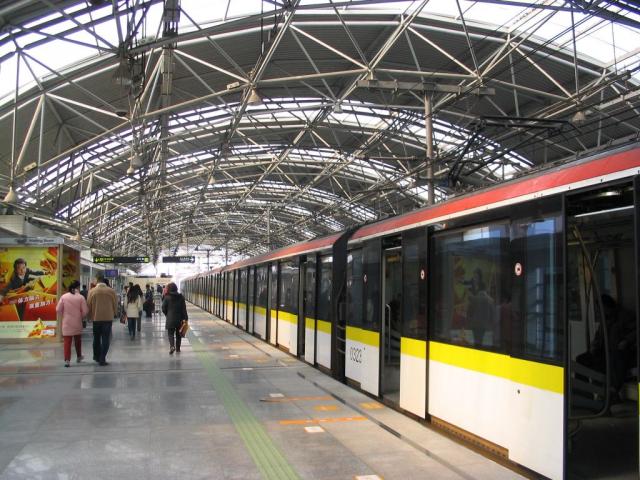
Shanghai_Light_Rail_Caoxi_Road_Station.preview


Kuala Lumpur Airport, Malaysia


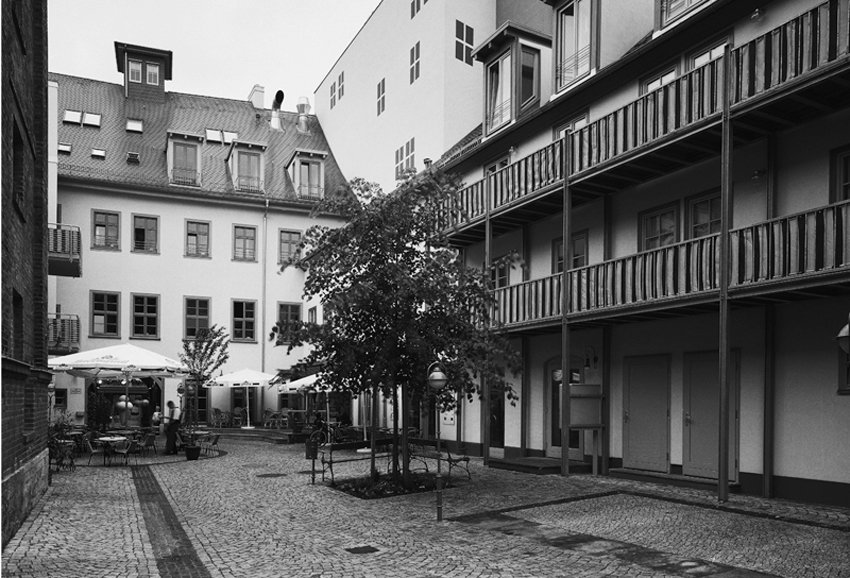
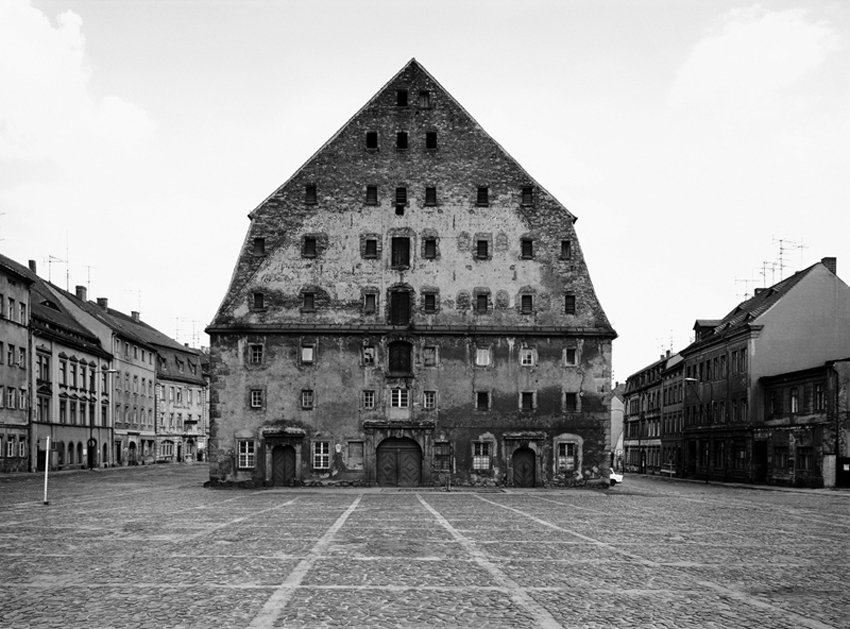
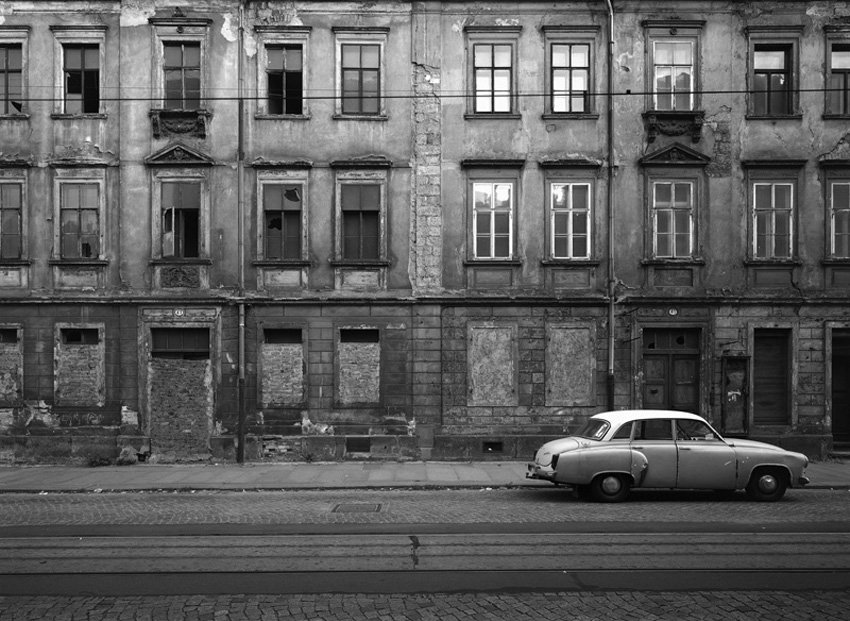
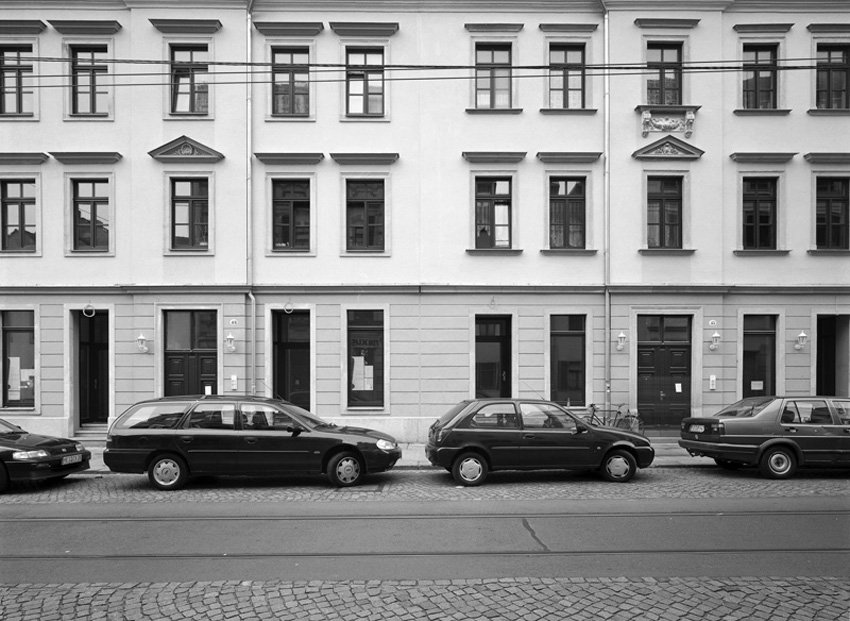
And recently Der Spiegel published photos showing East Germany in 1991 just after the fall of the Berlin Wall, and in 2010, after a massive reinvestment program undertaken by the German government.


Ostarchitektur/ East Germany, 1991


Ostarchitektur/ East Germany 2010


E. Germany, 1991


E. Germany, 2010


E. Germany, 1991


E. Germany, 2010


Vanowen near Kester. Housing in Van Nuys, CA