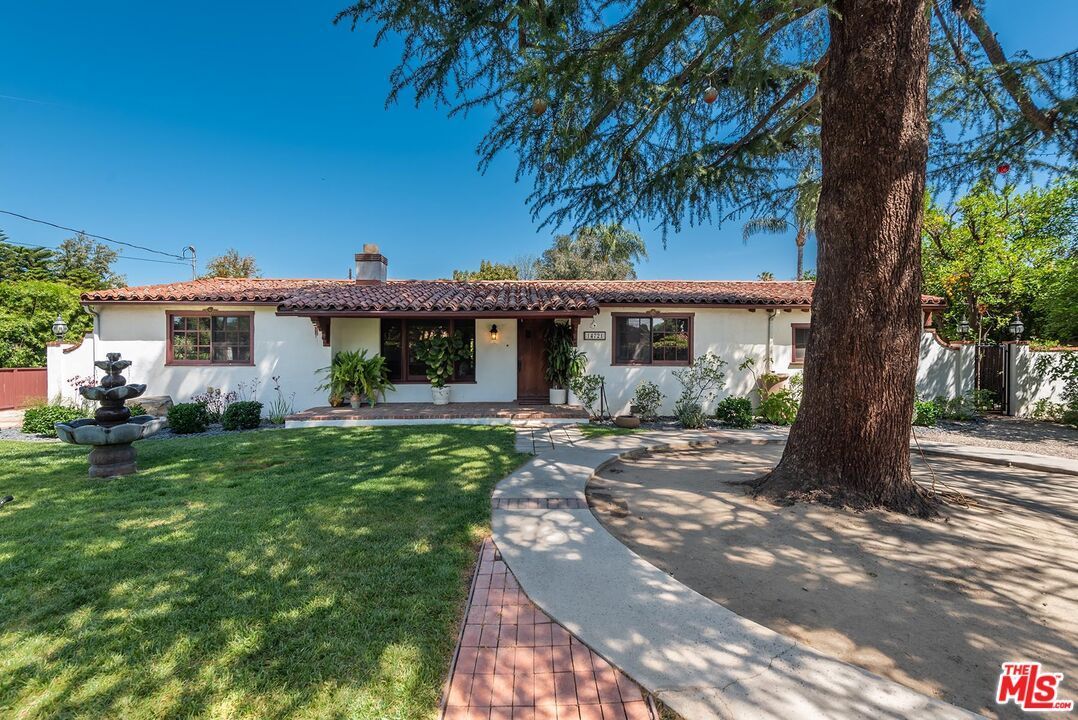
A House Fancy Enough for a Fireman


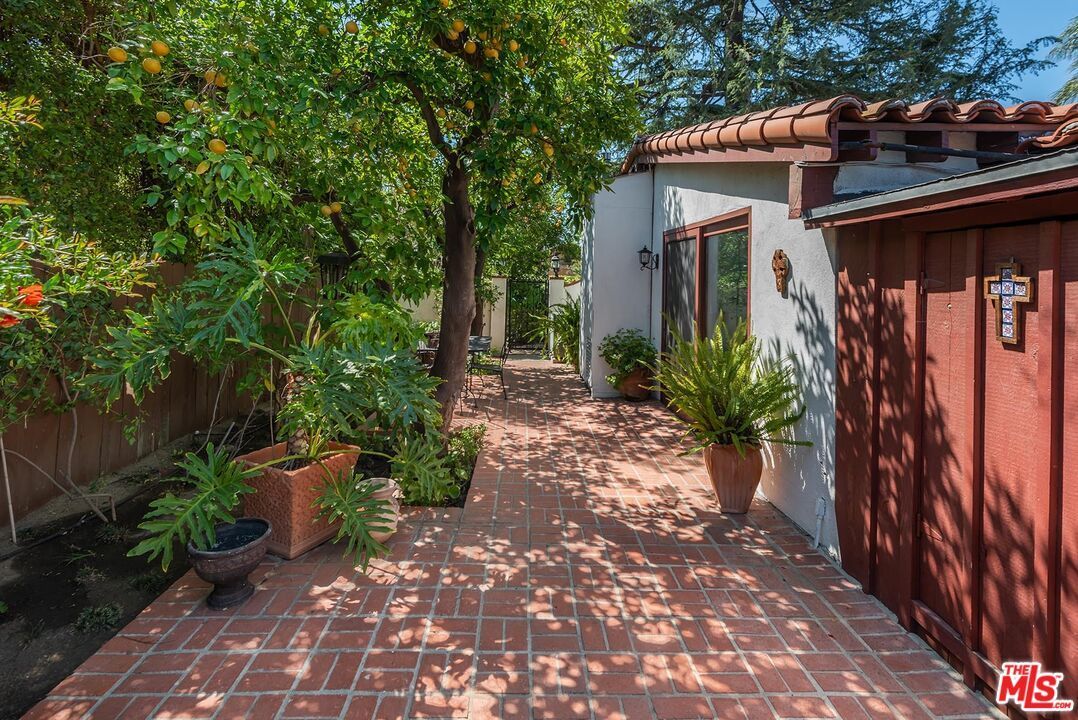
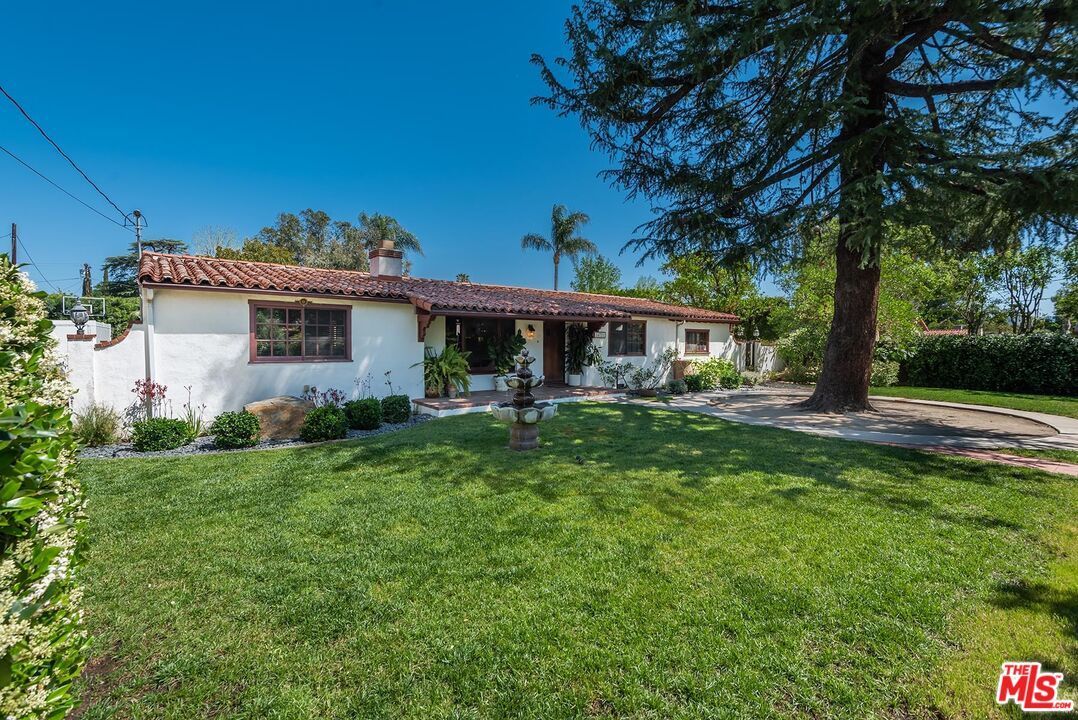
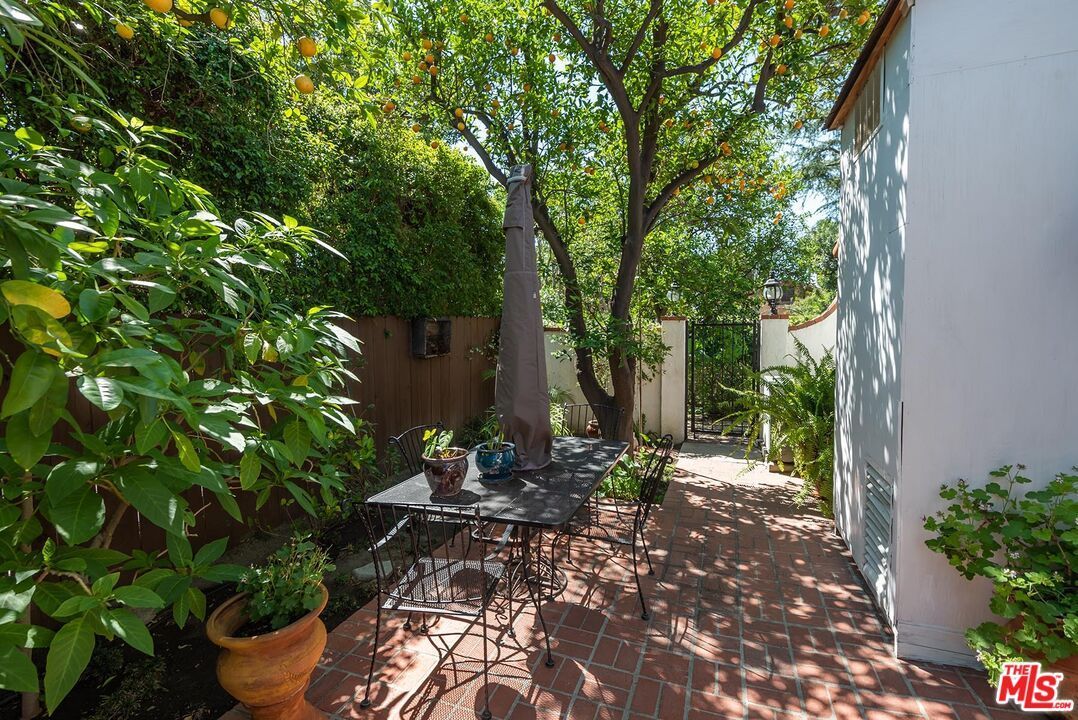
To those who don’t know it, Valerio Street in Van Nuys, especially between Van Nuys Boulevard and Kester, is lined with many exquisite, old, historic homes on large properties. Often these houses have Spanish architecture, swimming pools, and many fruit trees.

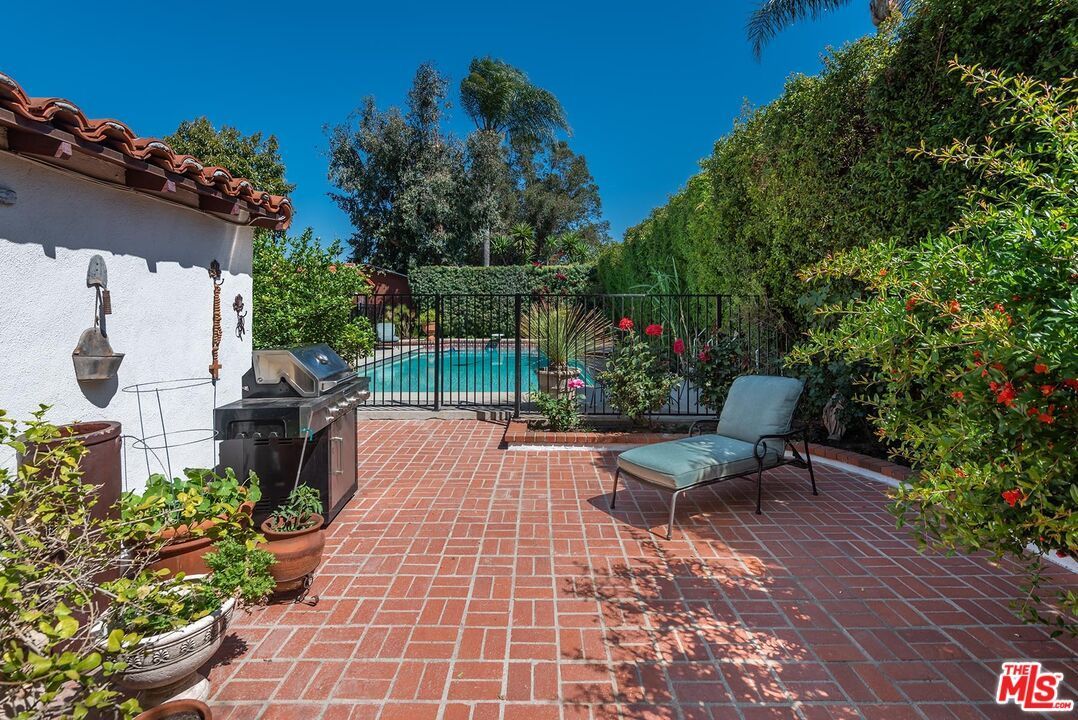
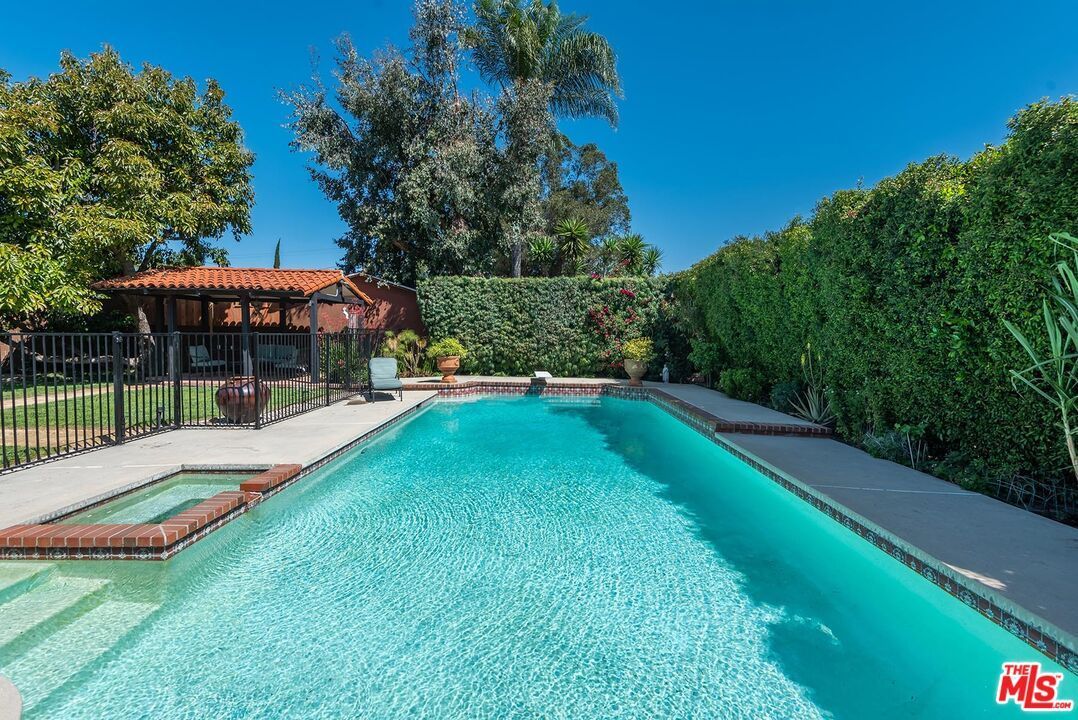
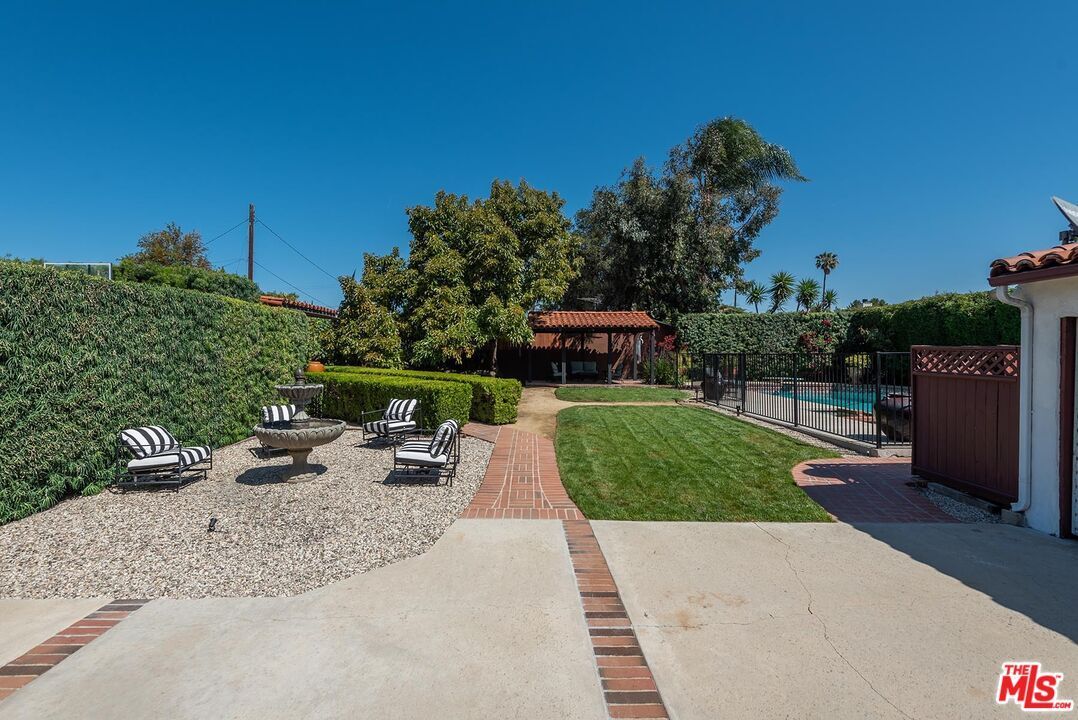
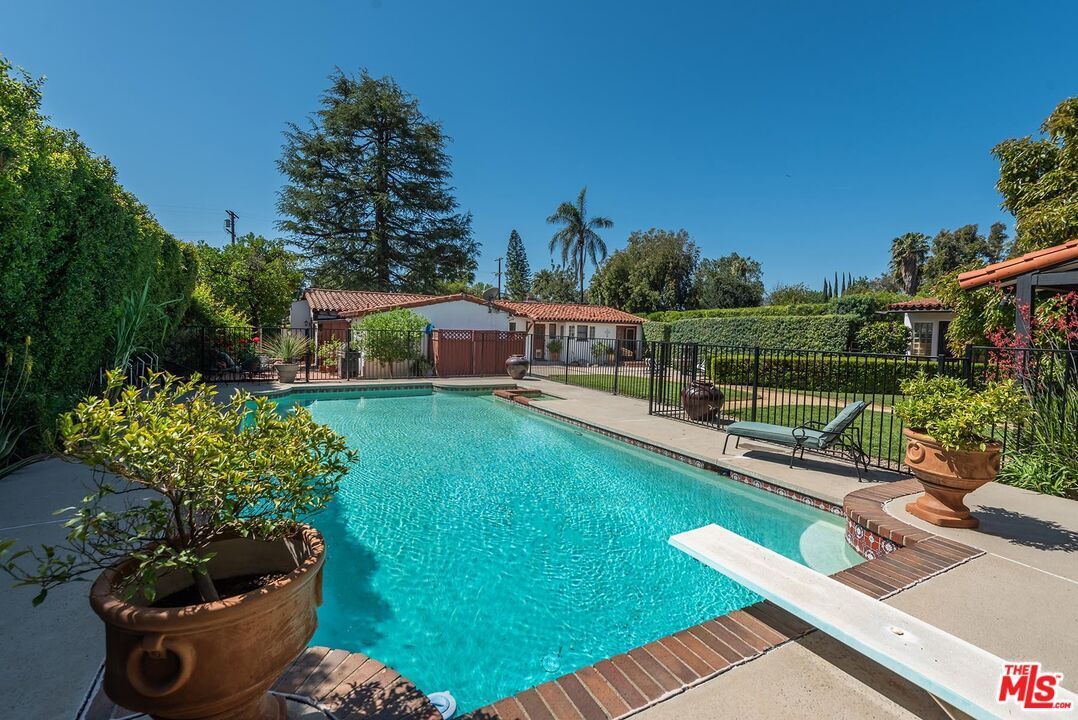
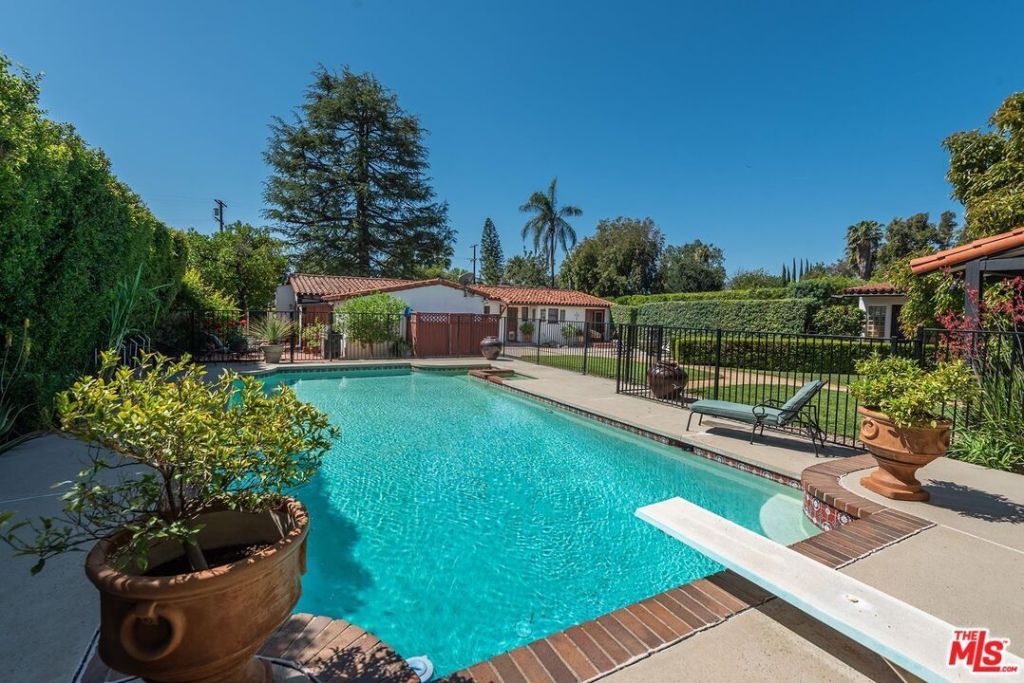
One of these, at 14721 Valerio, is on a 15,000 sf lot. The home is 3 bedrooms, two baths with a red tile roof, backyard swimming pool, and a very tranquil, luxurious garden.

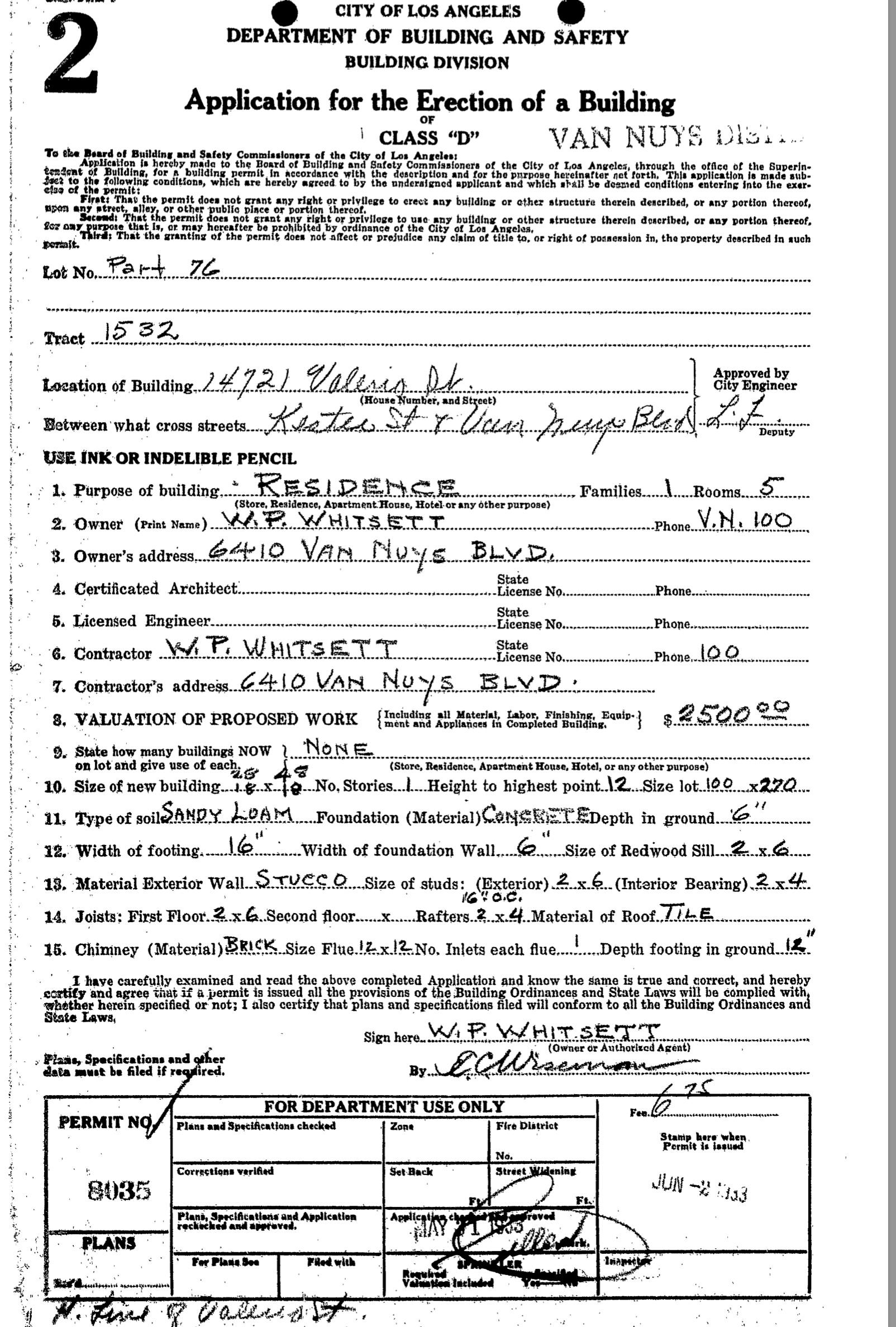
Built in 1933, by one of the founders of Van Nuys, Mr. WP Whitsett, for $2,500 (two-thousand five hundred dollars) it is now on the market for $1.1 million dollars.
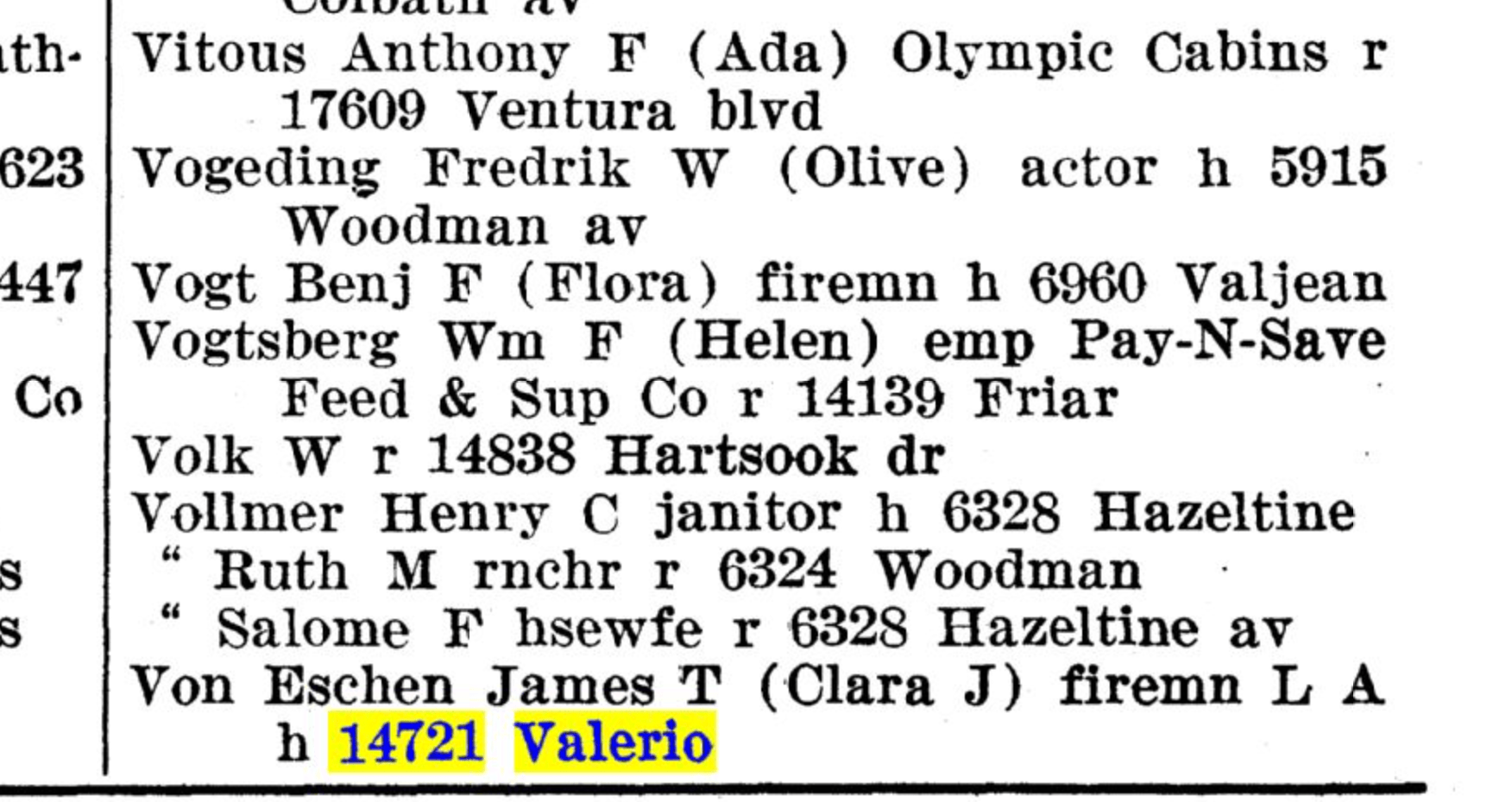
In the 1937 telephone directory, the homeowner is listed as James T. Von Eschen (wife is Clara.) 
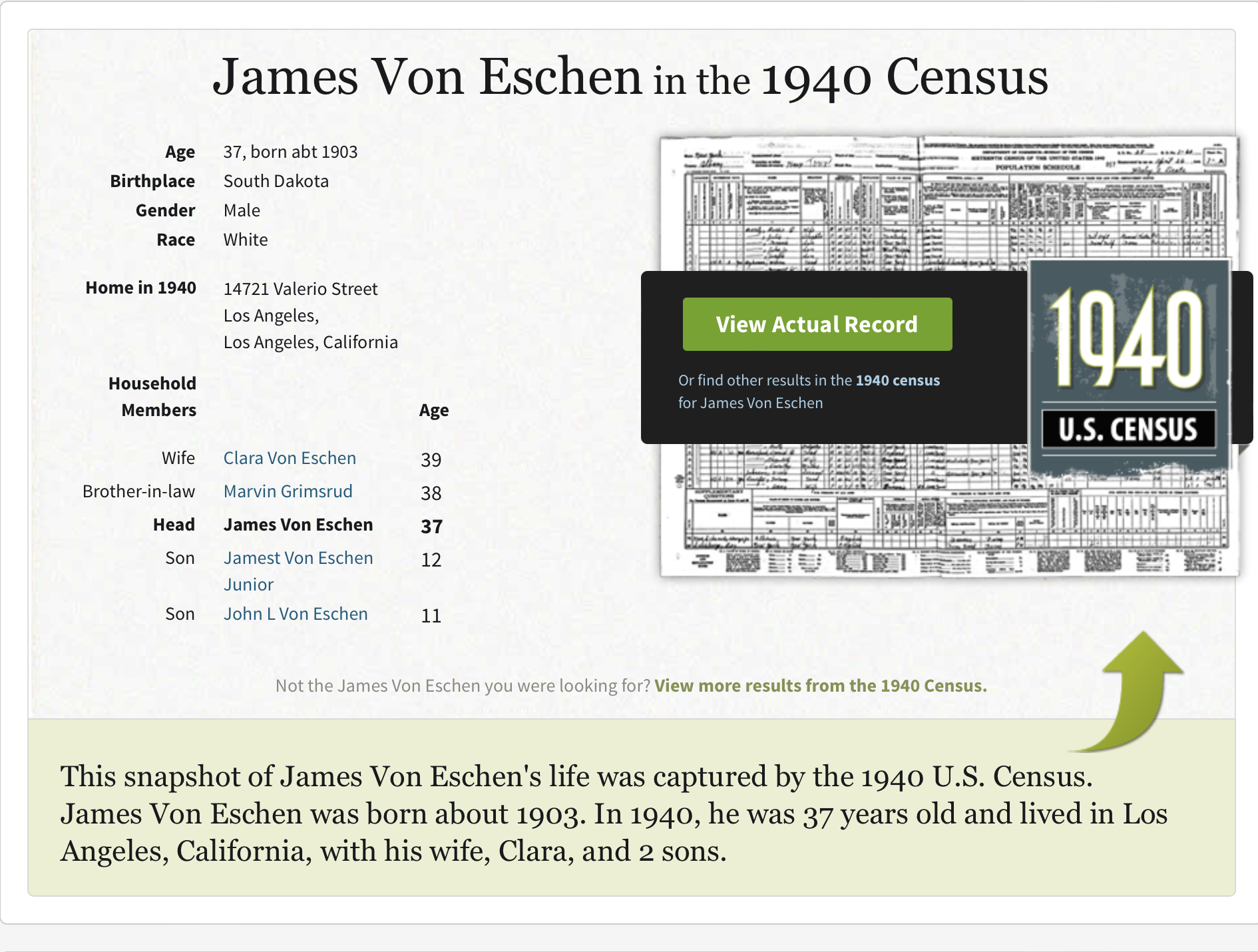
The 1940 US Census says Mr. Von Eschen was born in 1903, and the couple had two sons, James, 12 and John, 11. Marvin Grimsrud, brother-in-law, 38 years old, also lived in the house.
Mr. Von Eschen was a fireman.

6 thoughts on “A House Fancy Enough for a Fireman

  1. Thank you for the this article of my family’s home, my grandfather who was a fireman in 1930 and saved enough money to buy this home in 1933 for around $3000.00….he lived there with his wife my grandmother Clara and her 2 sons my father and uncle James and his brother John, my grandmother lived there until around 1975 when she sold it to move to Oregon with her son John because of her age…..this home had so many orange and lemon trees and my grandmother had planted about 25 rose bushes around the property which made our Gardner very busy taking care of them and the rest of the property….it is also the same home where my dad and uncle and I lived when we graduated from Van Nuys High School….my dad and uncle in the mid-late 1940″s and me in the early 1970″s….so many great memories of this home and the neighborhood….thanks for the great article…..James T Von Eschen III

    Like

    1. Thank you for your kind message. I live, by coincidence, next to a 1933 Spanish style ranch house in Van Nuys that was also built and first lived in by a fireman who probably knew your grandfather.

      Like

  2. I grew up on Lull Street, very close to that Target. That area has been light industrial/paved before I was born, 60 years ago. Our old lady neighbor was the woman who sold off her farm, parcel be parcel, to support her family. Some for homes, some for businesses, some to the US government as the Post Office was there (it subsequently moved to Sherman Way and takes up a great deal of property, for comparison). Since that land abuts the railroad tracks, they mostly weren’t developed as homes, though interestingly, on the other side of the tracks, off Sepulveda, there were homes build there.

    I love those homes along Valerio Street. They always fascinated me because I grew up in a post-war tract home but these were much more “exotic” and apparently still are compared to the homes on neighboring streets.

    Like

  3. Either (1) Like today, Firemen were vastly overpaid in 1940 (doubtful) or (2) RE was relatively undervalued. CA housing prices didn’t radically diverge from national averages until the 1970s. My parents bought a new 1200 sf 3/2 in Oxnard in 1960, VA financing, for $14,995. That same new house would have cost about the same in suburban Cleveland or Detroit in 1960.

    Like

    1. In 1933, Van Nuys was still full of large parcels of undeveloped land. Valerio St. was out in the country, so to speak. Someone in this blog once told me his grandfather had bought a piece of land on Oxnard and Hazeltine in 1937 for $2,000 and sold it for $5,000 in 1940 and thought he made a fortune.

      My beef with land use now is how underutilized it is. There are one story buildings surround by parking lots everywhere which could accommodate multi-story apartments that surround parks. Everything wrong with Van Nuys and greater LA has to do with bad zoning that prioritizes cars over everything.

      Go look at Target on Google Maps: https://goo.gl/maps/eU7s2ZUM9uk5hZ6WA

      The amount of pavement that surrounds this property is astonishing. And there are one story industrial buildings sitting in an ocean of pavement that is largely unoccupied by vehicles.

      All this could be torn up and put back to nature/residential/etc.

      Like