Protecting Privacy by Outlawing Street Photography.


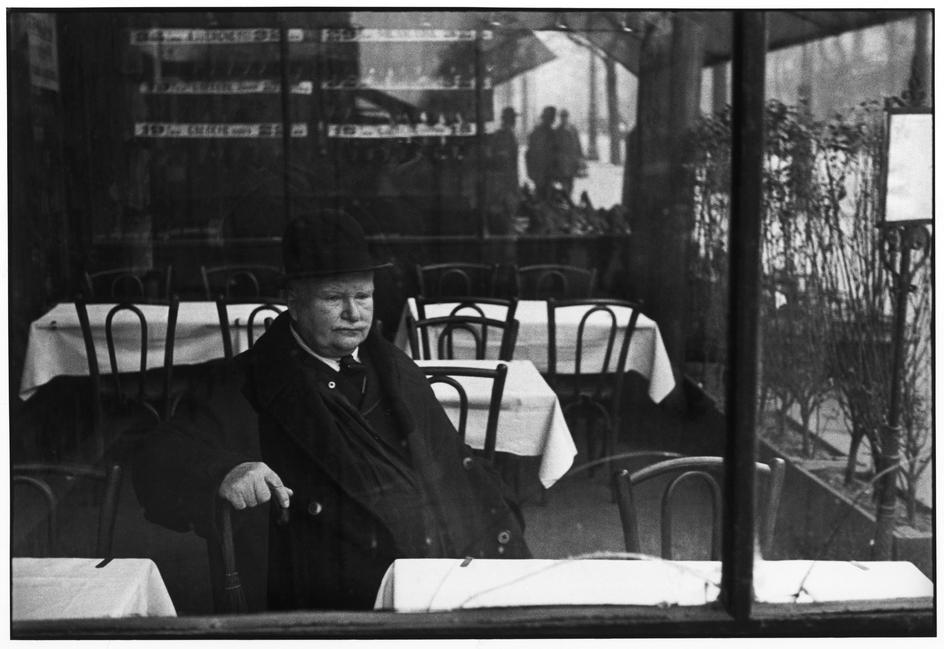
Henri Cartier-Bresson FRANCE. Paris. Avenue du Maine. 1932.
Henri Cartier-Bresson
FRANCE. Paris. Avenue du Maine. 1932.

The New York Times writes today about a growing movement, especially in France, to limit public photography of strangers by so-called street photographers. In the land of Henri Cartier-Bresson, who used the term “Decisive Moment” , to describe that flash of life’s movements captured by lens, the art of unposed and candid snapshots may be restricted.

I find this trend odious and unwarranted.

The role of the photographer, capturing people out in the open, in public spaces, doing anything, must be a sacrosanct and protected part of a free society.

In response to the NYT article I wrote this letter:

As a photographer in the US, my observation is that the once clear lines between public and private presentation, where you put on a hat and gloves before leaving the house, where you didn’t use swear words in public, and people presumed that others were decent and honorable, well that whole world was upended by the 1960s.

Throw in the internet, which opens the whole private life of a person up for public display, and people are, naturally, feeling invaded by strangers. The easiest way to express their anger is by acting hostile towards the man on the street with a camera.

Is it rational? No. Is it legal to prevent street photography? No. Can children in a playground, a person being arrested, a woman sitting alone in a cafe be photographed? Yes.

We are ironically freer and more liberated in acting out our vulgarities and misbehaviors, our decadence and eccentricities, yet we are going back to that question of honor, privacy and human dignity that every culture struggles with.

Will we allow free and lawful street photography? Or will France and other Western countries cover the collective lens with a legal burqa?

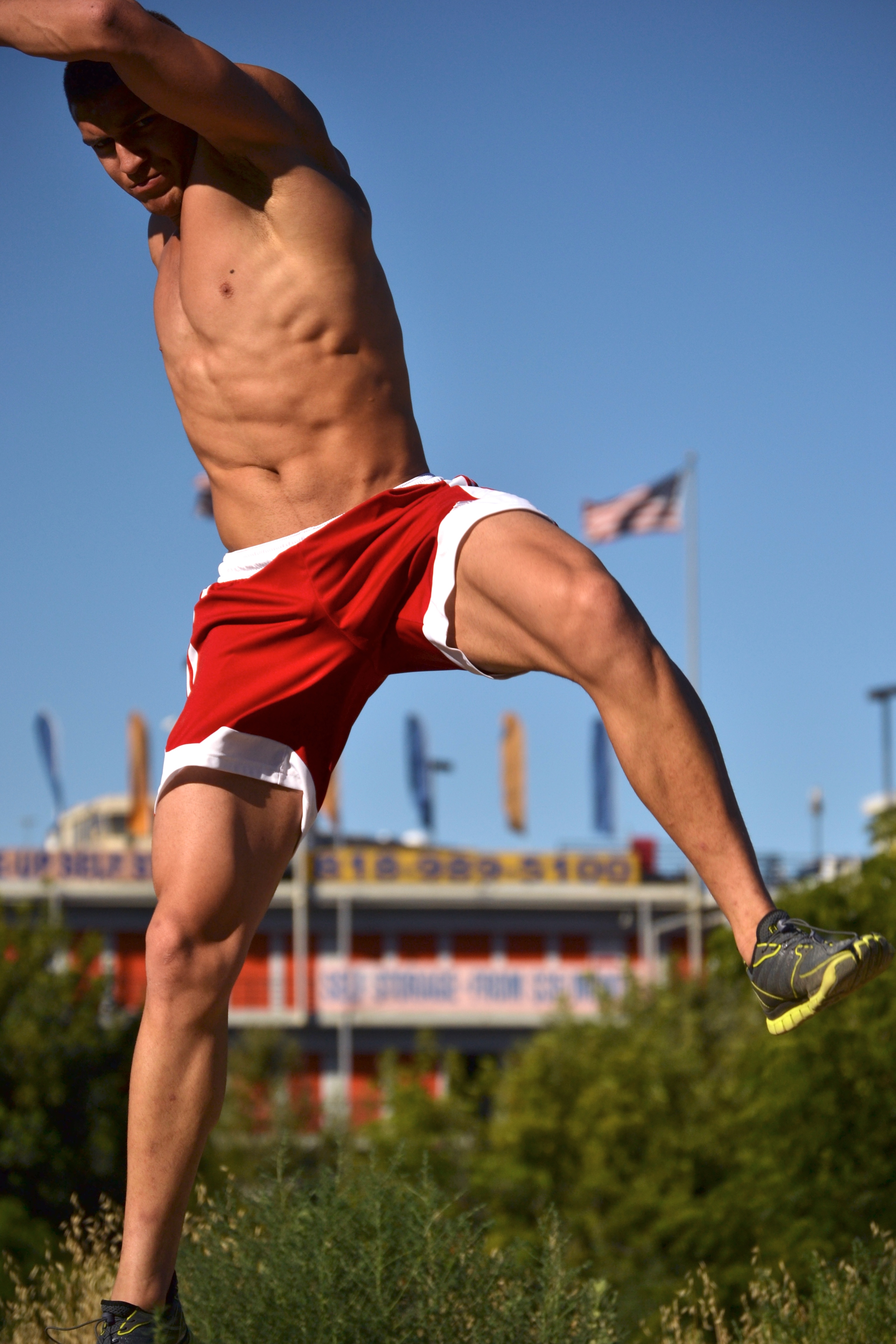
Adrian R/ Woodley Park


Adrian Rhetoric/Woodley Park.

Adrian R/ Woodley Park, originally uploaded by Here in Van Nuys.

Adrian Rhetoric at Woodley Park.

Edwina 2


Edwina 2, originally uploaded by Here in Van Nuys.

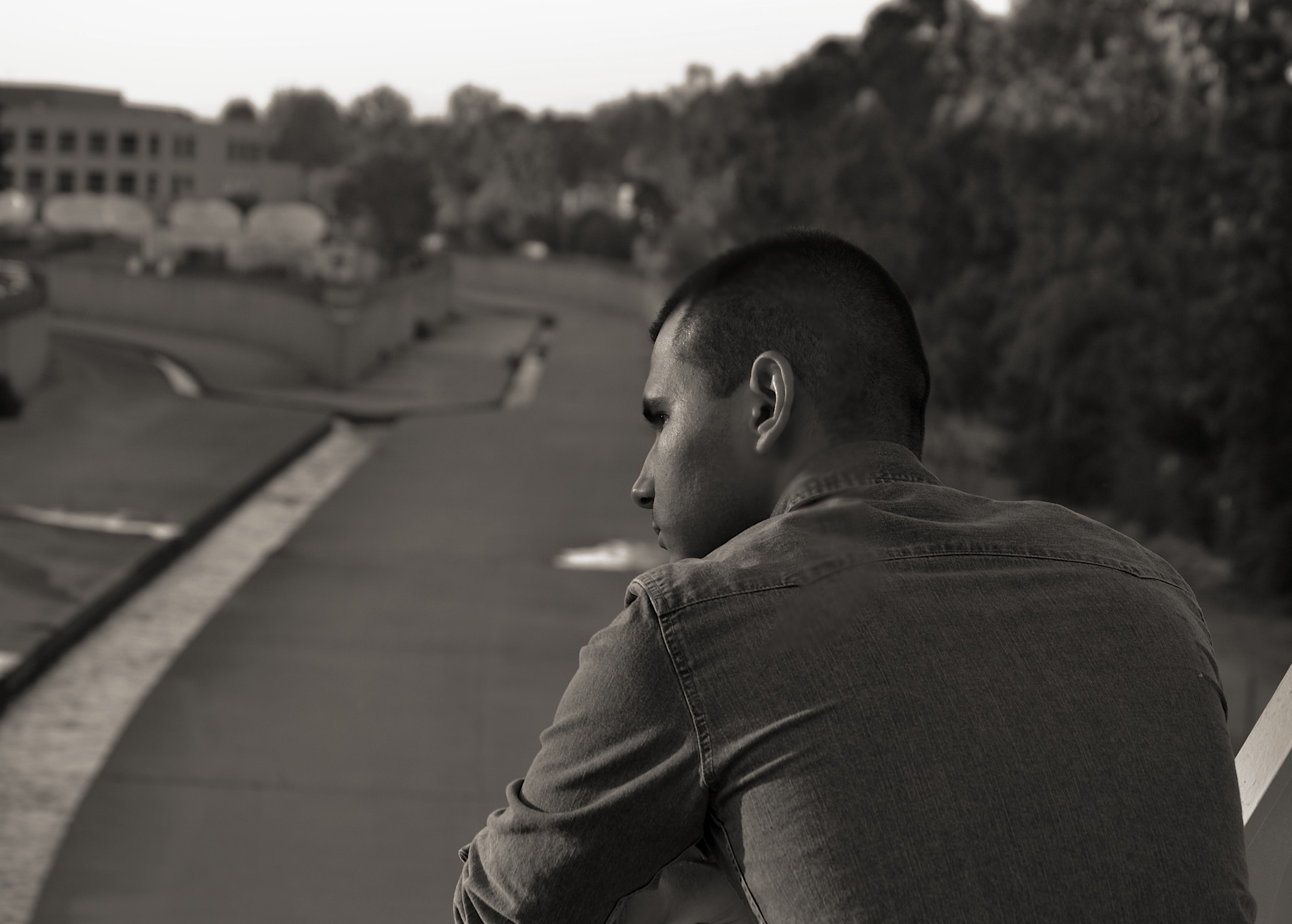
Francisco H./Bridge


6056217054_c8d3998066_o

Francisco H./Bridge, originally uploaded by Here in Van Nuys.

Francisco Hernandez near the new Colfax Avenue Bridge, Studio City, CA.

Photo by Andy Hurvitz

Photographer Tom M. Johnson, Lakewood, CA.


Photo by Tom M Johnson

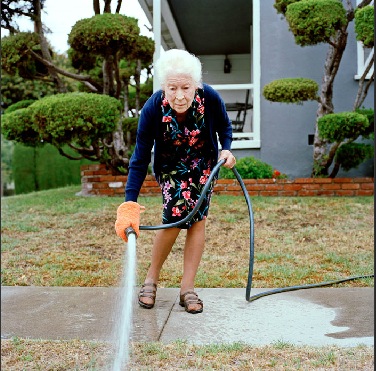
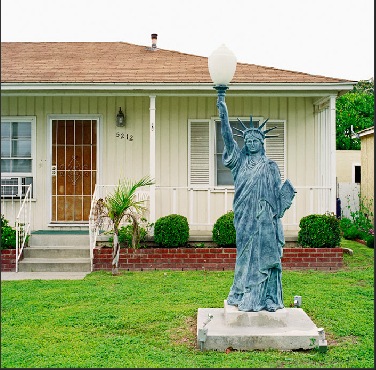
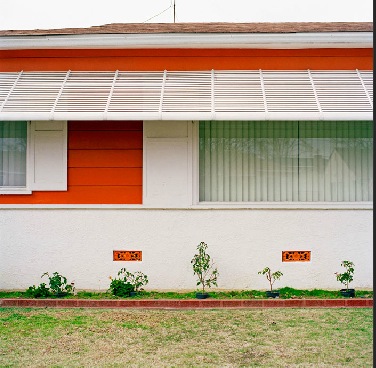
Photographer Tom M. Johnson is profiled in today’s New York Times. He shoots images of Lakewood, CA finding profundity inside banality, in matter-of-fact photographs which document an ethically diverse place where neat lawns, plain houses and regular people mingle.

How to Succeed Without Even Knowing


SMASHBOX FACE/OFF, originally uploaded by ClaytonLePanda.

Did you know there is something called A Month of Photography LA featuring exhibitions, lectures, and discussions? The Lucie Foundation is the organizer of many events for photographers and those whose livelihood (or lack of one) is connected to the visual world.

Last night, I drove down to Smashbox Studios in Culver City where black shirted PA’s were busy folding up many hundreds of folding chairs inside vast white-walled spaces. I’ve noticed that much of the long hours spent in production involves unfolding and folding up portable seats.

A panel discussion, attended by over 100 people, listened to “New Media” art directors, photographers, photo agents and a website blogger ruminate on how the “wonderful” new virtual world of photography is being remade by those who live inside Facebook, Twitter and Zineo.

There are many thousands of photographers and would be creatives in Los Angeles, most of who work at jobs and in areas completely divorced from their real passion. But the six persons on stage last night, have somehow made names and money for themselves by positioning their work in the front and center of digital imagery.

Rob Haggart was the moderator. He writes aphotoeditor.com
where he uses his background as the former photo editor of Men’s Journal to advise a photographer on how one might market herself in the iPad era. Soft spoken, silky haired, with a smooth face, black thick frame glasses and a plaid shirt, he radiated a confidence and heft earned from early success and posting daily bromides. He has a company that builds websites for photographers.

Jen Jenkins is the principal of Giant Artists, a photography agency. She has a roster of 8. Eight. Friendly, optimistic, youngish, she looks like a gal who you might meet in an Oakland muffin shop or making organic soap in Portland.

Ms. Jenkins’ clients were also on the panel, Jeremy and Claire Weiss, who shoot photos and blog and Twitter and Facebook and gallery themselves up in Highland Park.

The most corporate and seemingly the most business savvy on the panel was Heidi Volpe, former art director of the LA Times Magazine and now design director at Zinio. She seemed to actually hold and succeed at her corporate creative job, one in a long line of jobs where she chose and promoted and assigned professional photographers. Now she is showing National Geographic how to convert its vast name and assets into digital content.

Kiino Villand is a photographer who has launched an online magazine WSTRNCV. He reminded me of me because I could not exactly tell what exactly he does, what he is selling, or what he is aiming for. His magazine is unpronounceable, but I once turned it up by Googling for “Studio City and Laurel Canyon”.

It finally came around, after 1.5 hours, to open up the questions to the audience. Twitter and Facebook, like Catholicism and Islam, are the great keepers of the mind of man, but one agnostic uttered a blasphemous word: FLICKR.

We had been told for almost two hours about how much social media matters and about how Twitter and Facebook and YouTube are invaluable for photographers. But Flickr, the largest photography website on the Internet, an international creation which links and unites lovers of photography around the globe, is somehow considered lowbrow or “for housewives who post children’s party photos” on it.

The panelists seemed lost in explaining whether Flickr was a detriment or asset to a professional photographer. “Go ahead and do it” or “We deleted our Flickr account” were the answers.

The discussion ended and the crowd of many thin, stubbled-faced young poseurs assembled into slouchy and huggy groups of camaraderie and camera talk. An unusual number of people were handsome and pretty, leading me to speculate that photography, like acting, sex, and marriage, is something to be entered into with blithe ignorance and convincing fakery.

Tomorrow would come again and somewhere someone will be texting and typing, uploading and digitizing, shooting and posing, directing and lighting and trying to succeed without even knowing.

And hopefully getting paid and praised for it.