Option A: Silencing the Sound of Mustangs.


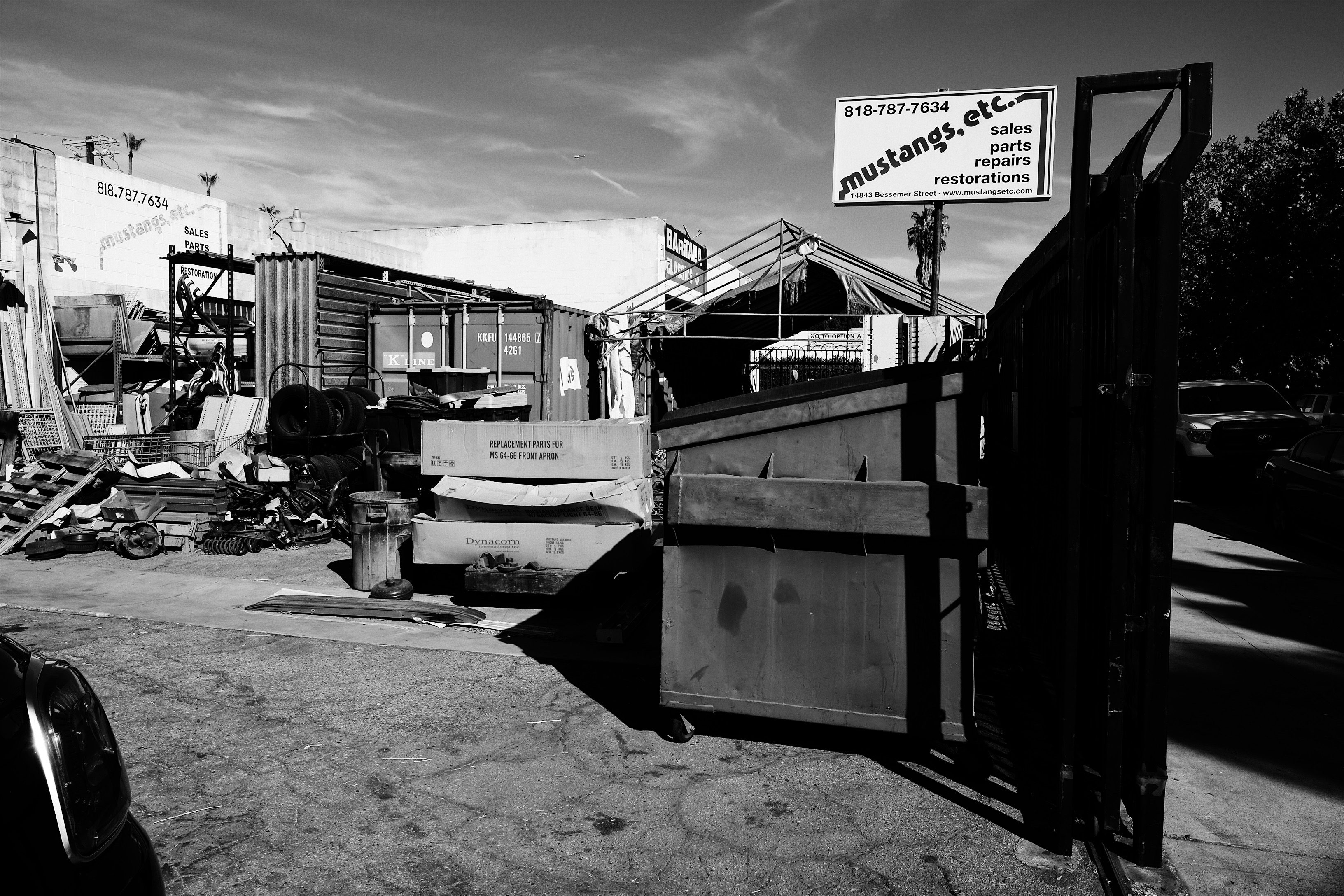
Just east of Kester, on the north side of Bessemer,  Mustangs, Etc. has been servicing, restoring and selling that model of Ford since 1976.

They occupy three buildings. Two are rented, and one is owned.
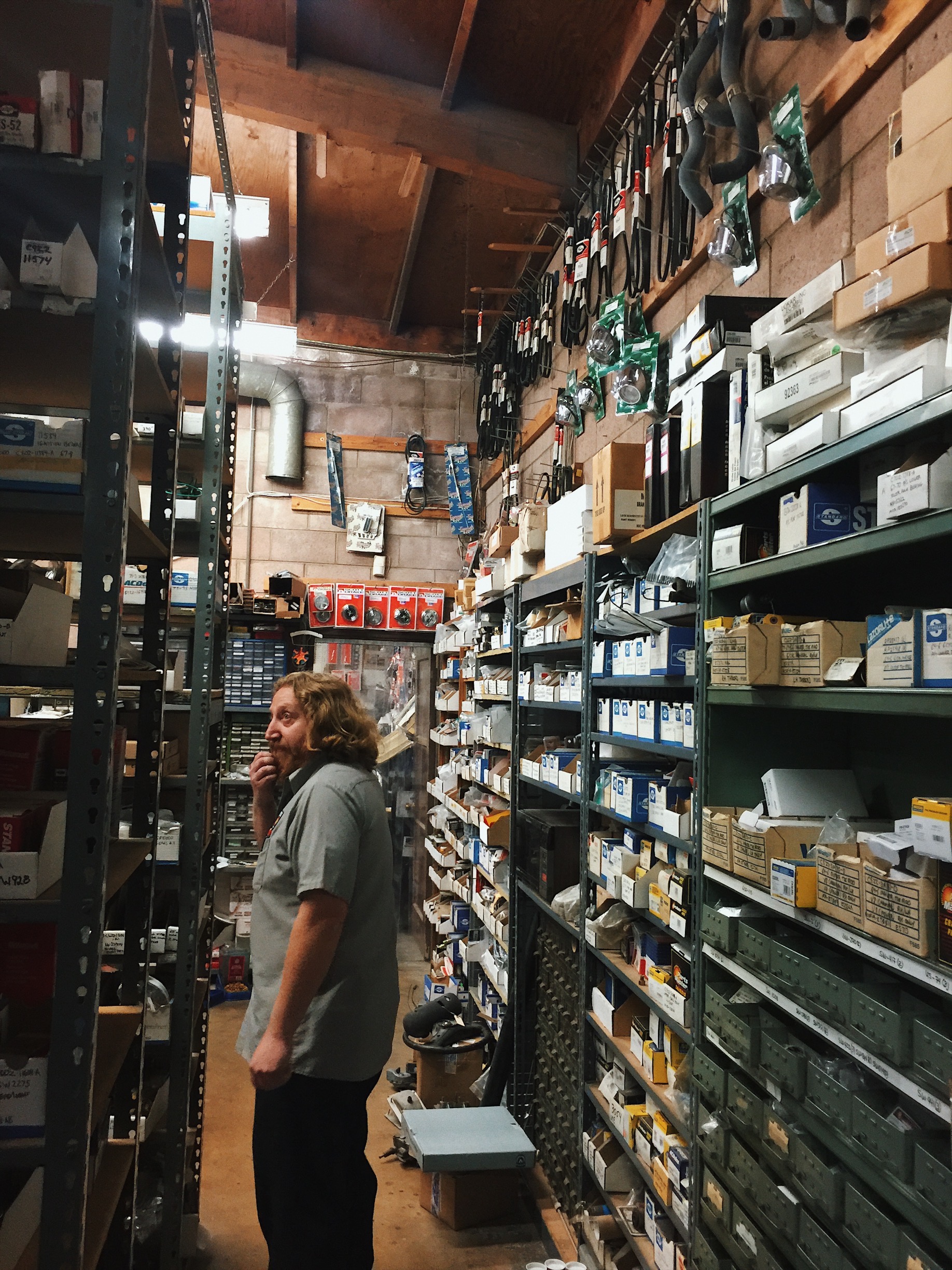
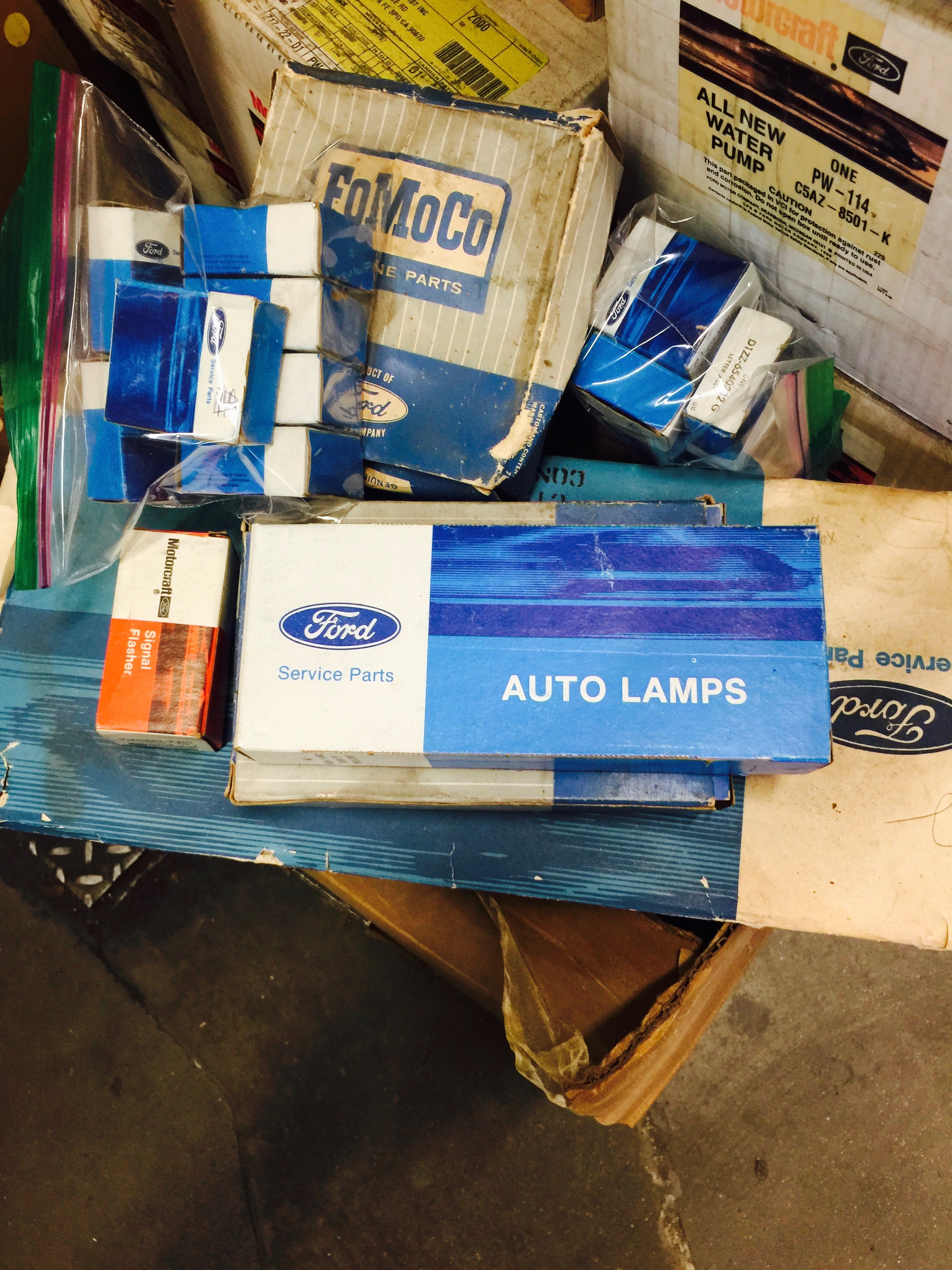
There are 20,000 square feet, in total, of vintage parts stacked high and piled thick, inside cavernous, narrow, metal-shelved rooms with wood-framed ceilings, some punched out with skylights. Dusty light pours down through decades of spider webs to illuminate every small, medium and heavy part that might go into any Ford Mustang built since 1964 1/2.

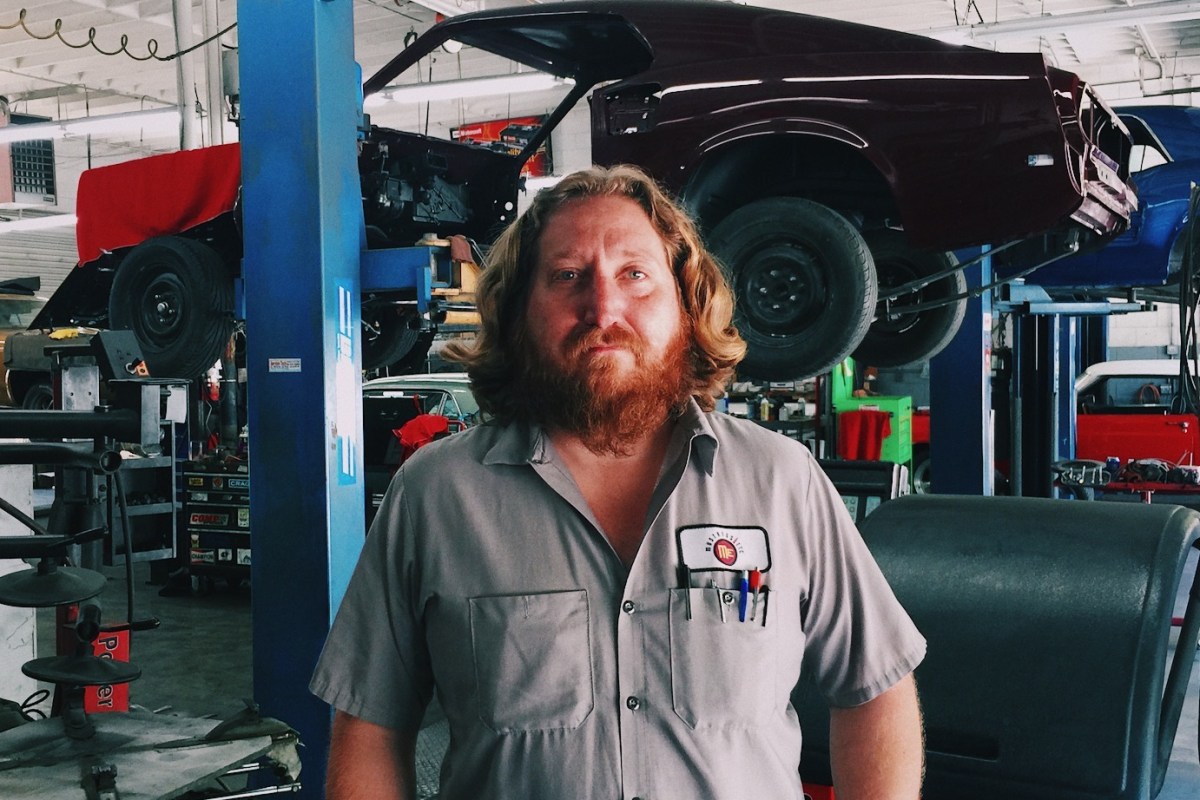
Garrett Marks, 37; musician son of the founder, Arnold, 76; lead me on a tour of their facility. Thoughtful, quiet, bearded, limping somewhat from a two-year old accident, he wears his red hair long and speaks softly and knowledgeably about his family business.

“I feel like a historian, an archaeologist, and an investigator,” he said, as we walked past rows of steel tire rims, drive shafts, 14″ Spun Aluminum Air Cleaners, spark plug cables, brake pads, fuel pumps, stainless hood hinges, ’67 Mustang air conditioning vents,auto lamps, hydraulic hose lines, Bendix Radios, and stacks of vintage dashboards with fuel, oil and speedometer instrument panels.

We passed those extra-large, circular Mustang gas covers from the early 1970s.

Mary Tyler Moore, are you still on that highway to Minneapolis?
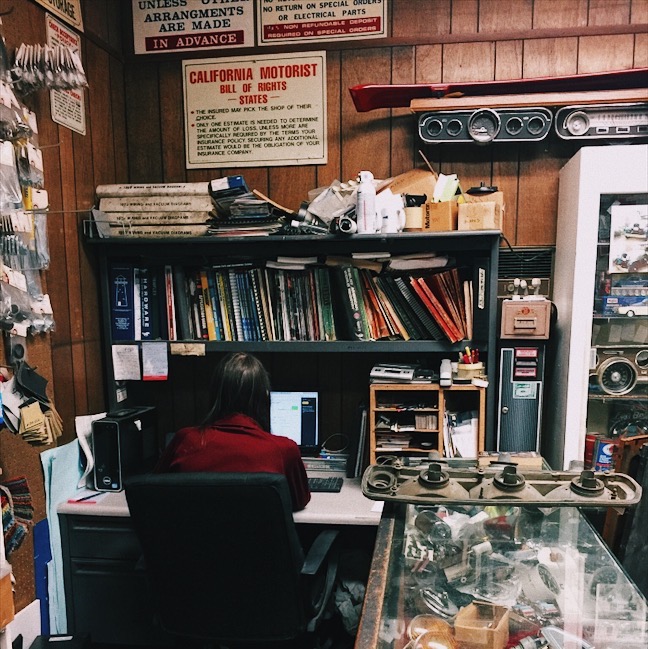
Inside the parts office there was a straight-haired young woman who sat in front of a computer screen. Her digital device seemed out-of-place in a fluorescent lit, wall-paneled room overflowing with volumes of instruction manuals: 1969,70, 71, 72, 73 Wiring and Vacuum Diagrams, 1959 Edsel Maintenance, and a glass case with headlights, key chains and other ephemera seemingly mixed up and tossed about by mischievous ghosts.

A few buildings down the block I toured the service garage.
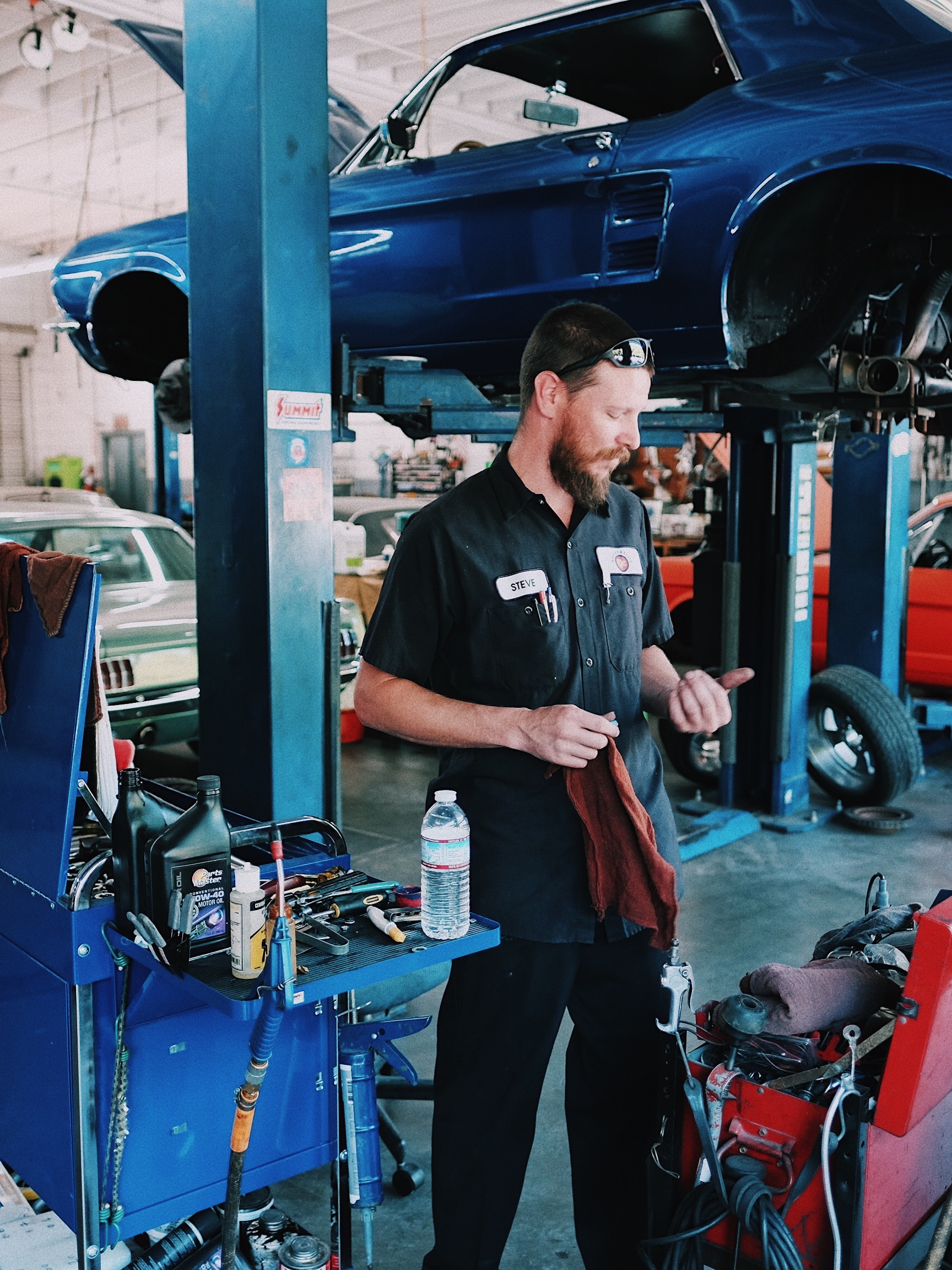
 

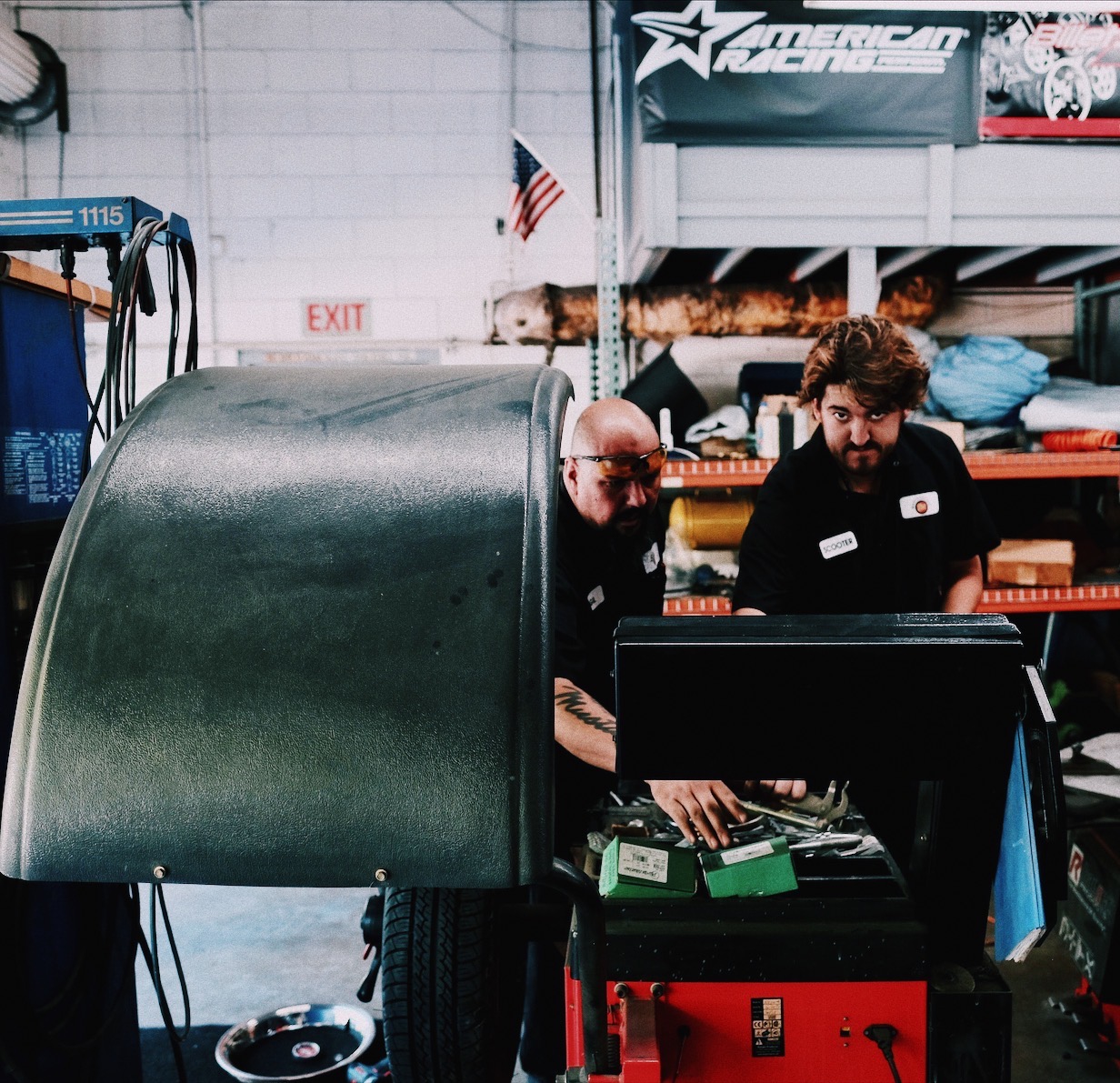
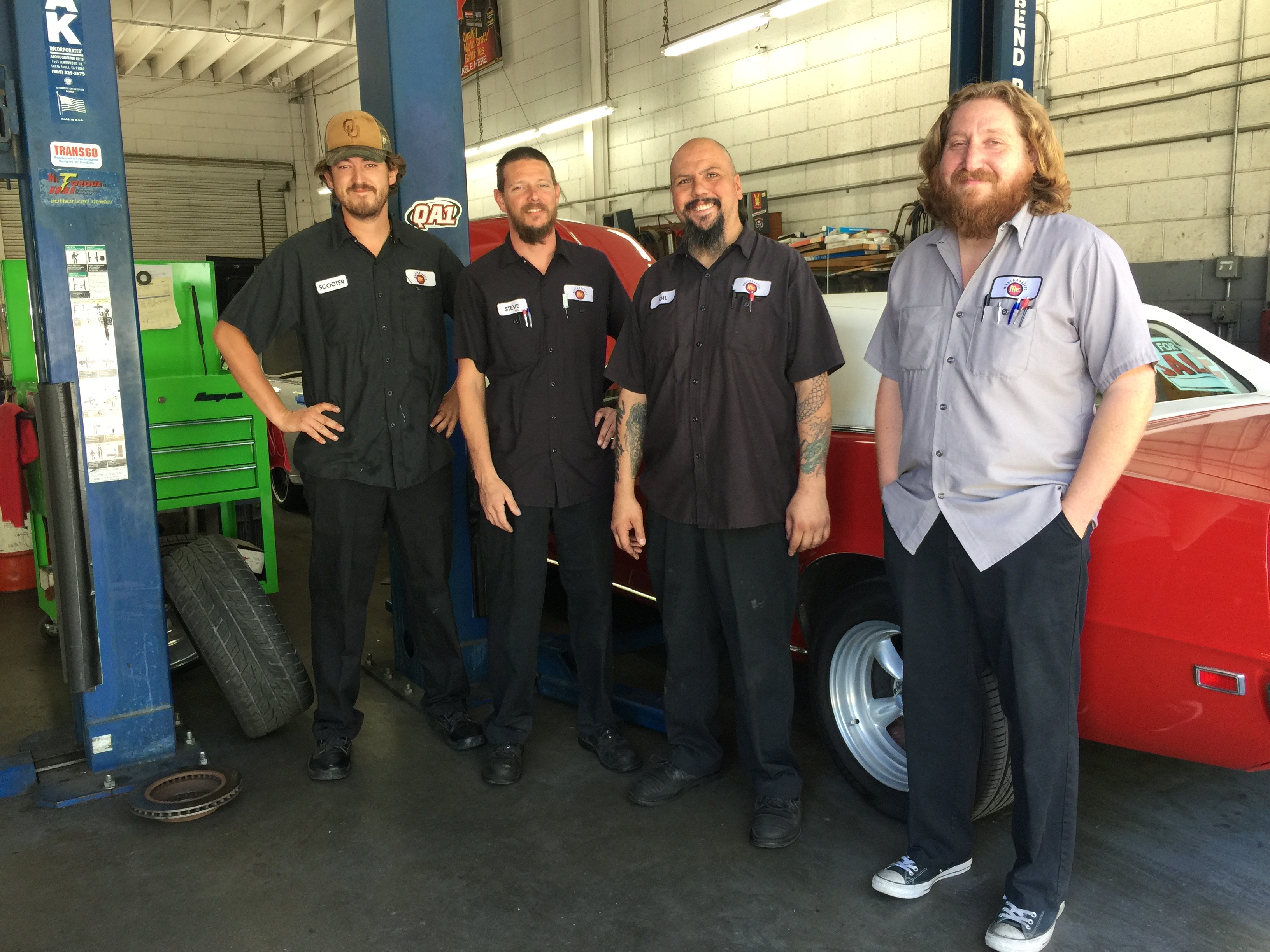
It is expansive, bright and light filled. Jocular young men in dark blue uniforms with retro names (Scooter, Steve, Mike, and Gil) worked on vintage Mustangs and mocked one another in friendly terms.

It was like a scene out of old Kansas somewhere in a small town. I thought the boys might get a lickin’ if Auntie Em or Uncle Arnold came onto the floor. It could play out like “The Wizard of Oz.”
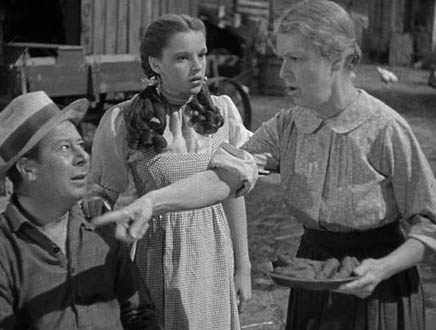
 

               AUNT EM

Here, here, what’s all this jabber-wapping when there’s work to be done? I know three shiftless farm hands that’ll be out of a job before they know it!

               SCOOTER

     Well, Garrett was walking along the —

               AUNT EM

     I saw you tinkering with that contraption, Scooter. Now, you and Steve get back to that wagon!

               SCOOTER

     All right, Mrs. Gale. But some day they’re going to erect a statue to me in this town, and —

               AUNT EM

     Well, don’t start posing for it now. Here, here — can’t work on an empty stomach. Have some crullers.
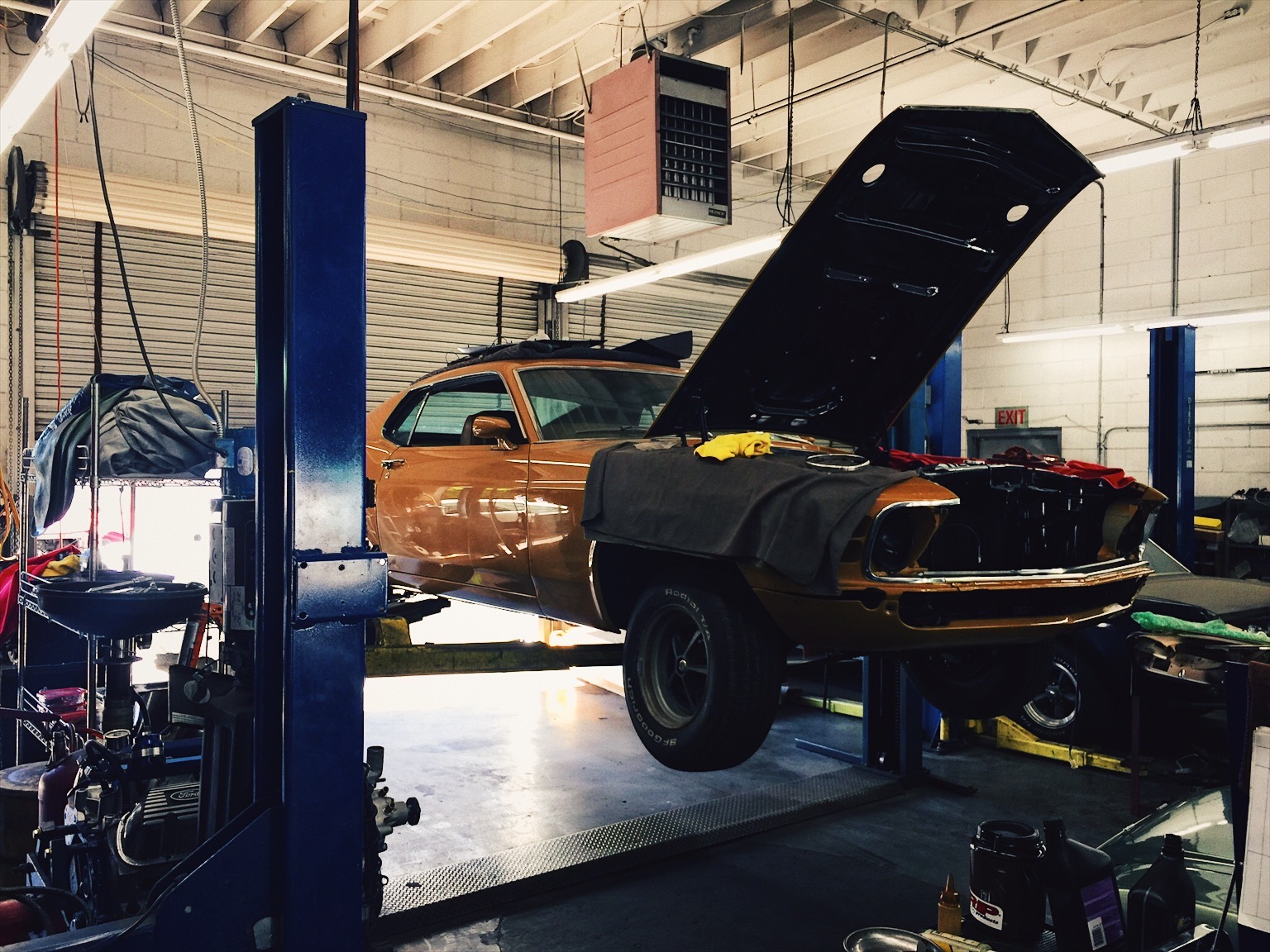

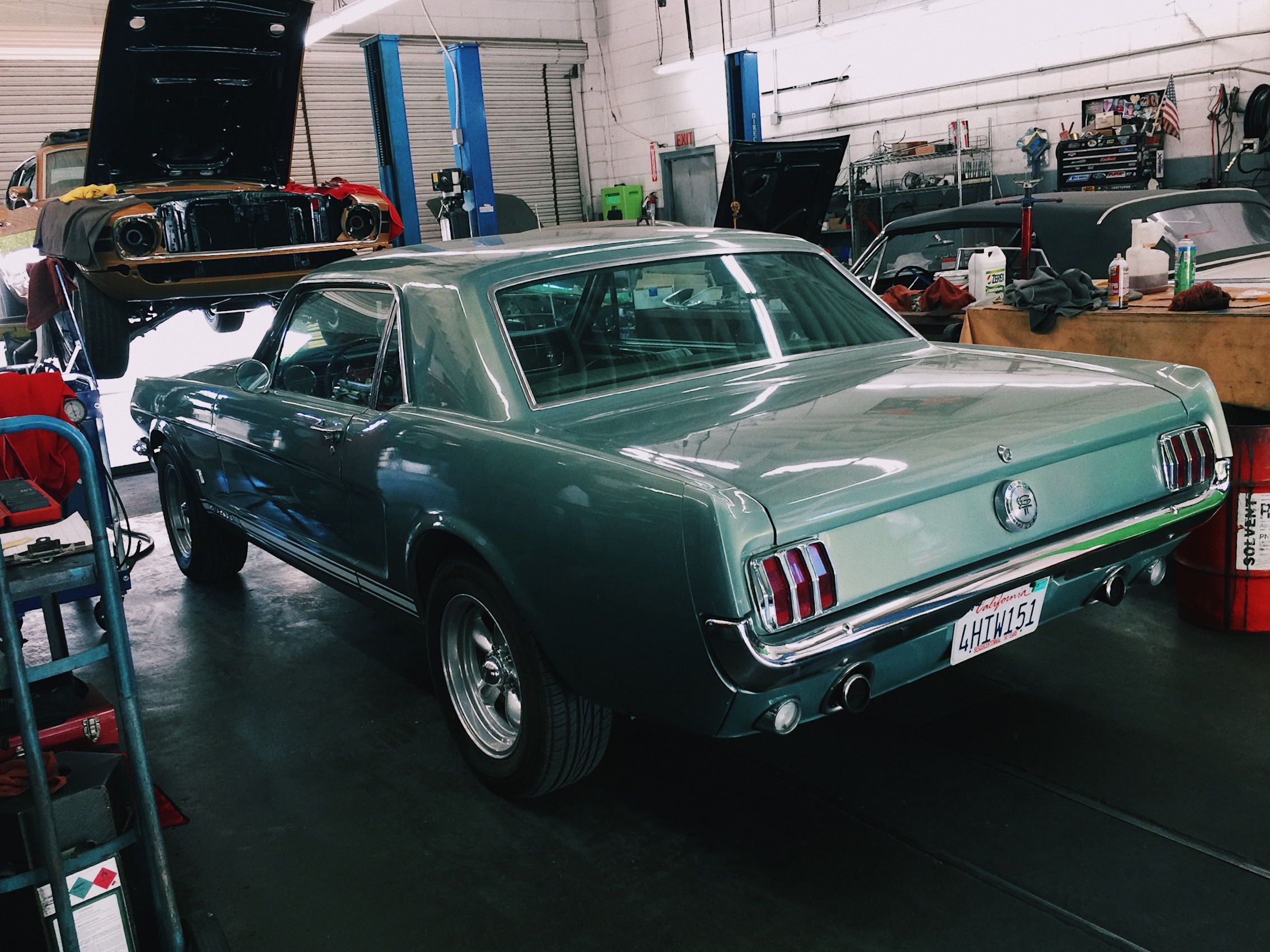
A few jaunty, groovy autos were positioned high, held up on hydraulic vehicle hoists. Each mouth-watering, metallic Mustang body was a different color: deep red, orange, blue, and misty green. Each evoked a sensory flood of memories, for me, that fast time, 50 years ago, when people drove fast and unbelted, and every car you passed in Malibu had women in short skirts with long hair and big sunglasses smoking. Everyone you saw was 18, smooth-faced and sat in the sun and went to the beach every chance they got.

Those Mustang Dreams were getting renewed in present day Van Nuys. Their exteriors polished, their engines tuned up, their interiors sewn and repaired and given a yearly dose of immortality denied to their owners. A freshly restored Mustang gallops like an unbridled pony. It embodies youth, fury, energy, and a temporary escape from any debt, duty or obligation.
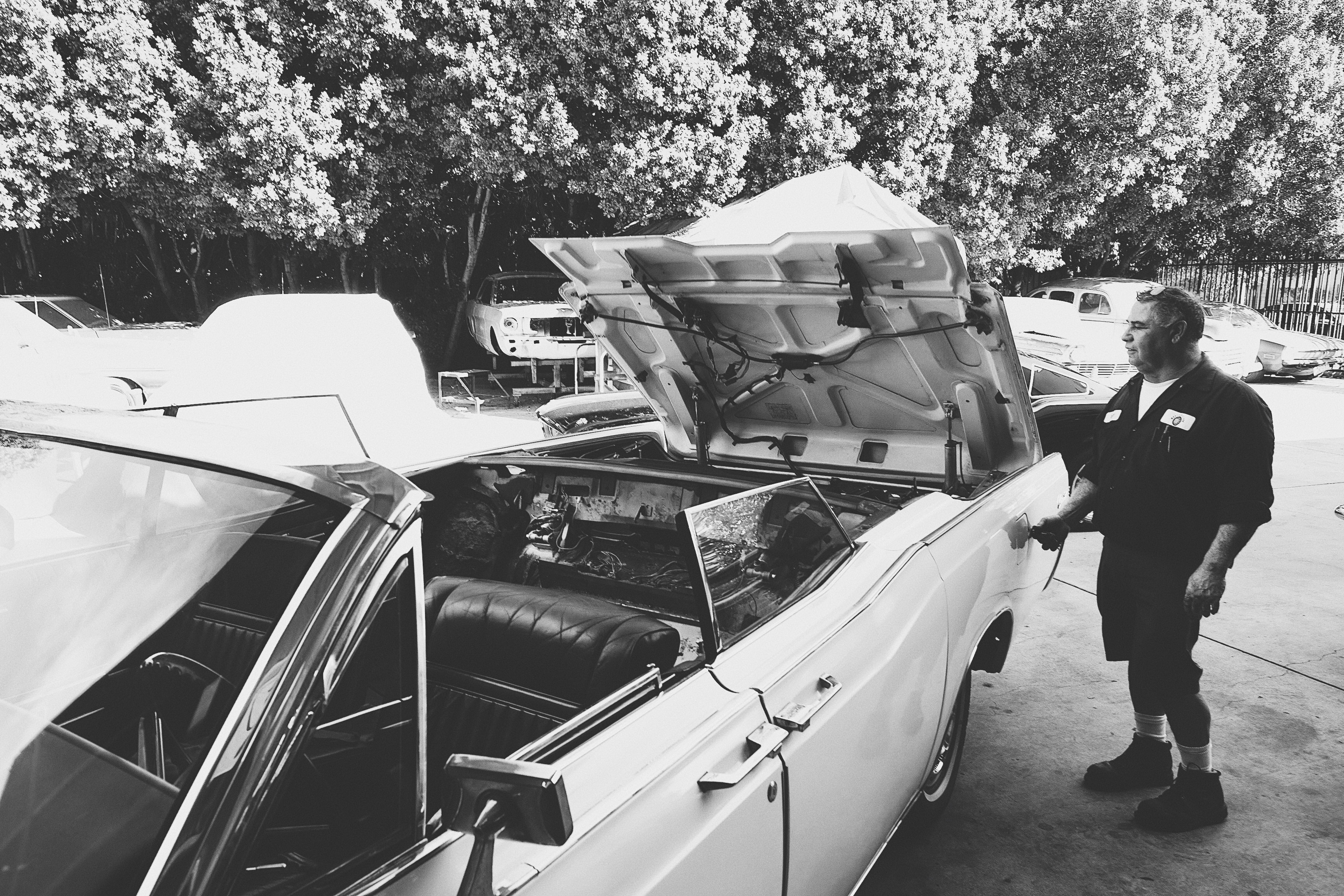
Just outside the garage, out on the black top, Ray was demonstrating a 1967 Lincoln Convertible Sedan whose top unfurled electronically and was stored in a giant steel trunk that opened to receive it and seemed ominously capable of holding five dead gangsters comfortably.
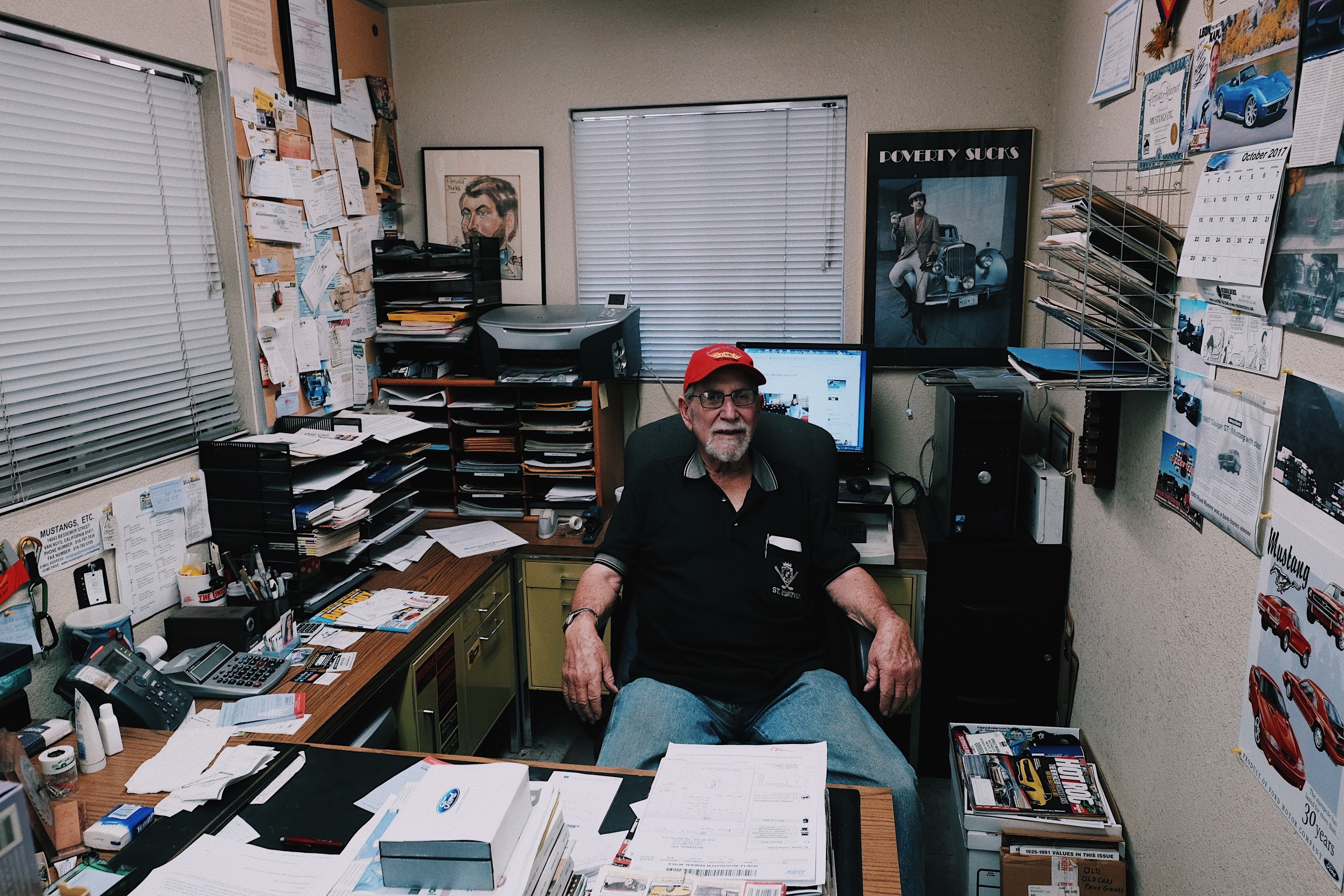
I met Arnold, the founder, and we sat in his office as he spoke.

He was born in Detroit in 1941. His father was a skilled auto mechanic. They came to South LA after the war, and Arnold came of age during Kennedy’s New Frontier when the Presidency was still profound and its occupant quotably inspiring.

“Ask not what your country can do for you, but what you can do for your country.”
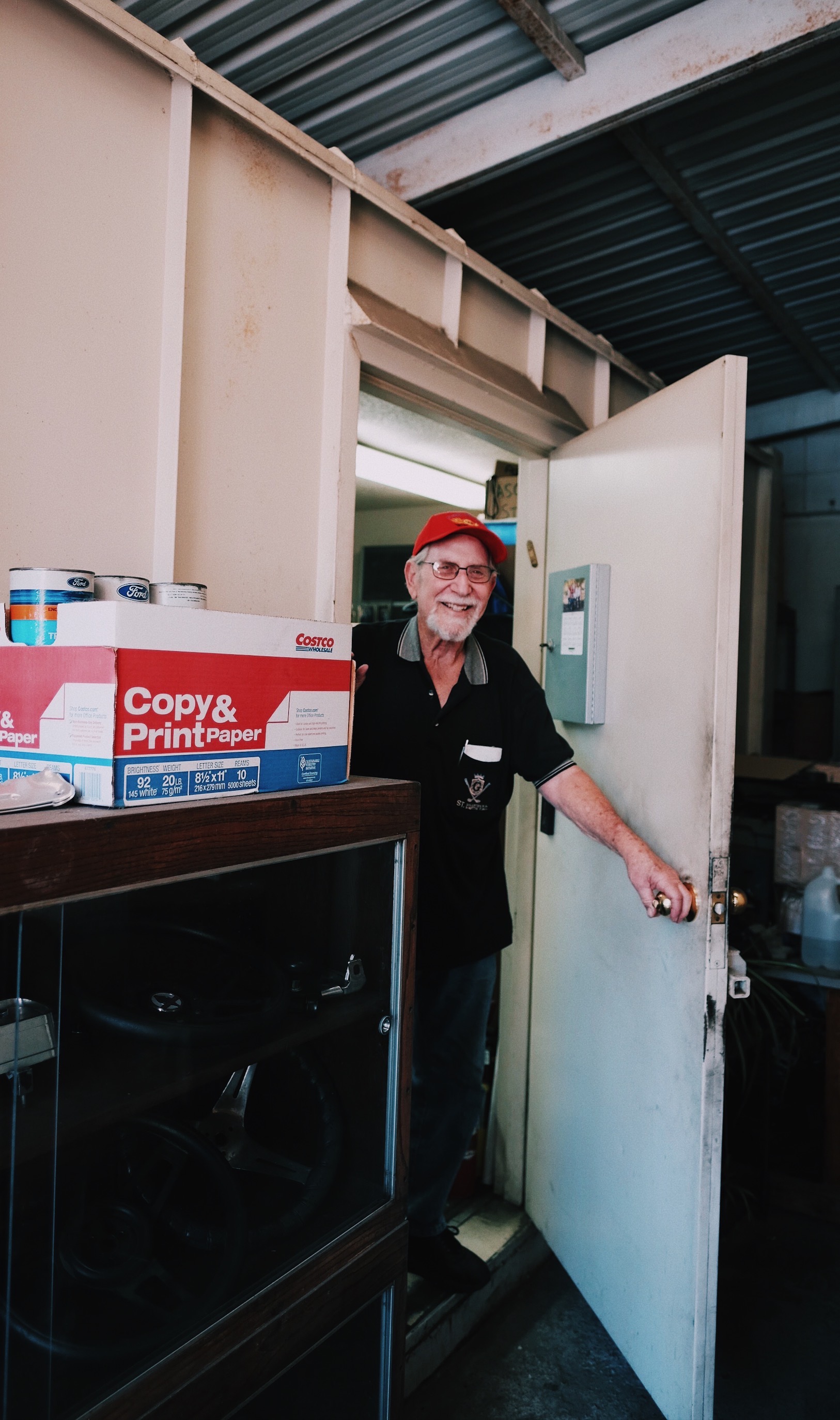
The young idealist Arnold wanted to teach. He got his certification, and he went down to South Central where he encountered disheartening road blocks: a disdain for education, broken families, poverty, and children who passed around bullets in class for amusement. In those schools, at that time, before busing, there was no order, no discipline, no respect, so he soon went to find another way to work.

He got smart and retrained as an auto mechanic. By luck, he found another spot near Kester, and began his operation in 1976. His rent was $900 a month so he had to hustle. He found that his specialty in Ford Mustangs was dear to many, including celebrities such as Jay Leno, and Miley Cyrus among others.

Like all business owners in Los Angeles, he found that he had to fight, not only for customers, but against appalling social conditions in the neighborhood. There was illegal dumping, homeless encampments, drug dealers, drug addicts, thefts, and murders.
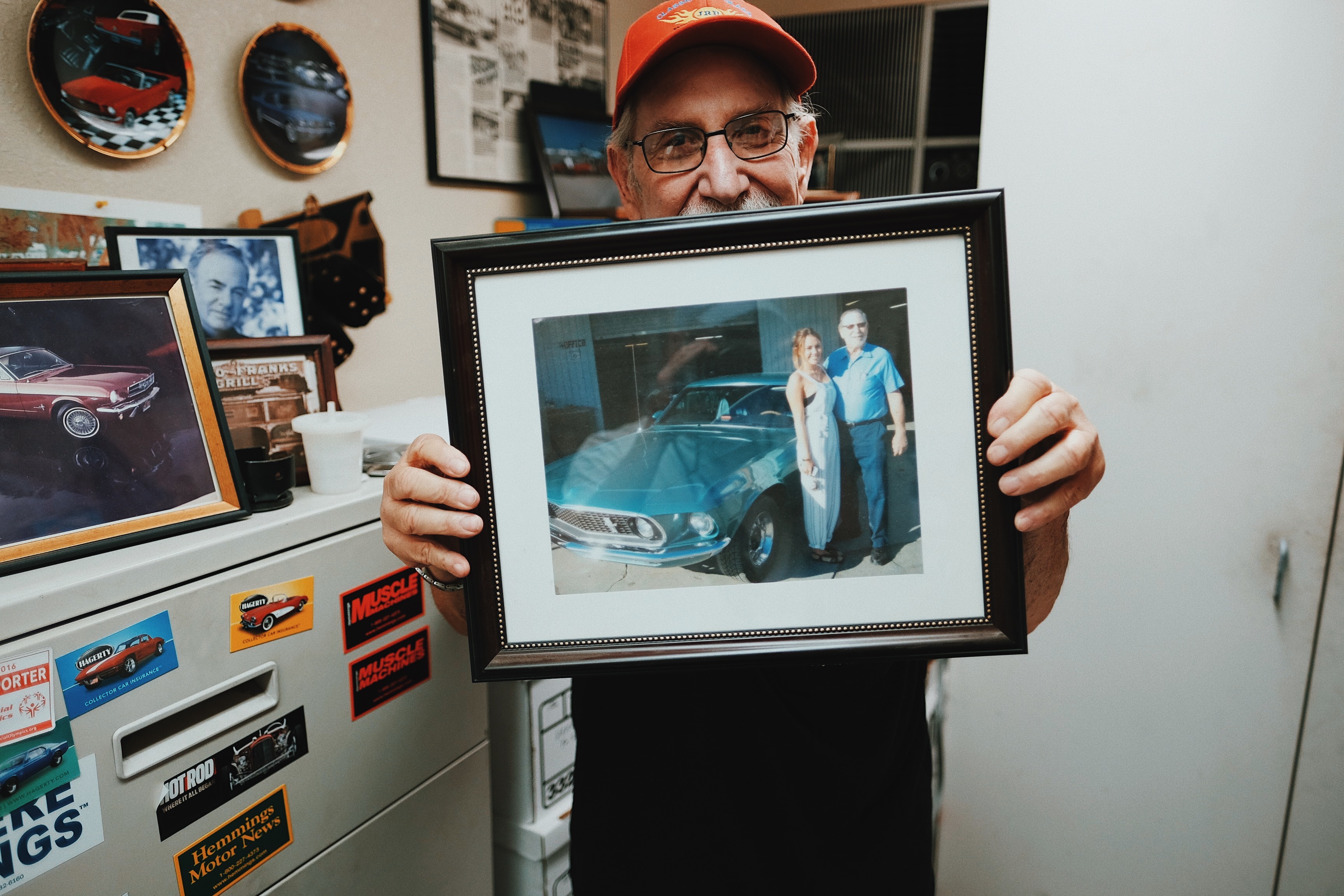
Arnold with Miley Cyrus.

The expansion and landscaping of the Orange Line (2005), with its lush trees, bike trail and dedicated bus route also ironically hampered the operations of Mustangs, Etc. For now Bessemer Street was narrower, there was no room for tow trucks to drive. The leaves from the many shade trees blew into the property, creating a fire hazard, necessitating removal.

Arnold does not believe “Option A”, the plan to destroy his business and hundreds of others for a Metro Light Rail Service Yard, will happen. “If we are evicted where will we go? There are no other affordable, convenient places for a small business. Many of our customers come from Hollywood or over the hill, so they aren’t going to drive to Pacoima.”
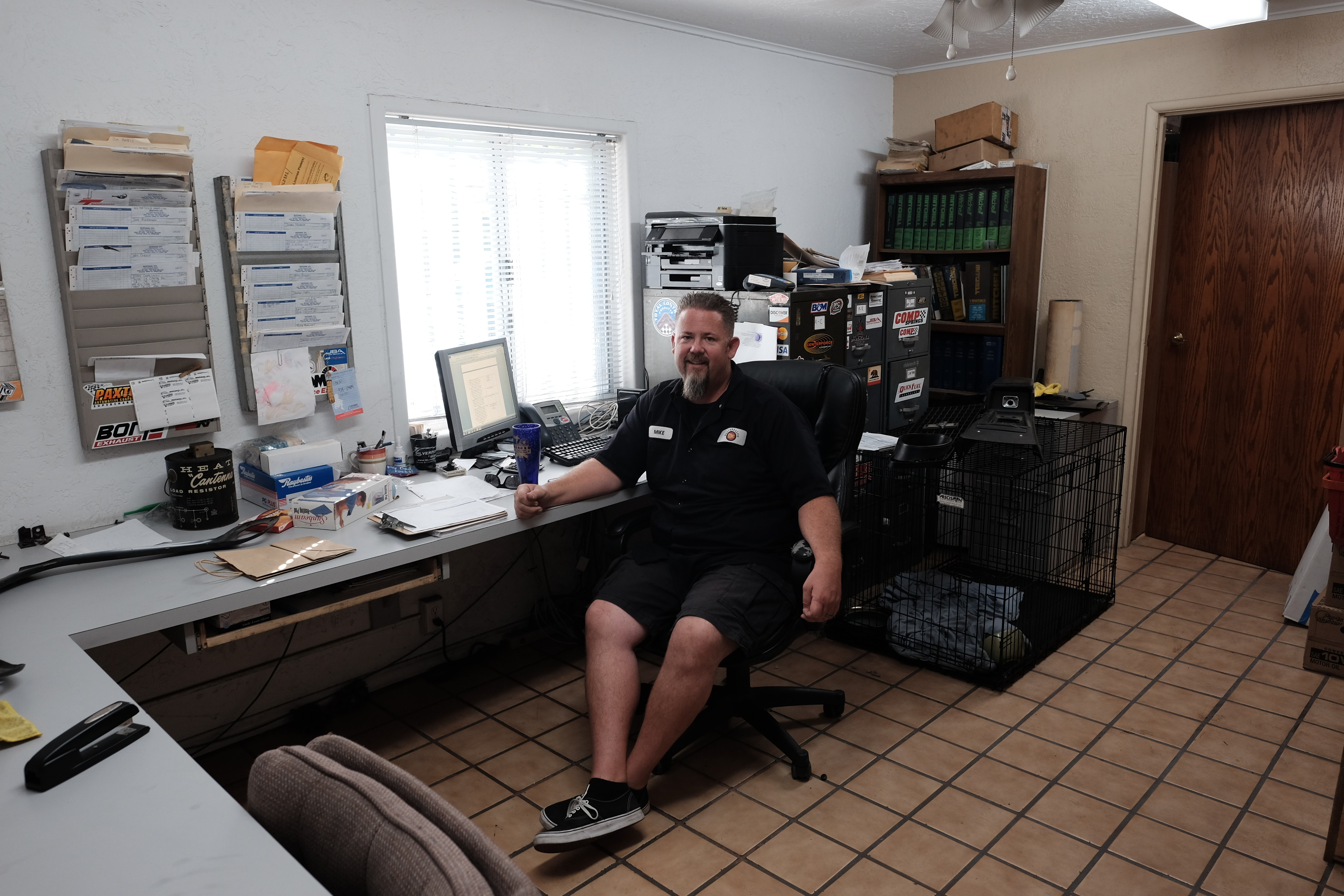
Mike

General Manager Mike thinks the plan to demolish 33 acres of industrial Van Nuys will create some huge environmental problems as decades of discarded oil, poisons, liquid metals and other bio-hazards, once willfully dumped, buried into the soil, are released back into the air. Adjacent homes will see clouds of dust blow over them as bulldozers, jack hammers and shovels unbury deadly toxins entombed in dirt since the 1940s.

If Mustangs, Etc. and other businesses survive this threat, a piece of historic but still functioning, producing, contributing, industrial Van Nuys will have had a small triumph. These family owned companies, mostly employing locals , walking to work, or living nearby, these places of quiet accomplishment and enduring fortitude shall not perish from this Earth.
SaveSave

SaveSaveSaveSave

Option A: “Memo to Metro: May We Survive?”


Mustangs, Etc.


DSCF1430
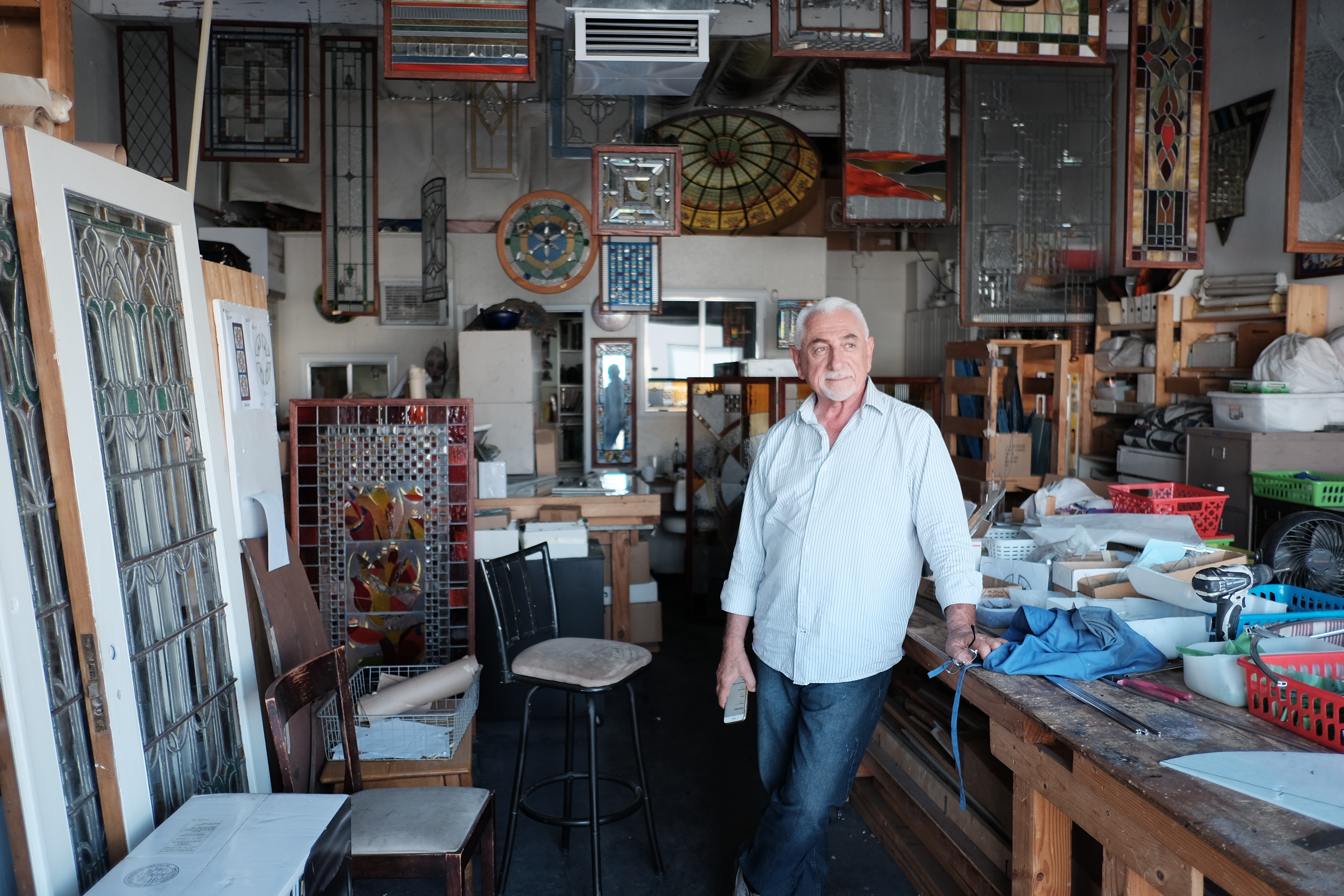
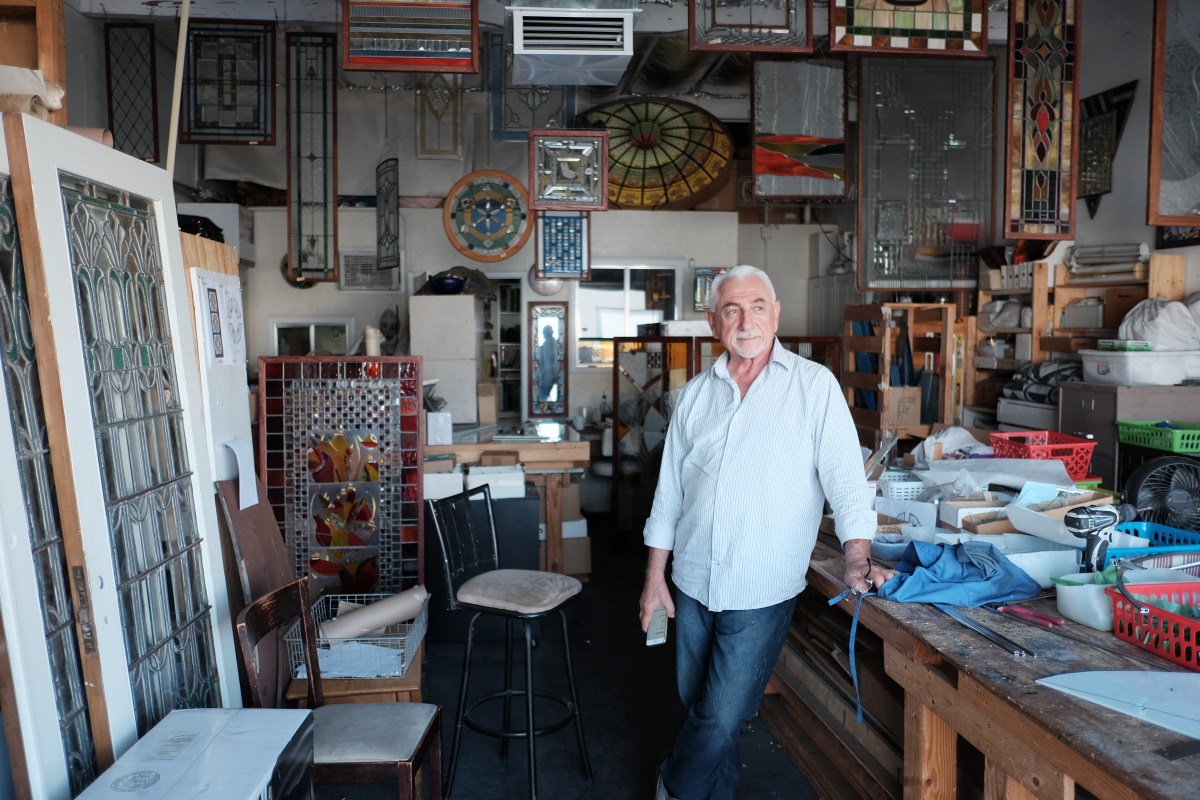
Simon Simonian, Progressive Art Stained Glass Studio
DSCF1407
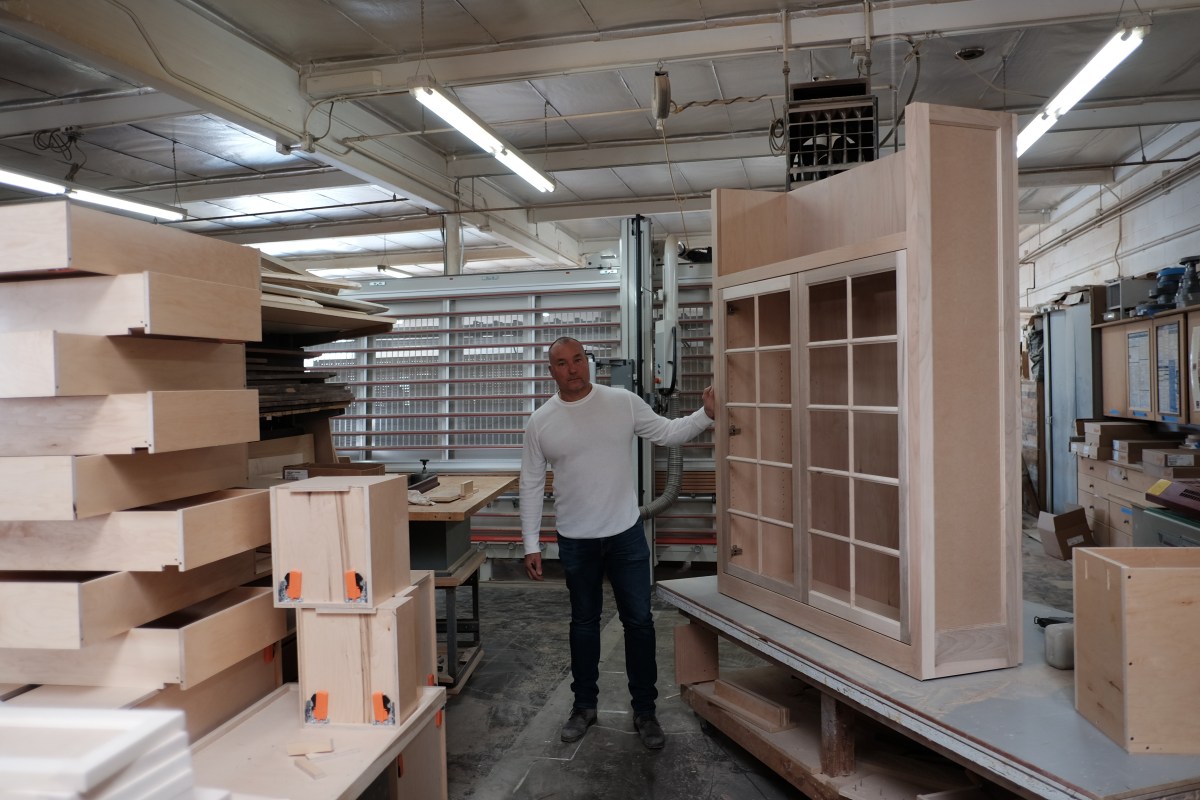
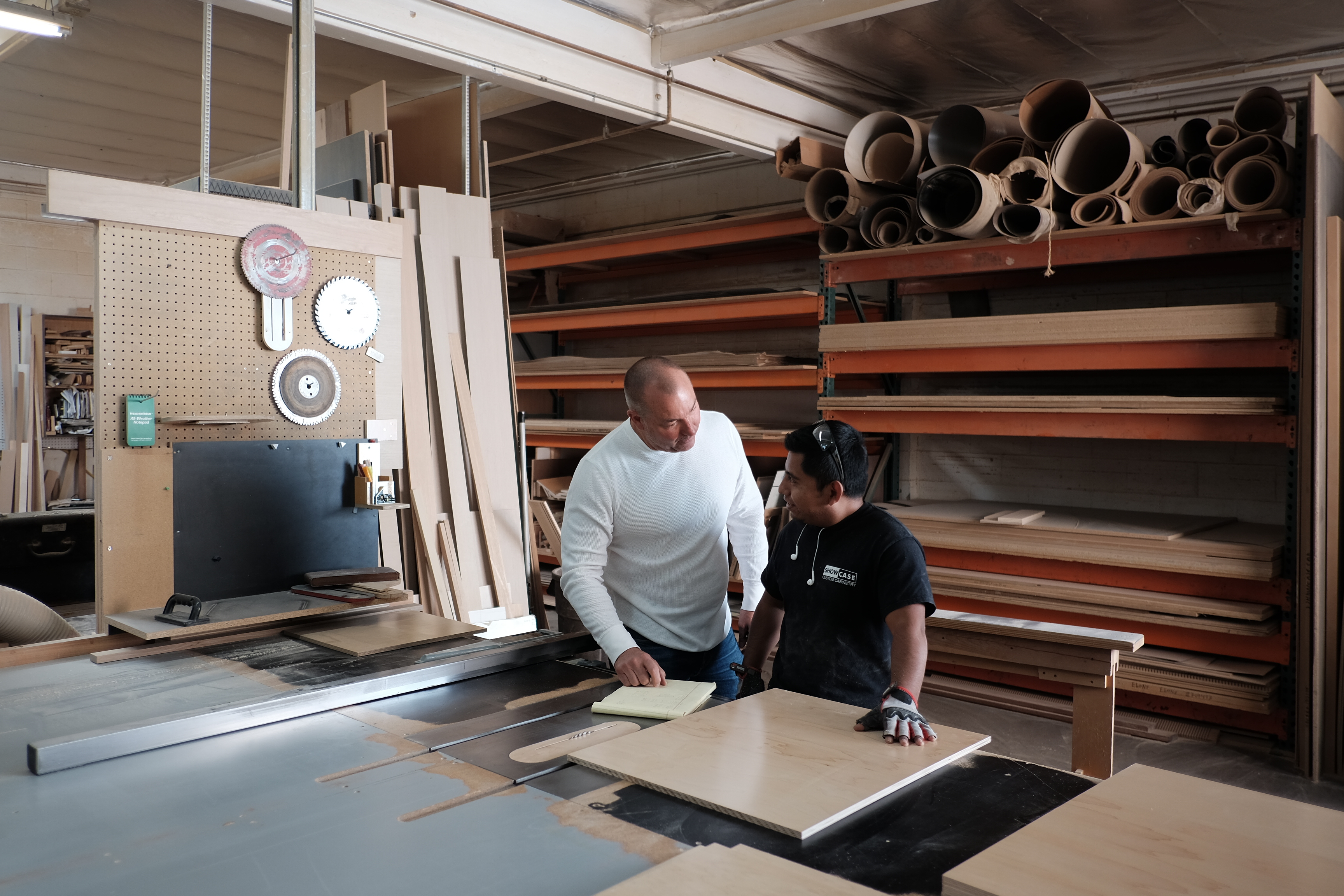
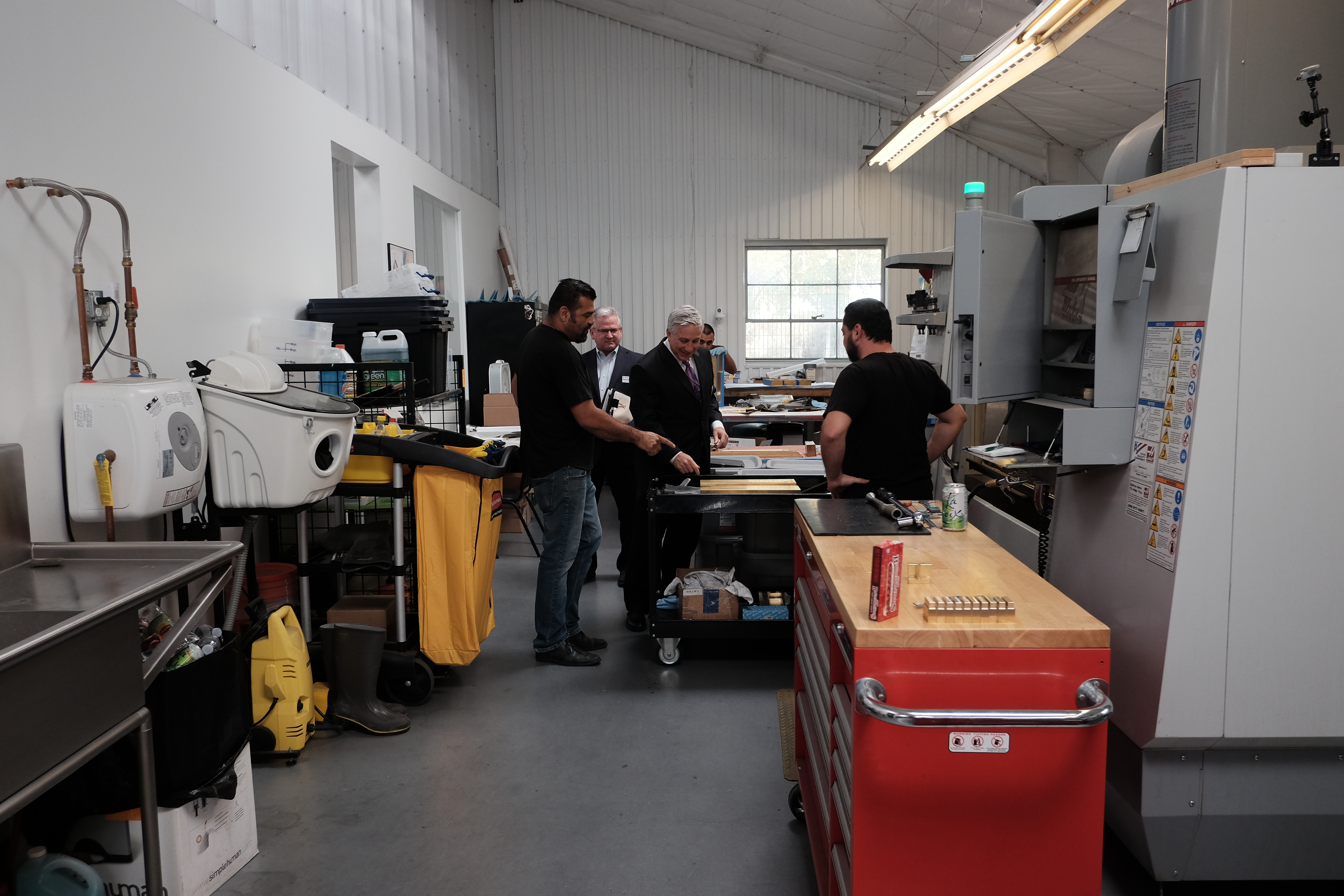
Peter Scholz, owner, Showcase Cabinets.
DSCF1413
Craftsman at Showcase.


Yesterday, The San Fernando Valley Business Journal published an essay by Charles Crumpley, editor and publisher, concerning the scheme (“Option A) by Metro Los Angeles to destroy hundreds of small businesses near Kester and Oxnard for a proposed light rail repair center covering some 33 acres.

I am reprinting here for all to read. In it he castigates the insensitivity and deafness of local government, including Councilwoman Nury Martinez, who has seemingly stood by while hundreds of her constituents face financial ruin, dislocation and the upending of their businesses and economic security.  Prostitution and dumping cannot be the only constituencies that matter in City Council District 6.

If Metro is permitted to bulldoze the last vestige of small business in Van Nuys to make way for a Disneyland transportation scheme, already made redundant in the Uber/Lyft era, than we are all doomed.

Metro needs to find another site for its repair yard that does not destroy the lives, dreams, hopes and well-being of hard working entrepreneurs and working men and women in Van Nuys.


Memo to Metro: May We Survive?

By Charles Crumpley

Monday, October 16, 2017


The gulf between local government and the business community was on full display last week at the Van Nuys State Building Auditorium.

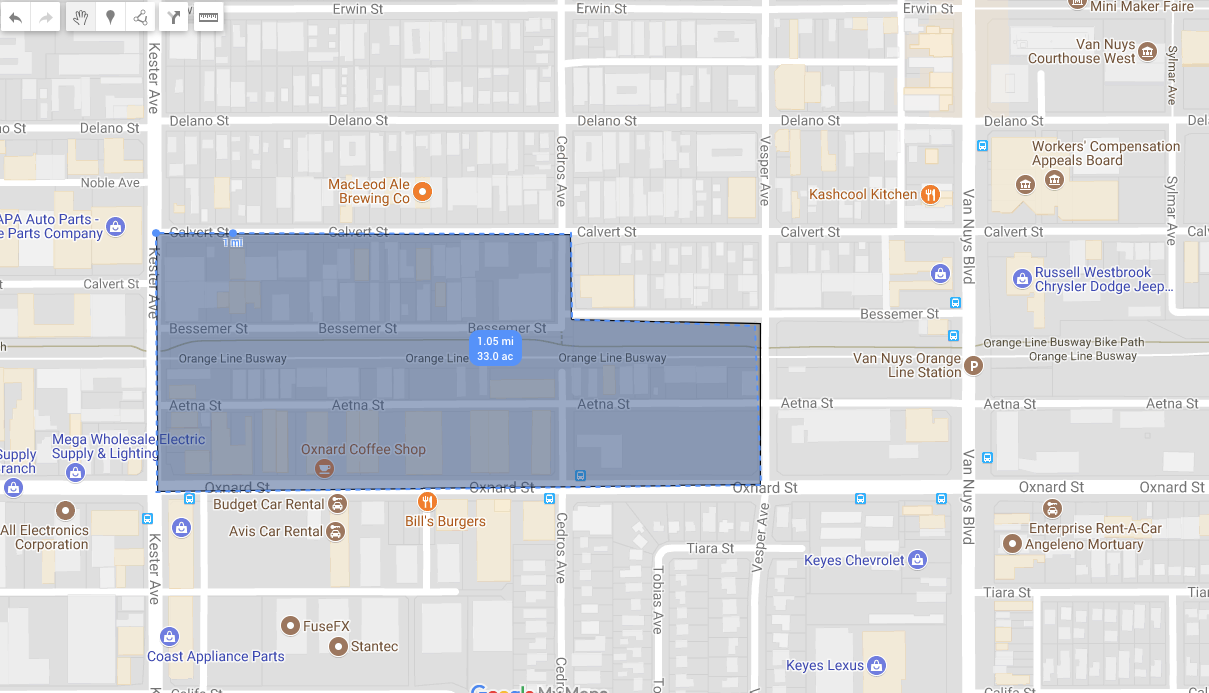
That’s where the Los Angeles County Metropolitan Transportation Authority held a meeting Oct. 10 to hear from businesses that stand to be evicted because Metro wants to clear land northeast of Oxnard Street and Kester Avenue to build a train maintenance yard to serve a new rail line.

The message from businesses seems simple and clear: Can’t you find a better place for your maintenance yard? Maybe one that doesn’t oust a train load of businesses – 186 of them, by one count.

The message from bureaucrats also seems simple and straightforward: Yawn.

Whether they know it or not, that’s the memo they sent to businesses. To Metro’s credit, it did hold the so-called informational meeting after it became clear that businesses were growing restive. On the other hand, Metro’s temper at the meeting was vaguely brusque and at times dismissive. To at least some of the businesspeople in attendance, it all came off as if Metro’s imperial overlords had been forced to travel to Van Nuys to sit through another dull meeting in which the plebian supplicants had to beg for their survival. (For more on businesses’ reaction, see the article on page 1.)

Here’s an example. The business group proposed an alternative site for the train yard. It seemed to make sense because it would only displace one business, an auto salvage yard, and a facility with some vacant land that’s owned by the Los Angeles Department of Water and Power, better known as the DWP.

But at the meeting last week, Metro Senior Executive Officer Manjeet Ranu announced: “Late this afternoon we got a letter from DWP that says they have specific plans and a construction timeline for use of that property.” So, no deal.

Well, excuse me, but are you seriously saying that DWP’s single plan is more important than the plans of 186 businesses?

Ranu did explain that eminent domain against a government entity like the DWP was difficult, you see.

Well, excuse me again, but isn’t this where we can count on our elected officials to step in and make the DWP yield? Maybe work out some compromise? Surely the DWP’s needs can be met while saving 186 businesses.

Alas, apparently not. The 186 businesses are in Councilwoman Nury Martinez’s district and she did not bother to attend the meeting. No representative from her office was announced at the beginning of the meeting, although her chief of staff said someone from the office later showed up.

The staffer sent me Martinez’s statement, which started by saying the new rail line, which will run from Oxnard Street to Sylmar, is needed and would bring economic revitalization to the area, which no one is arguing. She added this: “Metro indicates there will be some displacement due to the need for a maintenance facility, no matter which option is chosen. I will ensure that Metro continues to have an open and honest dialogue about the support, resources and assistance that will be available to these businesses, so they can plan for their short- and long-term future.”

Well, excuse me, but Martinez is missing the point. Some options for the train yard will have much less “displacement” than others. Focusing on the ones with less displacement is the point here. But I guess you’d have to actually talk to your business constituents to get that. And attend the meeting.

There’s a great gulf between local government and the business community here, and last week’s meeting displayed that.

Government officials see the need for a new train line and therefore a new train maintenance yard and that means some businesses will be evicted and that’s just the way it is. The affected businesses will complain, and part of the job is to yawn through some dull meetings and listen to them whine and patiently explain to them why their alternative proposals won’t work.

Business operators also see a need for a new train line and therefore a new train maintenance yard and that means some businesses will be evicted. But they don’t understand why government can’t be more judicious in selecting a site that is the least disruptive. They don’t understand why government officials can’t seem to see that it is not easy to relocate and could be permanently harmful, even fatal, to the businesses. They don’t understand why elected officials like Nury Martinez fail to come to their defense. They don’t understand why, if their alternative ideas don’t work, the government officials won’t help them come up with ones that do.

Surely there are other sites out there that would be less disruptive. Panorama City actually wants the train yard.

Let’s hope Metro and city officials look harder to come up with a new site that works well for the new train system without wrecking a swath of businesses.


Charles Crumpley is editor and publisher of the Business Journal. He can be reached at ccrumpley@sfvbj.com.

Option A: Destruction Dressed Up as a Dream Scheme.


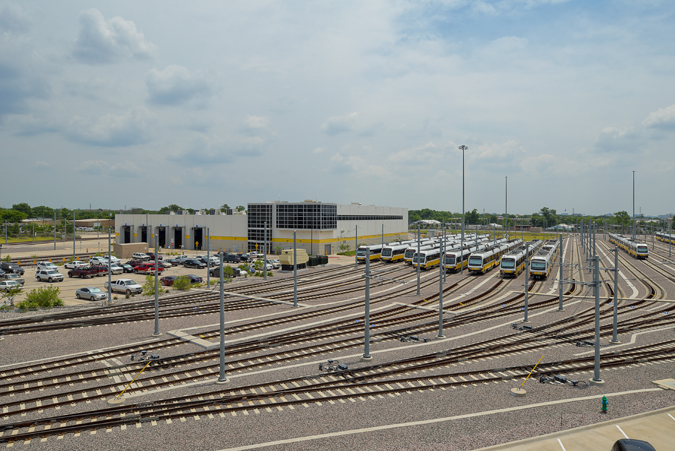
From Oxnard north to Calvert, from Kester to Cedros, in Van Nuys, Metro Los Angeles is proposing a 33-acre light rail repair yard.

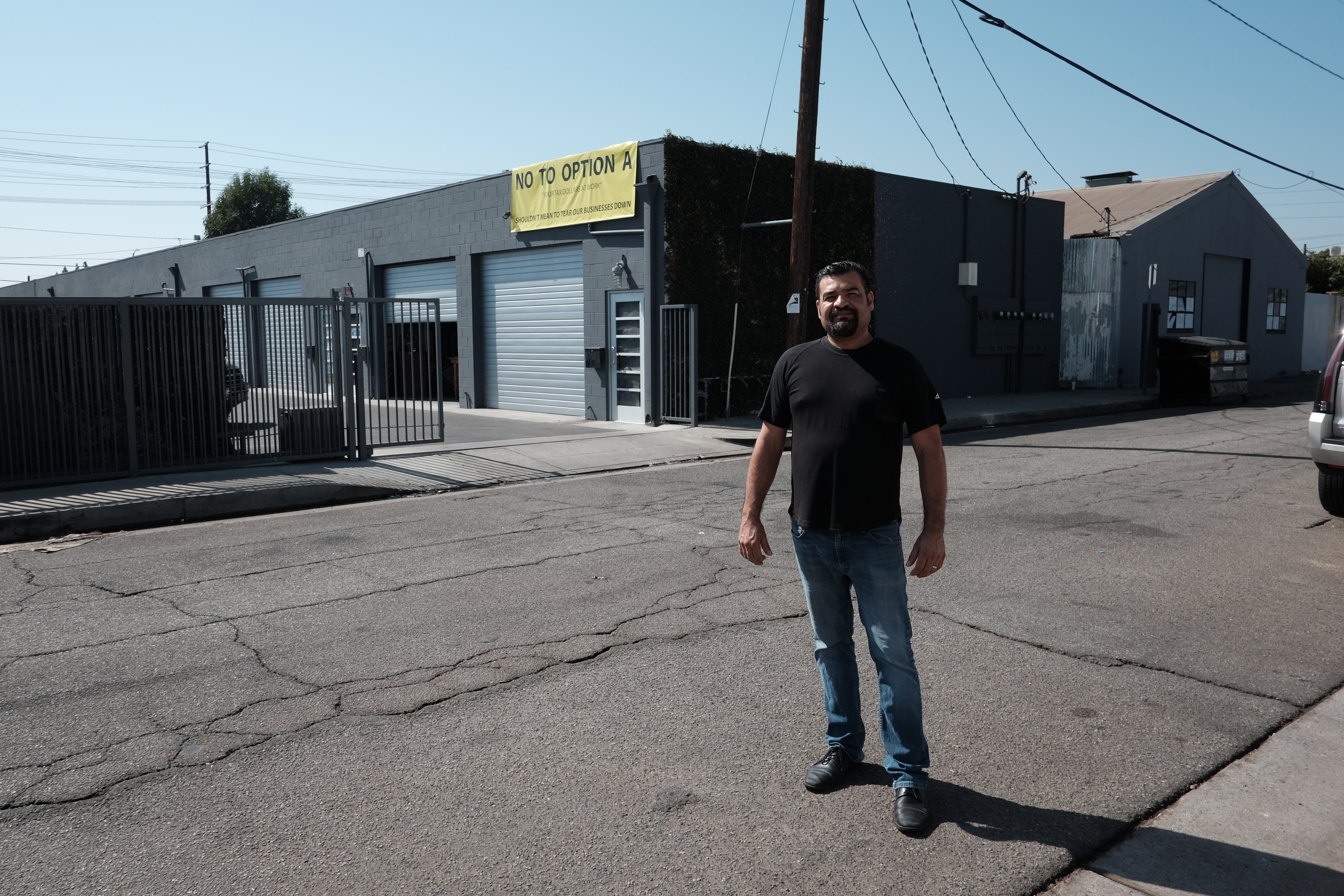
“Option A” will require the eviction, demolition and clearing of some hundred or more businesses that hug the Orange Line industrial area.

To the casual passerby, this area looks like a shabby district of old warehouses, with a sand gravel yard, a liquor store where homeless buy cans of beer, and used tires are fixed onto old cars at cheap prices. Wooden utility wires, car repair shops, and narrow Kester Street, along with a teaming population of Hispanics, affix in the elite, ruling-class imagination some place below dignity.

The real, happier, optimistic story is hidden away……

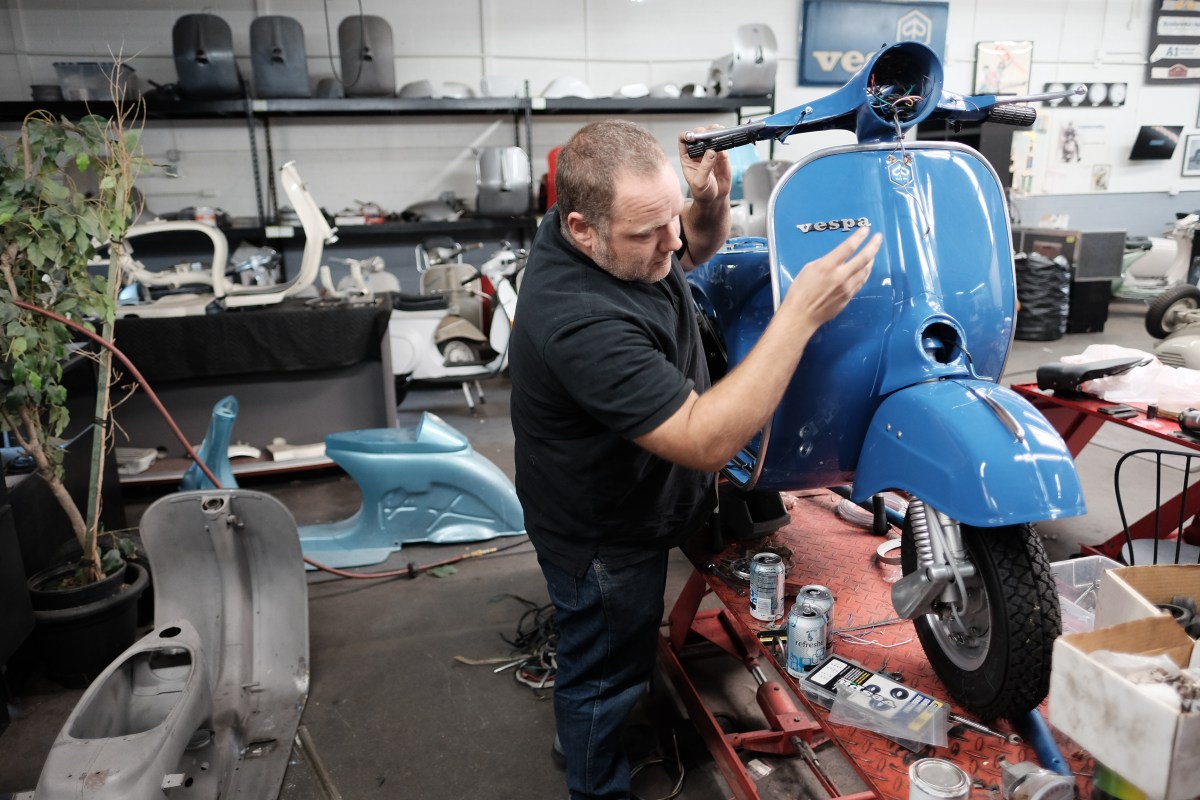
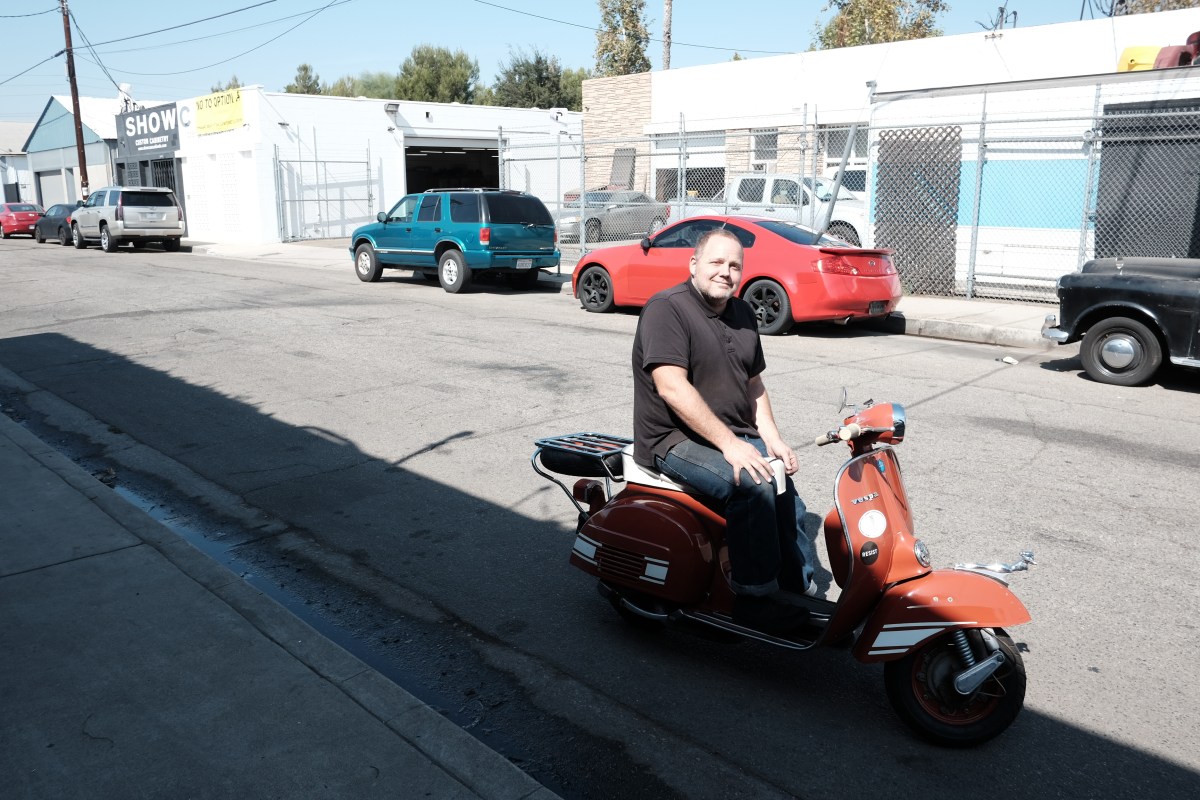
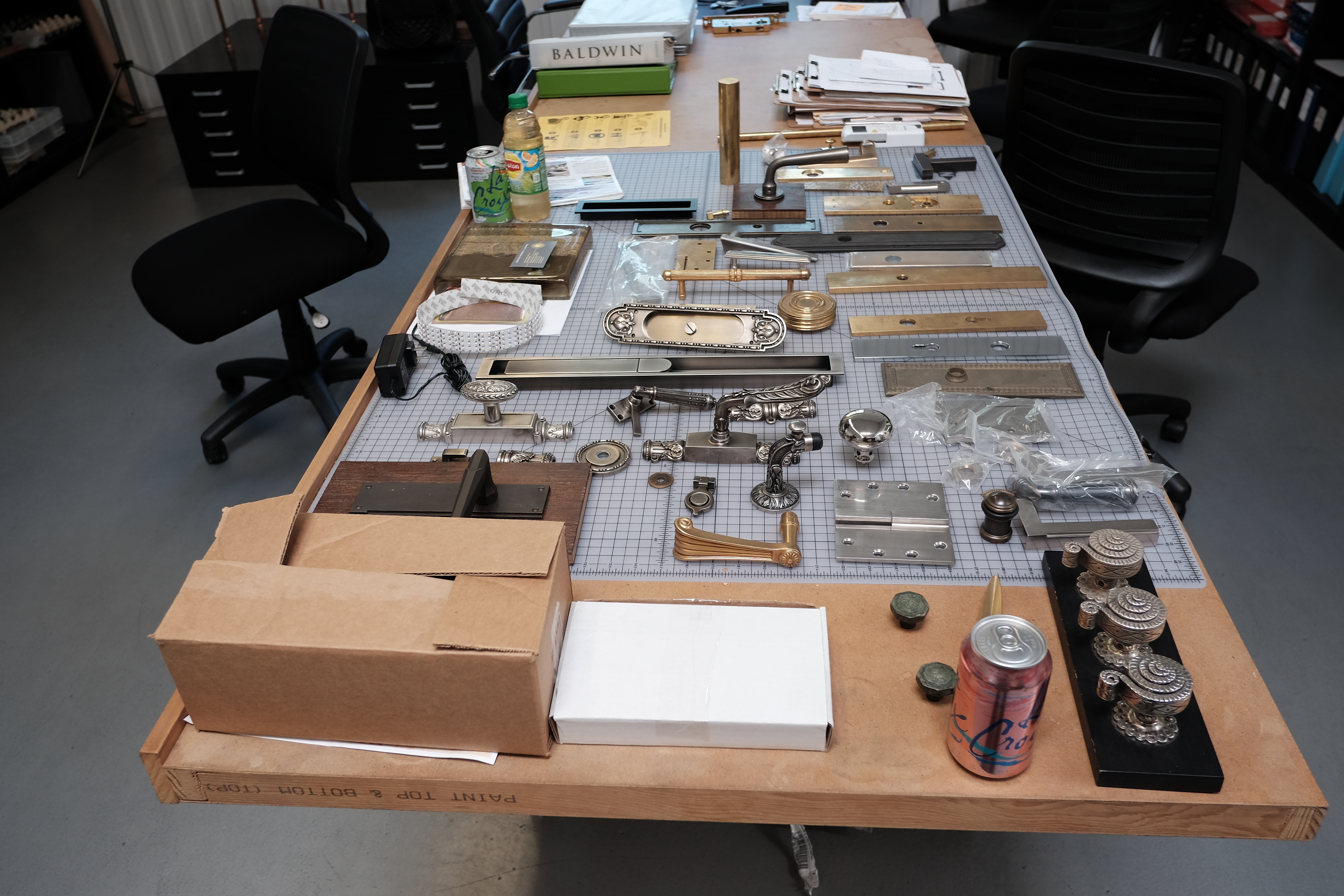
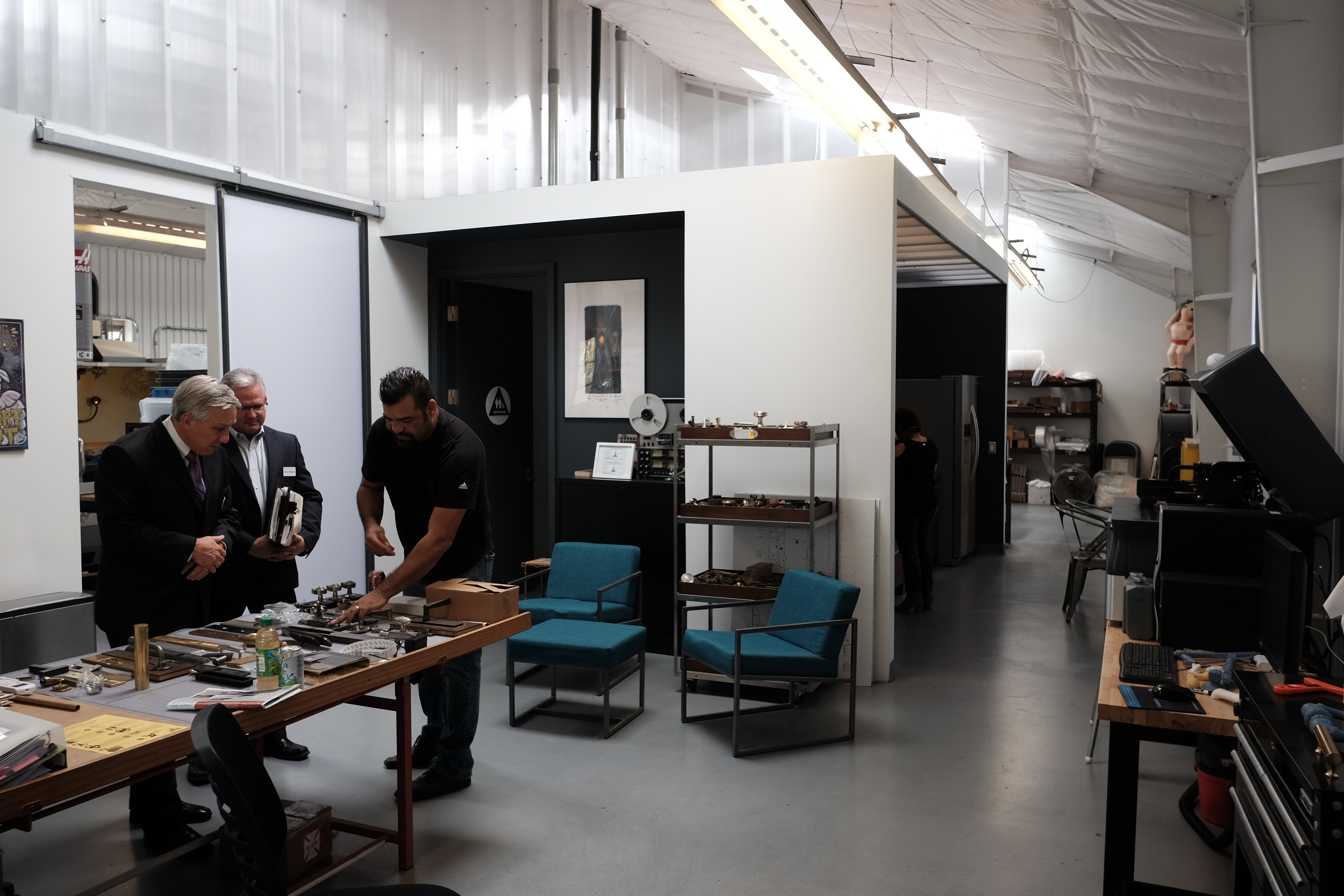
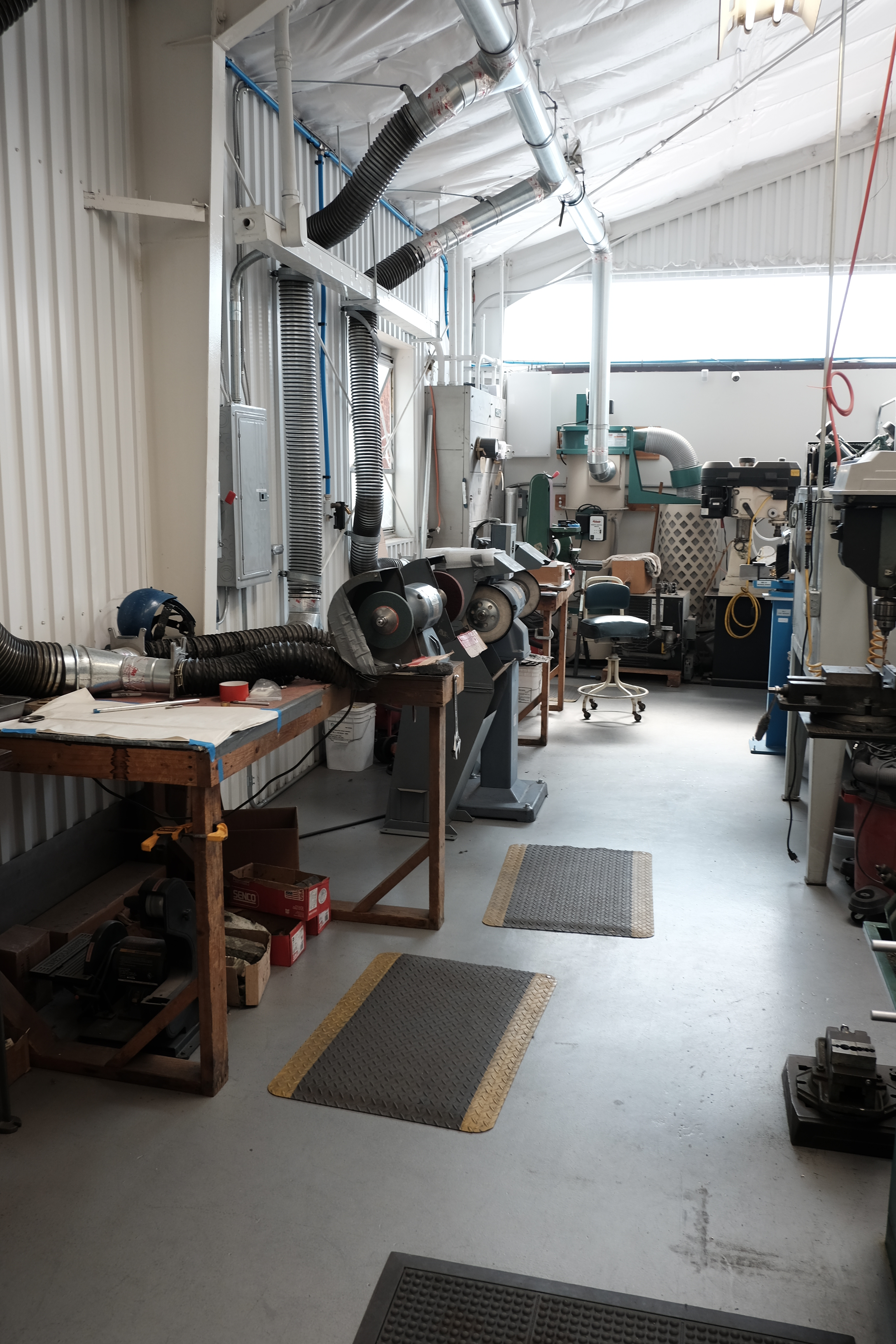
Behind the facades, technological, artistic, industrious, innovative and modern small businesses are building fine cabinetry, fashioning decorative metal hardware, restoring vintage motorbikes, making stained glass windows for churches and homes, recording music, and employing hundreds of people well-paid and well-skilled.

And they are all facing a death sentence whose judge, jury and law is Metro Los Angeles.

Pashupatina Owner Ivan Gomez
DSCF1359 6.49.23 AM
Kristian Stroll, Owner: Bar Italia Vespa
DSCF1362
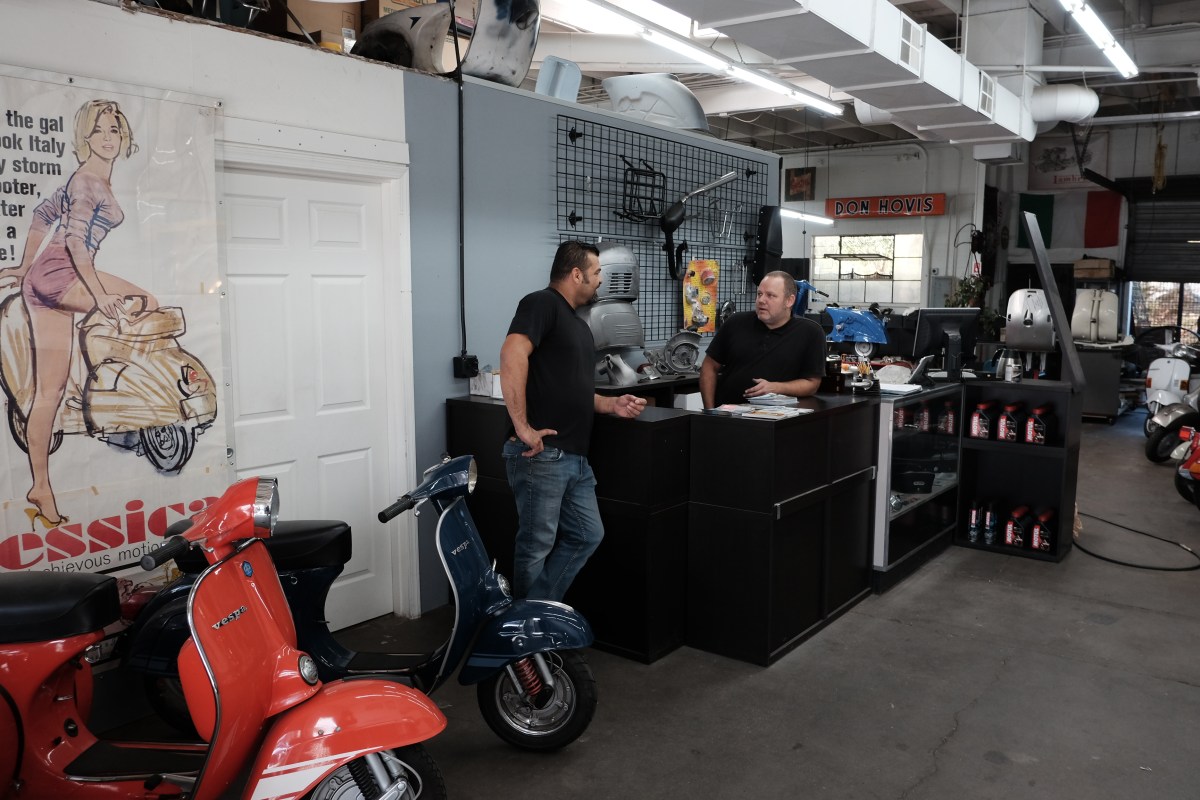
Ivan Gomez chatting with Kristian Storli inside Bar Italia Vespa. Both men have companies under demolition threat.
Hardware Built by Skilled Craftsmen at Pashupatina
Showcase Cabinet Owner Peter Scholz

The real estate here is cheaper, so Metro, in its billion-dollar “Measure M” wisdom, has fastened onto it, insisting that the destruction of many lives, companies and buildings will “improve” Van Nuys by permitting a site where trains from the yet-to-be-built light rail can be repaired.

Imagine 33-acres of train tracks and floodlights, fences, security personnel, closed circuit cameras, and penitentiary inspired gravel and stone paved grounds, acres of track,  sitting just steps from Van Nuys Boulevard for the next 100 years?

ROFviewfromWSA1MedRes

What will result from the gutting out of yet another piece of Van Nuys? Just look at Van Nuys Boulevard and surrounding streets where every generation since the 1950s has insisted the mass clearance of homes, buildings and small structures is for the “improvement” of Van Nuys.

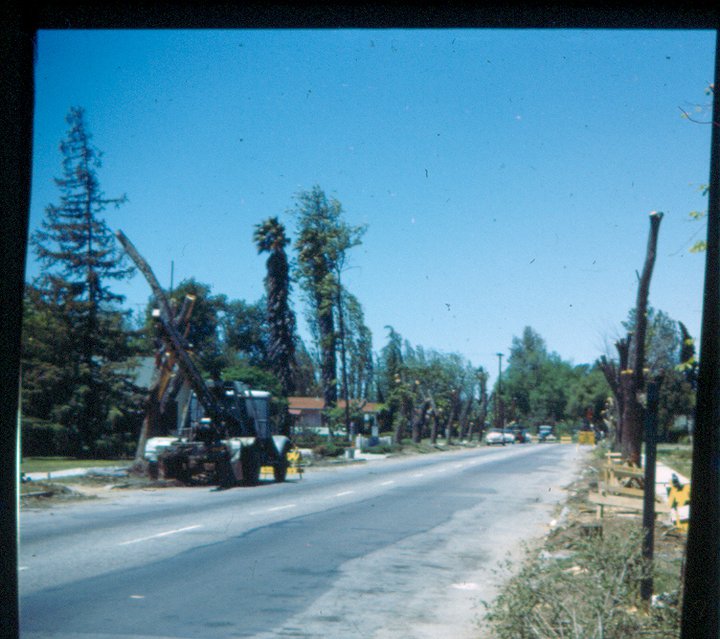
Widening of Victory Blvd. 1955 Tree Removal.

When the Civic Center of Van Nuys was built in the early 1960s, hundreds of homes were knocked down. Today the area is a Martian Moonscape of emptiness propped up by court buildings and occasional law enforcement.

When Victory Boulevard and Van Nuys Boulevard were widened in the early 1950s, commerce was lost, walkability and desirability were thrown away. The result is an ugly speedway of pawn shops and urine scented sidewalks.

And if some hundred businesses are cleared away just blocks from Van Nuys Boulevard to make way for a fenced in, electrified, floodlit prison yard for light rail, what positive affect will this have on the promise of revival for Van Nuys?

Simon Simonian, owner, artist at Progressive Art Stained Glass Studio
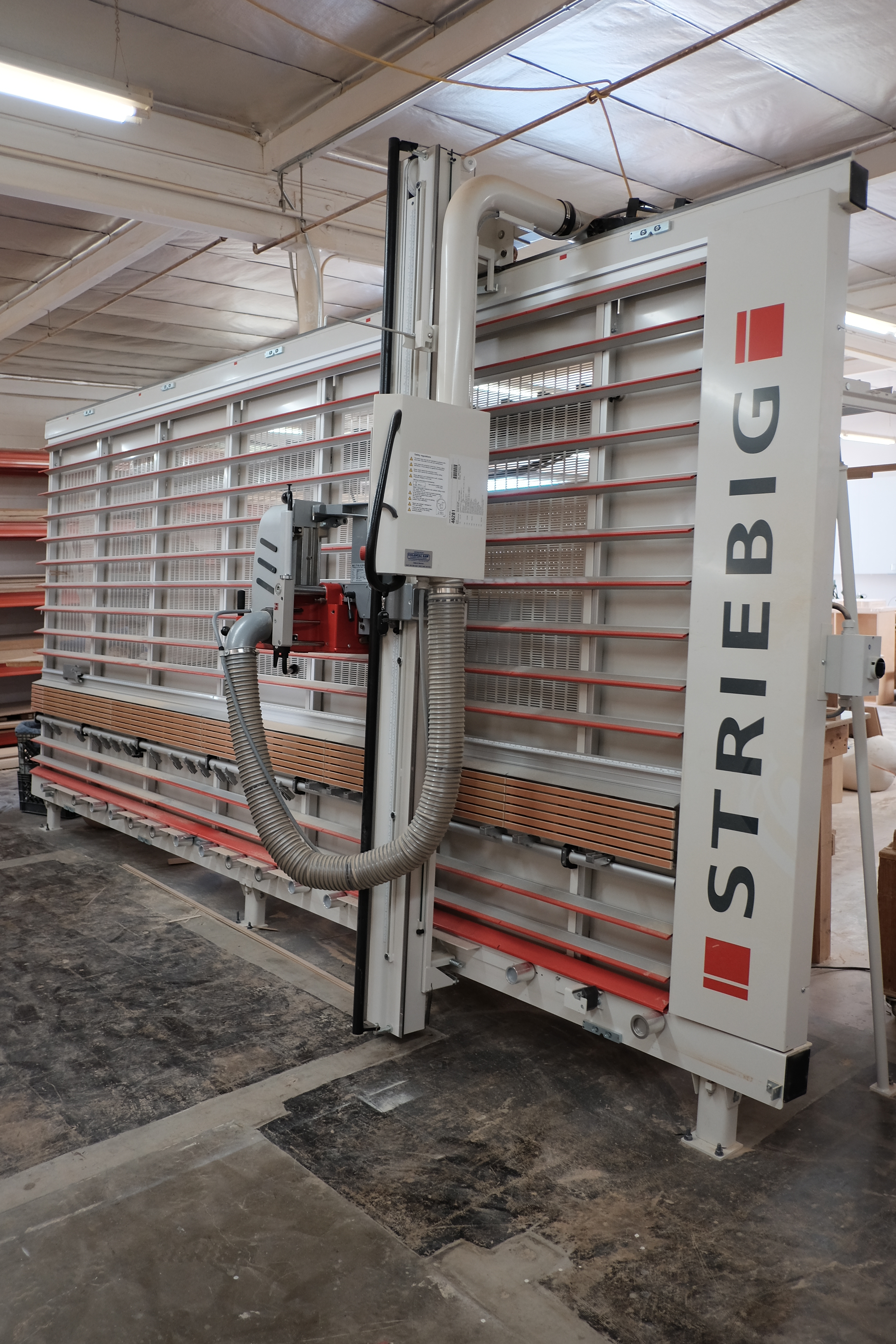
New $30,000, Swiss Made, Vertical Panel Saw at Showcase.
Newly renovated industrial headquarters of Pashupatina where fine decorative metals are fashioned for installation in homes and businesses.
Pashupatina owner Ivan Gomez presents his creations to members of the Valley Economic Alliance.
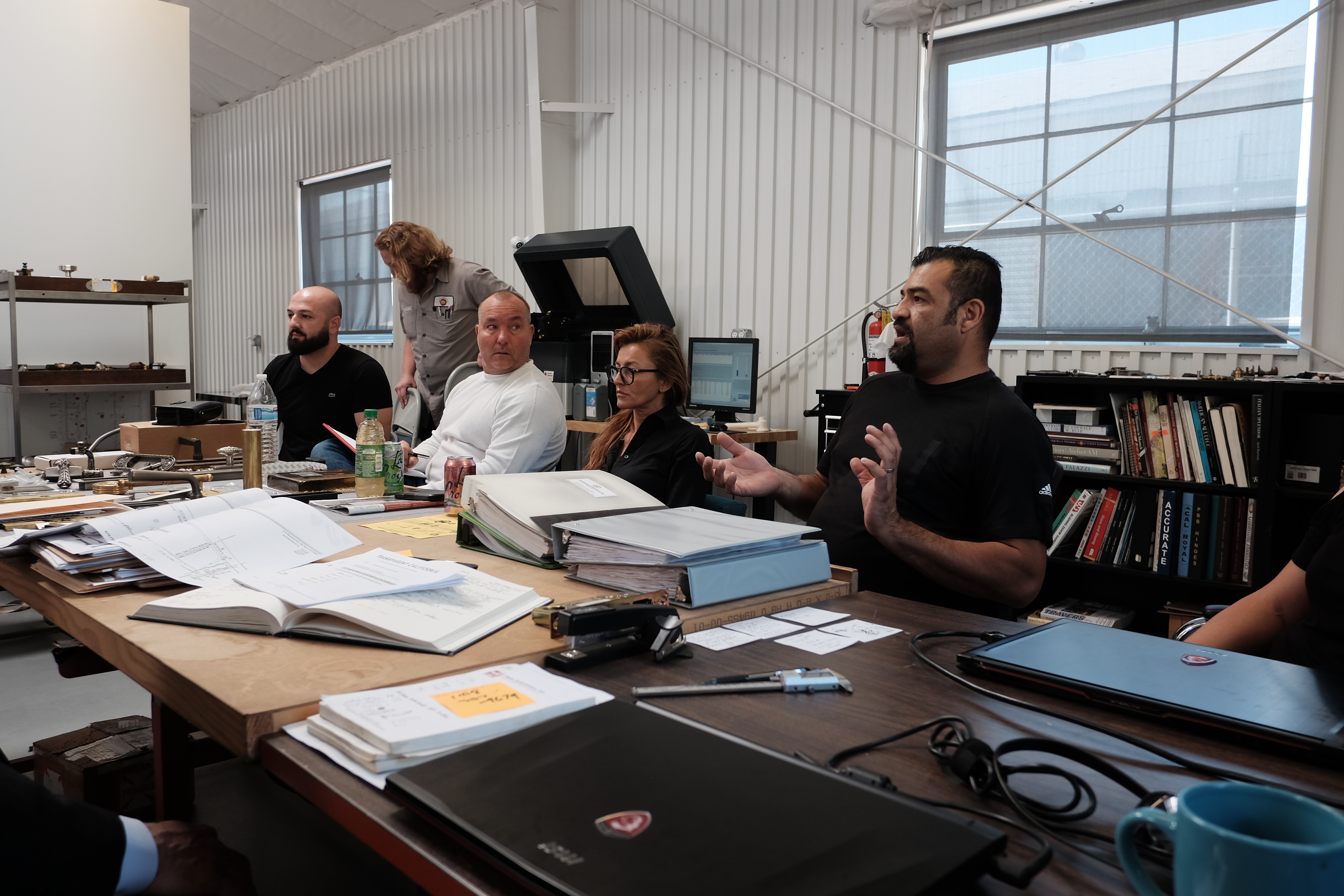
Ed Kirakosian, Peter Scholz, Annie Vatov and Ivan Gomez meet to discuss the fight to preserve their businesses from eminent domain clearance.
The pristine and light-filled interior of Pasupatina.
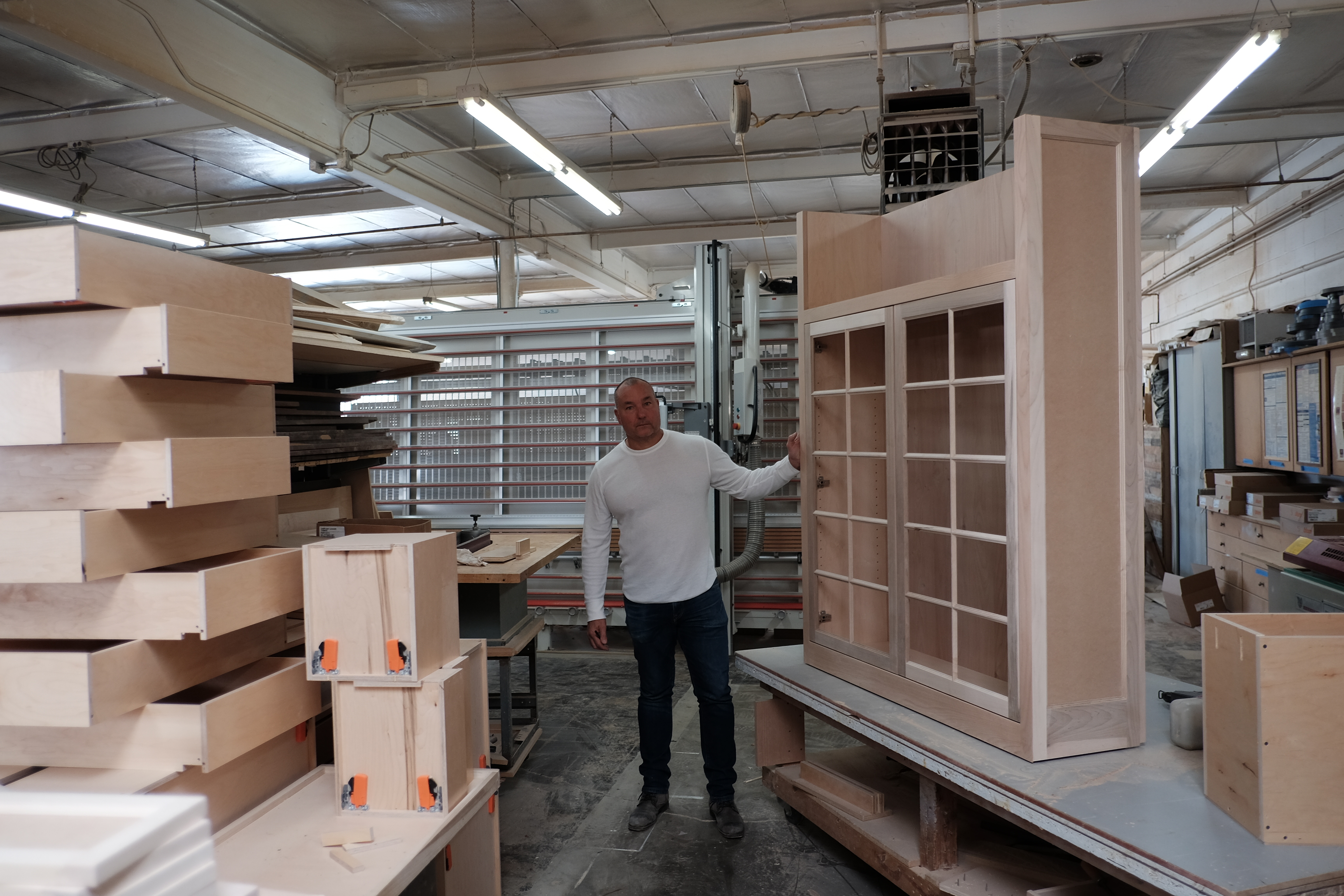
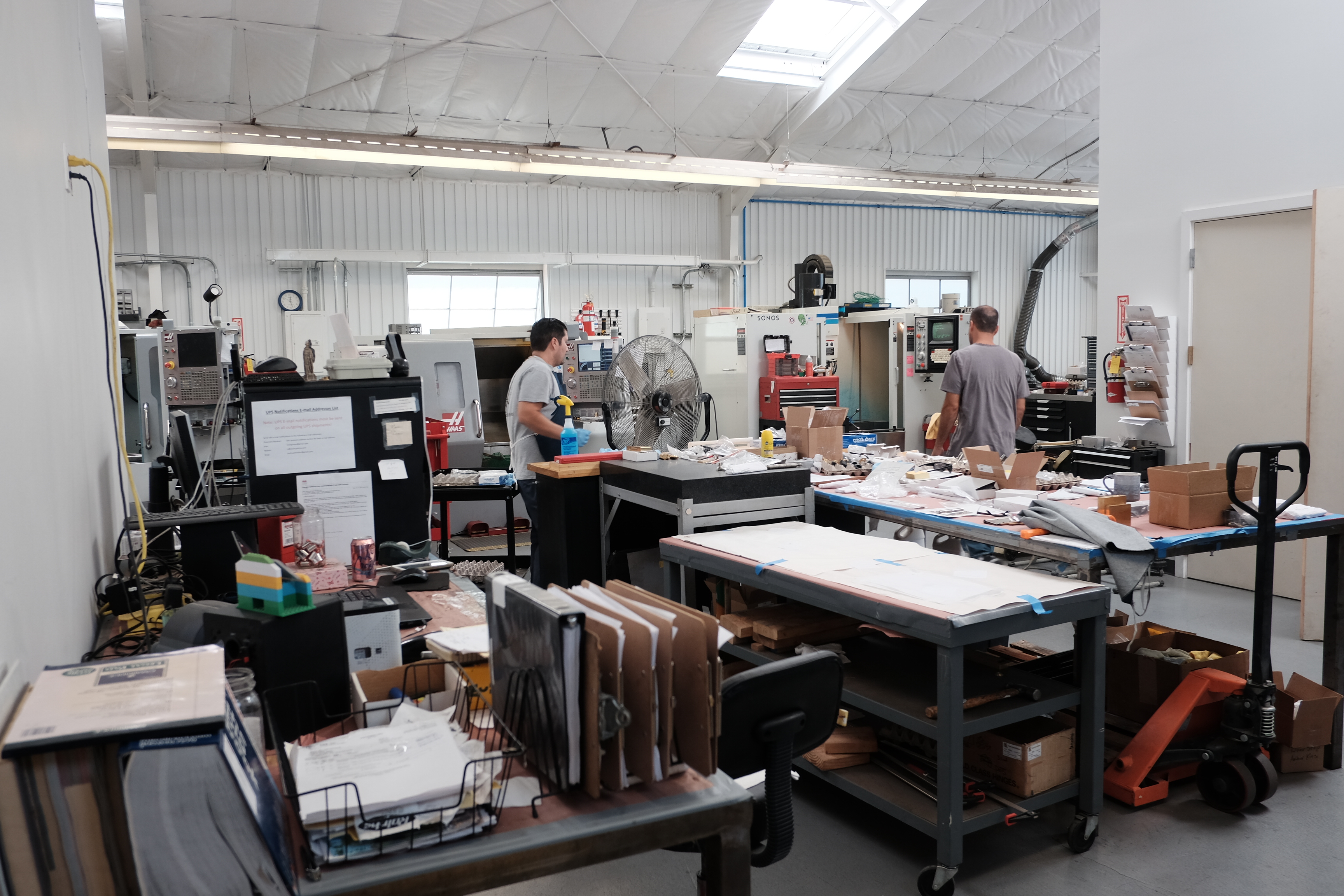
Skilled craftsman at work at Showcase Cabinets.
Peter Scholz, owner, Showcase Cabinets, discusses work with a craftsman.
Pashupatina, a place where pride is evident.

You can be sure that the politicians and agencies will promise the world to Van Nuys. Just as a decade ago Mayor Villaraigosa gave us “A Million Trees” and only a few years ago current Mayor Garcetti lauded “Great Streets” to further the improvement of our urban boulevards. A walk along vacant shops on treeless Victory Boulevard from Kester to Van Nuys Boulevard is evidence of these old promises.

A great city needs small businesses. A great city needs walkable streets. A great city needs to fight for the survival of unique places connected by history, places organic to the area in which they are born.

Option A is yet another death knell for Van Nuys, another scheme from the outside of Van Nuys, dreamed up by bureaucrats flush with cash, who think they know best how to build in Los Angeles.

SaveSave