Los Angeles Back Then


Image

Image

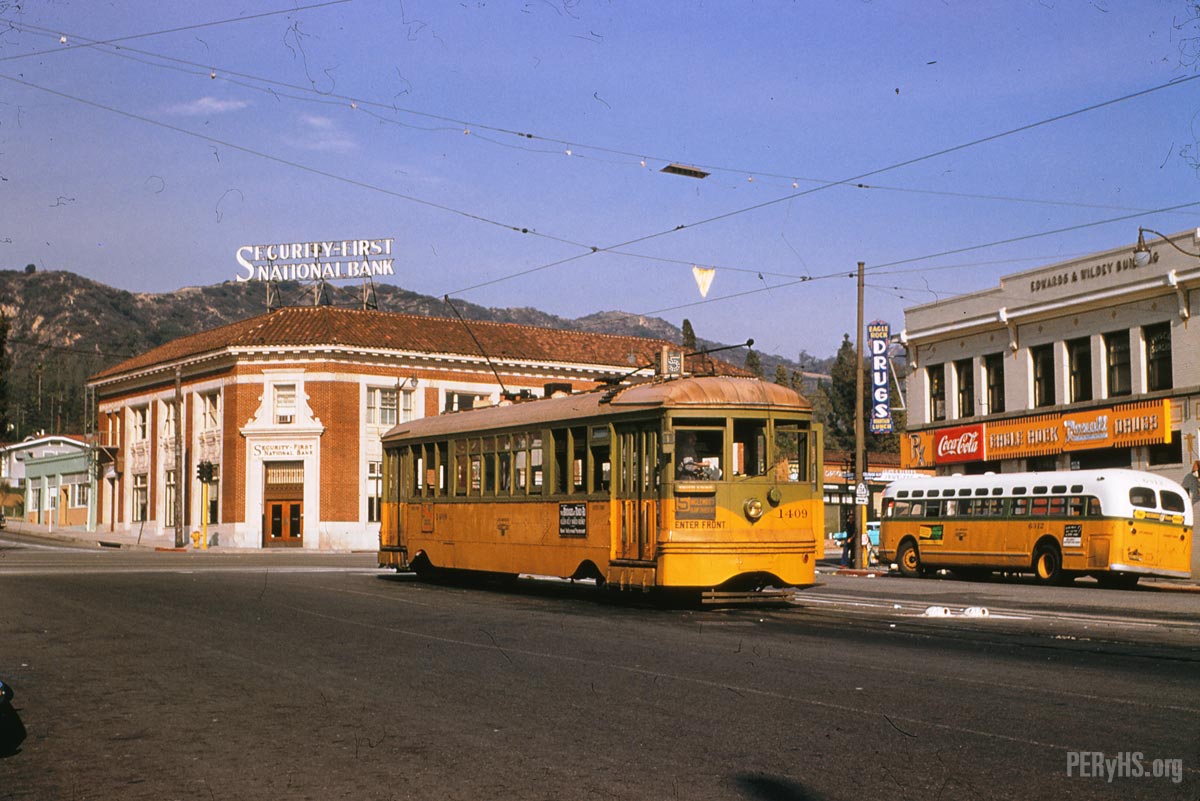
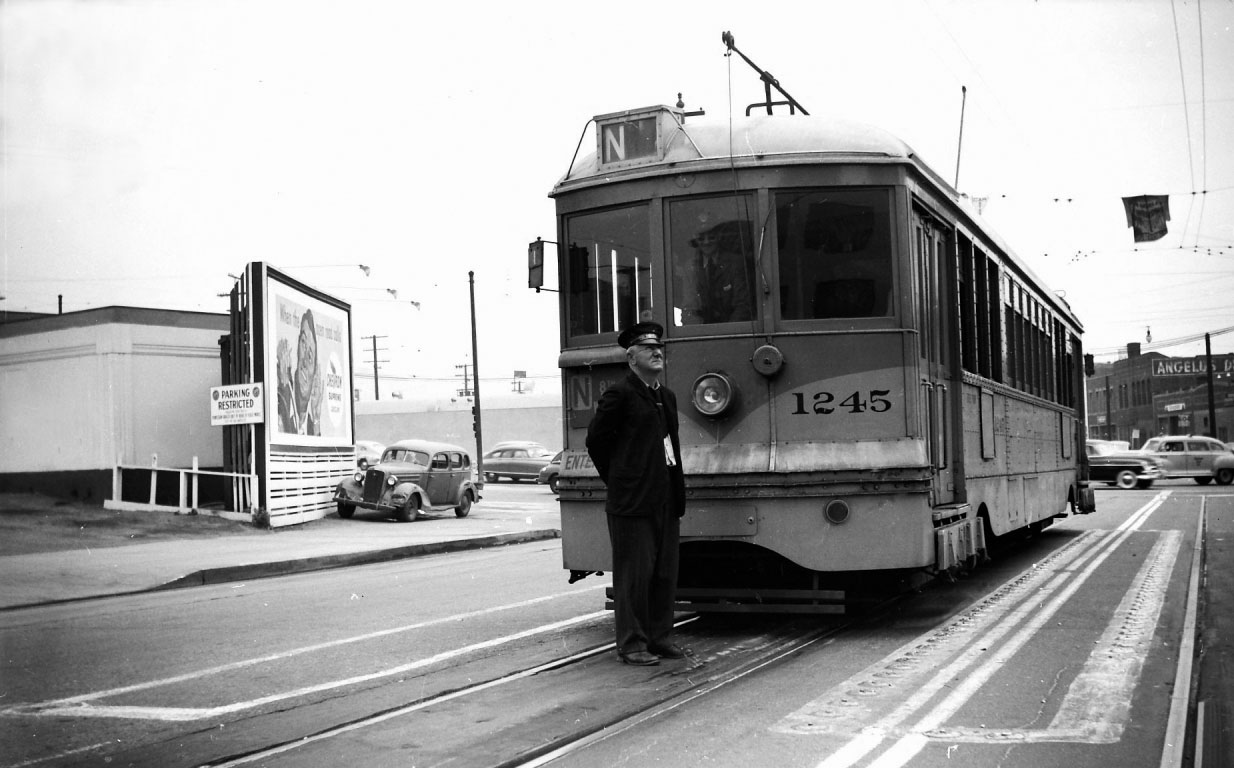
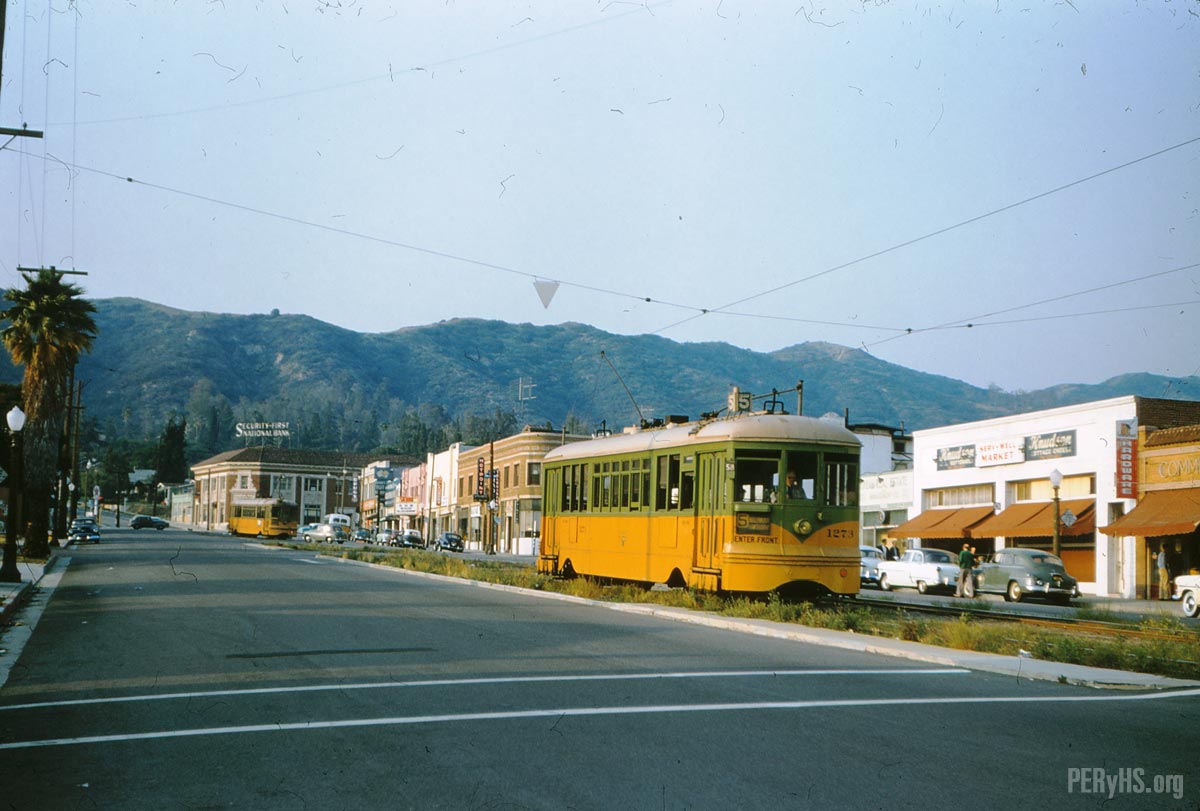
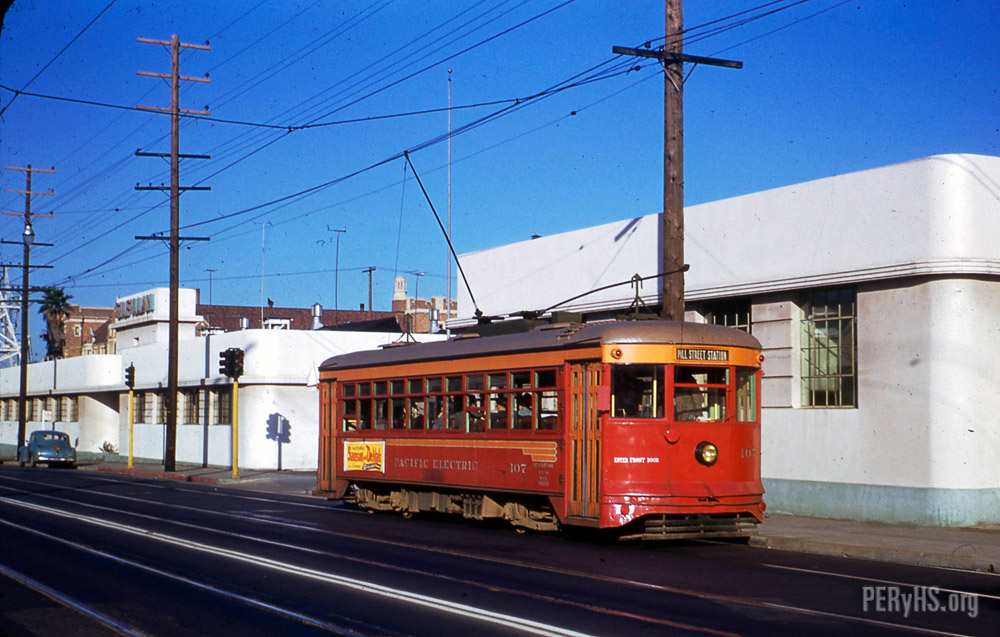
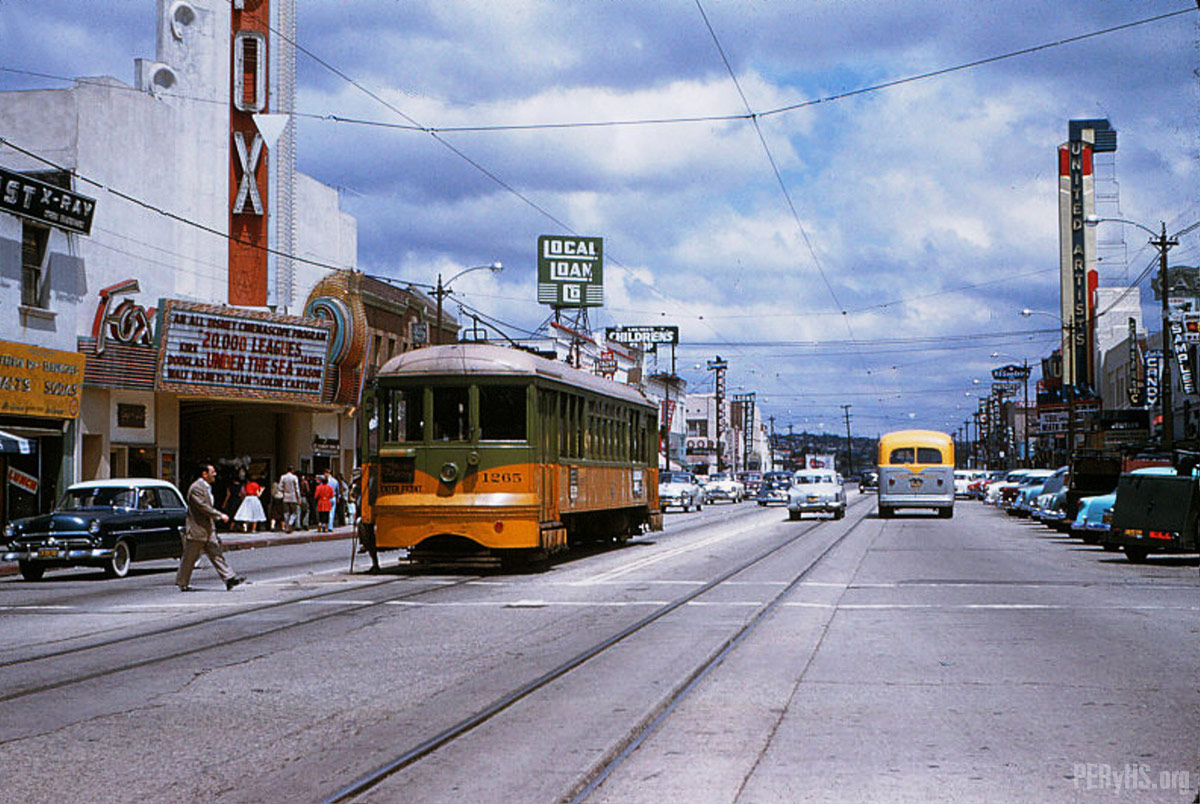
The old Los Angeles, the city of streetcars, steel signs, orange trucks, red cars, brick buildings, men in hats, ladies in skirts and high heels; the city of overhead wires, decorative lampposts, cops and conductors, kids on bikes, corner drugstores, ice cream parlors, neighborhood movie theaters; they are all alive and bustling and visible on the pages of the Pacific Electric Railway Society.
 Image

The dismantling and destruction of public transportation and the elevation of the automobile to the status of a deity has destroyed the richness and civility that once characterized the City of Angels.


Go visit the page, make a contribution, and gain some understanding of what we lost and what we might try to rebuild as we again go back to trains.
 Image

In the words of the organization:


“It is a non-profit association dedicated to the preservation of the memory of the Pacific Electric Railway. The goals of the PERyHS are: to preserve and maintain historical documents, visual images, oral histories, and historical studies; to make these materials available to the general public via publications (monographs), presentations and displays to non-profit groups and organizations and to assist other non-profit organizations in their efforts to preserve the legacy of the Pacific Electric Railway.”
Image

Vintage Van Nuys


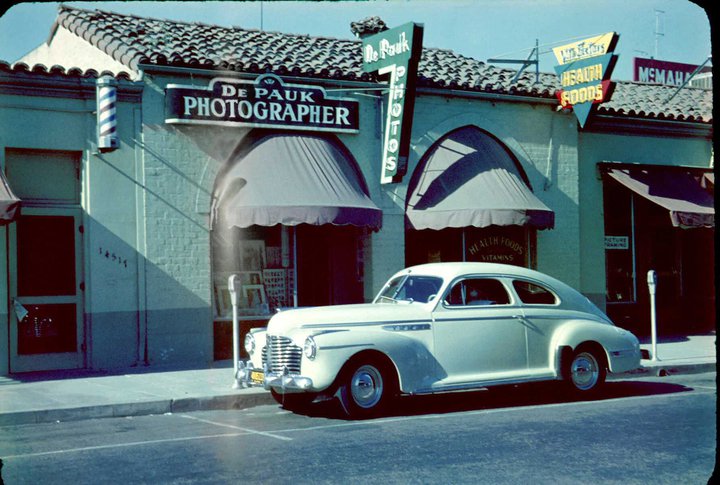
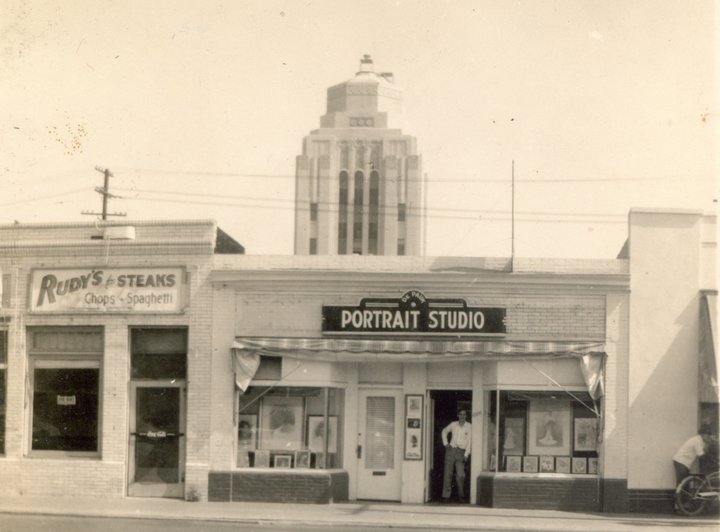
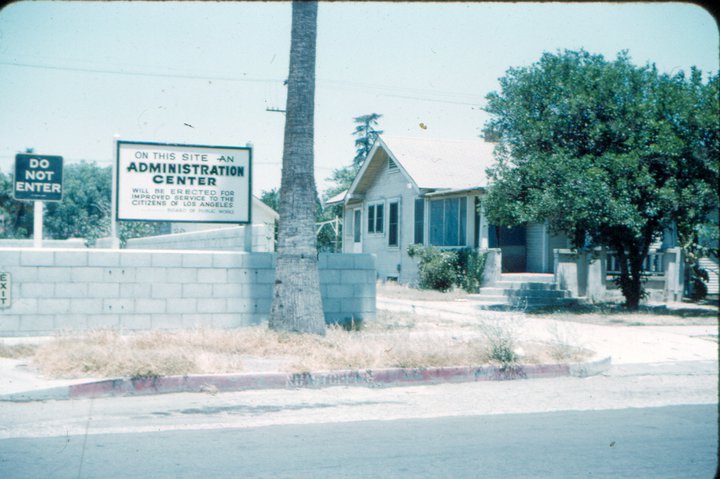
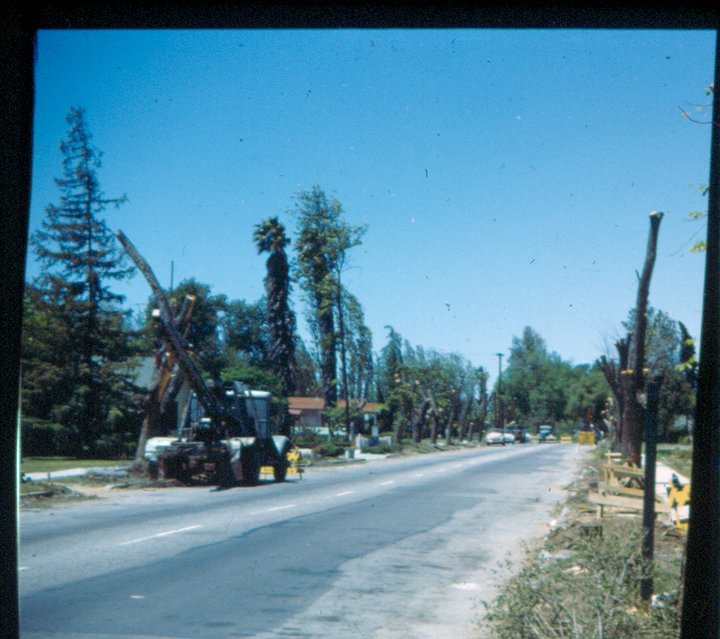
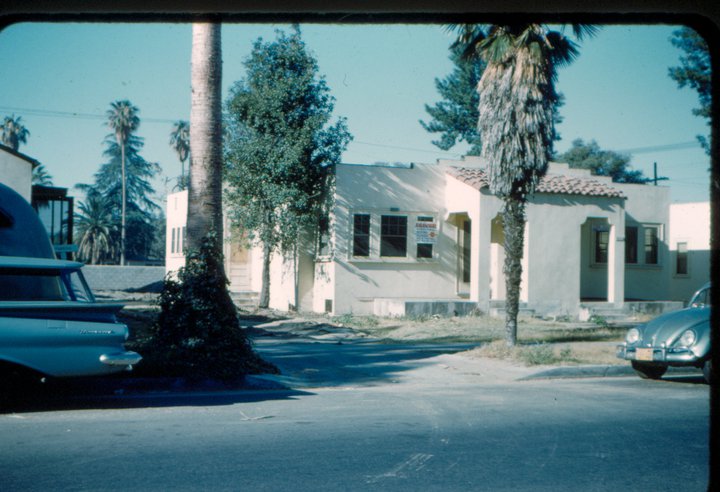
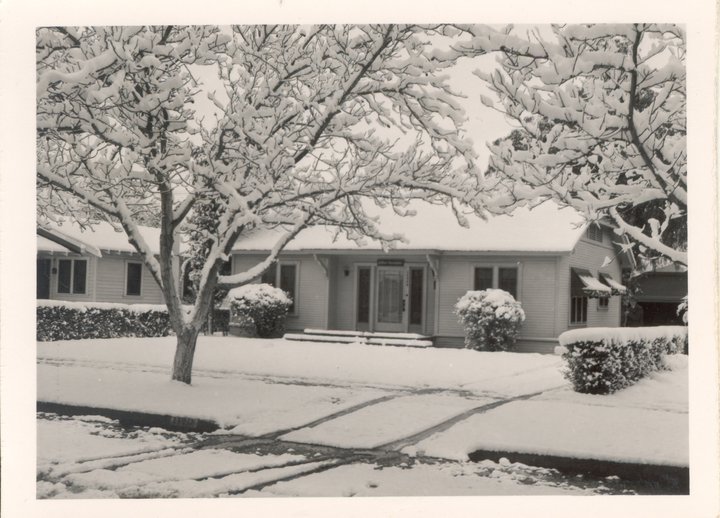
Phillip DePauk lived in Van Nuys in the 1950s. His grandfather owned a photography studio located at Gilmore and Van Nuys Blvd. These photos come from his archives and he kindly consented to allow me to publish them.

Widening of Victory Blvd.

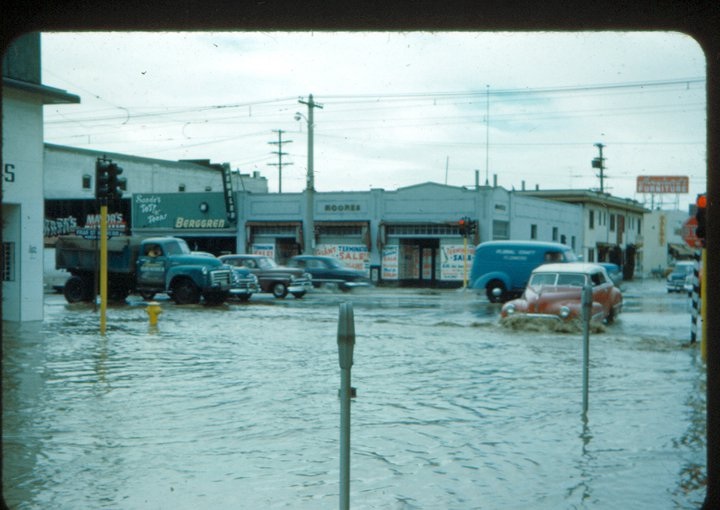
In Mr. DePauk’s images, one can see some of the rapid changes that came to Van Nuys in the late 1950s and early 60s: demolition of old houses on the site of the Valley Governmental Center, the widening of Victory Blvd.

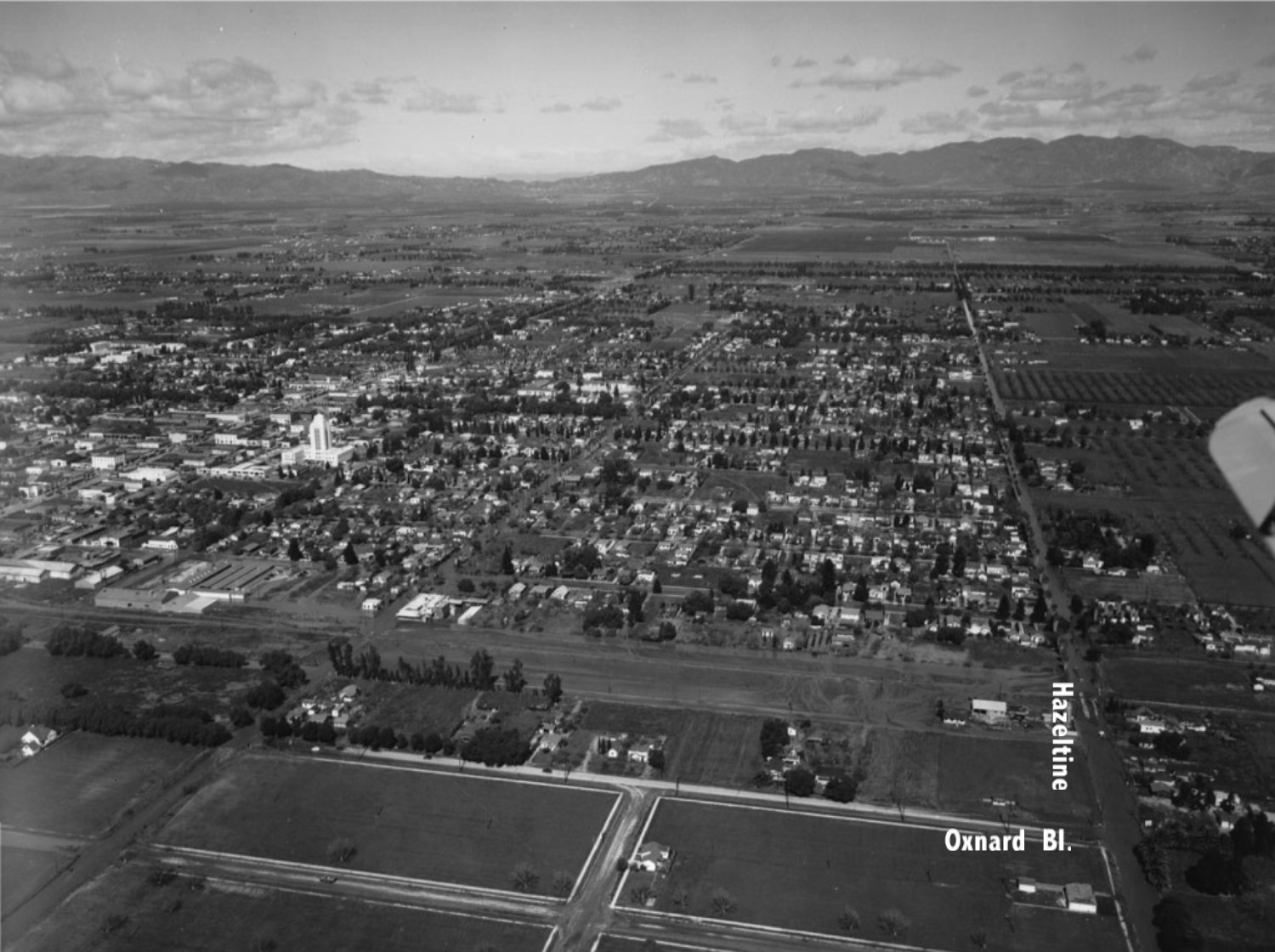
USC Digital Library: Van Nuys, CA circa 1945

Before WWII, Van Nuys had been a small town surrounded by orange and walnut groves. One could literally walk from Van Nuys Bl. over to Hazeltine’s agricultural area. After the war, the Valley and California exploded in population. Every square acre of land was developed for housing, shopping malls, freeways, and factories.

We often think of the 1950s as a halcyon era of perfect families and happy times.

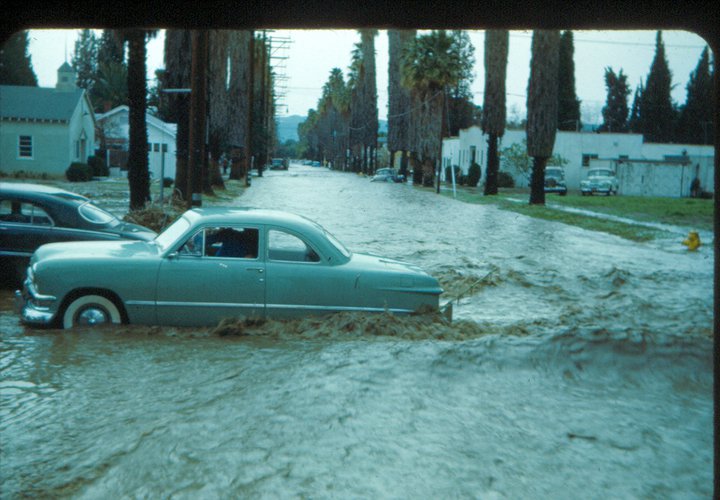
Flooding in Van Nuys 1/4/1952
1948. Grandfather's home at 14248 Sylvan St. Van Nuys.
1/4/1952: Van Nuys Bl.
1/4/1952: Near Van Nuys Grammar School/Tyrone & Gilmore Sts.

But the seeds of California’s destruction were born in the 1950s.  The car was king so roads were widened and pedestrians marginalized. Vast shopping centers destroyed local shopping and emptied out Van Nuys Blvd. Historic old houses were razed and replaced with faceless office towers and parking lots. Citrus groves were obliterated and local agriculture disappeared from the San Fernando Valley.

And conservatives welcomed vast migrations of undocumented workers to California as a source of cheap labor.

And liberals championed an ethnic centered curriculum to teach children that American history mattered less than group think identity. And that ethnic empathy for some triumphed over lawful behavior for all.

And conservatives said that government was evil. The same government which might have enforced the law.

And liberals said that government could do everything. Robbing individuals of the consequences of their own actions.

And Californians went to the polls to ignorantly legislate by ballot those issues that were already decided by lobbyists spending millions on TV advertising.

And today we live in the midst of what we have wrought.

No place in Van Nuys looks as good today as it did in 1950 and Mr. DePauk’s photos, even of flood ravaged streets, somehow seem more civilized than a sunny day on Vanowen and Kester in 2010.

Flood: Van Nuys, CA


Flood: Van Nuys, CA, originally uploaded by Here in Van Nuys.

“Wow, what a cool picture! That little shop on the corner is my grandfather Frank Preimesberger’s Van Nuys Printing shop. He started the business in 1942 after moving to Van Nuys from Pierz, Minn. The business was passed to my uncle Lee Preimesberger in the 1960s, and he ran it until his death in 1993. Grandpa and Grandma lived on the corner of Hazeltine and Emelita for 40 years, and they both died in 1982.

Chris Preimesberger
Redwood City, Calif.”

Renaldi Does Clifton’s.


Photo by Richard Renaldi

Photo by Richard Renaldi

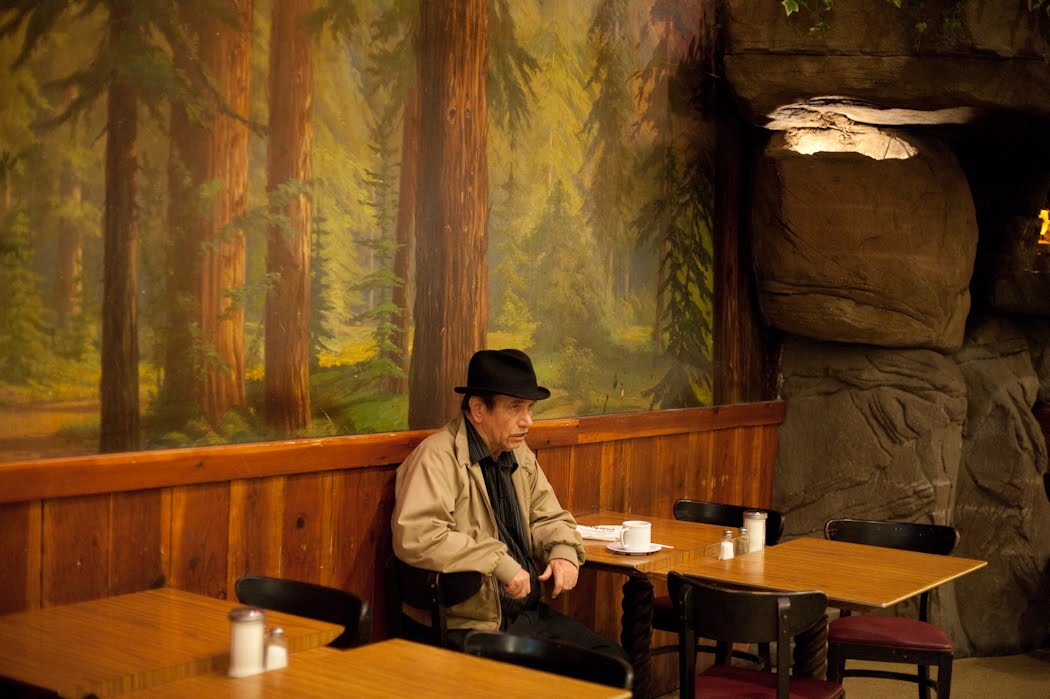
Photographer Richard Renaldi does LA’s Clifton’s Cafeteria.


Los Angeles’ History: the Whittington Photo Collection.


This slideshow requires JavaScript.

“The “Dick” Whittington Studio was the largest and finest photography studio in the Los Angeles area from 1924 to 1987. Specializing in commercial photography, the Whittington Studio took photographs for nearly every major business and organization in Los Angeles; in so doing, they documented the growth and commercial development of Los Angeles. Clients included Max Factor, the Broadway, Bullock’s, and May Co. department stores, the California Fruit Growers Association, Signal Oil, Shell Oil, Union Oil, Van de Kamp’s bakeries, Forest Lawn, Sparkletts Water, CBS, Don Lee Television, Goodyear Tire and Rubber, real estate developers, construction companies, automobile, aircraft, and railroad companies, and drive-in theaters. Another notable client was the University of Southern California, which contracted with the Whittington Studios for coverage of athletic and other events. The collection consists primarily of roughly 500,000 negatives; the rest are photoprints.”

Old Burbank in Photographs.


This slideshow requires JavaScript.

Reader Boyd Kelly sent me a link where one can find many old time images of Burbank.

They show an all-white, all-American town, baked in sunshine; a place of boys and men in close-cropped hair, girls in braids, and women in dresses. Magnolia, Hollywood Way, Victory, Olive, Alameda, San Fernando Road: all the storied and exciting locations, sprinkled with cops, firemen, government officials, soda jerks, grease monkeys and the common folk. Lives lived out alongside the train tracks, or inside the studio grounds, saluting the flag, and kneeling in front of the cross.

Aviators and movie makers, weapons makers and homemakers, ball players and ice-cream eaters, swimmers and parade goers, Nixon rallies and Nazi gatherings….yes, this is Burbank as it was….and perhaps Burbank as it still is.