Sunday Errands


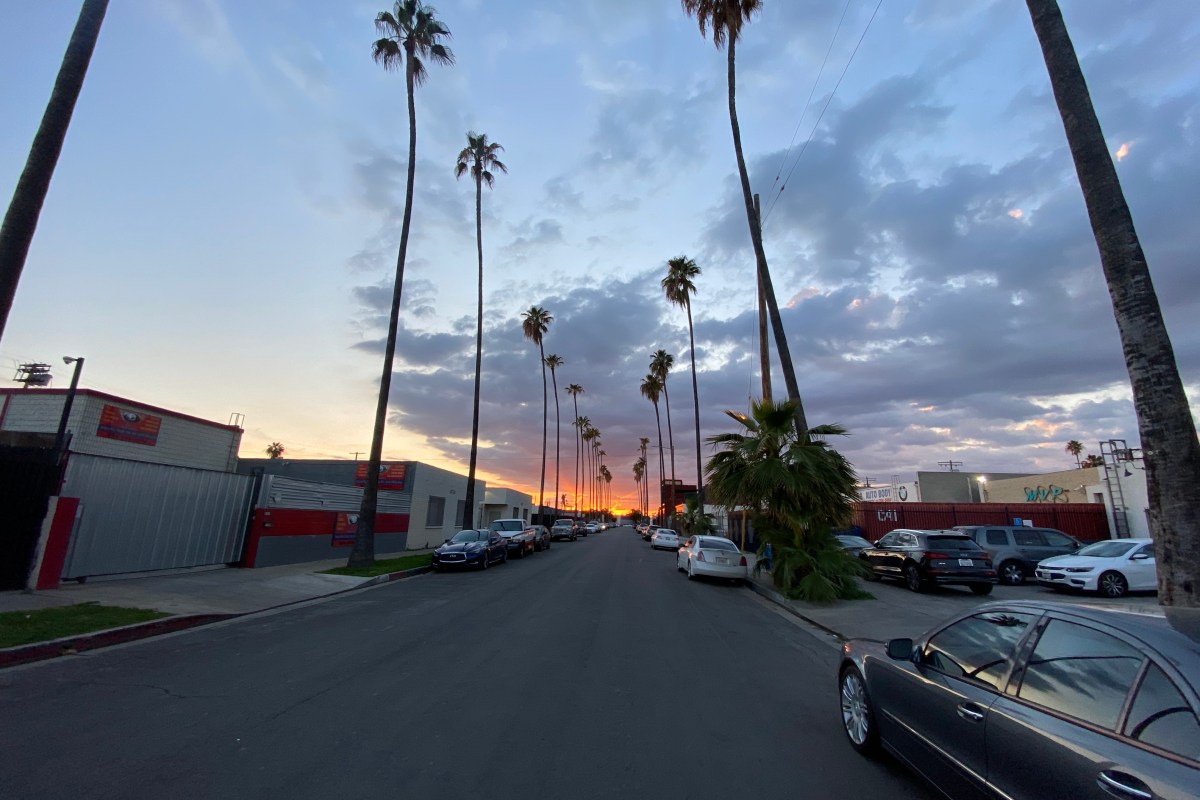
Yesterday, Sunday, there were no evident calamities around us. Tragedy took a day off. The air was clear from fire smoke, some blue showed in the sky, and we went for an air-cooled drive around our San Fernando Valley behind tinted windows and masked faces.

We passed Woodley Park, once a bird sanctuary, now just a burned-out bunch of fields with blackened pieces of wood and broken fences, shopping carts of trash and an air of war, desolation and defeat. 

There was the farm stand at Tapia Brothers and we stopped to buy tomatoes, Anaheim peppers, carrots and peaches, standing six feet away from other masked shoppers. Pulling out of the dusty lot there were two choices: drive somewhere else or go home. We chose the former.

We went for a drive west along Ventura Boulevard through Encino and Tarzana, past those billboarded and plastic signed points of shlock and tackiness beloved by many, demoralizing in a good year, demoralizing in a bad one.
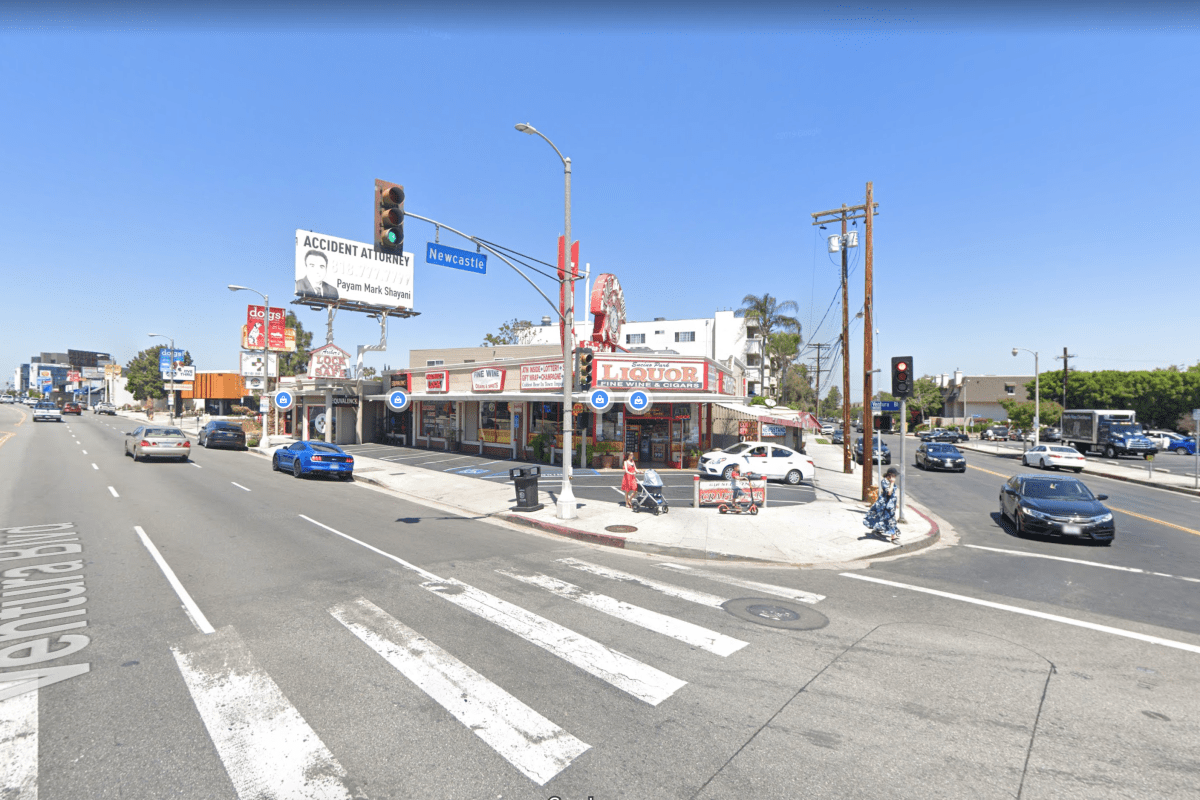
At Newcastle, groups of Jews in masks, yarmulkes, and tallit, walked with prayer books, dressed in their Rosh Hashana suits and dresses. A mentally ill Black man, without a shirt, danced obliviously in front of the liquor store as the faithful passed by him pushing baby carriages, on their walk home.

Further west, a homeless woman emerged from a tent parked along a concrete channel behind the prow shaped Encino/Tarzana library, temporarily closed. A blue sign hung along the fence on Ventura, “NO DUMPING: This Drains to Ocean.”
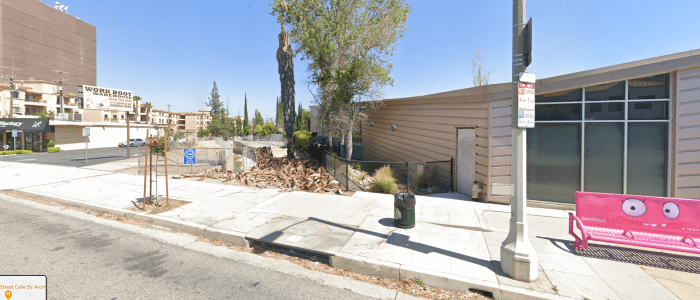
We drove all the way to Shoup Avenue in Woodland Hills, a district of Los Angeles where people once moved to get away from everything bad in the city. Under the 101, dozens of men and women were set up in a trash camp, living under tarps, in tents, the public sidewalk their front lawn.

At Woodland Hills Park, where Uncle Paul, Aunt Frances, Cousins Barry, Helene, Julie, Jason, Delaney and Courtney, spent many days of the past half century in the world of juvenile baseball and softball, homeless RVs parked. I wonder what flowered apron and blue rubber gloved Aunt Frances, who died in 2012, would say. She kept a spotless house, even telling me she would not eat dark raisins because they reminded her of little bugs. 

“Oh, Andy you’re so funny,” she would often say.
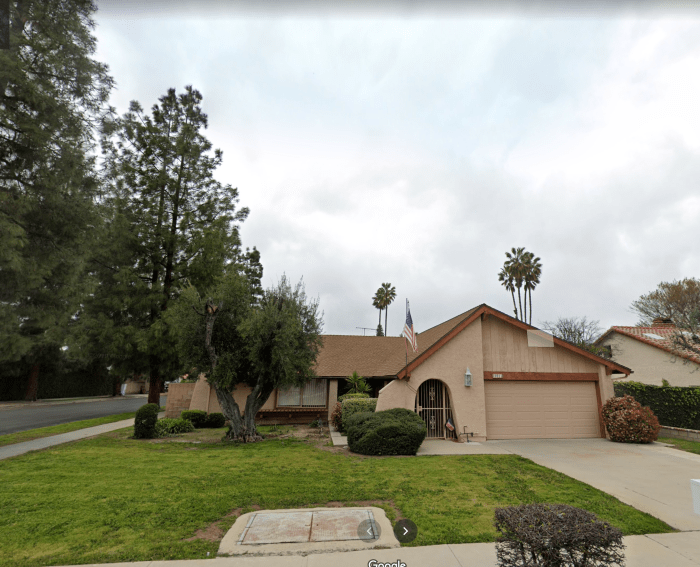
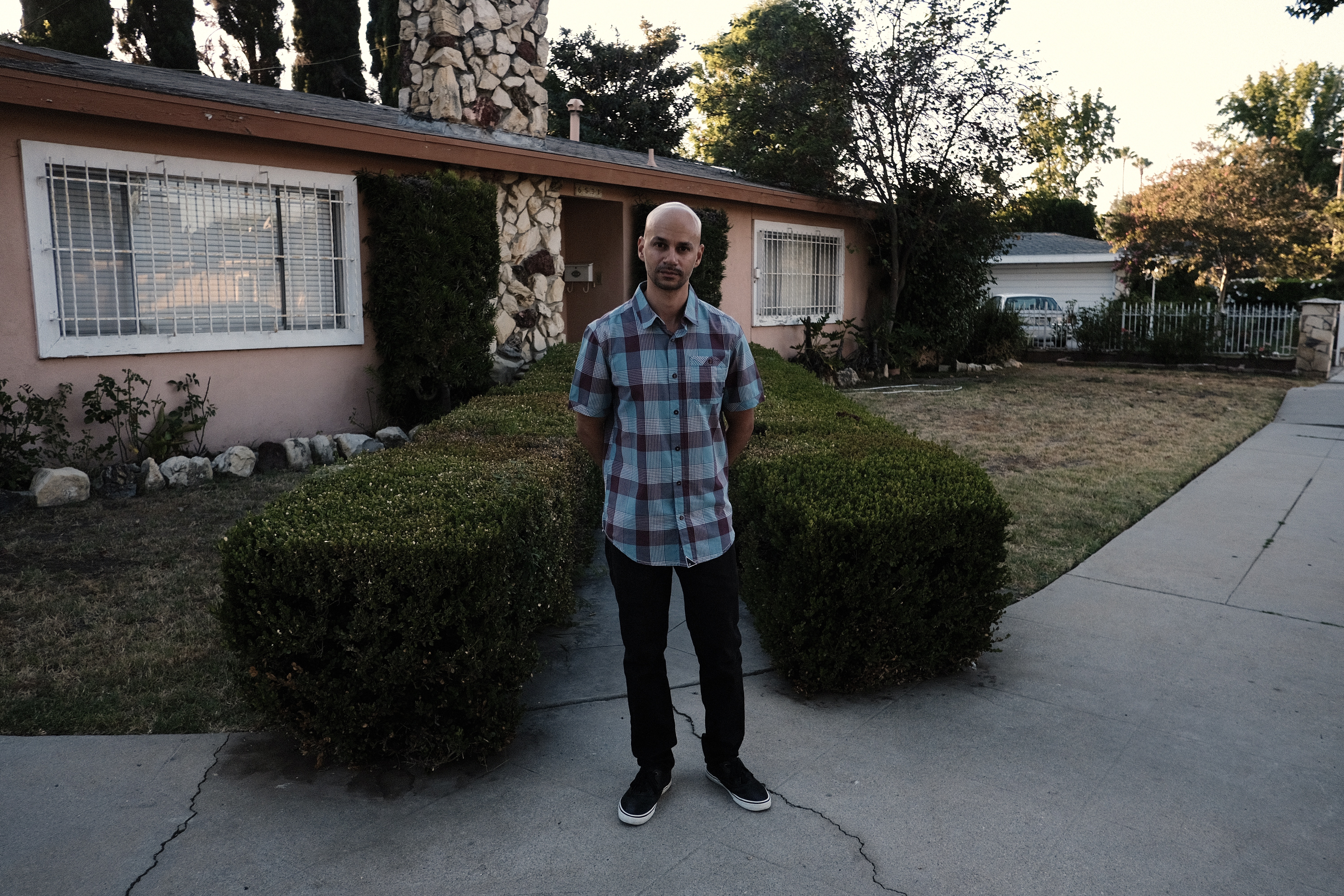
We turned down Erwin Street just to look at the corner ranch Aunt Frances and Uncle Paul bought for $63,000 in 1973. Uncle Paul is 99, a widower, still living there. The stucco is faded pink, there are bars on the windows, and Zillow estimates the house could fetch close to a million. Property taxes are about $800 a year, eternally fixed at the purchase price, a good deal for the retired soldier who fought at Iwo Jima and Leyte Island.

We didn’t go in but I thought of the inside I first saw in July 1974.

The Barcalounger, the brown carpet, the brown paneling, the yellow wallpaper, the cottage cheese ceilings, the dining room with the glass shelved cabinets full of Lladros and ceramic poodles and carved children with fishing poles, a room nobody ate in; the other dark rooms with the Roman shades or pleated drapes always pulled down against the sun, the bathrooms with wall-to-wall carpeting and mylar wallpaper, the rooms full of family photographs, the 1,762 square feet of living space without one book; the air-conditioning that ran year round, and the garage housing the Buick LeSabre, full of power tools and Leslie Pool Equipment, the refrigerator packed with Costco frozen foods, bottles of cold water and diet sodas, the TV always on for baseball and Fox News, these are the moments one cannot easily forget.

Then we turned around and drove east along Victory Blvd. passing the empty weed infested parking lot at temporarily closed Pierce College. We drove down Winnetka to get to the 101 and again passed another encampment under the freeway, more men and women living outdoors without housing in Los Angeles. 

When I go out these days, leave my house for a drive, I am in another nation, not my own, a scarred and withered place of broken people, angry and exhausted, in a city unclean and unjust. And ominously, seemingly, frightfully just about ready for a violent revolution. 
People People Envy


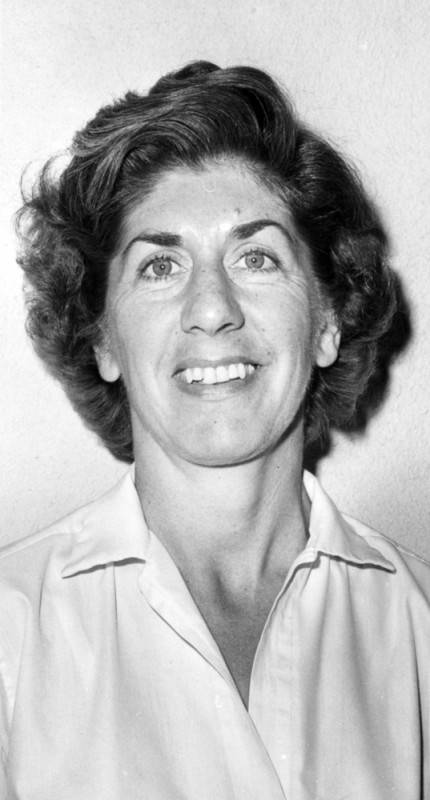
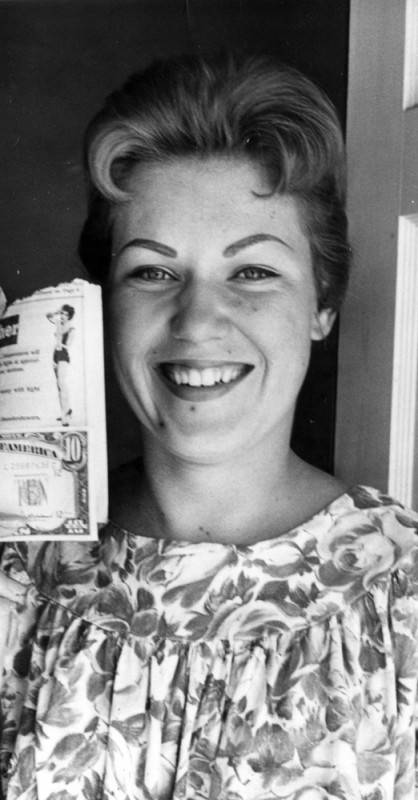
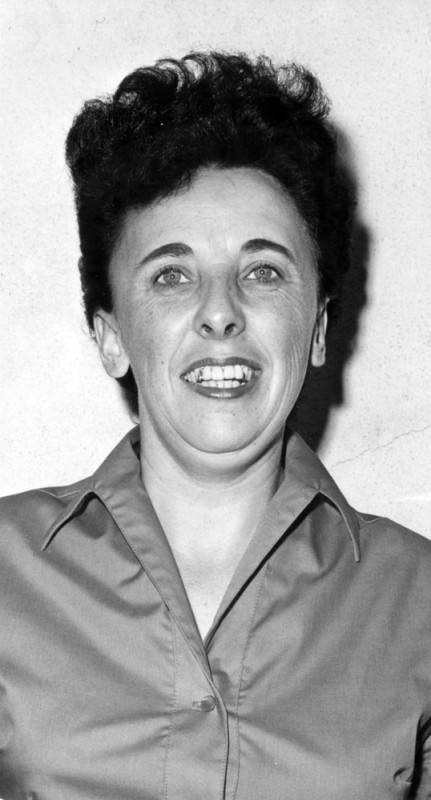
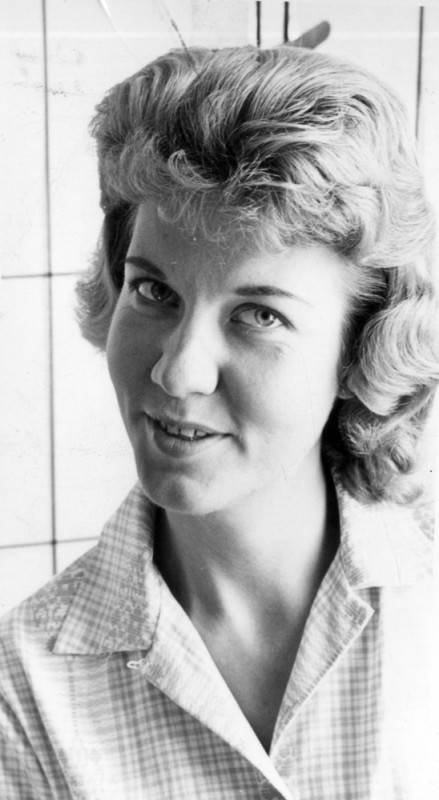
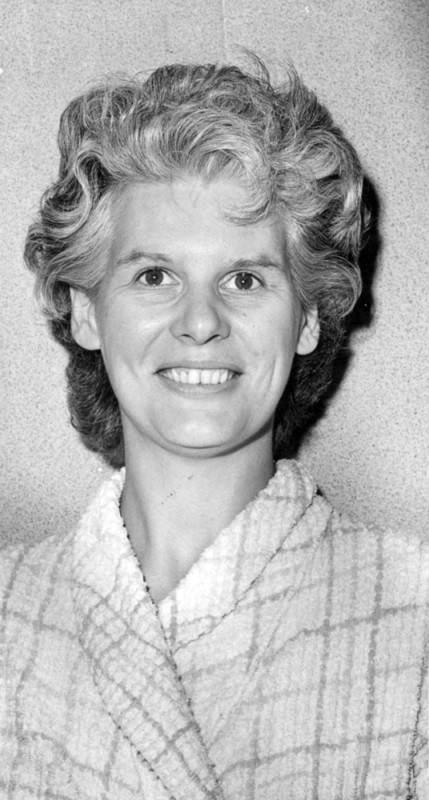
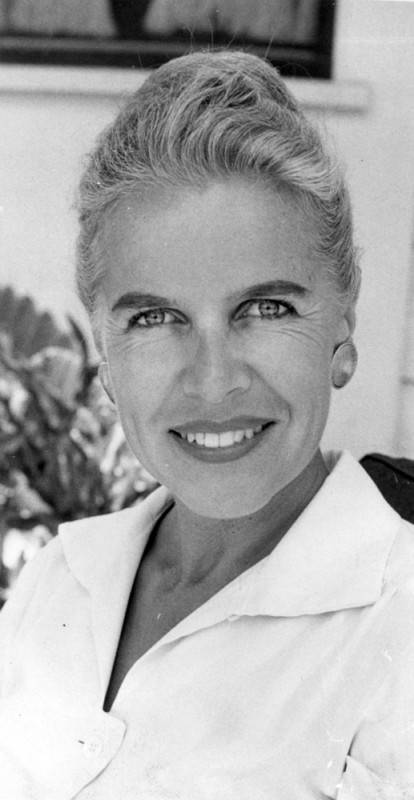
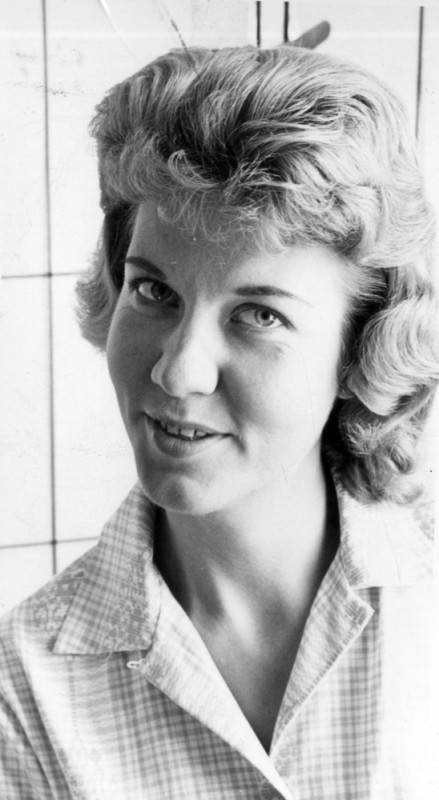
In 1961, the Valley Times newspaper ran a contest to promote a new insert, Weekend.  The winners produced a clipping of Miss Weekend Weather and claimed a $10 prize if they were chosen. 

A photo essay, with pictures of the winners, entitled, “People People Envy” ran on September 3, 1961 in the Valley Times. All the women were courteously named, in the custom of that time, with their husband’s names, i.e., Mrs. Patrick McGarry.

It was an era when women were not considered complete unless they had a husband. 

September 3, 1961 

Mrs. William A. Rygg, 13430 Oxnard St., Van Nuys; Mrs. Walter Schulte, 8720 Hazeltine Ave., Panorama City; Mrs. Brace Gurnee, 11744 Otsego St., North Hollywood; Mrs. Jay David, 7519 Owensmouth Ave., Canoga Park; Mrs. Frank Dalton, 926 Parish Pl., Burbank; Mrs. F. W. Walpole, 17500 Minnehaha St., Granada Hills; Mrs. S. E. Meck, 9132 Yolanda Ave., Northridge; Mrs. Patrick McGarry, 5104 Woodley Ave., Encino; Ruth Fulton, 6619 Wynne Ave., Reseda, and Mrs. William Schmitt, 14201 Remington St., Pacoima. 

Lilac Nights.


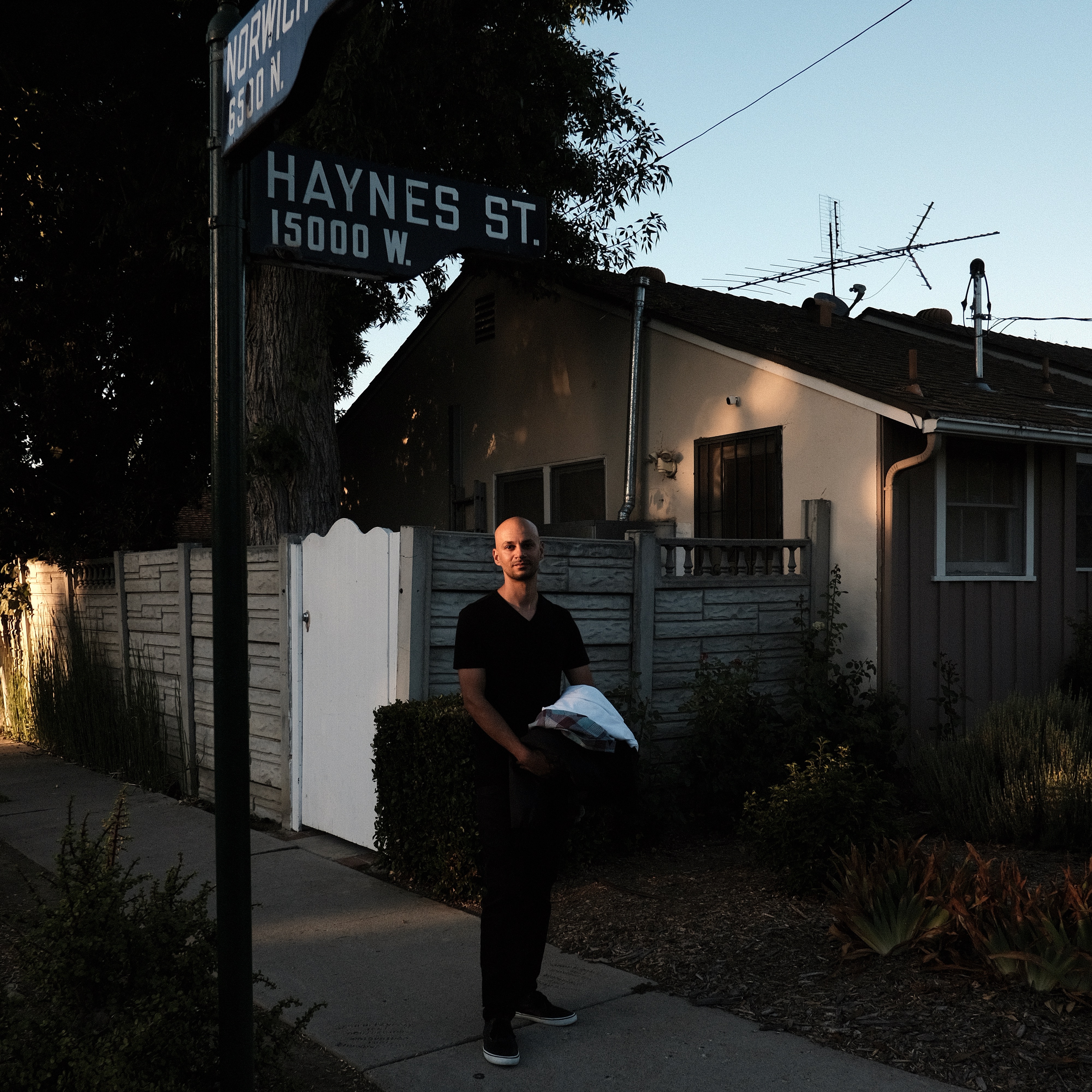
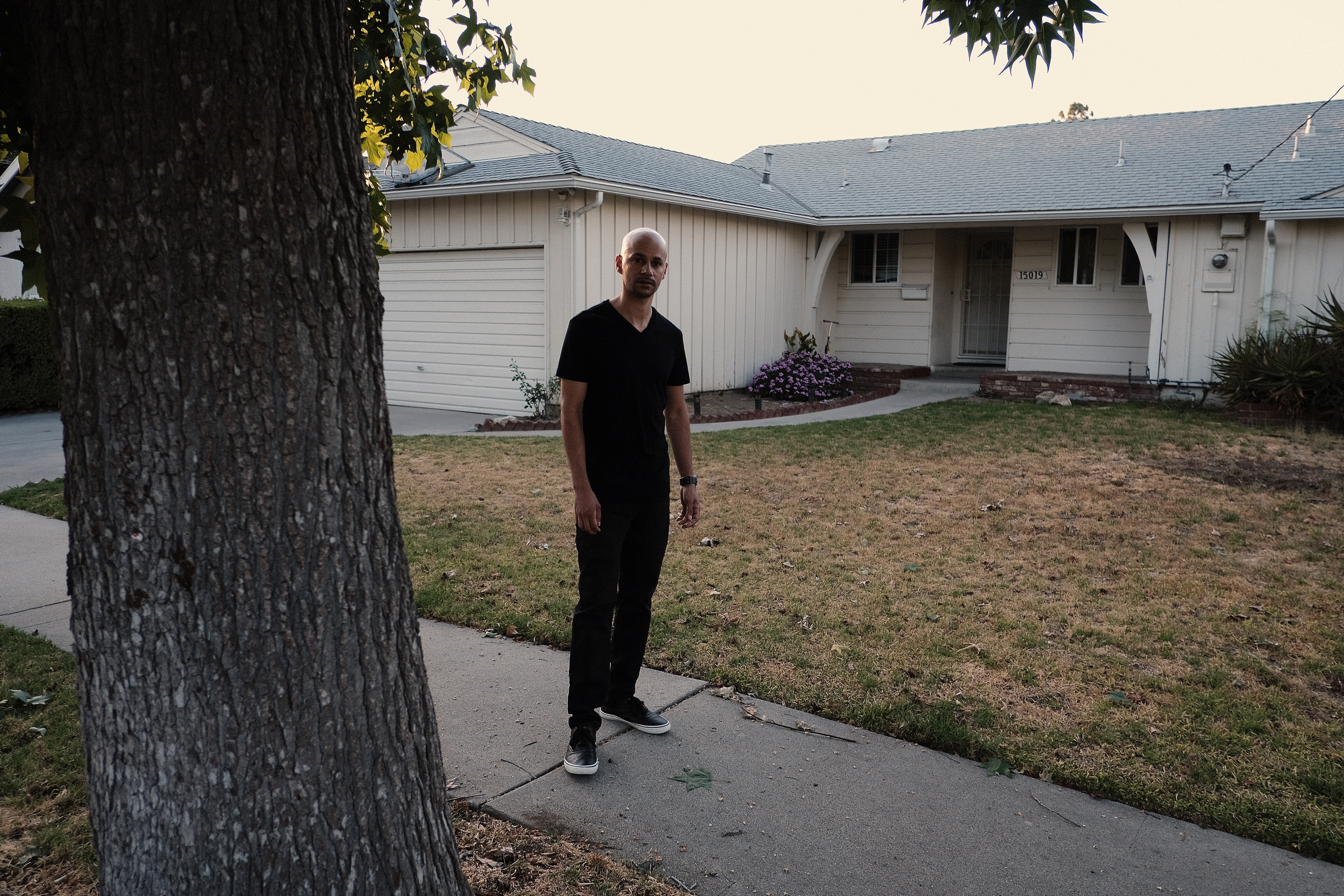
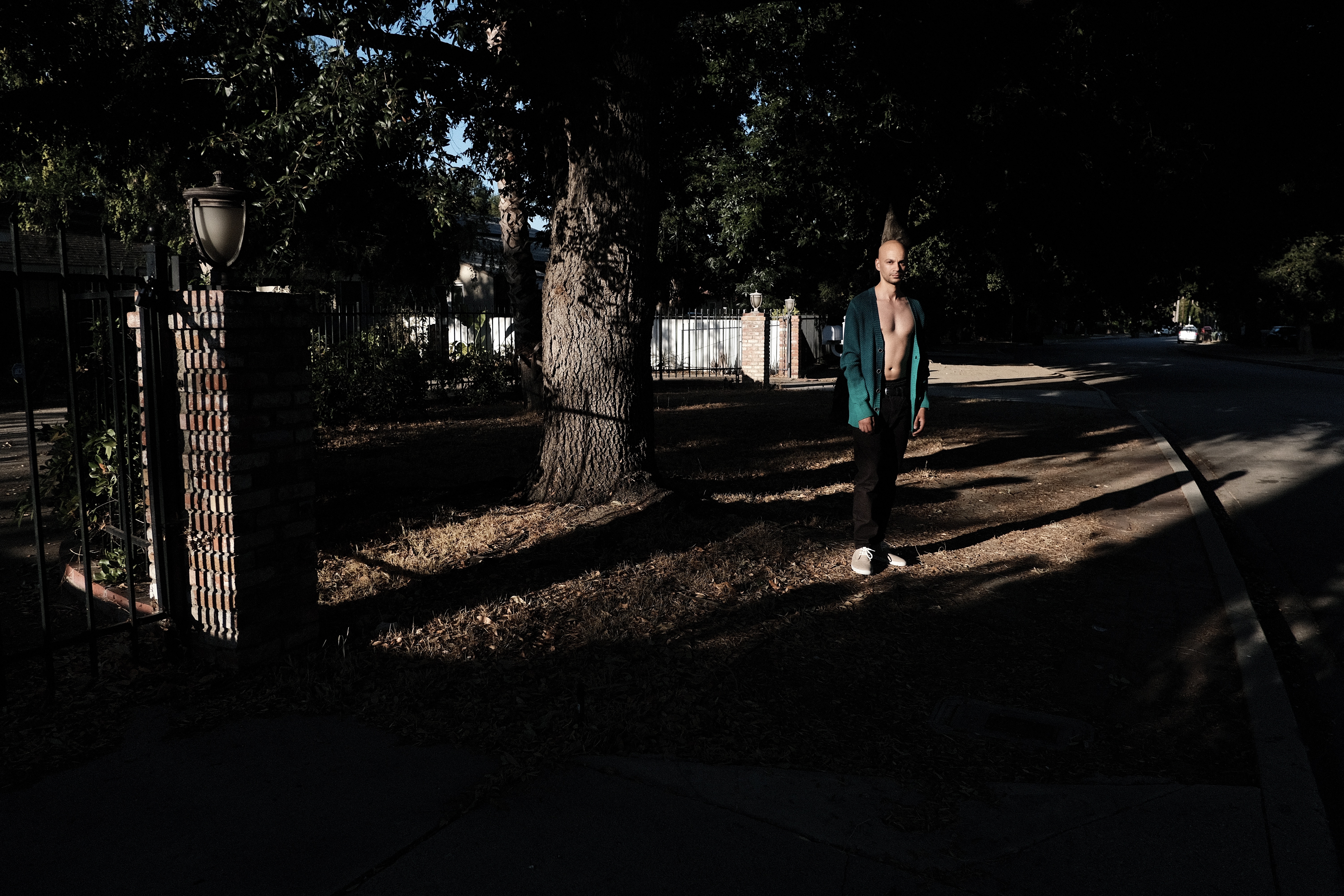
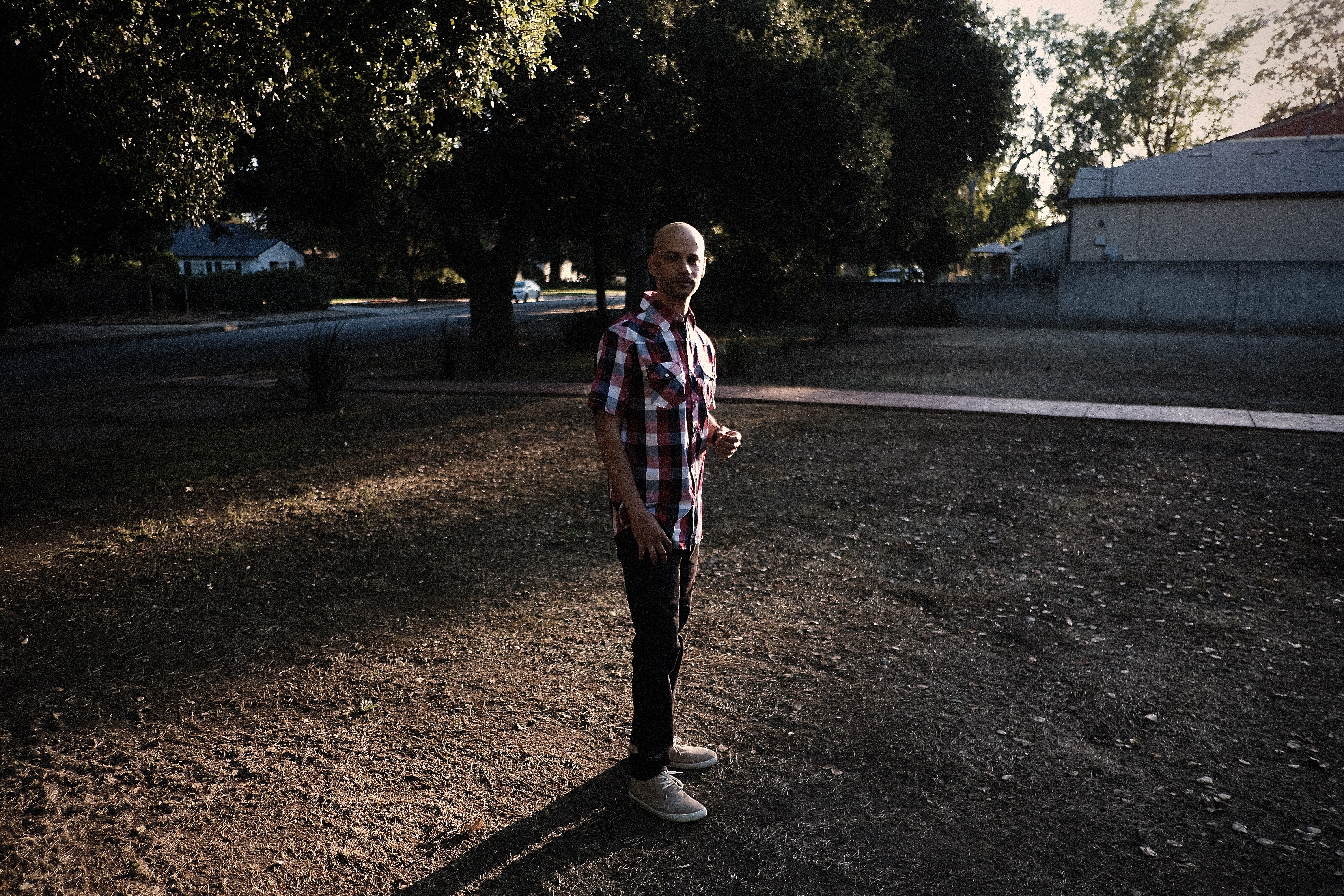
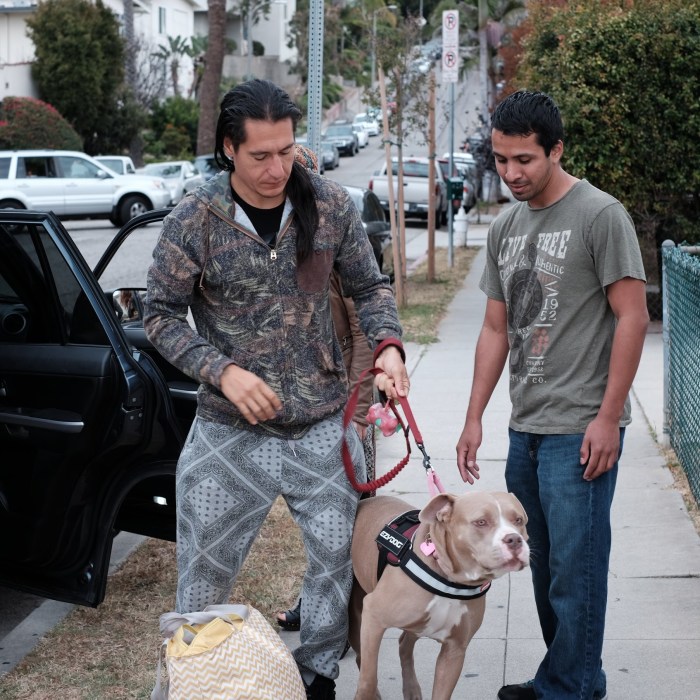
Last night, I met Ash for the first time. 

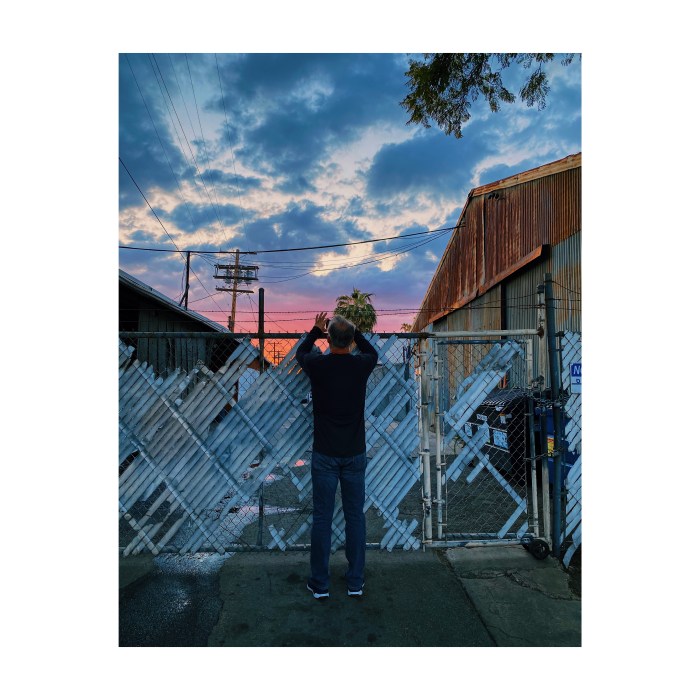
He came over to do some social distance photos. 

He reviews perfumes on YouTube. I found one he did for DS&Durga’s White Peacock Lily, followed his Instagram and he contacted and hired me.

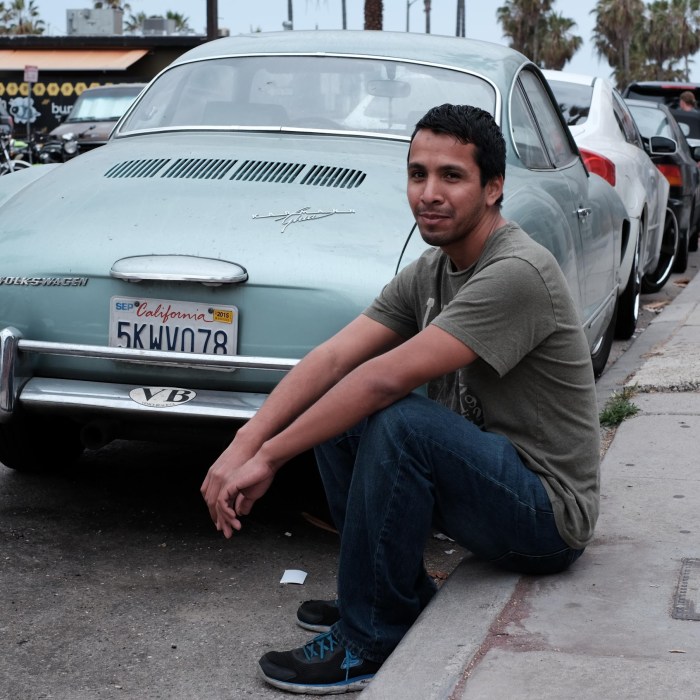
He was born in Egypt and came here when he was five. Ash lives with his mother and his 5-year-old son in Reseda. He is divorced and hurt his shoulder playing pool. Slight, medium height, shaved head, he has a kind, soft, shy demeanor.

Like most these days he has work and no work. I didn’t ask more. Nearly a quarter of the people in Los Angeles have no jobs. But Ash is sadly cheerful. He is devoted to his son and his scents. I asked my subject to wear a mask except when I photographed him.

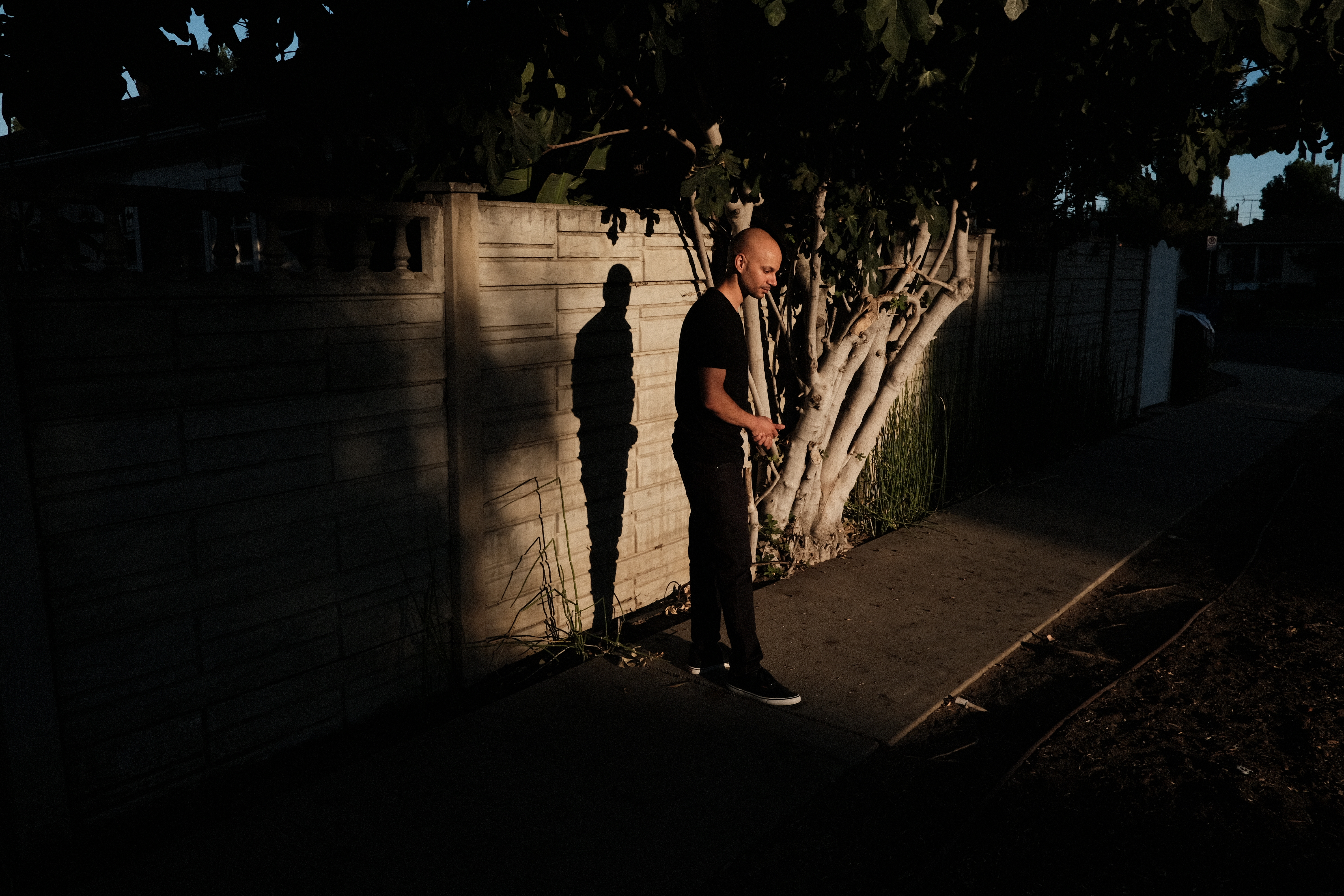
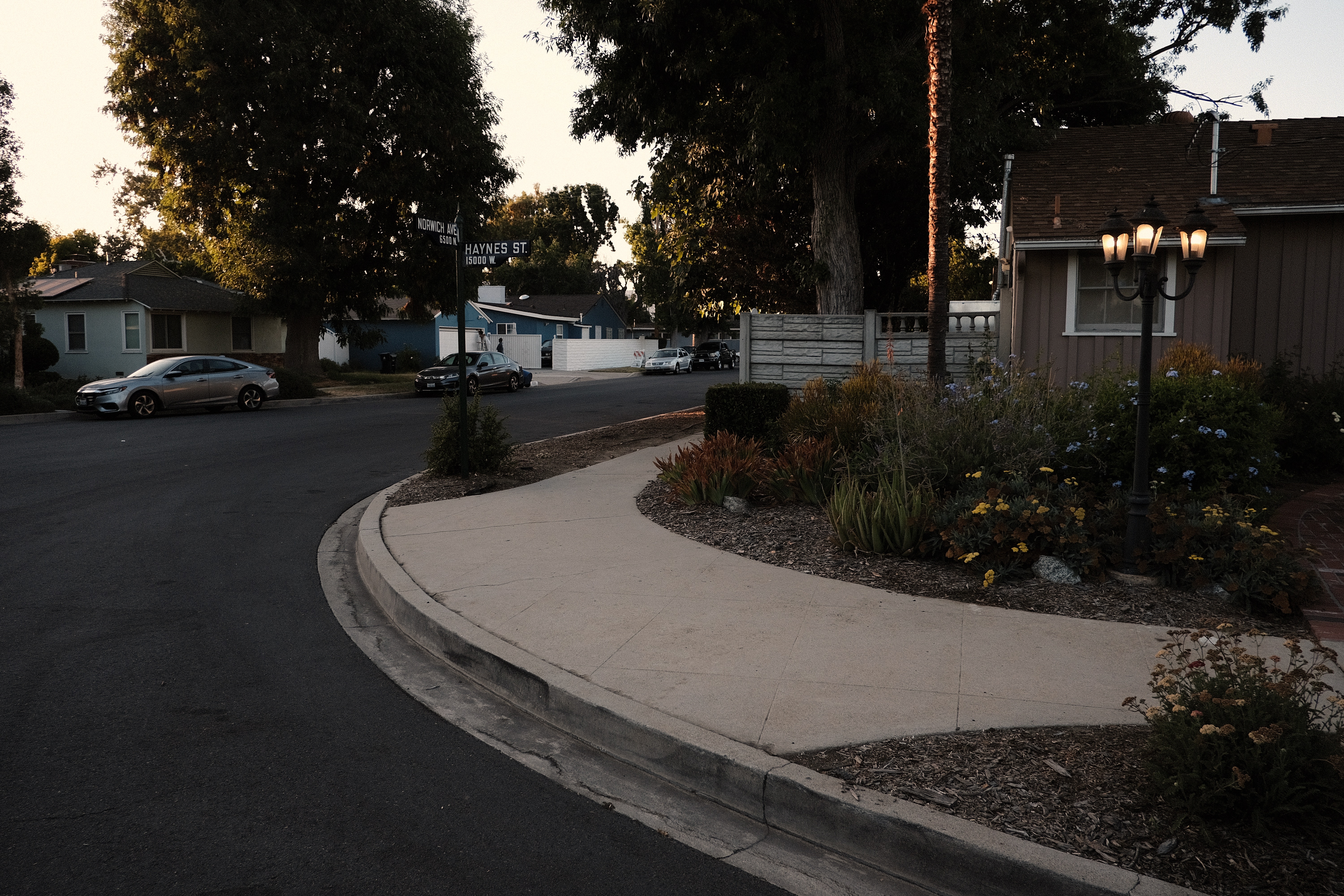
We walked around my neighborhood, after 6, when the light was dimming and people were walking dogs and children. Some had masks, others did not. 

You would never know something malign was afoot in the land.

There is a mid-century calm on the blocks that radiate off Kittridge west of Kester: Saloma, Lemona, Norwich, Noble, Haynes. The houses are nearly 70 years old. Not rich enough to be torn down, not quite poor enough for decay, they are like their residents: solid, homely, neat, clean, enduring without drama. 

Except for the walkers, there are hardly any people outside. Nobody gardening, nobody socializing, nobody doing anything social.  

This area has been dead at night since “I Love Lucy” went off the air.

There are a couple of houses for sale. I saw one, a not pretty ranch house with an asphalt driveway and crummy design. It’s for sale at $1.2 million. Another fancy one with a vinyl fence in front is just under a million. 

Who is buying these houses? Not the unemployed or the homeless. 

One just sold across the street from me, a fancy Z Gallerie style redesigned Spanish home, $1.3 million. It had been remodeled, non-stop, for four years, the owner lavishing last minute changes on the property while vacationing in Turkey and Mykonos. Just when you thought the remodeling was over, a new element was added, like a chandelier in the carport, or double oversized Buddha heads overlooking the hot tub.

Earlier this week, the new owners moved in. Yesterday, roofers came to pull down all the clay tiles and re-roof it. 

Some have discretionary income, others line up in their cars to get bags of donated food. 

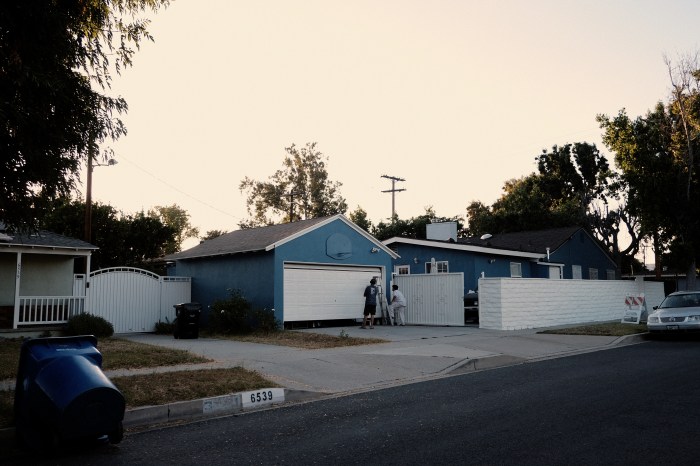
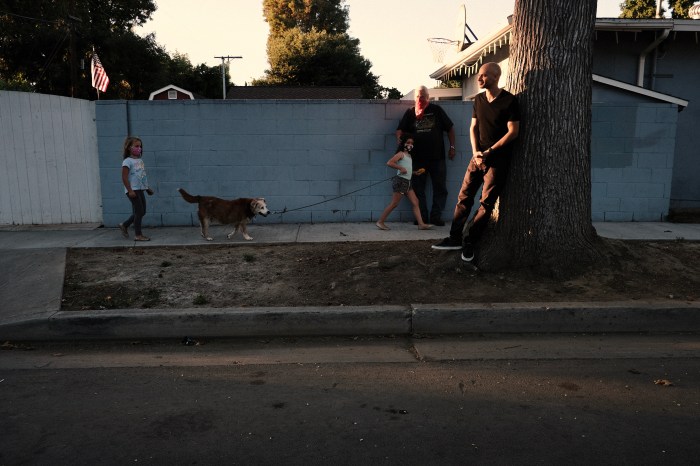
Last evening, on the streets around here, the little ranch houses from the 1950s were going into another night. A man was testing paint colors on his garage. Along the sidewalk, beside the house with the American flag and the backyard basketball hoop, an old man with a red bandana mask walked with two little girls and their dog. 

And Ash from Scent Trails was leaning against a tree, perhaps dreaming of his next lilac infused adventure.

Why You Taking Picture?


A housing and planning blog I read, Granola Shotgun, recently had a post about how the author is hassled for taking photos in public for such elements as parking lots, buildings, encampments or anything structural connected to a human.

In the past 15 years, since I started this blog, I have had similar experiences of being confronted when diligently just recording any exterior anywhere because it captured my imagination.
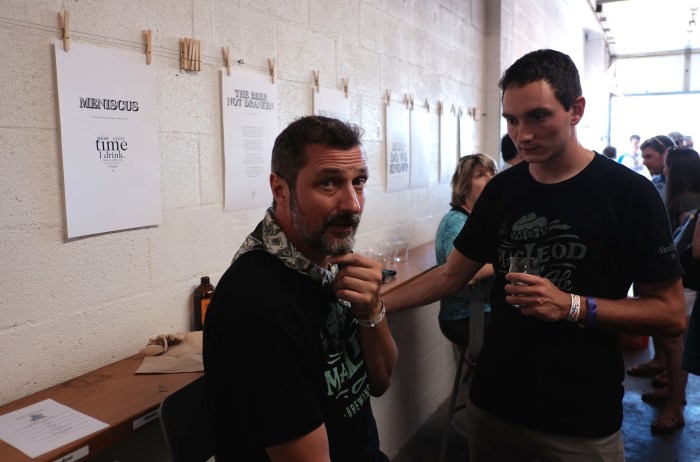
As recently as March 2020, on the last night I went out to drink at MacLeod Ale, I left the brewery. I was with a friend, who also had a camera. The sun was setting. The light was golden and glorious. I had my Fuji XE3. While walking on Calvert towards Cedros, I started photographing many things that the light was hitting, including the exterior of an auto body shop. 

Several tough, menacing looking men were conversing across from the shop. One yelled at me, “Hey! Why you taking picture?” he said.

I had a few beers so I answered, “Because I want to. I’m not on private property and the sun looks beautiful on that building.”

“What building? What sun? What you talking about?” he answered.

We walked over to Bessemer St. through the trash of a block long homeless encampment, (which I wouldn’t dare shoot) which once would have been illegal and immoral, but is now normal. People living, shitting, drinking, sleeping on the street. By the tens of thousands. OK in Garbageciti.

On Bessemer, as we got into the car, a tinted window Mercedes SUV drove by slowly, eyeing us, letting us know we were under his surveillance. Nothing happened, but we drove away chilled at the implicit threat. 

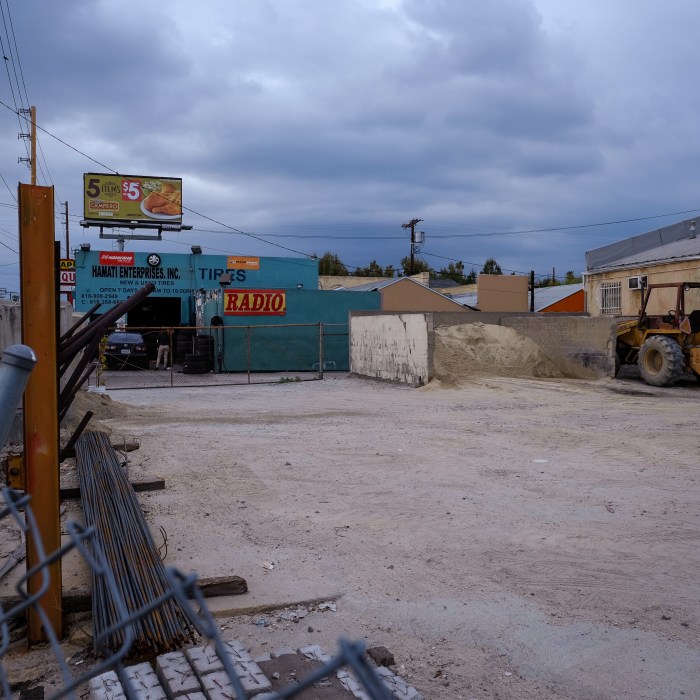
I write and photograph about the urban condition of my neighborhood. I do it with the intent of telling the truth, not to promote my product or sell a political dogma. A billboard on Kester at the golden hour is just a billboard.

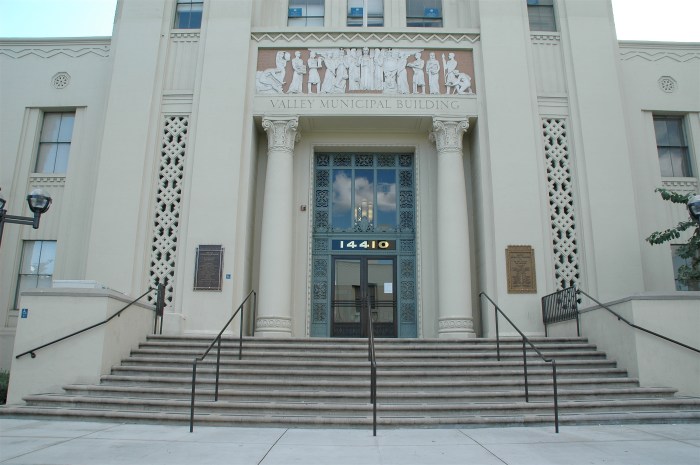
In 2006, I was photographing the exterior of the historic Valley Municipal Building on a Monday morning. An older woman came out, not a security guard, just an older woman, and she screamed, “What are you doing! Why are you shooting this building!” She had a car, and she drove up to me as I walked along Sylvan St. asking again what I was doing. 

 “There are people who want to harm this country!” she said through her window.

Like her. Opponents of constitutionally protected free speech.

Photography is politicized now, like everything else. A public photo in Los Angeles is assumed to be:

  1. ICE finding undocumented people.
  2. TMZ trailing a celebrity.
  3. Location scouting for a porn.
  4. A developer intent on building something.
  5. A Karen uncovering a violation.
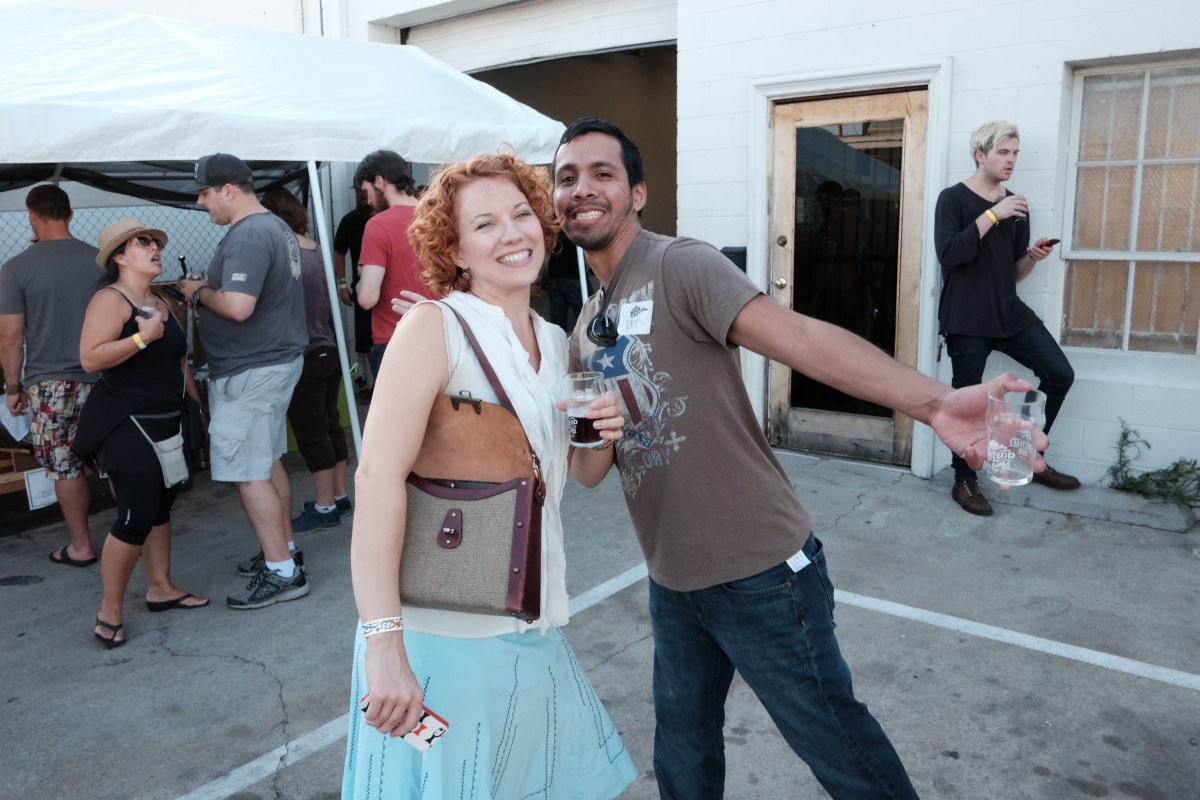
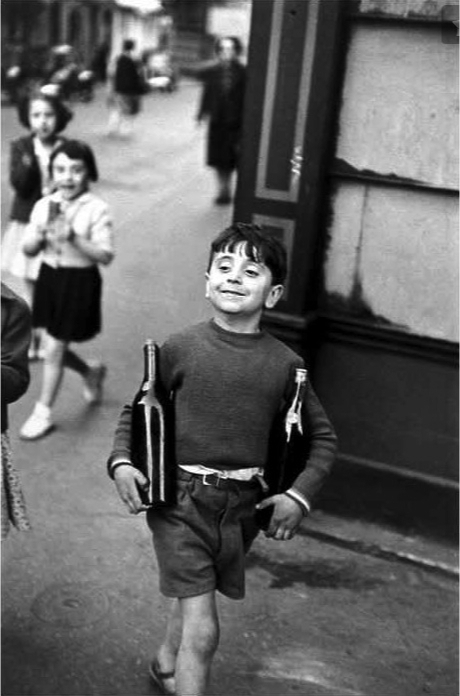
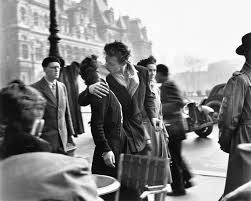
Will a photograph ever just be a photograph again? Could Robert Doisneau or Henri-Cartier Bresson shoot children on the street today? Or would they be confronted by parents or teachers or strangers asking what the hell they were doing?

How did it come to be that a joyful, celebratory, observant act, public photography, become so reviled and feared? We live in a time when every person has a camera on their phone, so anyone can really take a photo anywhere at any time, yet the deliberate, artistic, considered flaneur, strolling through the city after a few glasses of wine, can be confronted if he carries a traditional camera and aims it at strangers.

Then there is the aspect of shame. We have no public shame anymore. People dress, eat and behave in ways that would largely be considered shameful by 1945 or 1970 standards.  So shame is employed as a tool by the weak, sometimes used against others who are weak, but often to gather like minded bullies together to defeat free-thinkers.

These examples of 21st C. public dress and obscene signs would have probably been against law or custom 60 years ago. Just as today it would be unthinkable for grown man with a camera going up to a children crossing the street and photographing them, as Henri Cartier Bresson did in Paris 80 years ago.

The public no longer knows what is properly public and what is not.

When private people prohibit public photography, they often think they are exercising the rule of law. Security guards fall into this category. Yet they stand on weak ground. No building, other than a military installation, has the right to not be photographed.

And we live in time of political intention. Every act is political. One can identify with a political party by wearing or not wearing a virus guarding mask, or drinking soda with a plastic straw, living in a gated McMansion, expressing sympathy for the police, or wearing a red baseball cap. All can get you harmed or doxxed.

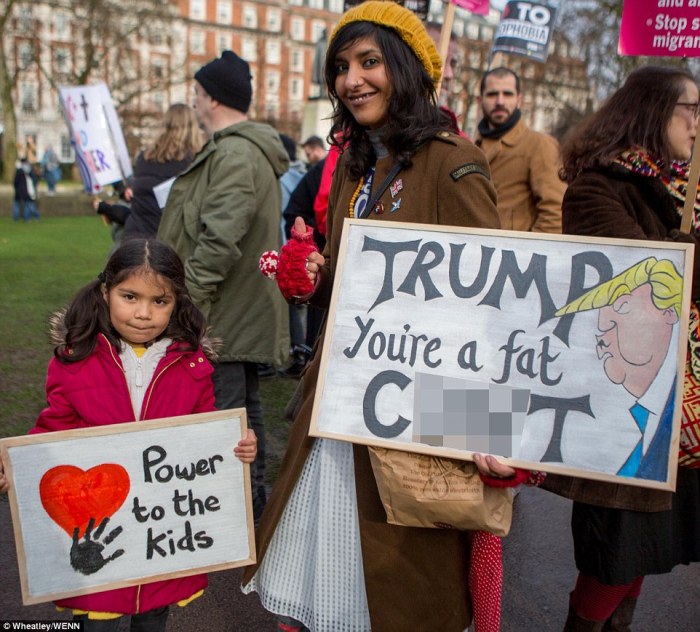
At the 2017 Woman’s Rights March, I went out with several older neighbors and of course I had my camera. It was a historic moment. And I photographed a crowd near Universal City. Which provoked a young guy, masked in bandana, to walk up and demand to know why I was photographing.

There is nothing illegal about photographing people in publicOr buildings. Even outside a schoolyard, even families picnicking in the park, even photographing a parking lot in a poor area of Van Nuys. These are all legal and protected by law.

But no law protects against widespread public fear of freedom of speech. When enough mobs band together to ban something you can be sure it will be. Photography by photographer is on the list of once free rights that face censoring, cancelling and expulsion. 
Only Yesterday


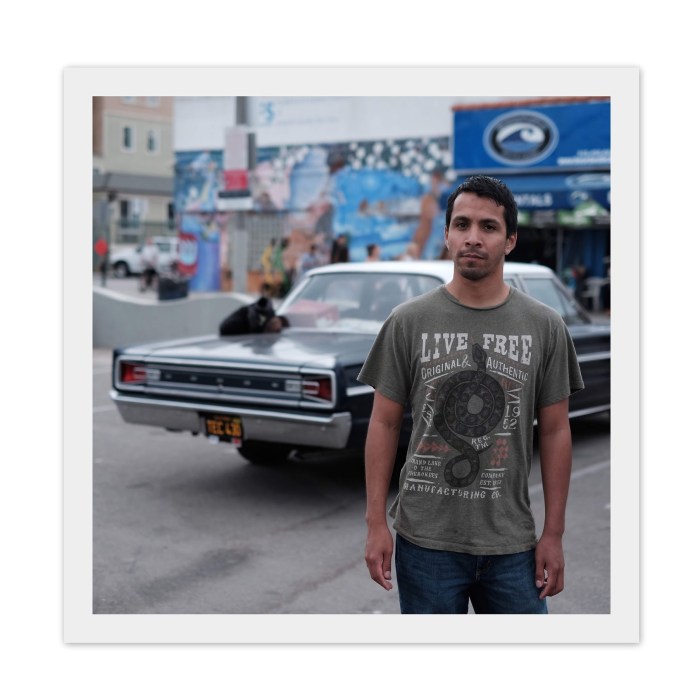
In 1931, two years into the Great Depression, Frederick Lewis Allen published his history of the 1920s, “Only Yesterday” covering the period from the end of WWI until the market crash, in October 1929, that plunged the world into poverty. The American economy would not revive until war and destruction obliterated Europe and engulfed Asia, and after the suffering and the debacle of that period, enlightened leaders vowed to never allow world war again.
So, here we are, now.

We seem, again, to be living in the most exciting of times, a moment of collapse when people are without money, in fear of their health, and watching the world outside collapse. Families and friends are unwittingly jammed up inside, fearful of intimacy, terrified of shopping, petrified about their money, unable to sleep at night, and looking for some savior vaccine to end this nightmare.

An incurable contagion devastates the lungs, drowns us, and we die alone. Please, somebody, do something.

We look up high to the presidential podium for answers. 

But we hear the cries from the asylum.

Every aspect of normal human life is now that moment in the horror movie when The Lone Girl goes downstairs into the dark basement after she hears a noise. 

7.5 billion are now The Lone Girl.

We are home with children or aged parents, or quite alone, with nobody. We are sitting at computers, trying to work or forget; obsessed over disabled relatives in group homes; monitoring children playing in the yard when the wind is blowing.

We can’t go to the gym, to the mall, to the coffee bar, to the park. We do push-ups if we can, and we lay on the couch all day until we try and sleep but we can’t. 

We are on guard receiving a package at the door, opening a letter, putting hands on a steering wheel, touching a doorknob, wiping down a mobile phone, cleaning a countertop, eating a banana with unwashed hands. We dare not open a window to let in a virus or forget to sanitize a salt shaker. 

A text message, “Call Me”, is alarming.

Everything is terror.

We are told, now, too late, to wear masks when we leave the house. Before they were of no use, now they are essential.  We are told to use hand sanitizer, but what if someone behind us, at the grocery store, unmasked, sneezes or coughs? 

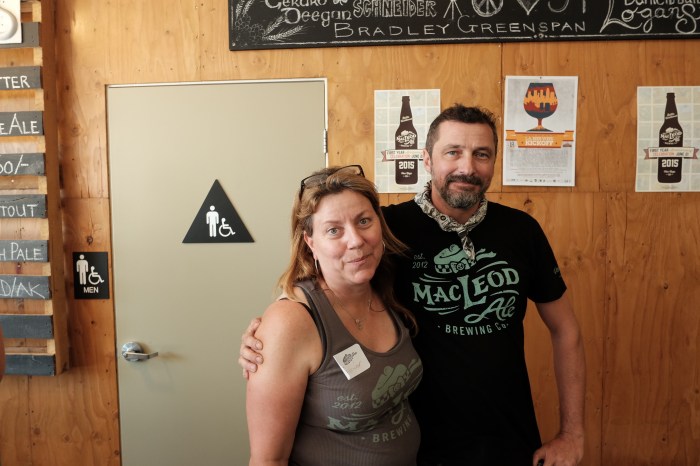
In the midst of this darkness, I learned, strangely and horrifically, that one of my friends from MacLeod Ale, Drew Morlett, 37, had been stabbed to death last Sunday, by a woman, during a fistfight with a man, at a party given by a nurse (Drew’s girlfriend?) who unwittingly invited the murderer over to her apartment on Kester Street.

To attend a party during a pandemic is foolish, but just being foolish is not reason enough to justify murder. In poetic justice, all the fools at the party would catch the virus, their punishment for violating what we all know we must not do.

Though I knew Drew for five or six years, I hardly knew him at all. 

We had met at MacLeod Ale, and then we’d hang out, always by coincidence, never by intention. 

From what I knew, he lived walking distance from MacLeod, with his family, near Hazeltine and Oxnard. He had a raspy voice, with a sound almost frail and hoarse, so I nicknamed him “The Raspy.” He was a townie, like many at MacLeod, adults raised in Van Nuys who never leave Van Nuys. MacLeod was his parish.

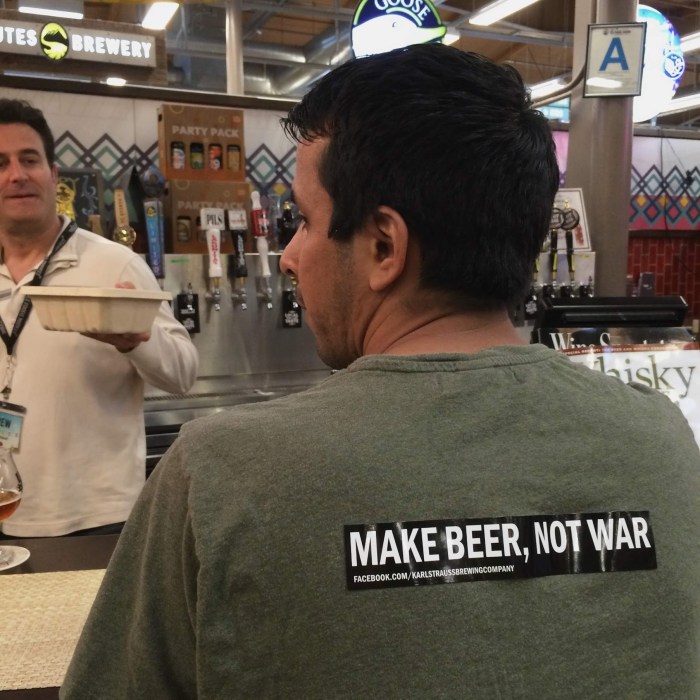
On Saturday, June 27, 2015, The Raspy and I went to Venice, this time by intention, to take photographs and drink beer at Whole Foods, beer served by bartender Drew Murphy, an amateur expert on beer, who used to casually serve us oysters, shrimp tacos and other good foods that somehow never ended up on the tab.

That bar at Whole Foods on Lincoln had become a place I went to often, especially in the year 2014 when my mother was laid up in bed in Marina Del Rey, dying of lung cancer, and I’d go down and see her, and then stop off at Whole Foods and self-medicate, and drive home slowly in the night air, always careful to let the beer burn off before I drove, sometimes going up Beverly Glen, the long way, windows open, as Jo Stafford or Frank Sinatra played, and the profusely growing night jasmine floated in. 

The Raspy worked in computers, or fixing computers, or something like that, I never knew. He was gentle, and short, and thin, and a twin, with a twin brother. He had olive skin and wore olive t-shirts. I felt like I could have been his best friend, but we never talked about anything, really.

Others at MacLeod, people who drank nightly, or played darts, knew him better. I was not one who played darts or drank nightly, and last year I only spent some $800 dollars at MacLeod, for all of 2019, and I would guess Drew spent considerably more, though I don’t know, and to speculate is to lie, so I can’t say. 

One time I saw Drew Morlett and he said he was laid off and looking for work. Another time he said he was living with his girlfriend on Kester. One late night he called me and invited me out, and it was after 11pm and I didn’t go. He was known at other bars, other dart places, and in other drinking establishments, and it seemed he was out and about and all around the city, going out and about and all around the city. 

Until he died last weekend.

Now he is dead, dead in the way Van Nuys kills you: in obscurity, senselessly, ridiculously. That weekend, two days before he was stabbed, another man, a homeless man, Dante Tremain Anderson, 35, was killed the same way, by knife, not far away, on Burbank Boulevard in the Sepulveda Basin.

Before I learned about the identity of the second victim, Drew Morlett, I knew about the first and second murders. And in my mind, they were indistinguishable. Just anonymous and tragic and forgotten. 

Now one of the dead I had really known, and hugged, and laughed, and drank with. He had siblings, parents, friends, and they all mourn his death. I cannot feel the grief his family carries, and they have my deepest condolences.


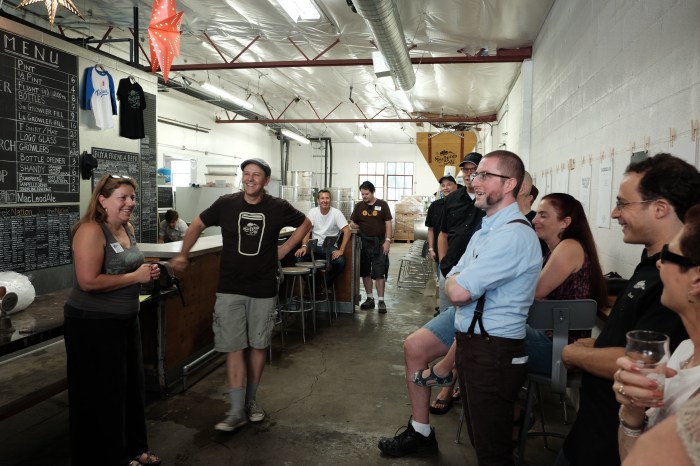
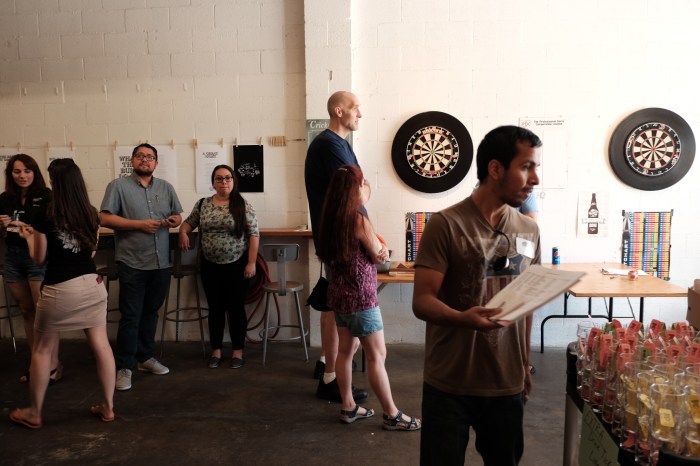
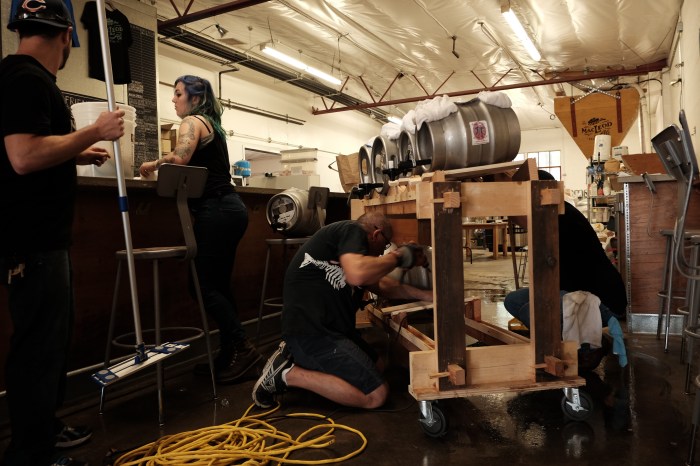
On June 21, 2015, a year after MacLeod Ale opened, that brewery held a big party. 

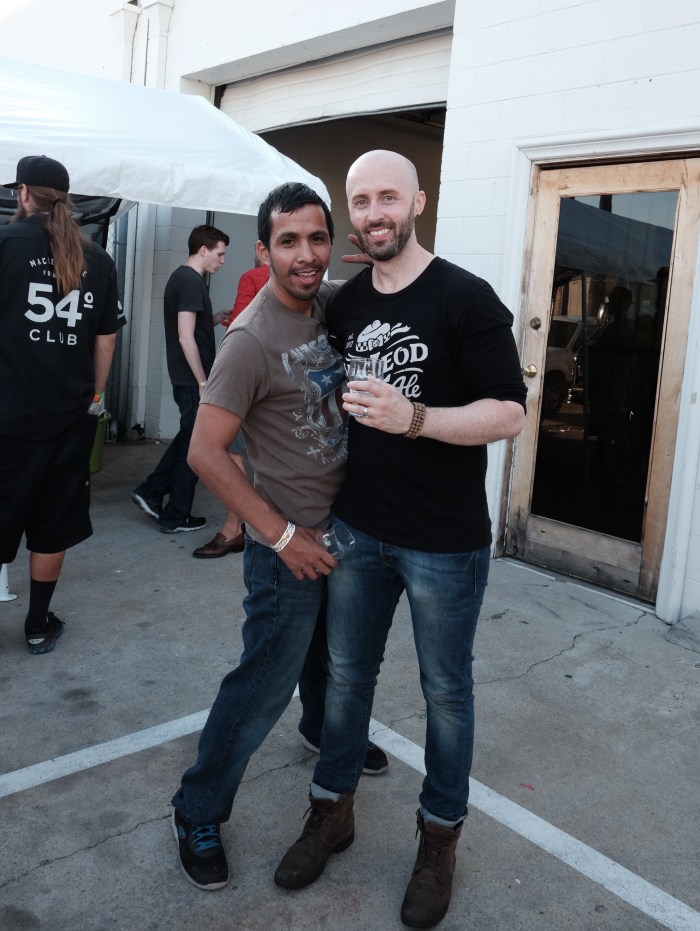
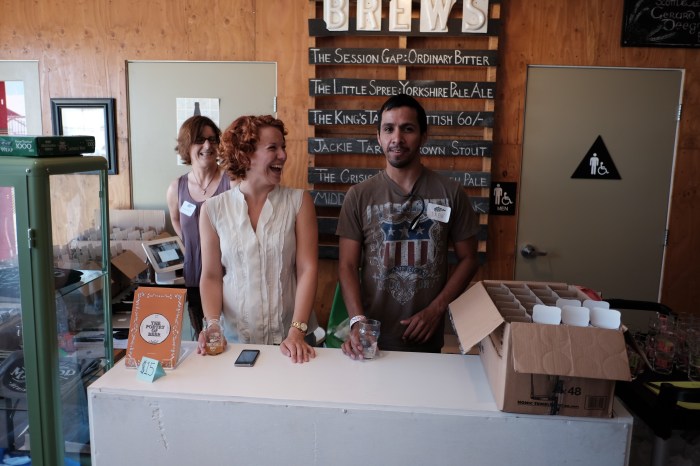
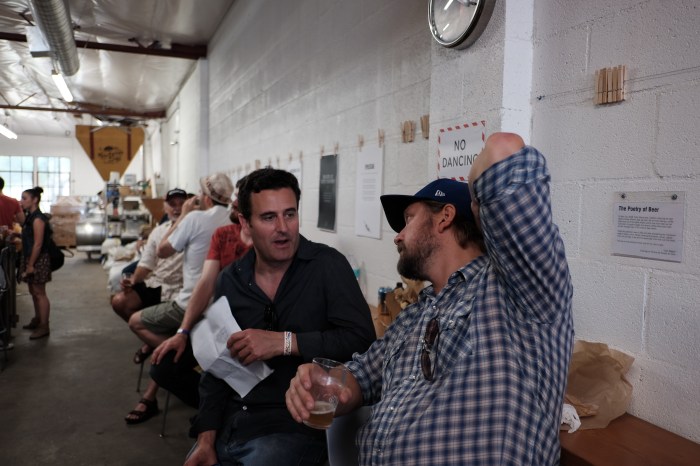
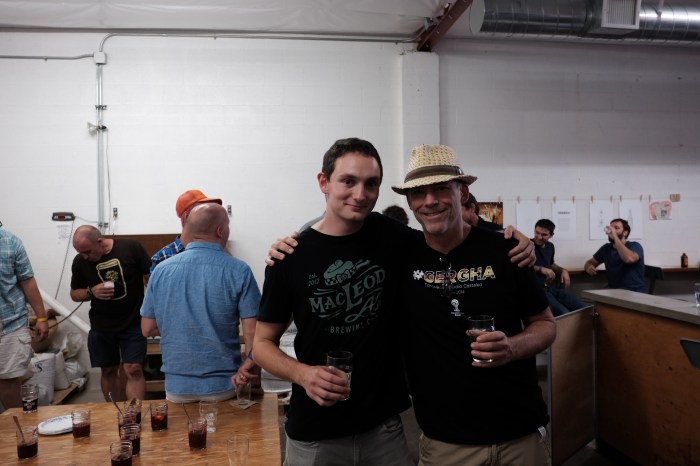
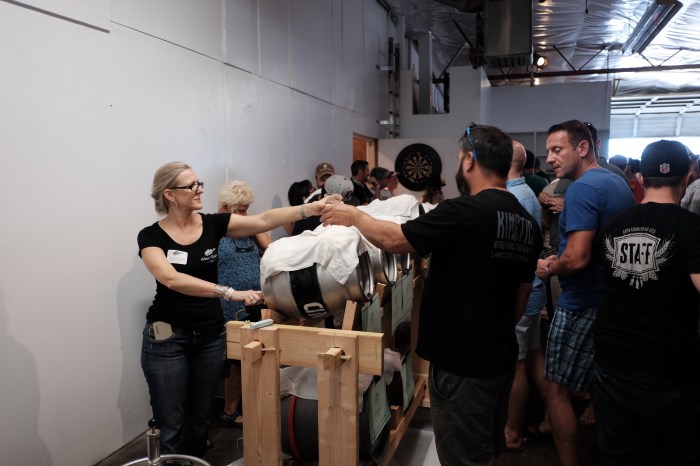
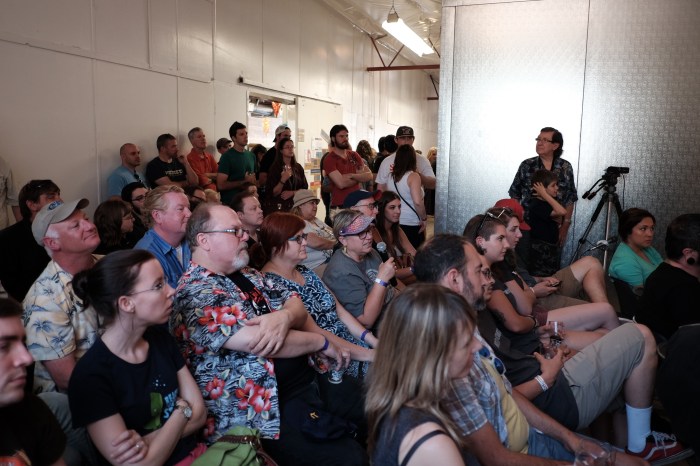
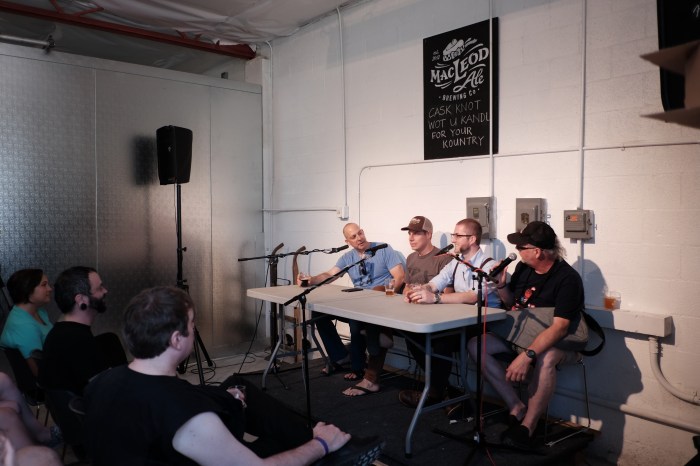
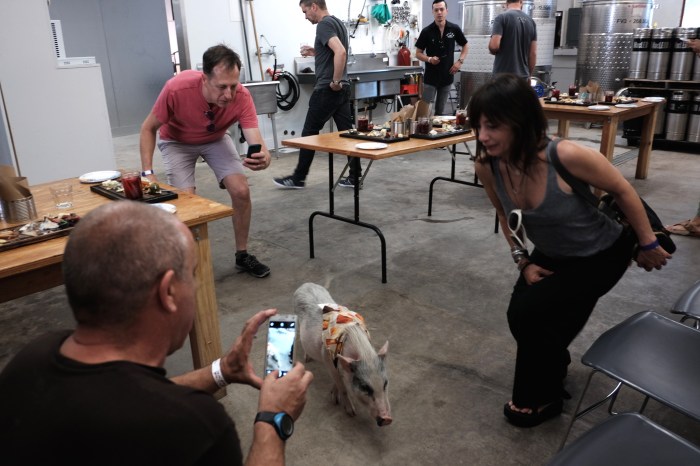
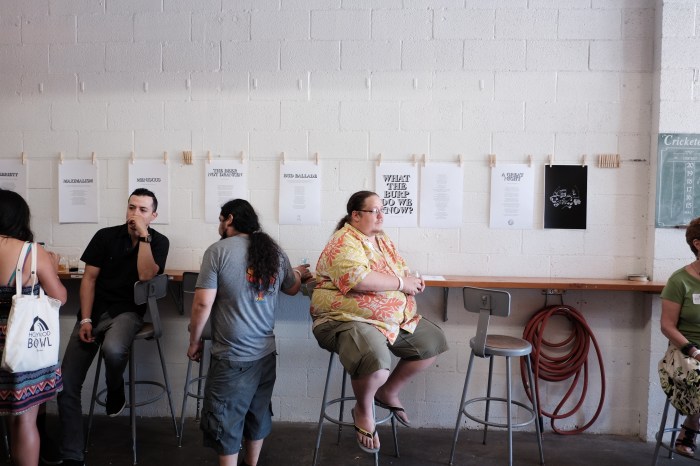
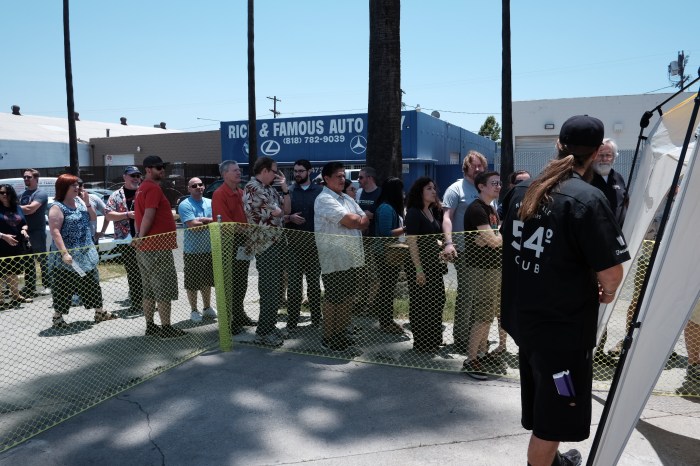
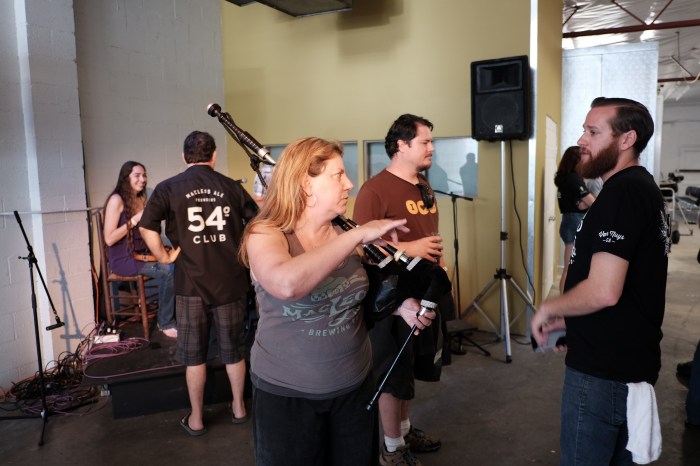
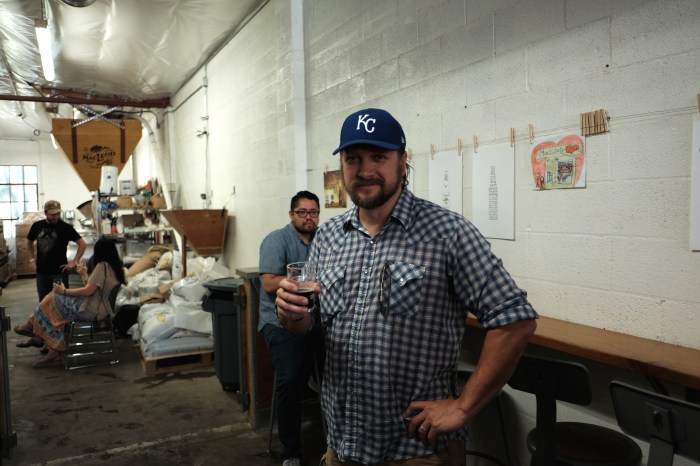
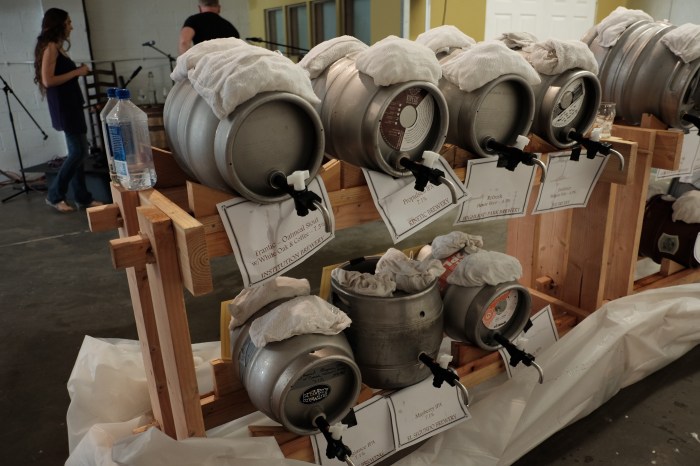
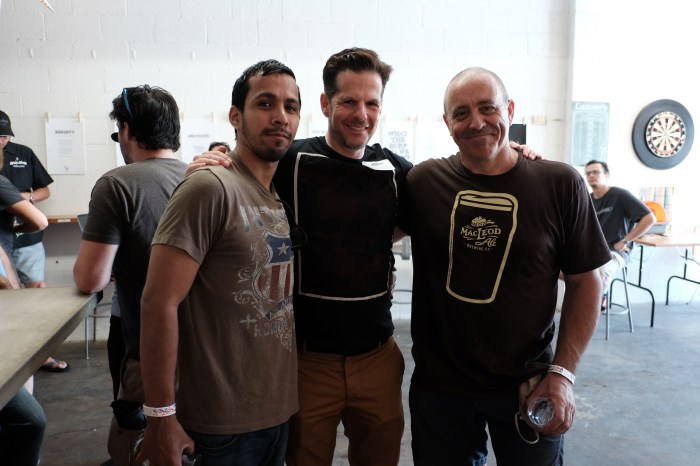
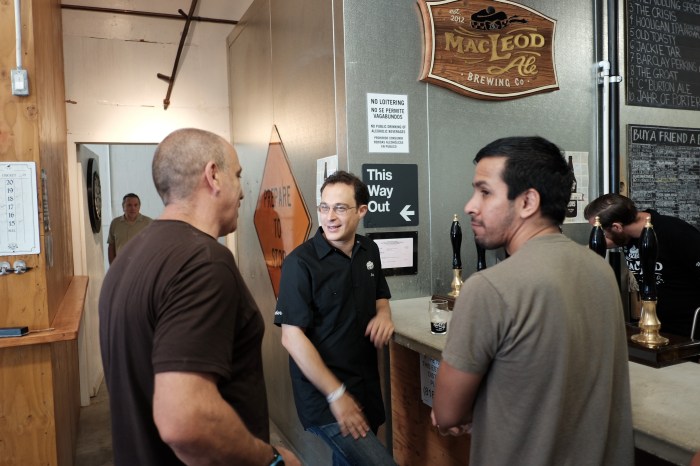
Drew Morlett was there, and so were hundreds of other people. They lined up to buy tickets, to sample brews from guest taps, to listen to lectures by brewers discussing brewing, to meet other enthusiasts and lovers of craft beer.

I took many photographs that day, and now they look remarkably dated. 

It is not only that we are presently, legally restricted from gathering, but that we are older. We are now incarcerated by grave and ominous fears and worries, and to drink beer in a crowd and listen to music and get drunk, that is our fondest hope for what we might do again. 

We hope, not only to be well, but to live, to be in this world, not banished from it, and to return to happiness and blithe ridiculousness, and even carelessness and stupidity. We should not have to die for our love of each other, we should not have to die because we partied, or touched our face, or went to a movie, or shopped for food, or cared for a sick person in hospital. Somewhere there is a profound lesson in all this, but I can’t quite fathom it. 

I have to go wash my hands now.

The Nervous Hour


Later in the year, if we are feeling better, or if we are alive, we may look back on March 11, 2020 as one of a number of dark days in a time of never-ending calamities.

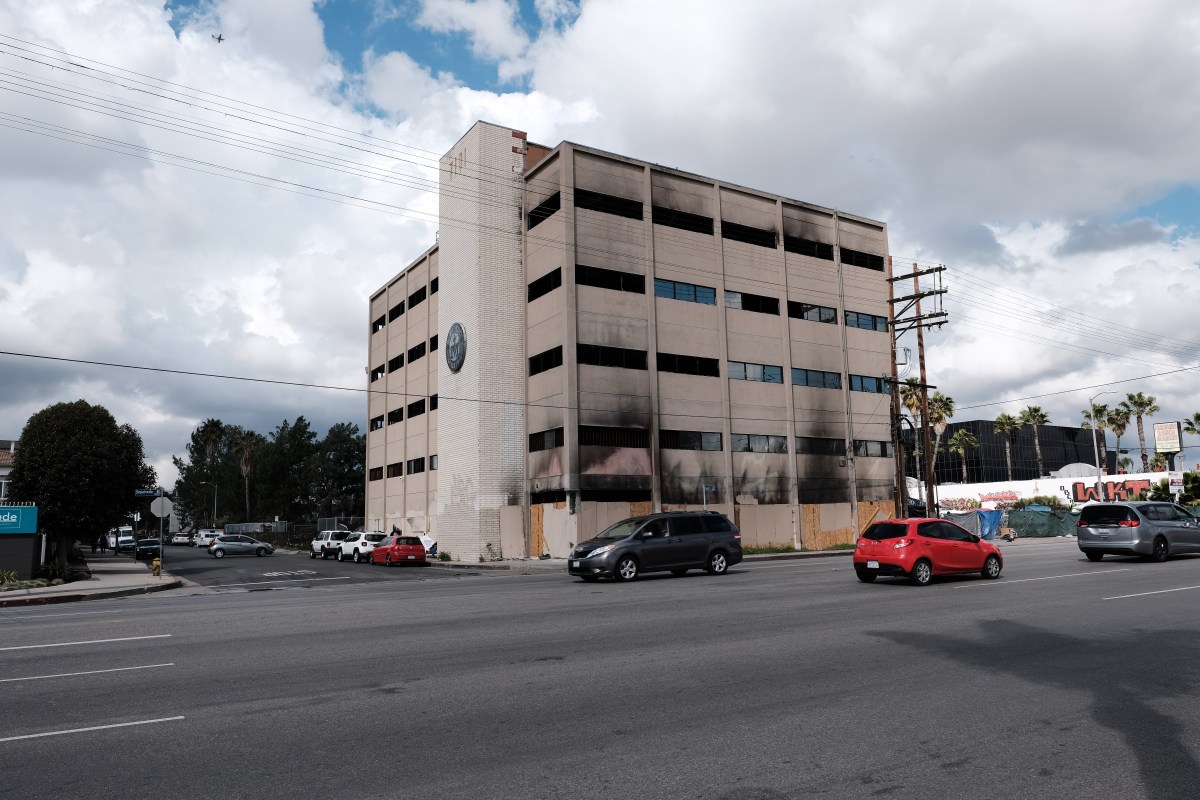
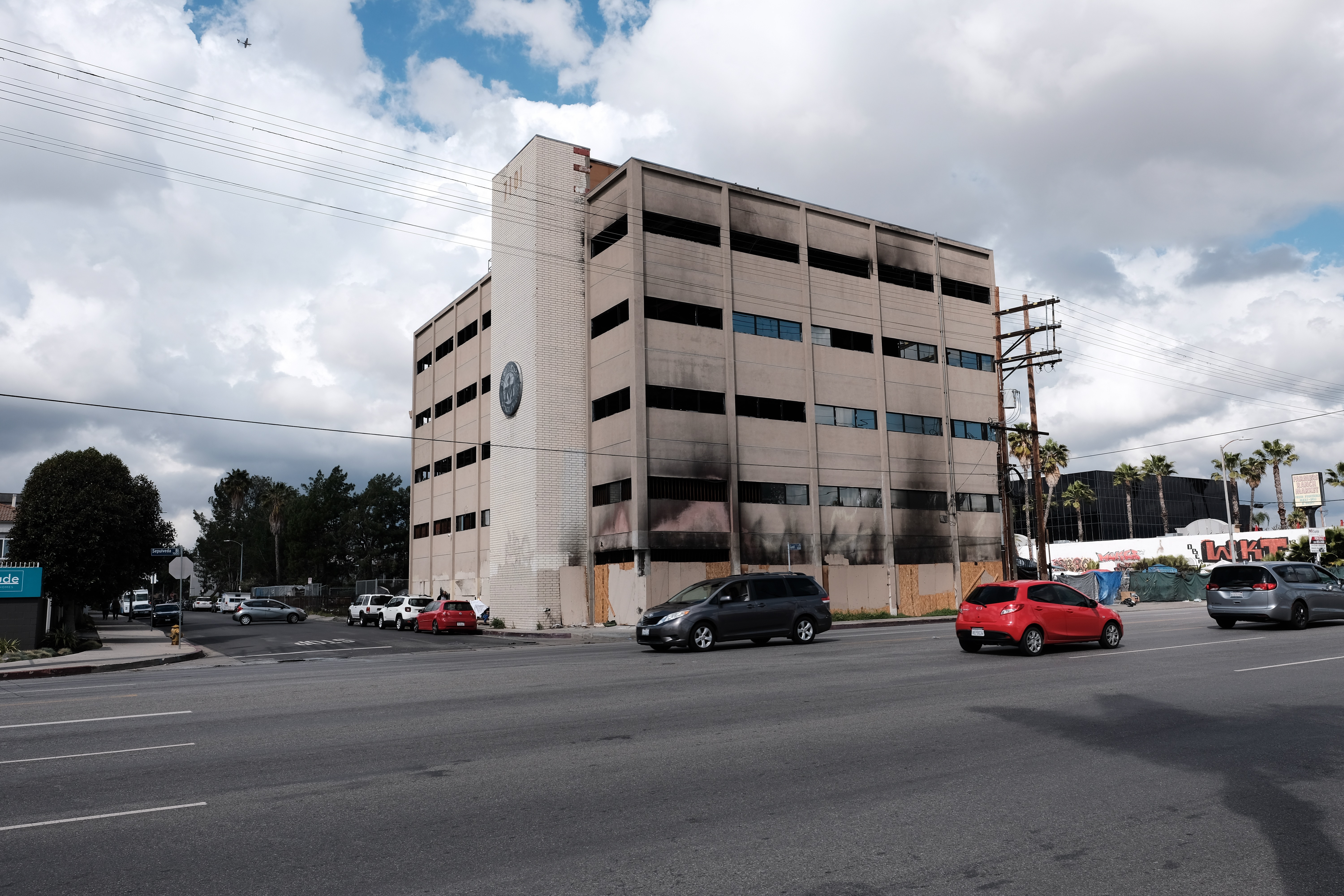
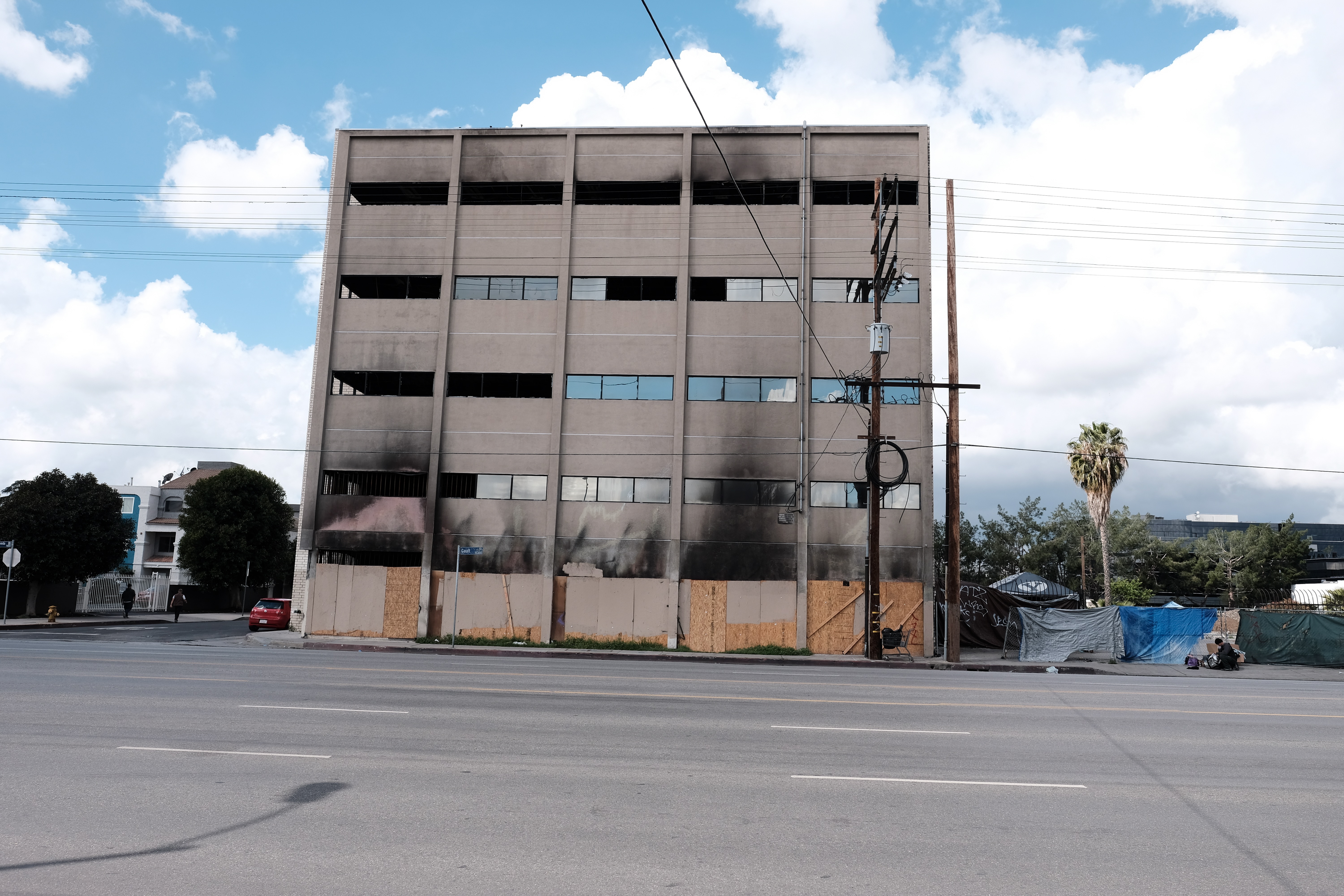
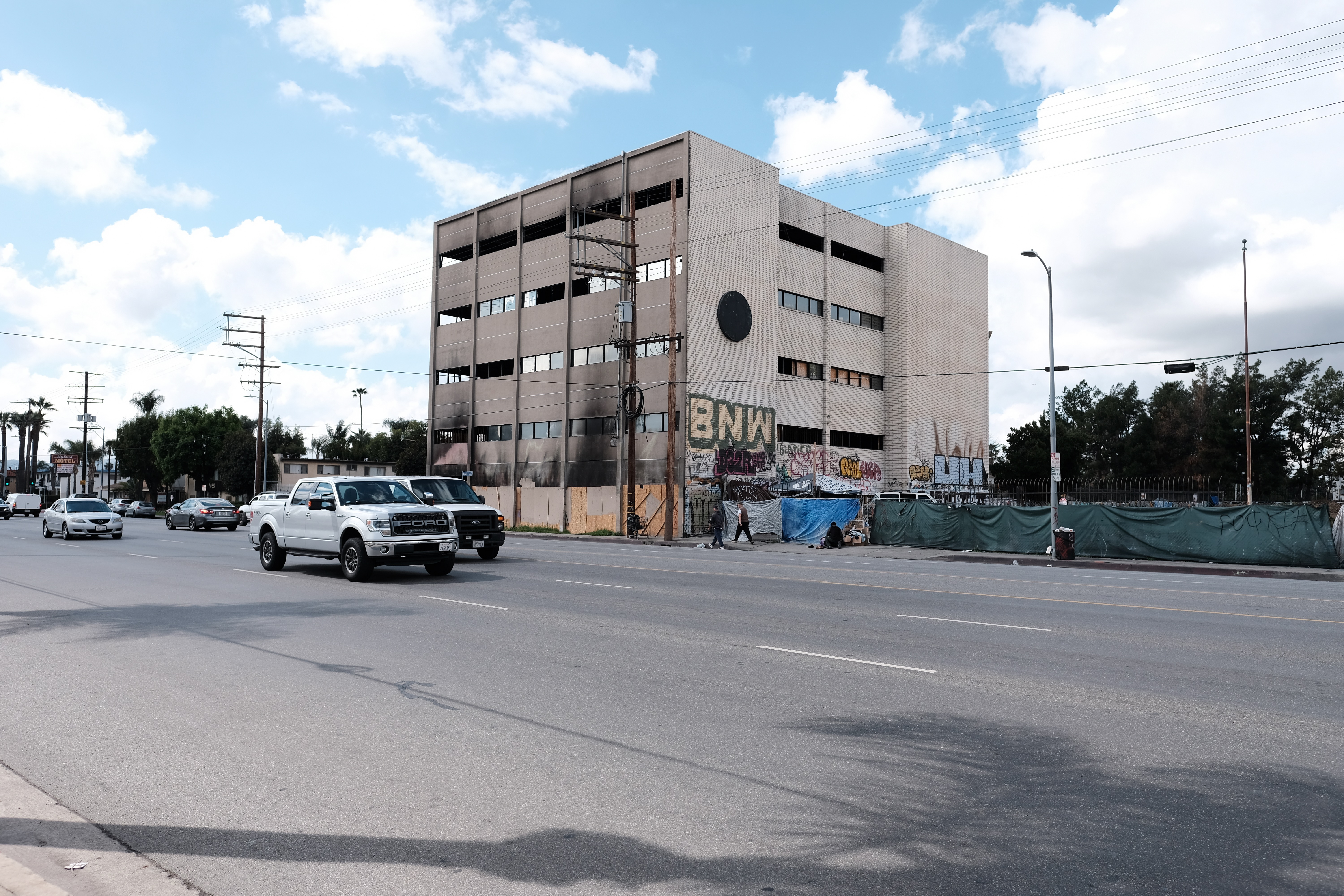
Today, as the Coronavirus was declared a pandemic, and the stock market crashed yet again, and the slow-motion, fast spreading virus appeared aimed for me and my nation, I walked past this gruesome, burned-out building at 7101 Sepulveda Blvd. It caught fire on November 24, 2019.

A 5-story office building that caught fire months ago, and is structurally unsound and unsafe, is the setting for a community of homeless owners. Where is LADBS? Where is Nury? Where is God?

I didn’t photograph the community of perhaps 40 or 50 men and women who make their homes just north of 7101. They are, of course, there illegally, but why the hell not?  I dared not disturb their encampment, a satellite skid row in a community, Van Nuys, that until this century, was tacky, but spotless. 

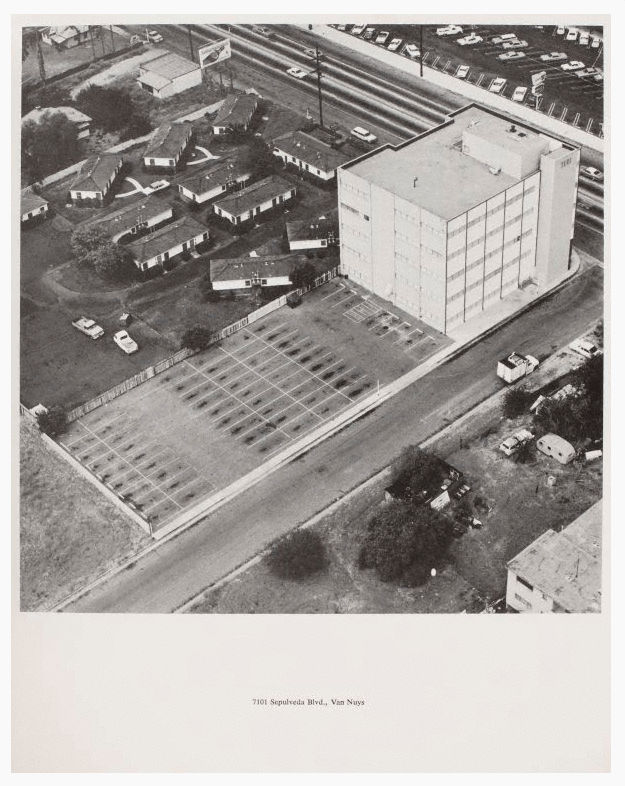
In 1967, at 7101 Sepulveda Bl., the building, the parking lot and a motel court, was photographed by Ed Ruscha, our famed artist, for a book he compiled called “Thirty-Four Parking Lots in Los Angeles.”

The photograph is in the collection of the Tate and National Galleries of Scotland. And the LACMA.

Like his other works, “Twenty-Six Gas Stations” and “Every Building on the Sunset Strip,” Mr. Ruscha used documentary photography unbeautifully to state unequivocally what we honestly are in our built forms. 

Ah, the Sixties, when we laughed at the bad designs of roadside architecture, parking lot covered suburbia, and those husbands and wives who only wanted to live in a $30,000 ranch house and barbecue steaks.   We thought anyone over 30 ridiculous, an old prejudice recently renewed.

The children of the 1960s and 70s are among the ones living in the tents with the rats and the needles and the trash. 

We have fallen further than anyone could have imagined in 1967. We have only to look baldly at the evidence in front of our own eyes. We don’t need Twitter to tell us things are rotten in the states of reality and mind.