Van Nuys Boulevard Cruising: Early 1970s


screenshot_320 screenshot_319 screenshot_322 screenshot_321


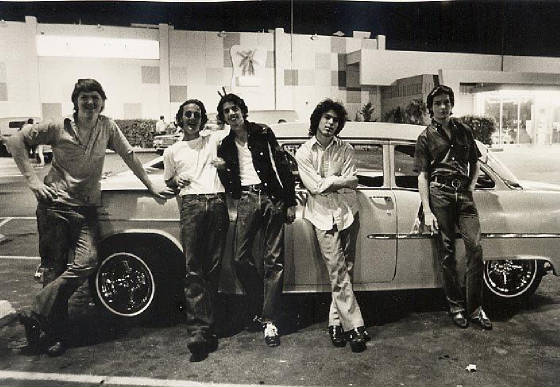
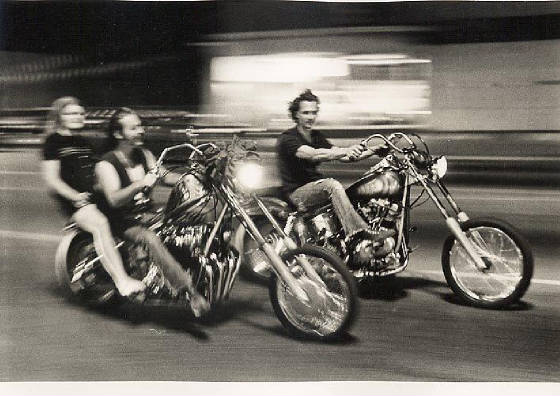
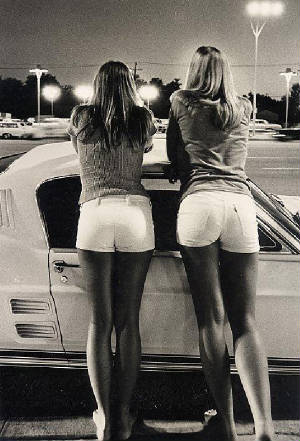
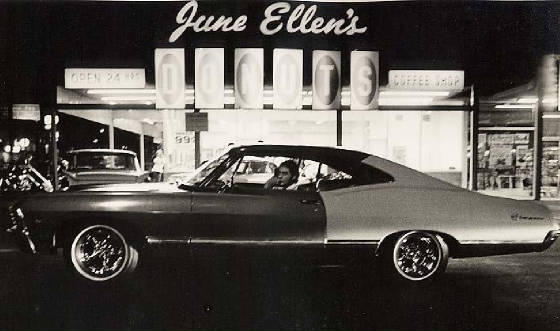
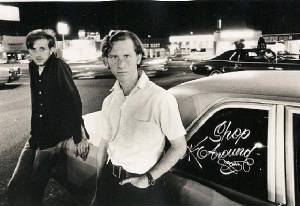
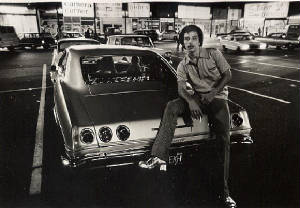
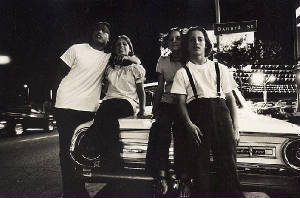
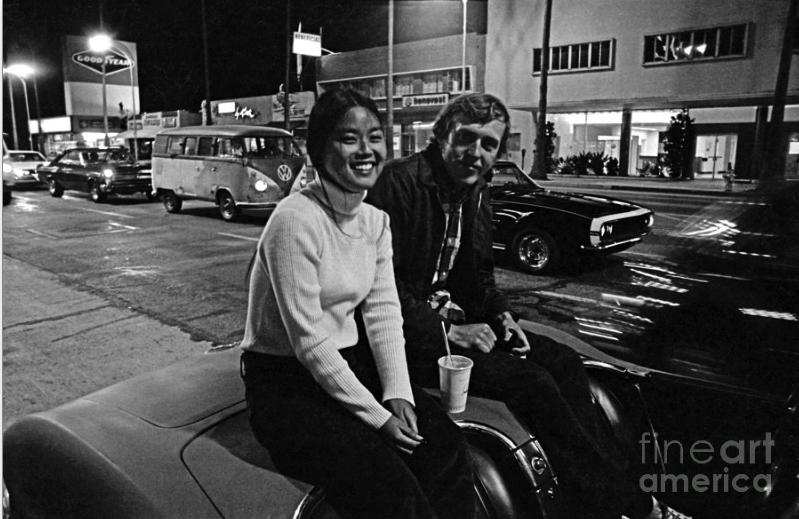
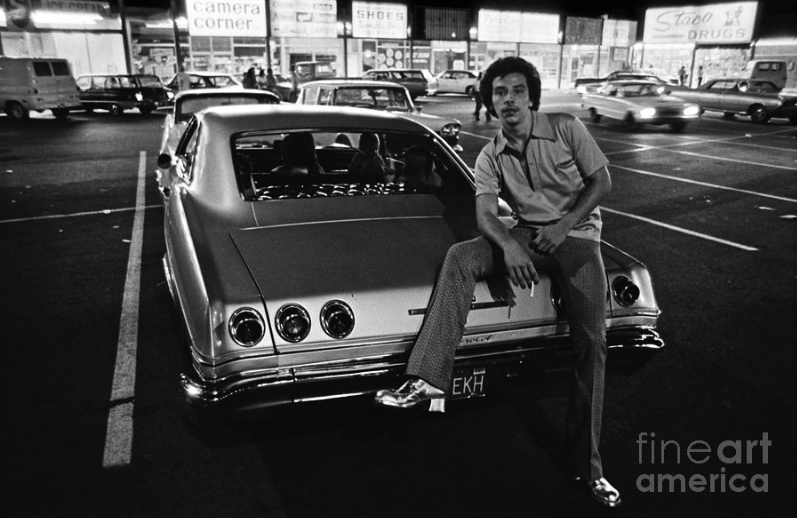
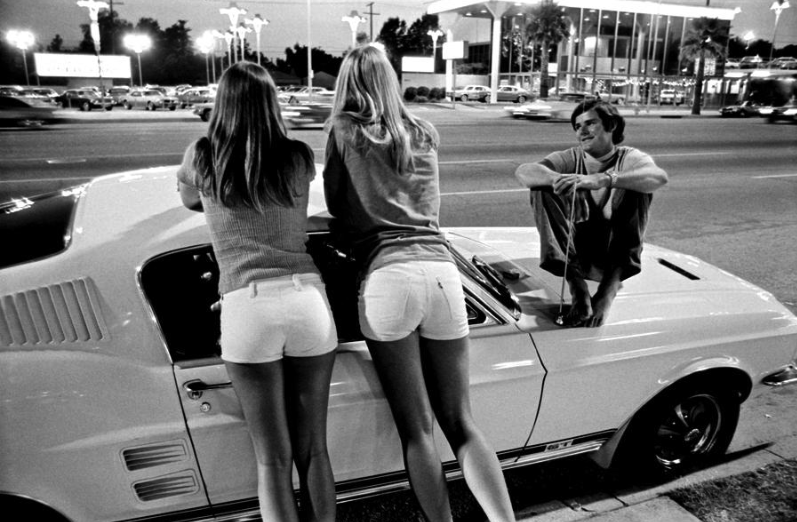
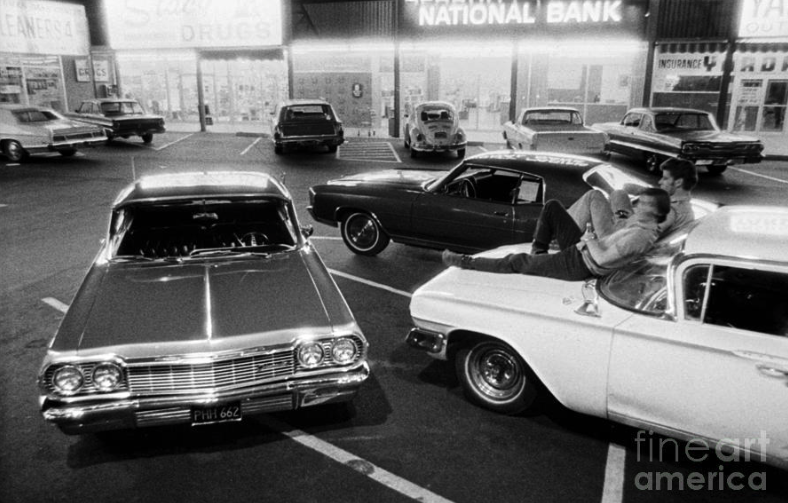
Richard McCloskey’s images of Van Nuys Boulevard in the early 1970s, the cruising and the cars, is now for sale at Art Prints.

The photos show young people having a good time while hanging out, congregating on the street, and in the shopping center, which still stands next to Gelson’s on Van Nuys Boulevard.

Cruising, as Kevin Roderick in LA Observed explains, “began before World War II, spread across LA with the car culture of the 1950s and 60s, crested when the baby boomer hordes were at their most numerous and bored, and finally faded after the LAPD shut down the boulevard in the 1980s.”

The GM plant in Panorama City (1947-1991) built many of the cars that roamed the street. It paid its workers well, who in turn bought cars and produced children to drive them.

The cars were fueled by cheap gas (29-33 cents a gallon) which ended after the 1973-74 Arab oil embargo doubled the price of fuel and forced Americans to abandon wasteful muscle cars.

Once the cars were gone, the pretty girls and the gritty guys packed up and went away.

Van Nuys settled into its current state of illegality, drift and decline.


Striped Buildings.


A developer presented a plan for senior housing, on a site at Vose and Van Nuys Boulevard, at last night’s Van Nuys Planning and Land Use (PLUM) meeting.

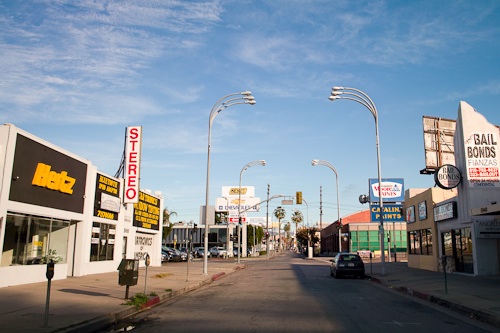
This is along that very wide part of Van Nuys Boulevard where the blight of downtown Van Nuys gives way to an airy nothingness of expanse into the Valley moonscape. Eight lanes of roadway go north and go south, past McDonalds, Aamco Transmissions and Earl Scheib’s Paint and Body.

The proposed four-story complex is on land now occupied by Baires Auto Market. Baires is housed in what looks like an old pancake house, white framed and peaked roof, in a mid-century Protestant style, where blueberries and syrup were poured after Sunday services.

Renderings of the new four-story age and memory challenged facility show broken blocks of verticality, indented and tinted, dressed up with trees and vines.

An architect and a corporate spokeswoman described the frailty of the intended residents, ideally desiccated and disabled, unable to drive, and therefore not capable of making more traffic. Kitchenless units will be occupied by dwellers who will dine in communal dining rooms, monitored and managed by round-the-clock workers, arriving in shifts, parking in one of 61 underground spaces.

Over 80, weak, needing assistance, losing their memory, infirm; the suffering of age was advertised as an attribute. For here would come those who would not need schooling or parking spaces, but just a temporary place to live before death.

And there was the illustration of the new building, broken up in colors and pieces, a collection of cliches, impossibly inoffensive.

All over Los Angeles, along the new condos on LaBrea in West Hollywood, over in Santa Monica, and here in Van Nuys, we live in-between newly erected stripes and corrugated boxes.

The new buildings have mass. But it is presented not in grandeur, but shame; fractured, divided, sliced, multi-tinted. It is a style meant to soothe communities, and to disguise big projects by making them seem small and insignificant.

It almost makes one long for the arrogance of brutalism.

The new architecture is poll-tested and market-driven, without balls or bravado.

Hanging Out: 1972


vnb72a.jpg.w560h387

vnb72e.jpg.w560h396

vnb72c.jpg.w300h441

vnb72f.jpg.w560h331

vnb72b.jpg.w300h206

vnb72g.jpg.w300h208

vnb72d.jpg.w300h198

The Wild Bunch Blog has some interesting photos (supplied courtesy of Richard McCloskey) of the cars, guys and girls who cruised along Van Nuys Boulevard some 41 summers ago.

These young people and their gas guzzling muscle cars were enjoying their last summer of cheaper oil.

In 1973, after the Arab-Israeli War, OPEC got together and helped create the first “Energy Crisis”… and a gallon of gas went from 33 cents a gallon to as high as 60 cents.

1972 was also the summer of “American Graffiti”, a film which nostalgically looked back 10 years earlier to 1962, a time of greasers, cars, hanging out, and being young.

Now we look at these photos, themselves archival relics, and wonder how Van Nuys was ever so young, so thin and so very white.

Taps and Lights Out….


IMG_0654

IMG_0683

IMG_0667

IMG_0681

IMG_0659

IMG_0668

IMG_0661

IMG_0660

IMG_0674

IMG_0662

IMG_0658

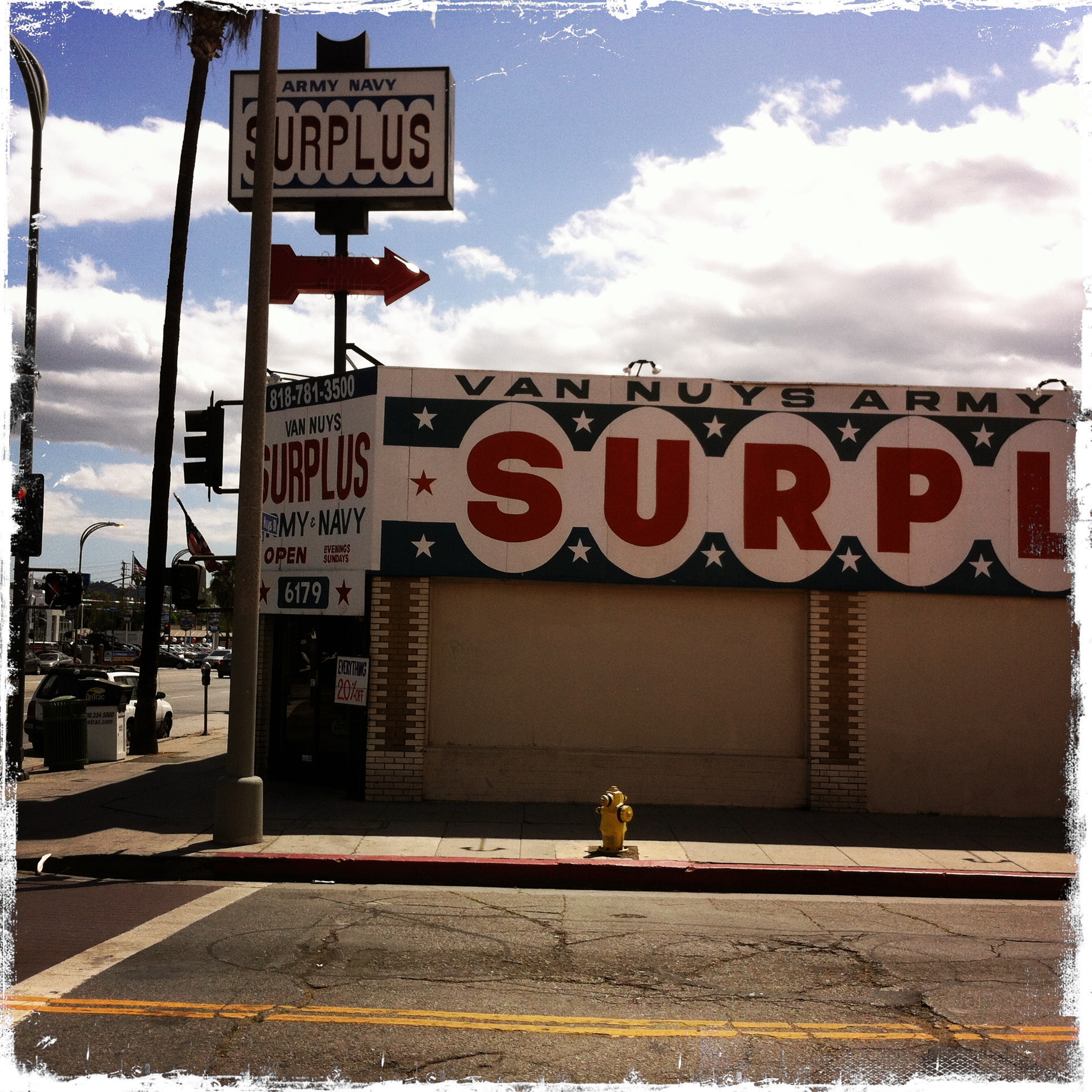
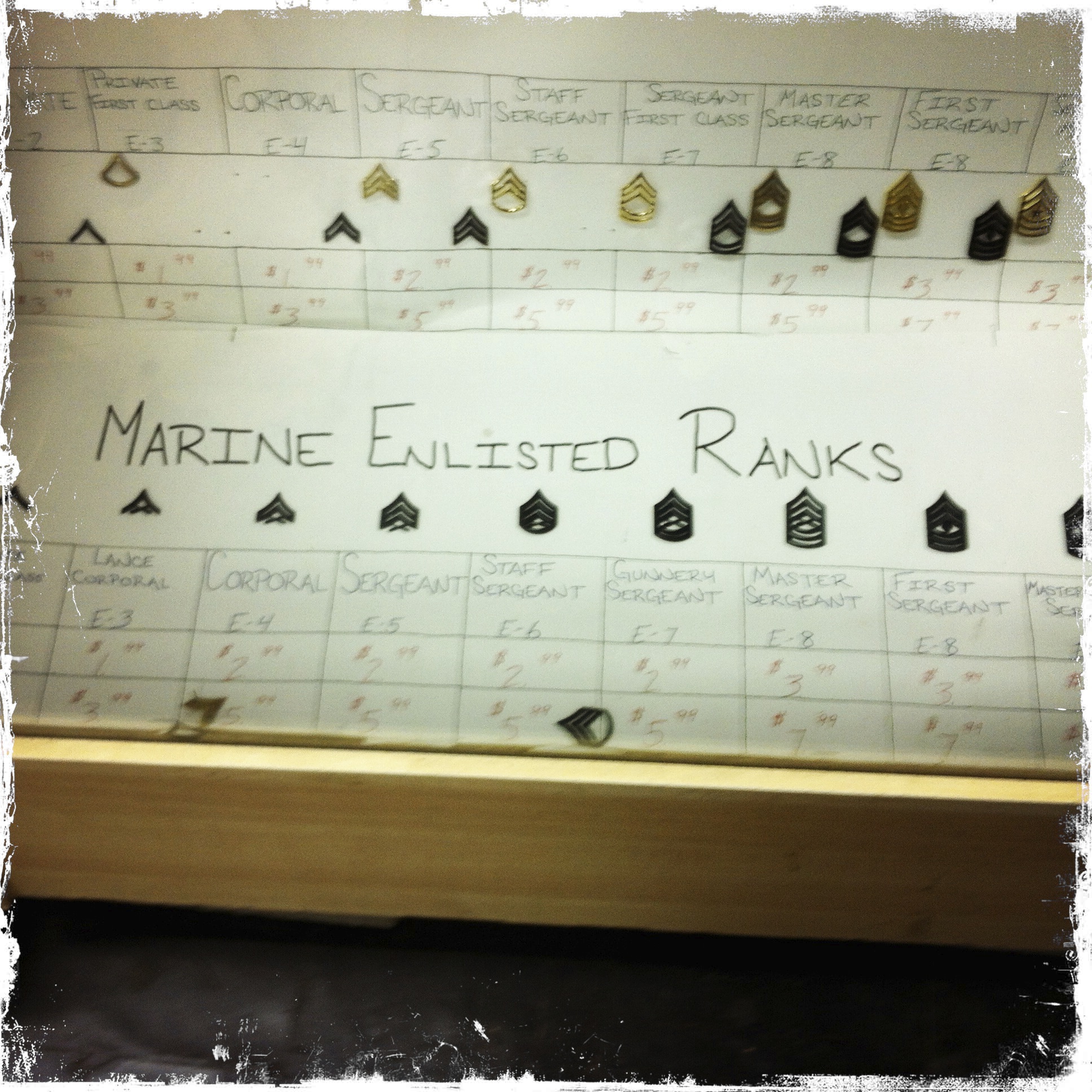
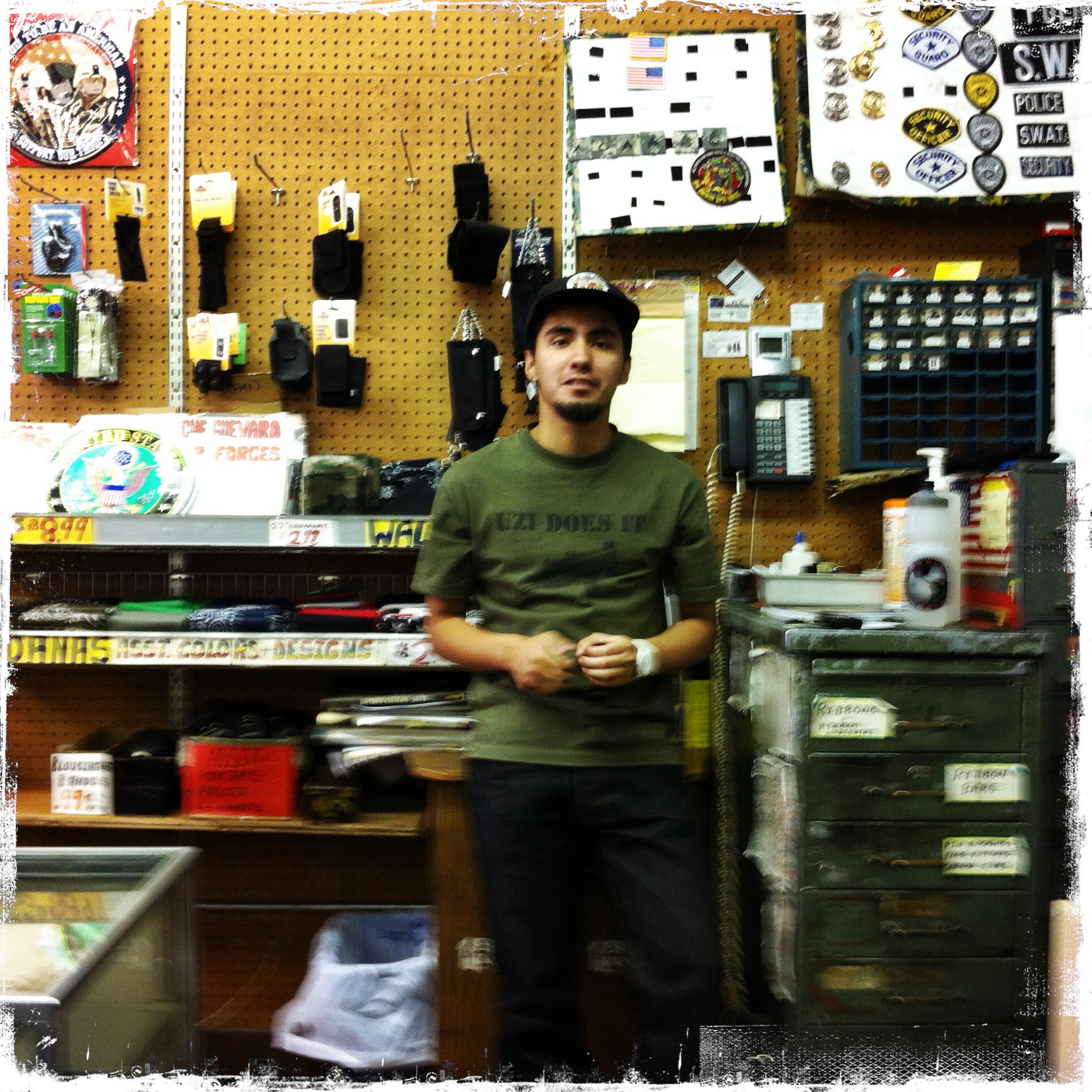
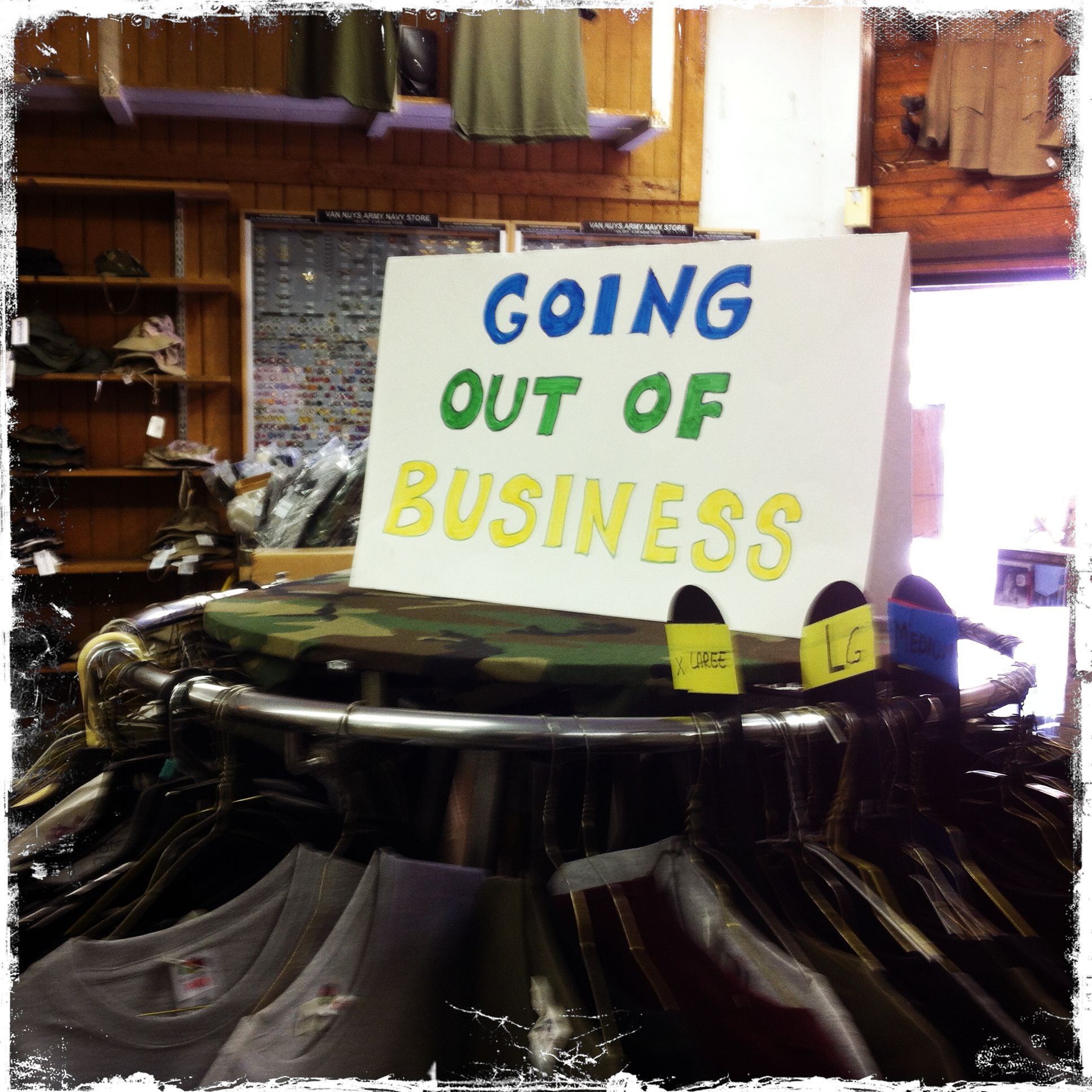
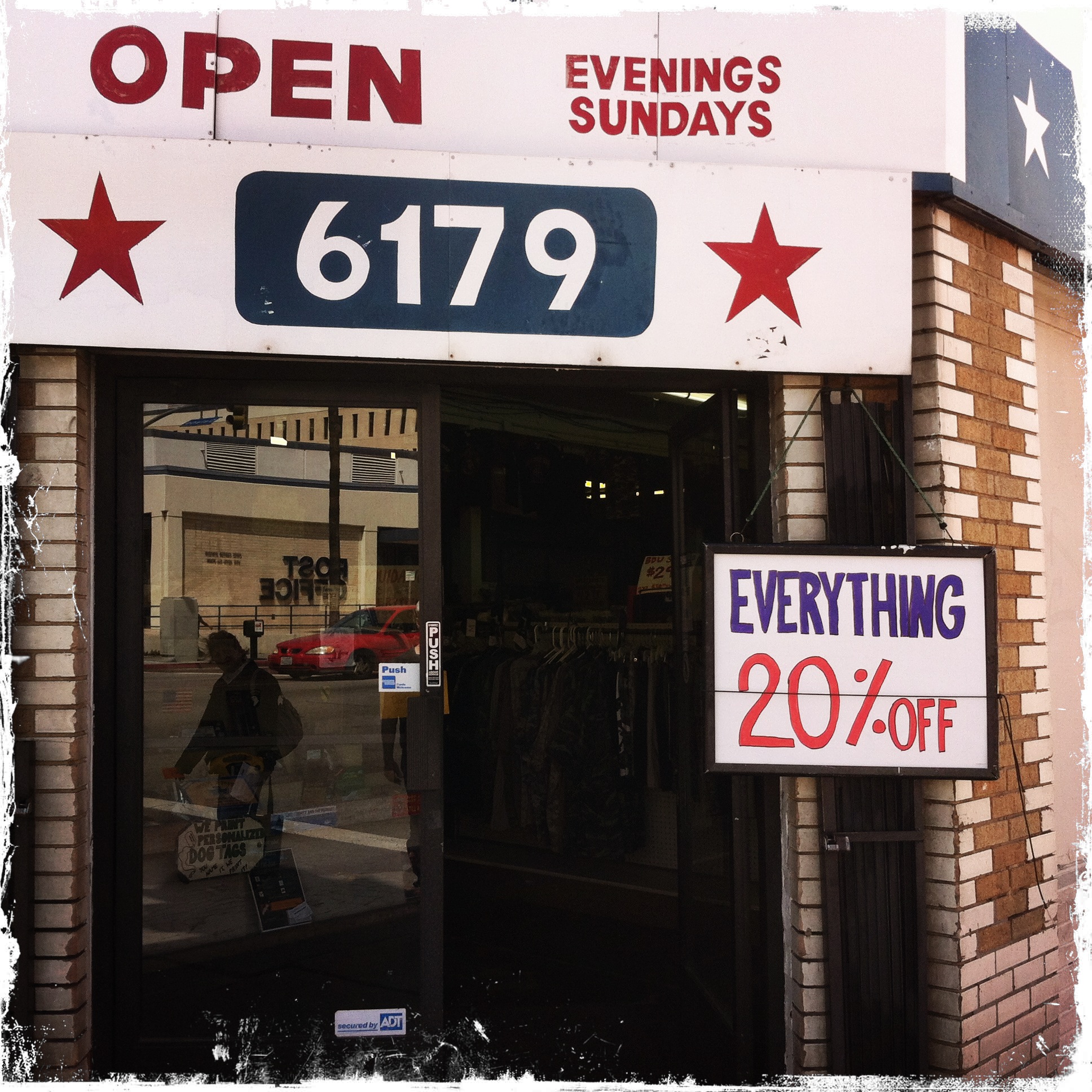
Another nail in the coffin of commerce on Van Nuys Blvd: the 63-year-old Van Nuys Army & Navy Store, Inc. at 6179 will close down in a few weeks.

Standing on the SW corner of Delano Street, the distinctive store with its red, white and blue lettering was one of the last remaining outposts of the old Van Nuys, a loner amidst pot shops and bail bondsmen.

The Army and Navy store, opened in 1950, held its ground against blank faced government buildings, retail white flight, and another human invasion from sub-Americana that dare not speak its name.

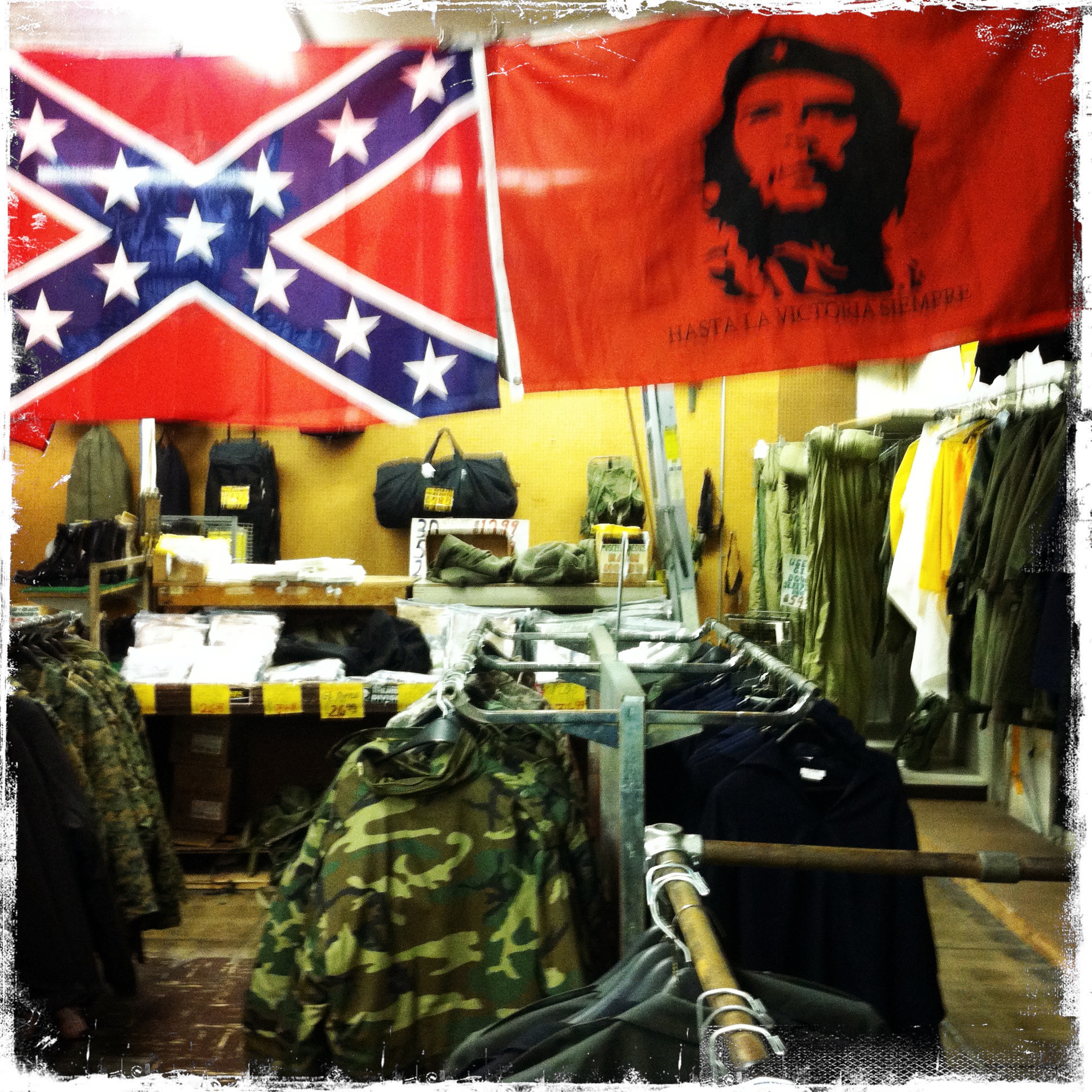
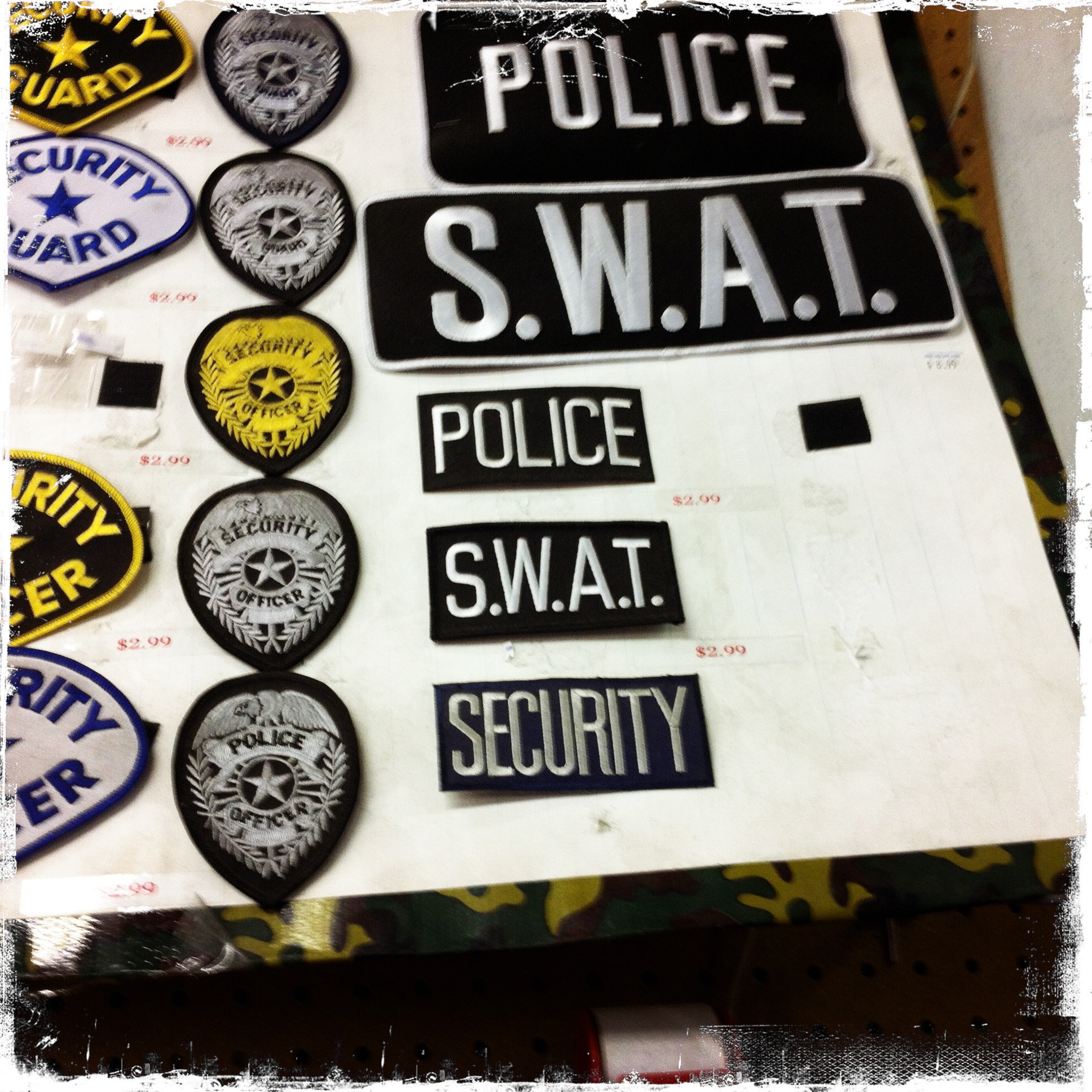
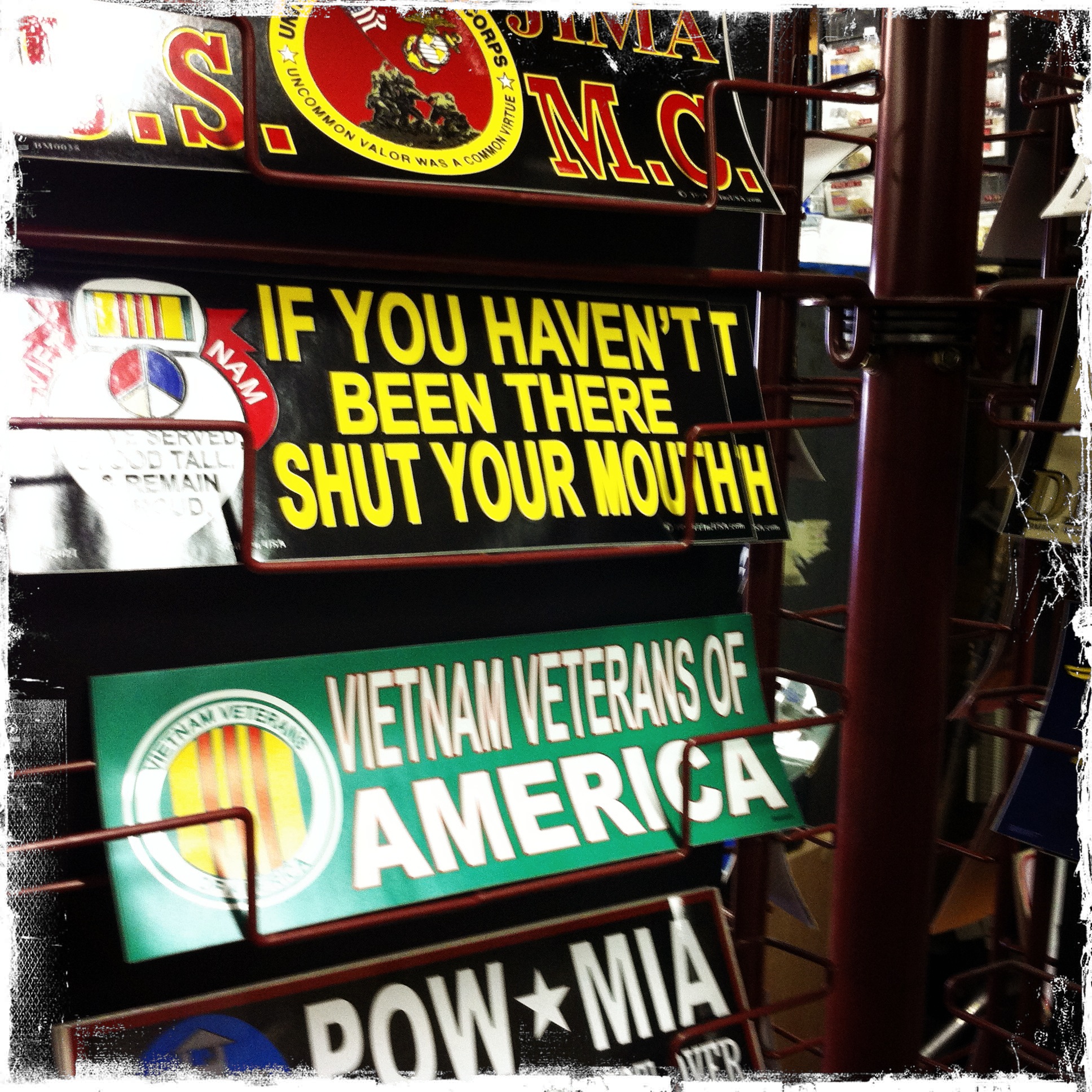
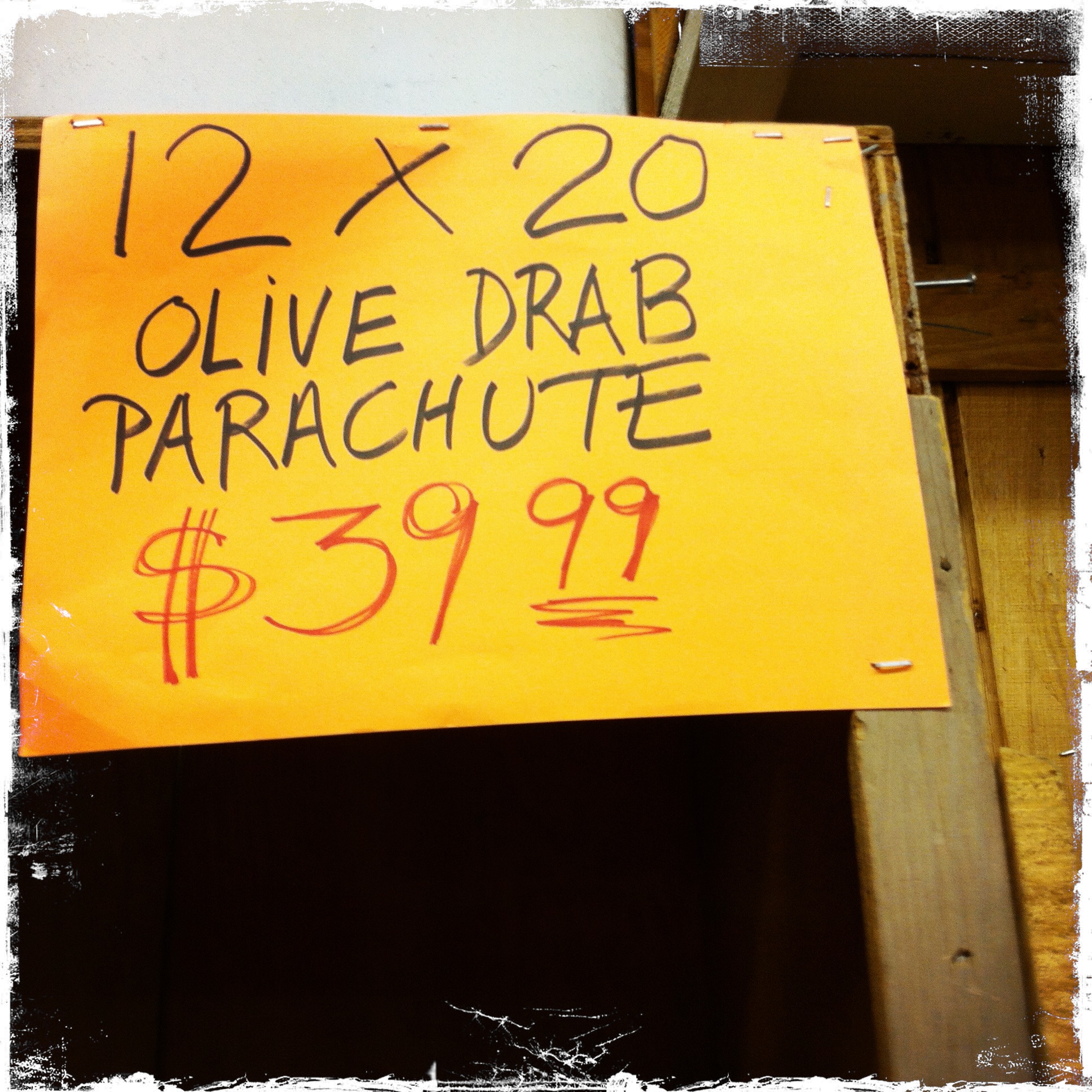
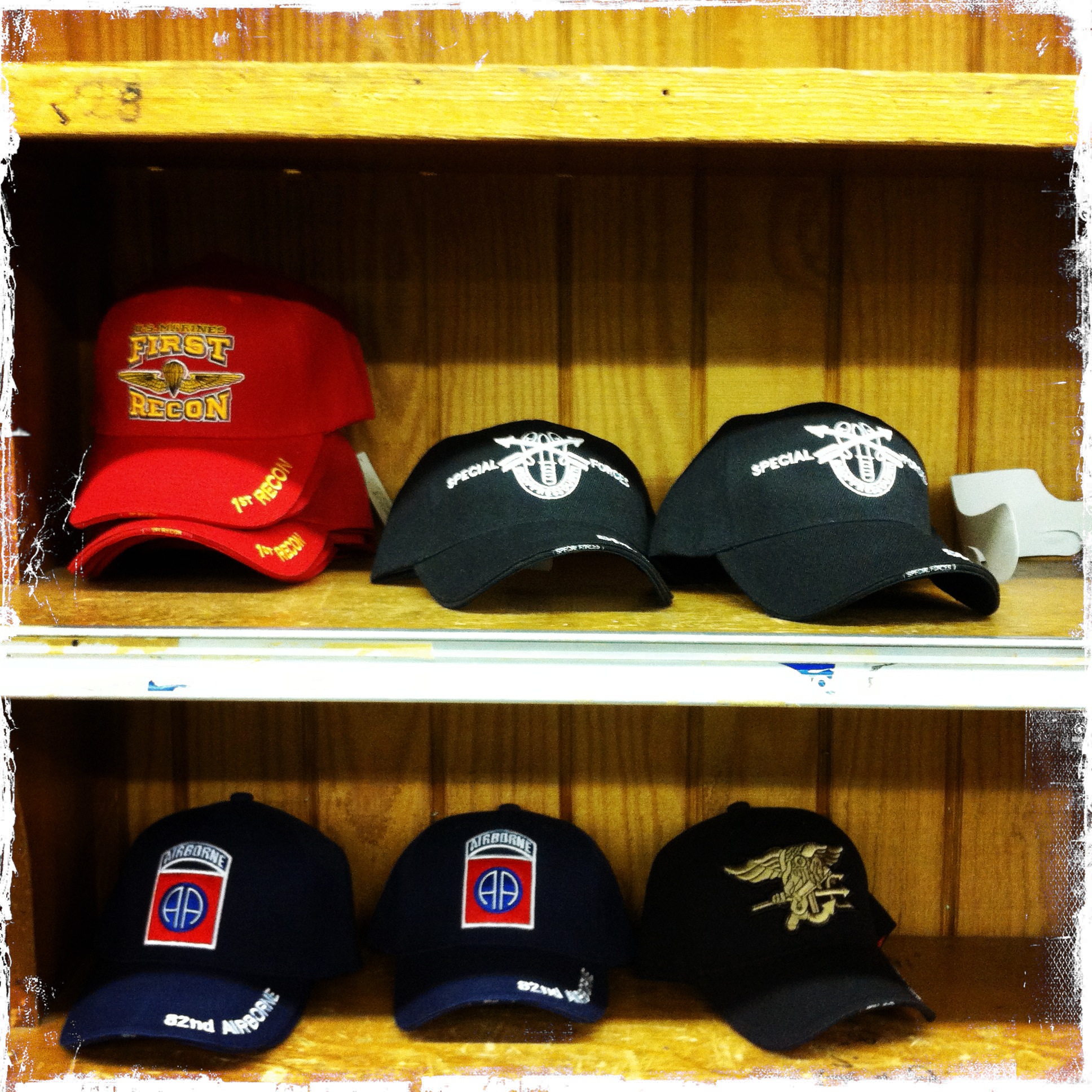
Inside the store were stacks of Levi 501s, military dress pants for $5.00, dark wool pea coats, special forces and 82nd Airborne caps on shelves, munitions and camouflage vests, rubber boots, Anti-American Confederate and Pro-Communist Che Guevara Flags for those of exotic political tastes; Vietnam era bumper stickers still silently yelling hostility and anger 45 years later, ammunition cans and olive drab parachutes, scratchy wool blankets in plastic, cotton Marine t-shirts, and survival kits for backyard campers or overseas fighters.

This was a store where friendly faces sold goods once used to fight enemies. It was a democratic place where the solemn savagery of war was put on sale for anybody to buy at rock-bottom prices.

It was a piece of Van Nuys when this boulevard bustled. Now it’s another dying locale on a street were even the litter is moving on.

South On Van Nuys Bl. Near Sylvan St. 9/27/1952


Among the many changes Van Nuys has undergone in the last 60 years, two stand out in this old photograph.

Diagonal curb parking and the Pacific Electric Rail helped ground the street and divide it into manageable, smaller, more walkable and more friendly parts.

In 1954, the street was widened, and the streetcar eliminated. North Hollywood’s Valley Plaza (1951) helped hasten the decline of the small business shopping street, and thus, the decline of Van Nuys Boulevard as a clean, pleasant, prosperous destination.

LAPL: 1958 plans for Valley Administrative Center in Van Nuys


The late 1950s saw the demolition of many blocks of old Van Nuys to make way for the civic center, a misguided urban renewal project that put the LAPD hundreds of feet behind Van Nuys Boulevard and created a dead zone behind the Valley Municipal Center. A new library in this moonscape replaced the older, more elegant one on Sylvan which still stands today.

And cobra necked anti-crime streetlights disfigure Van Nuys Boulevard and give it an air of a malingering, dated, 1960s speedway.

“Narrow Streets” Narrows Van Nuys Blvd.


David Yoon is a Los Angeles based writer, designer, photographer and blogger who has undertaken a unique and visionary idea: What would Los Angeles look like if its streets were narrowed?

For years I, like Mr. Yoon, have walked around LA and observed the quite destructive effect of too wide streets.  Enormous lanes of asphalt discourage walking. It encourages speeding.  The sense of enclosure, community and safety that is found along narrower roads is one reason why Los Angeles, with its gigantic streets, is so hated by so many who move here looking for some connection to this monstrously impersonal,ugly, and billboard-deformed city.

The legion of failed places and depressed areas in the San Fernando Valley is really a list of wide streets: Sherman Way, Van Nuys Blvd., Reseda Bl.  Areas where the streets are narrower and planted with trees include the revitalized Studio City.

Mr. Yoon has come up to Van Nuys and given us his version of how Van Nuys Boulevard would look, from the vantage point of Oxnard and VNB, if its asphalt were torn up and the buildings on either side moved closer together.

It is still ugly, but it is an ugliness that can be improved upon with trees, cafes and pedestrians.  Rip down the cobra lamps, install benches, plant trees and mandate architectural codes that regulate billboards and signs, and this street might become a reasonably cool area to hang out in.