Yesterday, we had lunch at MDK Noodles (Myung Dong Kyoja), 3630 Wilshire Blvd, Los Angeles, CA 90010.
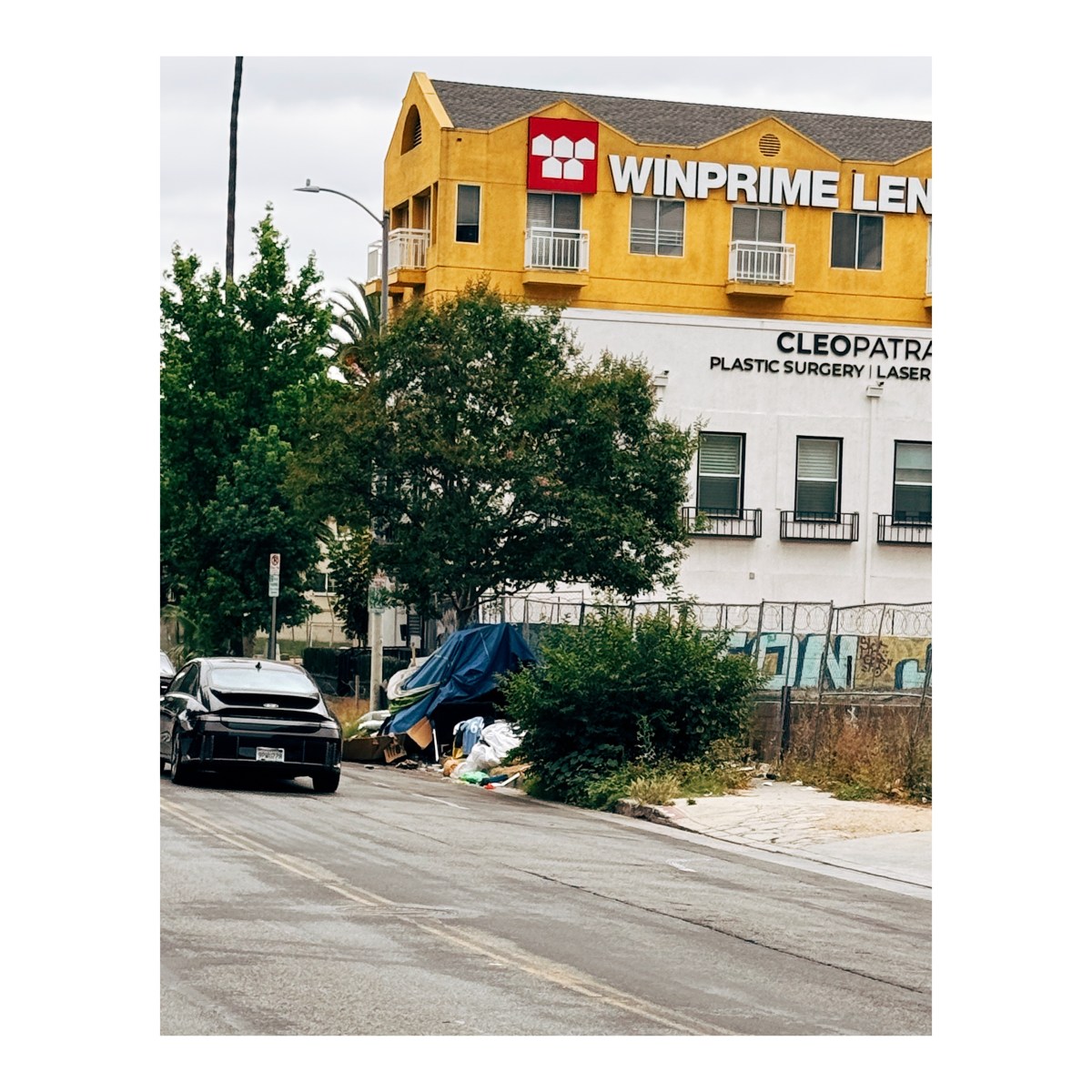
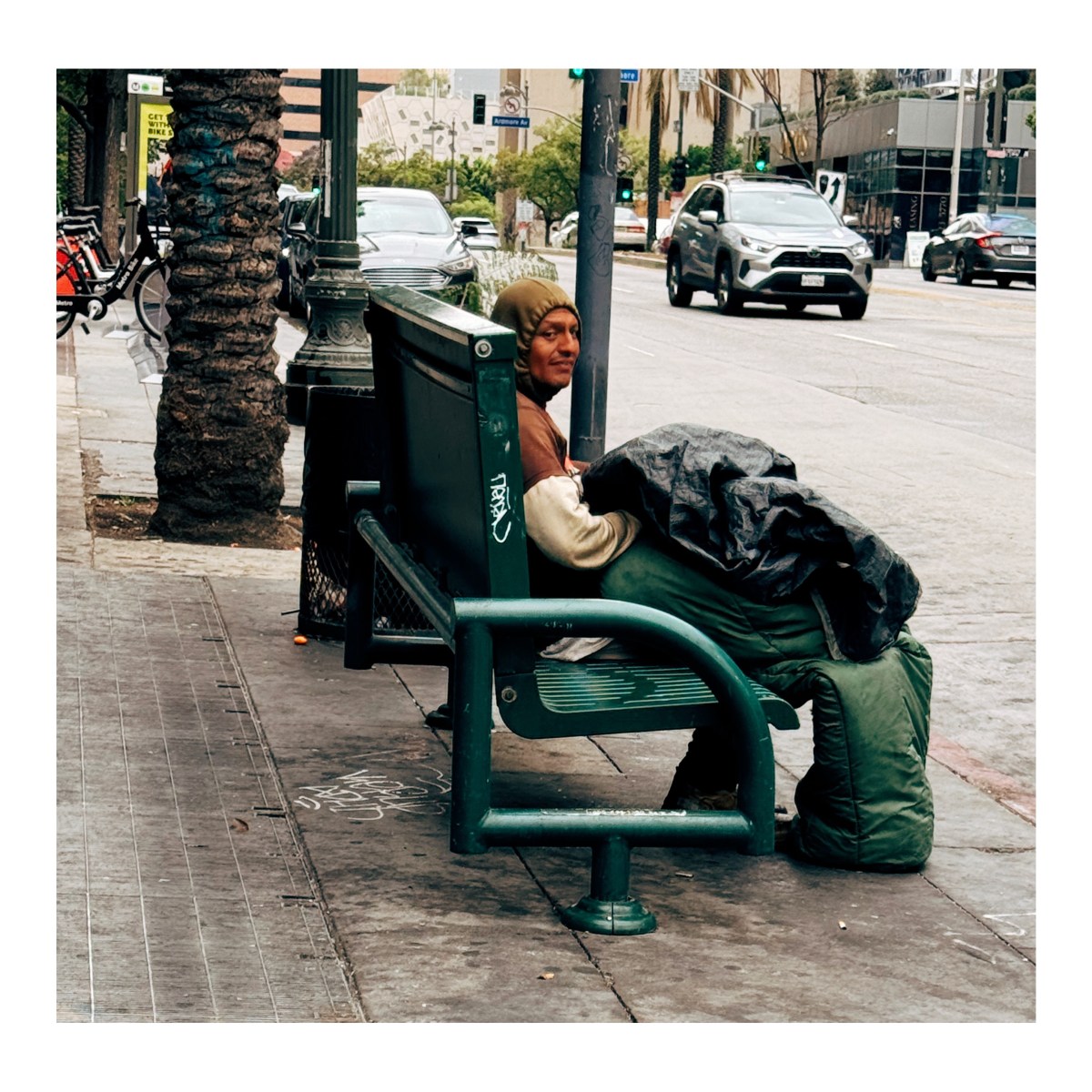
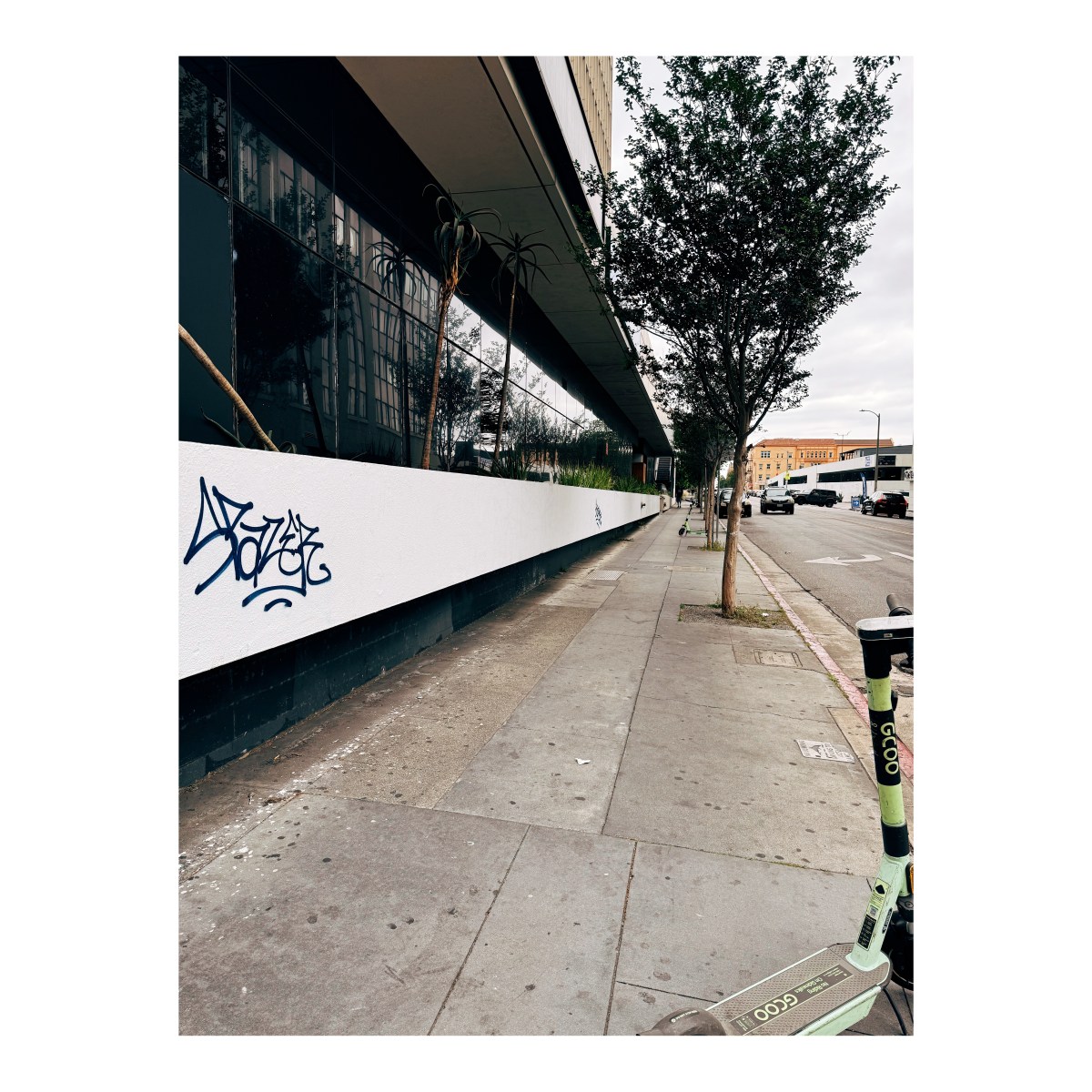
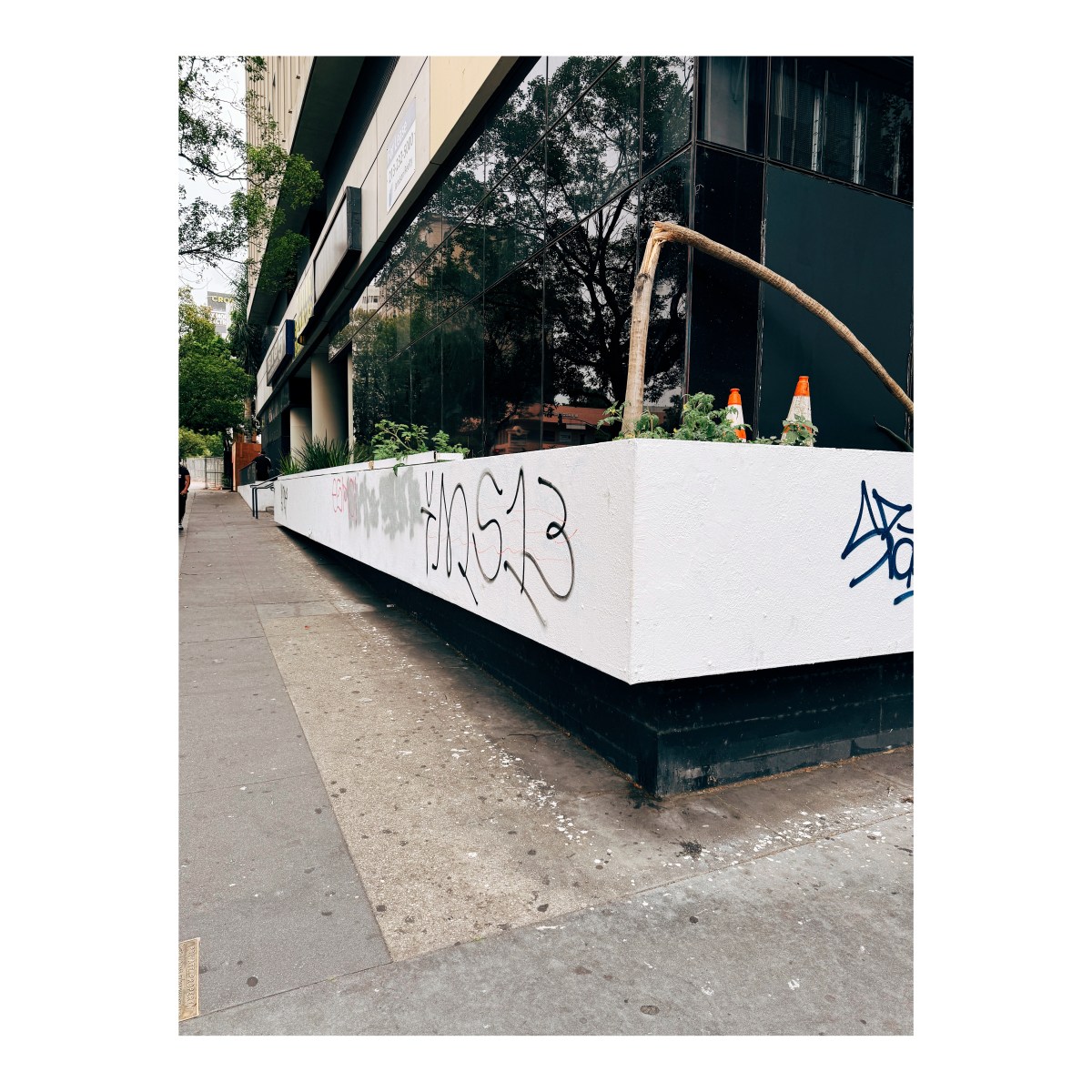
It’s on the SW corner of Wilshire and South Harvard Bl. in a neighborhood of jarring contrasts where trash and urine coexist with fashionable Sunday people, and abandoned 1960s office buildings and shuttered banks occupy windswept plazas with overgrown grass, shopping carts and trash.
On S. Harvard Bl. there is “Luna,” a glossy new apartment building next to an empty lot. It has a Wilshire Boulevard address but is only entered on S. Harvard Bl.
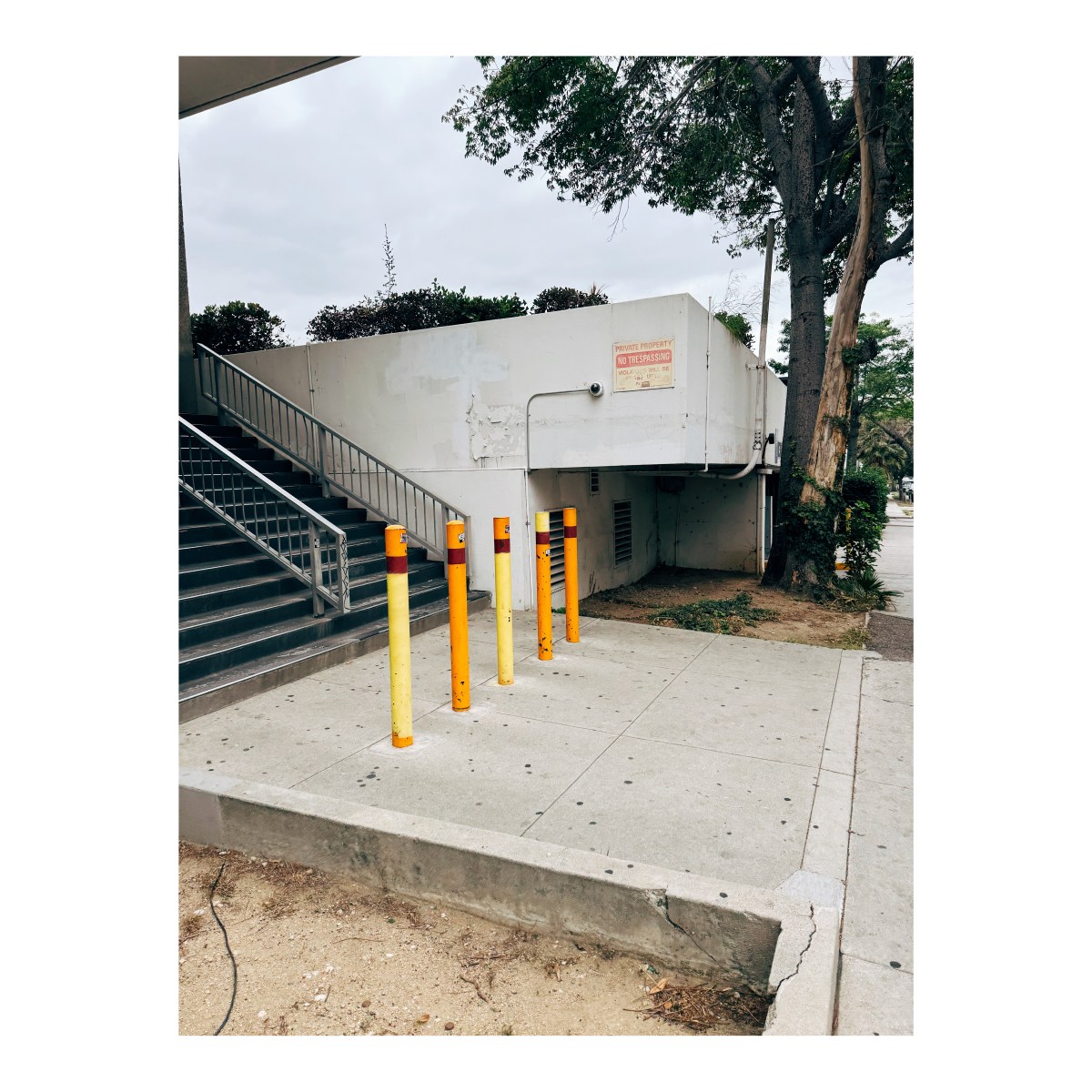
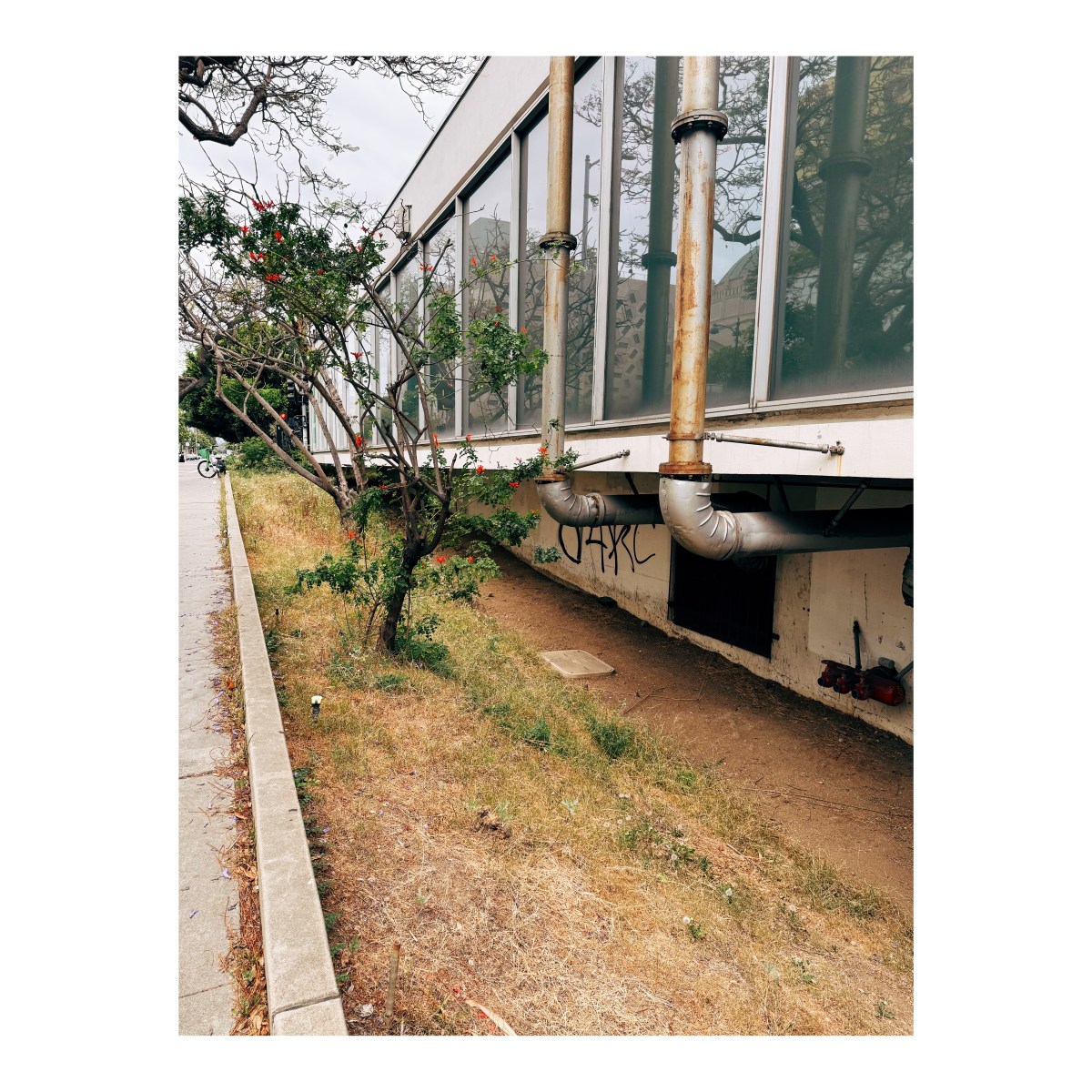
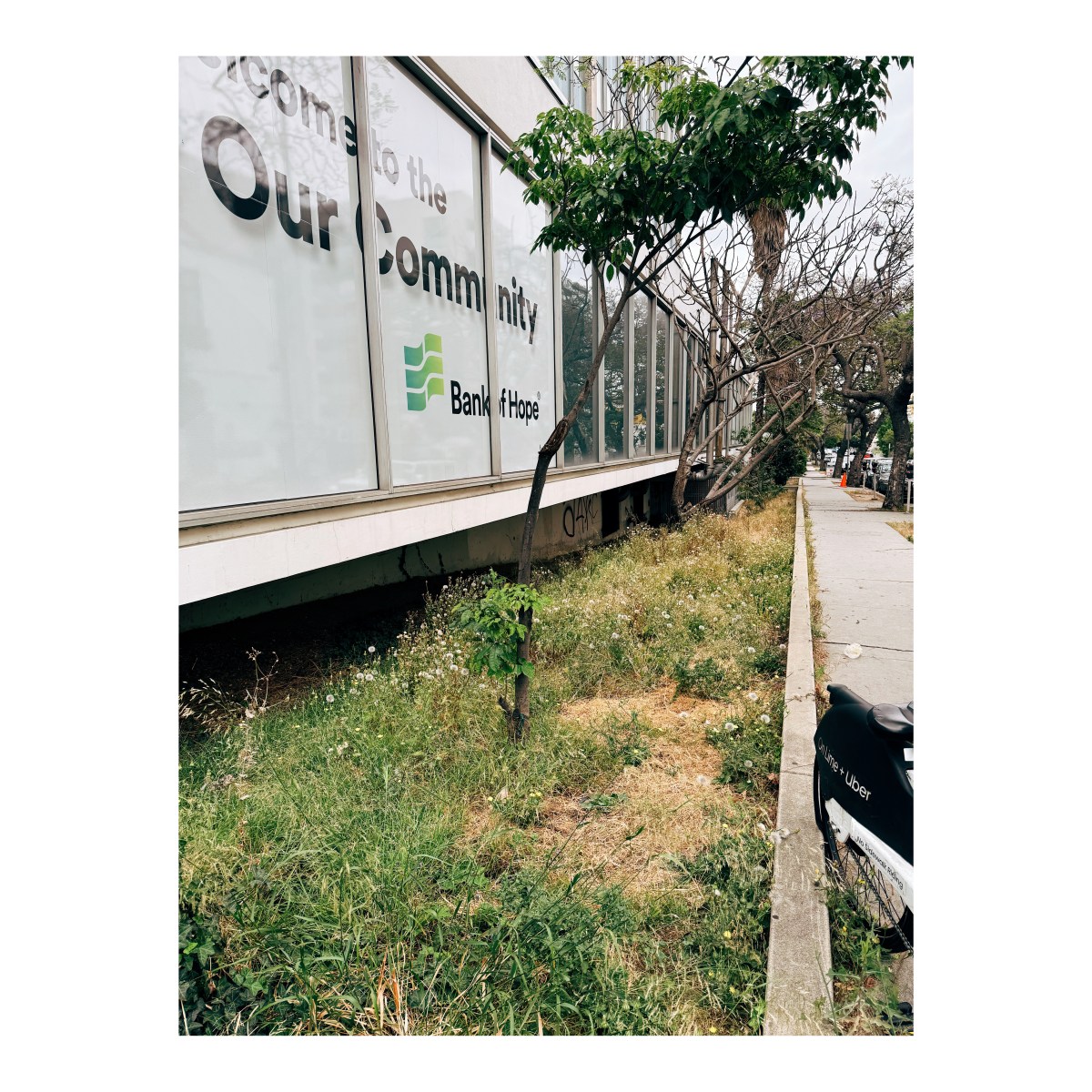
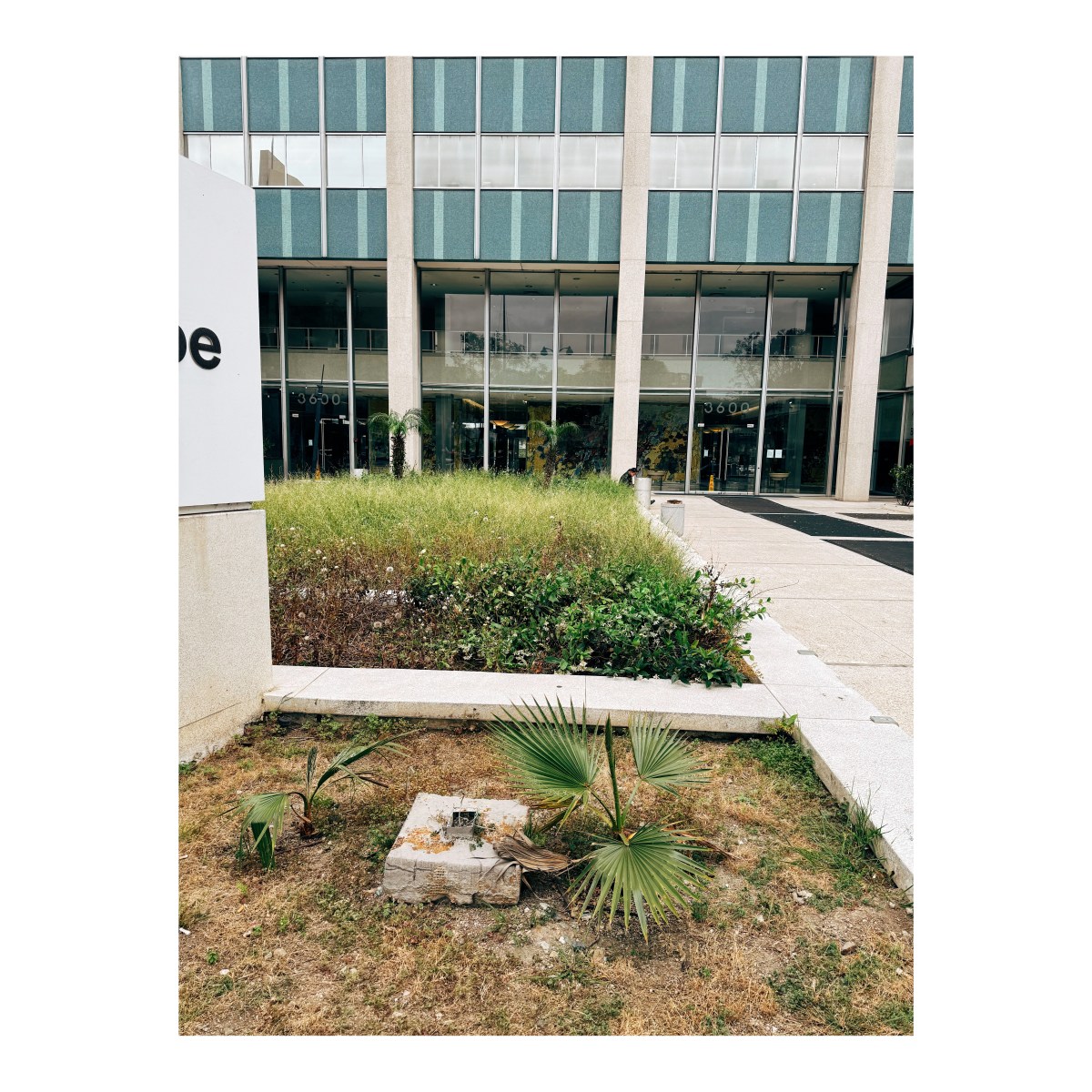
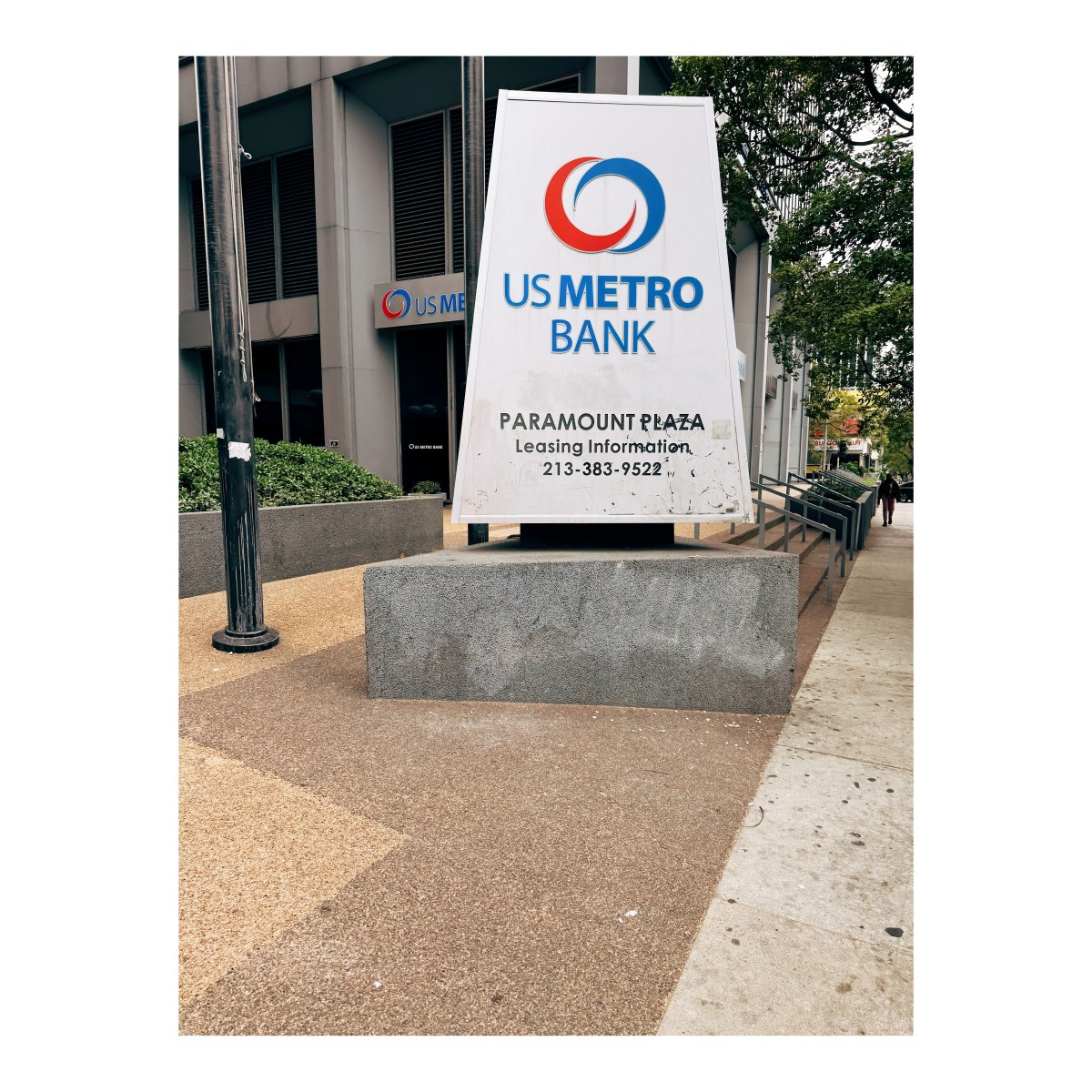
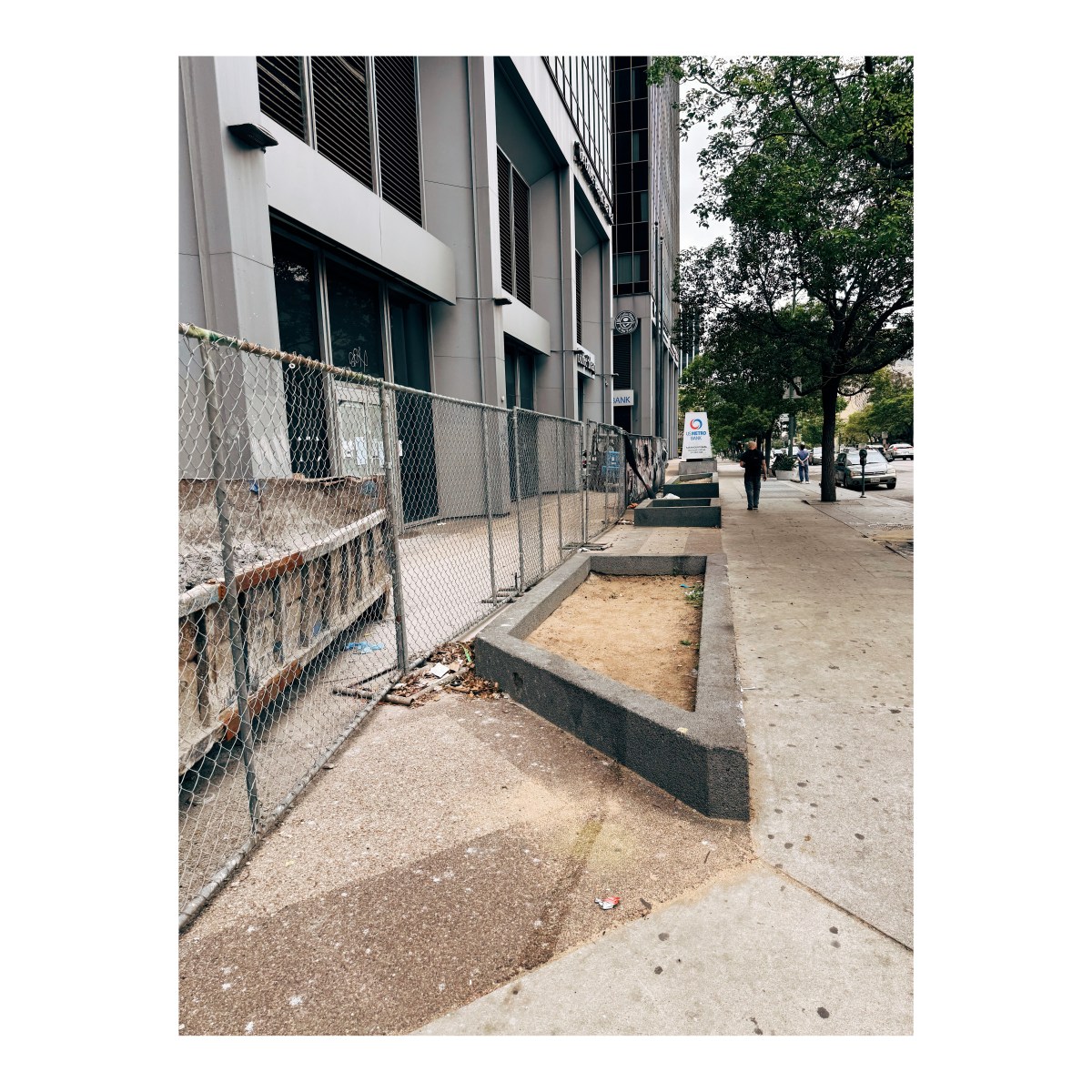
Across the way from Luna is a half long block of concrete parking elevated above the street with exposed pipes and dirt trashed with litter. It’s connected to 3600 Wilshire Bl, a 22-story tall office building constructed in 1961 occupied by the Bank of Hope. There is a filthy plaza on Wilshire, with untended concrete beds of desiccated grass.
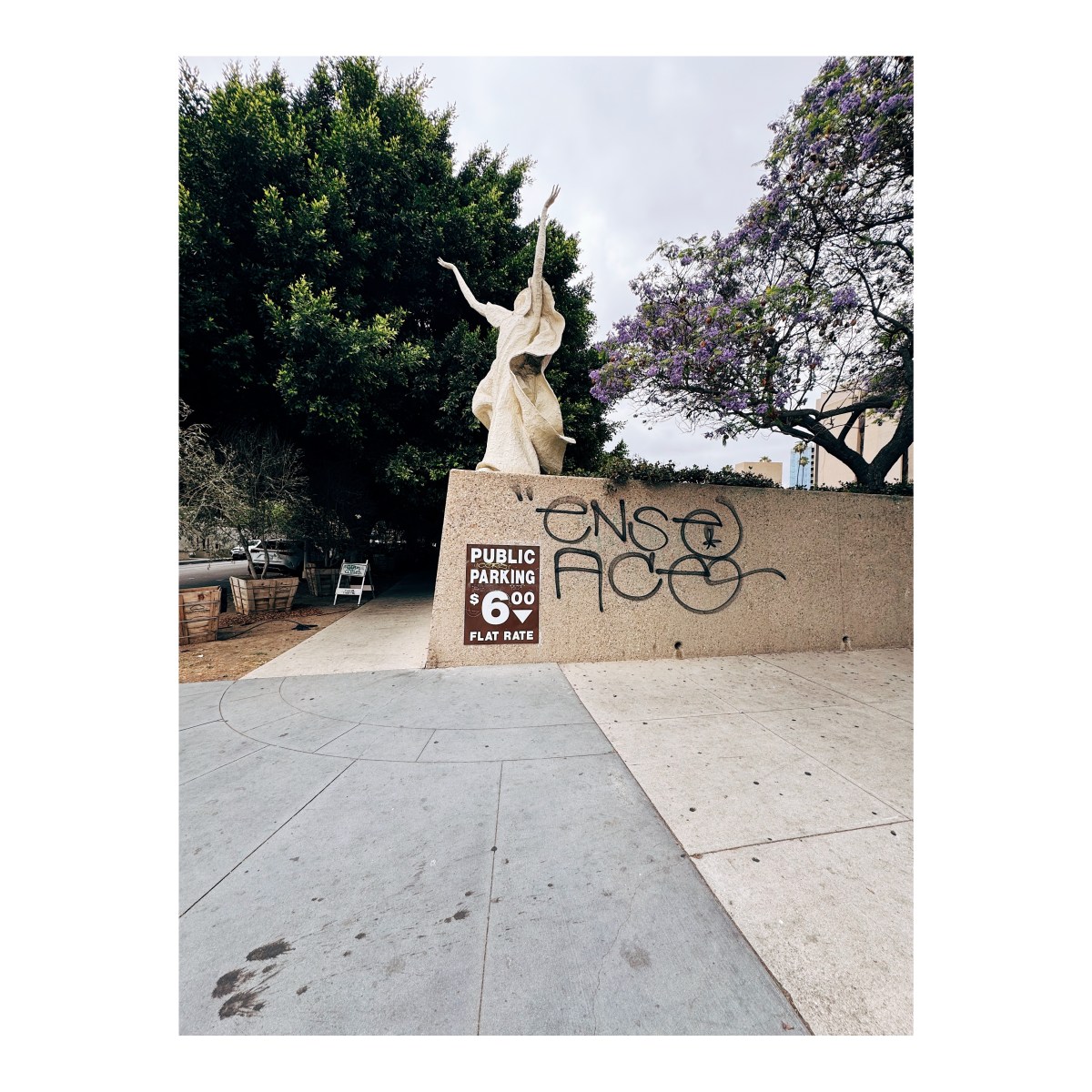
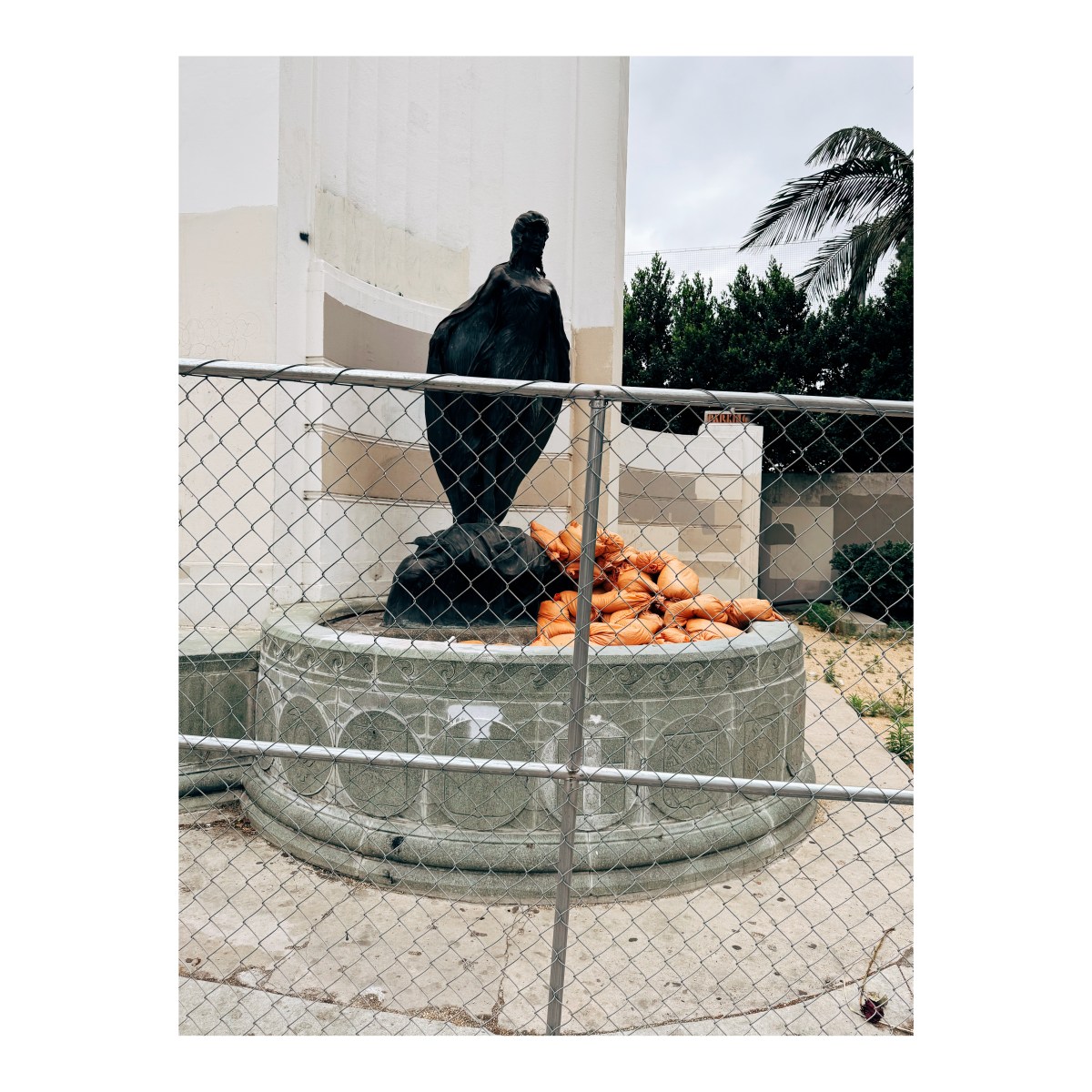
We walked east along the north side of Wilshire where an angel spread her arms towards heaven above a sign for public parking and an indecipherable black spray paint tag “eNse Ace.”
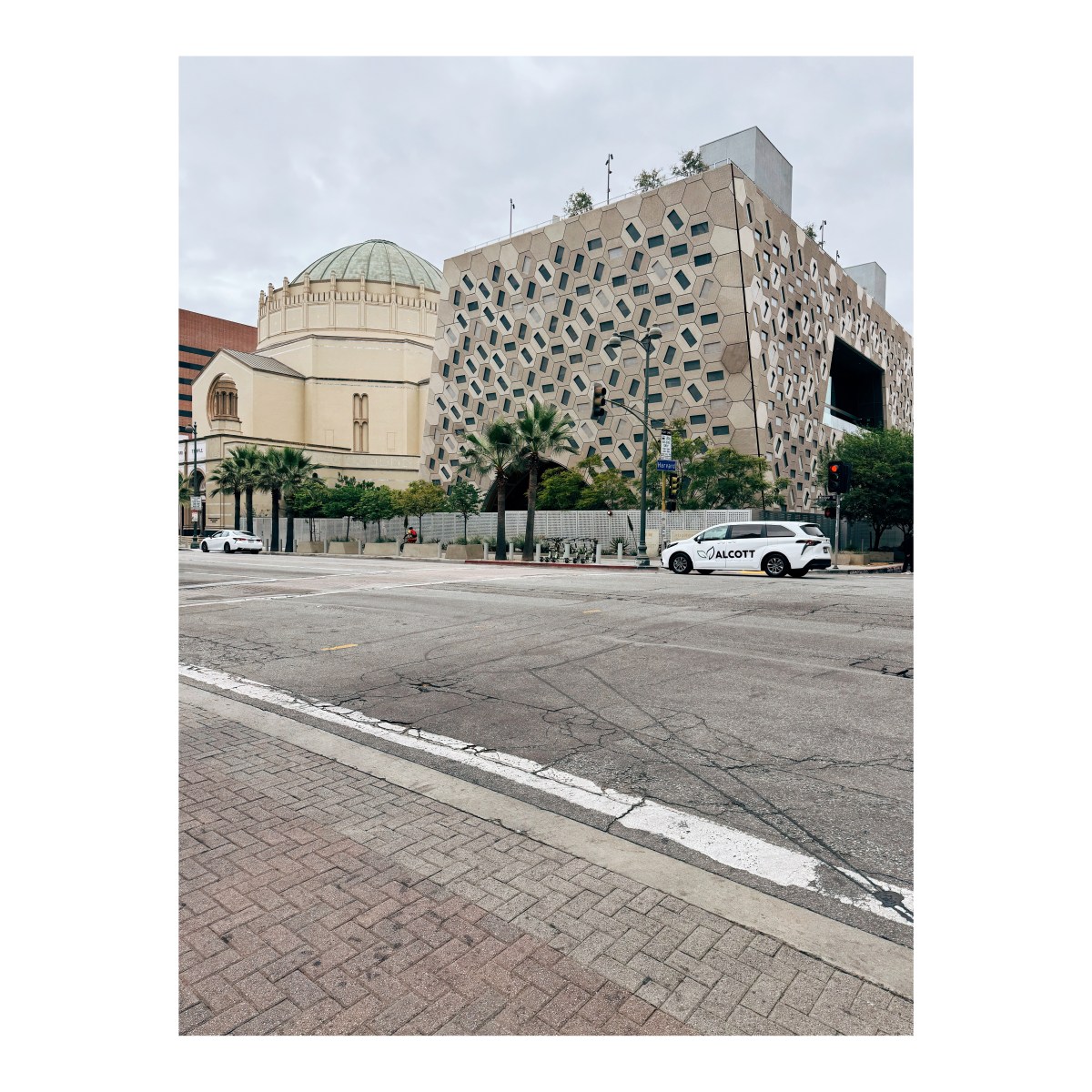
There are several religious buildings along this route including the fortress anonymous Wilshire Boulevard Temple, now unlabeled on Google Maps, but once occupying a glorious spot, the classical building is attached to an origami building with unattractive but striking angles.
At 3611 Wilshire Blvd, Los Angeles, CA 90005 is the brutalist concrete of St. Basil’s Catholic Church, which is still permitted to publicly label itself, except some of the letters are missing from the church sign.
There was a loud and boisterous crowd of partying parishioners pouring out of the Oasis Church which holds services in the dignified 1927 Romanesque Revival Church that must have been a society beacon 100 years ago. It too is allowed to display its name on the building advertising that it is a Christian church, a 1st Amendment right the Wilshire Boulevard Temple does not exercise.
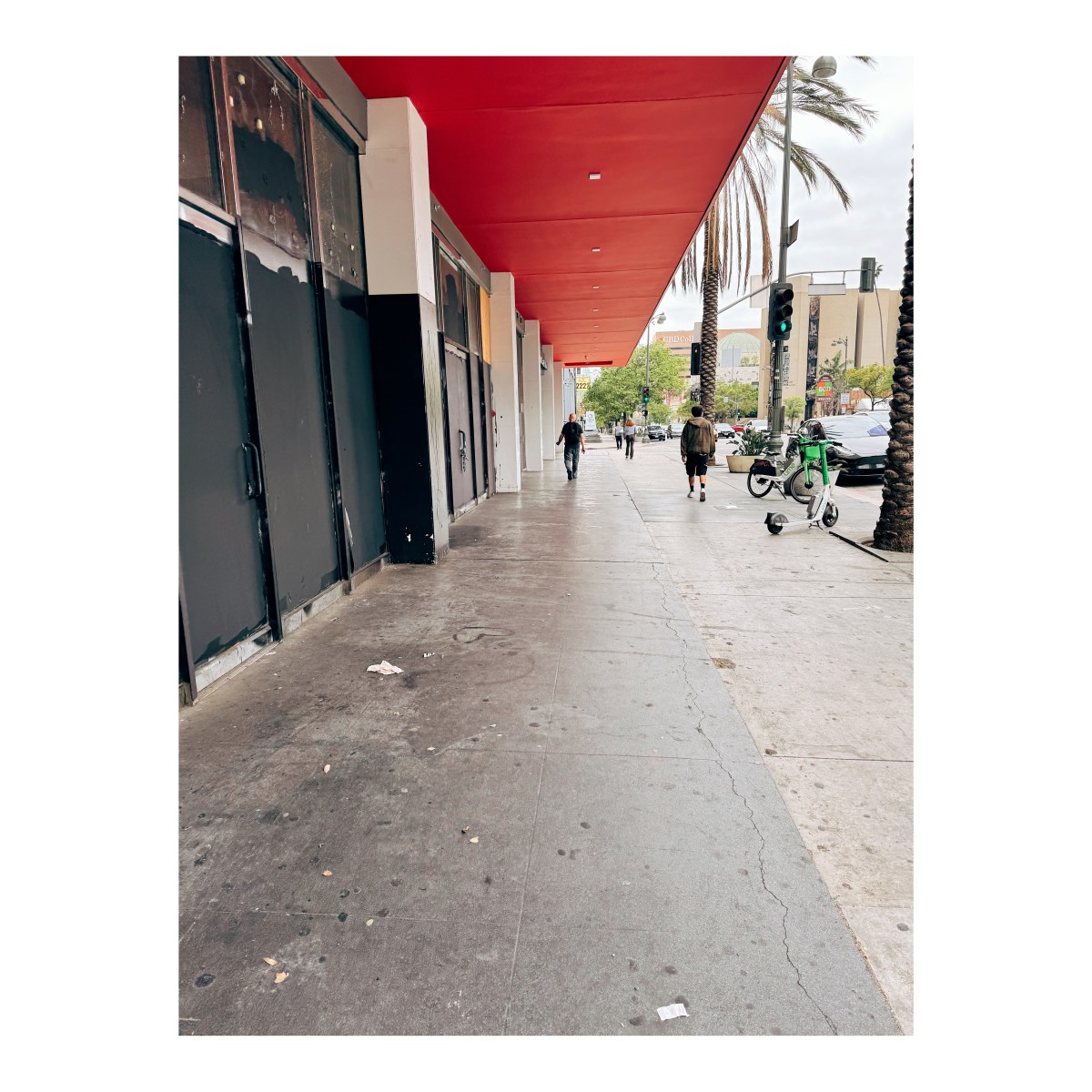
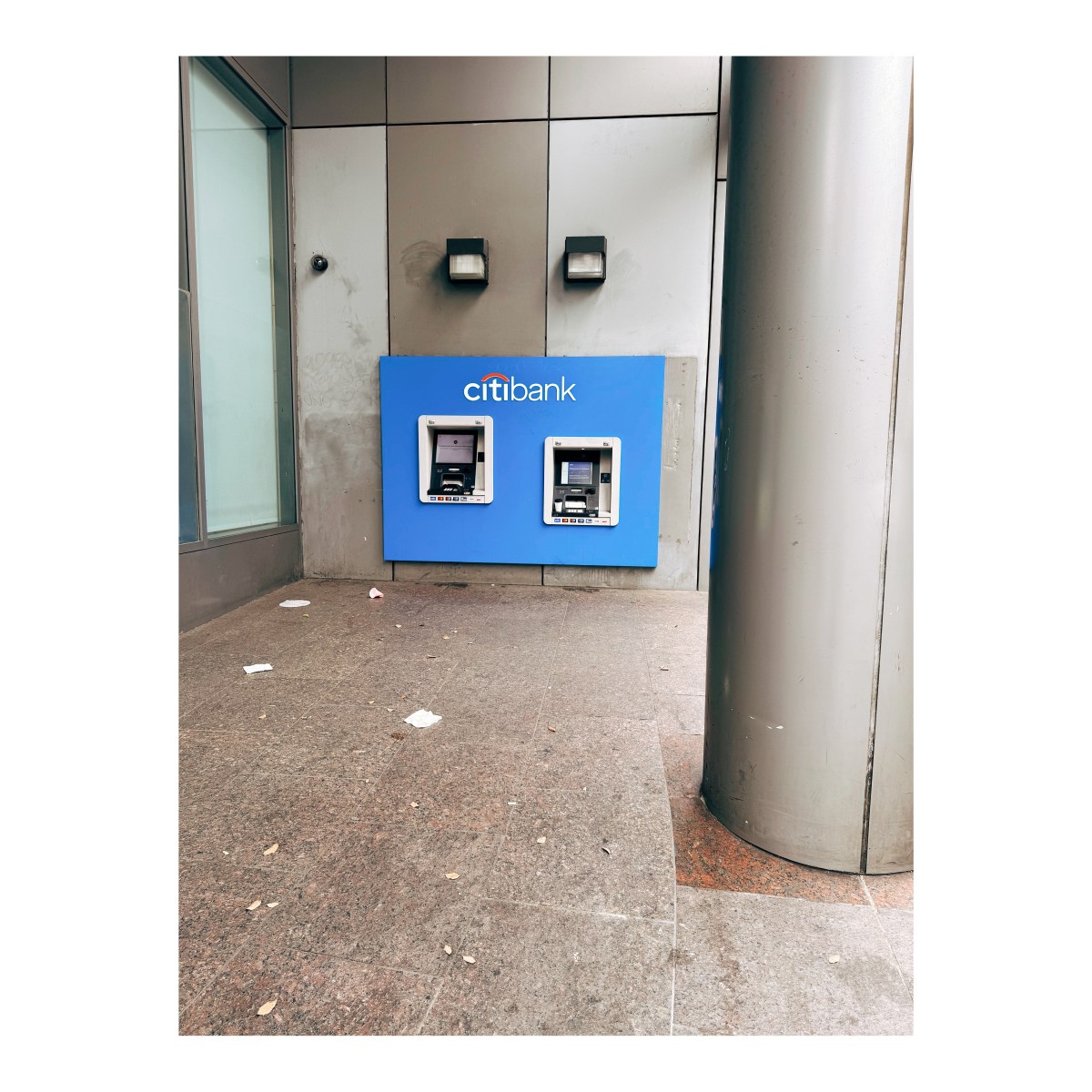
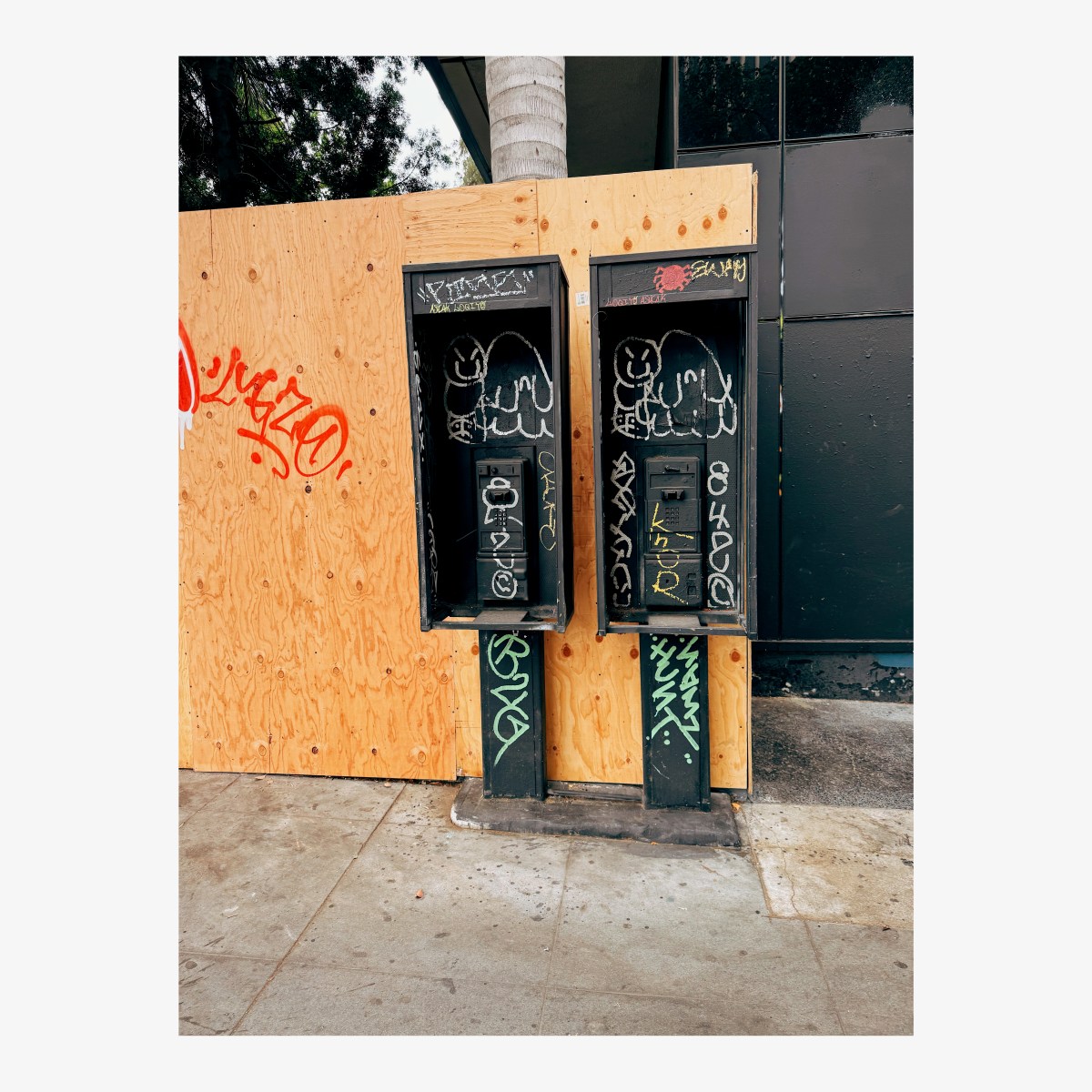
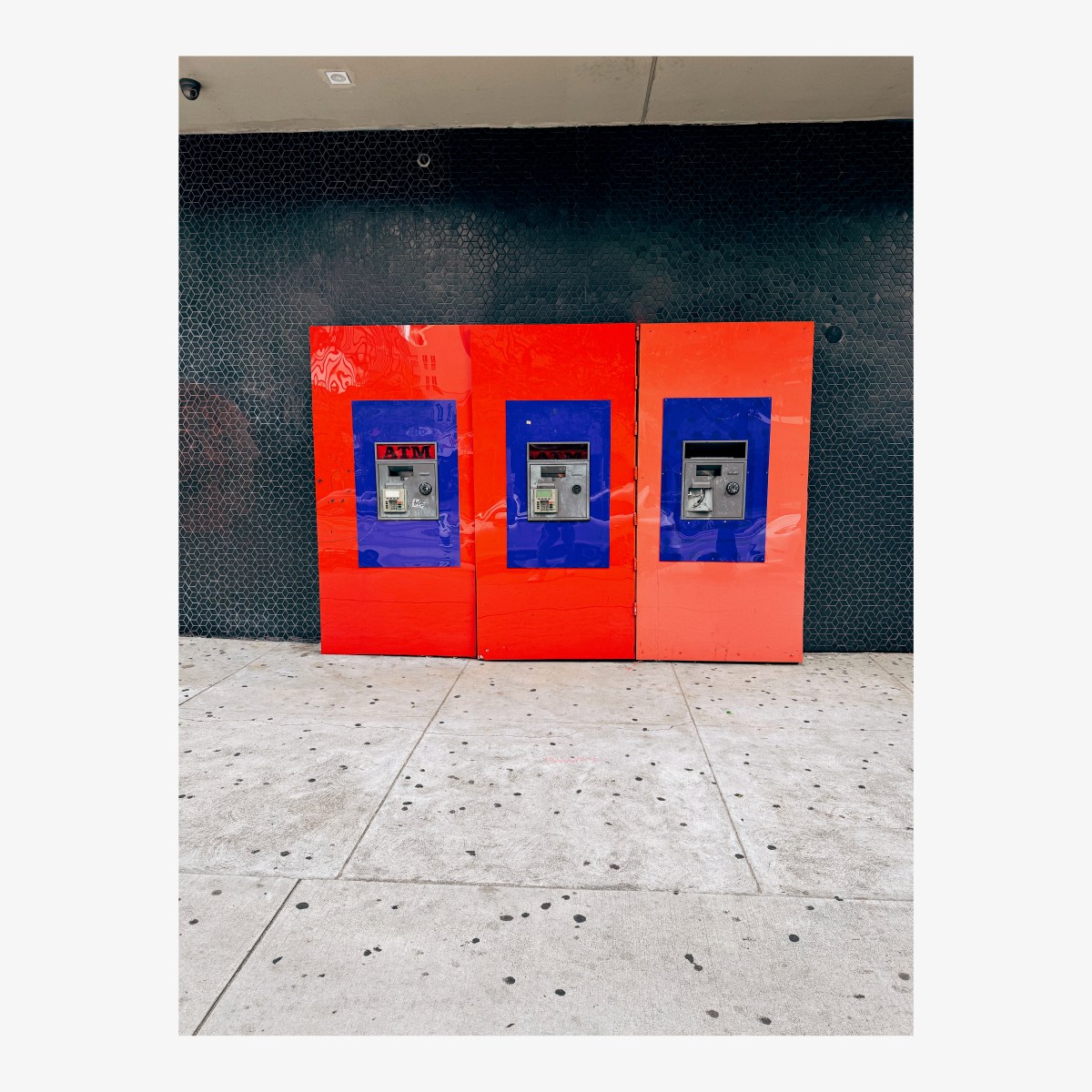
As we walked along Wilshire we smelled urine, stepped over dog doo, walked past ripped out electrical wiring in lampposts. There were office buildings with fire hydrants on the facade where thieves had stolen the steel caps. And there were empty stores, boarded up windows, and an electric sign on a building that read , “Due to the Coronavirus, the public plaza is temporarily closed.”
There seemed to be no broom or street sweeper that had touched Wilshire Boulevard in ten years.
Or a cop.
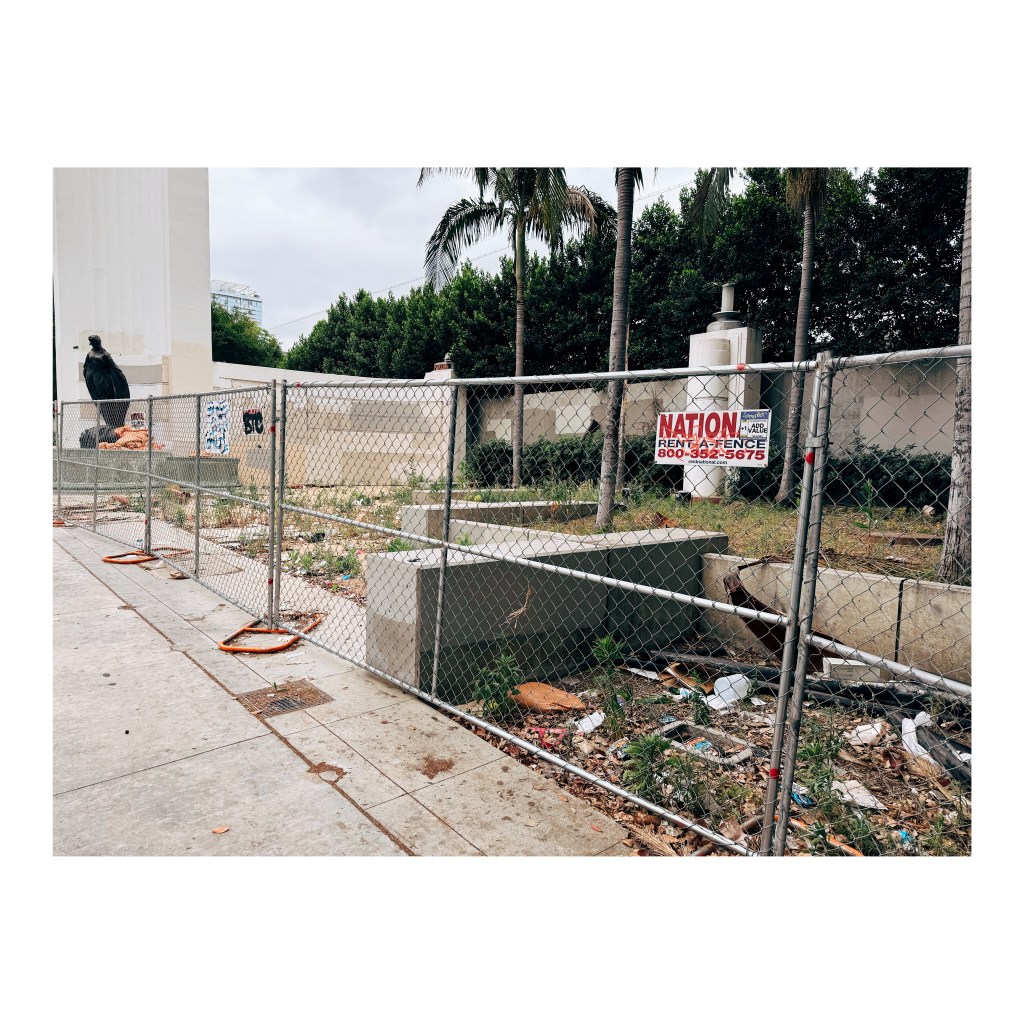
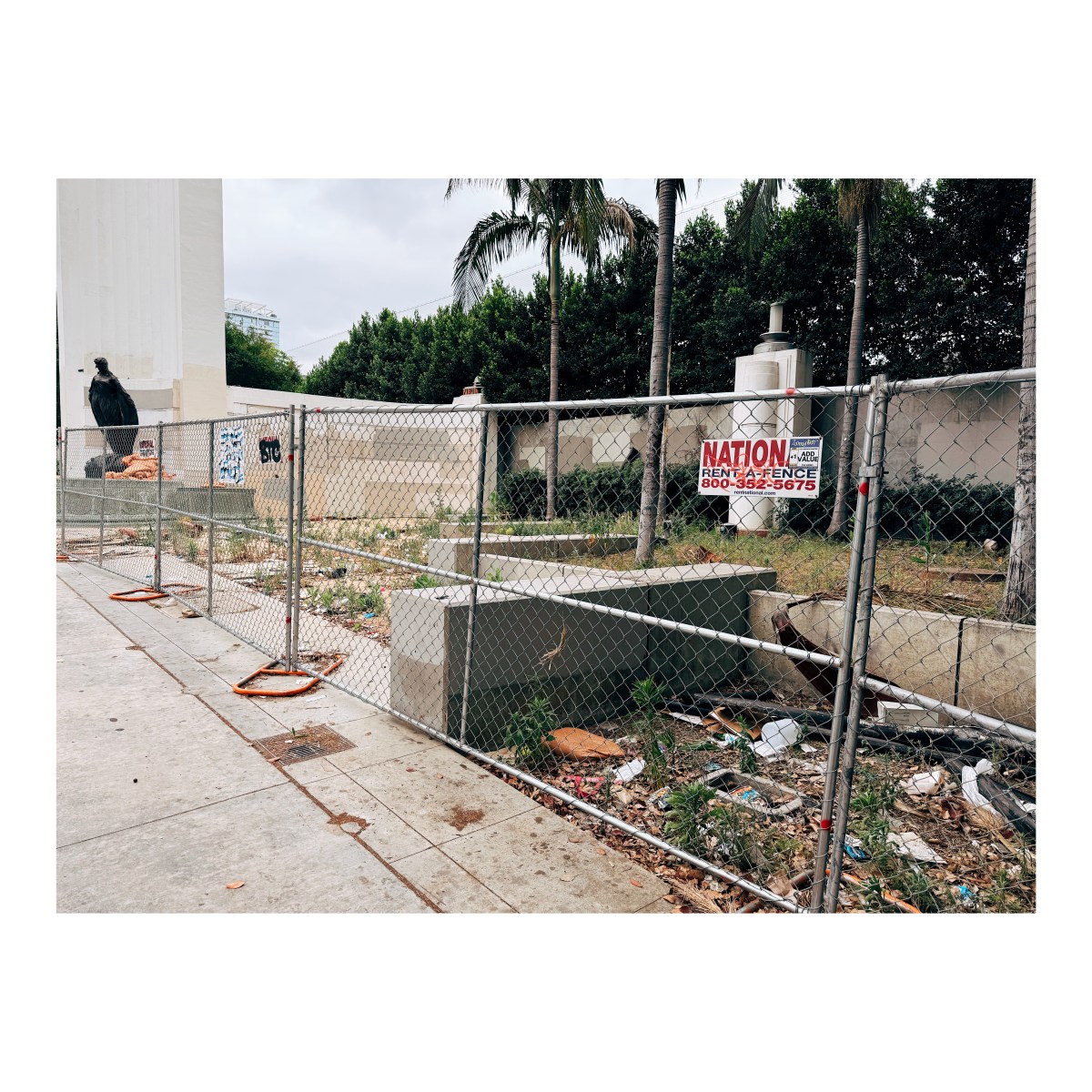
Along the so-called Robert F. Kennedy Plaza which borders the Los Angeles High School for the Arts and the headquarters of the Archdiocese of Los Angeles, was scaffolding and fences protecting blocks of trash that defaced statues left over from the Art Deco time of the Hotel Ambassador. Here, RFK, one of the most distinguished and beloved names in American history, was honored by name for a public toilet bowl.
Despite the squalor, Koreatown thrives economically with great food and the largest consumption of beer, coffee, garlic, fermented foods, beef, pork and face creams in the region. There are gorgeous people dressed artfully in the latest trends copied faithfully from Instagram, and nowhere do you see so many women under 150 pounds in the city of Los Angeles. Thinness and perfect skin know no age, and everyone under 90 seems to possess it.
At Melo-Melo, (3470 W 6th St #2B, Los Angeles, CA 90020) a dessert shop, we bought a beautiful glass jar with a pink top containing the pungent Durian fruit in a pudding of coconut. The clerk advised we were only allowed to take it out to eat because its smell often offends.
Perhaps one day historians will examine Koreatown for an insight into the condition of one corrupt and dysfunctional American city in the 2020s. Perhaps too they will diagnose the solutions that so eluded us in making Los Angeles livable, civilized, humane and law abiding. That moment of transformation by human or divine hands cannot arrive soon enough.

 Here in Van Nuys