Squandered Opportunities


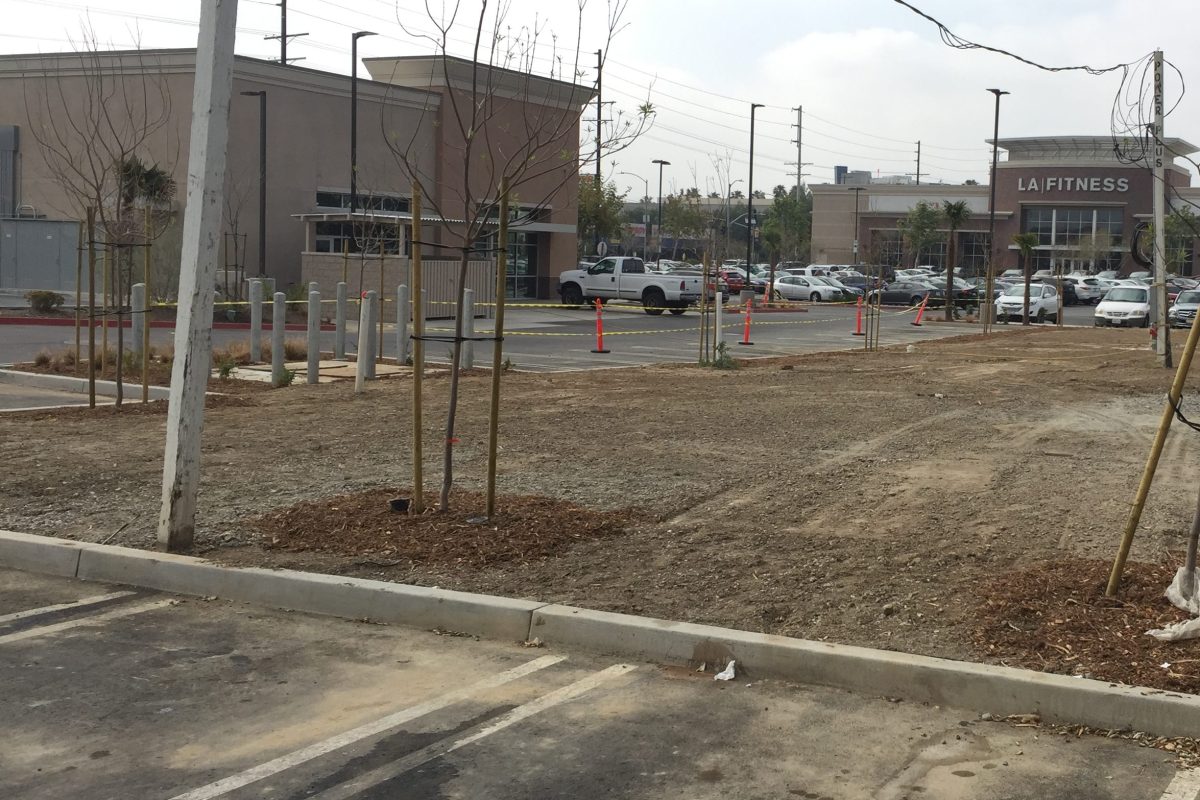
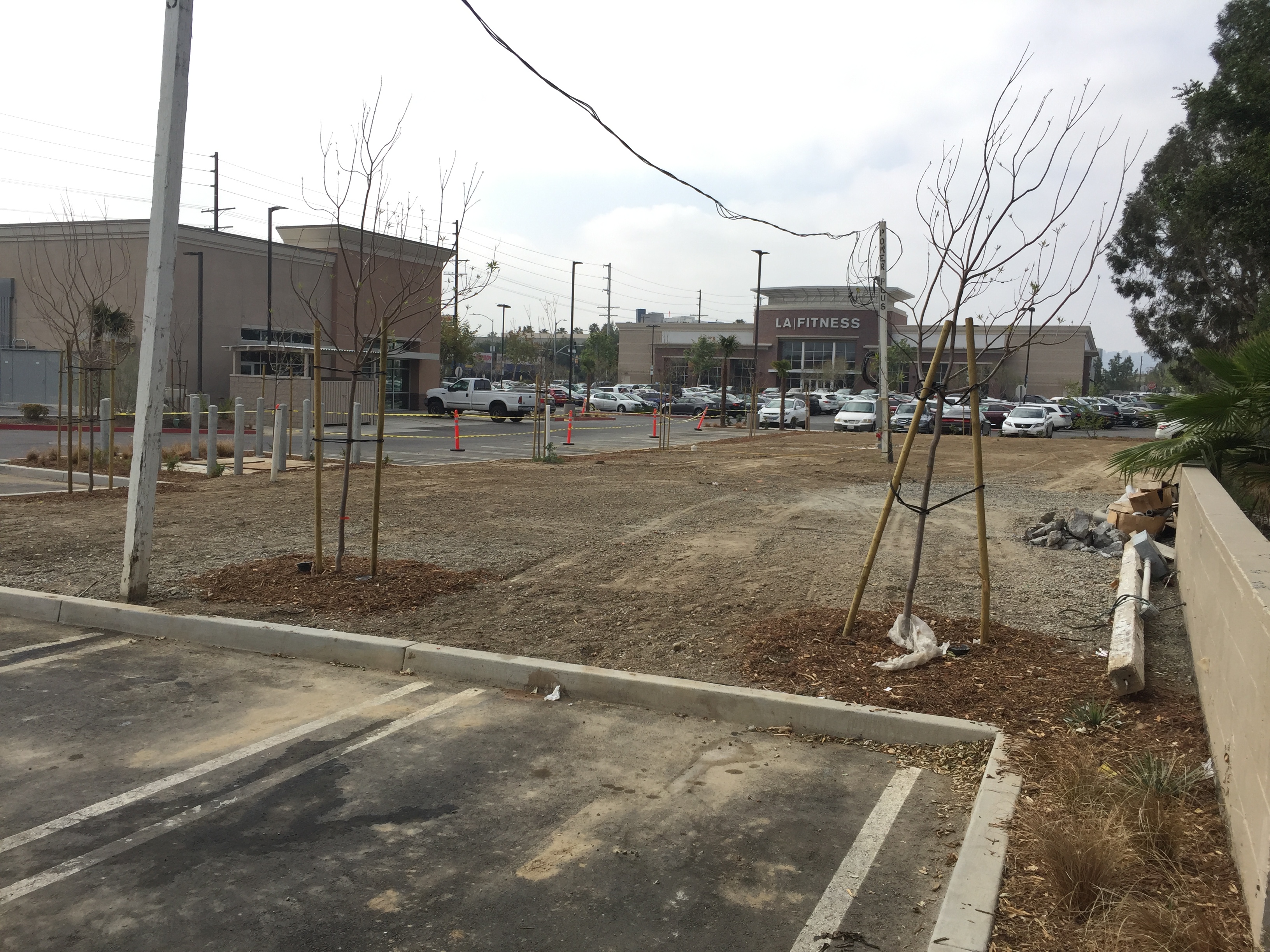
Nearing completion, now, is a one-story mini-mall on the north end of the LA Fitness parking lot near Sepulveda and Erwin.

Pleasantly innocuous, in a beige/brown way, the mall (with circa 1999 cornice) is being landscaped, pretty extensively, all around, with various trees and shrubs to decorate the sea of asphalt.

Zoned commercial,  this is also next door to a Wendy’s, also recently naturalized, with new water saving plants and a modernistic, horizontally striped renovation. Customers who feast on industrial meat, sugary soda, and frozen French Fries, all trucked in from Iowa, will do so surrounded by native California succulents.

This is all bordering the Metro Orange Line Parking Lot, 50% of which is occupied as a storage center for not-yet-sold new Keyes Automobiles. This scientifically zoned area is irrationally sited along an efficient, pleasant bus line that runs on schedule and connects Van Nuys to Hollywood and Downtown Los Angeles.
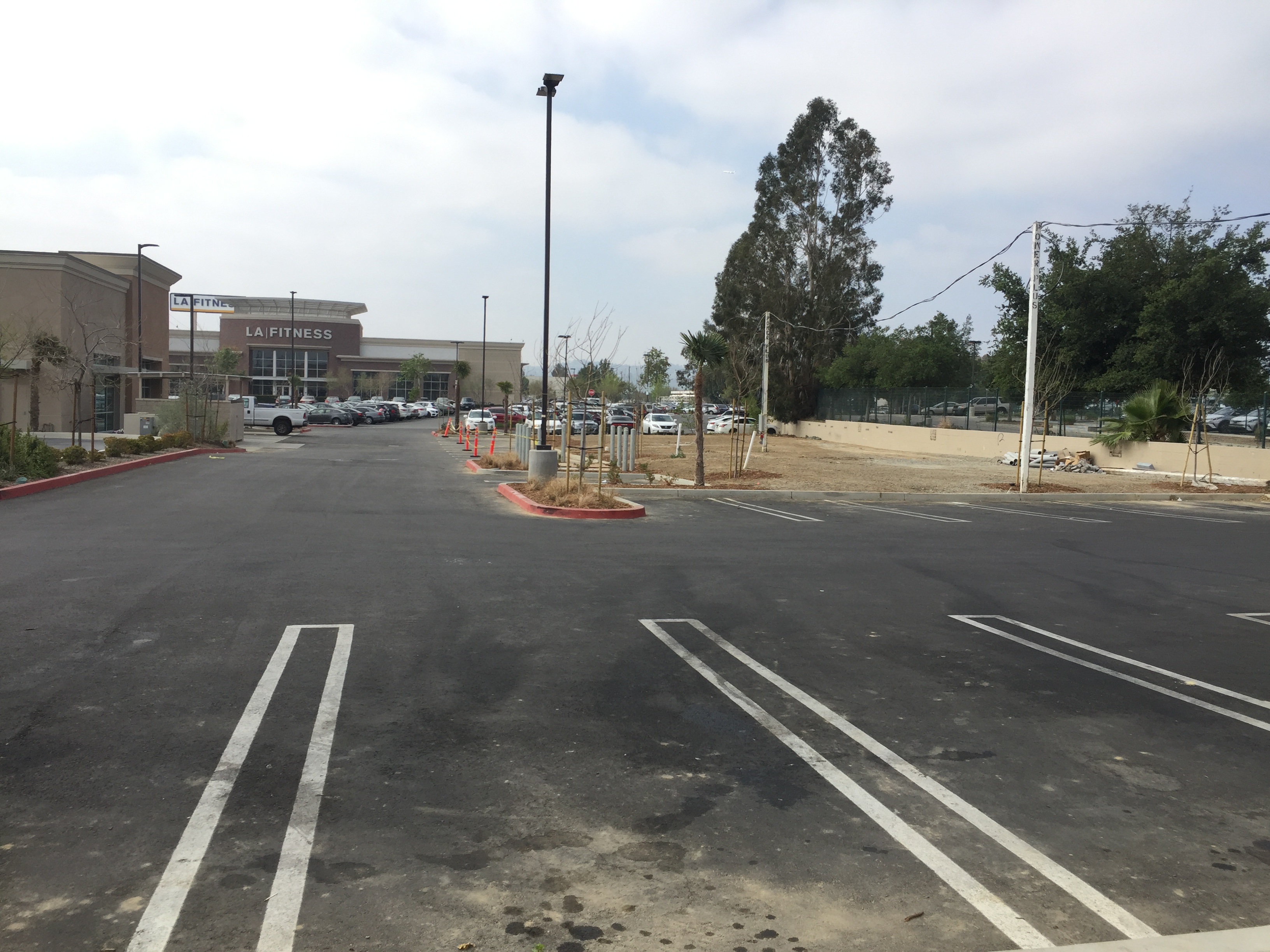
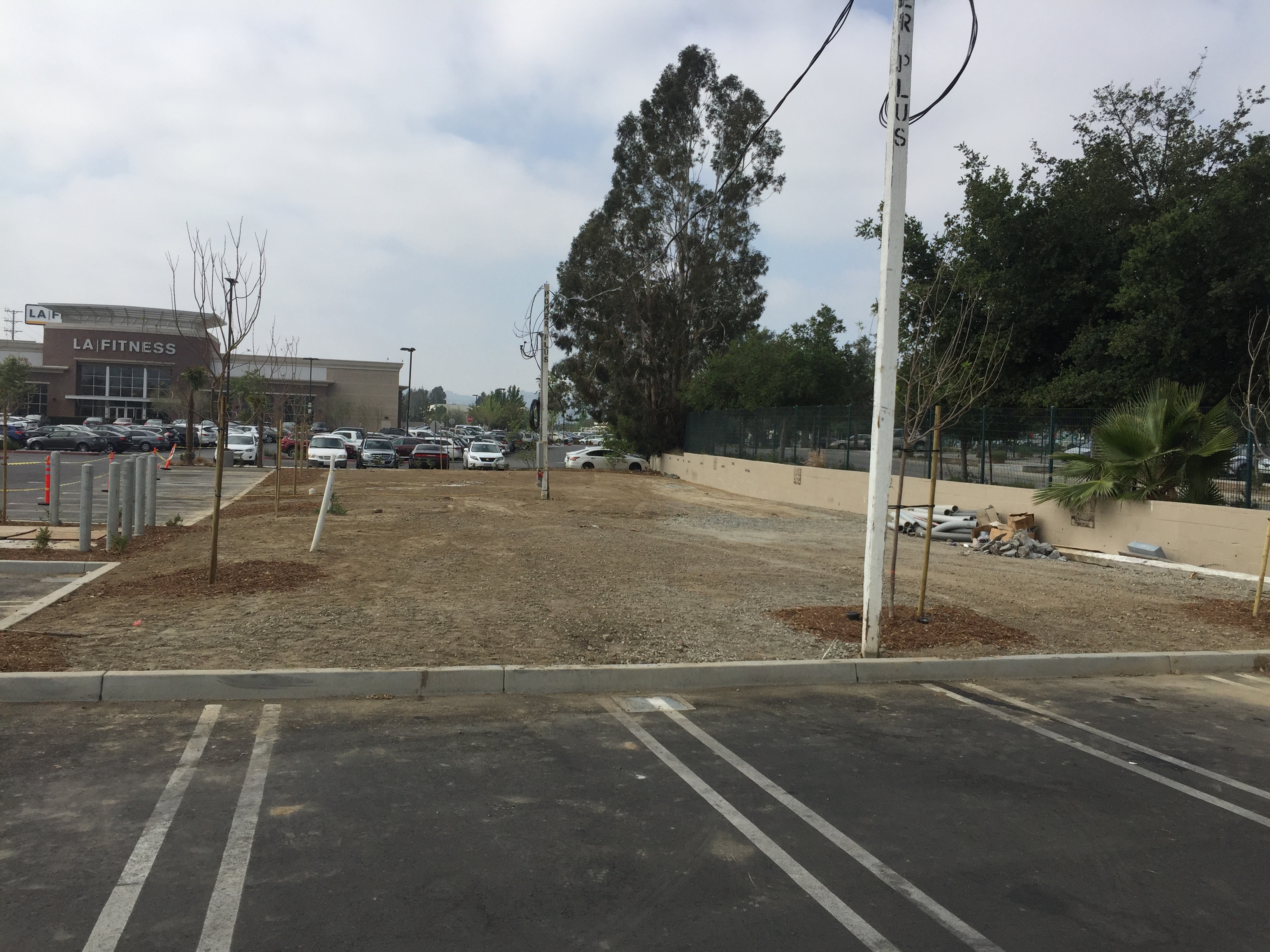
Left over in the new mini-mall layout is a rectangular island of land that, in my imagination, I envision as a small apartment building or even a white, wooden Colonial house, a residential arrangement that provides living space for people who can walk next door to the gym, stop for milk at CVS, ride their bikes on the bike path, and most importantly, are there to populate, energize and humanize a sea of parking spaces.

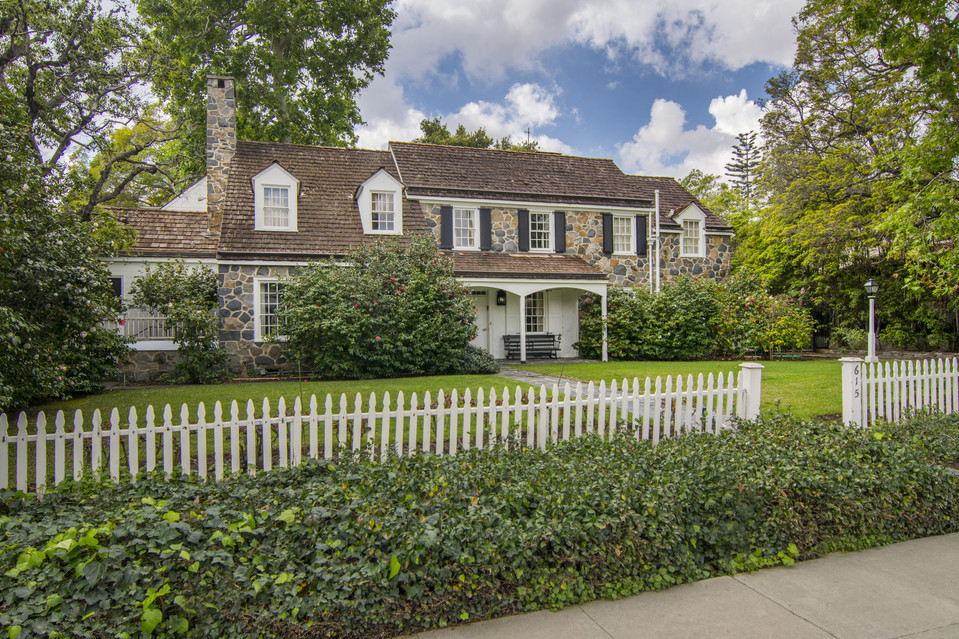
I picked “Colonial” to lovingly pander to the nearby residents of privileged, filmed upon Orion Ave. hoping they might not object to an 18th Century House with a garden in front, housing a nice coffee place or a fort-monthly locale for filming Target and Walmart commercials.

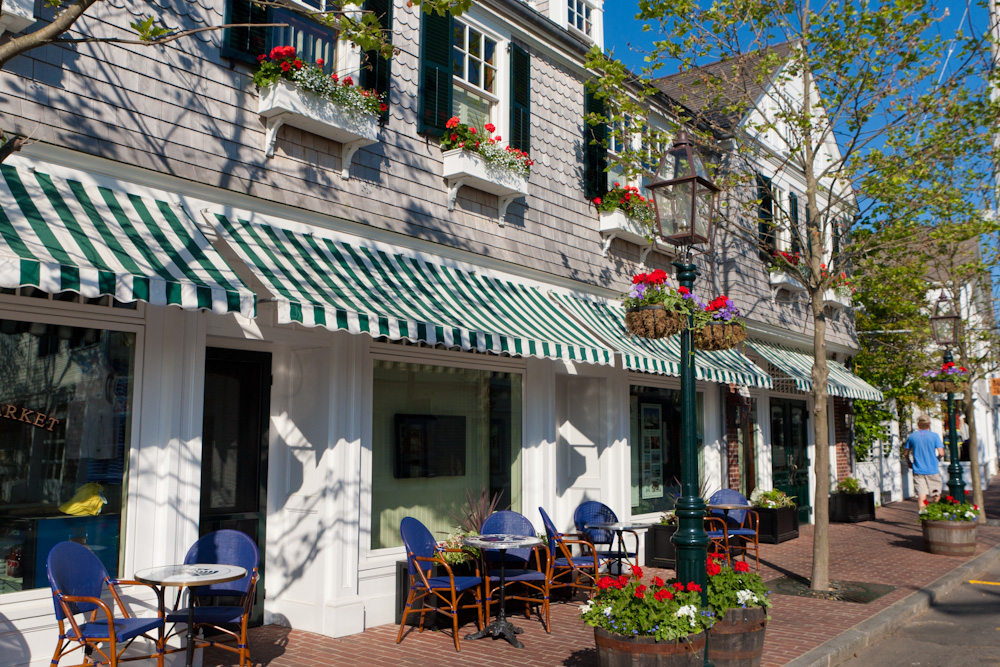
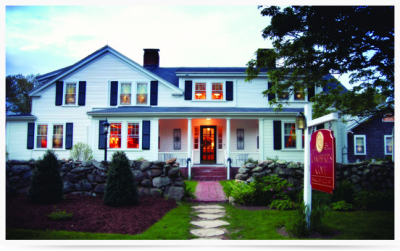
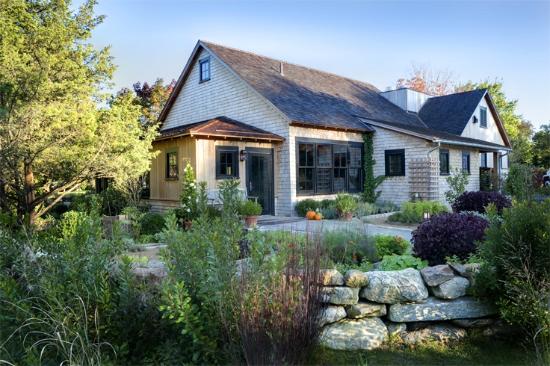
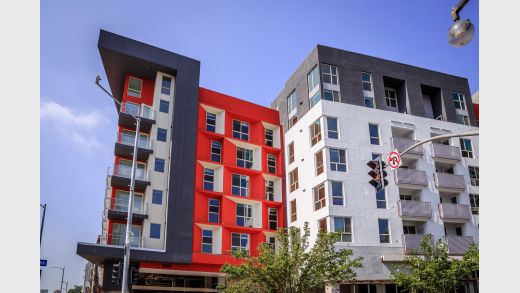
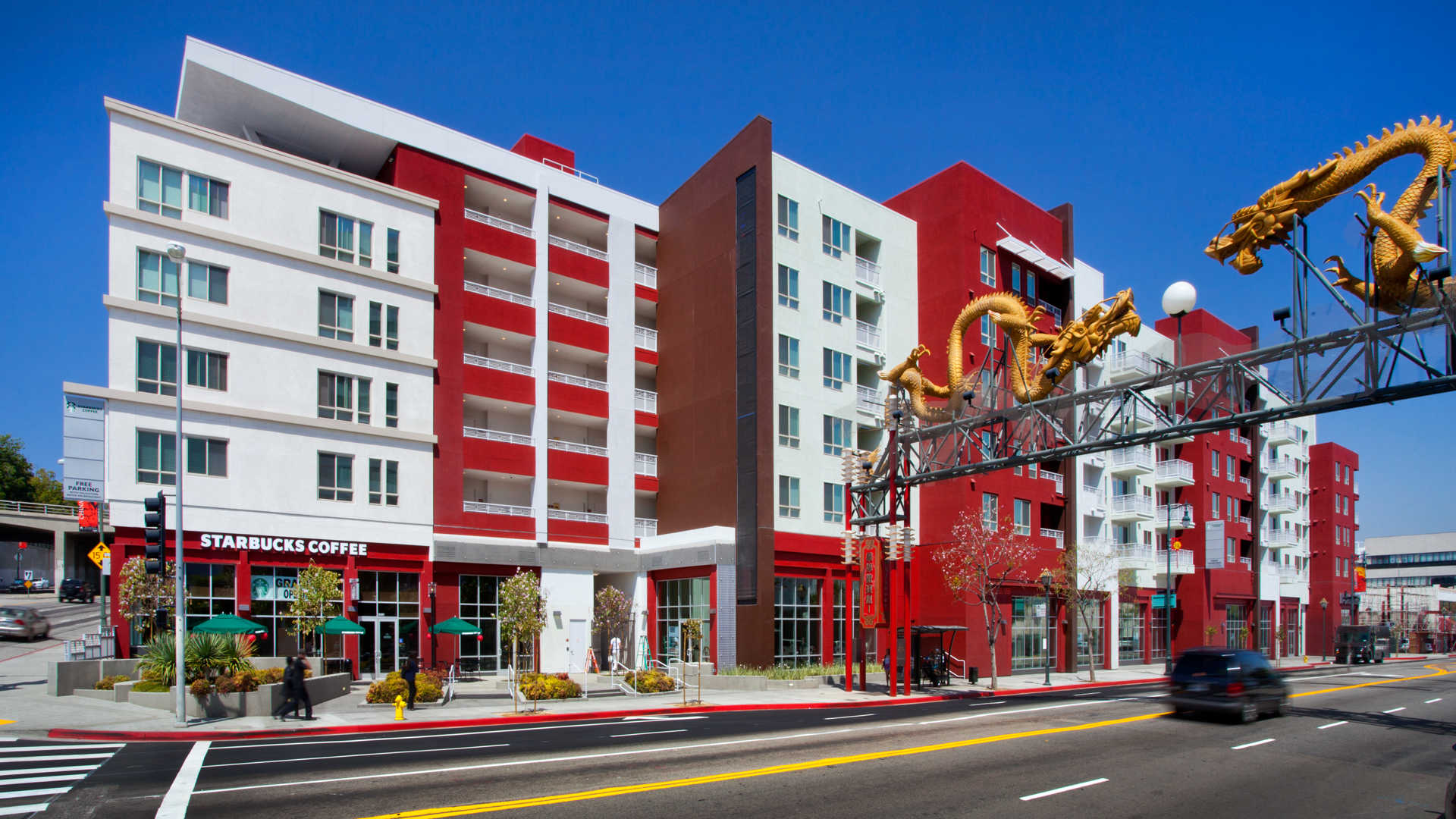
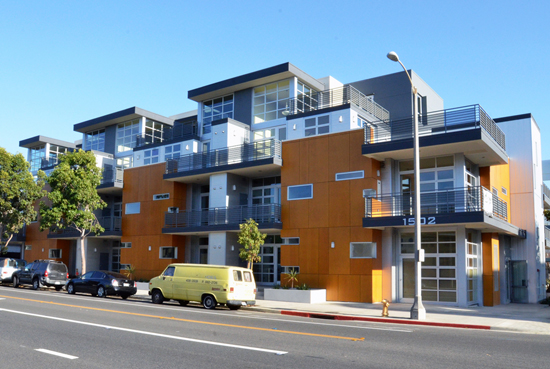
Why not build something on this open spot like these below:
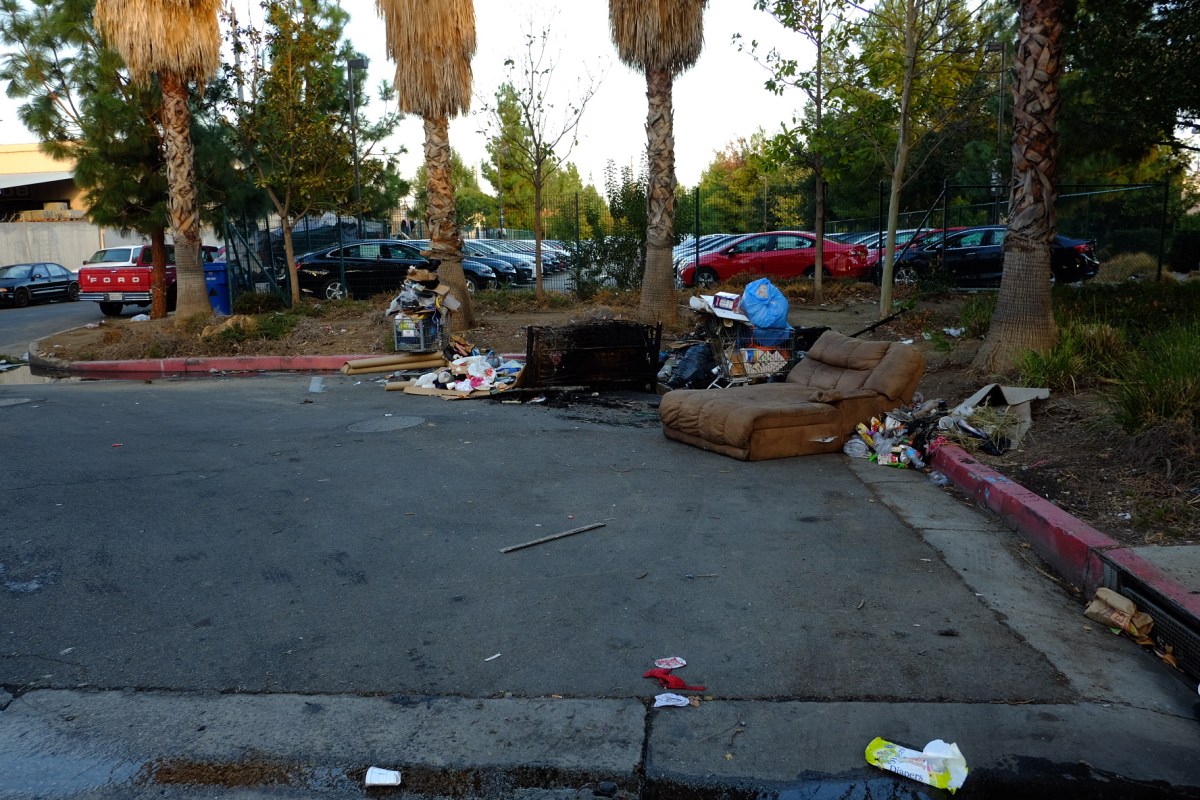
But, for now, the neat, empty rectangle of land is unoccupied with forms either natural or man-made.

This waste of land, and the time-wasting, perpetual, irritating and circular question, “Where will they park?” dominates the beginning and end of any discussion of new apartments, housing or commercial building in Los Angeles.

If there is no room for 1,000 New Hummers in that New 200 Unit Apartment…then I say, to hell with it, let people sleep on the street in tents!

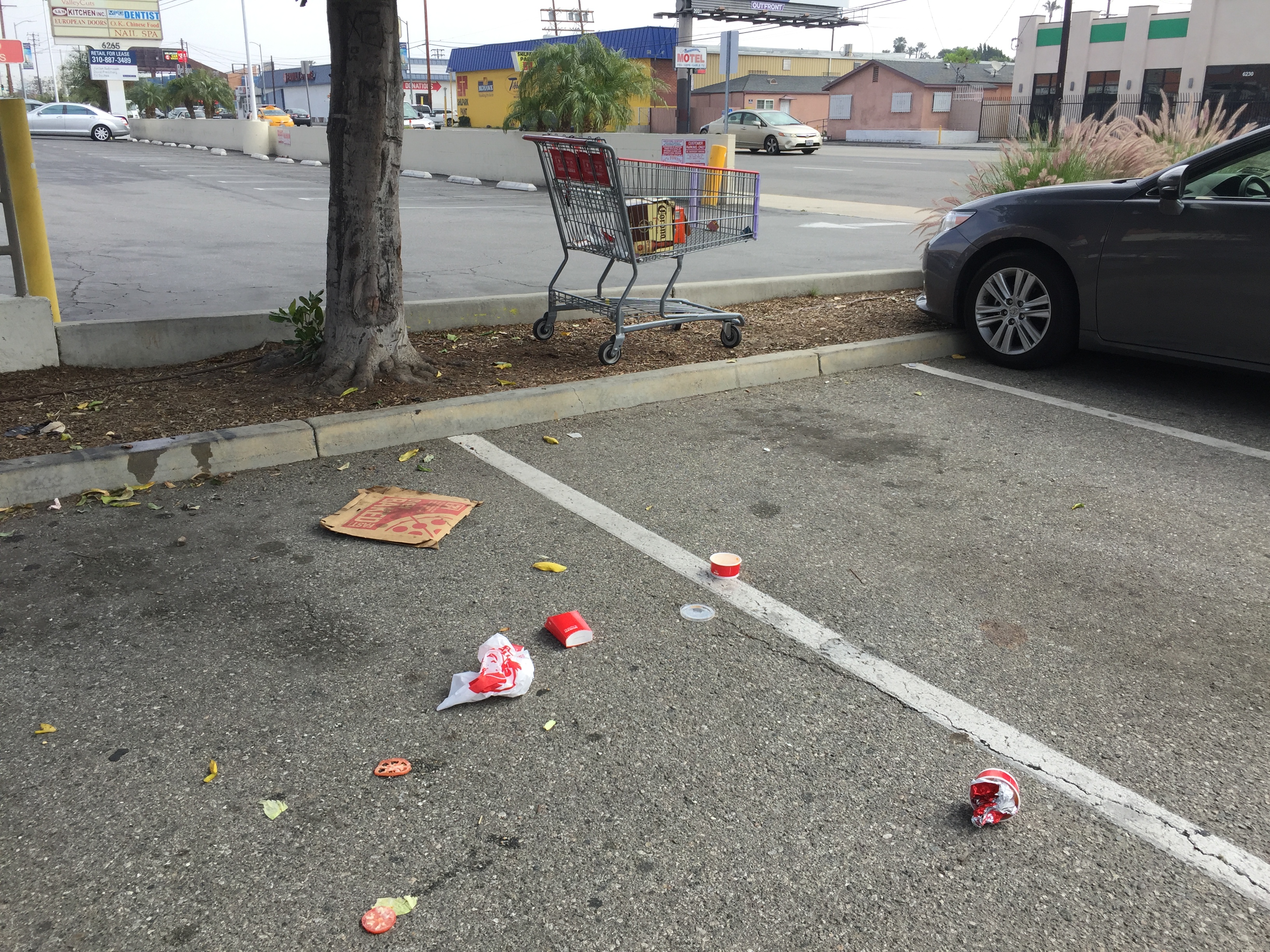
What exists, when it’s built, is a battleground of short-tempered drivers circling parking lots, looking for parking, even when there are 2,000 or 3,000 spaces provided for their temporary storage!

So the opportunity for a new, innovative, and imaginative kind of development, one that integrates the commercial and the residential, is again squandered.

Why?

What have we got to lose?

We are already losing.
SaveSave

Pride of Place


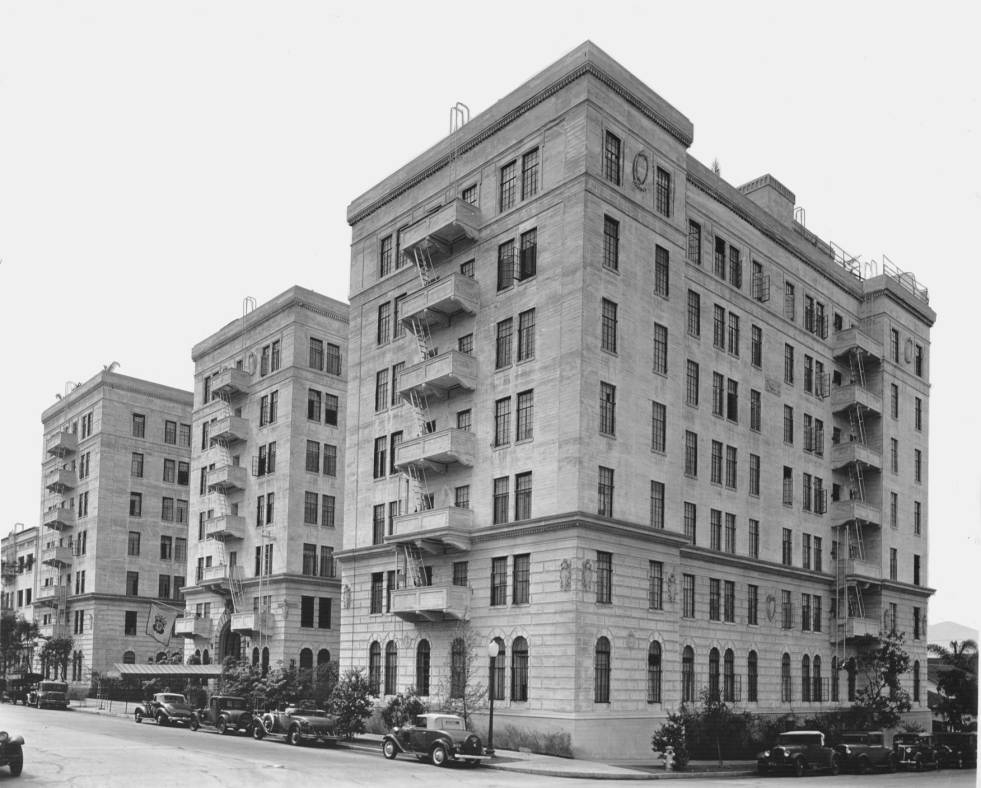
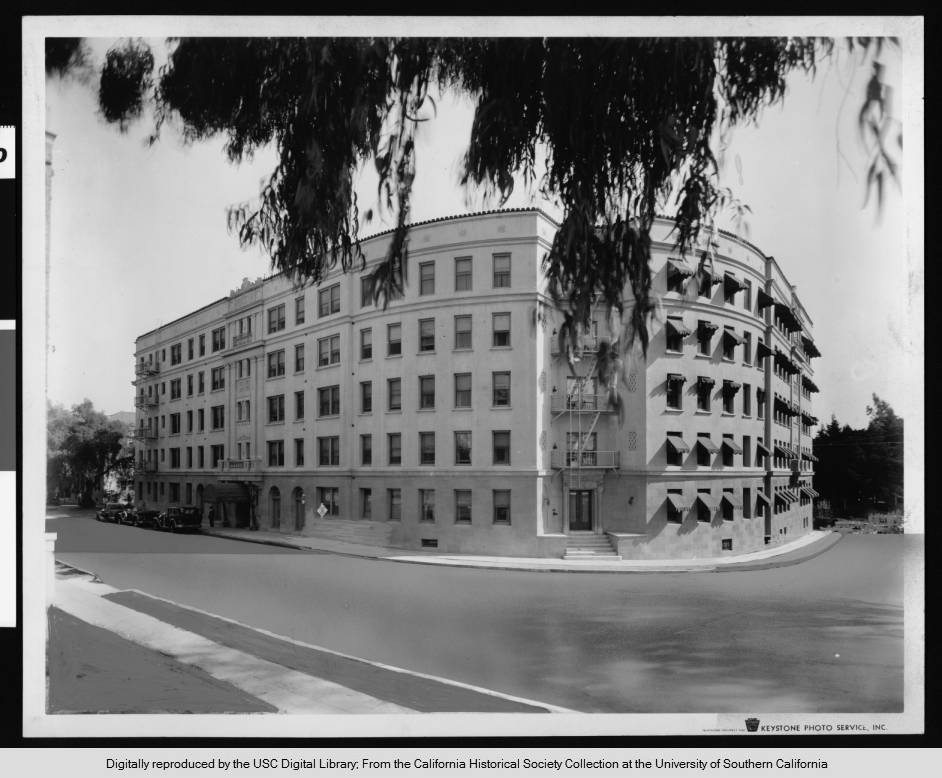
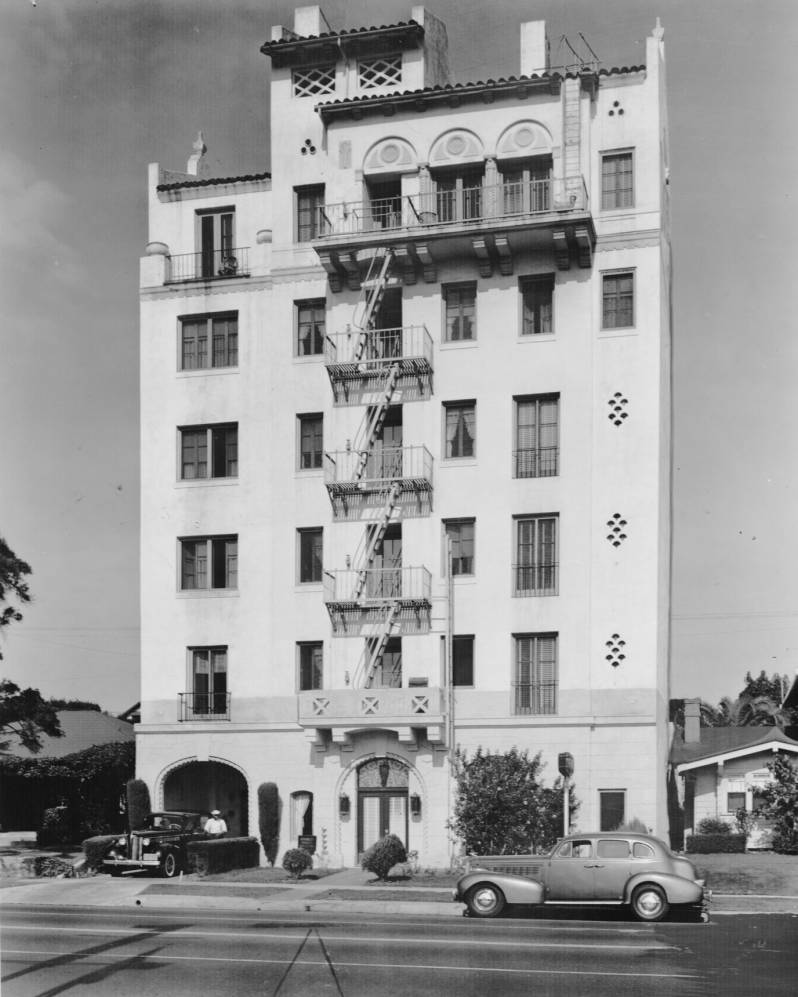
Langham Apartments, 1936
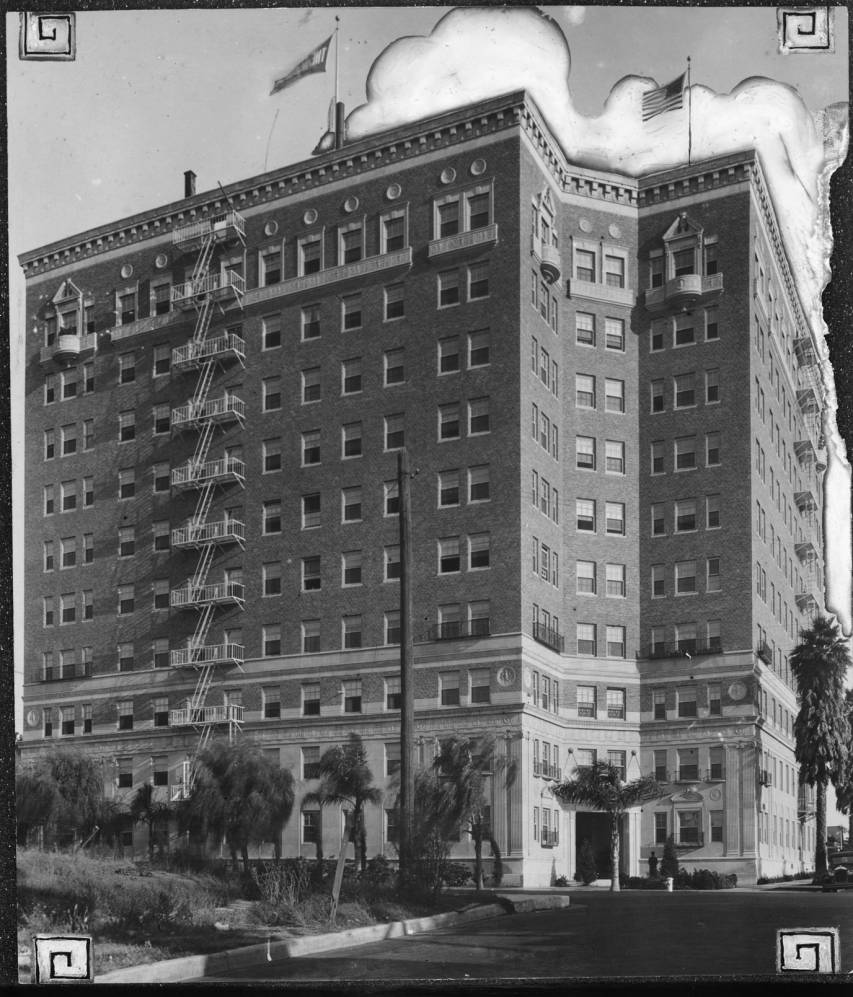
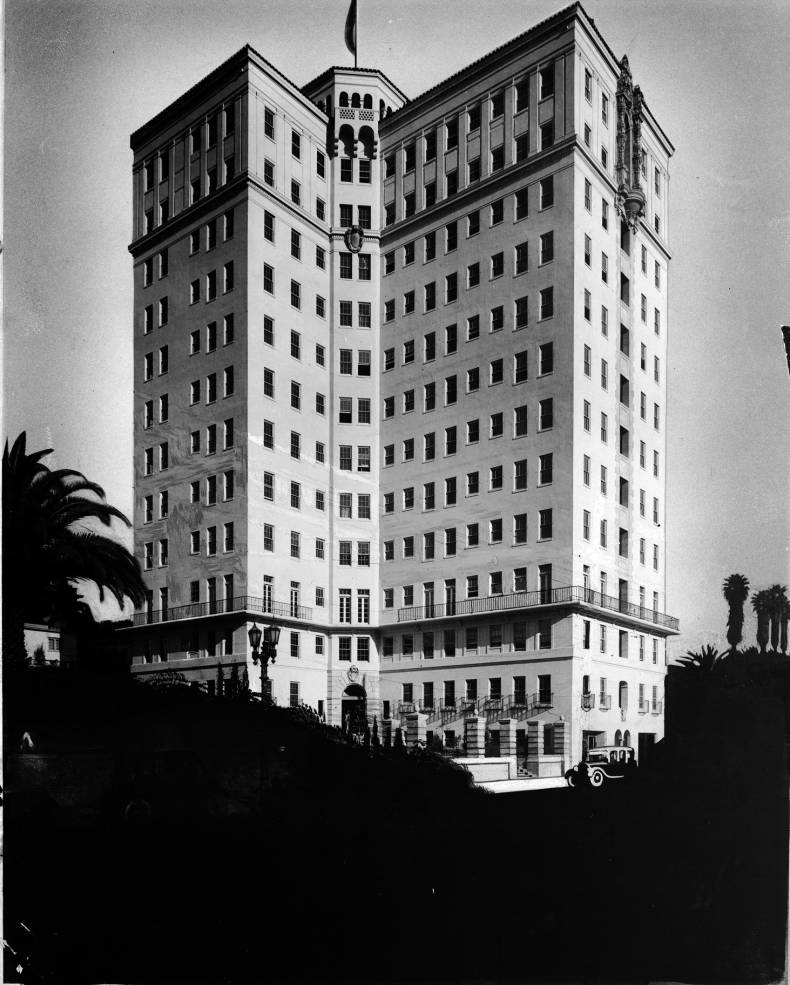
Talmage Apartments, 1925
Wilhelm Apartments, 1905


In the first third of the 20th Century, Los Angeles developers built many tall apartments in the midst of single-family homes.

One sees, in the older sections of the city, in West Hollywood, Koreatown, and West Adams, the presence of five, six, even ten story apartment houses that pop up, sometimes mid-block, in-between single family properties.

These photographs of buildings, from the USC Digital Archives, are historically valuable, but also aesthetically heartbreaking, for it shows a city where architecture mattered, and humans were housed in civil, respectable, affordable places. Isn’t that the bare minimum expected in a “First World” nation?

Lido Apartments
Asbury Apartments, 1940

There may have been poor people in 1925, but they didn’t live in the tens of thousands under bridges, on park benches, or wander the streets as zombies, covered in dirt, screaming obscenities. Nor would the society back then have allowed mass vagrancy as public policy.

The old buildings were strong and subtle. They wore their classic proportions without irony. They commanded respect quietly. They stood confidently, wore facades in single colors, and were built of solid materials like brick, solid concrete or smooth stucco.

La Wanda Arms, 1936

Today, market style makers demand new apartments broken up nervously in clashing colors, painted in clownish and garish hues, most likely to reduce their bulk, preventing probable offense to neighbors prickly over density. They scream fun, but omit horror on the first of each month when rent is due.

But, in fairness to these attention grabbers, at least they have a dialogue with the street, and introduce shops and ground floor activity to the area. They just do it in the Instagram way, by shouting, “look at me man!”


The old buildings always marched right up to the sidewalk. You entered by walking up to an entrance. And this zoning reinforced the urbanity of the neighborhood, because it created chances for pedestrians to interact. Compare that to six lanes of Sepulveda, and parking garage apartments where the only people walking outside are selling something illegal.

Dover Apartments, 1940

Imagine if Van Nuys Boulevard near the Busway had a Langham or Talmage Apartments with hundreds of residents who walked to the bus, or rode their bikes, or ate in restaurants in the neighborhood?

1275 N. Hayworth Av. 1931


The old civility of courtyard housing, of interior spaces, shielded from the sun, planted with greenery, done with subtlety and grace, that is also how this city used to build.

What is preventing the State of California, the City of Los Angeles, the people of this region, from banding together to amend the harmful zoning laws that prohibit certain types of structures, once commonplace 100 years ago, from being built again?

Abundant Housing LA says it best:

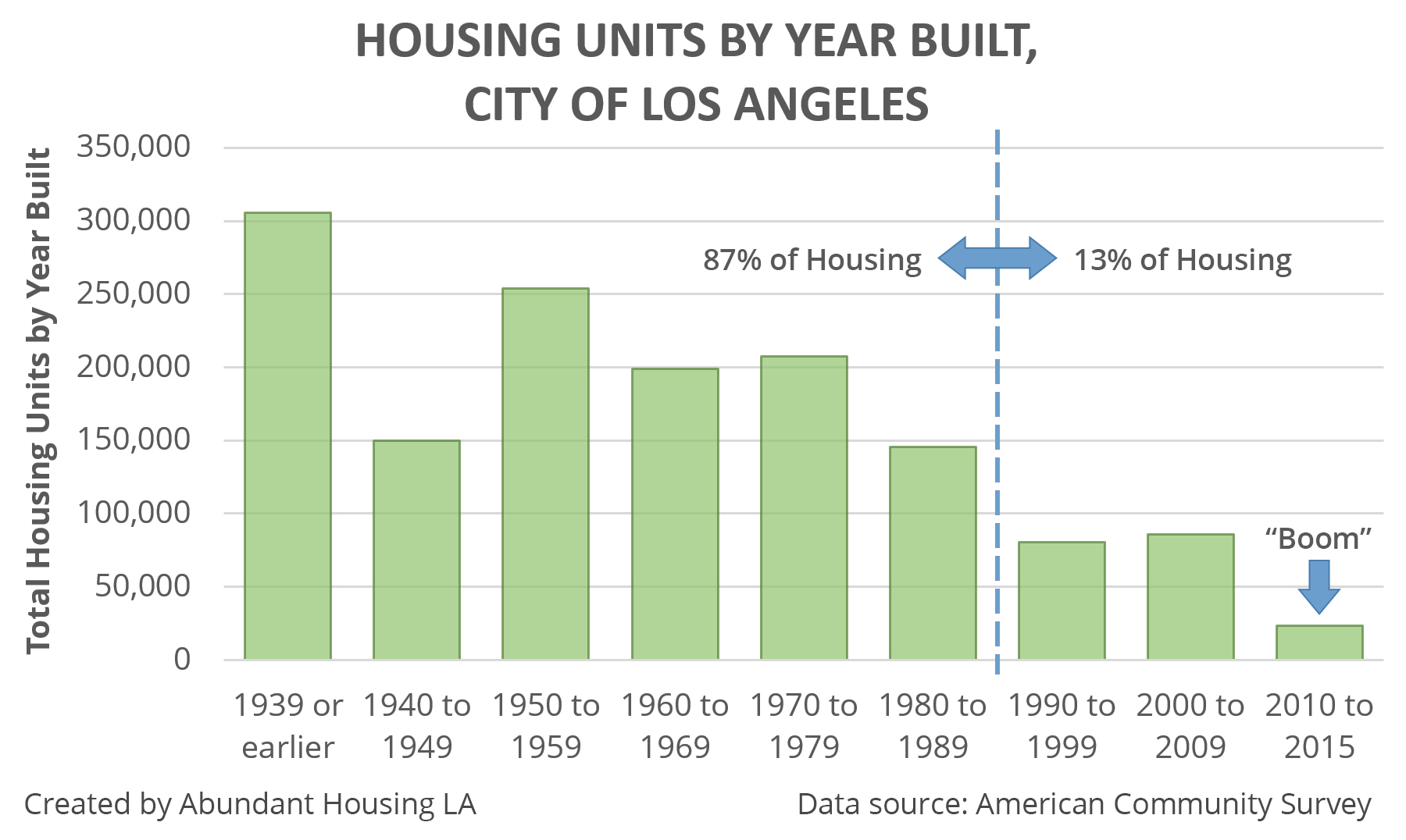
“A whopping 87 percent of LA’s total housing supply was built prior to 1990, while only 13 percent was built in the last 25 years.

 More recently, between 2010 and 2015, we’ve only added approximately 25,000 new units. That number does not include all of 2015 and includes none of 2016, and it will grow by 30 to 50 thousand in the next several years as existing developments finish construction and planned projects get underway. But at best we’re roughly on pace for housing production similar to the ’90s and ’00s, both of which saw historically small amounts of new housing and historically large increases in housing prices. That’s not a boom, that’s the continuation of a decades-long slump.

 This slump is reflected in our city’s vacancy rates, which have a direct relationship to home prices and rents. Lower vacancy rates cause prices to go up faster. It’s exactly the same relationship we see with unemployment: When unemployment is low and fewer people are looking for work, labor is scarce and so workers can sell their labor for more money. As a result, job applicants and existing employees gain bargaining power and their average pay increases. Likewise, when housing is scarce, landlords gain bargaining power and rents increase.”


SaveSave

SaveSave

SaveSave

The Dispossessed


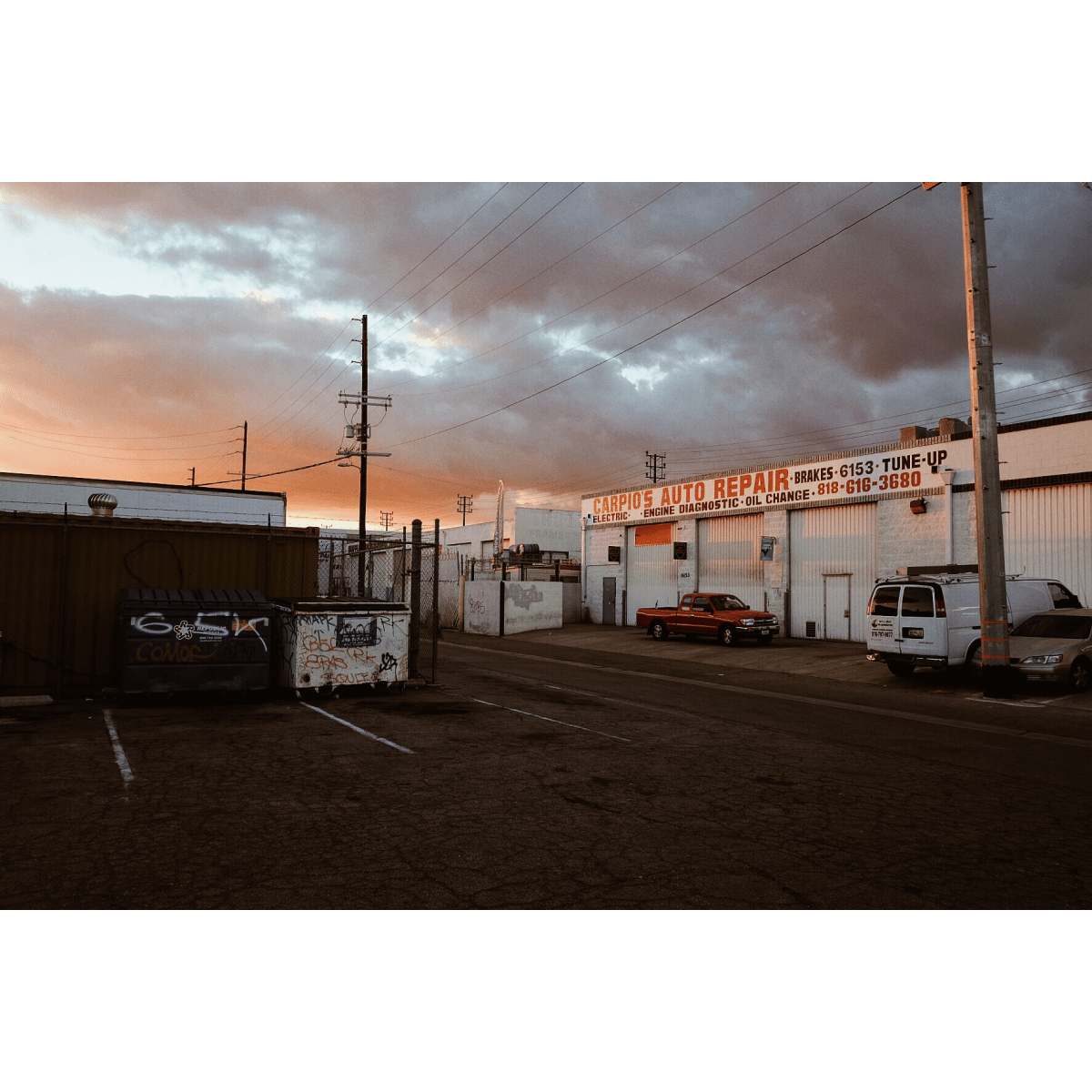
carpios-vsco
Carpio’s Auto Repair

A light rain fell yesterday morning, and after the weather system left, the skies were clear, the sun came out, a few clouds hung in the sky. And I went for late afternoon walk with camera.

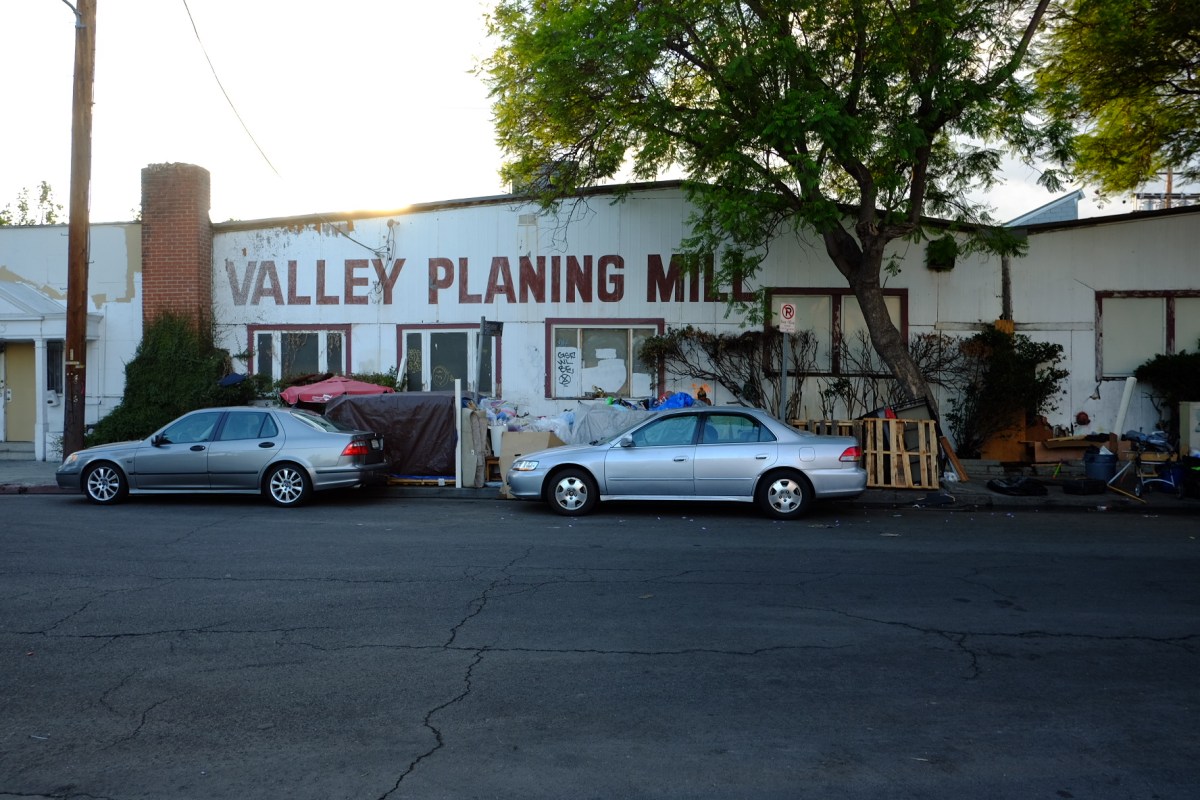
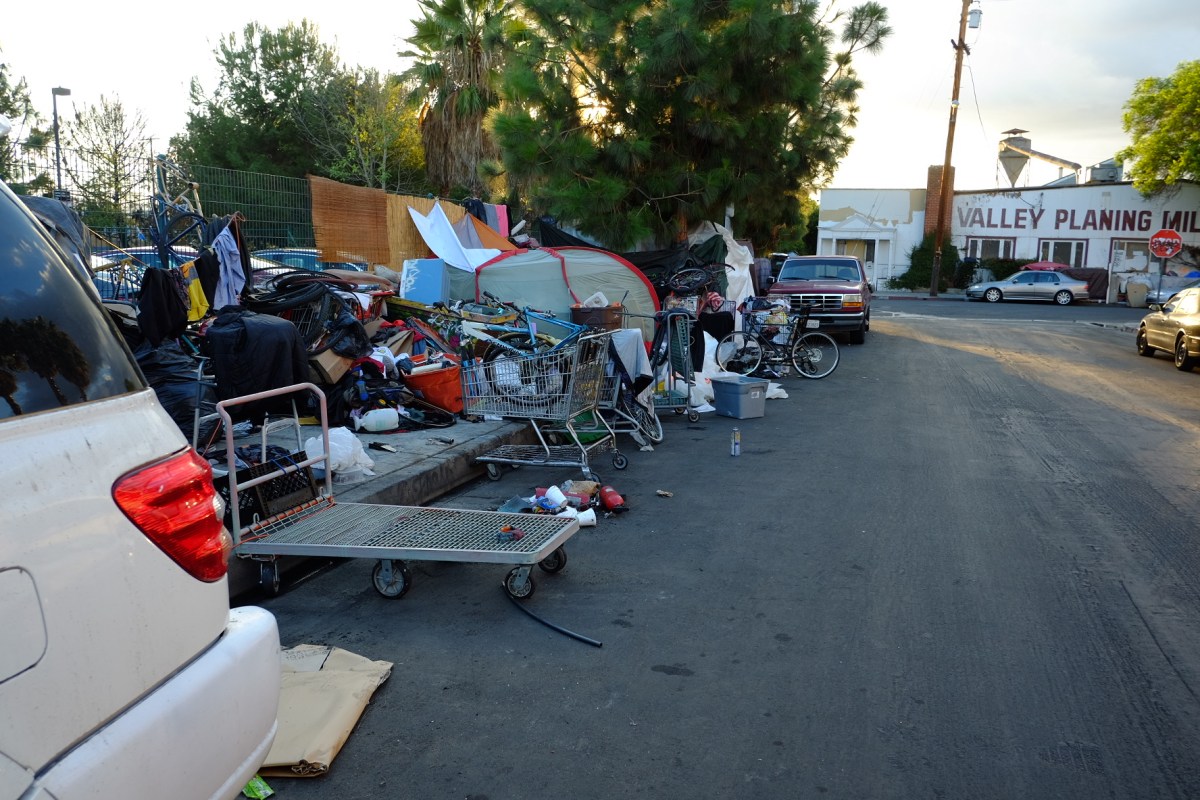
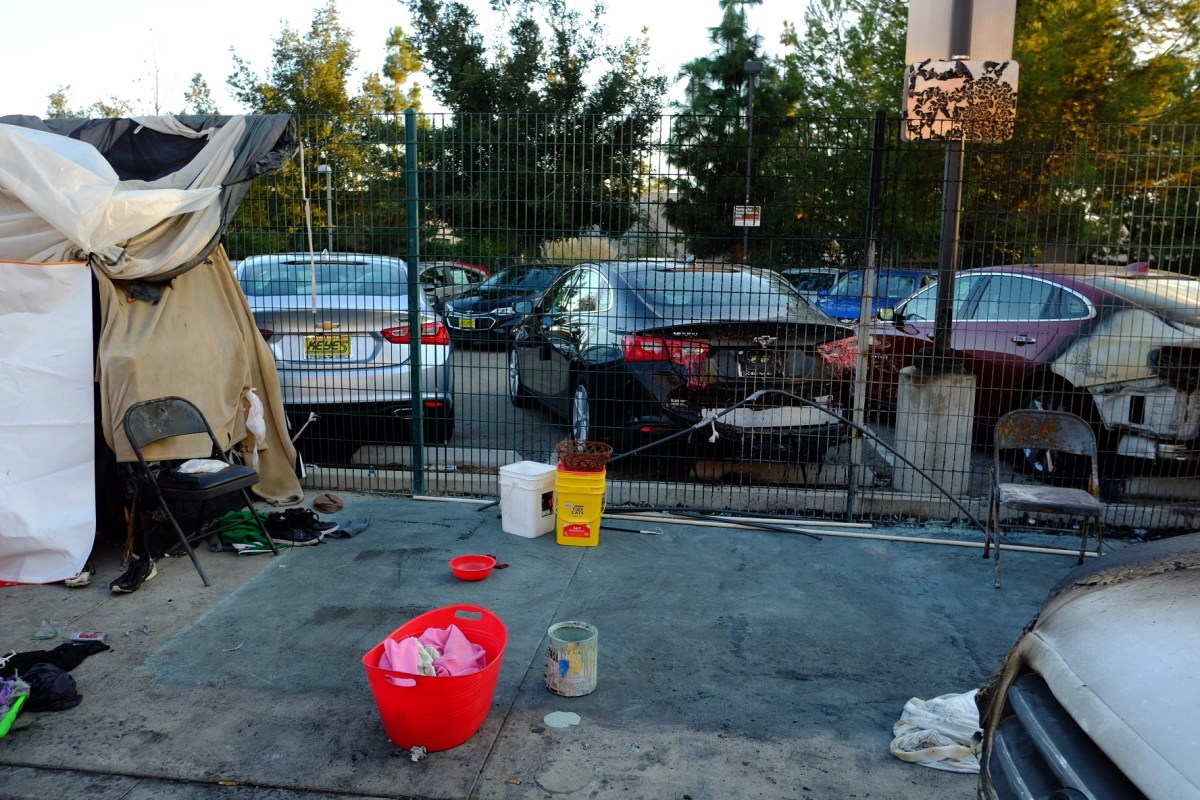
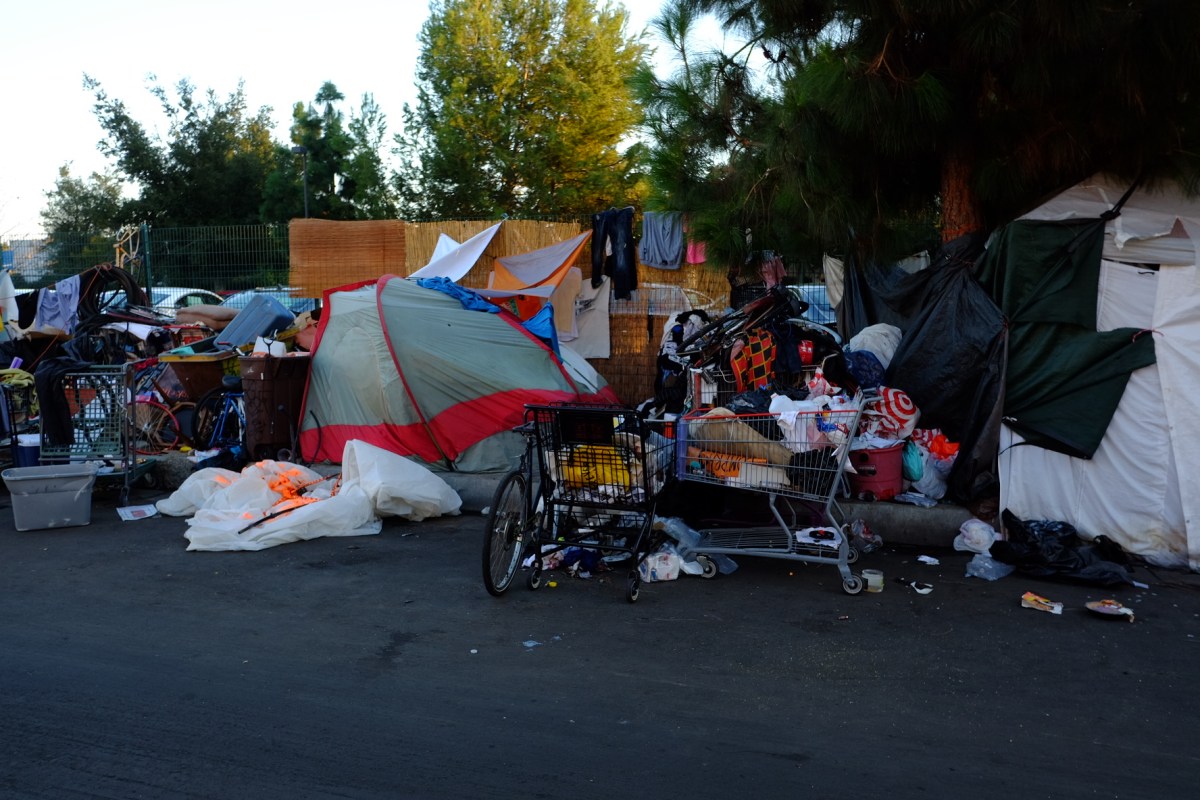
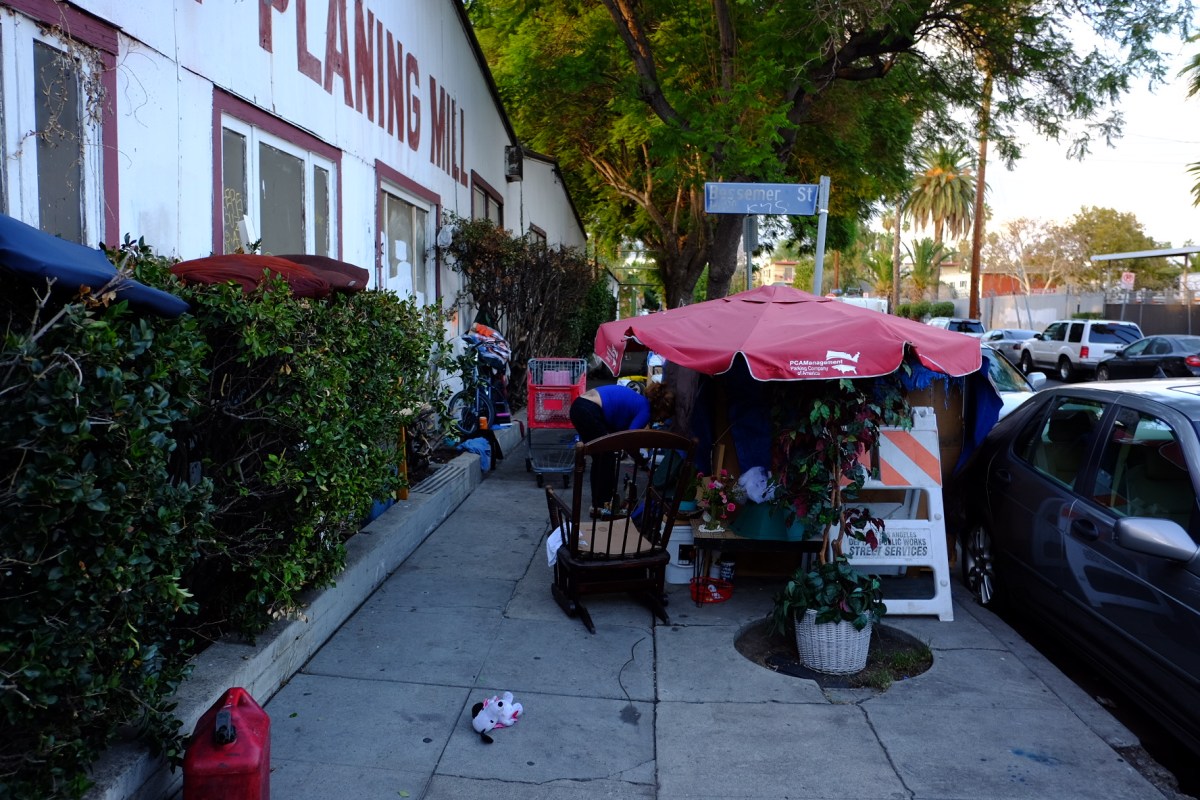
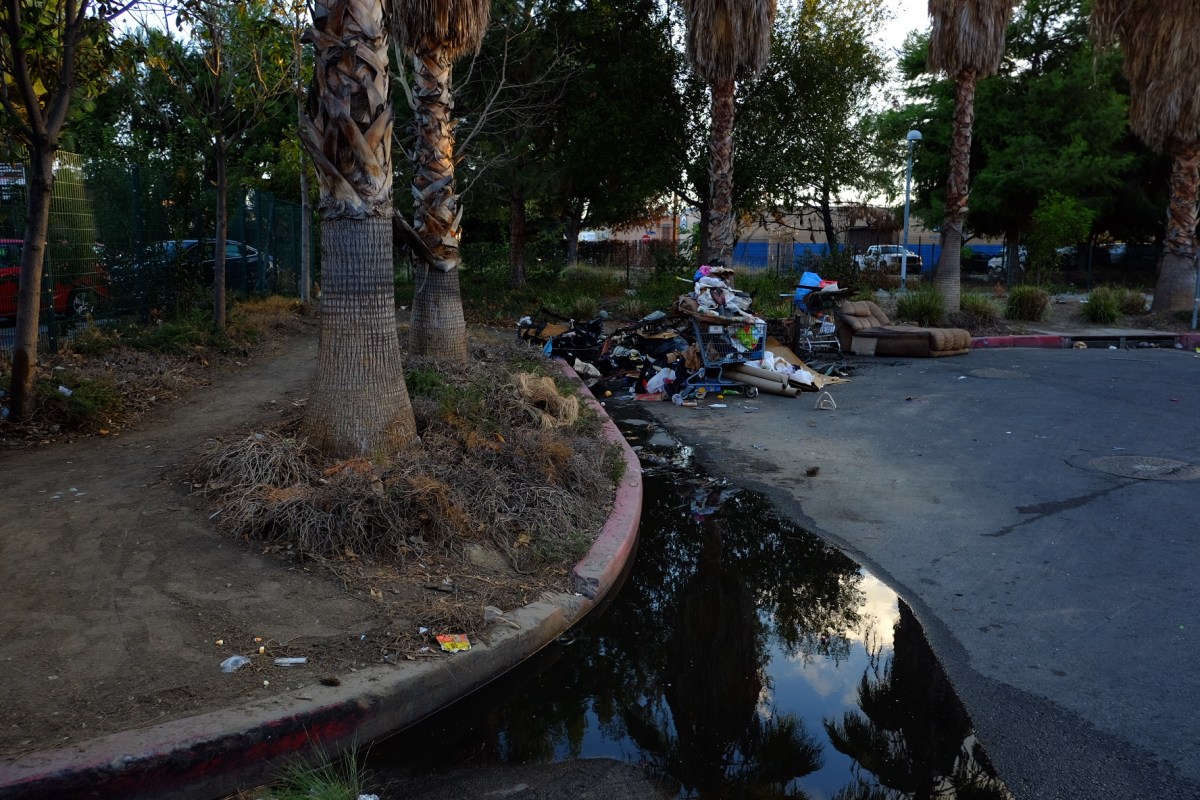
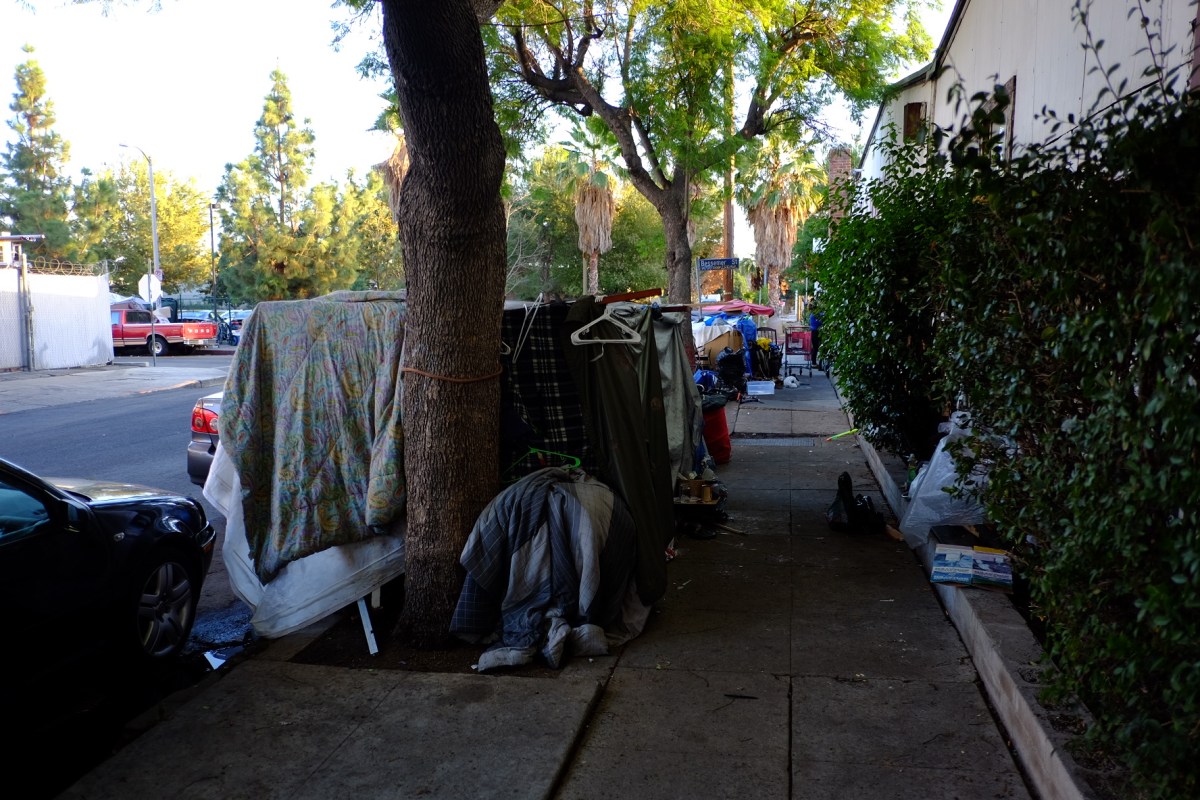
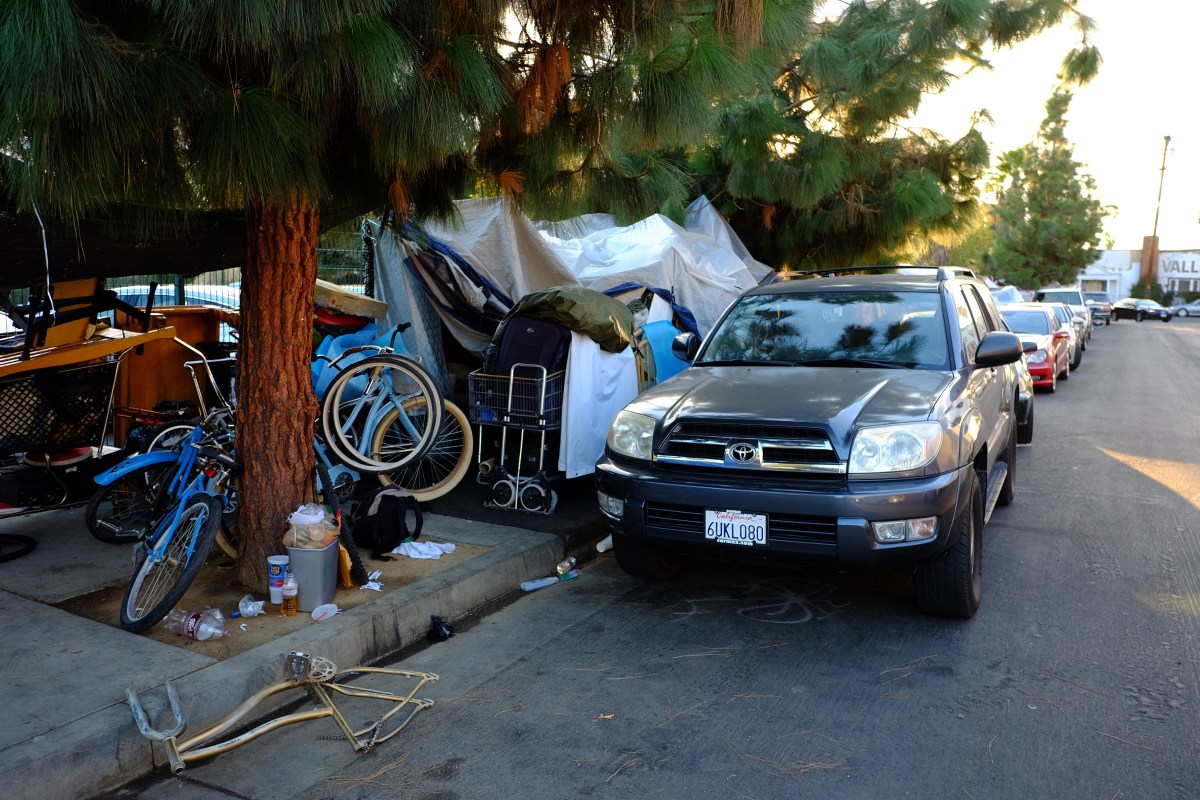
Near Bessemer and Cedros, in front of the Valley Planing Mill, along the sidewalk bordering the Orange Line, is a metastasizing and makeshift encampment of homeless men and women.

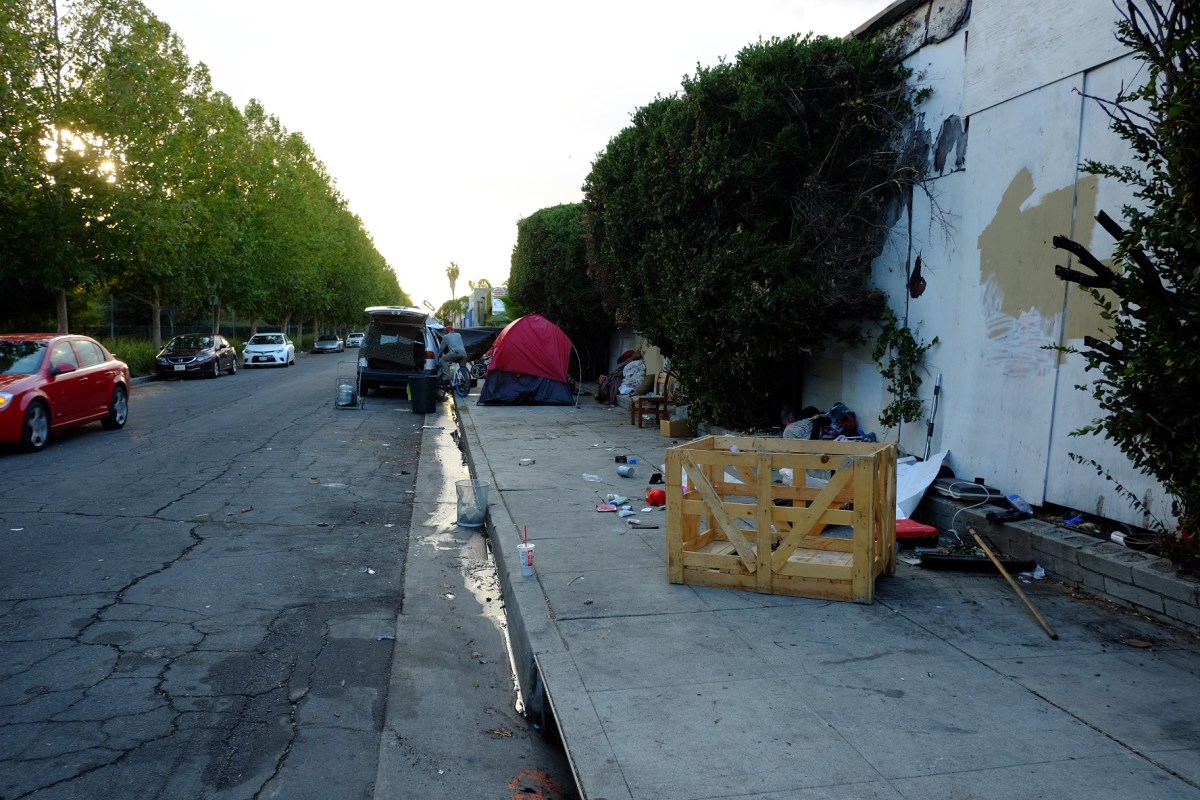
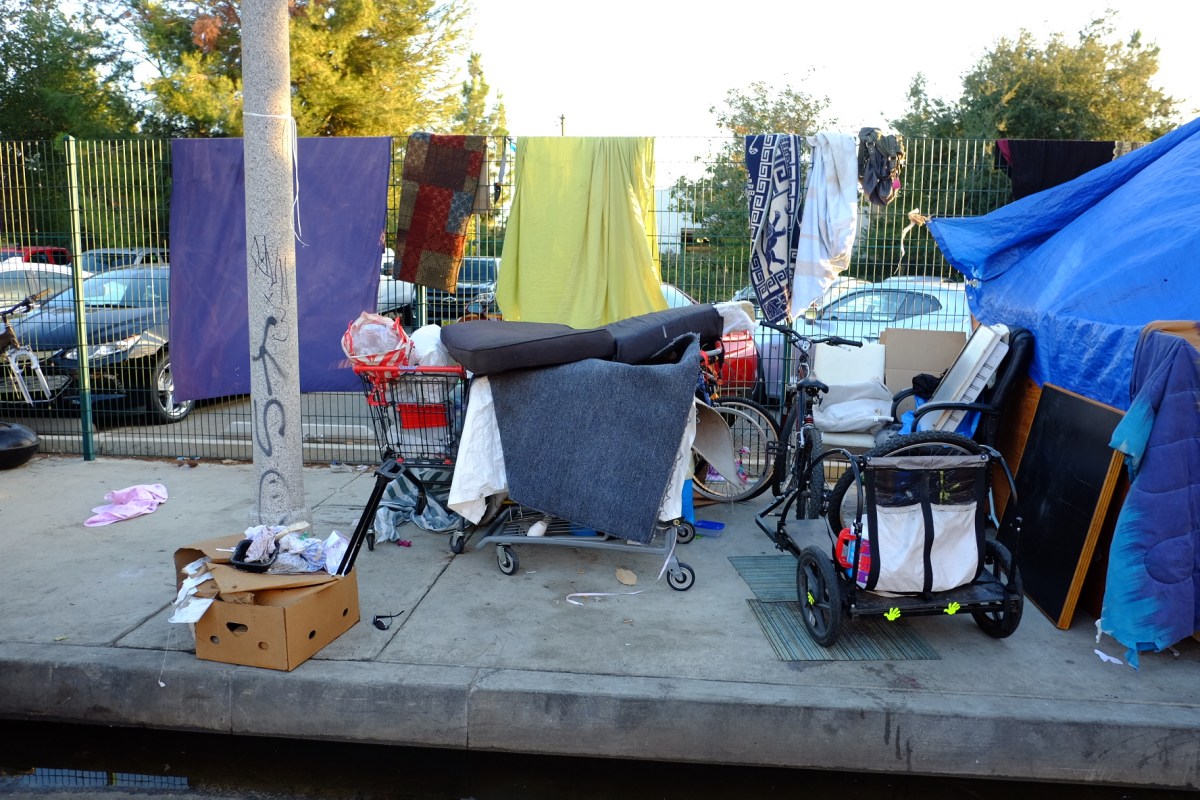
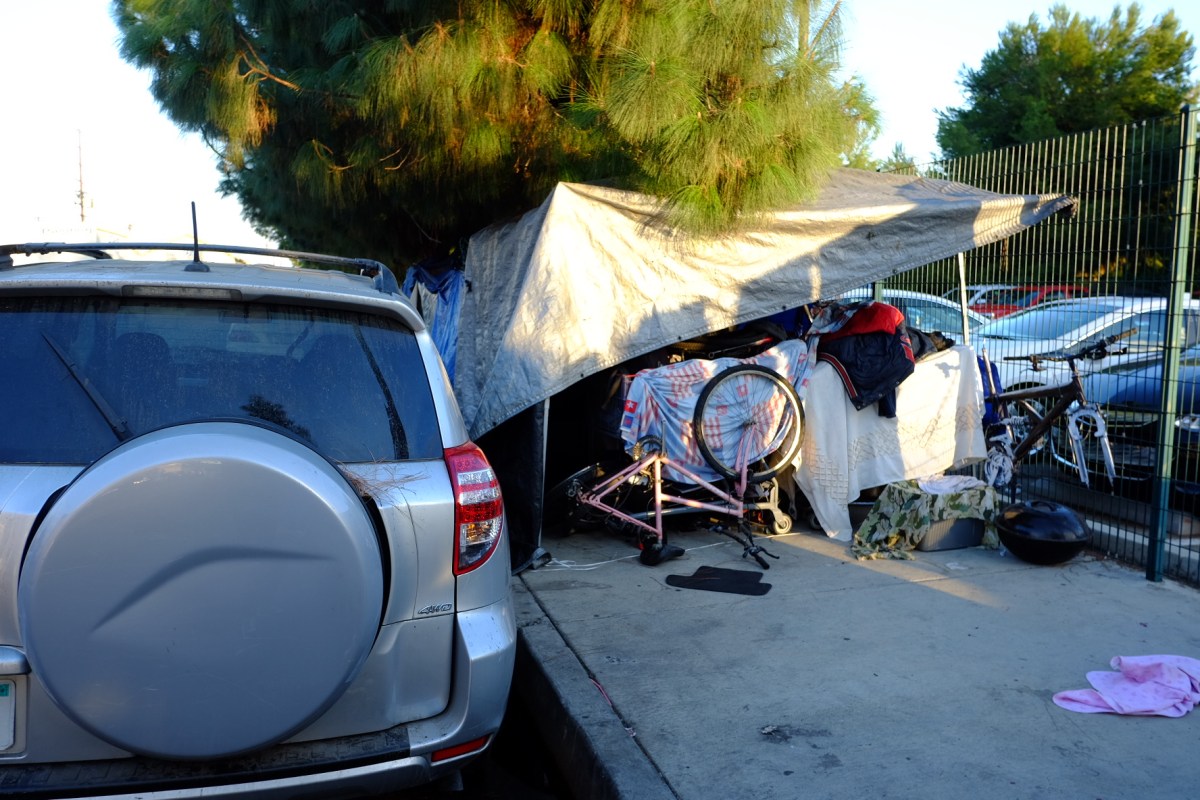
It has grown, to encompass an area that probably accommodates some fifty people, who have erected tarp-covered boxes, umbrellas, tents, and wood crates as shelter from the rain and the sun. Around the temporary housing are shopping baskets piled high with anything and everything one might buy at Target.

img_3137img_3143img_3141img_3140img_3144img_3142img_3139

A green metal fence, protecting new cars owned by Keyes Chevrolet, encircles a rented out parking lot leased from Metro. It provides a safe and civilized enclosure for automobiles. Vehicles are well taken care of, except for one or two burned up, sitting in their spaces with melted and deformed bodies.

Humans (who did not want to be photographed) are left to fend for themselves on public sidewalks. Bed sheets and rattan mats are hung on the fence to sanitize. Privacy, cleanliness, and dignity are pulled out of dumpsters and transformed into street fortresses.

The situation here is appalling. But words do not suffice. And moralism, directed at politicians, developers, law enforcement, social workers and the homeless themselves cannot make sense of this 21st Century barbarism in our Golden State.
img_3138img_3150img_3146img_3147dscf0718

Return to Van Nuys Savings and Loan


Ph: Maynard Parker
Ph: Maynard Parker

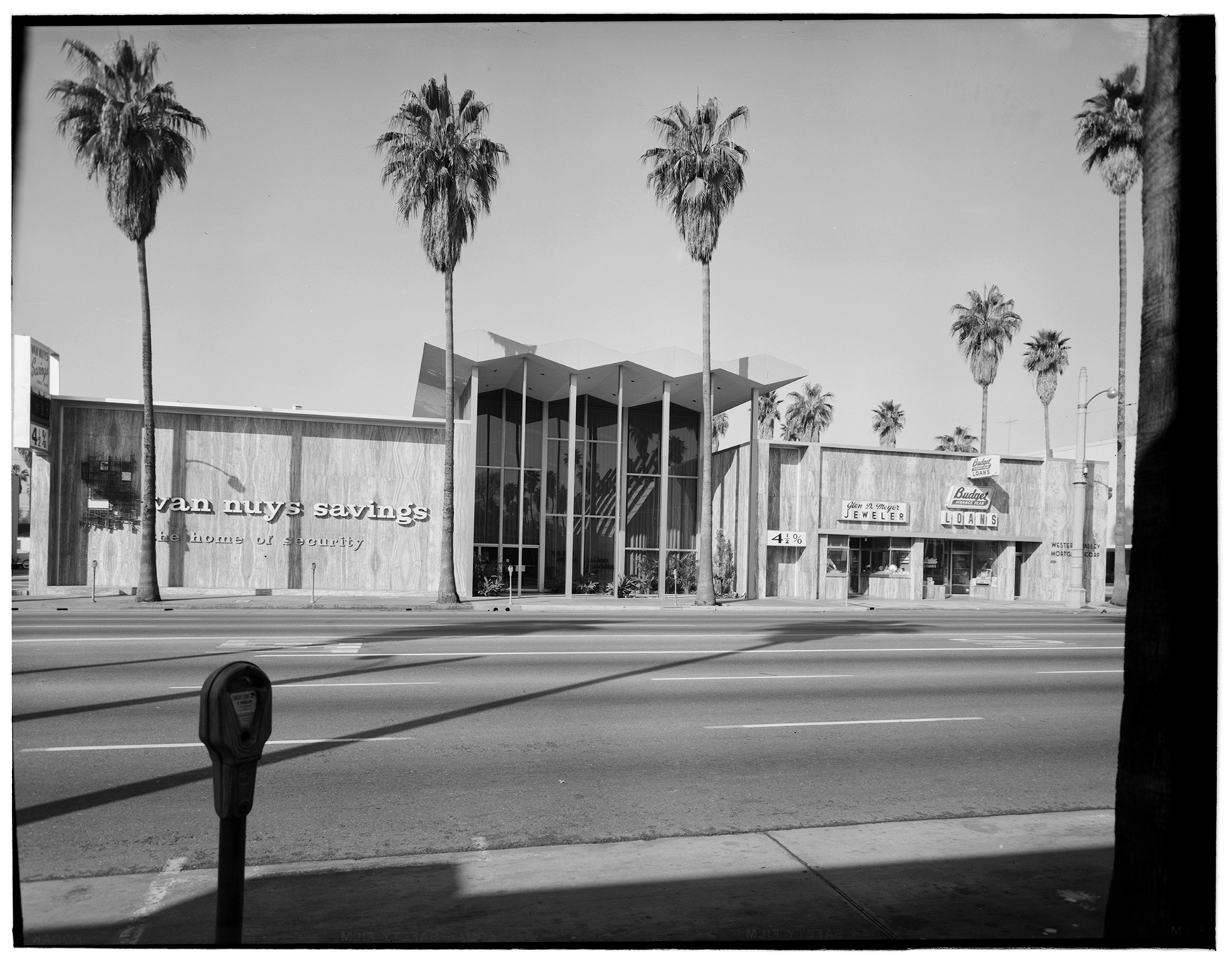
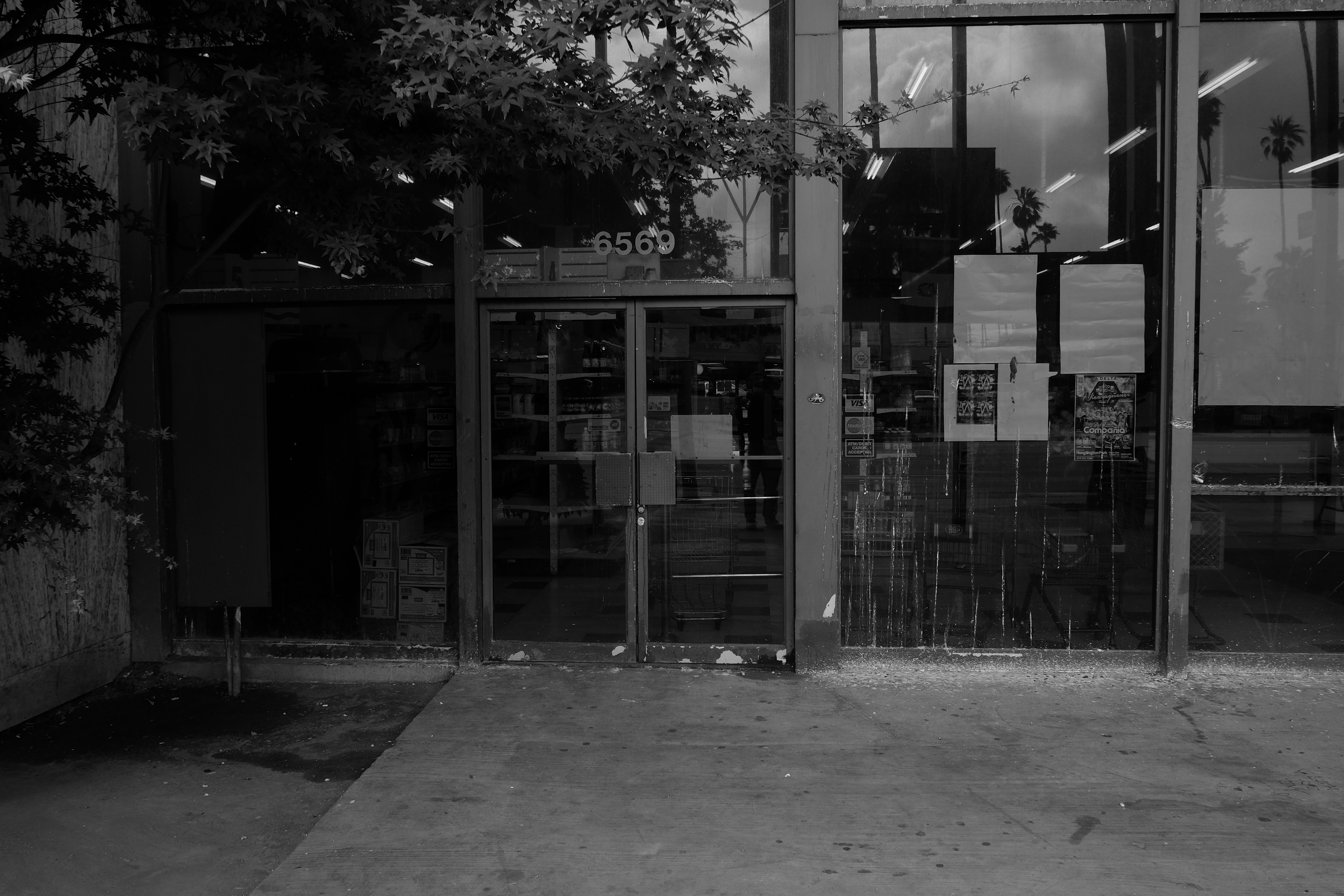
In an earlier post, I wrote about the old Van Nuys Savings and Loan, at 6569 Van Nuys Boulevard.

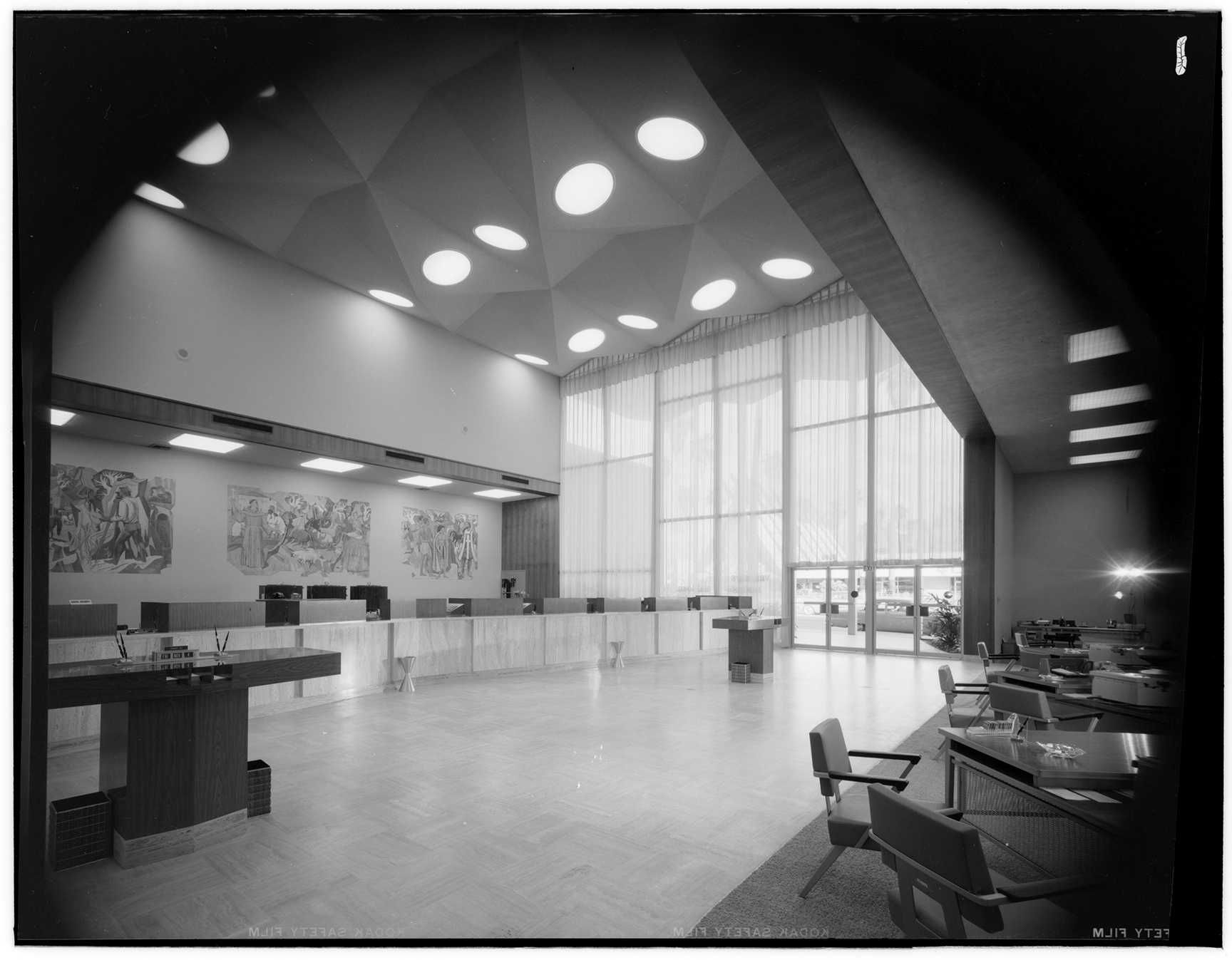
It was built in 1955 and designed by architect Culver Heaton with murals by noted artist Millard Sheets.

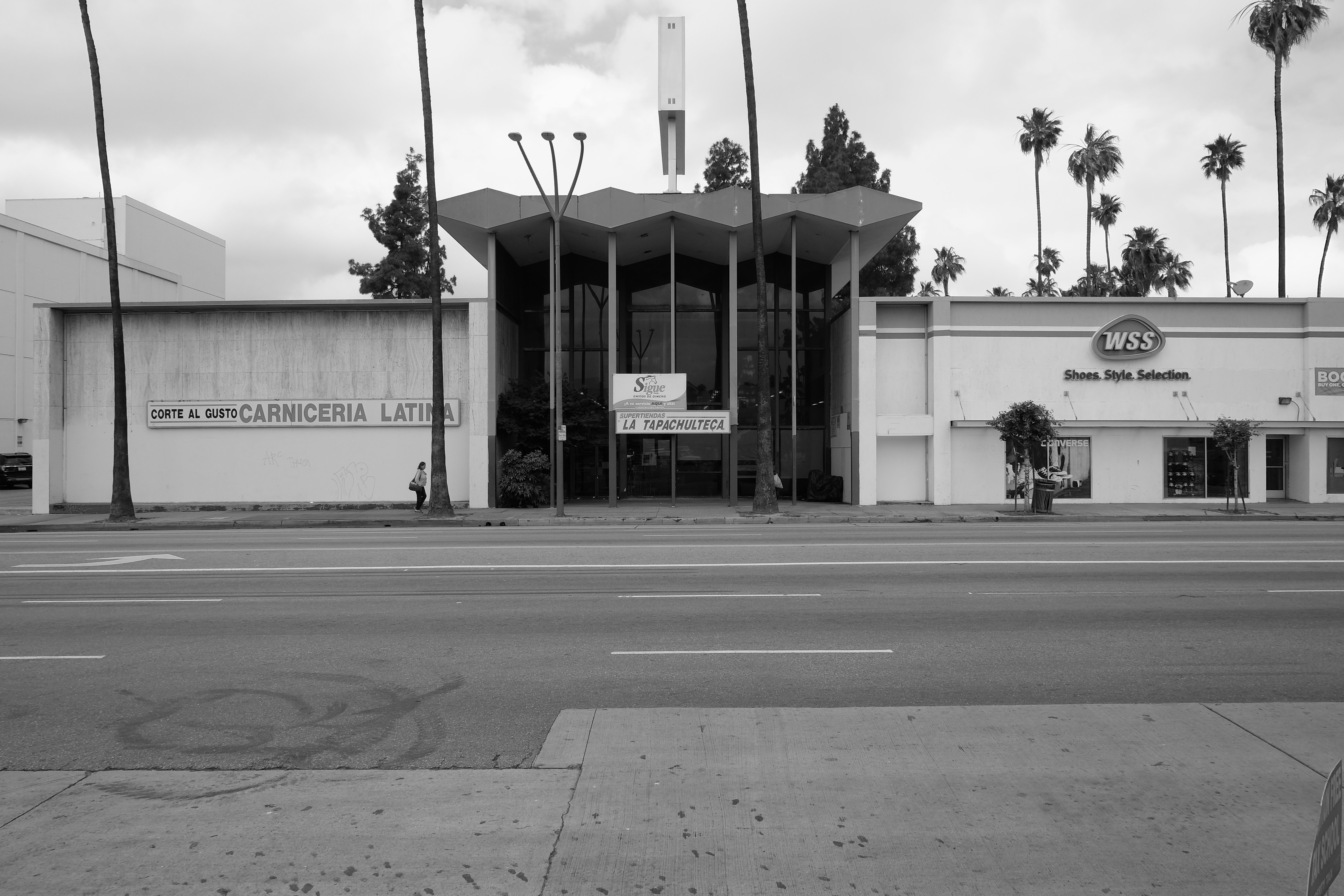
Modernity and innovation were expressed in its zig-zag roof, screened metal panels and wide, airy interior, a place of efficient banking and progressive faith in the future of Van Nuys which was booming in housing, retail, industry and education.

This was a place for people to save and earn 4 1/2% annual interest, guaranteed. This was an institution whose name was spoken of with pride. And who worked within the community to loan money and helped invest in productive enterprises.

Ph: Maynard Parker
Ph: Maynard Parker
Ph: Maynard Parker
Ph: Maynard Parker

Nobody in 1955 could have imagined what Van Nuys has now become.

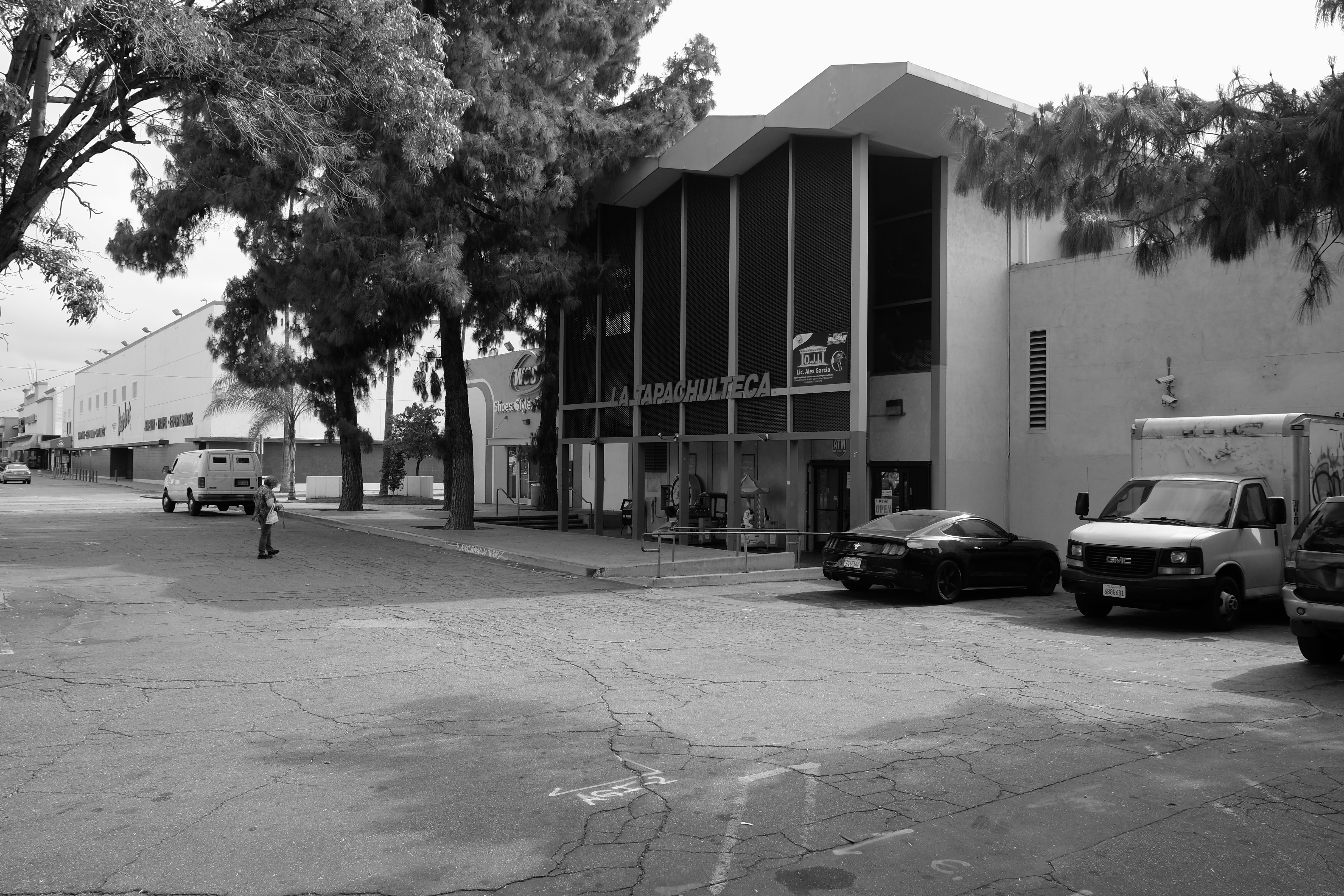
La Tapachulteca is a Guatemalan grocery store that currently occupies the old bank building. I came here and photographed the exterior just as photographer Maynard Parker once did.
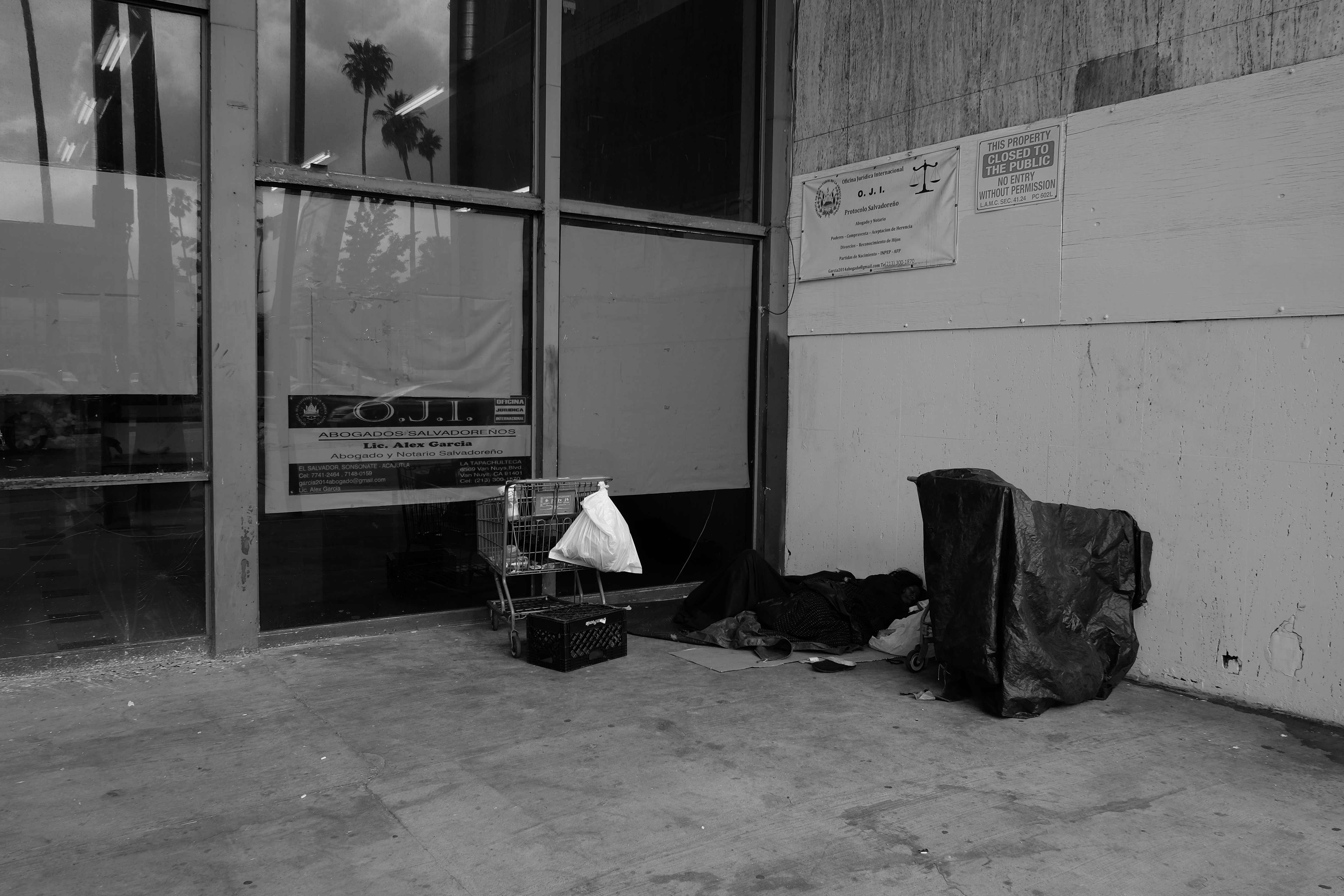
Yesterday, May 20, 2016, on the same day the brand new Expo Rail line opened to connect downtown to Santa Monica, a  homeless woman slept here in a pigeon pooped, urine sprinkled, dirty entrance where unwashed windows and grime completed a scene of degradation and filth.

La Tapachulteca La Tapachulteca Homeless Front La Tapachulteca

Door La Tapachulteca


Los Angeles is building its future in public transport by emulating the past.

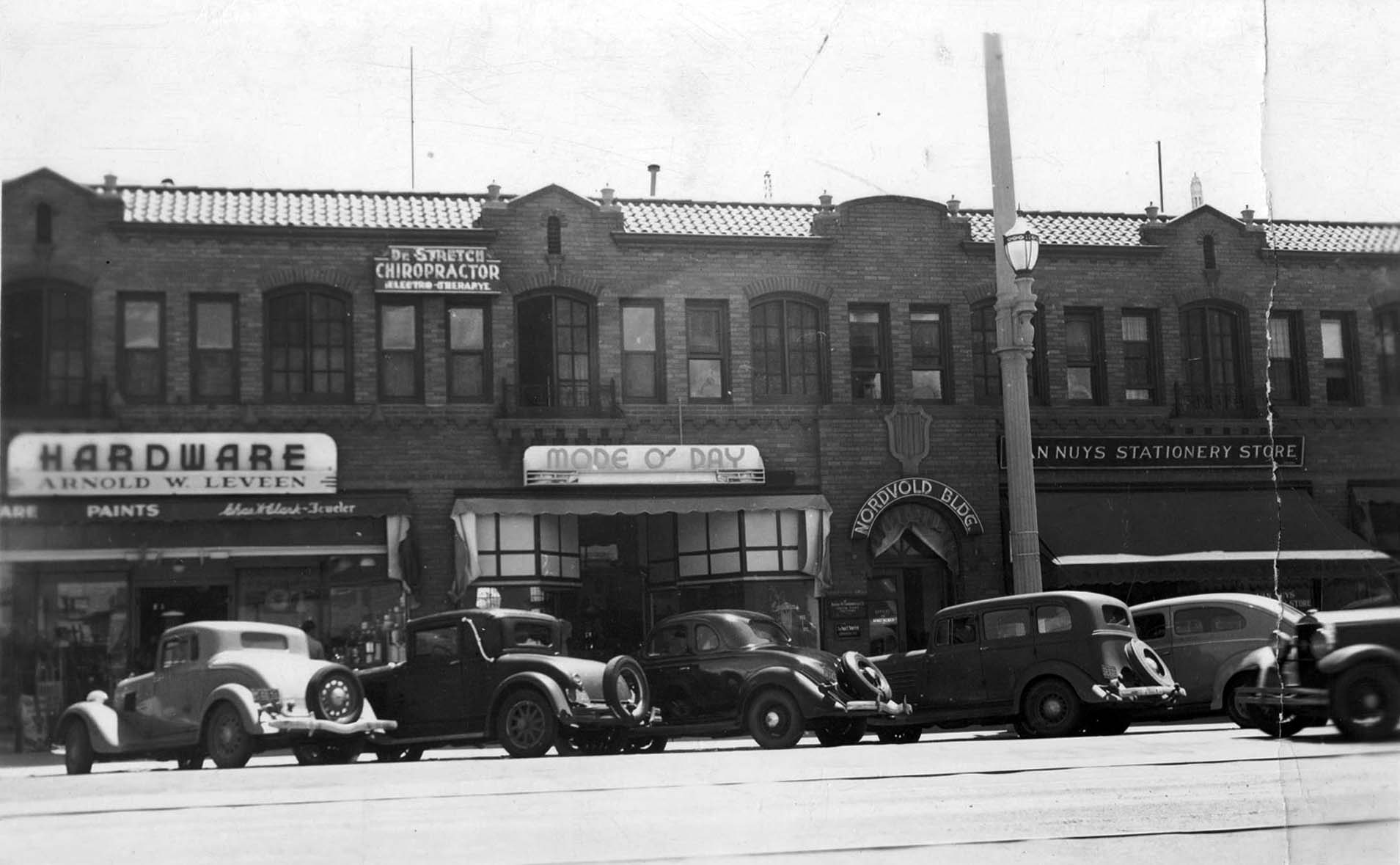
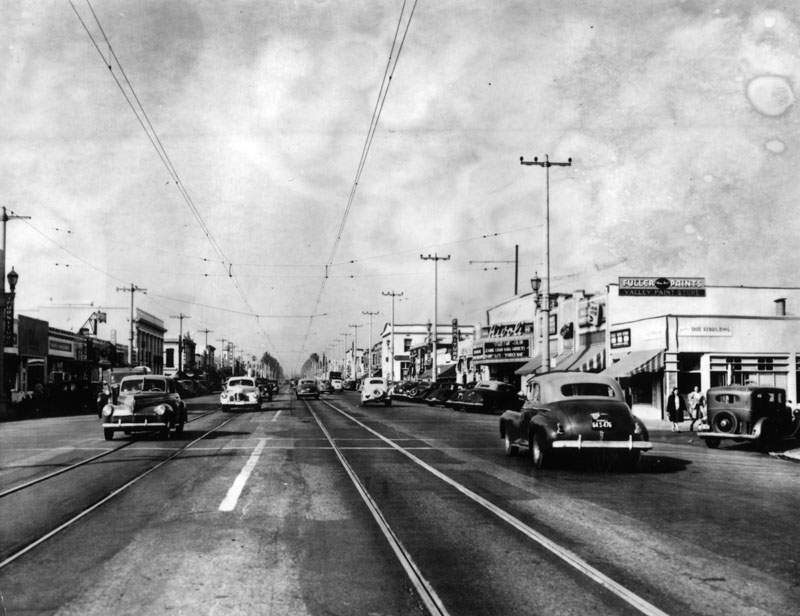
Streetcars once ran up and down Van Nuys Boulevard. Service stopped in 1952. The boulevard was widened to accommodate more cars, and vast parking lots were built behind Van Nuys Boulevard, while walls of blankness went up on the street because all activity was now behind. The street went dead.

Van_Nuys_ca1940 Van_Nuys_Blvd_ca1946DSCF2607

And now only cars promenade along the boulevard, or rather speed past without stopping.
The store, like the bank before it, is scheduled to close down.
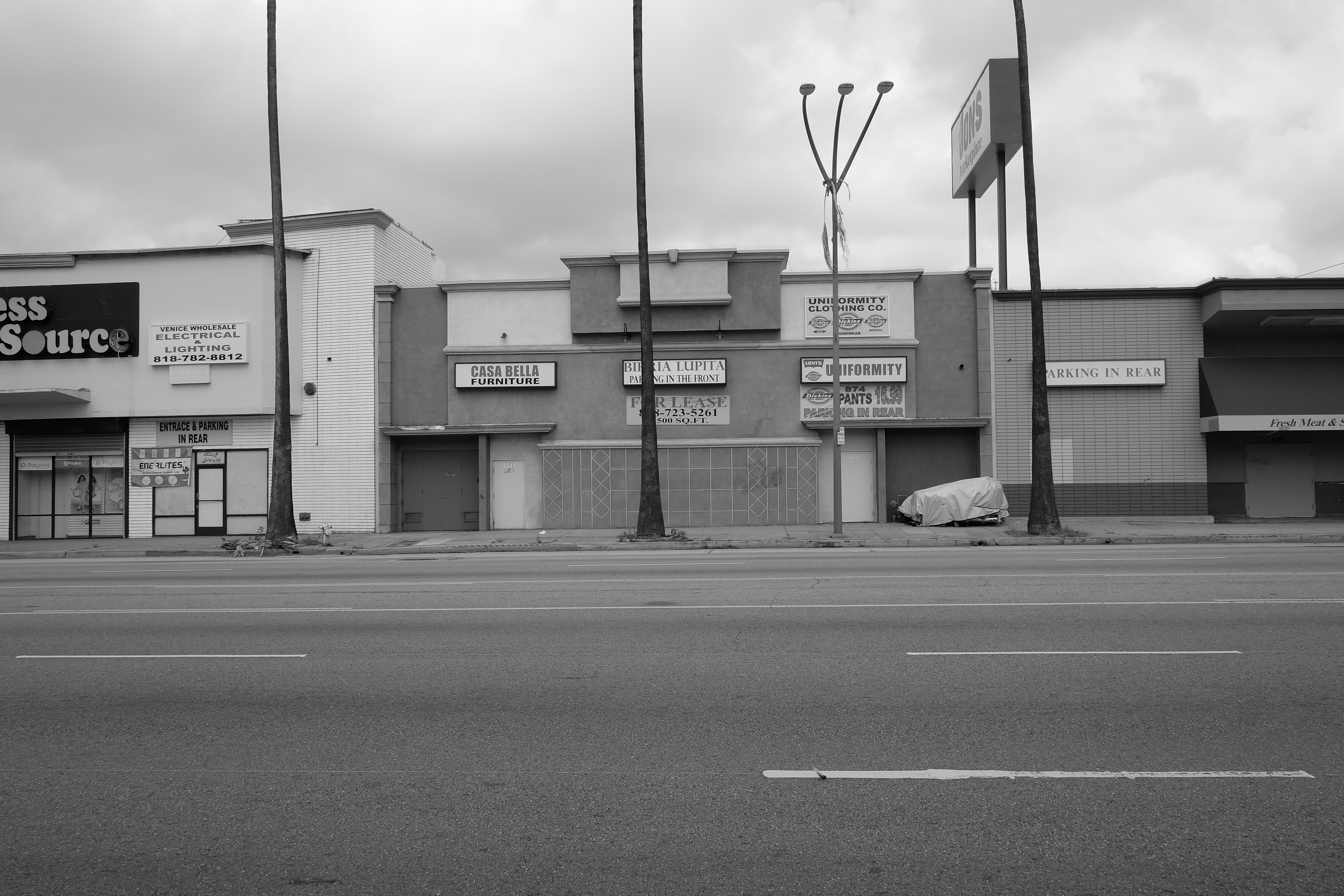
In its place, a new mixed-use residential/commercial building will be erected. The bank building, once an architectural jewel, will be bulldozed and dumped and carted away.

Perhaps a community needs to hit rock bottom to again climb up into prosperity.

If one building’s decline is emblematic of a whole area’s fall, can a new structure represent a new beginning for an entire area?

Time will tell…


Your Dogs Are Your Children.


1-Collages2

“At The Wagmor we understand that your dogs are your children. We go above and beyond the normal expectations and look for ways to make your dogs experience special. Being away from you can be traumatic and we understand that. We provide a calm, loving and supportive environment and always use products that are chemical free. We use the quietest dryers with heat control to ensure the comfort and safety of your pet. We use top of the line shampoos and conditioners and we take pride in being one of the first dog spas to offer Oxygen treatments and Aroma Therapy. While your dog is with us we will make sure he or she is happy and content. We hope you will become part of The Wagmor family.”

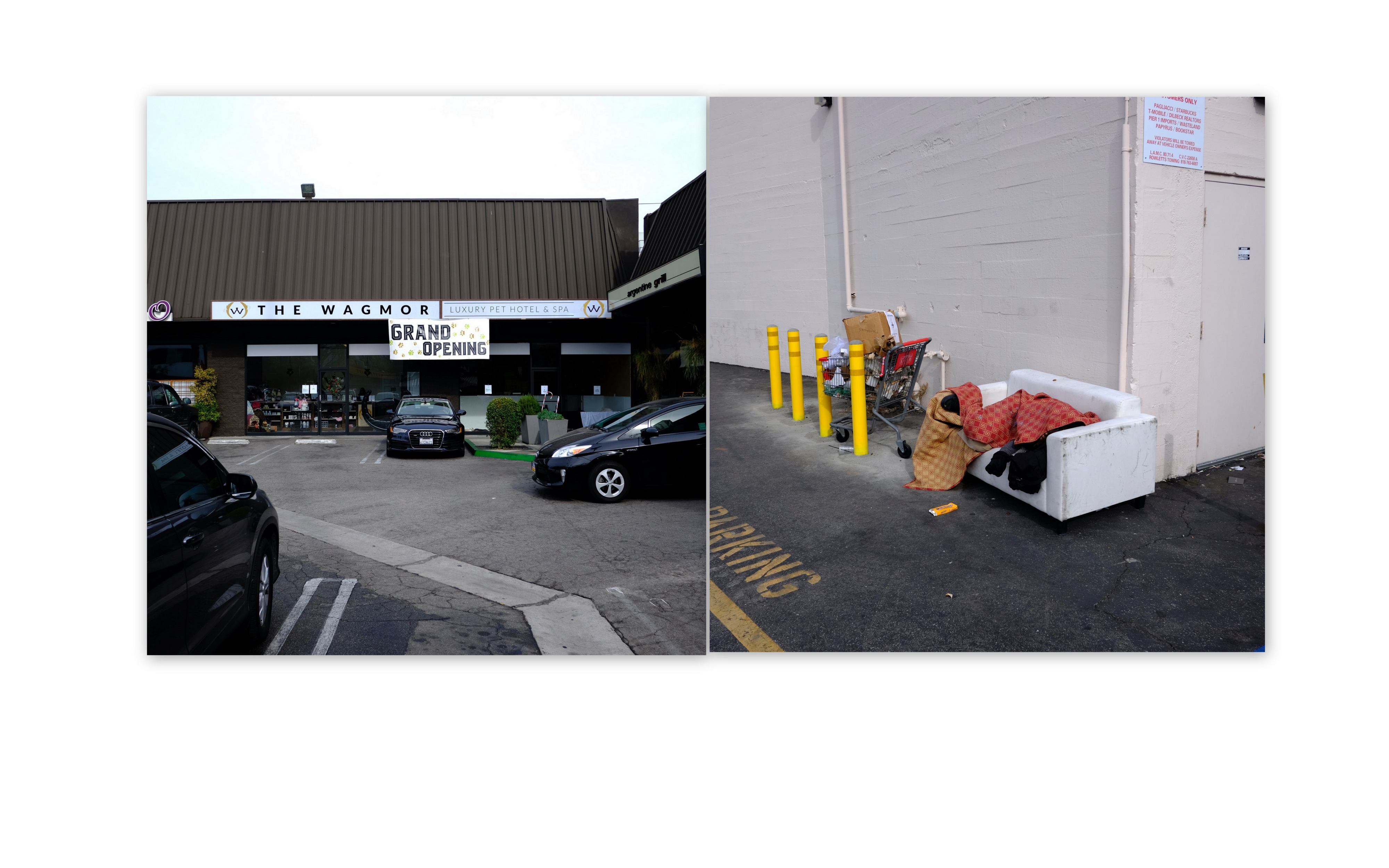
At The Wagmor in Studio City, the family dog can get a specialty haircut for $100, oxygen treatment for $18 or de-matting “for severe cases” at $60.

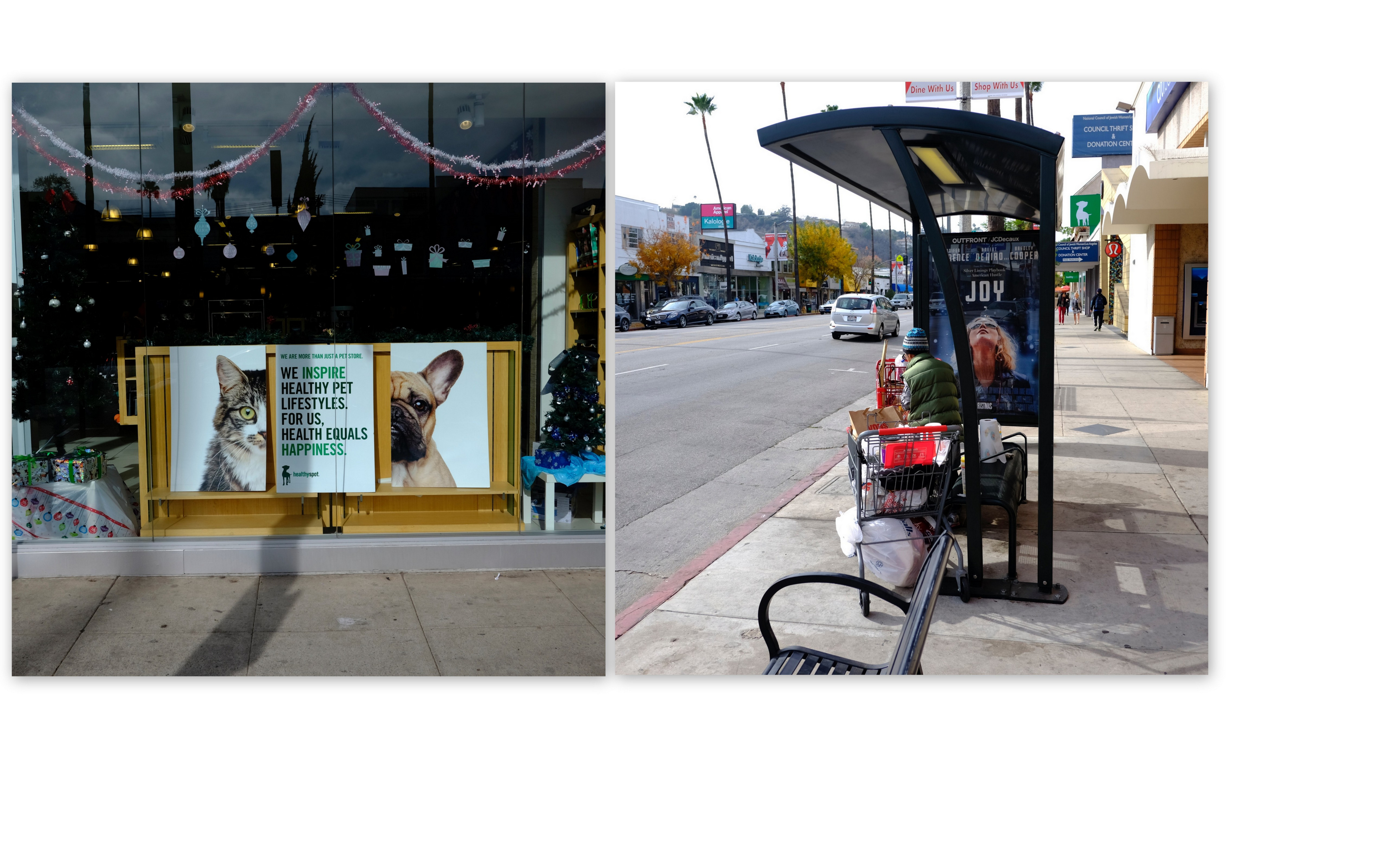
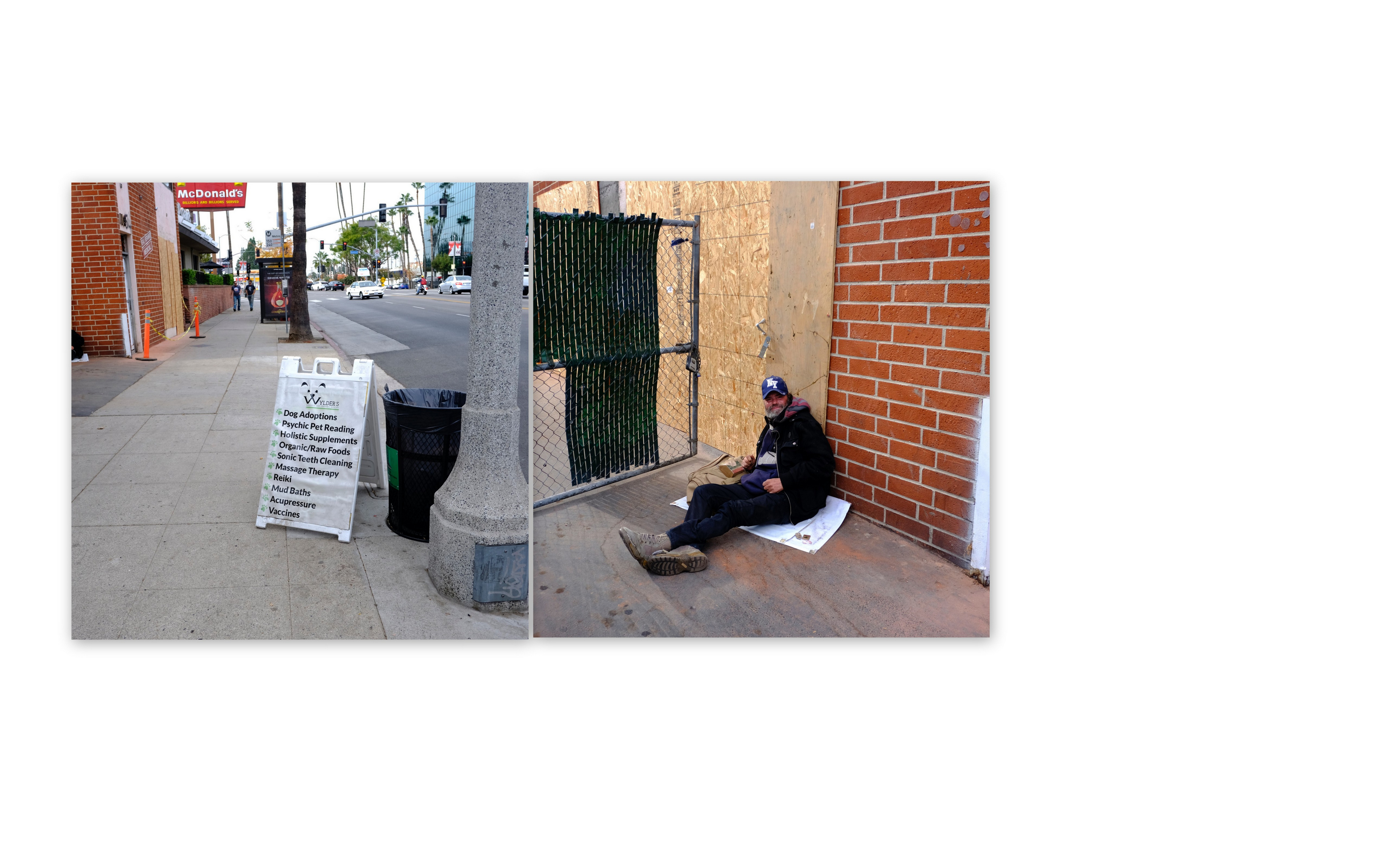
Across the street from the Wagmor, at Wylder’s, pet services include sonic teeth cleaning, acupuncture, massage therapy and psychic pet readings.

Further down Ventura, Healthy Spot offers nutrition consultations, non-anesthetic teeth cleaning, wellness clinics, pet photography and a grooming salon.

To those who are terrified of pet food impurities, Healthy Spot assures, “we understand that dogs are more than just pets; they are family. That’s why we’re committed to providing, even the most discerning pet owners, with a full range of wholesome, organic food lines as well as a wide selection of safe and eco-friendly toys, treats, training tools, grooming products, and services. We track every pet food recall and stock only the highest quality products. Rest assured, if it’s Healthy Spot approved, it’s safe.”


1-Collages 1-Collages4There are good people, moral people, and compassionate people in Los Angeles.

Some of these people might support gay marriage, universal health care, affirmative action, gun control, and organic food labeling. They are aghast at Mr. Trump’s comments about female anatomy, disabled reporters, Muslims and Mexicans.  They nuture their children. They teach them tolerance. They tell them that a transgendered teen deserves respect and understanding.

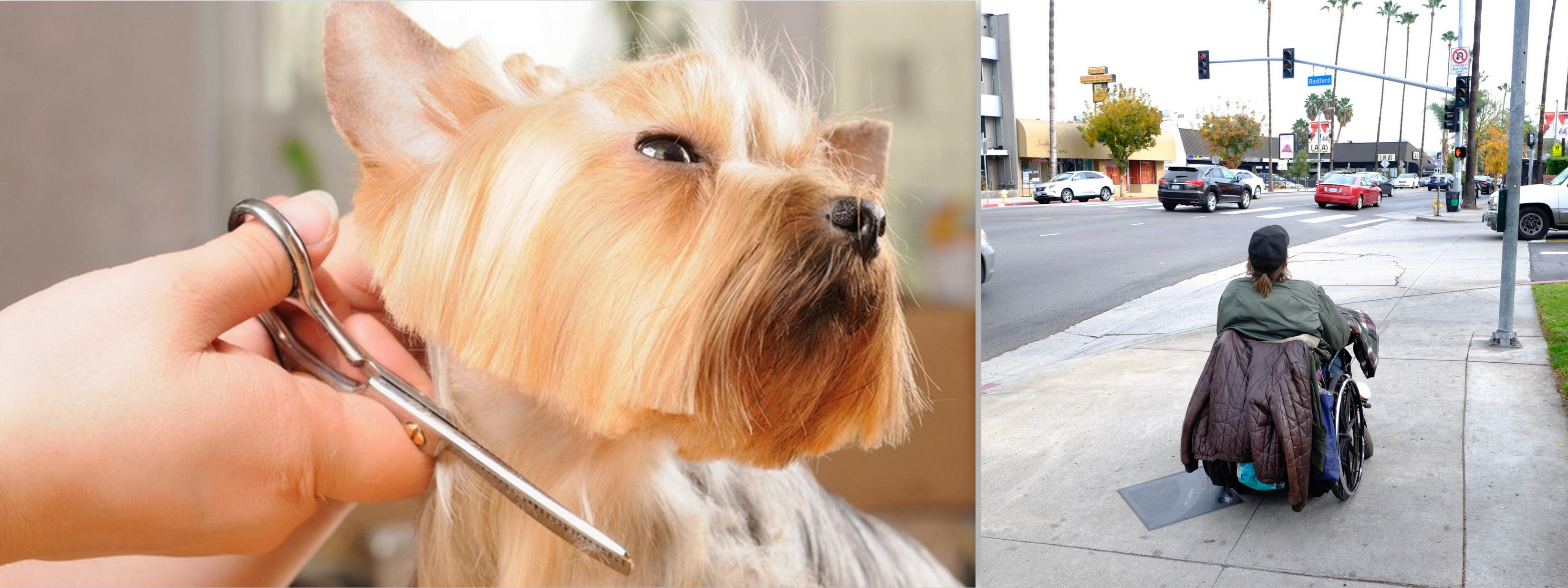
Yet what in God’s name is going on with seeing and ignoring human beings living, sleeping, eating, defecating, and wandering the streets of Los Angeles, and all around Studio City, while dogs are being treated to luxury spas and psychotherapy?

There is a woman who has lived on Ventura Boulevard making her home on a bus bench for the last year! Her home is in front of two banks, Citibank and Union Bank.

1-Collages3

People are eating out of garbage dumpsters.

They are going around unwashed and unfed.

They have mental health issues that are not treated.

They sleep in alleys, under bridges, alongside railroad tracks.

They make beds in parking lots and sleep on the asphalt.

And there are many dogs in Los Angeles who live better lives than people.

How can we drive our Range Rovers up to the pet spa and spend $200 on canine hair stylings when we can’t take care of a man or a woman on the street?

How sick and misplaced, decadent and dehumanizing are our priorities?

1-Collages1