Cindy vs. Nuri


On Tuesday, July 23rd, two women, Cindy Montanez and Nuri Martinez, will face off in a special election to decide the next leader of LA’s 6th District which includes Van Nuys, Arleta and Sun Valley.

After a dozen non-productive and self-destructive years of Councilman Tony Cardenas, the district is still one of the least appealing areas of the San Fernando Valley. Downtown Van Nuys is dying, its post office closed, its shops vacant. The Van Nuys Neighborhood Council is a long-running joke, producing theatrics and anger instead of cleaning up the streets.

Why Van Nuys should continue to suffer is one of the strange mysteries of our city.

It is centrally located, adjacent to North Hollywood and Sherman Oaks, an easy commute to Woodland Hills, Studio City and Hollywood. It is served by buses and three freeways, so it certainly does not lack transportation. On many streets there are stunningly beautiful homes often used for filming movies and commercials.

The downfall of Van Nuys, which was established in 1911, began after WII when regional shopping centers replaced mom and pop stores. The widening of Van Nuys Boulevard and Victory, the elimination of diagonal parking, the ripping down of old houses to make way for large government buildings, the influx of immigrants who were poorer and less educated, the slumlords who bought up apartments and let them decay, the emptying out of legitimate business to make way for pot shops, massage parlors and bail bonds, all of these contributed to the El Crappo aura. And basically El Crappo is all one sees driving along Van Nuys Boulevard.

Whomever wins on Tuesday, Ms. Montanez or Ms. Martinez, both ladies (I like that word) will have to dig in her heels and bring shovel-ready action to Van Nuys, and concentrate with all her might in rebuilding a civilized and thriving district that is no longer the laughing stock of Los Angeles.

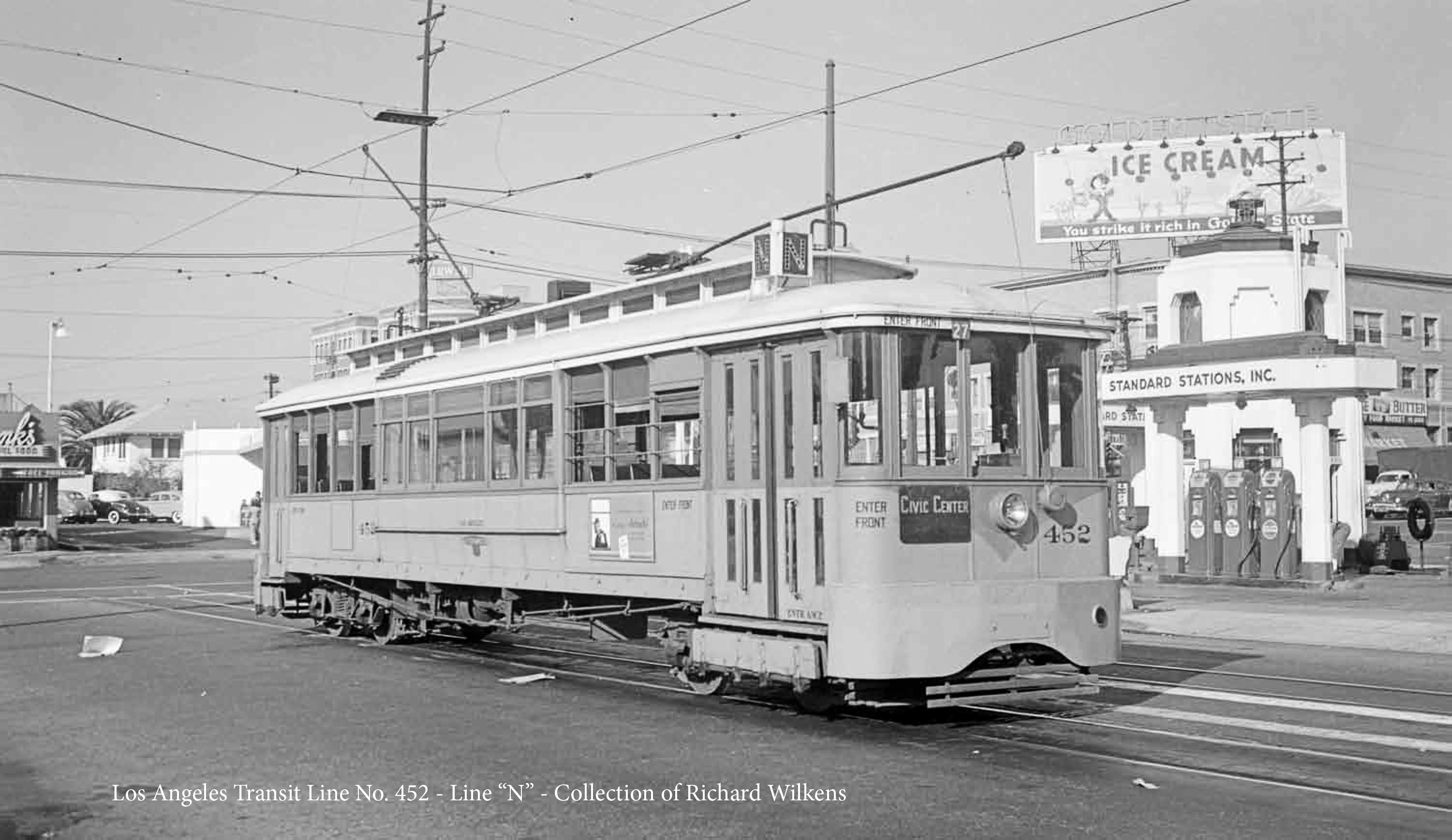
New Photos Added to Pacific Electric Railway Historical Society


RC-Wilkens-LATL-452-N-Line

The great website Pacific Electric Railway Historical Society has added some historic Los Angeles streetcar photos to its eminent collection courtesy of Robert Chamberlin Photo and Richard Wilkens Collection.

ABOVE: Their latest comes from Los Angeles Transit Lines no. 452 on the N Line service.

BELOW: Los Angeles Transit Lines no. 485 is captured on B Line service in this neighborhood location. It’s November of 1948.

RC-Wilkens-LATL-485-B-Line-Nov-1948

The Quiet Hour.


DSC_7919

DSC_7931

DSC_7918

DSC_7914

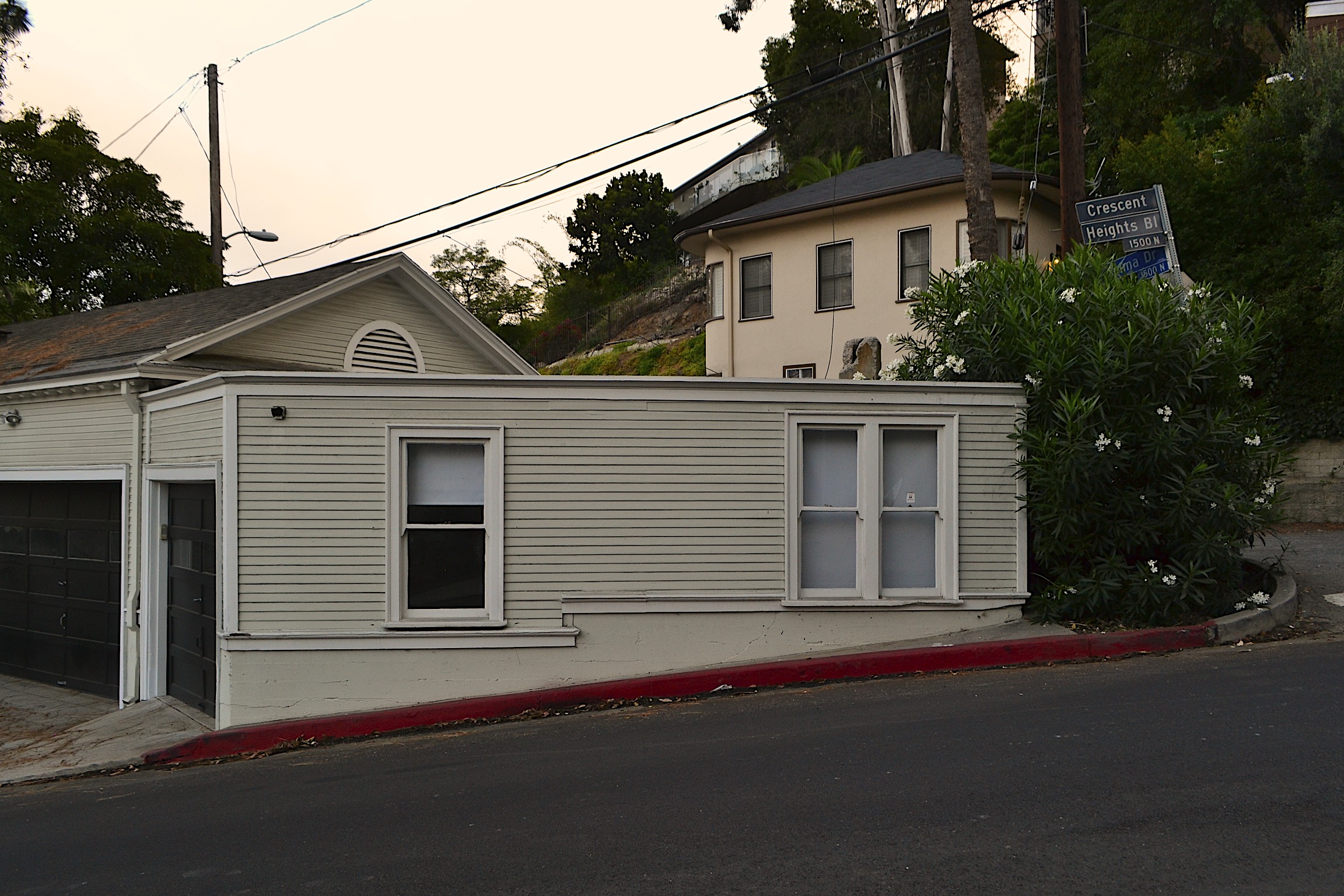
Crescent Heights at Selma

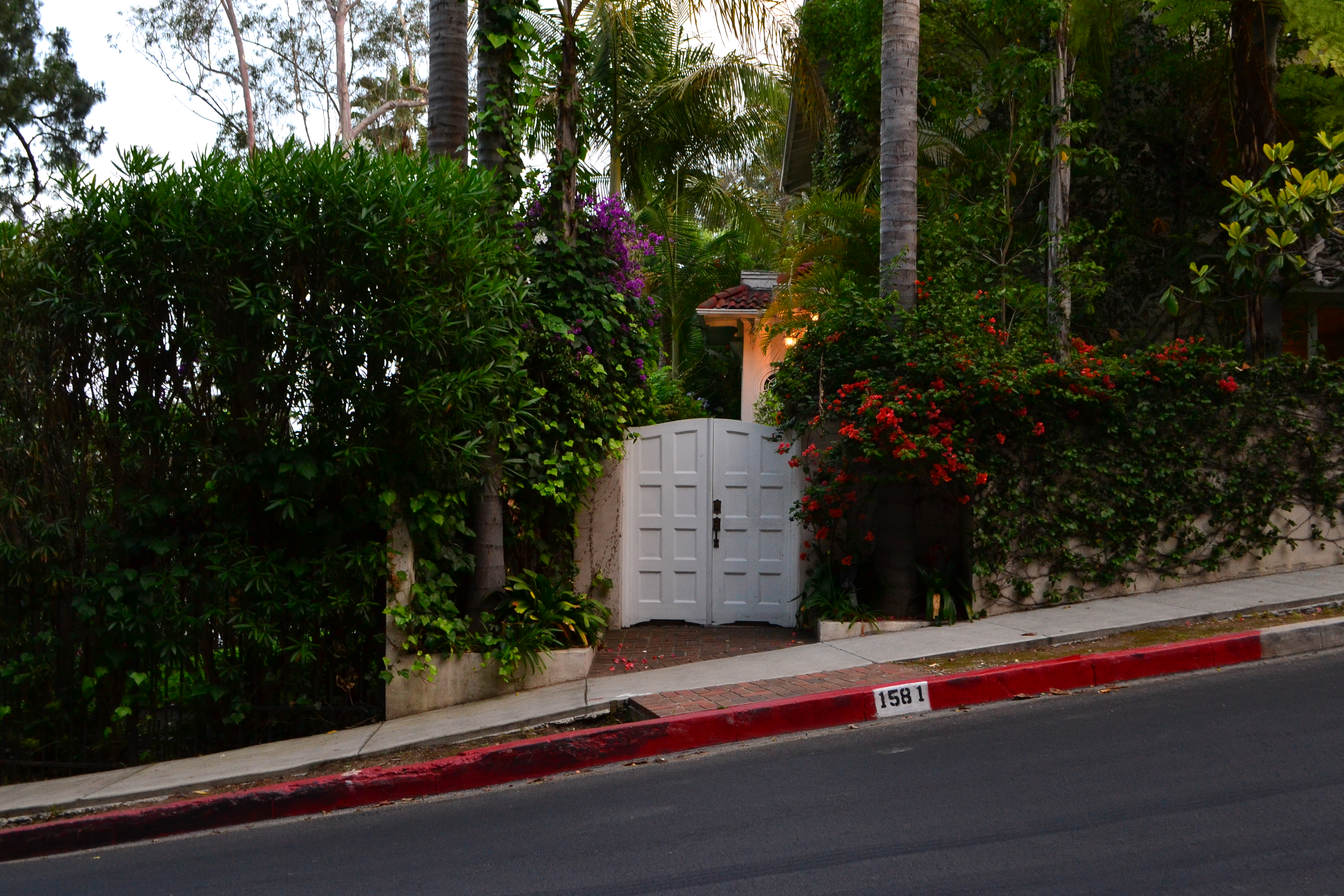
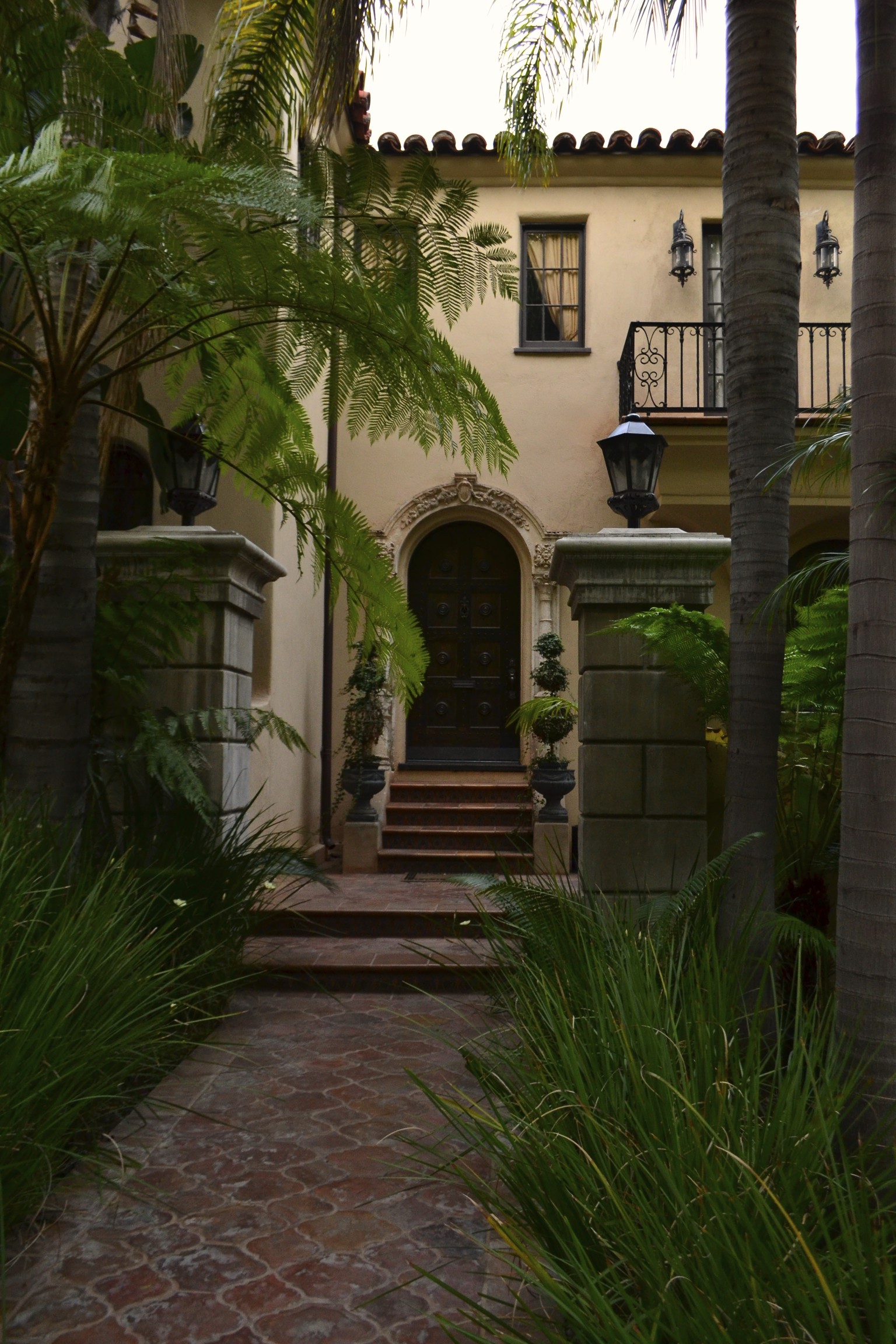
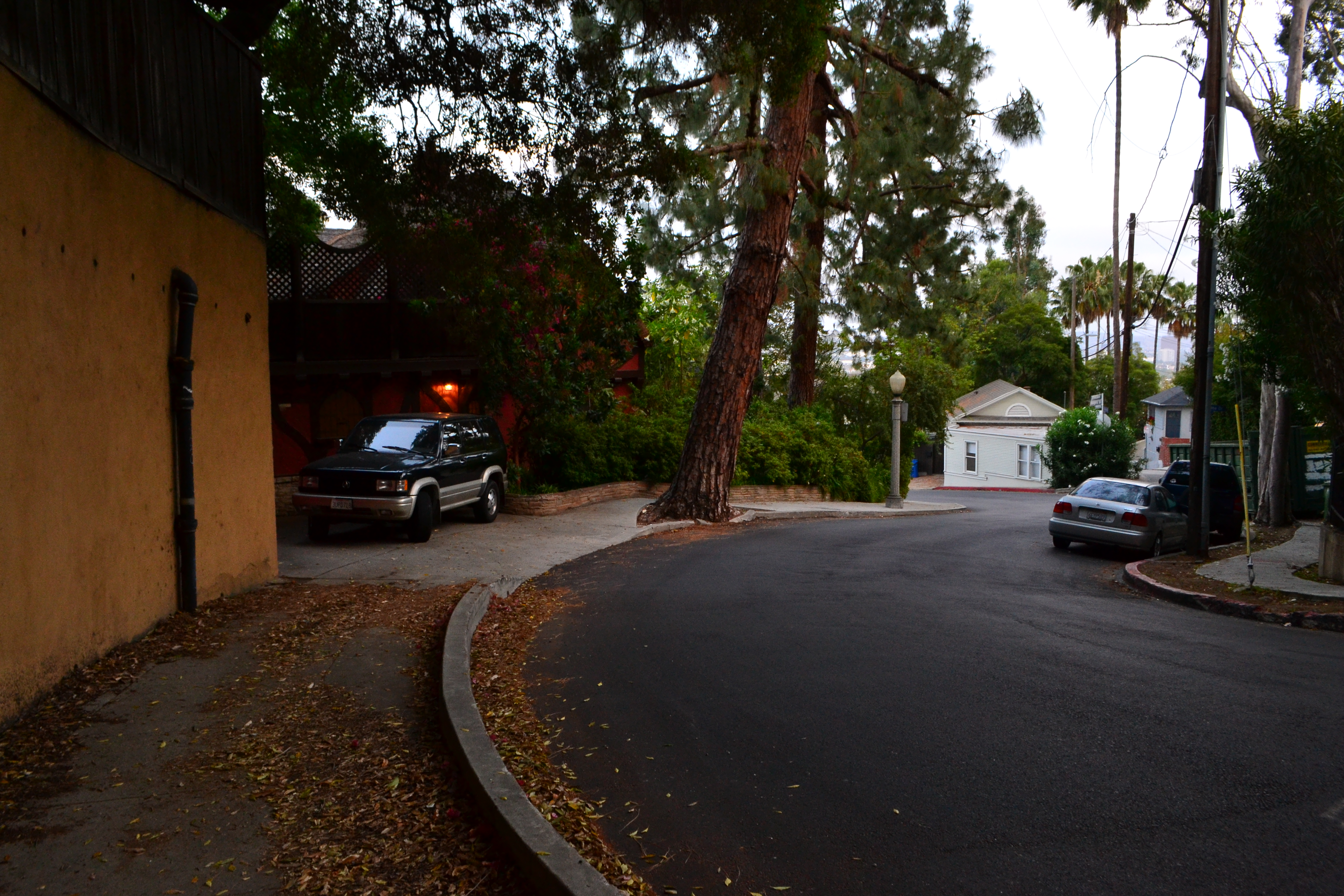
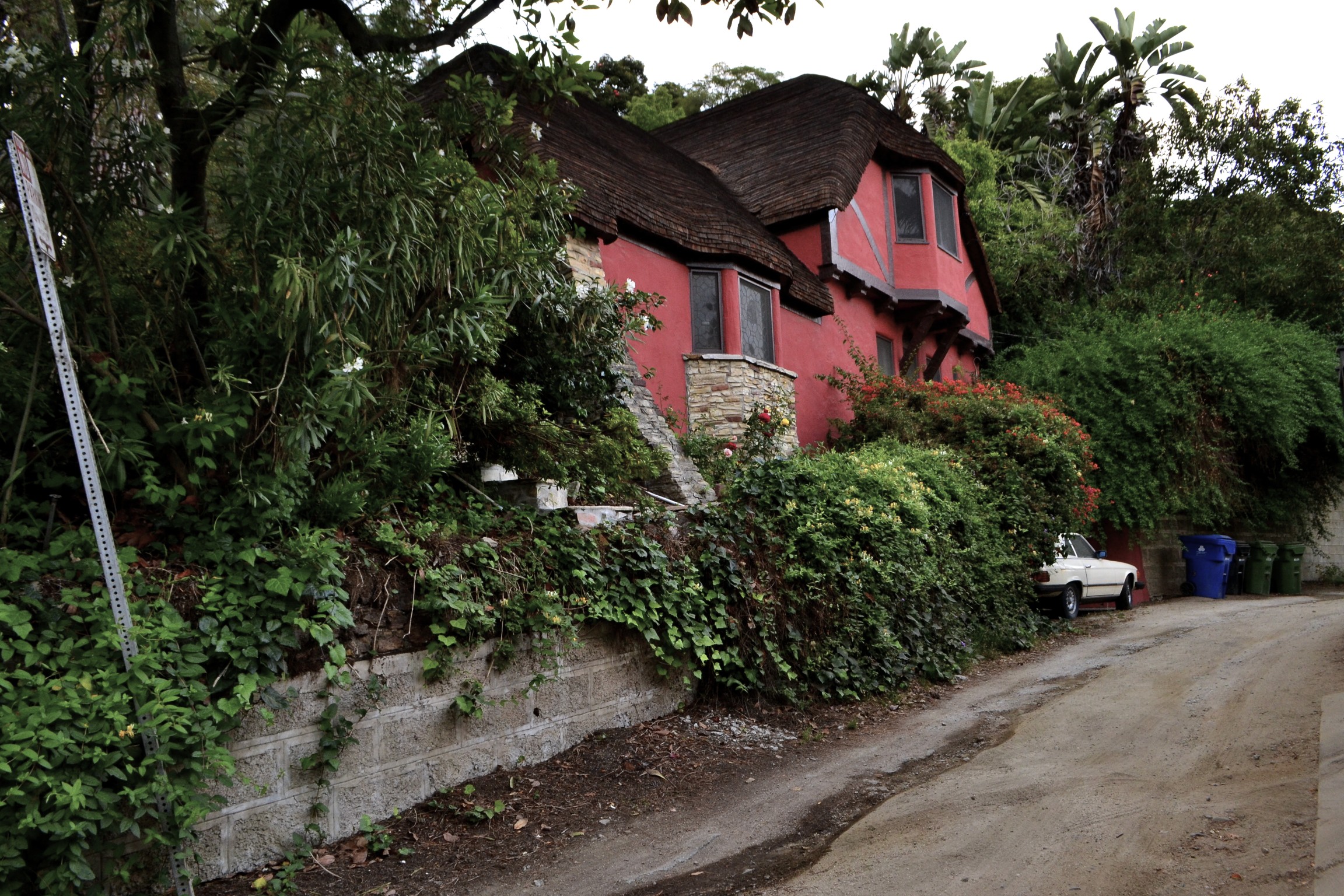
Passing through Sunset, near Crescent Heights, early in the evening, I abandoned the idea of crawling over Laurel Canyon to get back into the Valley.

Instead, I stopped and parked, a block east, and walked with Nikon up into the dark, winding, empty lush streets, meandering and mesmerizing roads, where historic houses hide people and lives behind storybook cottages, thatched roofs, and ornate doors.

This city is full of pain and struggle and disappointment.

But as long as the eyes can see, the legs can walk, the lungs can breathe, the scented and bewitching segments of Los Angeles are placed within reach; silent and mordant, mysterious and seductive, within grasp for gapers and wanderers, dreamers and photographers.

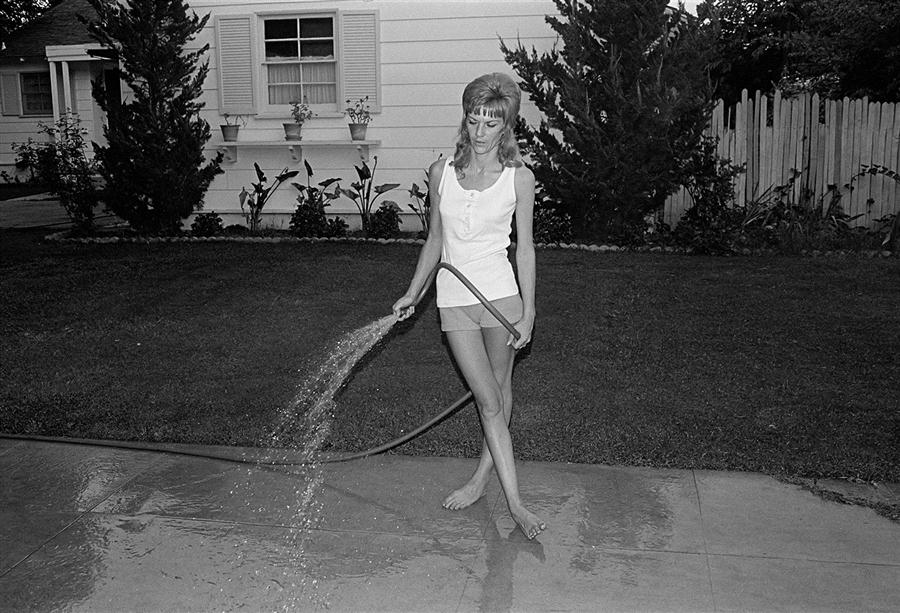
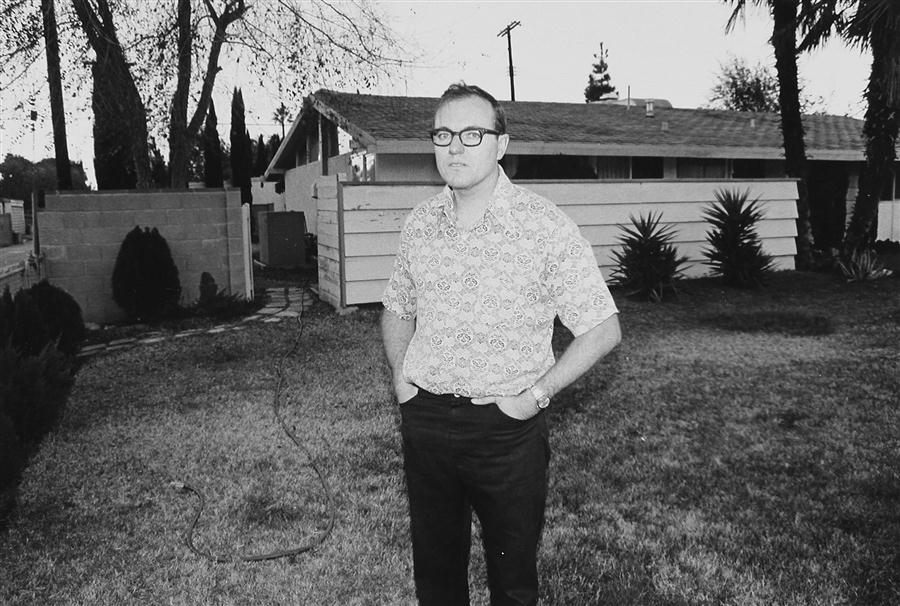
John Divola: San Fernando Valley (1971-1973)


Some interesting early 1970s photos of the San Fernando Valley, by John Divola,
are up at Americansuburbx.com

11026 Weddington St.


11026 Weddington St., originally uploaded by Here in Van Nuys.

Louie’s Liquor


Louie’s Liquor, originally uploaded by Here in Van Nuys.

Sometimes it seems, driving at dusk, on Reseda and Saticoy Boulevards, there is a liquor store at every corner.

When the heat has broken, people come out of their cramped homes and walk the street in waning daylight.

They are the faces of the world: Latinos, Armenians, Blacks, Koreans, women in hijab pushing baby strollers.

Reseda at dusk is a crummy beautiful place, a land of liquor stores and Dodger billboards, tacos and lotto, Corona and Cerveza, check cashing, bottled water, Marlboro and ice and Western Union moneygram.

America on TV is a white family in a white house with a white picket fence.

But here in Reseda, packed into thousands of apartments and houses, are the teeming people who work all day and take a little walk at nightfall.