SB 79 and Our Hood


SB 79 is a new law, authored by State Senator Scott Wiener, approved by the legislature, and recently signed by Governor Gavin Newsom, to allow the state to overrule local zoning laws and permit the construction of multi-family housing on lots which are zoned for single family housing when these properties are within a half or quarter mile of a bus or light rail stop.

In Los Angeles, the law will allow much denser and higher development along not only wide boulevards, but inside old, intact, single-family streets, “side streets” which never had apartments or multi-unit housing.


A guide to the law along with maps is here.

Tiered density: The allowable height and density for projects are determined by the quality of the transit stop and the project’s proximity to it.

Tier 1: Applies to projects near high-frequency commuter rail or heavy rail transit, like BART and LA Metro.

Tier 2: Applies to projects near light rail and bus rapid transit lines.

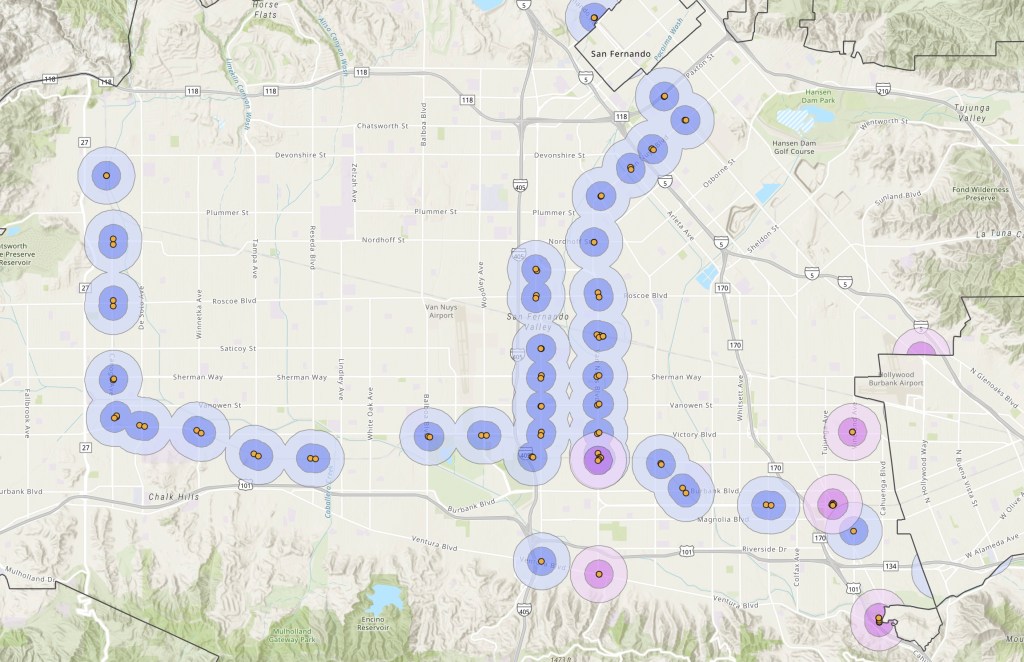
Along Sepulveda and Van Nuys Boulevard the proposed zoning map looks like purple bullet holes that radiate from transit stops. These circles are centered around the transportation stops and take no consideration into the historic or local character of any neighborhood. 

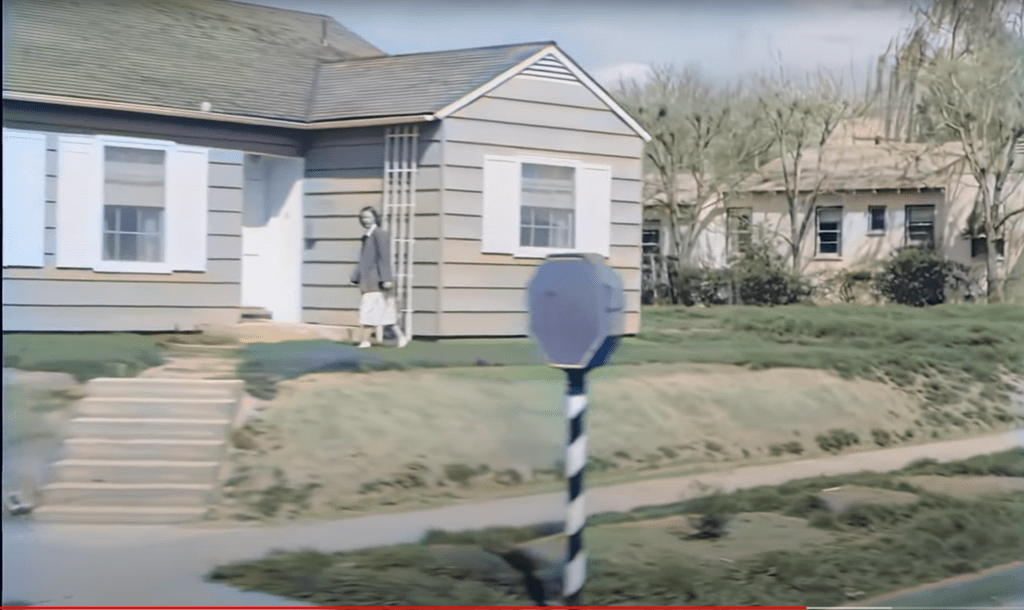
For example, I live on Hamlin Street which is a “Tier 2” zone because we are within a ¼ of Sepulveda Boulevard bus stop. My street, built on old walnut orchards, from 1936 onwards, is lined with palm trees, and then curves along with oak trees. The street has two-hour parking because of its proximity to Van Nuys High School.

If the law succeeds, my section of Hamlin Street would allow 65-foot-high buildings (six and half stories).

But the part of Hamlin Street a few hundred feet east from me would remain single family.

West of Sepulveda, south of Victory, is the beautiful and often filmed Orion Avenue with large colonial style houses planted with rose bushes and ranch fences, the location for many commercials seeking “a typical American street” that doesn’t exist anymore. With SB 79, the east side of the street could be obliterated with apartments that destroy the very beauty residents and film makers pay dearly for.


Yesterday, I had a real life encounter of what Hamlin St. and other locations nearby could become when I parked my car near 3052 West Boulevard in the Jefferson Park neighborhood of Los Angeles, east of Culver City. I was there to visit a new, multi restaurant creation, Maydan Market.

This area was given an economic boost by the Expo Line, a light rail system that connects downtown with Santa Monica. The good parts are investment, cleaner streets, the lowering of crime and the raising of the cultural and civic activities. 

The ugly parts are the disfiguring, ad hoc apartments that pop up on formerly coherent streets of 1920s bungalows. My eyes hurt looking at 3045 West Boulevard, a black and gray box suspended over a cinderblock faced garage, with a massive four story high open-air staircase on the side of the building. It looms like a monster over the street, with no respect or sensitivity to the vernacular that had existed here for 90 years.

Am I a hypocrite for decrying liberalized zoning that will change my backyard? Yes, I am. Sort of.

This blog has argued for years for the construction of new, multi-family buildings to replace unused parking lots behind abandoned shopping centers, or where there is a sea of asphalt like the Orange Line parking area along Sepulveda which was constructed for thousands of vehicles and is now empty.  I have fought for the idea of an architectural, coherent, community wide style that would incorporate history and embrace modernism but do it without destroying but enhancing the community of Van Nuys. 

And I’ve always cast a cold, unforgiving, forensic eye on the political neglect of Van Nuys by elected officials who seem to always be performing social media acts of kindness for oppressed groups while neglecting the needs of residents in this district. 

There are commercial zones galore that cry out for taller residential buildings along the wide boulevards of Van Nuys and greater Los Angeles. The one-story tall shops with parking lots in front are so defunct and useless that their very presence destroys civilized life and endangers the health of pedestrians. 

There are blighted buildings, such as this one at 7101 Sepulveda, that have been empty for years, packed with derelicts, unable to be demolished, yet crying out for replacement. As a bitter pill, the residents in the tree lined, charming, quiet streets behind must now expect multi-family housing to replace their 1940s ranchettes.

What do our elected leaders in Sacramento do with the quandary of building more housing? They embrace a fantasy of destroying single family homes and backyards. 

Will your neighbors and you, the elderly couple in the corner house, desire to ride buses (with homeless, drug addicts, crime?) and come home, late at night, from a bus stop on Sepulveda, and enter a new world of yet more cars, loud music, marijuana, dumped mattresses, and YouTube/TikTok/OnlyFans influencers smoking on the balcony next door? I doubt it.

Is that the paradise of tomorrow? Circles on a map, purple splotches of political malfeasance, indicating nothing but more mayhem, disorder and chaos.

I hope I’m long gone, either from life or Van Nuys, before this happens. 

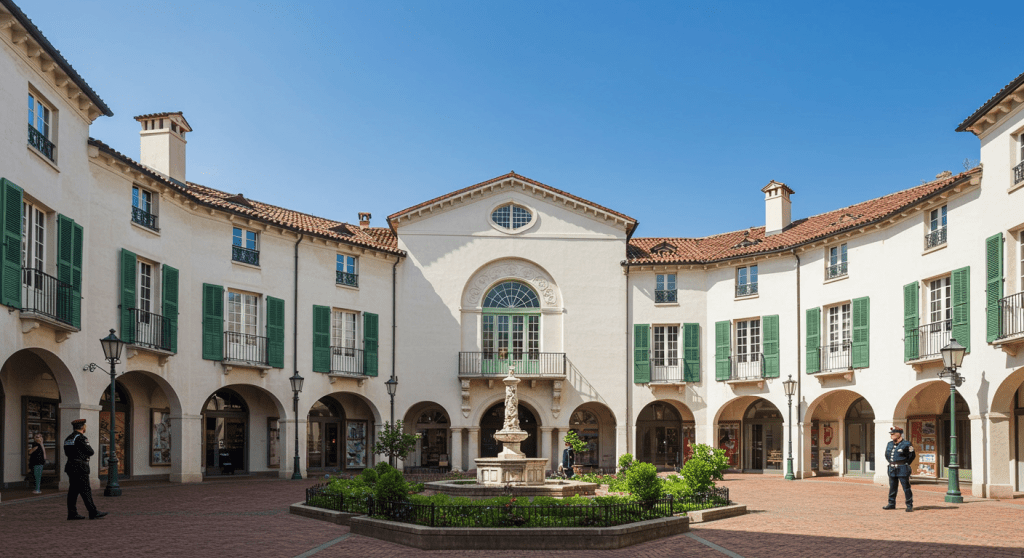
Turin Style Architecture in Van Nuys.


Above illustrations by Gemini AI


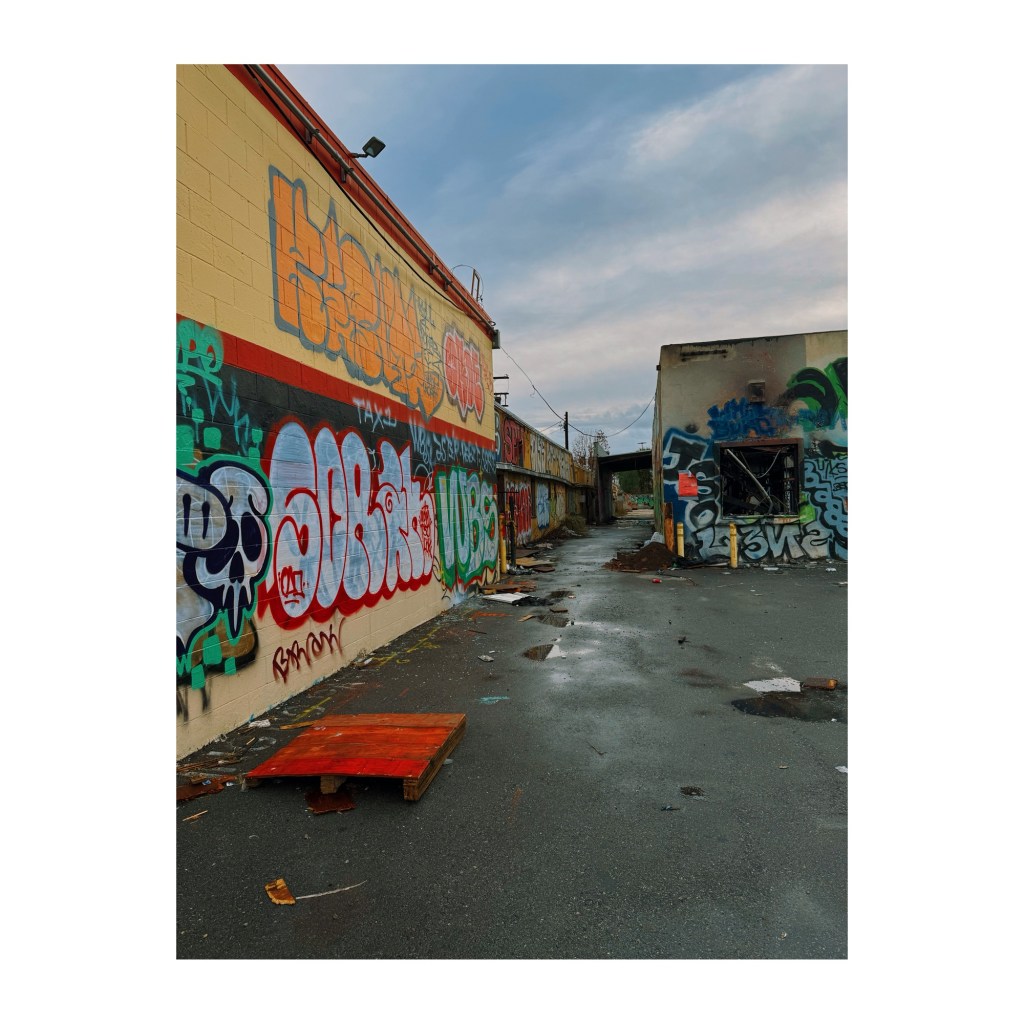
Much of commercial Van Nuys is in the worst condition of its 115-year-old history. There are empty stores, enormous parking lots with no cars, and trash camping everywhere.

What could replace all this and what kind of architecture would protect us from hot sun and occasional rain? The answer might come from Southern Europe.

Last year I spent five days in Turin, Italy, a metropolitan city of 841,600 in the NW of the country.

It has remarkable architecture, which was mostly built in the 18th and 19th Century by the Savoy Family in a unified, Neo-classical style.

The city has a series of arcades and long, shaded passageways, that protect from rain and sun. The arches along the ground floor provide a unifying effect that harmonizes all the buildings and anoints the urban environment with a regal and practical building style.

There are numerous courtyards, public and semi-private, which are encased by three and four story buildings.

Here are some photos I took in October 2024:

Valley Plaza Declared a Nuisance.


Anyone driving past the ugliness and waste that is Valley Plaza has never failed to notice how forlorn it is.  Or maybe it is so bad that nobody notices. Perhaps that explains why only now are the people in power proclaiming it’s time to demolish it.

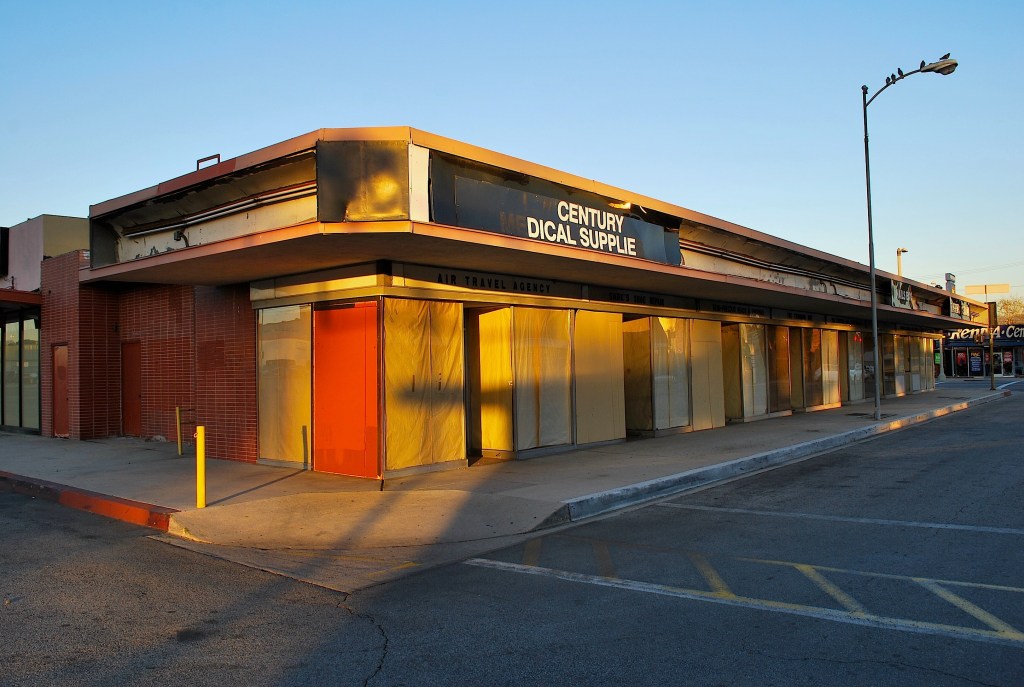
A classic of mid-20th-century convenience, the one-story buildings, centered around an interior parking lot, once held a variety of affordable places to shop, eat and see movies. You went here to buy sneakers, donuts, corned beef or get your shoes repaired. It was humble and tidy, probably until the 1980s.

The quaint idea of entering a place of business by placing it on the sidewalk, along Laurel Canyon Boulevard, with a storefront and parking in back, was utilized by architects.

Photograph caption dated April 3, 1957 reads, “At strategic points in the Valley Plaza shopping area are these attractive new signs. Viewing the completed project are, left to right, Norman Caldwell, manager of May Co., Valley; Bob Symonds, realtor; John Hawkins, manager of Sears Valley store; Miss Anita Gordon, honorary mayor of Valley Plaza, and Verne Tullberg, manager Alexander’s Market.” (LAPL/Valley Times)


Photograph caption dated June 14, 1955 reads “Serving first customers at newly opened Schaber’s Cafeteria, 12141 Victory Blvd., Valley Plaza, is E. A. Schaber, owner. In line, from left, are George Thatcher of Occidental Bank; Bob Marsch, vice chairman of Valley Plaza Retail Merchants Association; Pearl Winter, association secetary (sic), and North Hollywood Chamber of Commerce Vice President John Hawkins, manager of Sears. Schaber’s cost $500,000 to build, will seat $350 (sic).” (LAPL)

Then the 1994 earthquake struck and it was downhill for the next 31 years. 

Of course nobody shops in person anymore, nobody enters a store to pay for something, they just walk out with it. And then there was Covid which made it normal to destroy commerce in the name of safety. And then there is safety which doesn’t exist when 100,000 vagrants sleep on the streets and camp out in public to make mockery of anything resembling human dignity, civic pride or law and order. 

Now the powers that be, the esteemed “Board of Building and Safety Commissioners voted to declare Valley Plaza, a once-popular mall, a public nuisance,” wrote the LA Times on August 19, 2025, nearly 16 years after the photographs at the end of this page were taken.

When it comes to cynicism about how poorly Los Angeles functions, so many big, egregious problems come to mind: Drag racing takeovers, mass shoplifting parties, red light running, speeding, vandalism, arson, burglaries, fires, trash camping, influencer parties in mansions up in the hills, the nightly car chases, the daily shootings, the dumped furniture in the streets, the fuck you every teacher hears in their classroom. 

Valley Plaza, a 17-acre site of wasteful nothingness besides the 170 freeway, is yet another example of an LA non-use of land that might otherwise be a pleasant community of housing, shops, parks, and nature. 

Nobody would come here during the day, nor would they come at night, and why nobody in power, for more than 3 decades, cared for the residents who live nearby is beyond contempt. 

“The empty structures of Valley Plaza are a burden on the city’s police and fire departments, which continually respond to calls, said City Councilmember Adrin Nazarian at a Building and Safety Department Commission hearing Tuesday,” was another quote from the LA Times.

It’s also a burden aesthetically, and functionally, to have dozens of boarded up stores and an empty high rise right next to a freeway. 

Today it’s 102 degrees in North Hollywood and wouldn’t it be nice to go to the Valley Plaza Community Swimming Pool or sit and sip an iced tea at Starbucks Valley Plaza, or go up to your spanking new apartment overlooking the village green at Valley Plaza? And those beautiful, landscaped grounds with so many lovely flowers and noble oak trees, alongside brick walking paths and wooden benches. It’s 2025. Maybe we can look at 18th Century Savannah, Georgia for some futuristic ideas of city planning.

What might it be to have civilization on site for the residents of North Hollywood who live near Laurel Canyon and Victory? We can never know the answer because we live in a syndicate of corruption, filth and double dealing, a malicious playland of bribery, lawsuits, zoning, political espionage and wanton inhumanity.

I went there as a curious wanderer on December 23, 2009 to photograph the boarded-up buildings as they closed out another day, unaware that this urban cemetery would still be alive a decade and a half into the future.

Concepts for Clustered Housing and Park Near Orange Line. Part 2.


East of the 405, south of Erwin, west of Sepulveda, north of the Orange Line are 12 acres of asphalt paved parking which was constructed in 2004 by Metro Los Angeles to accomodate a large of amount of parked cars that never arrived. These vehicles were, illogically, imagined to be driven by those bus riders who would then park their cars and take the Orange Line!

For many years, the car dealers of Van Nuys Boulevard rented the parking lots of Metro, in an obscene arrangement of prioritizing automobile storage over the needs of Angelenos who are ravenous for housing, parks and other uses of land which are not parking lots.

The auto dealers’ cars are gone. But the parking lots, weed-filled, empty, and providing nothing of aesthetic or functional use to the community, just sit and decay in the sunshine.

The environment around the parking lots is lovely to the north where the frequently filmed street of Orion Avenue presents an imaginary vision of Americana with its ye olde New England architecture, picket fences, and abundant rose bushes.

But Sepulveda is a mess. CVS (Erwin/Sepulveda) is a rundown, ugly, homeless encampment drug store, on its last legs, with empty shelves and anything on the shelves frequently swiped by shoplifters.

The 405 is the noisy, polluting, cancerous fact of life that provides deafening, daily helicopter, truck and automobile noise and air pollution to the community. It has been blocked out by sound walls to assure our waning sanity.

And to the south of the site where the empty parking lots sit, is the Orange Line Bus Route, soon to be turned into electric light rail line when a new transportation line is completed connecting Van Nuys Boulevard to Pacoima.

Everywhere there is trash, homeless, RVs, illegal dumping, tent cities, discarded fast food wrappers. The usual tale of Van Nuys and greater Los Angeles.

What can be done to transform 12 empty acres into something that enhances and uplifts our community instead of just using it for exploitation and degradation?

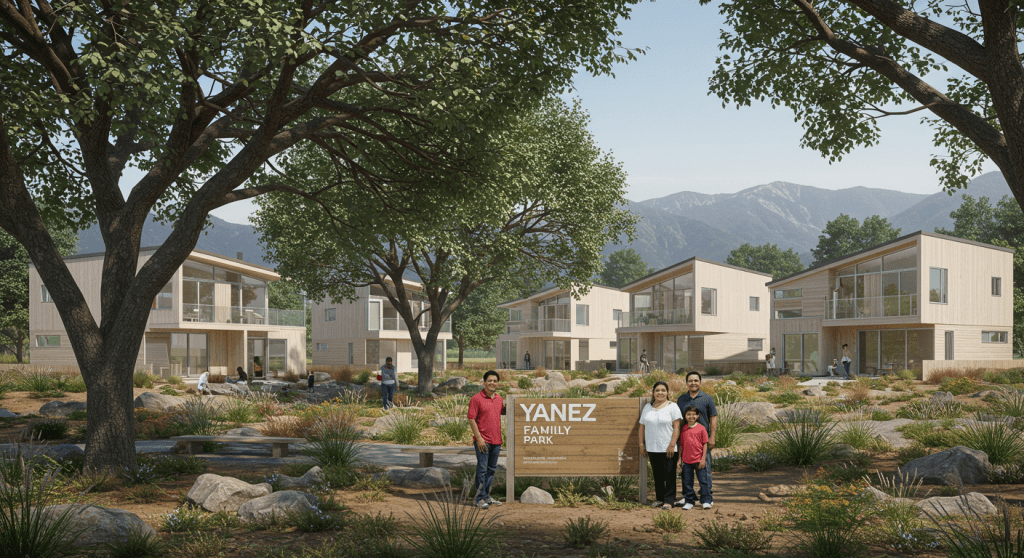
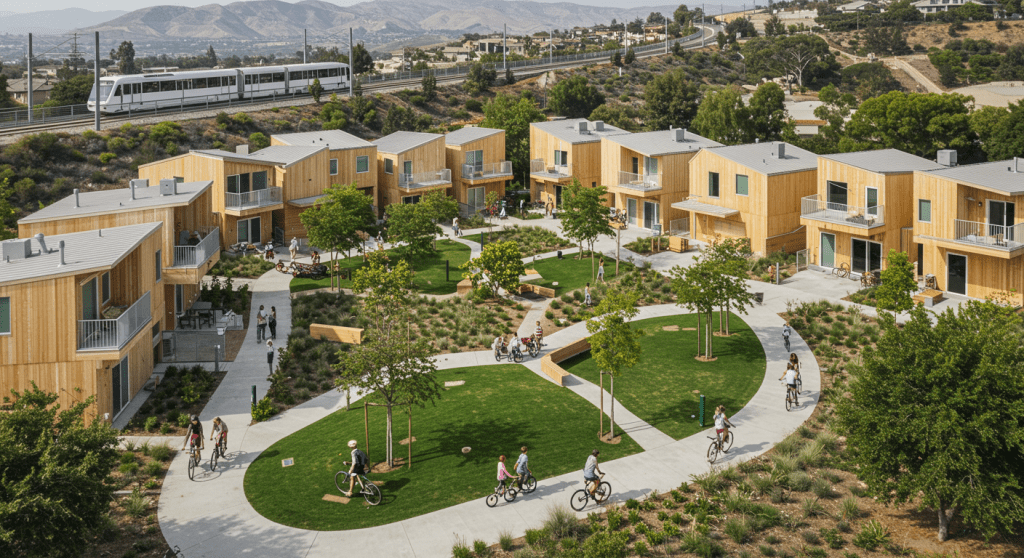
A possible answer is a residential area with parkland. These would be architecturally designed and environmentally friendly, and become an asset because their residents would assist in the care of this new neighborhood.

Family Run Parks

If the city were to devise a plan to have a family (which lived in one of the homes) run the upkeep of the park for a salary, based on a performance review, then it is more likely that the parkland would be cleaner, safer, and better maintained, unlike the sickeningly disgusting public parks that bring Los Angeles ridicule and shame like MacArthur and Westlake.

Having the people who use parks or schools clean the parks or schools they use, is something that the Japanese practice in their spotless country. It is an imported idea that could bring an upgrade to our city.

In any case, the transformation of the 12 acre parking lots should be done with sensitivity, care, and with the idea of providing recreation, housing, shade, and pleasant surroundings within a walk of public transportation.

To make these architectural renderings a reality, there will need to be rules, enforced rules, about what kinds of behavior will not be tolerated. This will perhaps be the most difficult part of the experiment, for we are far down on the road to hell in a city of red light runners, loud music, all night parties, marijuana moms, pizza boxes and McDonalds thrown along the curb, and the vagrants who ignite fires in the parks. To see discarded sofas and mattresses on the grass, or shopping carts with cans and bottles, and refrigerators on balconies will obliterate the possibilities of paradise.

Concepts for Clustered Houses Near Light Rail.


Orange Line Metro Parking Lot at Sepulveda/Erwin

There are currently vast expanses of unused asphalt parking lots that run along the Metro Orange Line. One of the largest of these is near Sepulveda and Erwin.

This area could be developed as a lovely, walkable, residential area.

Instead of the hot sun beating down on asphalt, wouldn’t it be nice to see the houses below which could be an enhancement to the community instead of the current blighted condition of the fenced off concrete?

Classical Houses.


It’s been perhaps 90 years since Americans built well proportioned classical houses.

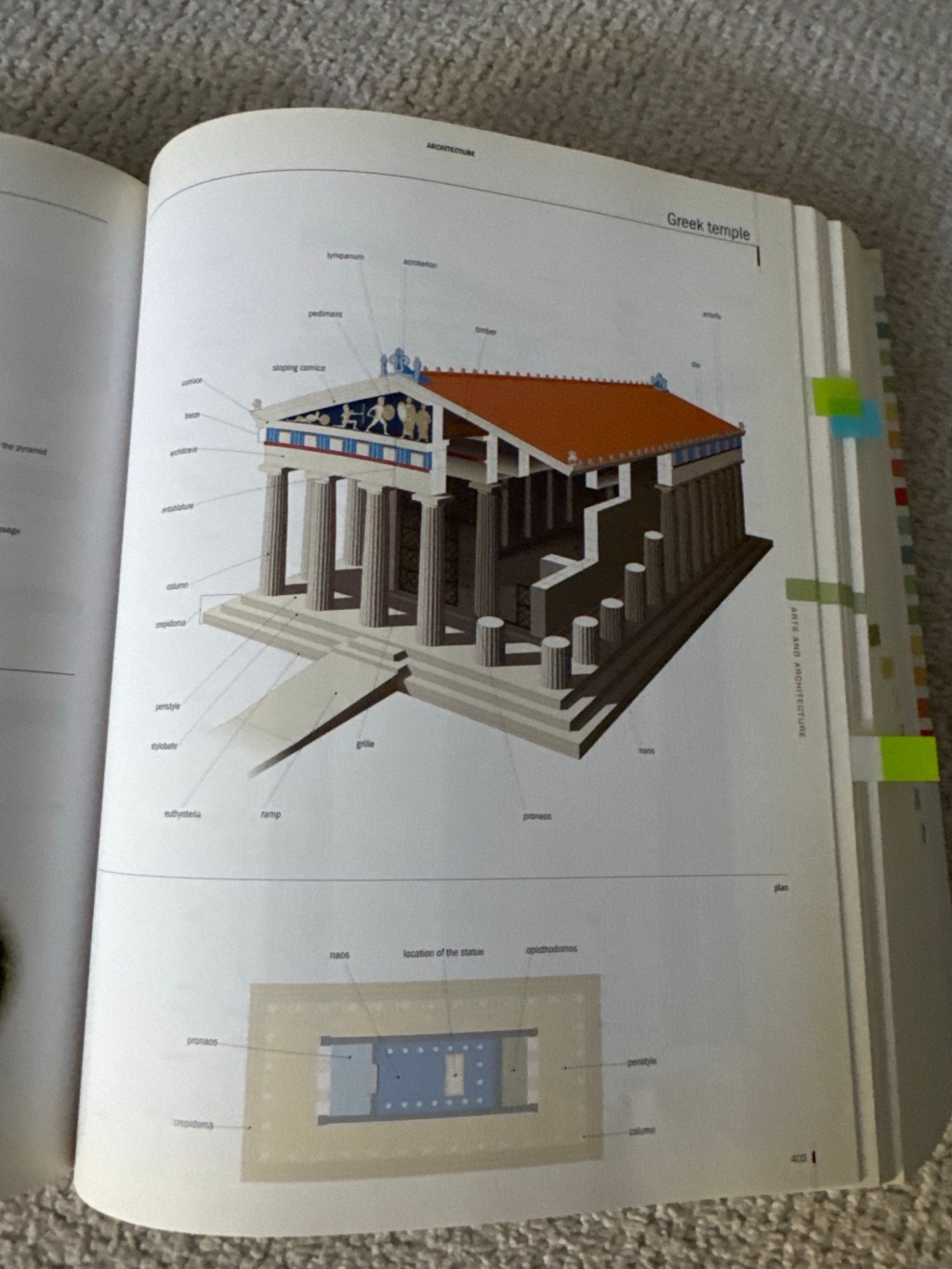
These are houses where the elements are pre-ordained: the windows are aligned with each other, and are placed within the facade to achieve balance and symmetry. The doorway is defined, frequently in the center, and around it are placed ornamental designs originating in Greece and Rome.

Columns in the Doric, Ionic or Corinthian orders have specific instructions as to their placement. They aren’t just slapped onto a facade as we see in modern day Encino.

In California, when builders put up spec houses they are never able to afford classic design because the intrusion of garages destroys the facades. Ironically most garages never store vehicles but are a repository for storage.

The plain white stucco house with vinyl windows is the lowest and most ubiquitous type of spec house. About a dozen of these have sprouted up in my neighborhood in the last ten years.

There is obviously no attempt in these cases to make the houses attractive in a classical sense. They are rafters and insulation and stucco made for desperate times. Nobody can really afford to build them, and nobody can afford to buy them, so we have a sad story of expensive prices for crap.

The one on top is three bedrooms with astroturf patio and rents for $7,000 a month next to a graffiti splotched alley.

The exploitation of land to build exploitative housing that hardly houses anyone is one of the ills of Los Angeles. For there are enormous plots of parking lots and open land, especially near the Orange Line, where walkable, civilized and attractive housing can be built.

After spending time in Switzerland last year, I came back thinking of how well things are built there. Not only are they solid, but the housing is meant to enhance the community. Sometimes it’s starkly modern, other times it’s traditional, but it always makes the environment better.

Bremgarten, CH.
Merenschwand
Zurich
Lucerne

Why in this city, which invented Hollywood, are the visual arts of architecture and design so lacking in public view? Why do we live amongst so much ugliness?

LA Fitness, Sepulveda Bl.

Is there perhaps something in the past we can look to as we rebuild Los Angeles for the future? Perhaps we need Elon Musk to siphon off $5 billion dollars from somewhere and employ an AI architect to make LA lovely again.

Here are some designs from AI Google, architects: