Vanowen, Gloria and Gaviota


screenshot_241

West of the 405, on Victory and on Vanowen, the vast spaces of Van Nuys open up to parks, golf courses, airport runways, and planes taking off and coming down. The skies are bigger, the vistas wider, the winds windier. And the potential for escape and discovery beckons on foot or bike.

Once this area was the domain of the Joe Jue Clan, a Chinese-American family whose large asparagus farm, near Vanowen and White Oak, flourished from the 1920s-50s. Surrounded by tennis courts, the old family barn still stands.
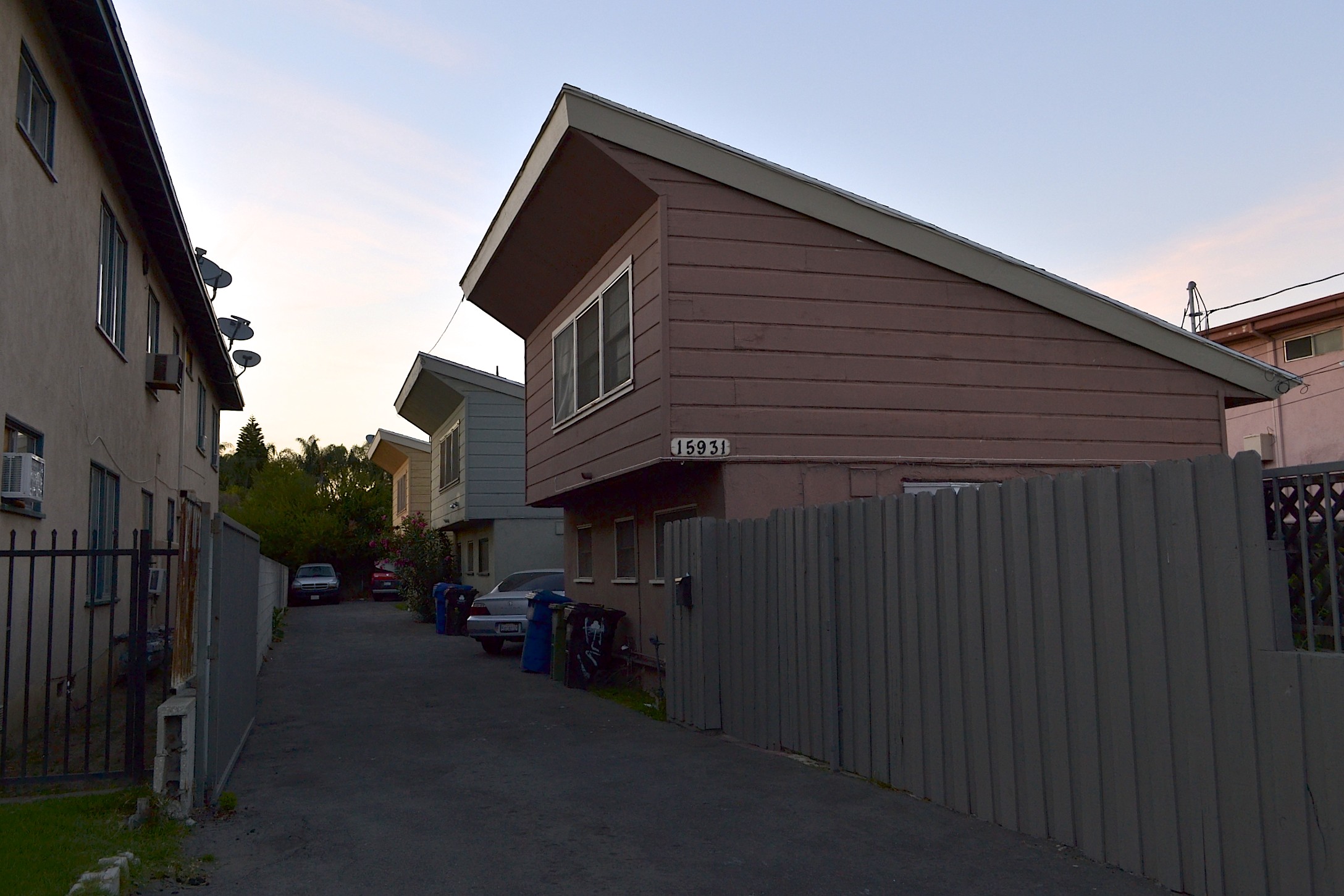
Van Nuys, CA 91406 Built 1947

Driving east near Woodley last week, I passed 15931 Vanowen, three mid-century semi-detached houses with horizontally paned windows. Lined up like planes in a hangar, the sharp, upward, angled pitched roofs pointed, like arrows, towards nearby Van Nuys Airport.
http://upinthevalley.org

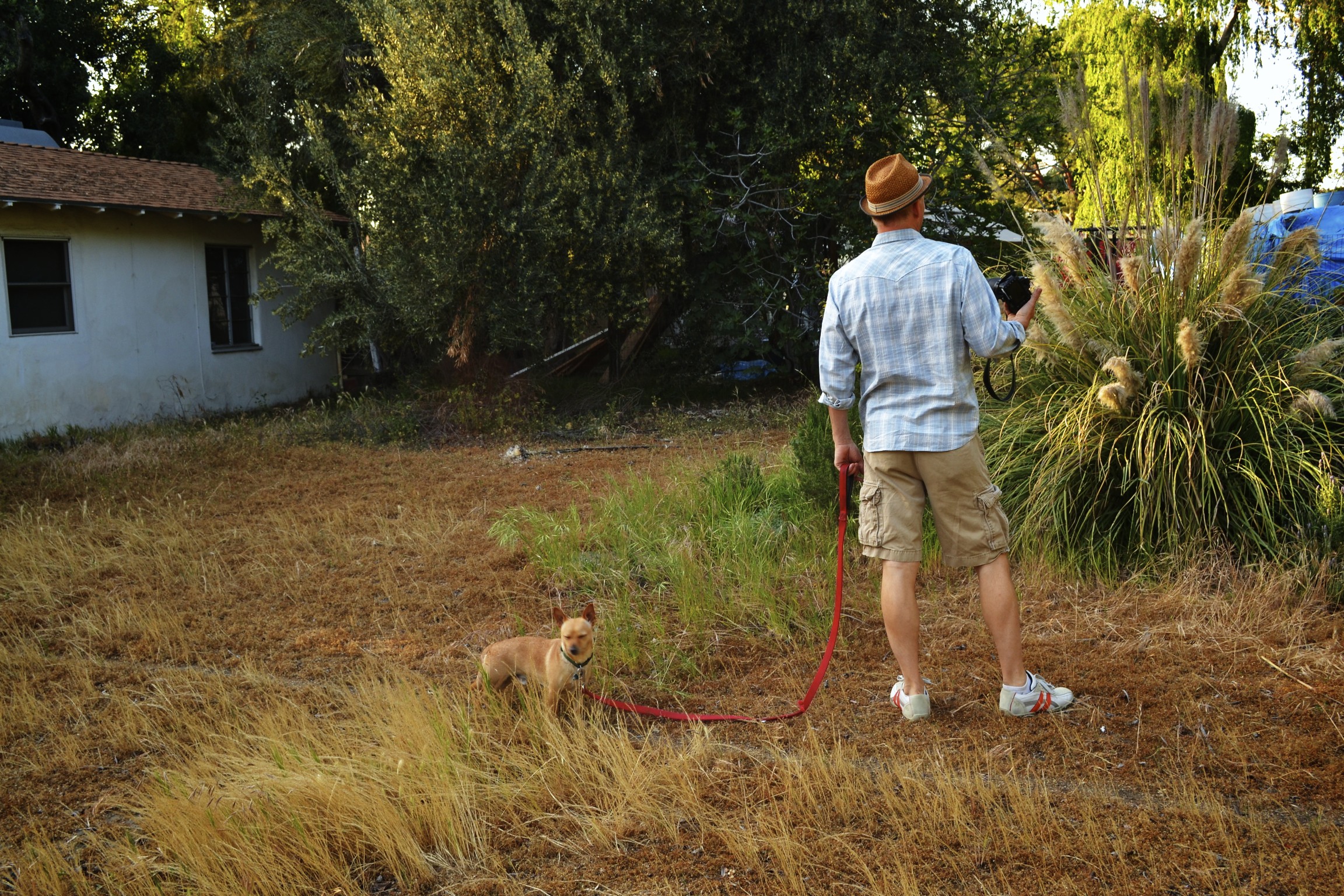
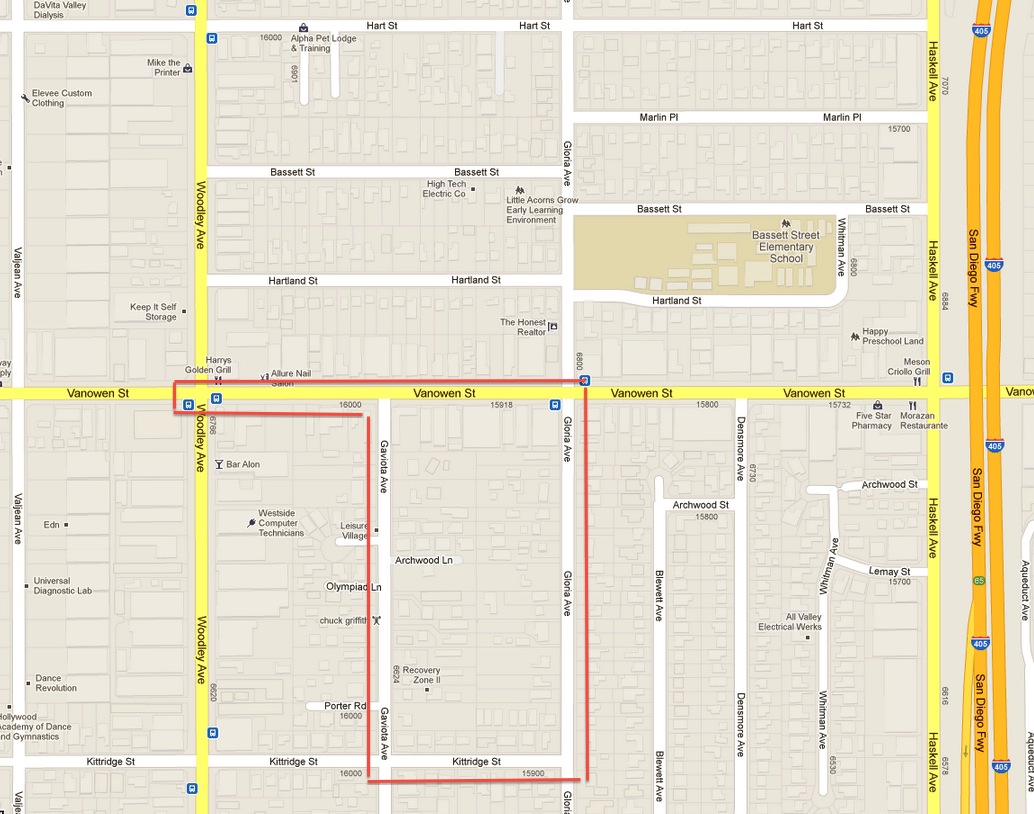
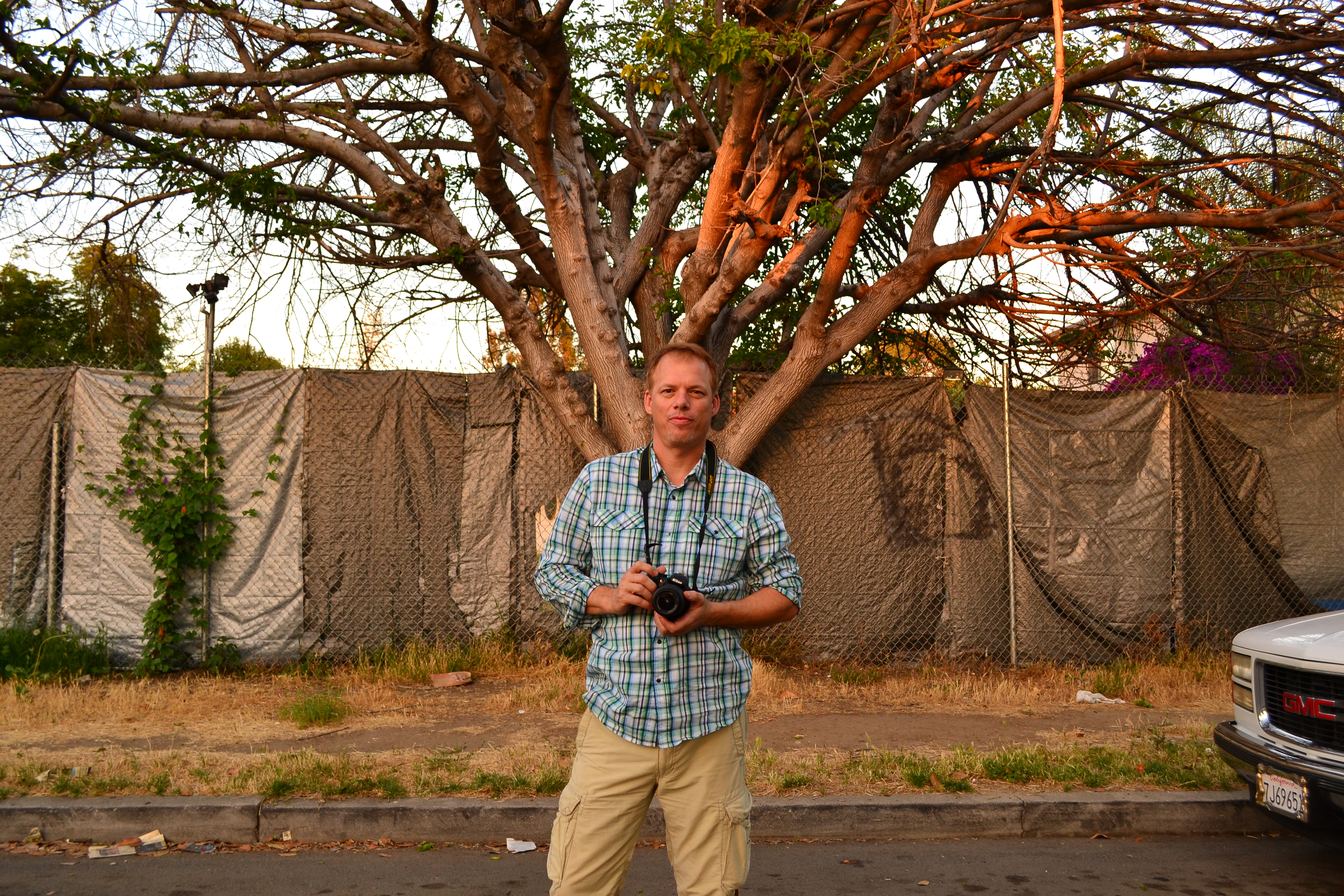
Curious, I returned last night, near dusk, with Andreas Samson, and explored the teeming urban apartments and semi-rural side streets along Vanowen, Gloria and Gaviota. And we stopped to investigate 15931. (built 1947)

Van Nuys, or Lake Balboa, as this area prefers to call itself, is deceptive. Along the main streets, the apartments are packed, full of working Latino families, the backbone of California. Last night we bumped into an old friend from the gym, a Guatemalan guy on Gaviota who owns a restaurant on Sepulveda and was returning home, in his pickup, exhausted.

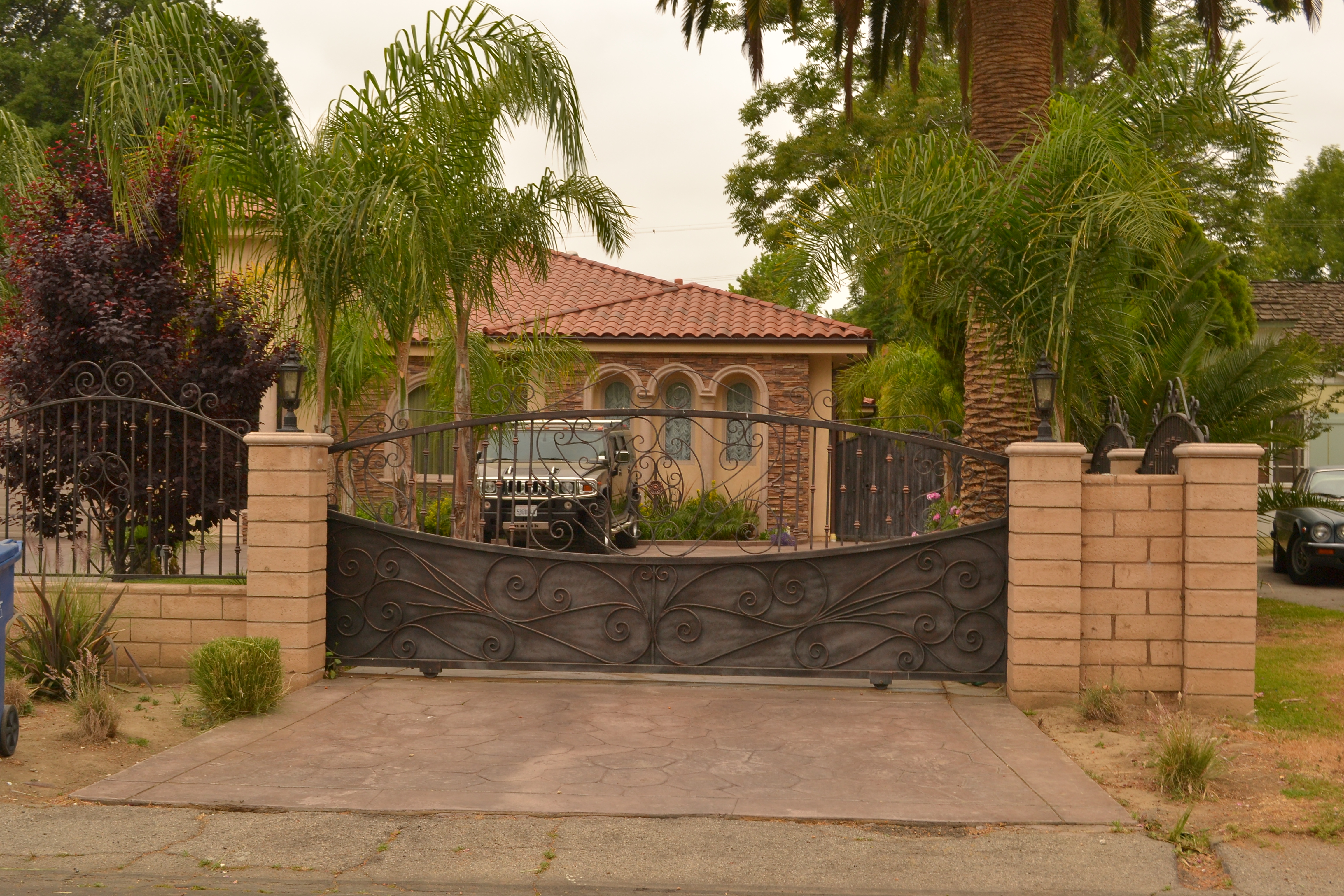
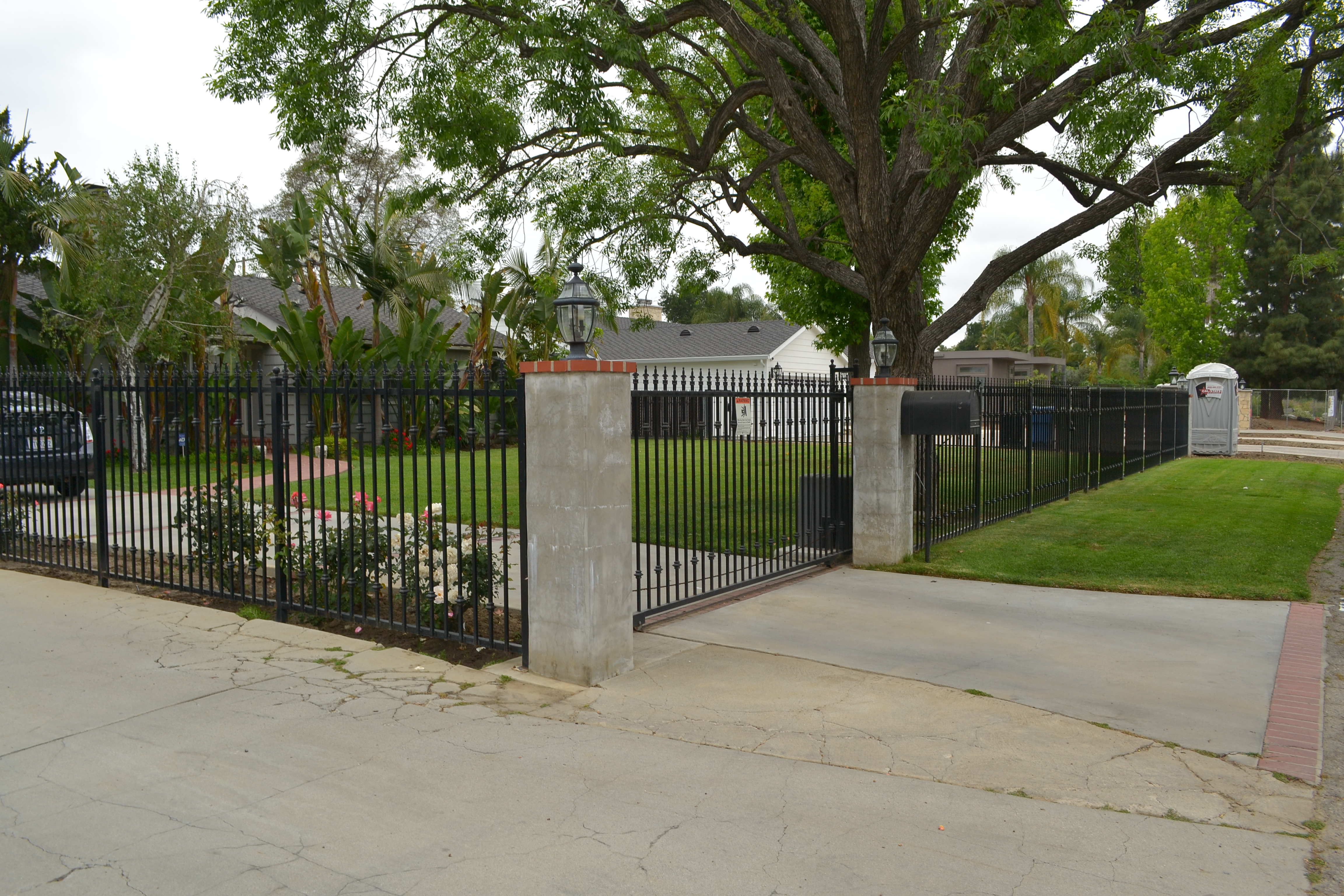
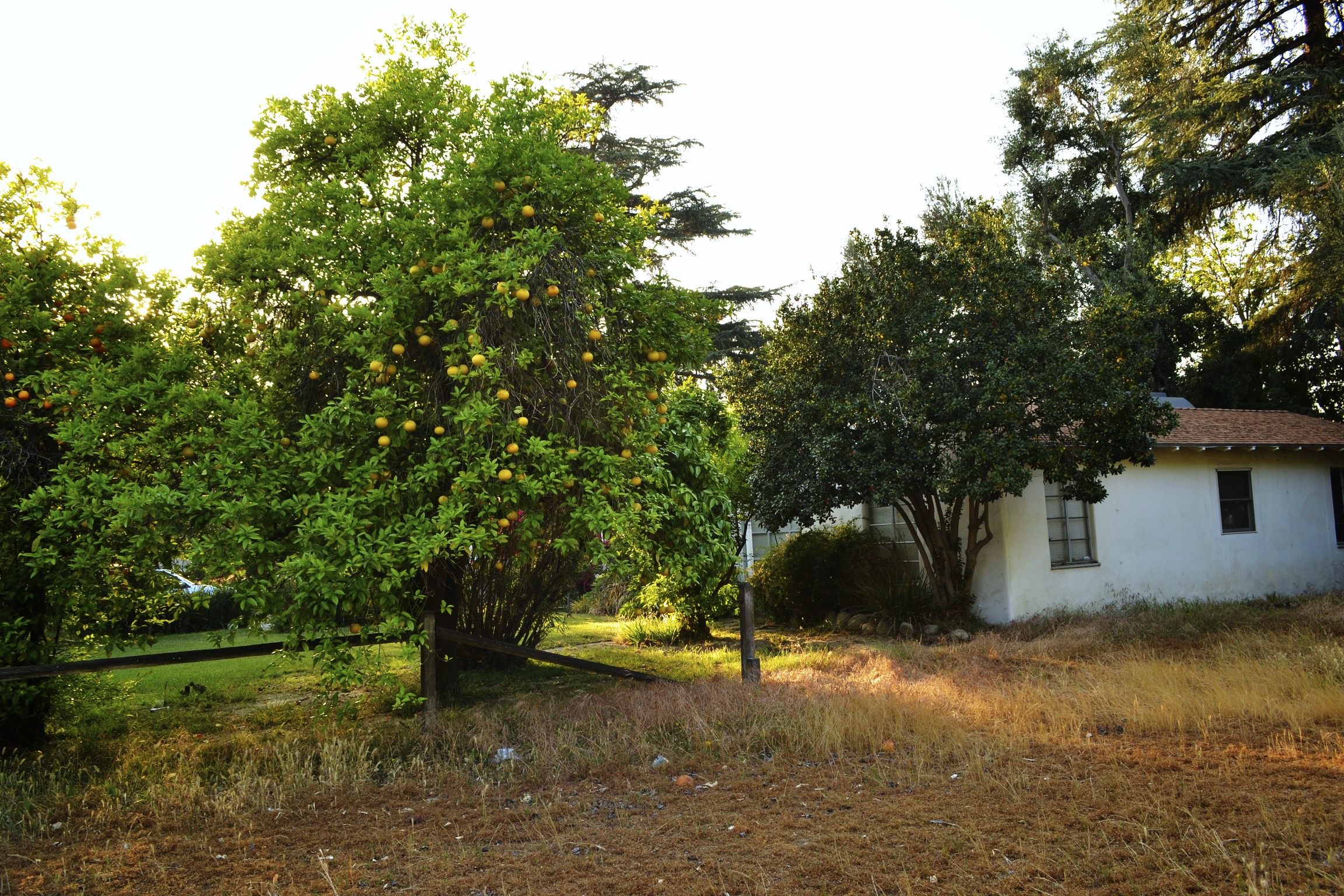
Along the side streets, an old world still co-exists with the newer slum dwellers. There are large, deep, expansive properties, many planted with citrus trees, up and behind fences and gates, behind iron. Armenians, Latinos, and Asians bought up these fortified compounds, built up houses and rental units, or let the dry grasses and dirt take over.
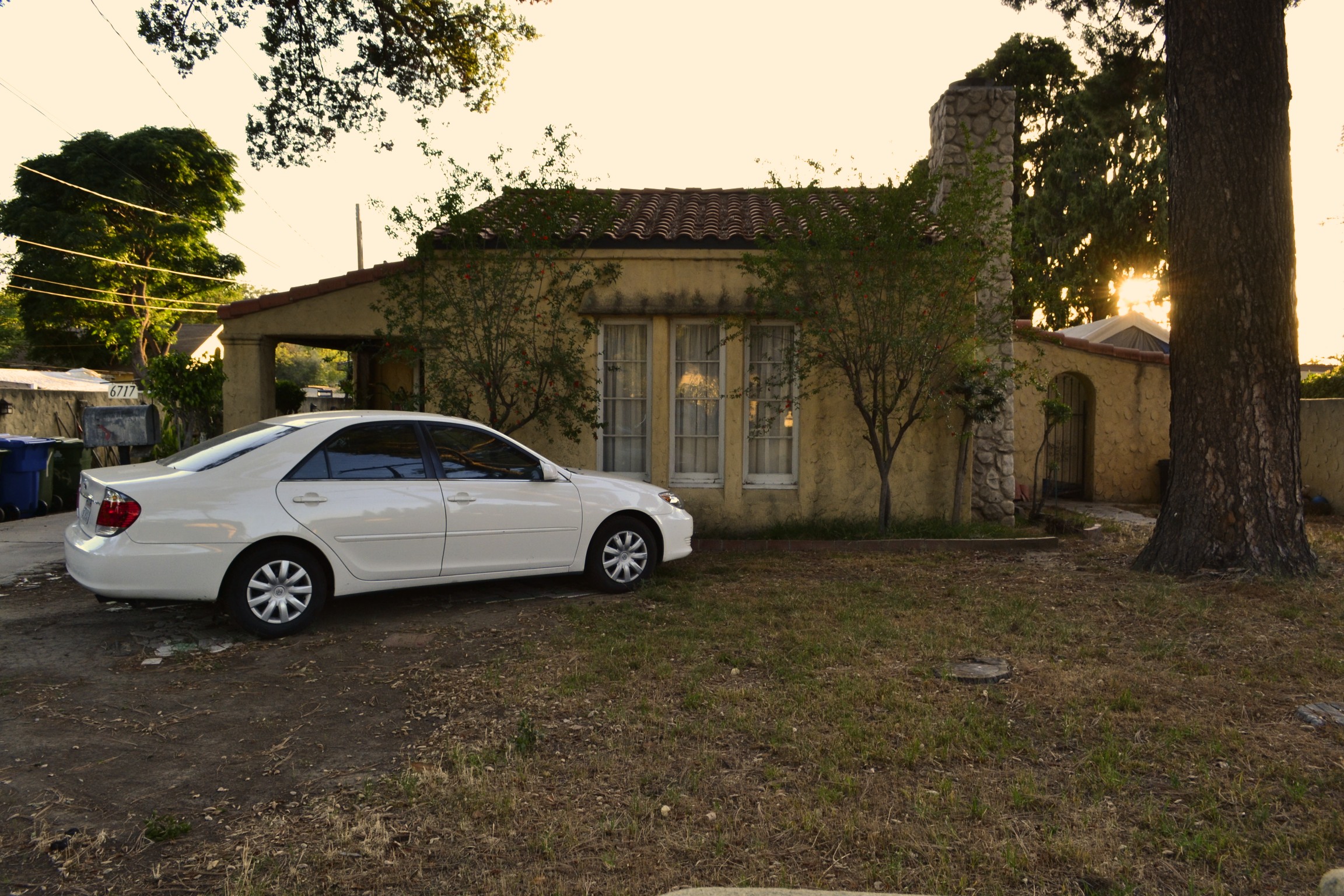
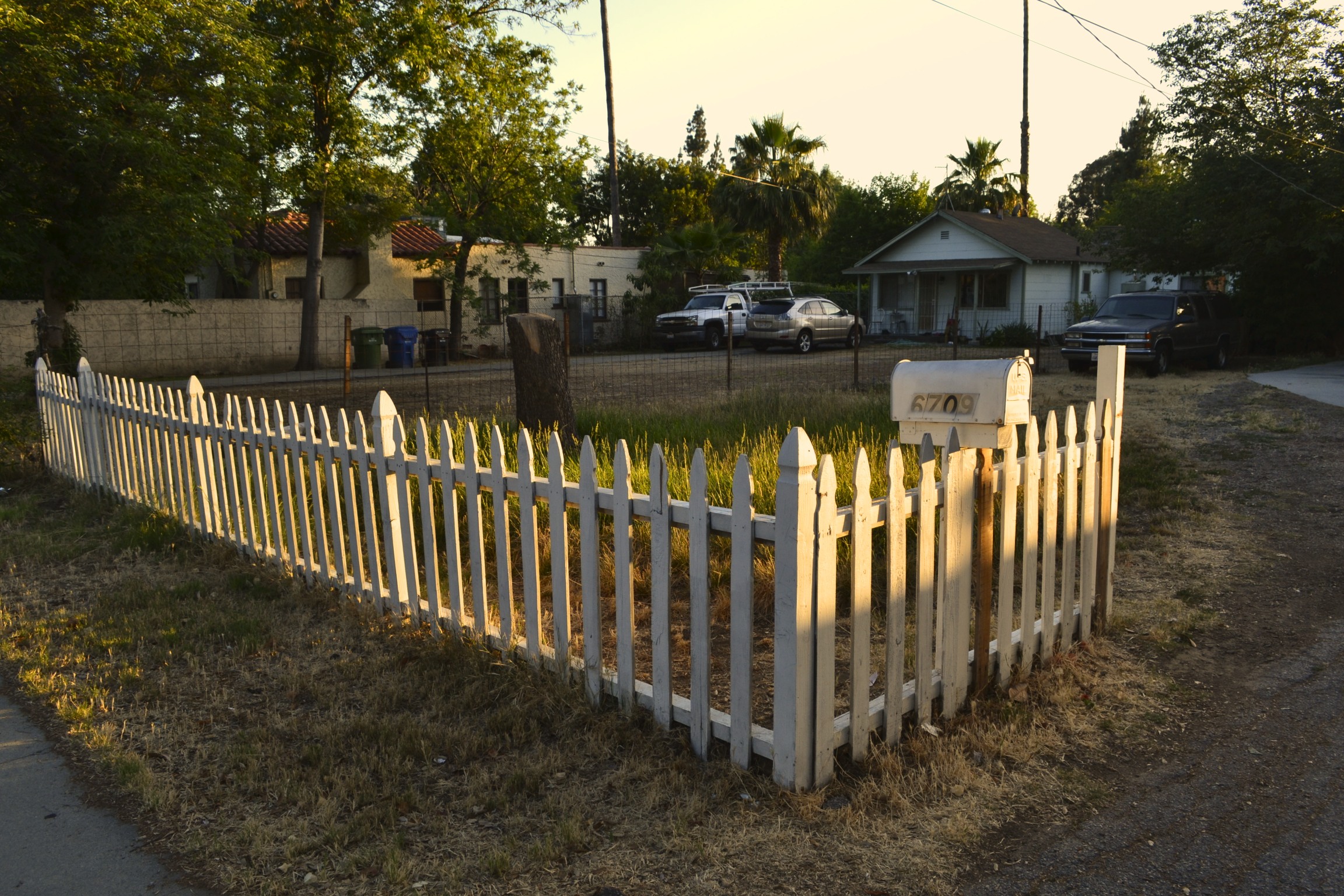
Van Nuys, CA 91406

6709 Gloria Ave

Shamamyan Armenak Residence

Contrasts are everywhere: the picturesque Spanish casa from the 1920s next to the peeling frame shack, the lushly watered front yard of native flowers and the concrete paved SUV car lot. Guns and roses, skateboarders and speeding cars, a man hitting golf balls on his front lawn.

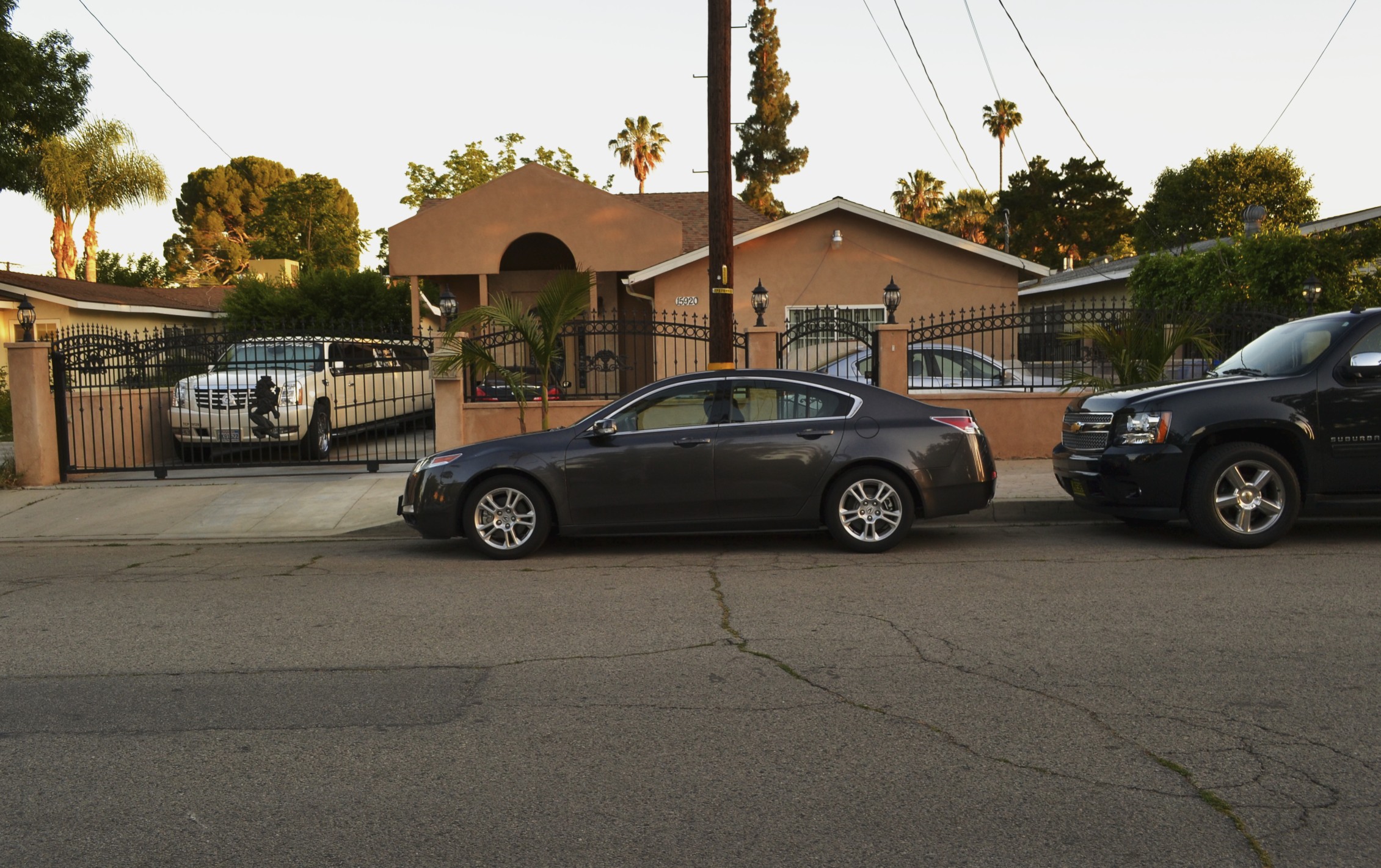
On Kittridge at Gloria, ferocious pit bulls kept by a friendly, toothless woman behind a broken-down dirt yard sit next to an Armenian owned limousine company, a home business behind lion bedecked gates and stucco pediment and columns.

Rich or poor, native-born or naturalized, the predominant domestic style is violence deterrence. Gates, alarms, barking dogs, steel, concrete, cinderblock, “no trespassing” signs. Each property, born sweet, evolves, like an enlisted soldier, into battle-hardened, tactical, offensive, lethal toughness.
Van Nuys, CA

Van Nuys, CA

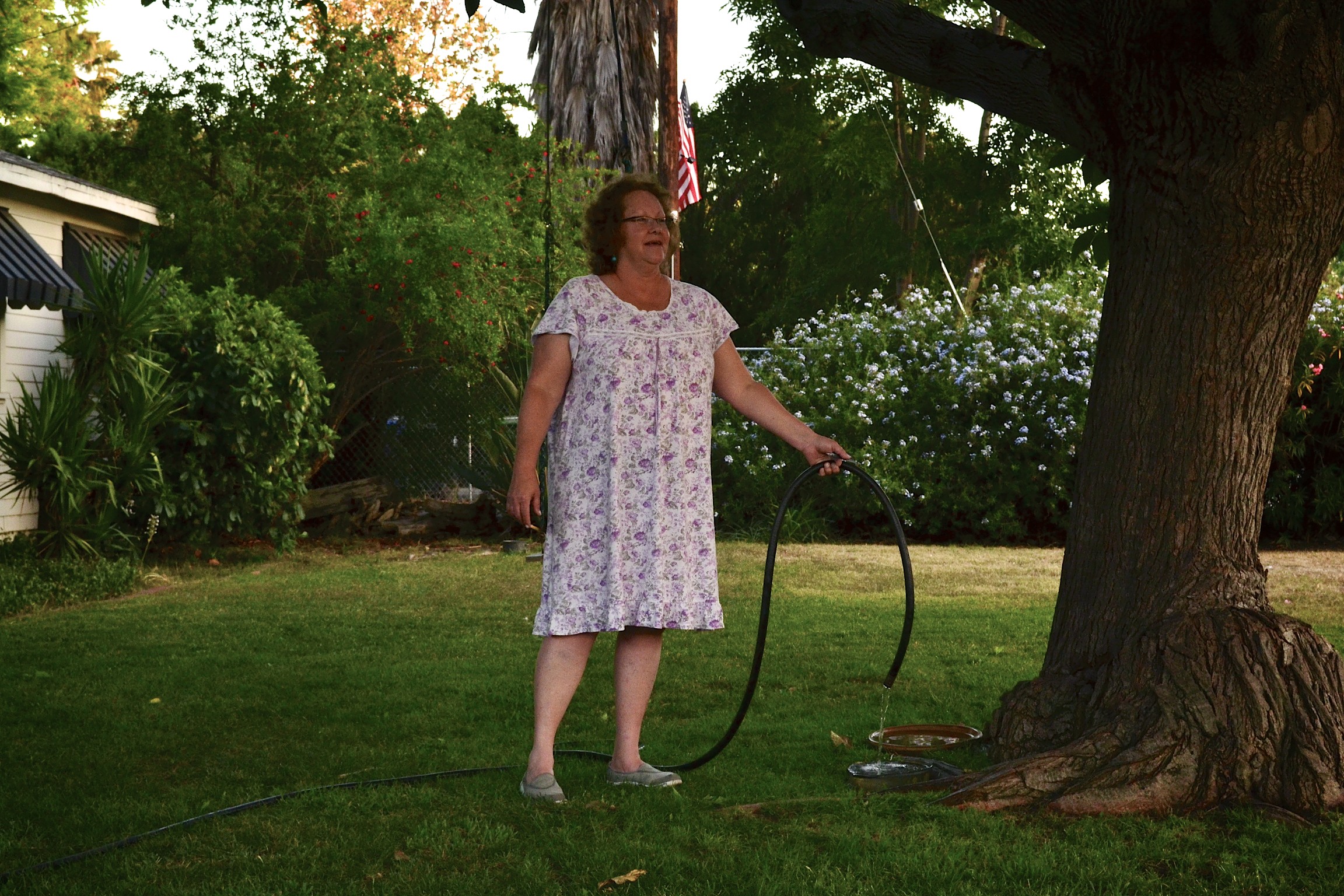
At 6652 Gaviota, one unfortified mirage appeared: a sweet, middle-aged woman on her front lawn in a house-dress, watering a large tree with a garden hose.

We stopped to talk to her, startled by her openness and friendliness, her casual banter (“I was born and raised around here. I have been renting this particular house for 32 years”), intrigued by her whole retro setting and persona: white frame house with porch, tree swing, steel awning windows and asphalt driveway, and her manner of attire, mid-century Kansas farm wife. An American flag on a pole stood off in the distance, a skinny rail of a young man came down the driveway to fetch mail from the mailbox.

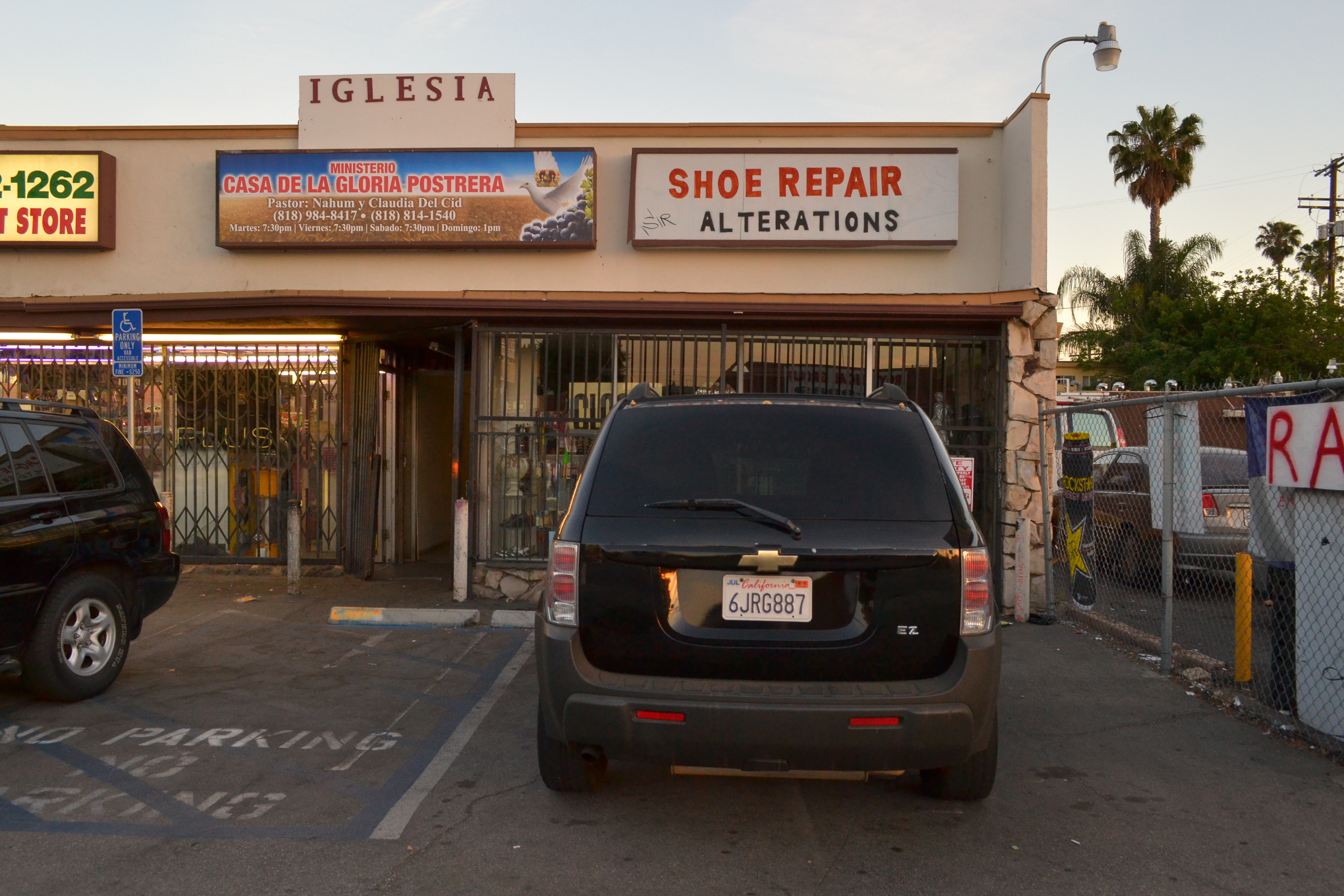
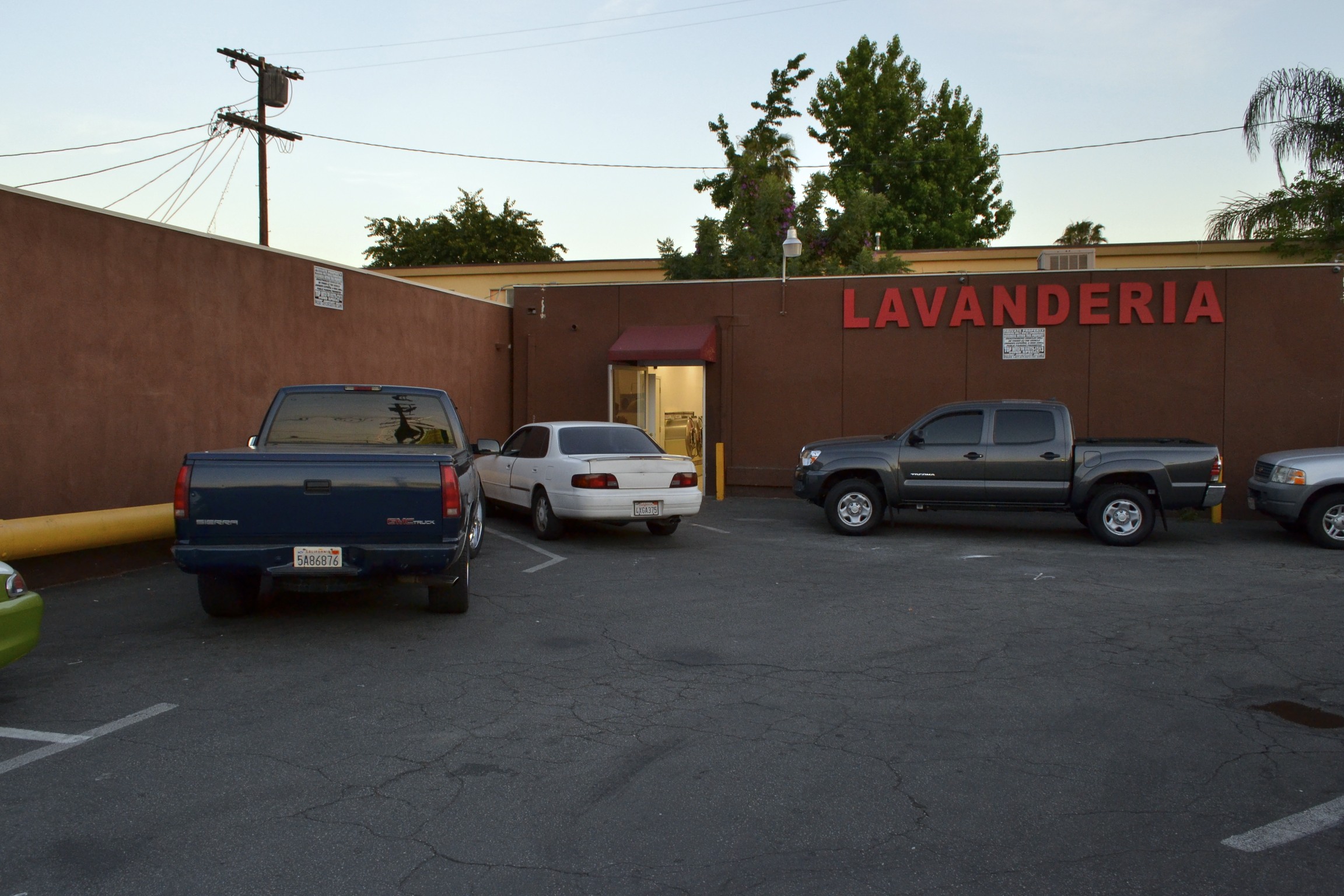
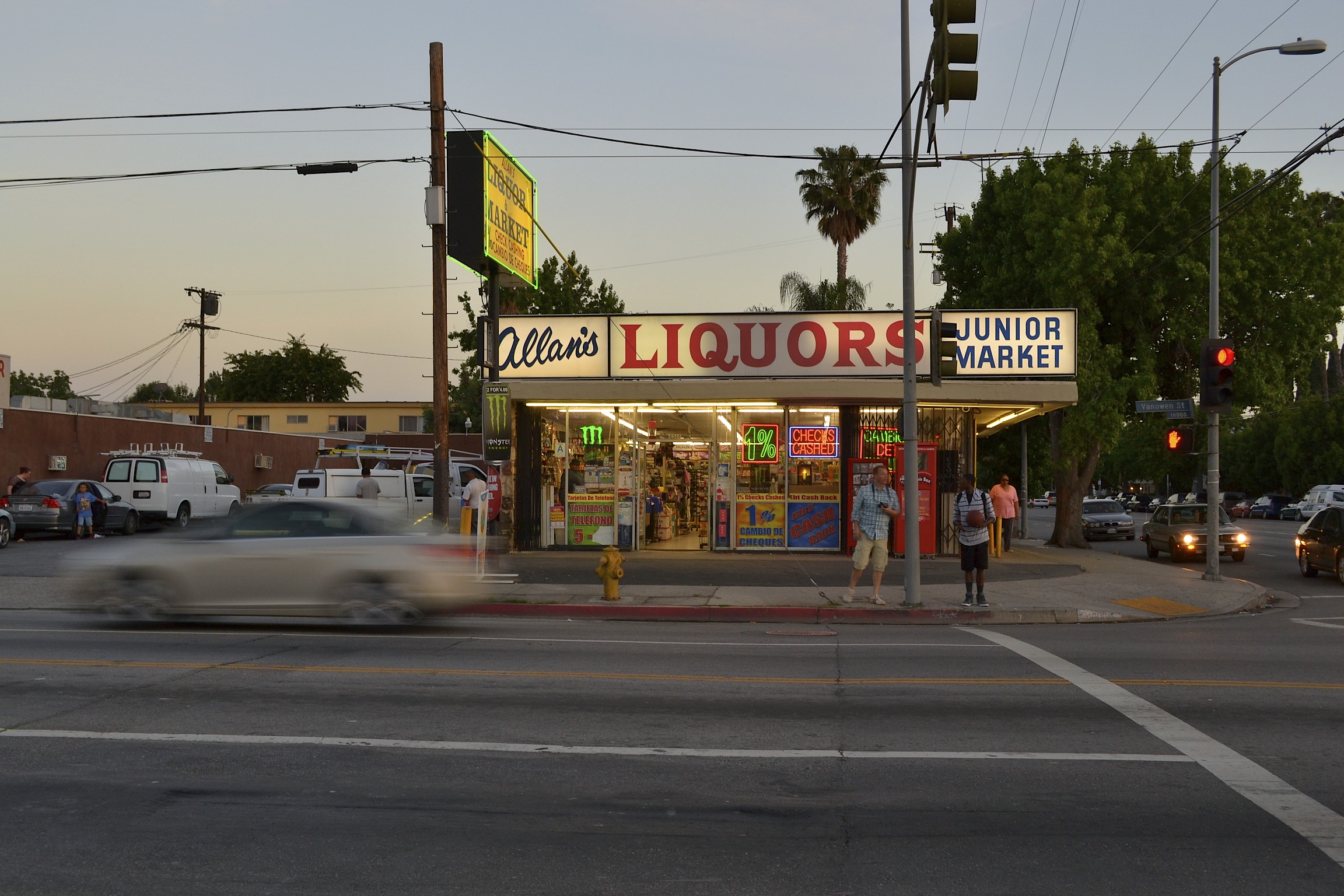
We took some photos of her, and continued our walk, ending up, as all walks in Van Nuys must, in the presence of the Holy Trinity: La Iglesia, La Lavanderia, and El Licor. (Allan’s Liquors).
Lavanderia

Allan's Liquors

Iglesia

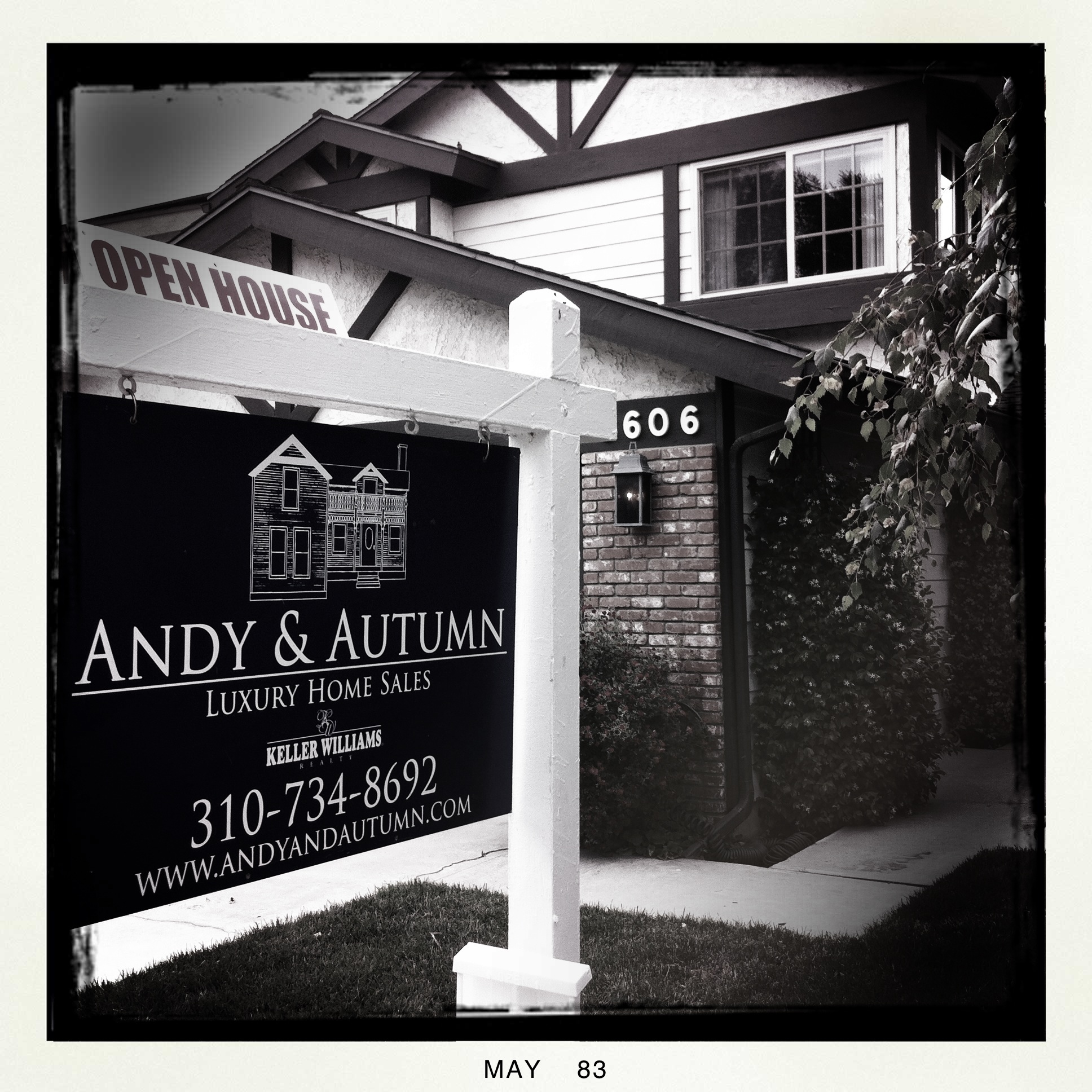
Andy and Autumn.

Lasaine Ave.
Lasaine Ave.
Facade/6606 Lasaine Ave.
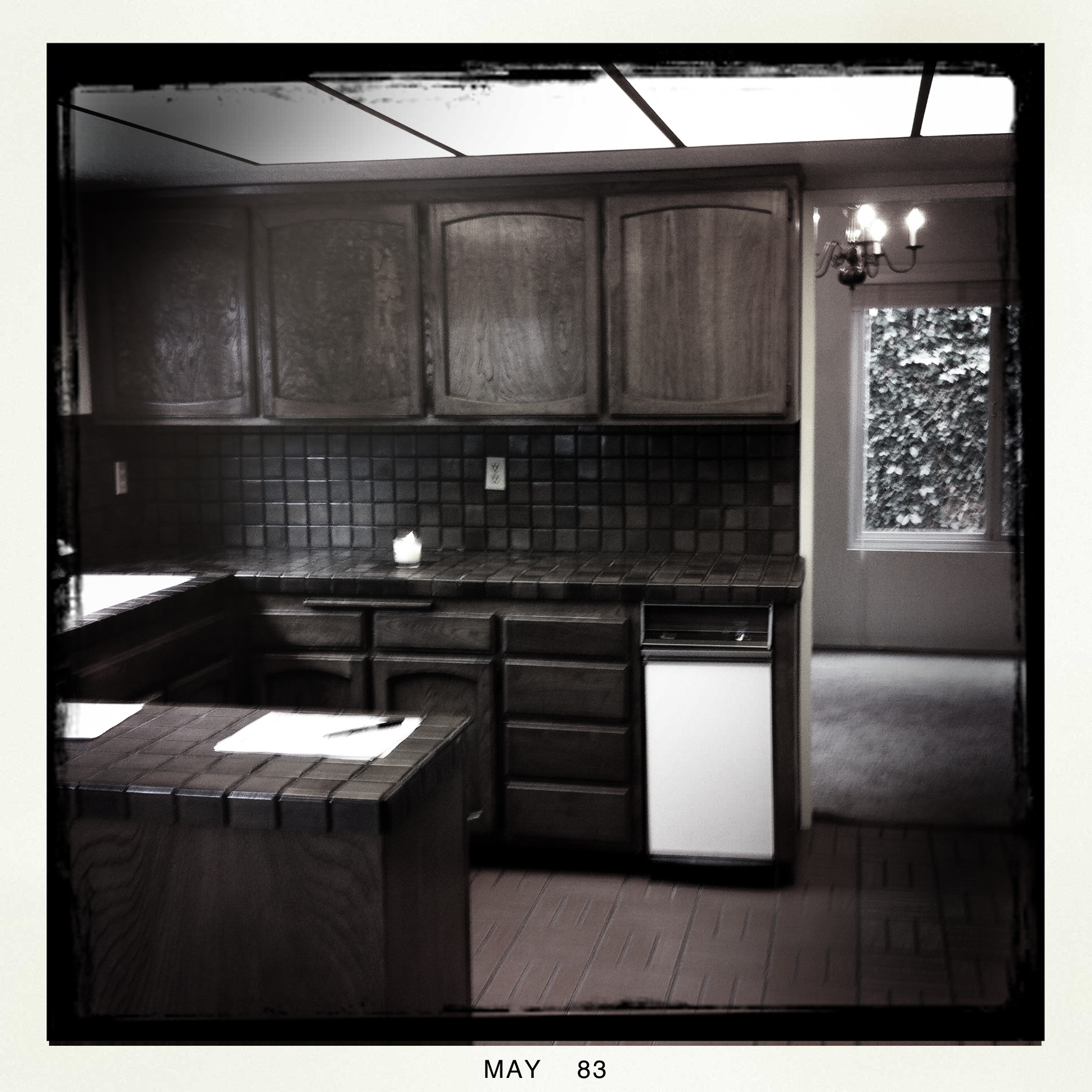
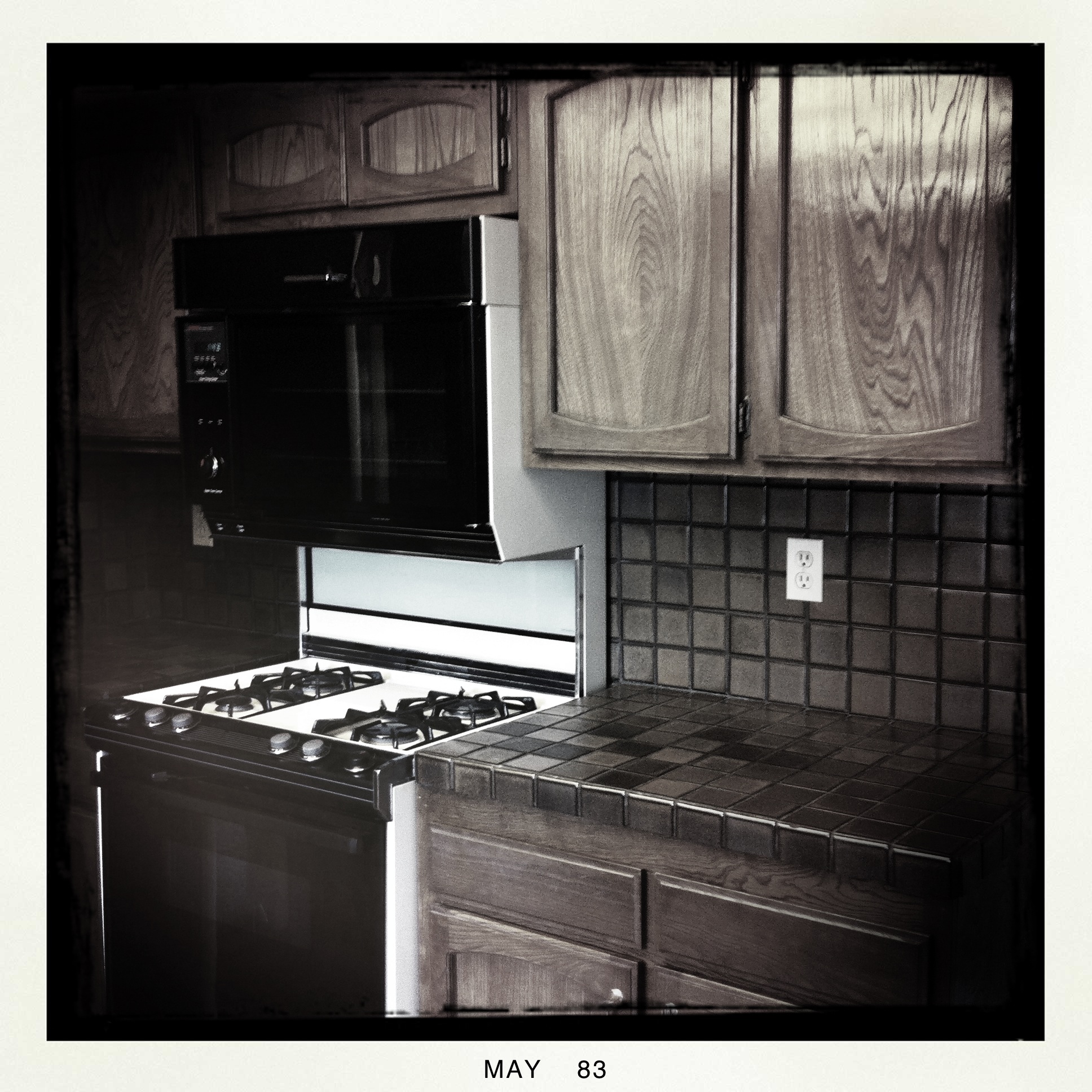
Kitchen: 6606 Lasaine Av.

It was blustery, cold, and windy. The skies were full of fast moving malevolence and I was speeding east on Vanowen, coming from lunch at Evergreen on Sherman Way, burning off fuel and the last evaporated remnants of Soju which also means “burned liquor” in Korean. I was sober, but I was sad, just my nature, brought into more vivid clarity after I saw an old friend for lunch who now lives in Boston and will not be returning to LA.

I was in my car, in my head, listening to Sylvia, David Raksin’s 1965 movie soundtrack about a mystery woman from back east investigated by a new lover in Los Angeles.

A blue open house sign on the corner of Louise and Vanowen advertised “Andy and Autumn”, two realtors. Alliterative and suggestive, it took my name, suggested a short story or film noir (“Susan and God”?) and reflected the weather: gray, moody, autumnal.

I drove up one of those gross cul-de-sacs packed in with remodeled ranch houses, where architects had gone shopping like some go to Ross or Marshalls, and had come out with bags full of bargain facades, cheap and badly made, in English, Spanish and Persian Colonial, slapped onto one-story houses crammed all together with big garages, big cars and big people.

Here live successful and normal people doing well in life.

Come look at them.

They live behind the smoked glass, the shutters, the awnings, the iron gates. They live inside air-conditioning ten months a year. They get their news from Fox News and their feelings from Facebook.

Andy and Autumn’s open house (at 6606 Lasaine Ave. in Lake Balboa) had an open door, opening into a dark, high ceilinged entrance. I knew, before I stepped in, that I was back in Barry and Helene/Frances and Paul territory, my relatives in Woodland Hills and West Hills. I was in their kind of home, built in the 1970s, covered in wall-to-wall brown carpets, beamed ceilings, red vinyl kitchen tile and dark brown cabinets with de-luxe garbage compactor and overhead florescent light fixture.

The only authenticity missing was a large boiling pot of chicken soup with onions, carrots and celery cooking on a July afternoon in the San Fernando Valley and a red-haired, nasal-voiced woman yelling, “Herman! Your sister is on the phone!”

There was a second floor, up a flight of brown-carpeted stairs, and four or five small bedrooms with brown carpet, and three bathrooms also in brown carpet.

Other buyers walked through the house, young couples and old couples, one looked Jewish and one was definitely Muslim in her head covering. The world may be exploding and angry, but here in the San Fernando Valley we are all Americans, dreaming of ugly houses we cannot afford and hoping for deliverance from unavoidable debt and unintended celibacy.

I spoke briefly to the realtors standing in the dark 1970s living room, a dark space from a dark decade where light rarely entered a house except from television.

I told them I was a writer and a photographer and gave them a card. And then I walked out, down a sidewalk, past the other pleasant and plastic monstrosities, architectural travesties, brutes in vinyl , gruesome and deformed; proudly and pitifully unaware of their unimaginable homeliness.

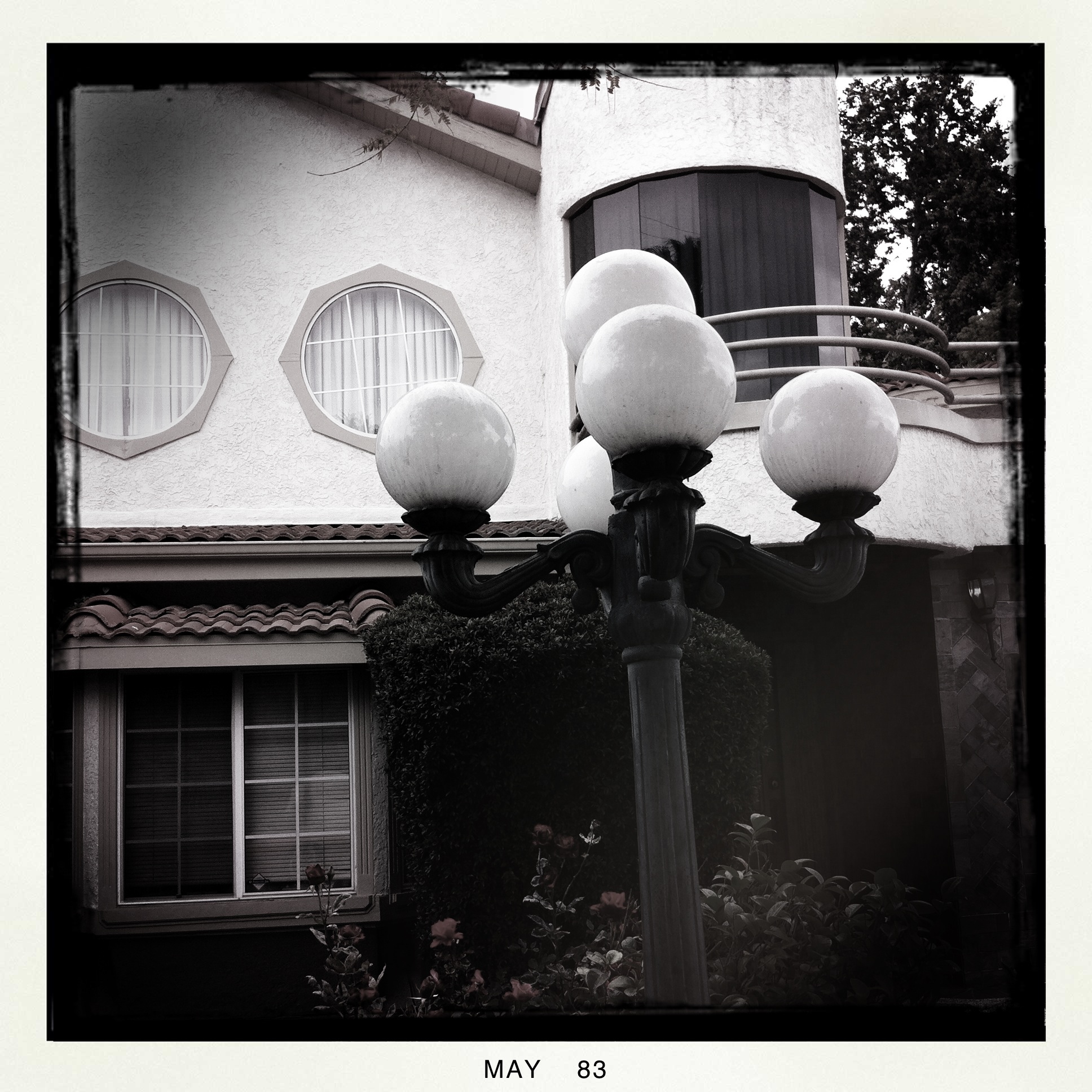
One beastly residence had two octagonal porthole windows, crooked vinyl panes, a Spanish tile roof and a pipe railed 1980s balcony clashing violently with a five-armed ornate lamppost, all elements fighting a generational war of ornament.

Ornament at War.
Ornament at War.

A few minutes on some streets in Lake Balboa, CA can induce vomiting.

I drove off, in my car, and went south down Louise, made a left on Victory and ended up inside a two-car garage in another pocket of the San Fernando Valley where my battles continued online and alone.

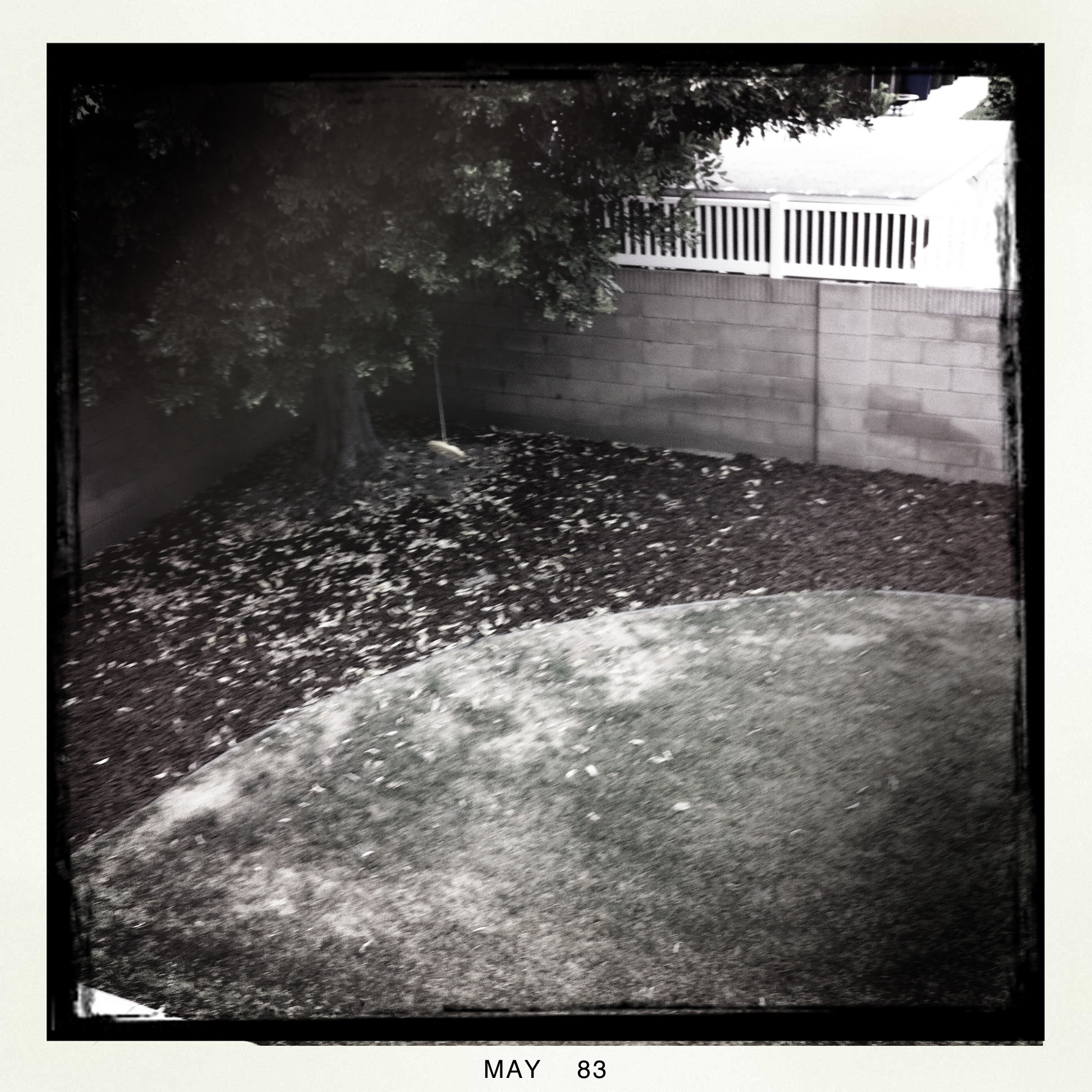
Yard
Yard
Kitchen
Kitchen

Rose Days


DSC_6662

DSC_6661

6610 Orion Ave

DSC_6648

DSC_6628

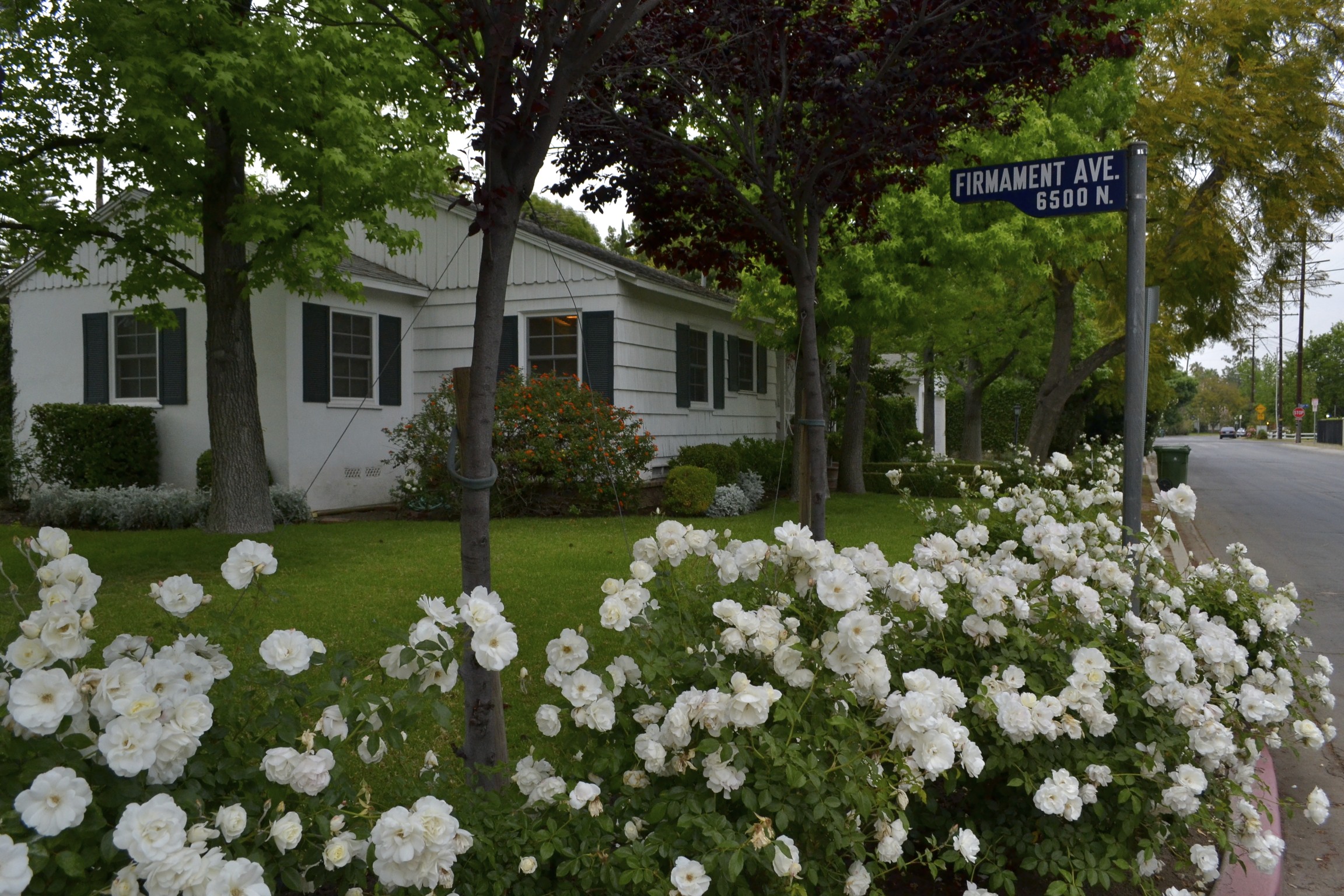
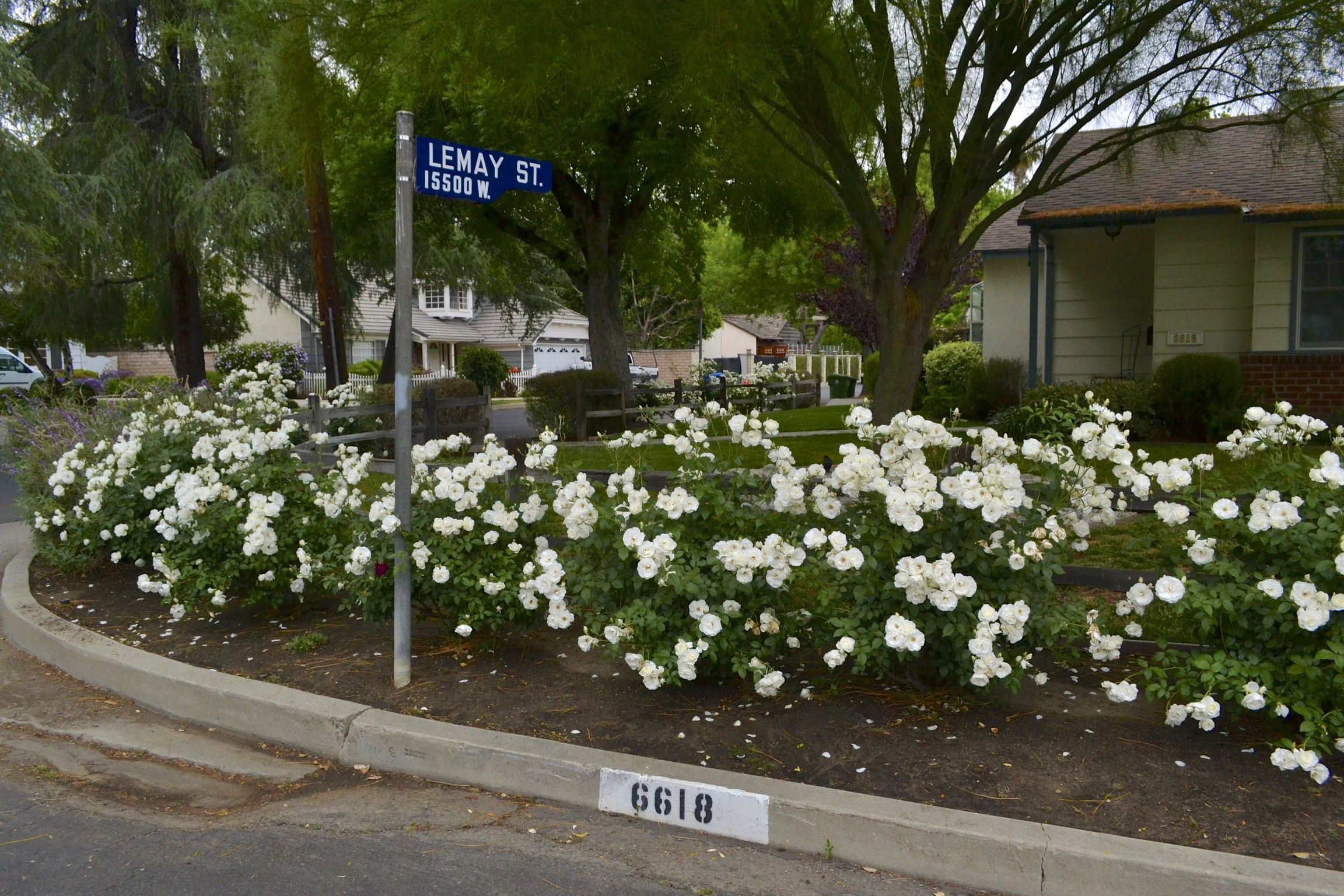
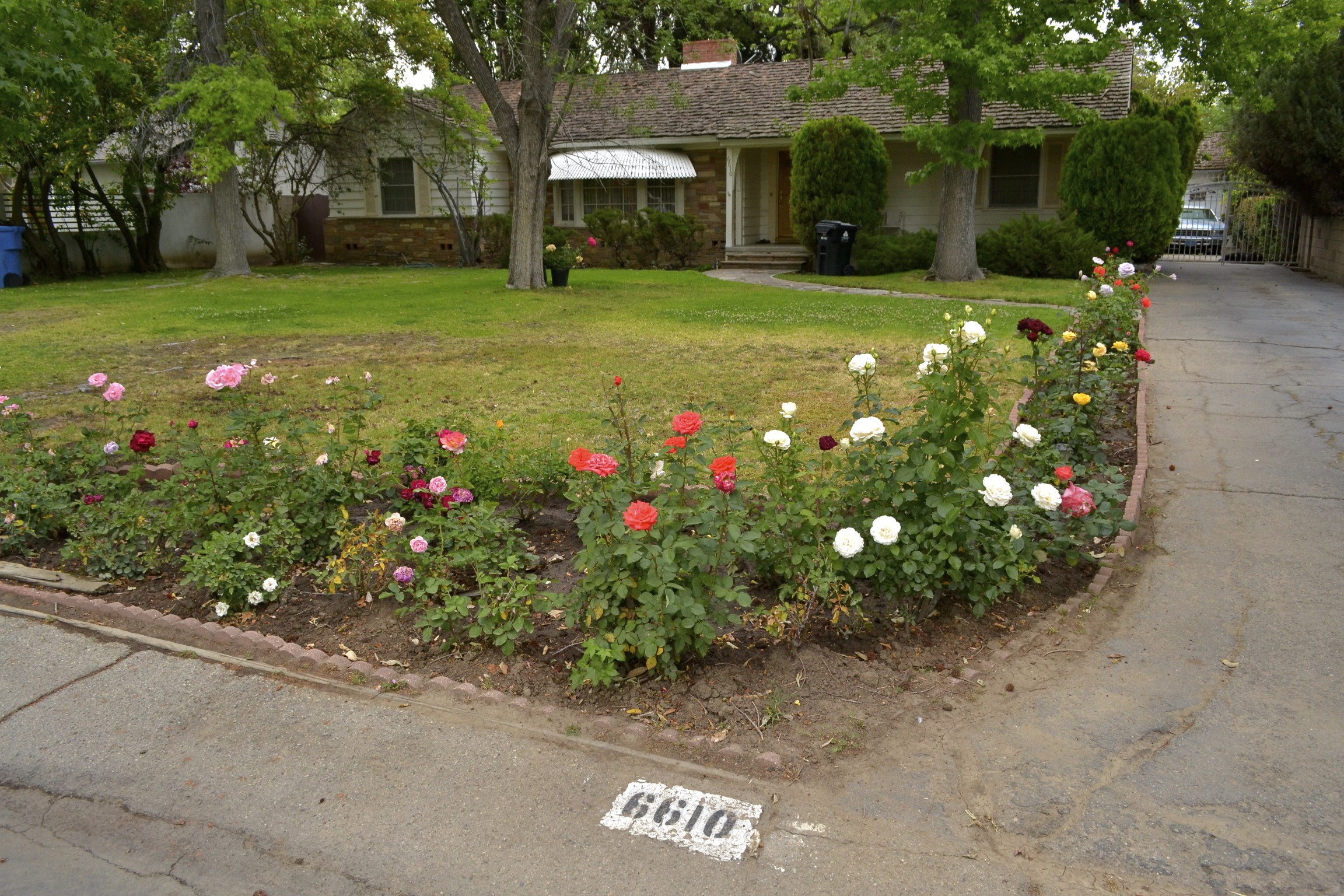
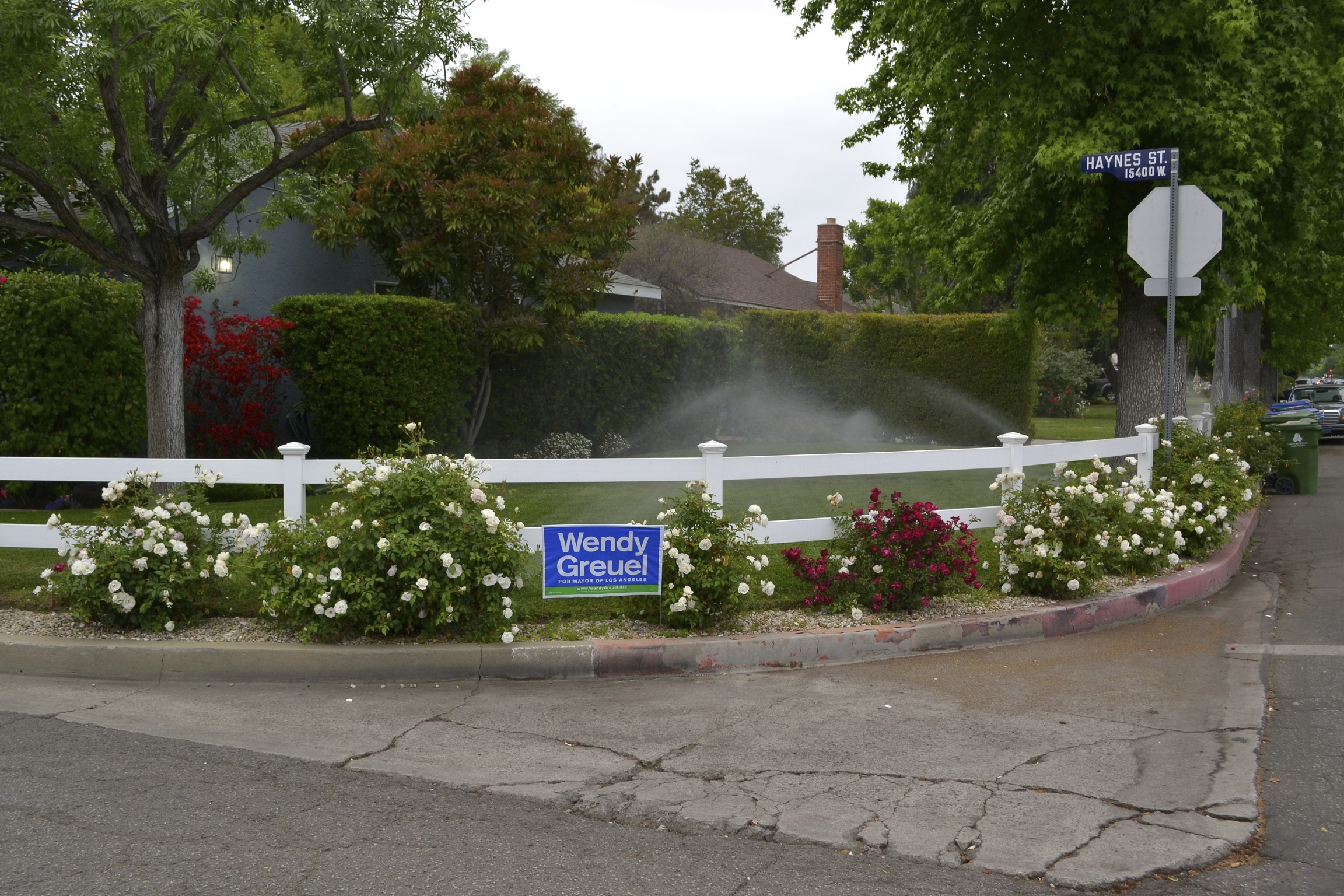
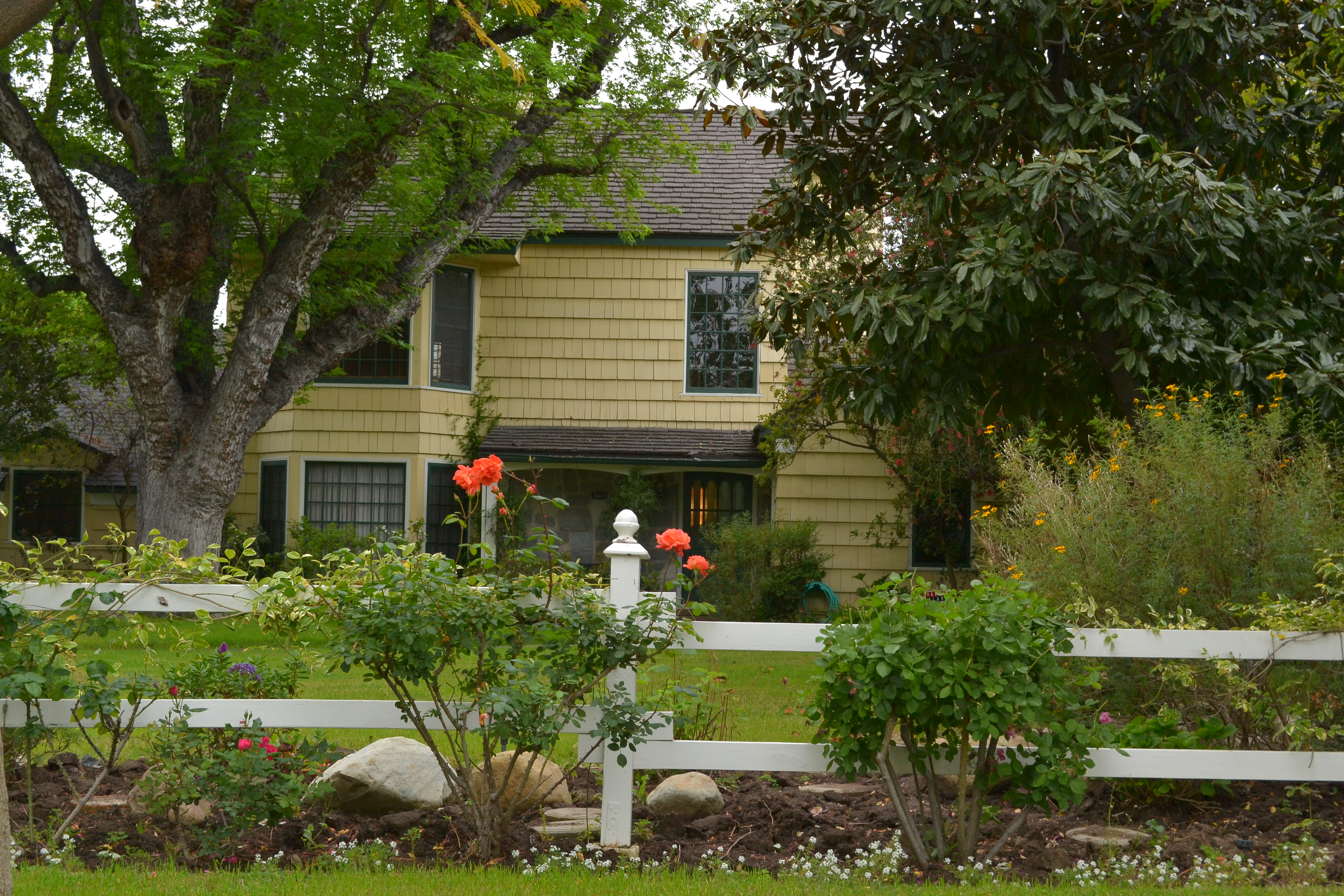
Along the pretty streets in the lush neighborhood north of Victory, west of Sepulveda, on Peach, Orion, Firmament, and Lemay Streets, there are numerous roses at the peak of bloom.

The flowers sit on properties with big lawns, round driveways, mature trees, picket fences; all-American looking estates, many dating from the 1940s.

Most still retain an open appearance, but on Peach, especially, the iron walls of garish and hostile security fences have broken up the grand openness and quaint neighborliness that once marked this district.

DSC_6607

DSC_6594

The Last Old Places


Valerio w/ of Hazeltine

Valerio w/ of Hazeltine

DSC_6151

DSC_6205

Valerio w/ of Hazeltine

You think you know Van Nuys.

And then some small remnant of old property appears. And you are pulled back into a long lost world: unguarded, spacious, verdant, shaded, open and expansive.

It happened a few days ago, when I was traveling on Sherman Way and turned up Katherine Avenue, west of Hazeltine, to avoid late afternoon traffic.

As I approached Valerio, I saw the old San Fernando Valley in an apparition: a few large parcels of land, shaded by large trees, a ranch house set back from the street, unenclosed by fences, iron, brick, or barking dogs.

I returned last night with Andreas from Up in the Valley to explore the neighborhood.

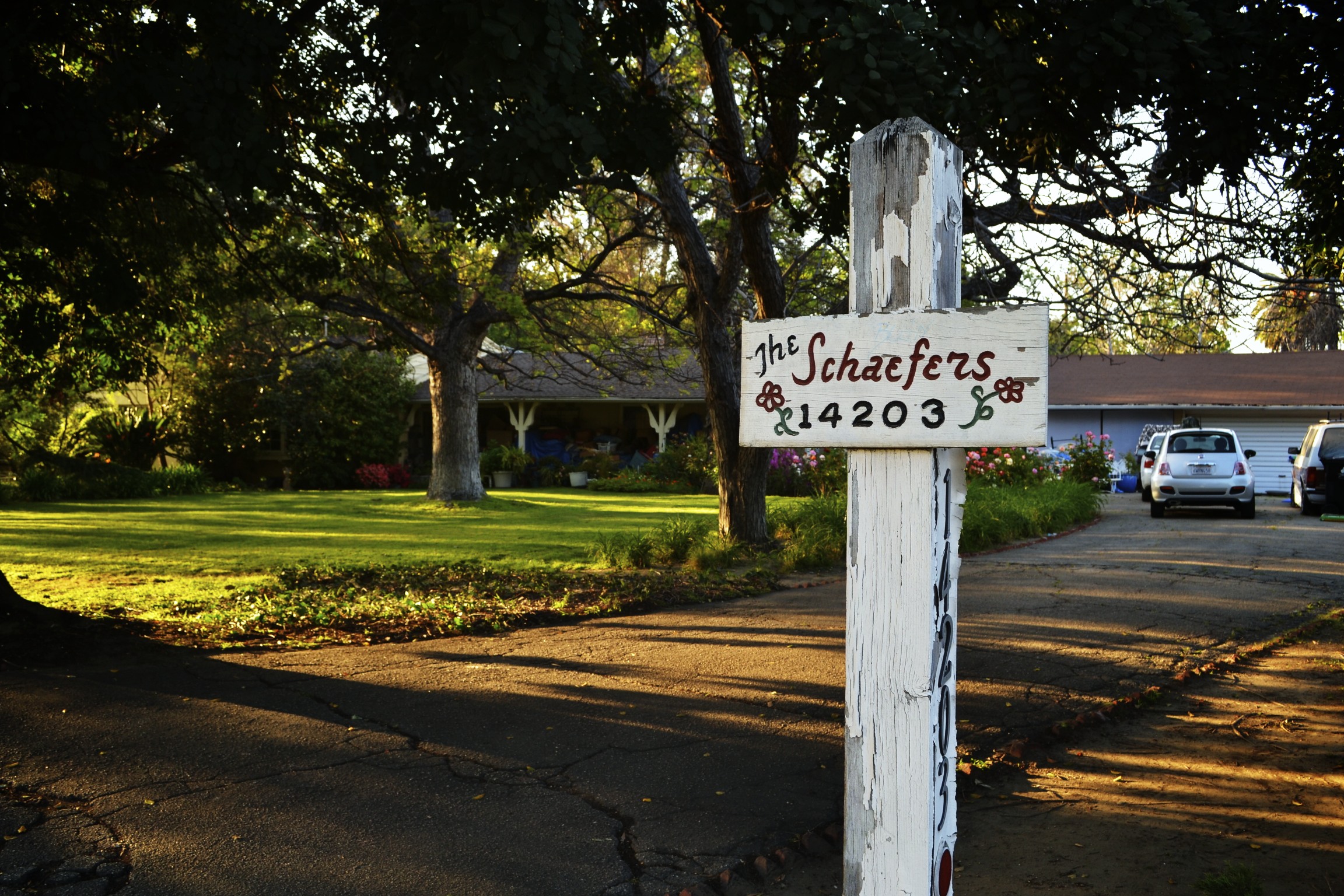
At 14203 Valerio, we found a long driveway, headed with a sign of a family name: “The Schaefers”, and beyond, in the distance, many rose bushes, the long exterior eaved porch; all the indicators of normalcy and domestic tranquility that once presented itself in abundance around these parts.

I was surprised that some industrious Armenian had not bought up the land, torn down the houses and erected a cul-de-sac of concrete and columns, but there it was, a lone sweet house, a place that seemed welcoming, not hostile, unafraid and hopeful, a residence of grace and generosity, without violent defenses, grotesque proportions and malingering meanness.

There were no large SUVs, pit bulls, cinderblock or steel window bars. This was Van Nuys as it once was, up until perhaps 1975, a lovely place to live.

There was a large unpicked grapefruit tree in the yard, an old tree, another symbol of the post WWII days when organic was the only type of eating, and unselfconscious Californians ate well in their own backyards.

This house and this land will probably not survive in its present incarnation much longer. If there were a Van Nuys Historical Society it might honor this home with a citation. But for now only the camera can capture what was and what still is.

Taps and Lights Out….


IMG_0654

IMG_0683

IMG_0667

IMG_0681

IMG_0659

IMG_0668

IMG_0661

IMG_0660

IMG_0674

IMG_0662

IMG_0658

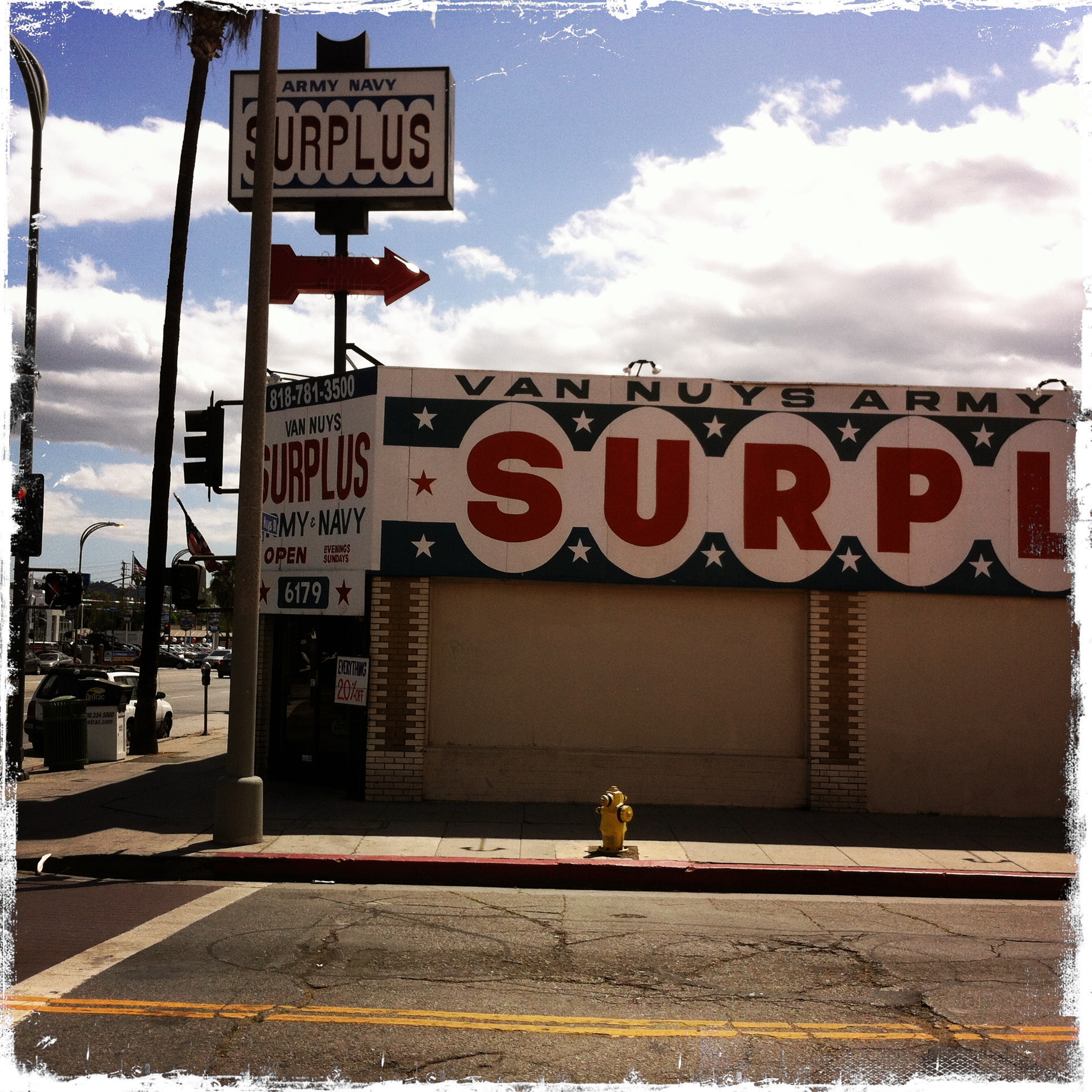
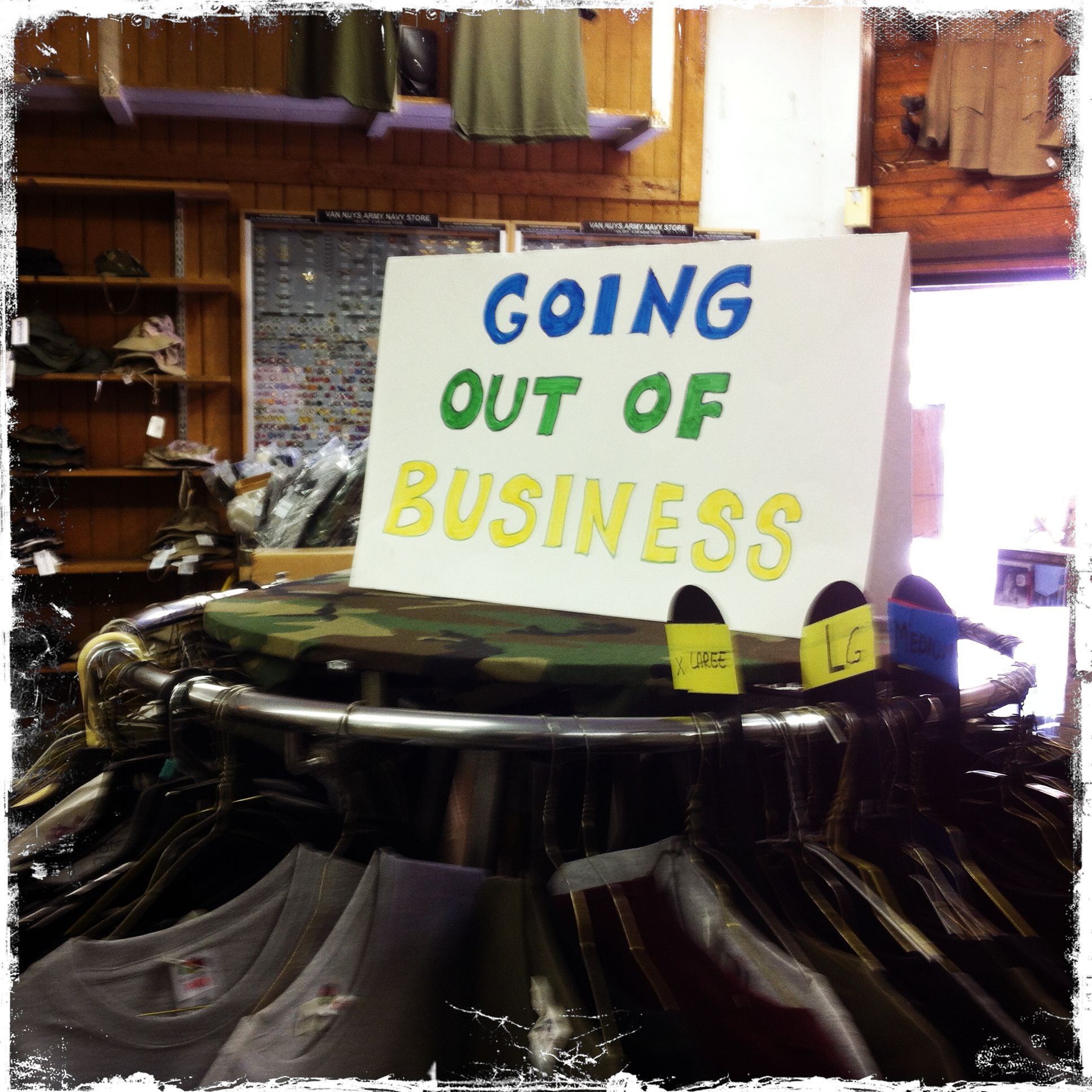
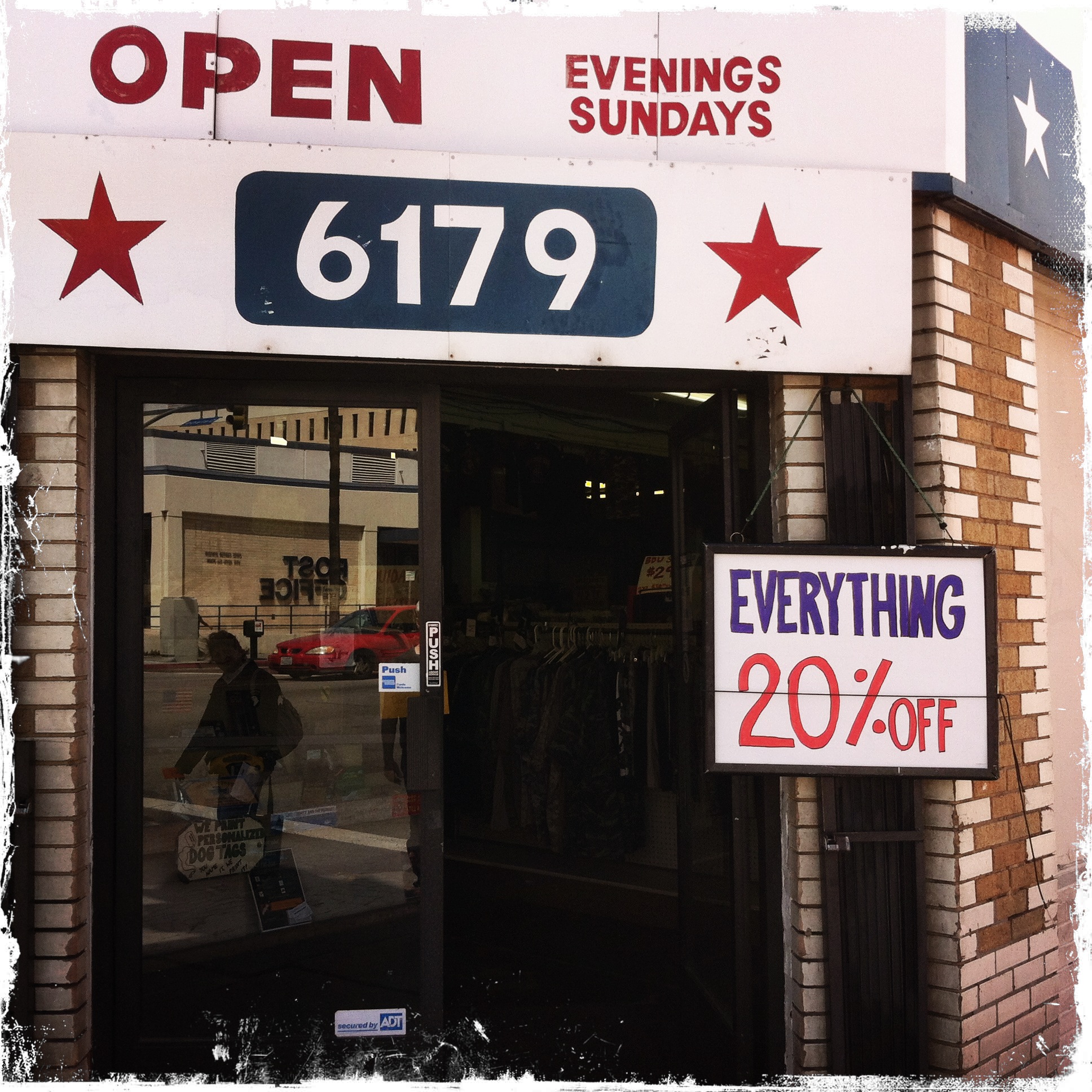
Another nail in the coffin of commerce on Van Nuys Blvd: the 63-year-old Van Nuys Army & Navy Store, Inc. at 6179 will close down in a few weeks.

Standing on the SW corner of Delano Street, the distinctive store with its red, white and blue lettering was one of the last remaining outposts of the old Van Nuys, a loner amidst pot shops and bail bondsmen.

The Army and Navy store, opened in 1950, held its ground against blank faced government buildings, retail white flight, and another human invasion from sub-Americana that dare not speak its name.

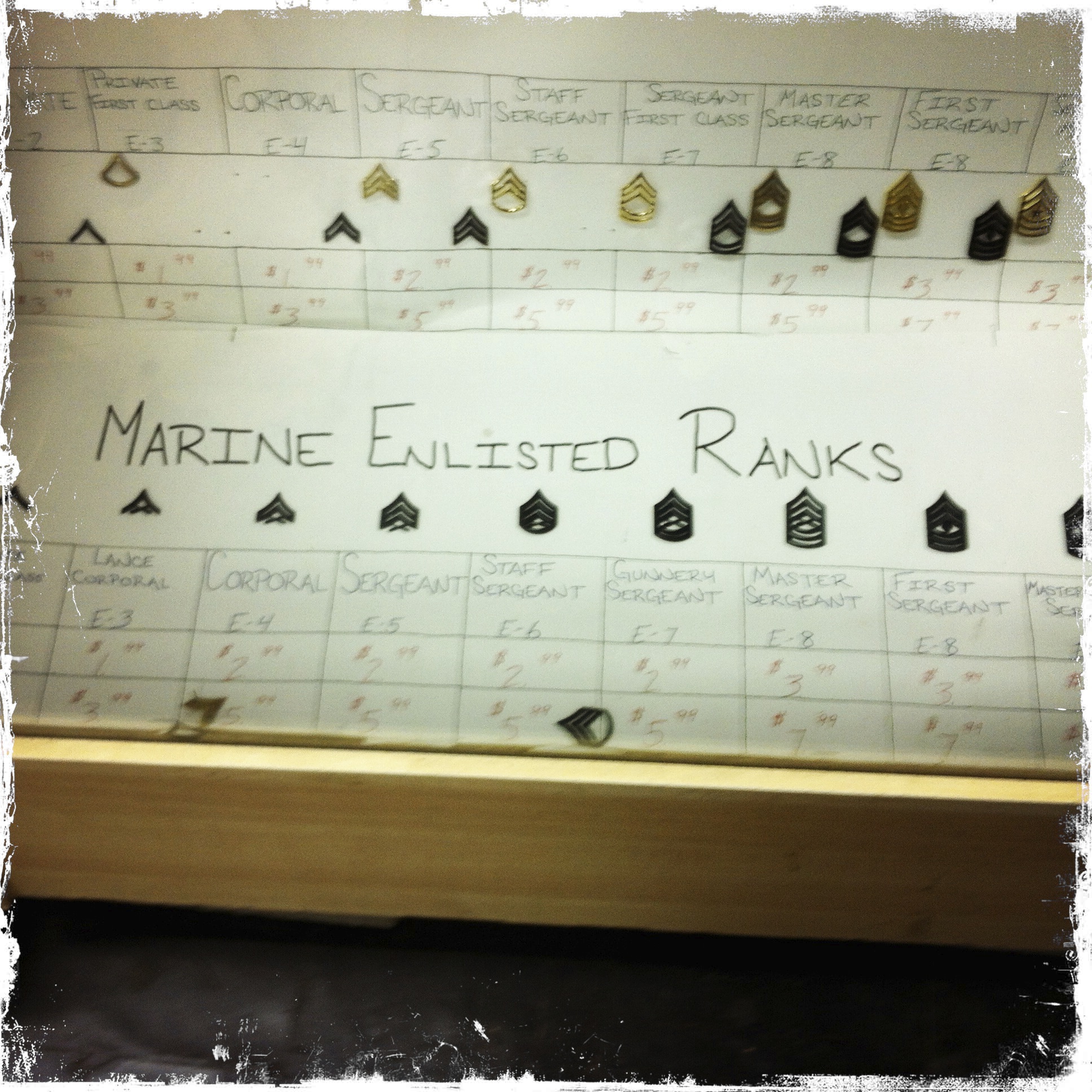
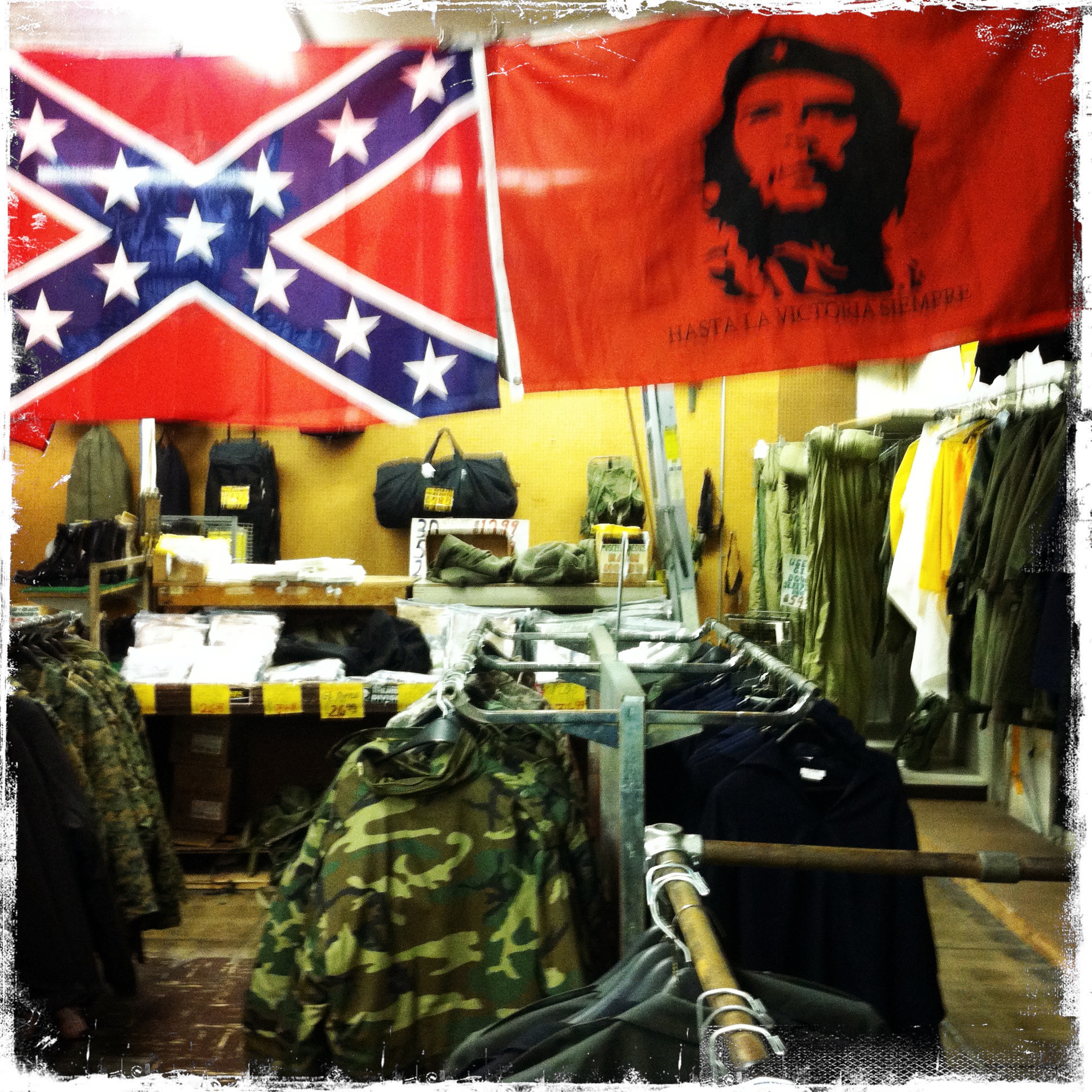
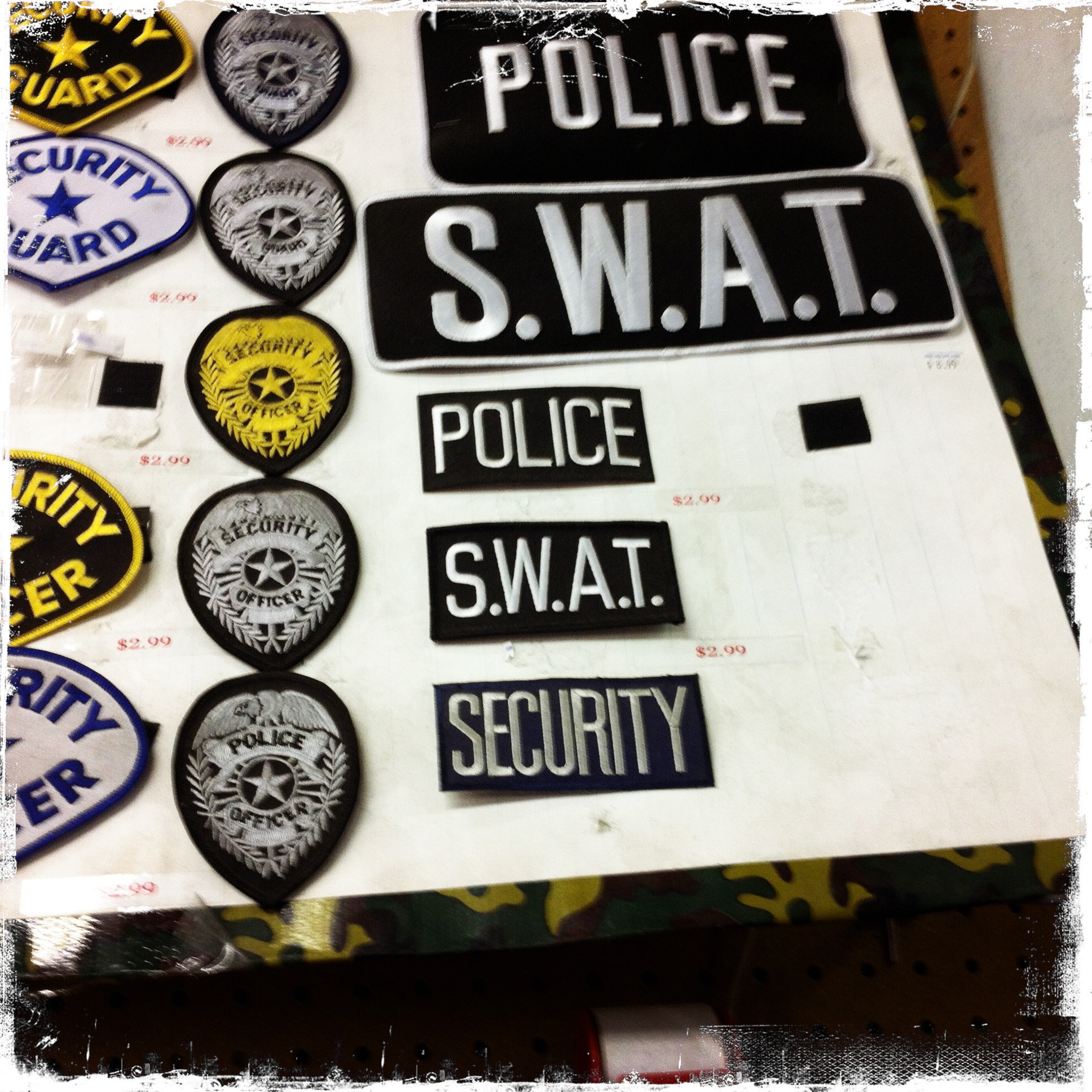
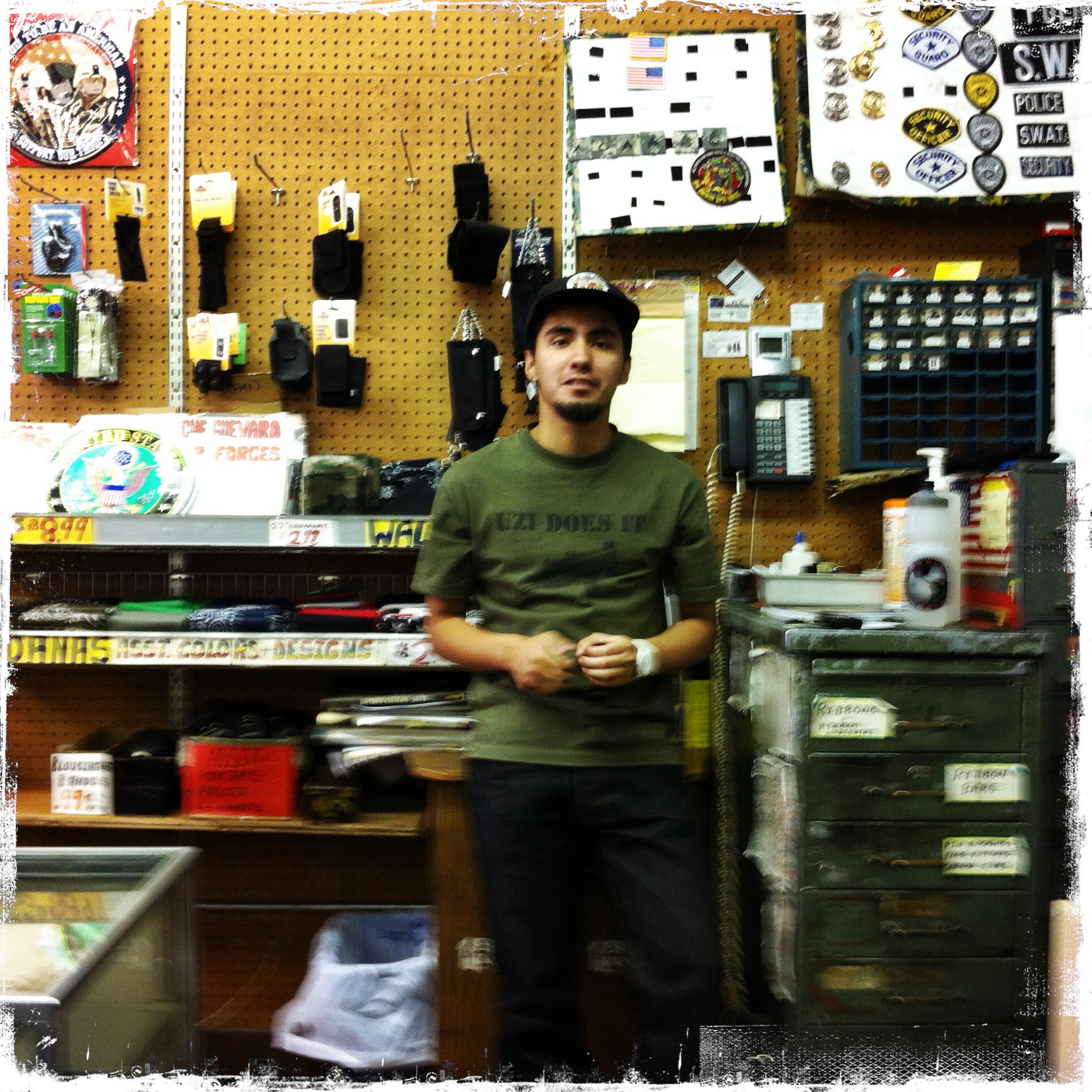
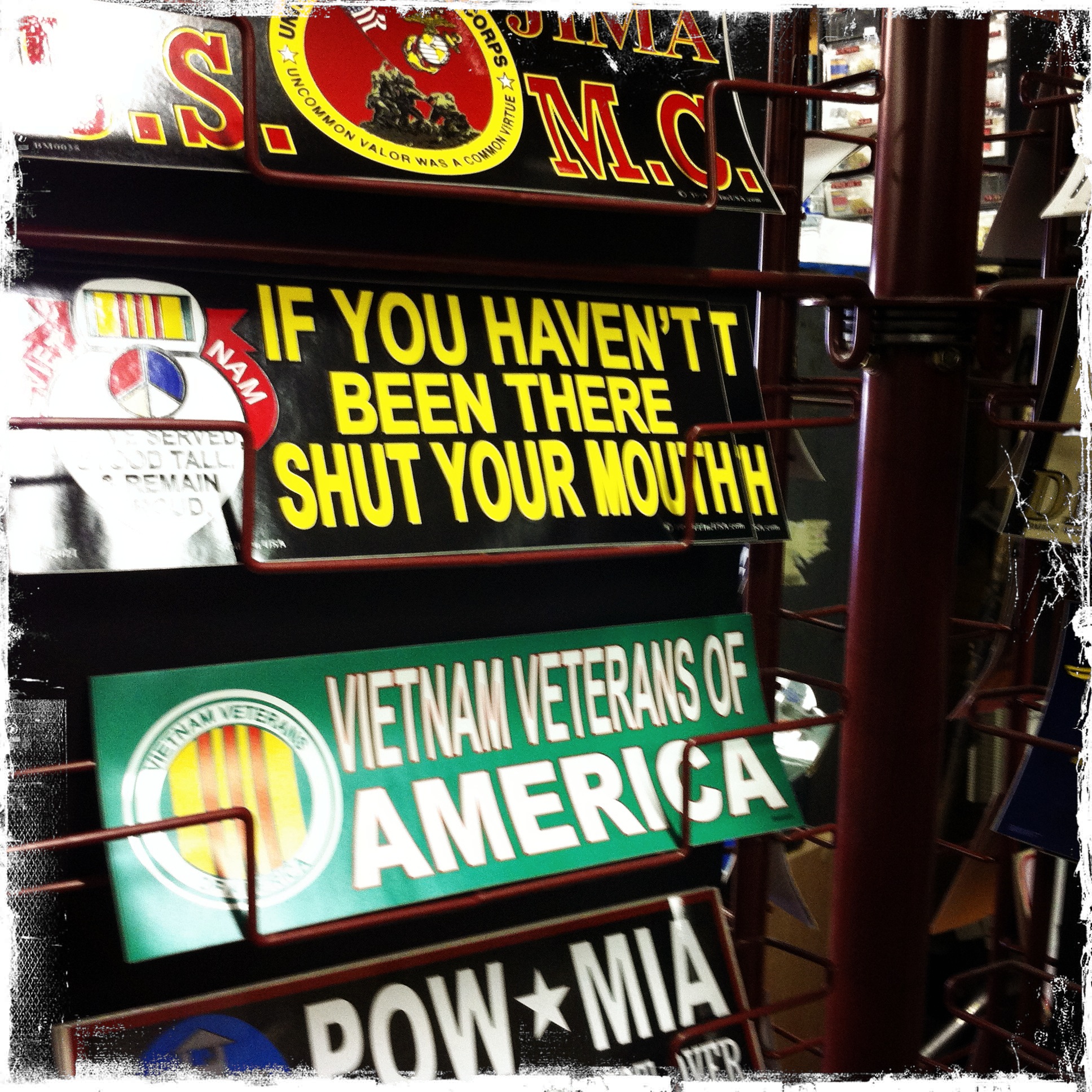
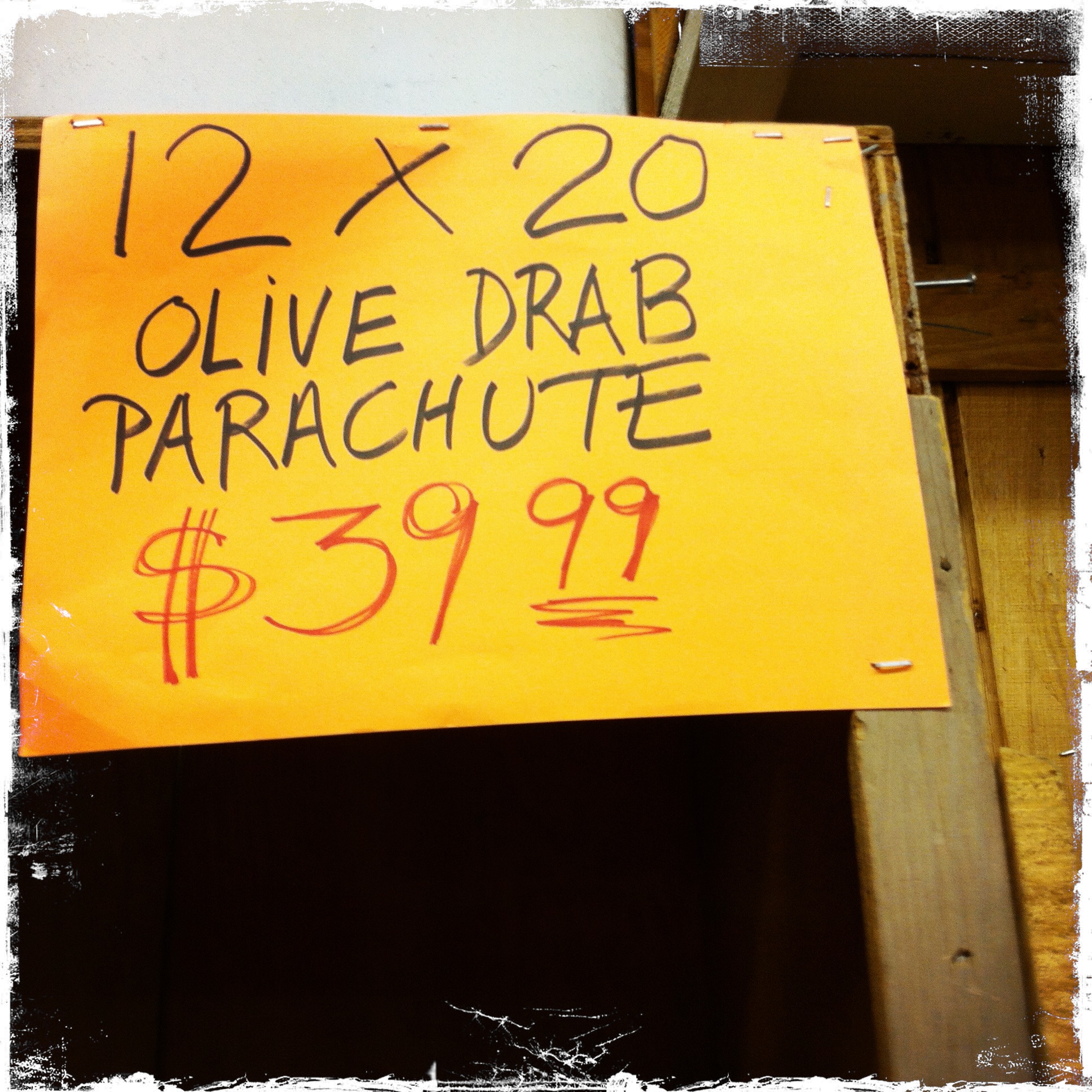
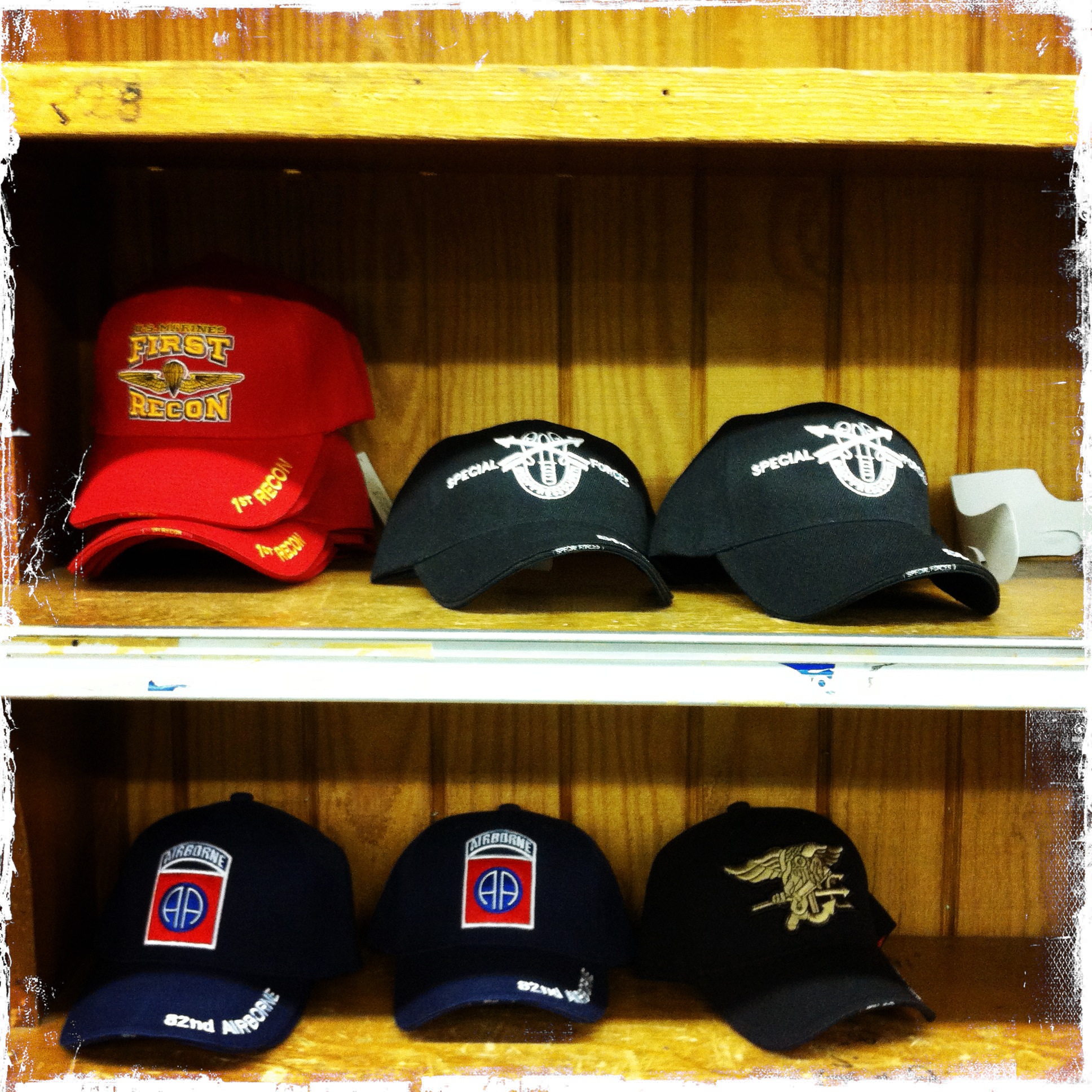
Inside the store were stacks of Levi 501s, military dress pants for $5.00, dark wool pea coats, special forces and 82nd Airborne caps on shelves, munitions and camouflage vests, rubber boots, Anti-American Confederate and Pro-Communist Che Guevara Flags for those of exotic political tastes; Vietnam era bumper stickers still silently yelling hostility and anger 45 years later, ammunition cans and olive drab parachutes, scratchy wool blankets in plastic, cotton Marine t-shirts, and survival kits for backyard campers or overseas fighters.

This was a store where friendly faces sold goods once used to fight enemies. It was a democratic place where the solemn savagery of war was put on sale for anybody to buy at rock-bottom prices.

It was a piece of Van Nuys when this boulevard bustled. Now it’s another dying locale on a street were even the litter is moving on.

Historic Fire Station No. 39


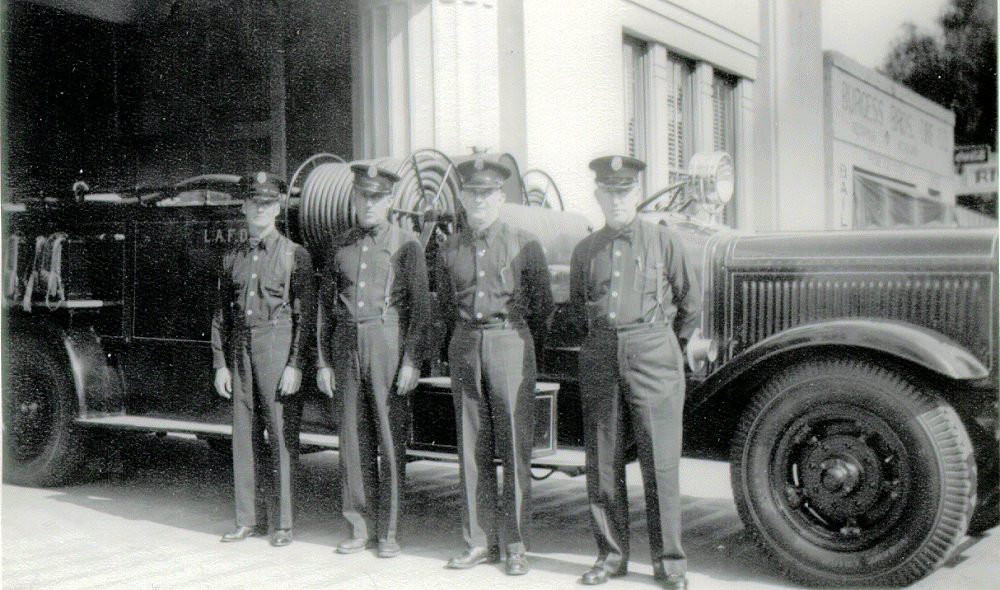
fs39_19391029_lafire_Tank39-crew_1000

July 15, 1940
July 15, 1940

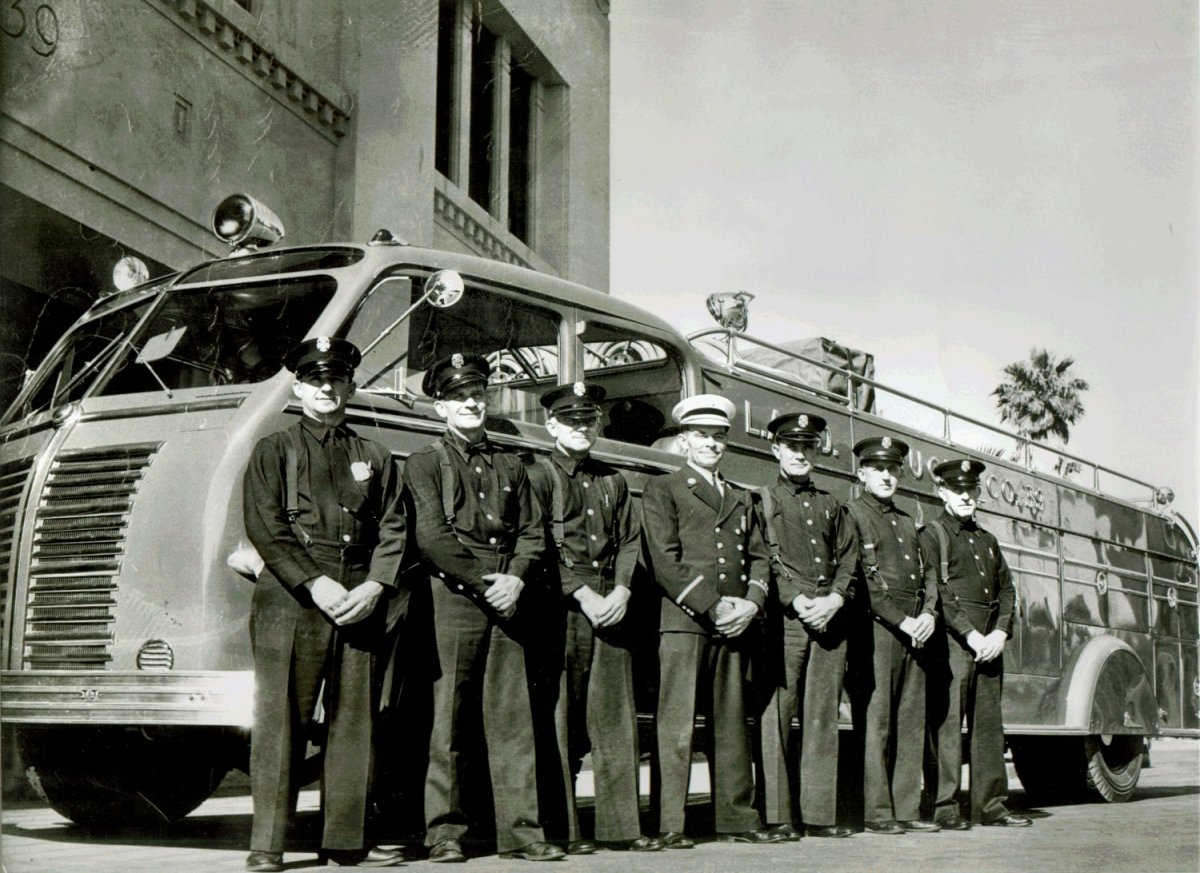
The Los Angeles Fire Department has a collection of vintage fire company photos.

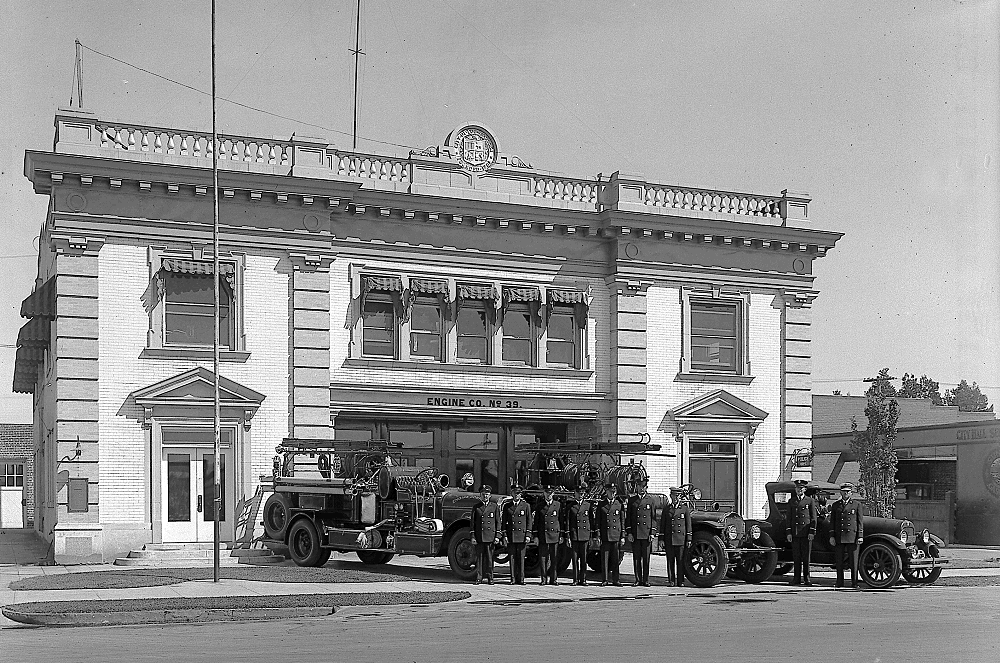
In the LAFD archives, I found images related to Van Nuys’ Engine Company #39 which has occupied a building or two at 14415 Sylvan St. since 1919.

fs39_0000-0000_LAFD-S1_FS39_1000

Chuck Madderom Coll.

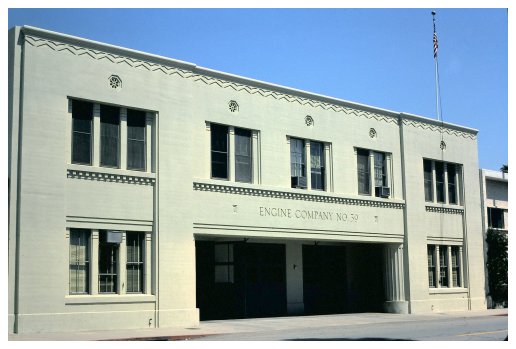
Curiously, it seems that present structure, dating to 1939, is merely an Art Deco remodeling of the original neo-classical structure. I could be wrong, but comparing the two buildings, which are in exactly the same location, seems to indicate this.

In the midst of the Great Depression, a grand and completely modern structure was erected or refashioned for a little over $4 a square foot.

Statistics from 1939:

Date Opened
July 25, 1939

Land Cost
Donated

Building Cost
$66,514.

Sq.Ft. Main Bld
Main Bld. 15,004
Garage & Storage 1,256
Hand Ball Ct. 1,122

Sq.Ft. Site 100×140
100×140 14,000

Number of Poles: 3