Classical Houses.


It’s been perhaps 90 years since Americans built well proportioned classical houses.

These are houses where the elements are pre-ordained: the windows are aligned with each other, and are placed within the facade to achieve balance and symmetry. The doorway is defined, frequently in the center, and around it are placed ornamental designs originating in Greece and Rome.

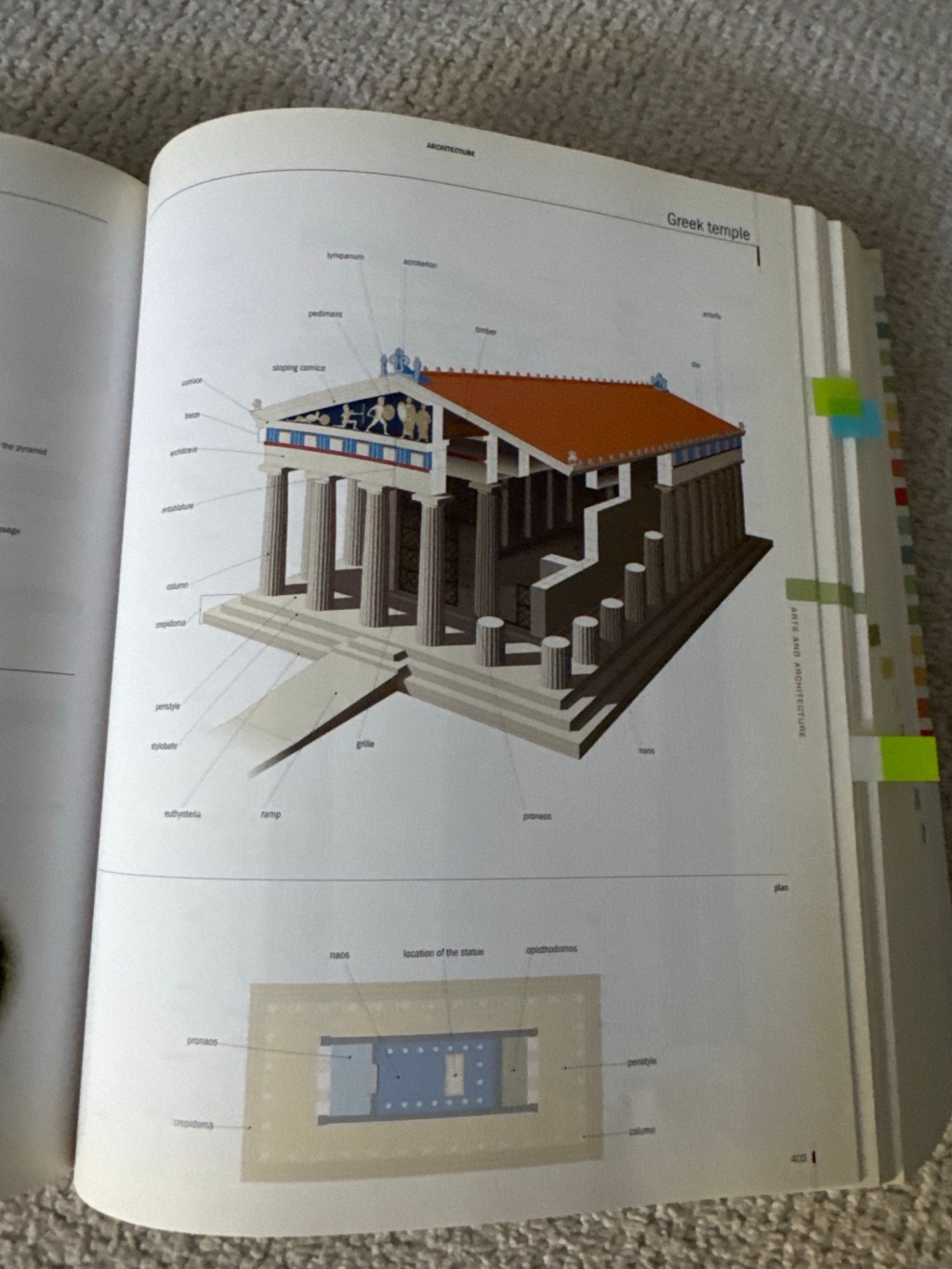
Columns in the Doric, Ionic or Corinthian orders have specific instructions as to their placement. They aren’t just slapped onto a facade as we see in modern day Encino.

In California, when builders put up spec houses they are never able to afford classic design because the intrusion of garages destroys the facades. Ironically most garages never store vehicles but are a repository for storage.

The plain white stucco house with vinyl windows is the lowest and most ubiquitous type of spec house. About a dozen of these have sprouted up in my neighborhood in the last ten years.

There is obviously no attempt in these cases to make the houses attractive in a classical sense. They are rafters and insulation and stucco made for desperate times. Nobody can really afford to build them, and nobody can afford to buy them, so we have a sad story of expensive prices for crap.

The one on top is three bedrooms with astroturf patio and rents for $7,000 a month next to a graffiti splotched alley.

The exploitation of land to build exploitative housing that hardly houses anyone is one of the ills of Los Angeles. For there are enormous plots of parking lots and open land, especially near the Orange Line, where walkable, civilized and attractive housing can be built.

After spending time in Switzerland last year, I came back thinking of how well things are built there. Not only are they solid, but the housing is meant to enhance the community. Sometimes it’s starkly modern, other times it’s traditional, but it always makes the environment better.

Bremgarten, CH.
Merenschwand
Zurich
Lucerne

Why in this city, which invented Hollywood, are the visual arts of architecture and design so lacking in public view? Why do we live amongst so much ugliness?

LA Fitness, Sepulveda Bl.

Is there perhaps something in the past we can look to as we rebuild Los Angeles for the future? Perhaps we need Elon Musk to siphon off $5 billion dollars from somewhere and employ an AI architect to make LA lovely again.

Here are some designs from AI Google, architects:

Purse Snatchers and Parking Lots. (Chinatown Part 2)


On the day we walked here, a few hours after we left, a 68-year-old woman, fighting a purse snatcher, was stabbed 8 times but survived. Her attacker was tackled by others and kept down until police arrived and arrested him.

One can sense the presence of danger here even though it may not be knifing you in the chest. You wouldn’t just rationally wander here at midnight. Maybe if you were drunk. 

North Spring Street is neglected. There are burned out buildings, empty storefronts, and lots waiting for life to return. New High Street between Alpine and Ord is made of one-story buildings and 50% asphalt parking lots. 

What a struggle to run a business in Los Angeles, especially a restaurant. How have any survived the pandemic, taxation, crime, inflation, food costs, employee wages? It’s a wonder anything is functioning.

My architectural imagination wonders why many streets in this district, adjacent to downtown, are so depleted of apartments above stores, why there are still one-story buildings and acres of parking lots all around. 

Along Alameda Street, there are gas stations, and a concrete building from the late 1960s housing The Los Angeles County Fleet Services. Against the brutal and blank façade are shrubs, a mid-century idea of environmental eyeliner. 

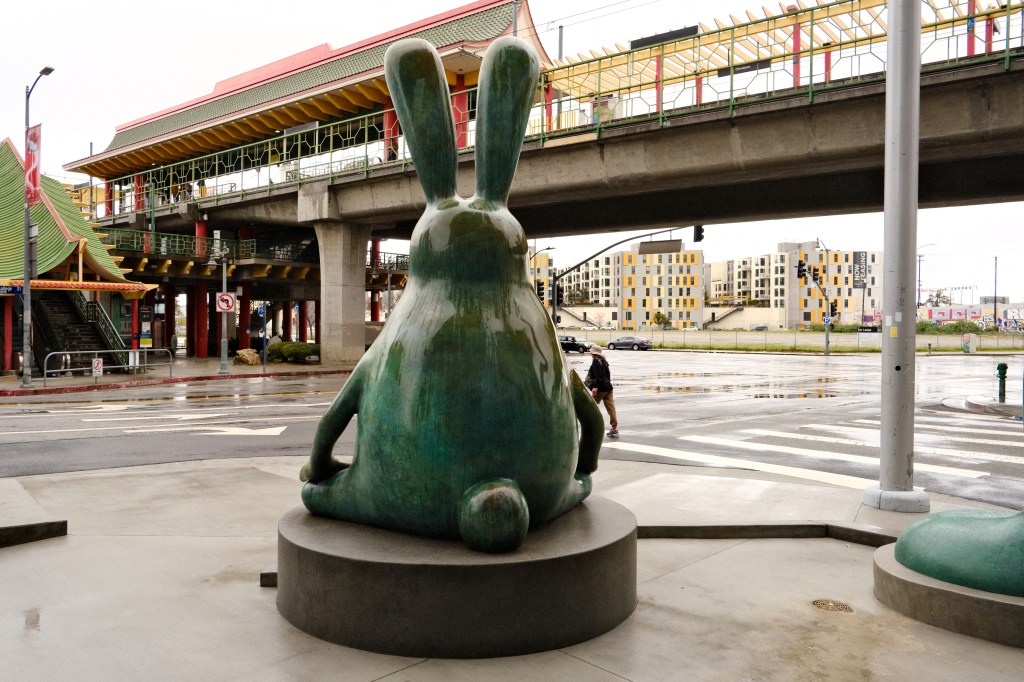
The light rail station is good looking with bright colors of red, green and yellow and decorative chinoiserie. There is a whimsical, large bunny statue on a pedestal standing guard across from the train.

There are handsome new buildings nearby but I hadn’t taken any photos of them. I will, perhaps, return here and photograph them someday. 

Exploring an Old Neighborhood on a Cool Summer Afternoon Near Dusk.


21st St.

S. Central Av.

The First Spiritualist Temple (1911 & 21)

Second Baptist Church  2412 Griffith Av. (1926, National Register of Historic Places)

Yesterday Andreas and I drove over to an old neighborhood to walk around and take photos.

The location was south of downtown, and the 10; east of the 110, and encompasses streets such as Washington Bl, Central, San Pedro and Maple.

Most of the houses were built in the early 1900s. They are wood cottages with ornamental embellishments, front porches, little yards, along streets punctuated by a variety of churches.

Lincoln Theatre (1926)

There are some glorious old theaters, including the Moorish revival style Lincoln (1926), which was once the heart of the black live performance music community along S. Central Avenue.

The long, distinguished history of black businesses, churches, educational institutions and artists who lived and created here is much too long to discuss in this short blog post, but this is where, from the 1920s to the 50s, much of African-American creative life was centered.

Today, the shops, the residents, the people on the streets, are largely Latino, though that designation is sweeping and generalizing too, and cannot describe the immutable variations of life here.

Washington & Central


On our walk we encountered friendliness everywhere, from people saying hello on bike, to men grilling sausages, to porch sitters waving and engaging in conversation. There is street life here that is supportive, engaged, healthy, perhaps more grounded and nurturing than one could find in any area of the San Fernando Valley.

There are fine murals on buildings, and most of the alleys we walked past were shabby but kept free of debris, cleaner, in fact, than some in Van Nuys.

Washington Bl.

722 Washington Bl. (2017)

On Washington Boulevard light rail zooms past architectural relics from the past century: the Scully Building at 725 was built in 1930 and is a spectacular “Gotham City” type of Art Deco with steel windows and vertically decorated brickwork and carved stone; 722 was built in 2017 and is a new 55-unit apartment with government backed funding providing decent housing in a city starved for it. A mural on the side of the building is spectacularly subtle, artist unknown.

725 Washington Bl. (1930)


(Stanford Av. Near 20th.)

2010 Stanford Ave.
Site of a 1914 warehouse auction for the Arnold Furniture Co.

Display_Ad_37_–_No_Title

Many of the streets down here (excepting Washington Bl.) are narrower than most in modern Los Angeles, creating an enveloping and embracing closeness between pedestrians and businesses, and making biking and walking safer. Every car that we encountered at an intersection, gracefully and politely, ushered us to walk in front. Yes, it’s the law, but its routinely flouted in richer communities of Los Angeles, but not down below Washington Blvd near S. Central Ave.

Washington Bl.

Washington Bl.

Mid-Century Commercial Building along Washington Bl.


Washington Bl. Bridge

Our tour ended, and culminated, in the glorious Washington Bl. Bridge (1930) that crosses the LA River, its majestic classicism fouled up by graffiti. Yet its polychromatic terra cotta frieze panels, depicting the art of bridge building, are still present, if grimy, on the four pylons on each side of the structure.

At that bridge, as Mother Nature blew the waning candlelight out of the sky, ushering in the night, the remnants of some deceased industrial glory and aspirations of greatness still cried out for recognition.

Washington Bl. Bridge 1930

The Return of Light Rail


Screen_Shot_2017_09_05_at_6.57.53_AM.0Electric_car_in_North_HollywoodVan_Nuys_only_37_years_ago_a_grain_field_in_1911Early_view_of_Van_Nuys_BoulevardVan_Nuys_Boulevard copyVan_Nuys_BoulevardFor the future we now return to the past.

The black and white photos all show how Van Nuys Bl. looked in the period from 1911-1957.

Yesterday there was announcement from Metro.

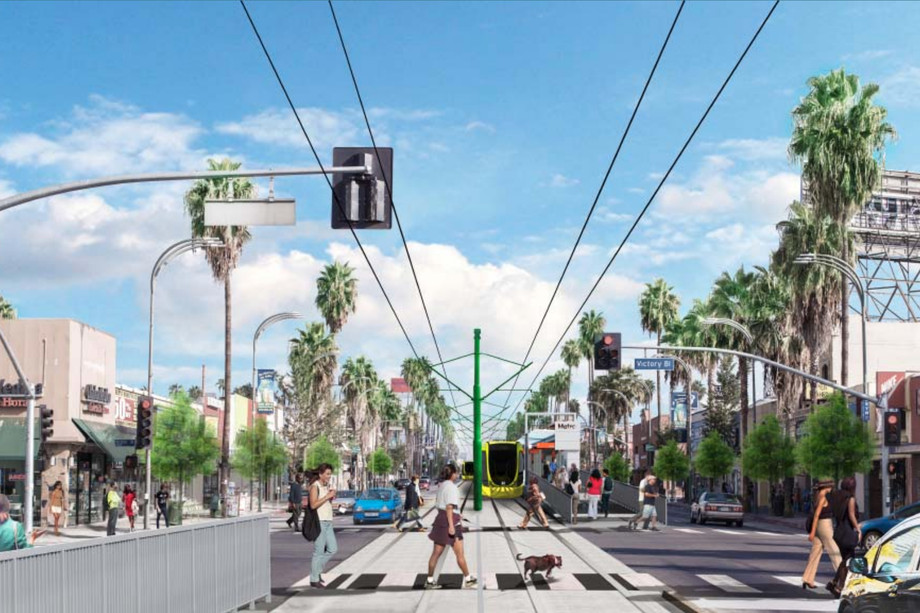
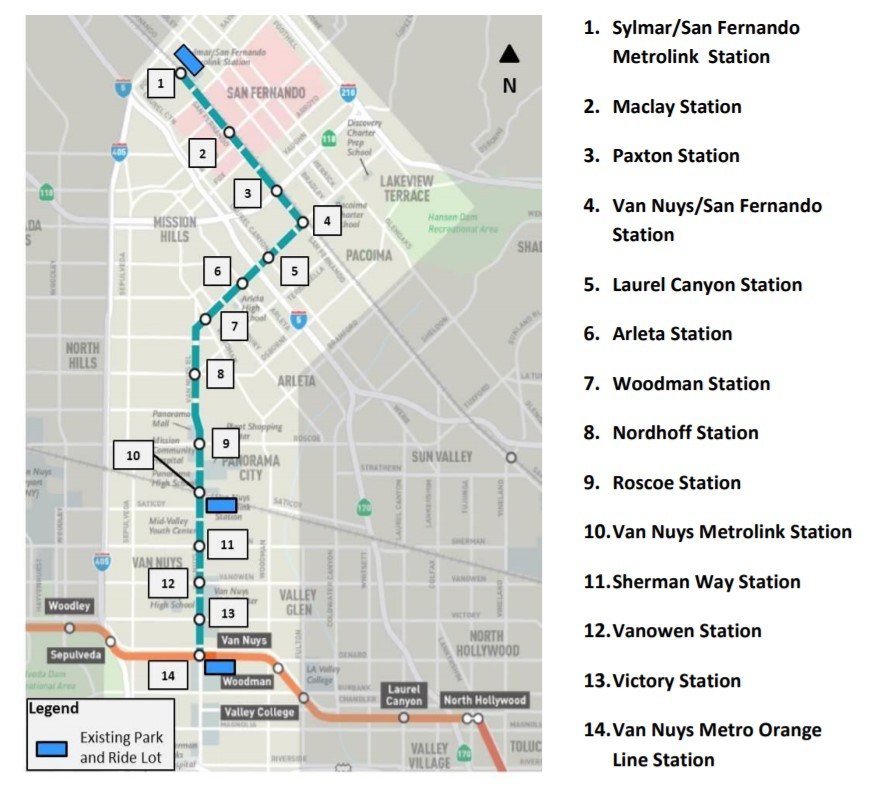
Metro will build a 9-mile-long light rail down the center of Van Nuys Boulevard, stretching from Sylmar to the Orange Line Van Nuys station near Oxnard St.

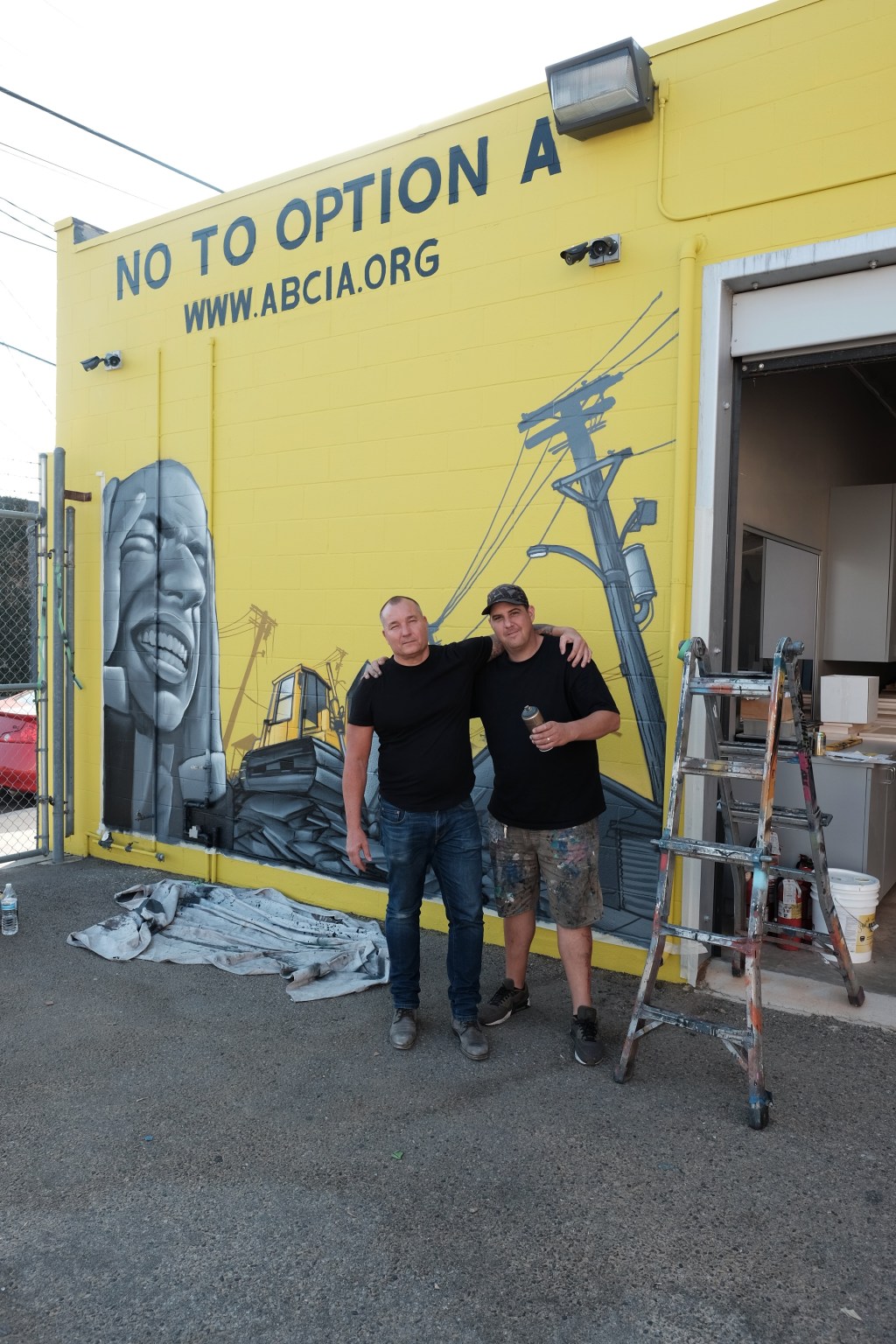
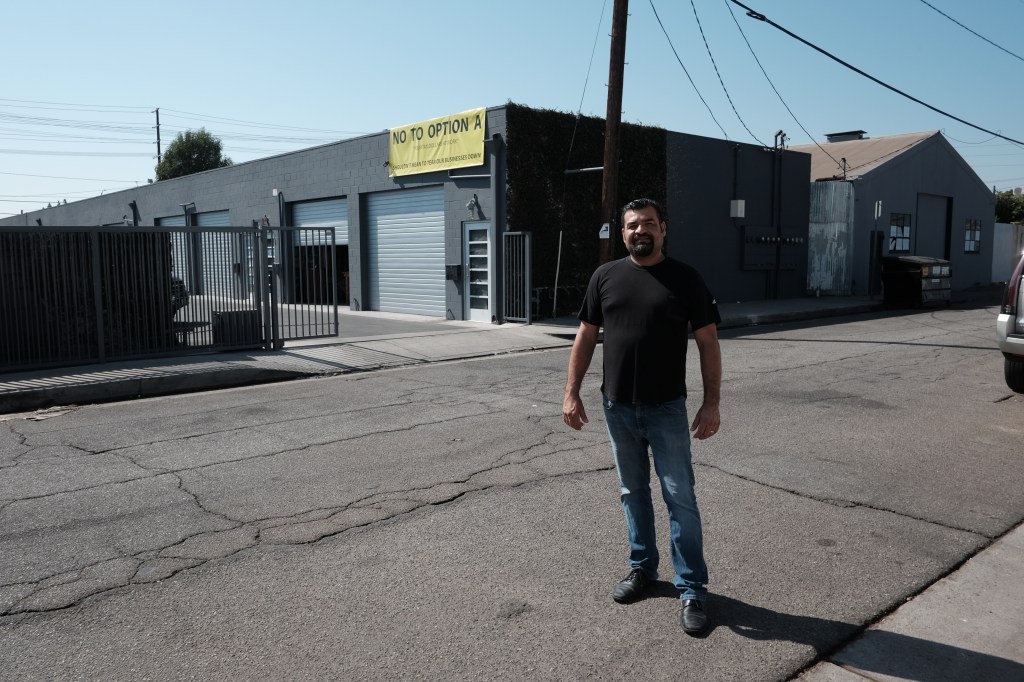
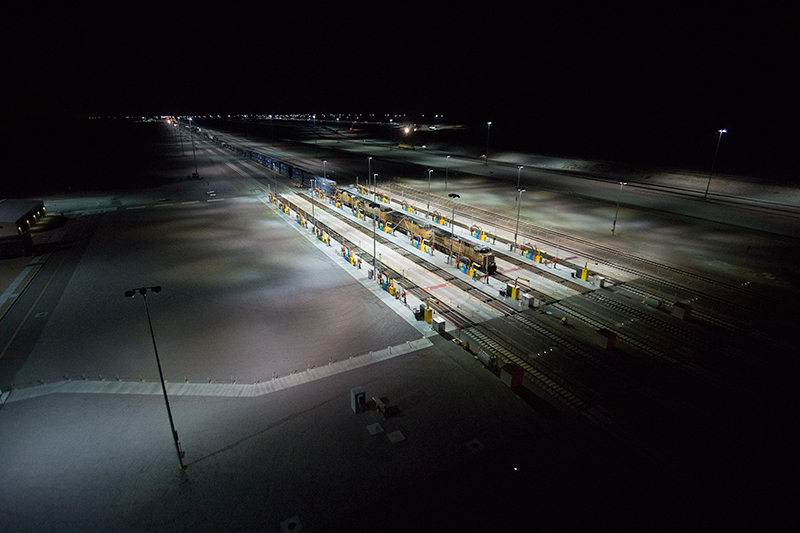
The light rail service yard for train maintenance will be built near Raymer St along the Metrolink tracks in the “Option B” area. “Option A” near Oxnard and Kester, that would have destroyed 58 buildings, 186 businesses and 1,000 jobs will not happen.


From the inception of Van Nuys in 1911 until the late 1950s, an electric rail car connected Van Nuys, North Hollywood and Hollywood and provided a means of public transportation from this part of the San Fernando Valley to the rest of Los Angeles.

The modernization of Los Angeles, which always put the car before anything else, led to the ripping out of the rail and its replacement with an enormously wide boulevard of ten lanes of asphalt.

Van Nuys Boulevard today is probably in its worst state of economic and social decline in its history. With its empty stores, shabby buildings, homeless men and women and neglected properties it stands as a civic disgrace.

DSCF3189

dscf2649dscf2605dscf2661dscf2640

Hopefully, the light rail will lead to a change in the betterment of Van Nuys, though local leaders, such as Councilwoman Nury Martinez are often lukewarm about public transportation, painting it in fearful terms of criminality and danger, or still characterizing it as a cattle car for maids and dishwashers to get to work, rather than as a means of transportation for every single citizen of Los Angeles to use.

Any incident of crime is unacceptable on a Metro train.

But how many private cars break the law every single day by speeding, running over pedestrians, going through red lights, and taking part in car chases, drive-by-shootings, hold-ups and child kidnappings?


Here is an article from Curbed LA describing the new project:

“Metro is moving forward with plans for a new rail line in the eastern San Fernando Valley.

One of the 28 projects that the agency plans to have up-and-running in time for the 2028 Olympics, the East San Fernando Valley Transit Corridor would run from the Orange Line station in Van Nuys to the Sylmar/San Fernando Metrolink station, about 9 miles to the north.

Metro had considered building the line as a rapid bus route, rather than rail, but on Thursday the agency’s board of directors approved plans that would advance the project as a light rail route similar to the existing Gold, Blue, and Green lines.

“I have long dreamed of a day when we would have more than two Metro train stops,” Stuart Waldman, president of the Valley Industry and Commerce Association, told the Metro board.

He called the line the “largest economic development project in the San Fernando Valley this millennium.”

Most of the line would travel along Van Nuys Boulevard, with trains traveling on tracks built in the center of the road. For the final 2.5 miles of the route, trains would travel on San Fernando Road to the northernmost stop.

Metro expects a trip from end-to-end would take about 29 minutes, and that the train could carry close to 50,000 riders per day by 2040. Eventually, the line could connect with a future transit project through the Sepulveda Pass.

That would give Valley residents significantly more options when navigating the city.

Since the line will be served by light rail, Metro will need to add a service station for trains that travel along the route. The agency had considered putting that facility on a parcel of land close to the Van Nuys station, but local property owners complained that the plan would displace hundreds of businesses.

Now, Metro plans to put that maintenance yard closer to the Van Nuys Metrolink station, where it would have to acquire fewer properties. Some businesses would still be displaced, and several business owners expressed concern Thursday that they could be forced to close up shop.

These businesses would be eligible for relocation fees, and on Thursday Metro Boardmember Sheila Kuehl also asked staffers to look into creating a fund to compensate business owners for disruptions caused by construction of the line.

The light rail tracks would serve 14 stations running through the communities of Van Nuys, Panorama City, Arleta, Pacoima, and the city of San Fernando. The entire project would cost about $1.3 billion to construct. Metro previously considered running a short leg of the line underground, but found that would more than double the project cost.

Now that Metro has settled on a design for the project, the agency will complete a final environmental review before preparing to begin construction.

Under the Measure M funding timelineapproved by LA County voters in 2016—the project would break ground in 2021. Construction is expected to wrap up by 2027.”

Option A is Off


The Metro Planning Board will not recommend the demolition of 33 acres of light industry near Kester and Oxnard that would have obliterated 58 buildings, 186 businesses and endangered 1,000 jobs within walking distance of downtown Van Nuys.

“Option A” was a proposed light rail service yard that would have serviced a 9.2 mile public transit train line that will be built from Sylmar/San Fernando to Van Nuys.

Instead, the board said “Option B”, a site around Keswick and Van Nuys Bl., near the existing Metrolink trains, is a better choice for the new site of the service yard.

Construction is anticipated to begin in 2021, with the line opening in 2027.

There are businesses in the “Option B” area that must relocate and they are, predictably and understandably, upset by the decision.

But the “Option B” district is not adjacent to a residential area, and has far fewer parcels, making it a cheaper and faster choice for Metro to demolish and compensate property owners.


Option A 

Imagine this as a beer garden, an outdoor restaurant, a park, or a site for new courtyard housing.

“Option A” runs along the Orange Line with its bike path and bus line slated for conversion to light rail.

It is a bustling and well-located area of affordably priced light industry which one day could also be used for inserting cafes, small retail stores, low profile apartments and multi-family dwellings, providing a new residential/work/recreation district in Van Nuys.

To lose it to the bulldozer would have been a tragedy, and let us hope that community activists, architects, investors and city planners will recognize the potential in the “Option A” area and design a new prototype for progressive living in Van Nuys.


Option A: Just Plain Places


This blog has written 13 other times on “Option A”, a Metro LA proposal by the public transportation agency to wipe out 33 acres of industry in Van Nuys, near the junction of Oxnard and Kester, and replace it with a light rail service yard. It would destroy 1,000 jobs, displace 186 businesses and flatten 58 buildings.

Though the scheme has been public knowledge since September 2017, property owners, workers, renters and the neighbors near here still stand on thin ice, awaiting official June 2018 word whether this whole district is sentenced to death, or if another site (B, C, or D), near the Metrolink tracks up on Raymer Street will be chosen instead.

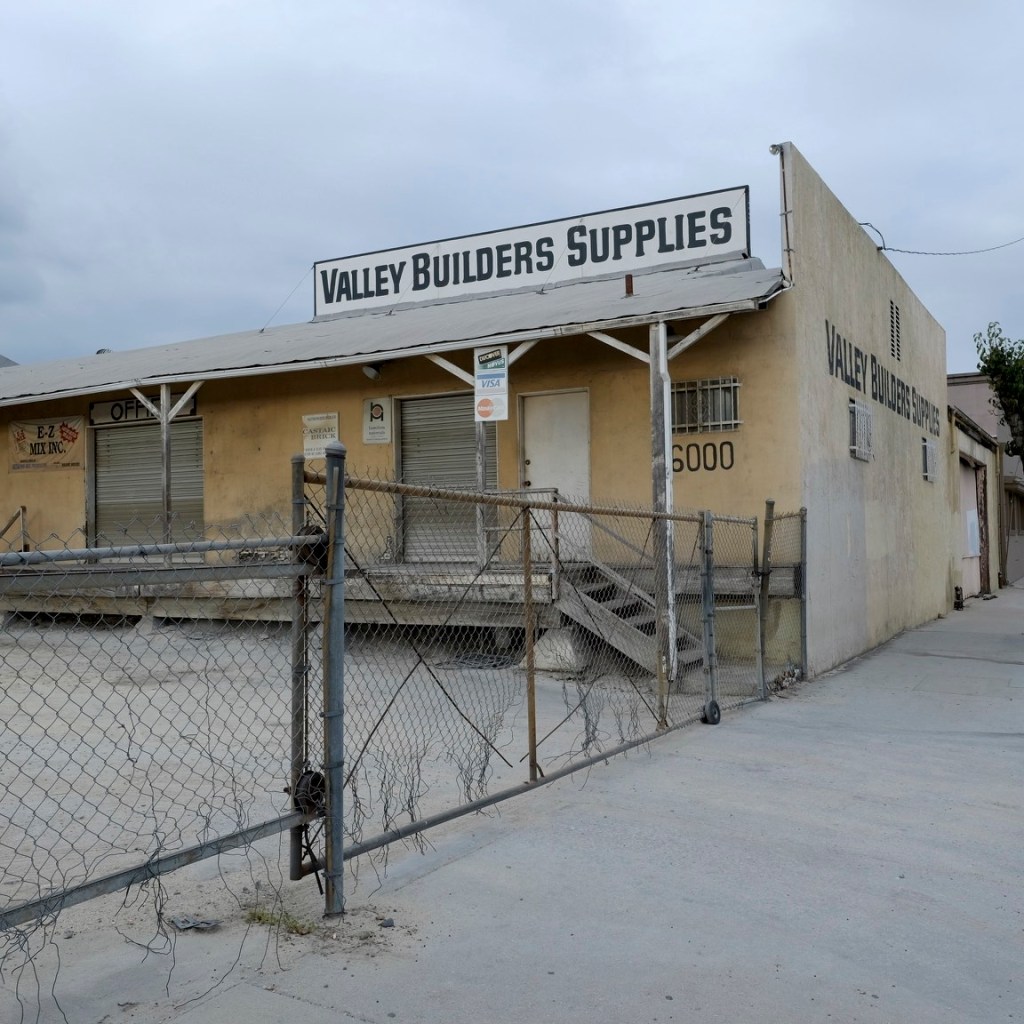
A photo walk around here yesterday, along Oxnard, Aetna, Bessemer and Calvert, to document some buildings that may be gone in a few years, was also an opportunity to show that this area has great potential beyond its current light industrial use.

In gravel yards, on cracked and broken asphalt, under decaying wood, on treeless, depopulated and narrow roads, there are ingredients for a nice urban area of some new housing, some new cafes, some places where trees, lighting, discreet signage and pavement of cobblestones could bring an infusion of 24/7, urban, walkable, bikeable activity to the neighborhood.

It is already an incubator of creativity with makers of exquisite decorative hardware, superb custom cabinetry, music recording studios, Vespa and Mustang restorers, stained glass makers, welders, boat builders, and kitchen designers. These businesses, incidentally, are staffed by mostly local owners and workers, many of whom are but minutes away, or take the bus or even walk to work.  Rents are currently affordable, often 50 cents, $1 or $2 a square foot.

MacLeod Ale, maker of fine British style beers, since 2014, is on the north side of Calvert and is not threatened with demolition but its existence and success is a testament to the potential for innovation in this area.

Ironically, the very wonderful addition of a landscaped bike path and the Metro Orange Line bus in 2005 is now threatening the area because of future conversion to a light rail system. Yet the “Option A” district is thriving, even if it is shabby in places, because it is a work zone of skilled, employed, productive people.

Politicians who often talk ad nauseum about “diversity”  should come here with mouths closed and observe men and women: Mexican, Armenian, Norwegian, German, Persian, Guatemalan, Salvadoran, Irish, Scottish, Israeli-Americans, all the hyphenations of ethnicity and gender, who don’t care about where anyone came from, but only about where they are going in life.

This is Los Angeles. This is diversity. This is economic prosperity. This is within walking distance of “downtown Van Nuys.”

Yet short-sighted officials, bureaucratic ignoramuses with grandiose titles, flush with public money, would consider wiping out the very type of neighborhood whose qualities are needed, wanted and venerated.

Option A must not happen. This is what it looks like now.

Imagine what it could look like with the right, guiding hands of investment, preservation, planning and protection.


SaveSaveSaveSave

SaveSave